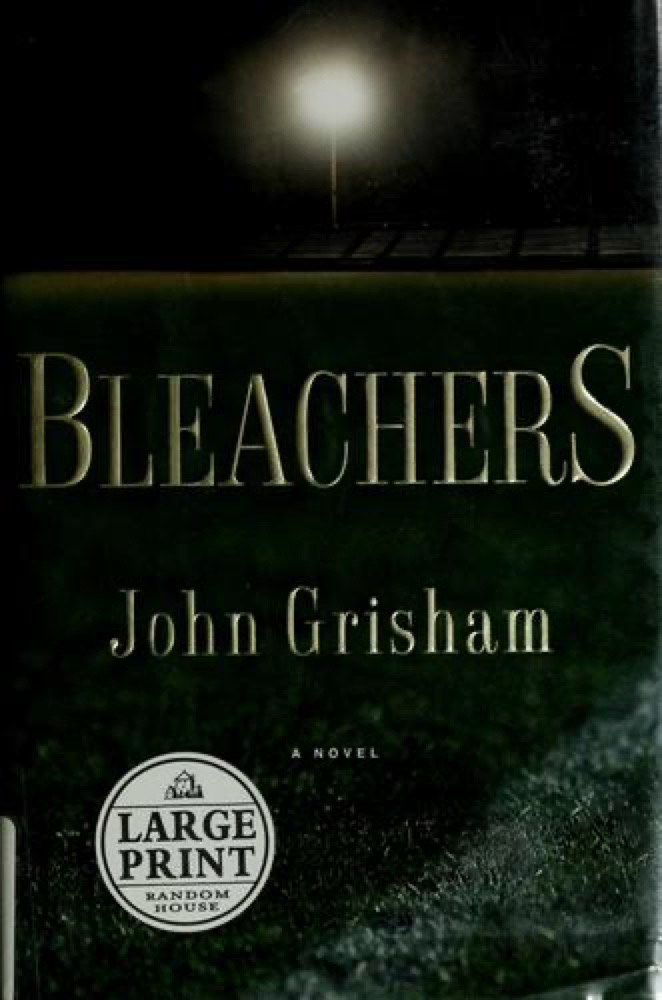

 The Abduction
Quotes from the Book
You count the years until you get a varsity jersey, then you're a hero, an idol, a cocky bastard because in this town you can do no wrong. You win and win and you're the king of your own little world, then poof, it's gone. You play your last game and everybody cries. You can't believe it's over. Then another team comes right behind you and you're forgotten.
I'm here to tell you, separate was never equal.
We were invincible because we were eighteen and stupid.
mentally than the other guy, and you’re tougher mentally because
miss him?” Another slow sip. “How can you not miss Rake once you’ve played for him? I see his face every day. I hear his voice. I can smell him sweating. I can feel him hitting me, with no pads on. I can imitate his growl, his grumbling, his bitching. I remember his stories, his speeches, his lessons. I remember all forty plays and all thirty-eight games when I wore the jersey. My father died four years ago and I loved him dearly, but, and this is hard to say, he had less influence on me than Eddie Rake.
Watch on YouTube
About John Grisham
We have collected 254 quotes from 19 books by John Grisham on BookQuoters.
More about the author →More by John Grisham
All books by John Grisham →
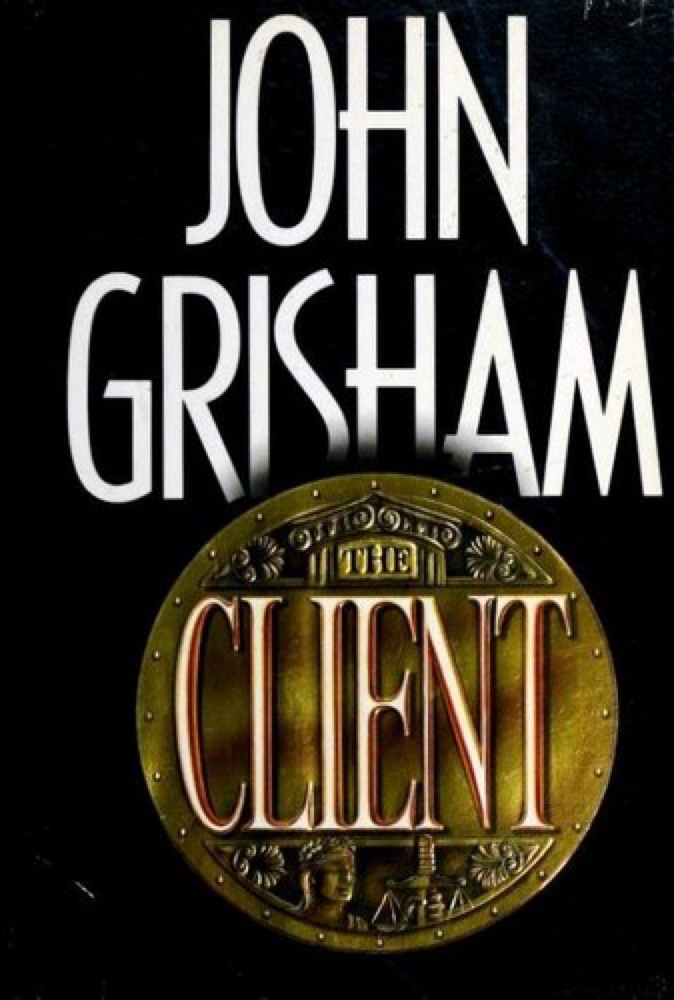
Book details
- Author
- John Grisham
- Genre
- Fiction
- Goodreads rating
- 3.55 (47k ratings) →
Keep reading
 Sum It Up: 1,098 Victories, a Couple of Irrelevant Losses, and a Life in Perspective
 Carrie Soto Is Back
 Ball Four
 Boy Toy
 Blood of My Blood
 The Outsiders
 The Damned Utd
 Super Fake Love Song
 The Hate U Give
 My Losing Season: A Memoir
 Inside Out
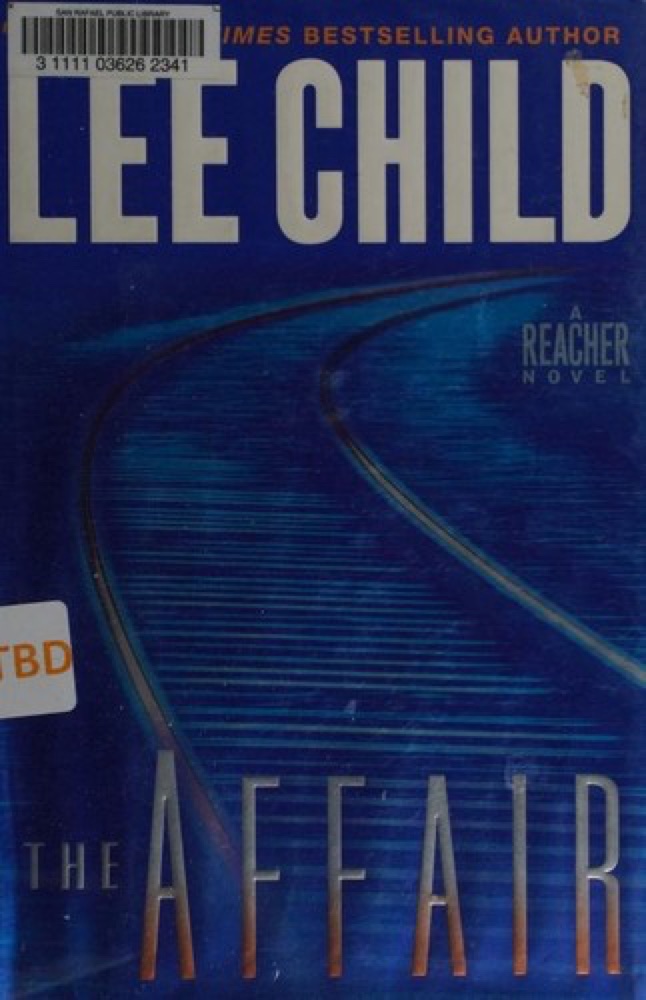 The Affair
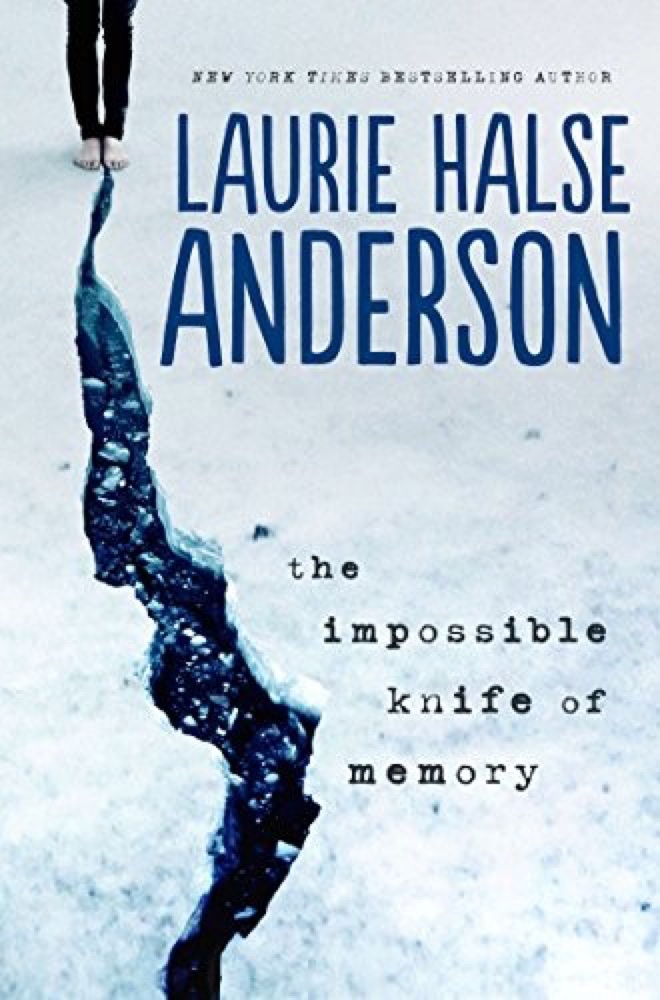 The Impossible Knife of Memory
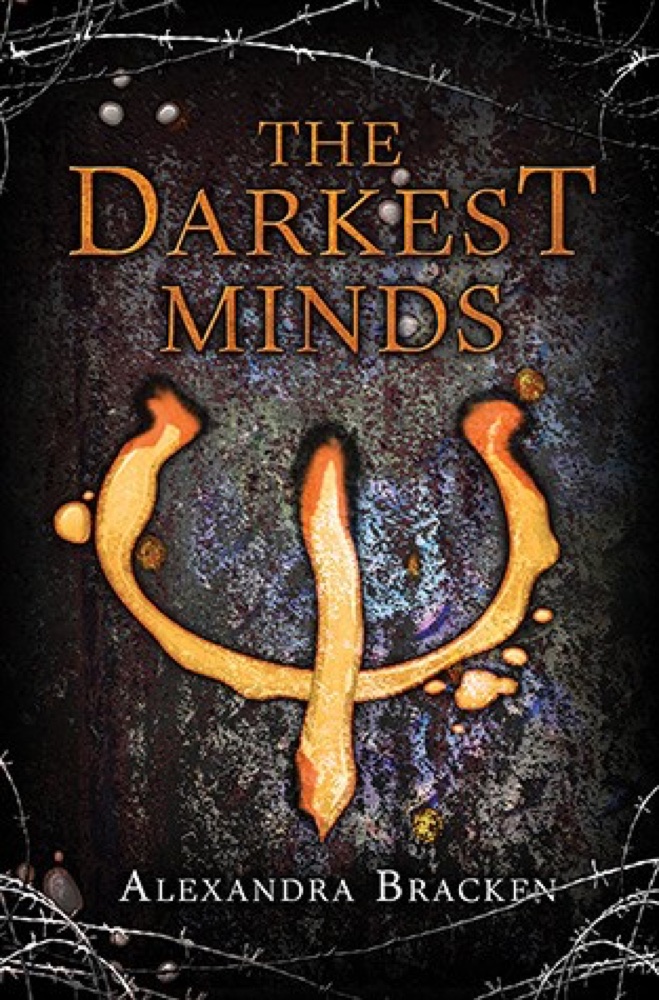 The Darkest Minds
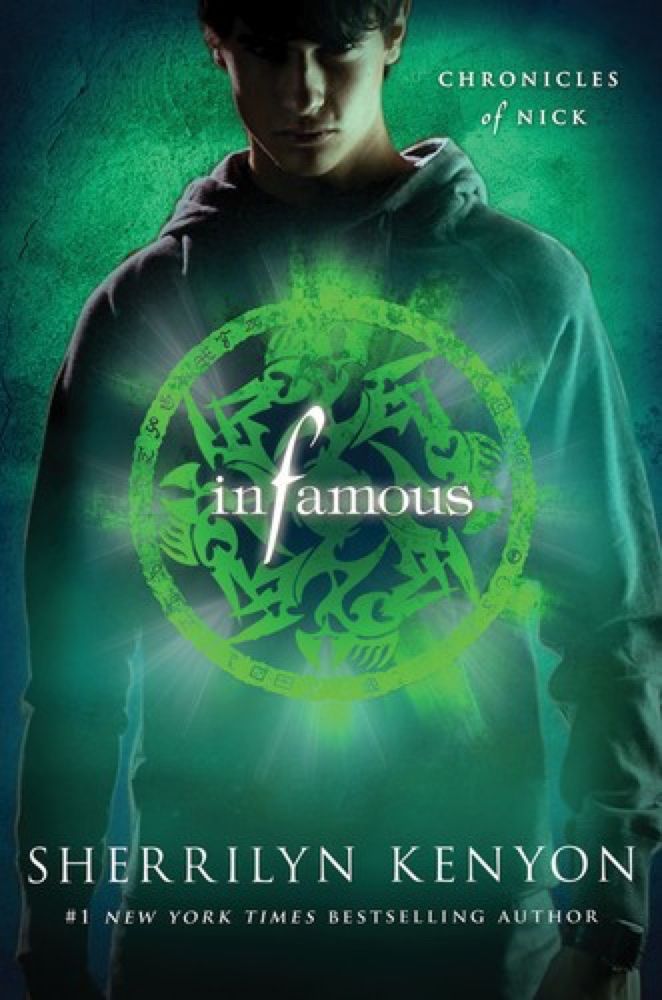 Infamous
 I Have Some Questions for You
 Never Fade
 The Art of Fielding
 Fever Pitch
 Fade
Fade
 Killing Floor
 Citizen: An American Lyric
 The Blind Side: Evolution of a Game
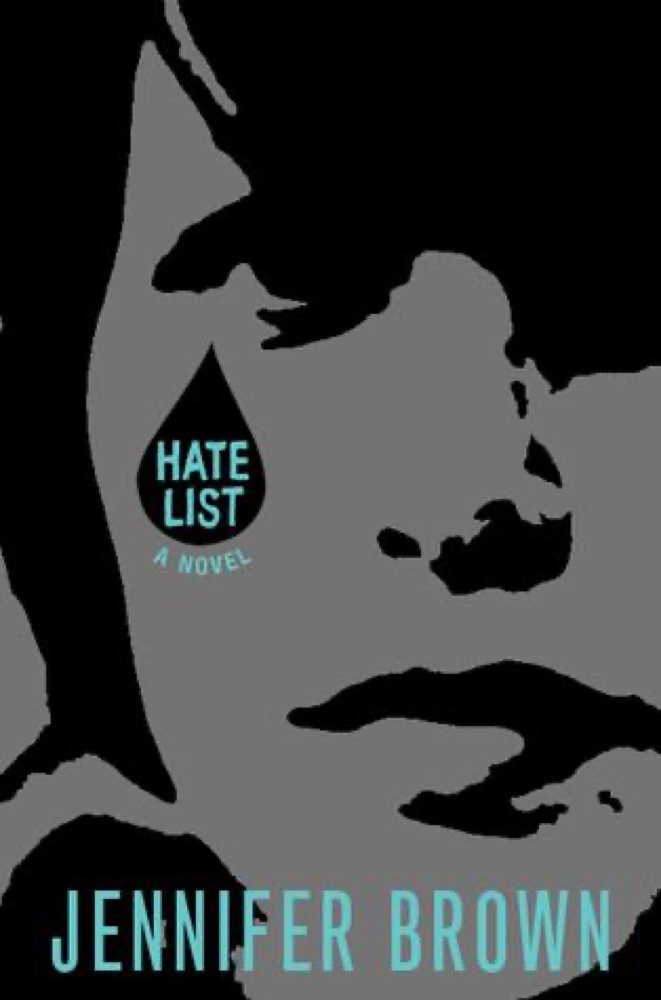 Hate List
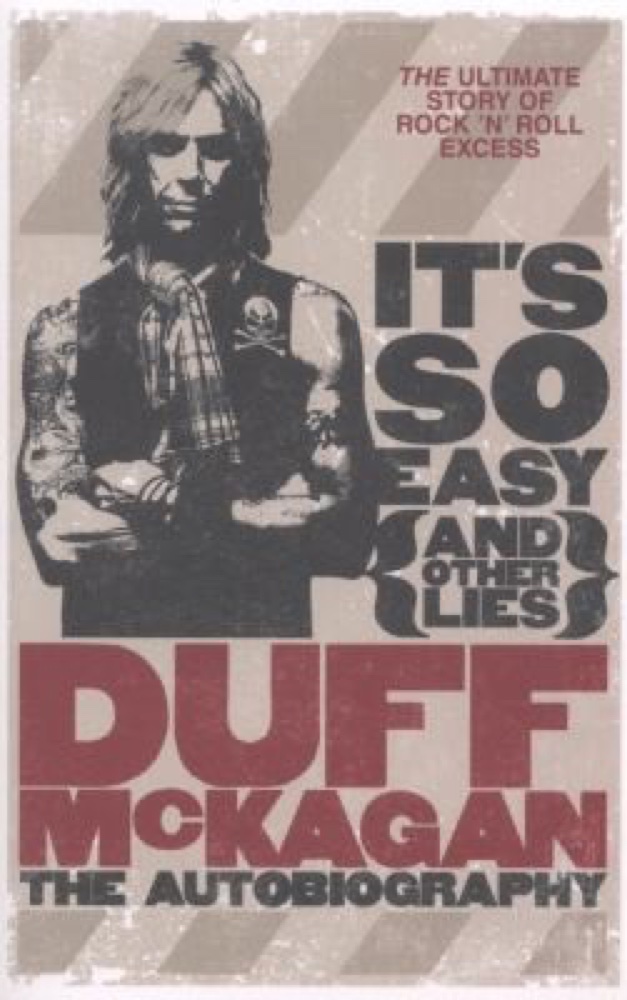 It's So Easy: And Other Lies
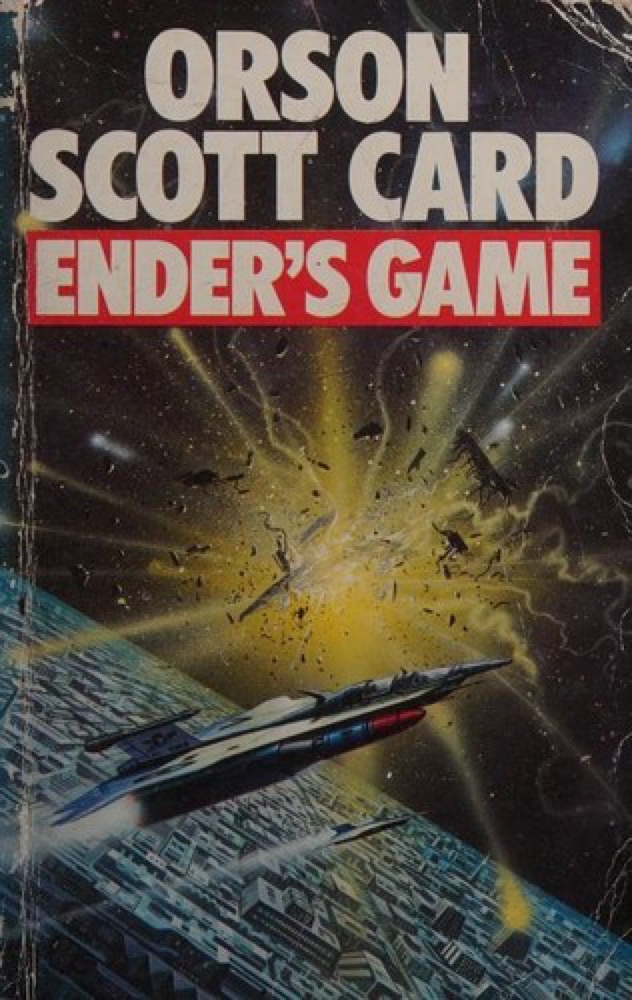 Ender's Game
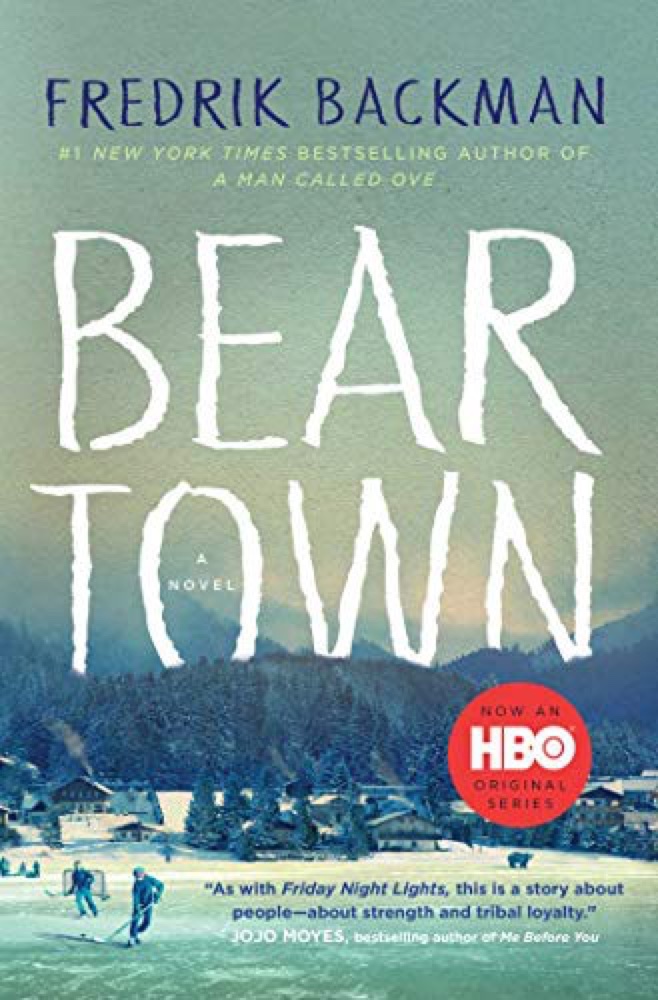 Beartown
 #Bae
#Bae
 Prince of Thorns
 Everneath
 Elite
Elite
 Past Perfect
 The Wrong Game
 The Unteachables: A Hilarious Novel About a Class of Misfits and Mayhem for Children
 Welcome to Braggsville
 Ink
Ink
 Battle Royale
 The Yearbook
 Breaking Point
 Game
Game
 Vicious
 The Coldest Winter Ever
 The Raven King
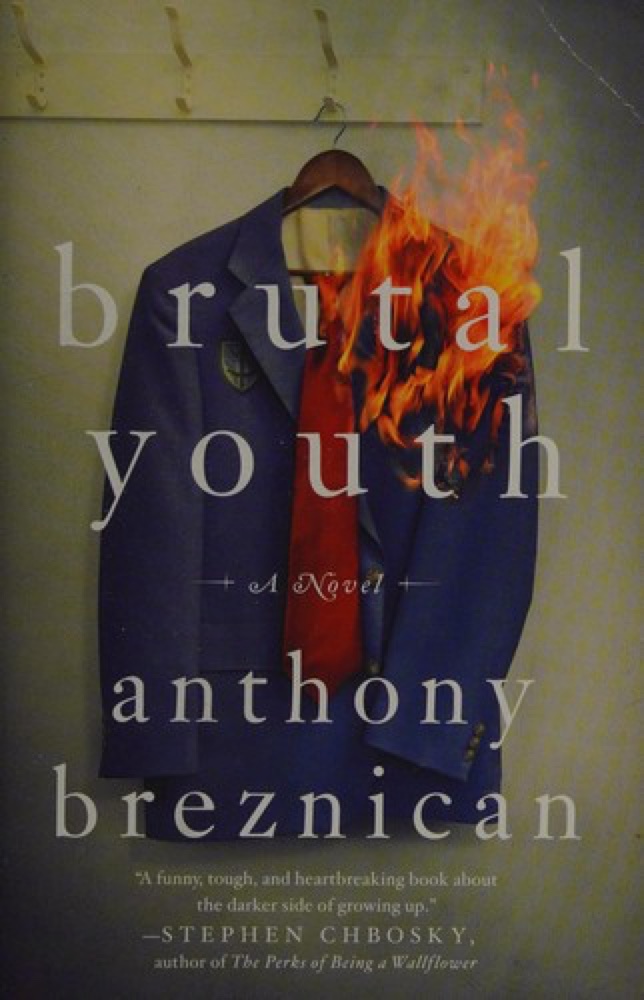 Brutal Youth
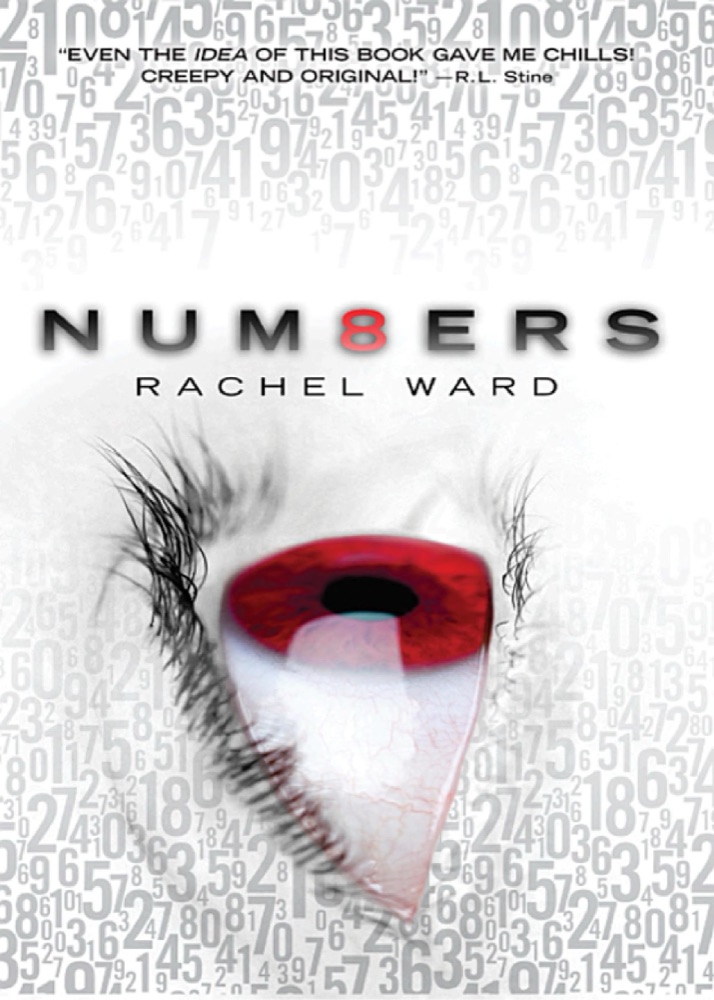 Numbers
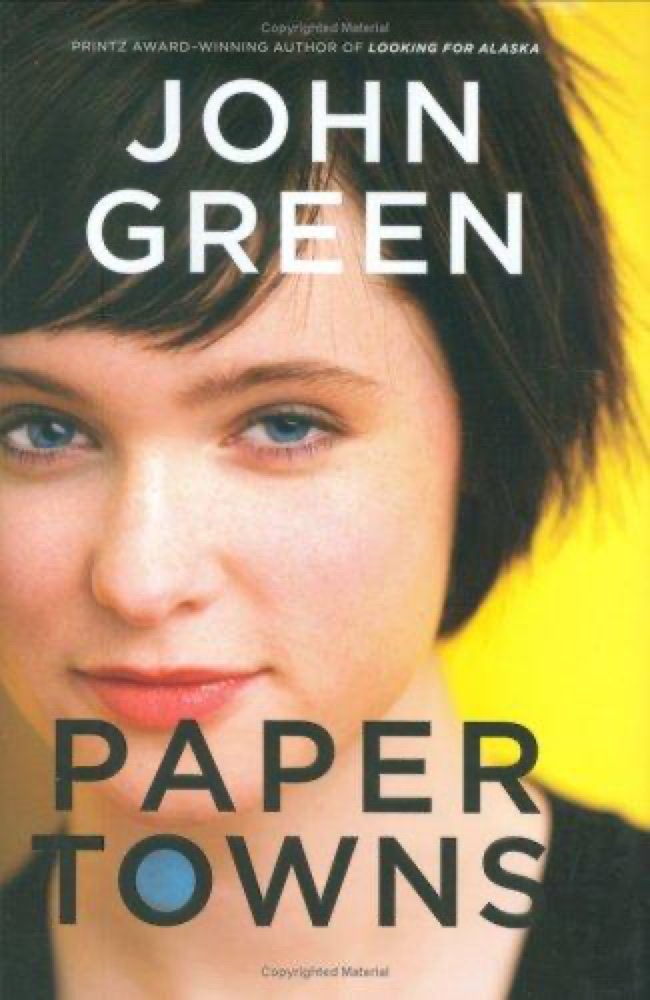 Paper Towns
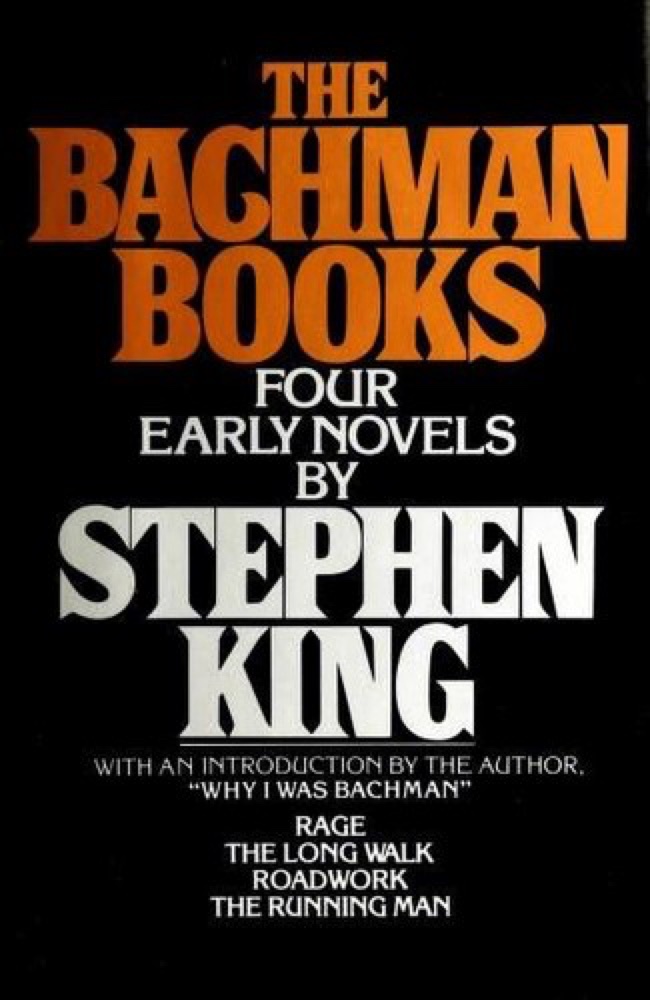 Rage
Rage
 Last Night in Twisted River
 To Kill a Mockingbird
 The Absolutely True Diary of a Part-Time Indian
 Monsters of Men
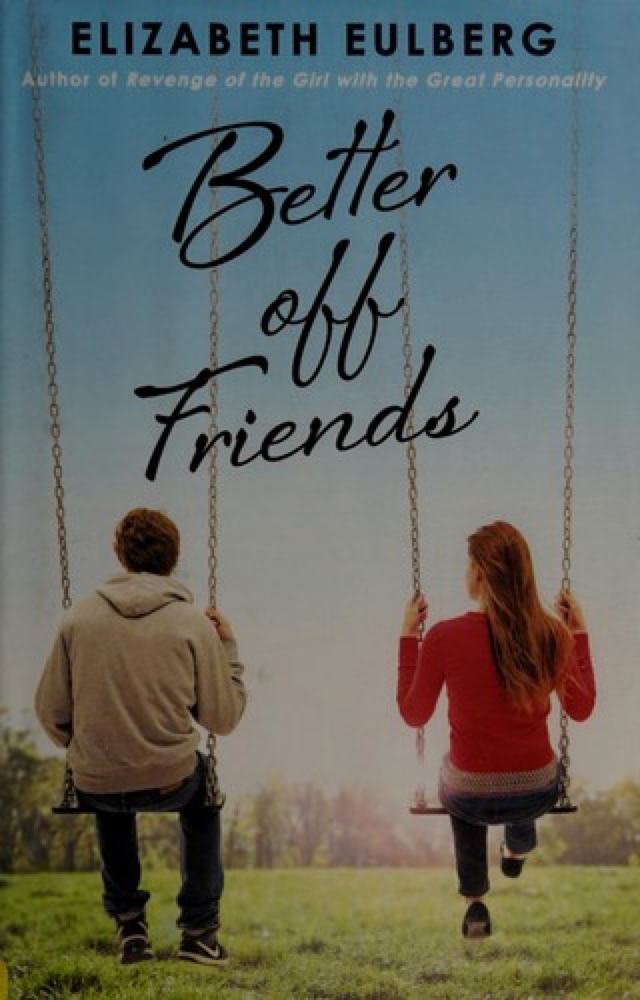 Better off Friends
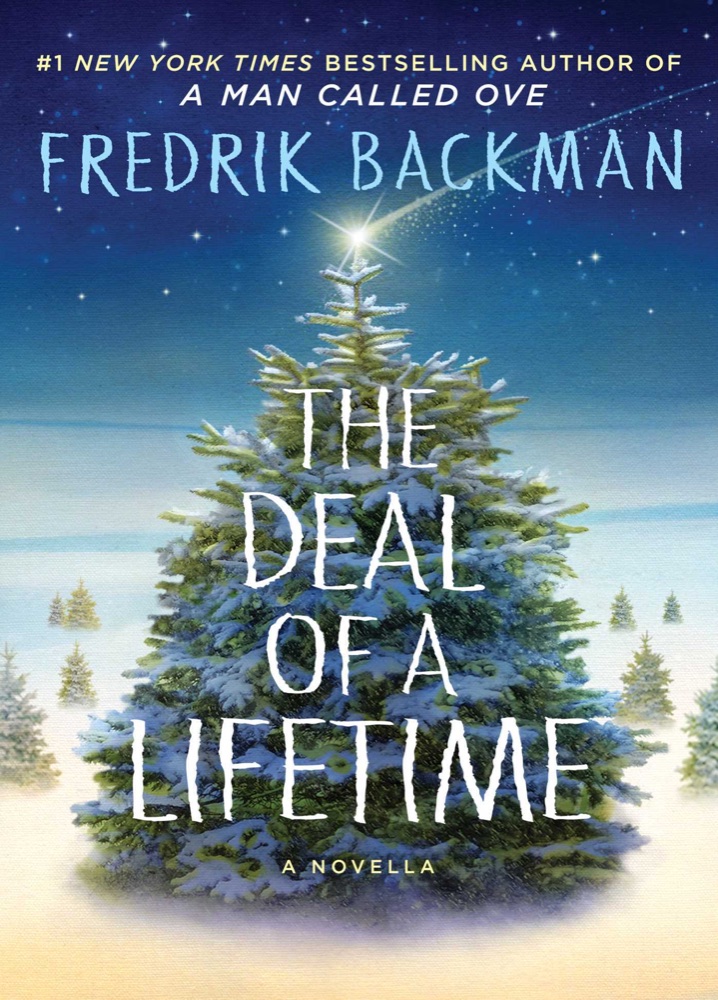 The Deal of a Lifetime
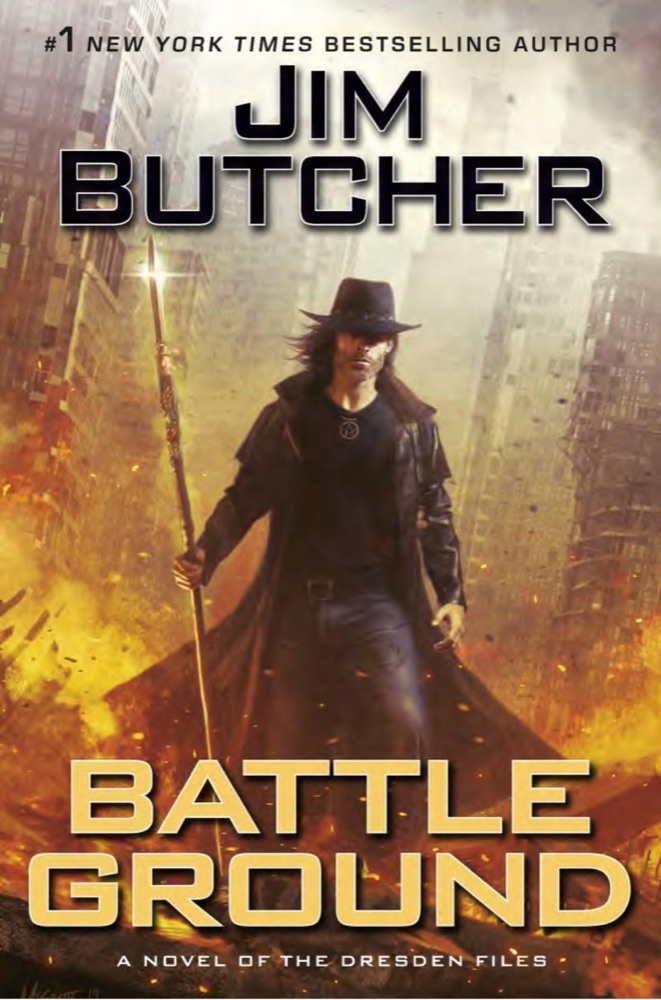 Battle Ground
 Defending Jacob
 Old Man's War
 Born to Run
 The Son
 The Grandest Game