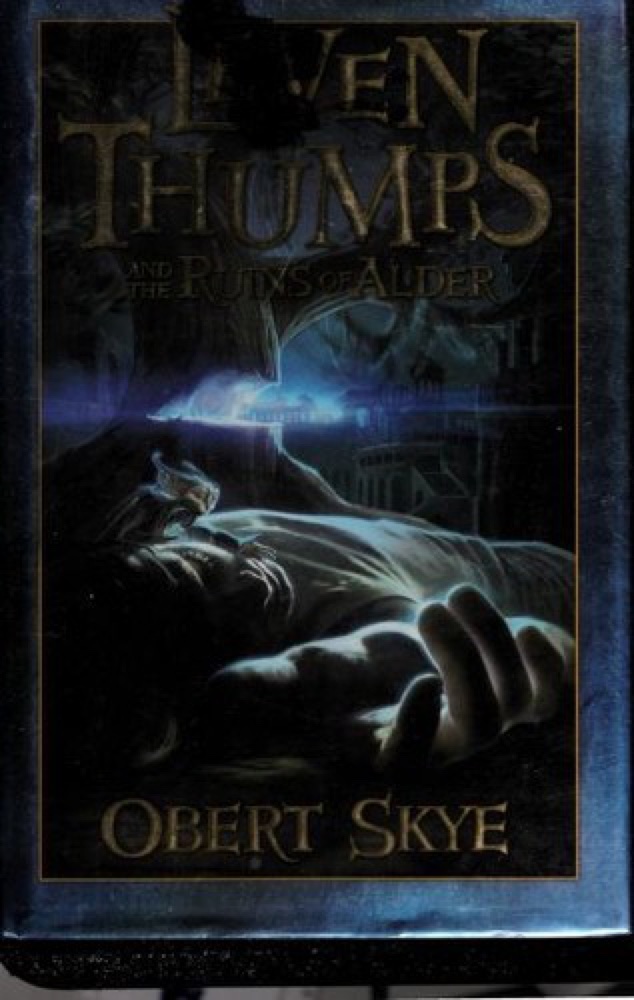

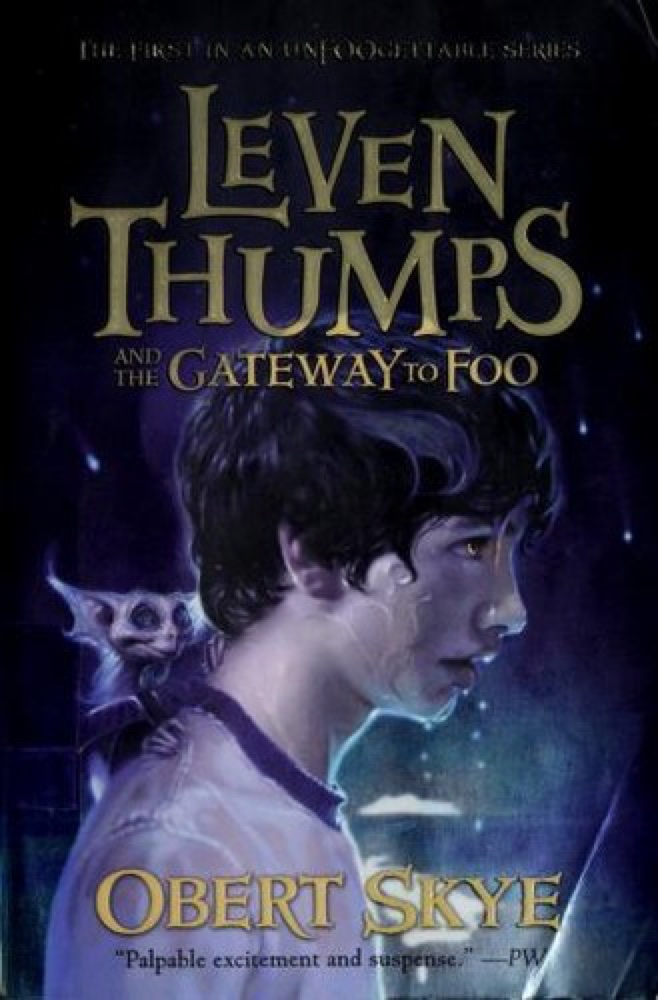
 Leven Thumps and the Gateway to Foo
Quotes from the Book
You're kidding, right?" Ezra barked. "We're not just going to wait." "I suppose we could help people clean up a bit," "Girl!" Ezra called out. "Big eyes!" Winter turned from what she was looking at. "Are you talking to me?
I found a copy of Leven's birth certificate and was surprised to see his birth name listed as E. Leven Thumps. I assume the E. stands for Elton, and I have no idea why they didnt spell it out, but it's intresting to think that it took exactly eleven whacks or thumps to down the oldest tree.
There are people who believe in you. You might not always believe that yourself, but there are—parents, teachers, neighbors, relatives, me. I know that no matter what is thrown at you, you’ll recover amazingly.
Take me to my new trailer,” Ezra ordered Dennis. Dennis didn't move. “What, did you not hear me?” Ezra raged. “I'm standing on your deaf ear?” Dennis just stood there calmly. Ezra slapped his own forehead with his right hand and sighed—civility didn’t come easy. And here Dennis was standing his ground and demanding he be treated right. “Please,” Ezra said, defeated. Dennis turned away from Elton and walked confidently toward the new RV the U.S. government had brought in for Ezra. “Some people and their inflated egos,” Ezra sniffed. Dennis just smiled.
Sometimes we underestimate the impact we have on other people's lives. Everybody living, no matter how miserable his or her life may be or how glorious each day is, makes an impact on others.
Watch on YouTube
About Obert Skye
We have collected 43 quotes from 5 books by Obert Skye on BookQuoters.
More about the author →More by Obert Skye
Leven Thumps and the Gateway to Foo
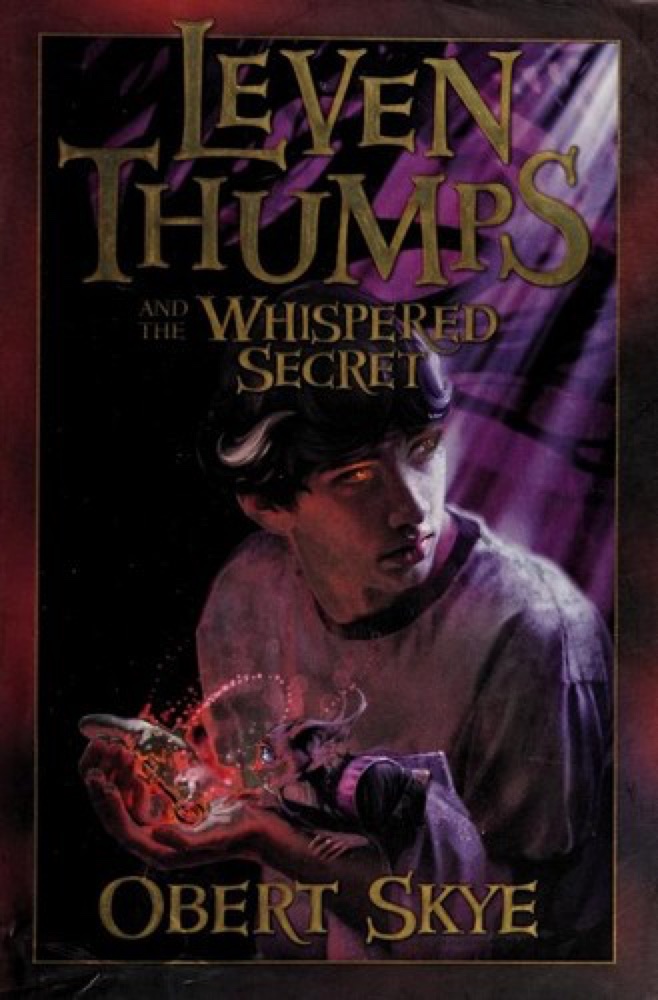 Leven Thumps and the Whispered Secret
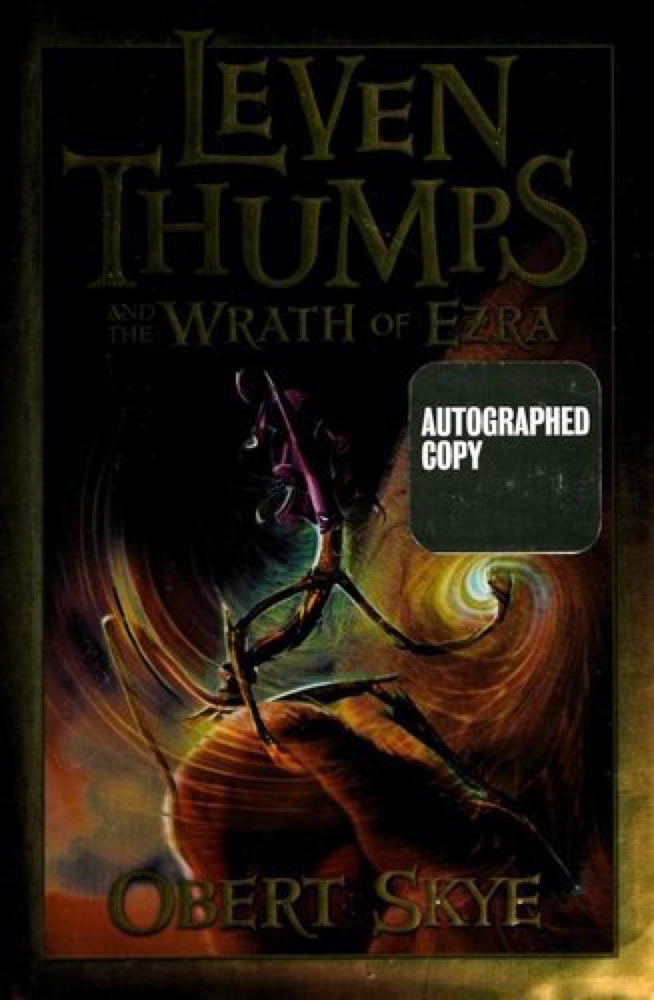 Leven Thumps and the Wrath of Ezra
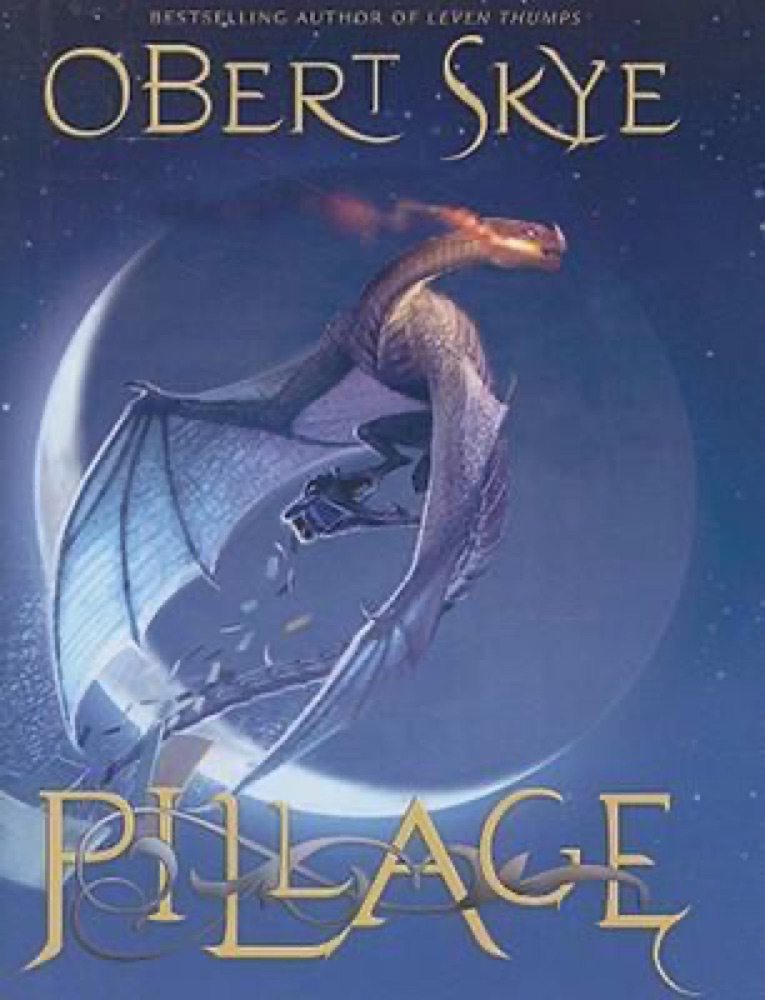 Pillage
Book details
- Author
- Obert Skye
- Genre
- Fiction
- Goodreads rating
- 4.10 (10k ratings) →
Keep reading
 Everblaze
 The House in the Cerulean Sea
 Echoes in Death
 A Fatal Grace
 Abandon
 Staked
 The Blood Mirror
 UnWholly
 Sweep in Peace
 The Wednesday Wars
 Different Seasons
 Upon the Midnight Clear
 Perennials
 The Ship of the Dead
 Everybody Sees the Ants
 Where Things Come Back
 Unwind
 The Only Alien on the Planet
 Just One Wish
 Necromancing the Stone
 Neanderthal Opens the Door to the Universe
 Angel
Angel
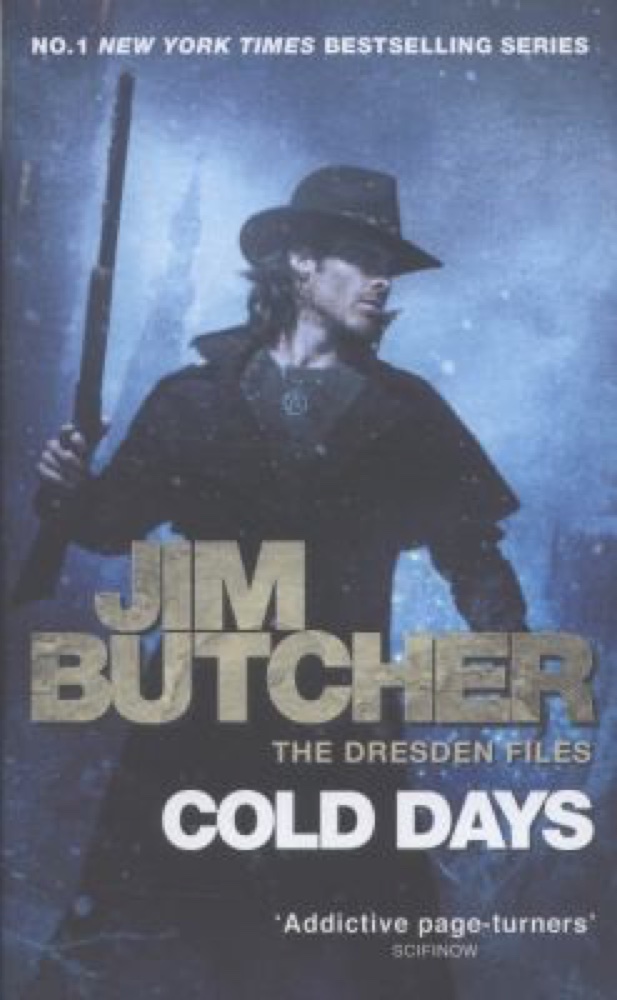 Cold Days
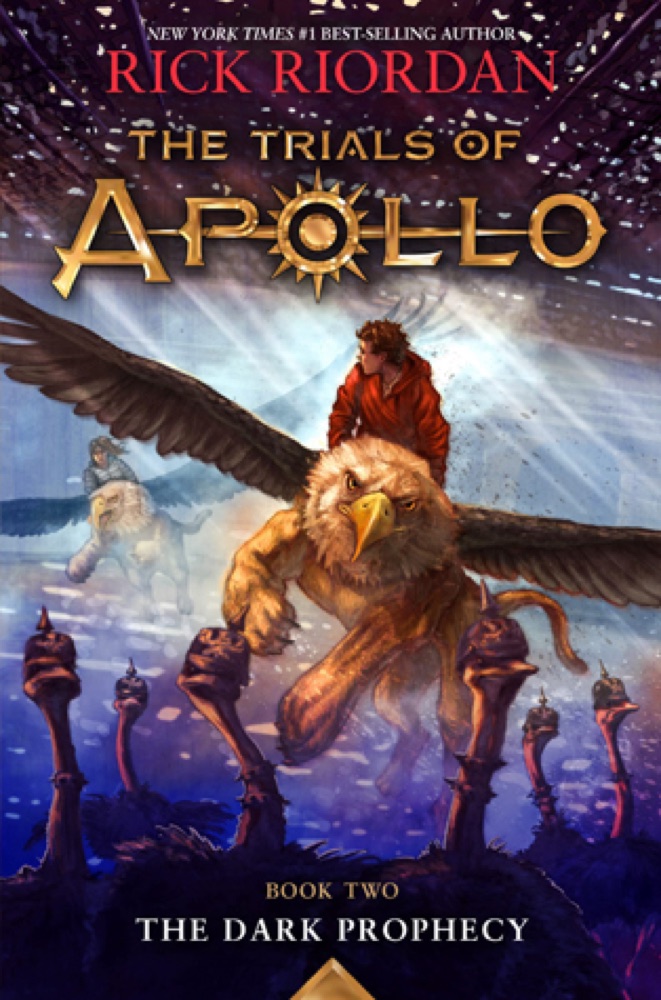 The Dark Prophecy
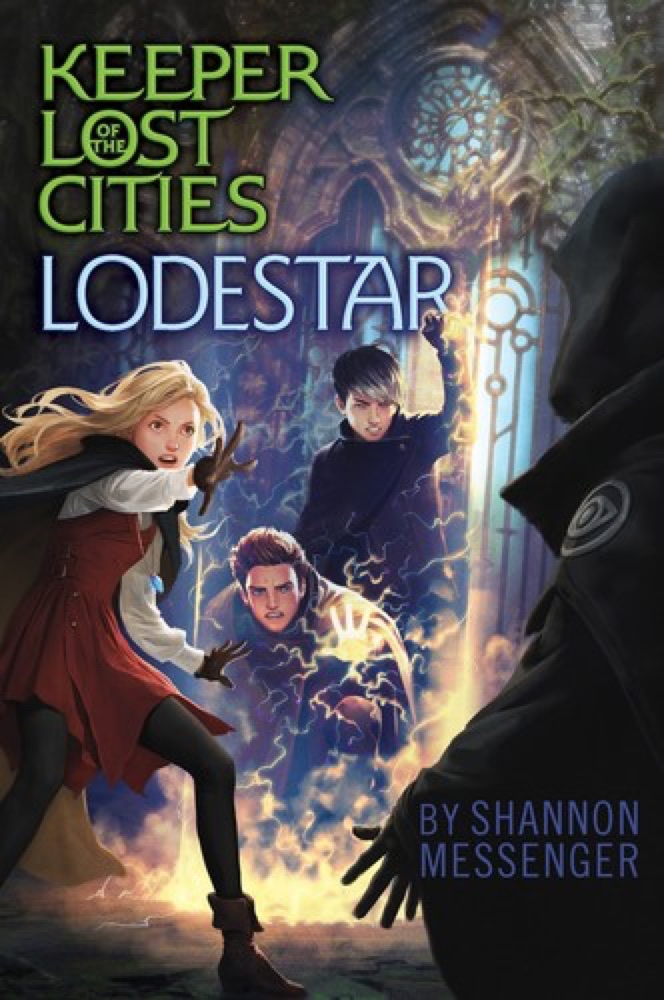 Lodestar
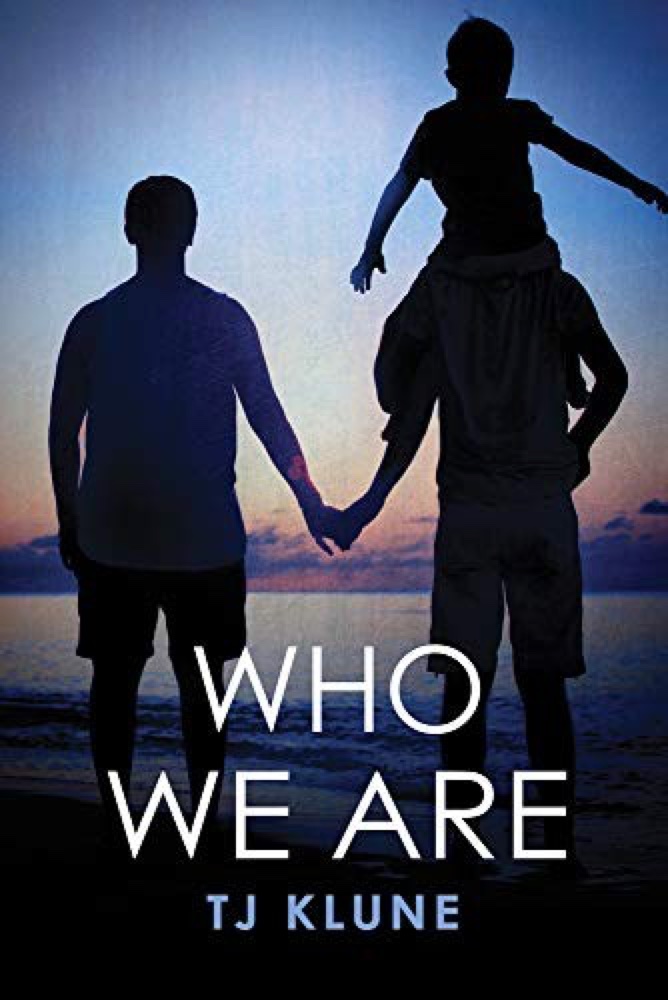 Who We Are
 Letters to the Lost
 The Summer Children
 Turning Angel
 Storm Born
 In The Afterlight
 Home
Home
 Chasing Fireflies: A Novel of Discovery
 Winterkeep
 Born of Shadows
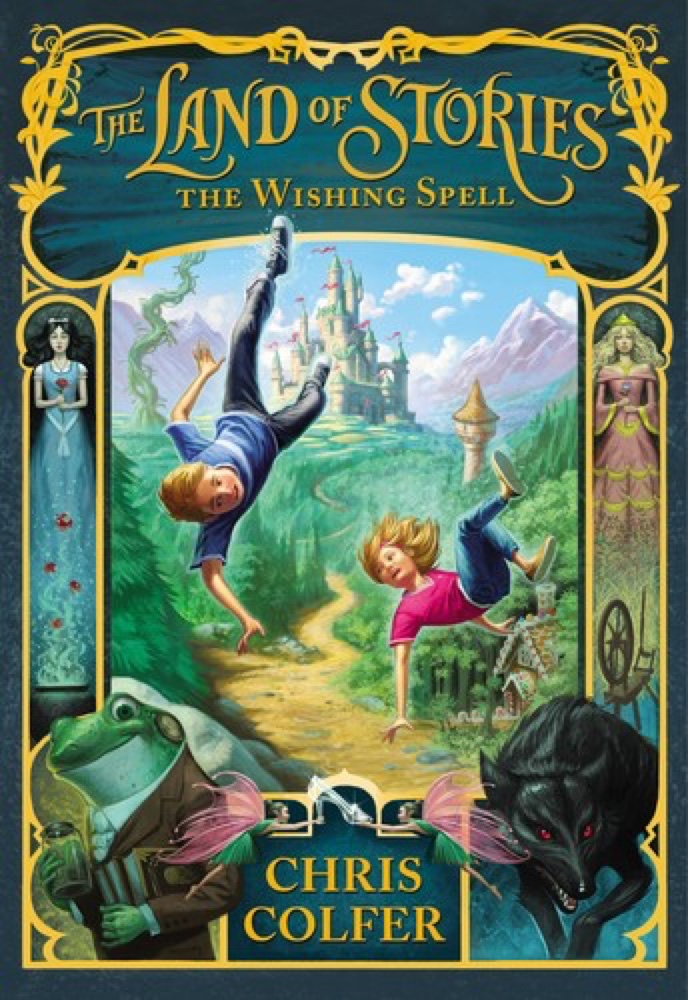 The Wishing Spell
 Only Mostly Devastated
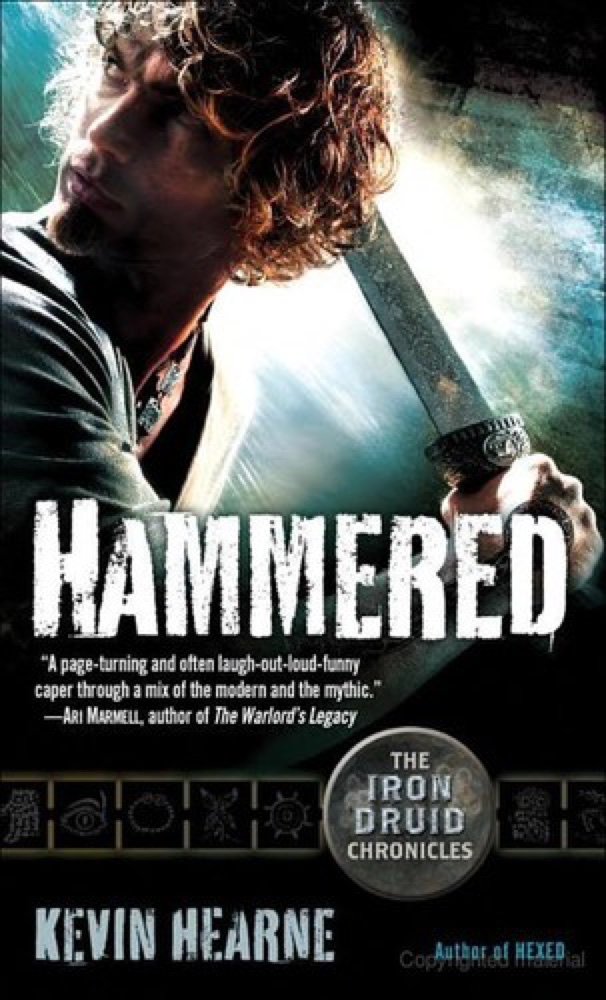 Hammered
 On the Edge
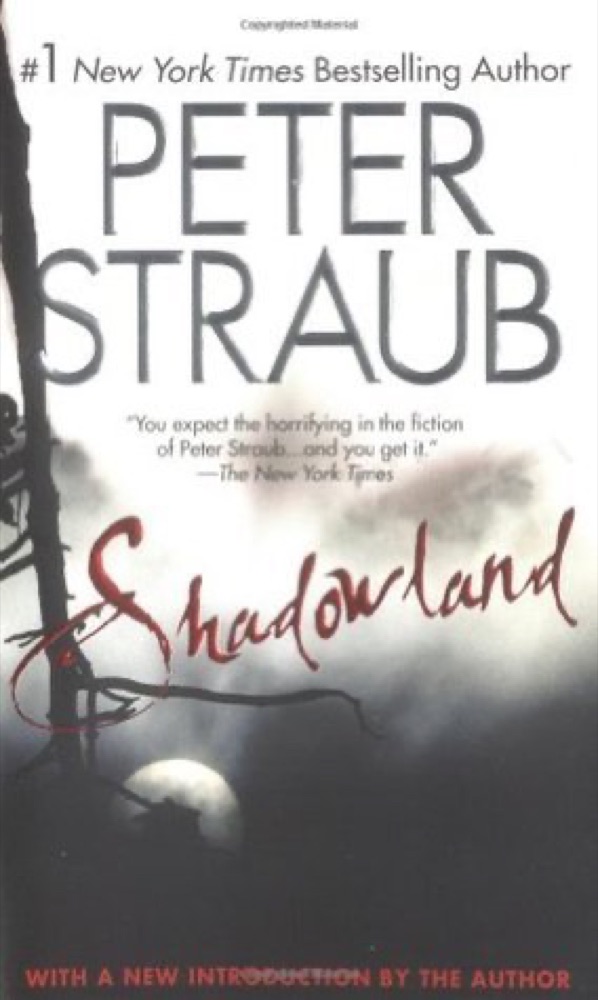 Shadowland
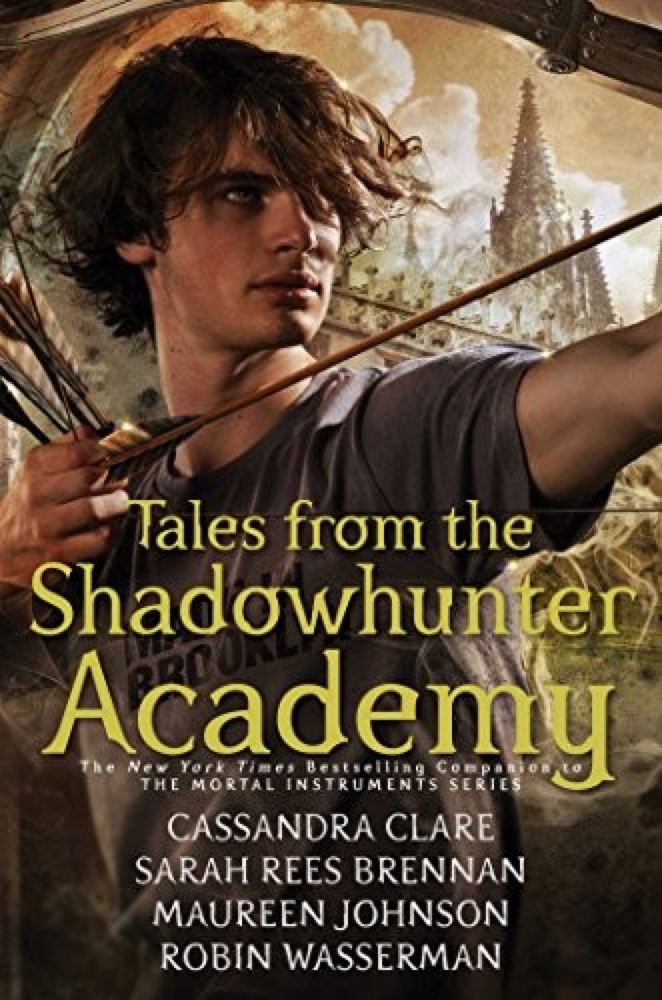 Tales from the Shadowhunter Academy
 Ninth House
 The Dire King
 The Invasion of the Tearling
 Shouting at the Rain
 A Single Man
 The Hammer of Thor
 In the Lives of Puppets
 Hunted
 Roll of Thunder, Hear My Cry
 Rebel Angels
 Gilded Cage
 The Looking Glass Wars
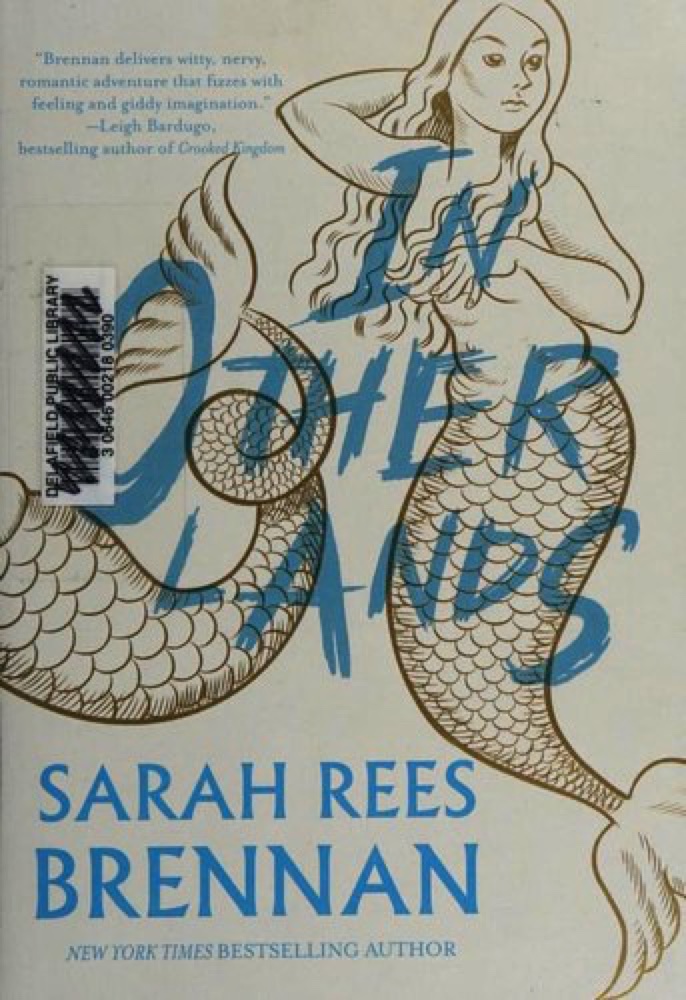 In Other Lands
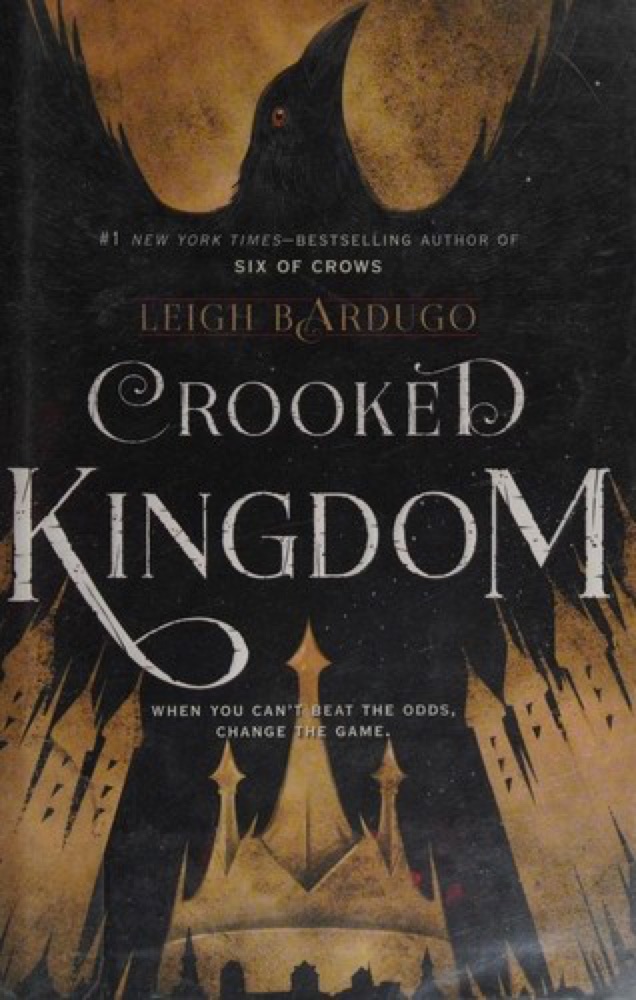 Crooked Kingdom
 The Boy Most Likely To
 Dangerous Creatures
 The Nature of Jade
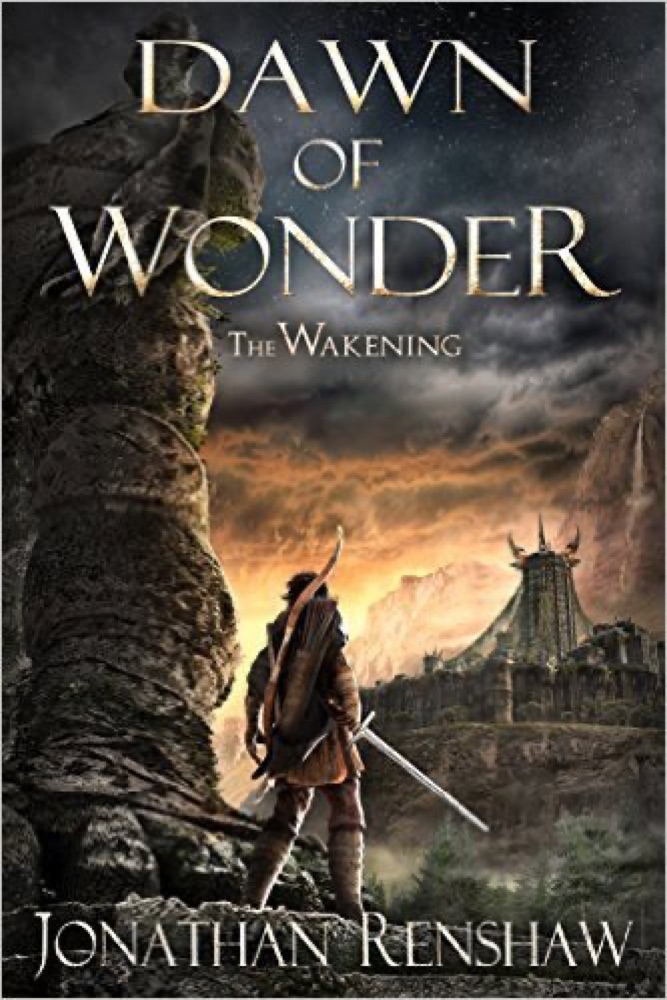 Dawn of Wonder