
 Mistress of Rome
Quotes from the Book
Poetry is like passion--it should not be merely pretty; it should overwhelm and bruise.
Hope was such a painful thing, far more painful than rage.
Fleurs du mal,” Eve heard herself saying, and shivered. “What?” “Baudelaire. We are not flowers to be plucked and shielded, Captain. We are flowers who flourish in evil.
What did it matter if something scared you, when it simply had to be done?
I will not tell you one single solitary fact about my work, my friends, or the woman I was arested with. But I will tell you this, Rene Bordelon. You're a gullible fool. You're a terribly lover. And I hate Baudelaire.
How do I know what I'm up for if you won't tell me what this is about?' 'It's about a friend,' she said simply. 'A blond woman with a sunshine laugh and the courage to light the world on fire.
So you're met Finn. He's a dash, isn't he? If I weren't older than dirt and ugly as sin, I'd climb that like a French alp.
It is facile to condemn the French for giving in to the Nazis too easily when many French citizens would have still borne the horrendous scars of the first occupation, would have clearly remembered having to stand back while German sentries robbed them of everything but the nearly inedible ration bread because the only alternative was to be arrested, beaten, or shot. The French survived not one but two brutal occupations in a span of less than forty years, and deserve more credit for their flinty endurance than they receive.
Life ought to be more like a play; the entrances and exits would be a lot cleaner.
Steel blades such as you and I do not measure against the standards for ordinary women
finally turned away. My aunt stood watching from the back door, frail and hunched. “Tell me the rest,” I said, and she did, her voice flat. My uncle had sent Rose to a little town outside Limoges to give birth away from anyone she knew. She didn’t write when the baby was born, told them nothing about it, and they didn’t ask.
will not tell you one single solitary fact about my work, my friends, or the woman I was arrested with. But I will tell you this, René Bordelon. You’re a gullible fool. You’re a terrible lover. And I hate Baudelaire.
You think there are no idiots in the intelligence business, that your superiors are all brilliant men who understand the game? [...] This business is rife with idiots. They play with lives and they play badly, and when people like you die as a result, they shrug and as 'Risks have to be taken in wartime.' You'd really march yourself into a firing squad for that kind of fool?
Facing a pistol-wielding murderer does tend to put parents further down the list of things to be intimidated by.
did tell him. I suppose he thought it wasn’t suitable for your ears.” I swallowed. “What happened then?” “Rose’s boy got caught with the Resistance. They shipped him off, who knows where. Half of Paris was disappearing overnight. Rose probably would have too—she’d already nearly been arrested for kicking a Brownshirt on the Rue de Rivoli, so we brought her back here to Rouen. But . . .
want to do something different.” And she’d had it in her—of course she’d be striding through the Paris nights breaking windows and kicking Brownshirts. I should have known Rose would get involved with the Resistance. But she’d gotten caught in the oldest trap there is, just like me. Rose wasn’t going to write a book or swim the Channel or do anything different—because once you’re pregnant, you’re finished.
Whose fault is that? I wanted to lash out. You’re the one who threw Rose away like trash. You should have left her in that café in Provence. The words burned at my lips, aching to come out, but I bit them down. My aunt was so thin a breeze could blow her away, finally looking like the invalid she’d always claimed she was. A husband and two sons dead. She’d lost so much.
Oh, pfft. I manage. With any paper one sticks under their nose and plenty of self-possession, one can get through, Especially a woman. Sometimes I take an armload of parcels and bags and drop every single one as I try to find my identity cards, chatting all the while, and they wave me through out of sheer irritation.' Lili exhaled a long steam of smoke. 'To tell the truth, much of this special work we do is quite boring. I think that's why women are good as it. Our lives are already boring. We jump an Uncle Edward's offer because we can't stand the thought of working in a file room anymore, or teaching a class full of runny-nosed children their letters. Then we discover this job is deadly dull as well, but at least there's the enlivening thought that someone might put a Luger to the back of our necks. It's still better than shooting ourselves, which we know we're going to do if we have to type one more letter or pound one more Latin verb into a child's ivory skull.
Each morning she woke with alacrity, tossing the covers aside and springing from bed, her mind one long hungry scream for what the day had to offer.
The idea made her sick and scared, but so what? Why did it matter if something scared you, when it simply had to be done anyway?
He’d turn his own mother in to the Germans for a profit, not that he has a mother. The devil probably shit him out after a night’s drinking with Judas.
Rose wasn't going to write a book or swim the Channel or do anything different - because once you're pregnant, you're finished.
Did you know?
- The novel is based on the real-life Alice Network, a WWI spy ring that operated in German-occupied France and Belgium.
- It alternates between two timelines, one beginning in 1915 during World War I and the other in 1947 after World War II.
- Real historical figures appear as characters, including ring leader Louise de Bettignies (code name Alice Dubois), called Lili in the book.
- The story references the 1944 Oradour-sur-Glane massacre in wartime France.
- Baudelaire's poetry collection Les Fleurs du mal recurs as a motif in the novel.
- It was named one of NPR's Best Books of the Year and became a New York Times and USA Today bestseller.
About Kate Quinn
Kate Quinn is an American writer of historical fiction whose novels often focus on women's underrepresented roles in history, spanning eras from the Roman Empire to World War II. She earned a BA (2004) and a master's degree (2006) in classical voice from Boston University.
More about the author →More by Kate Quinn
About the book
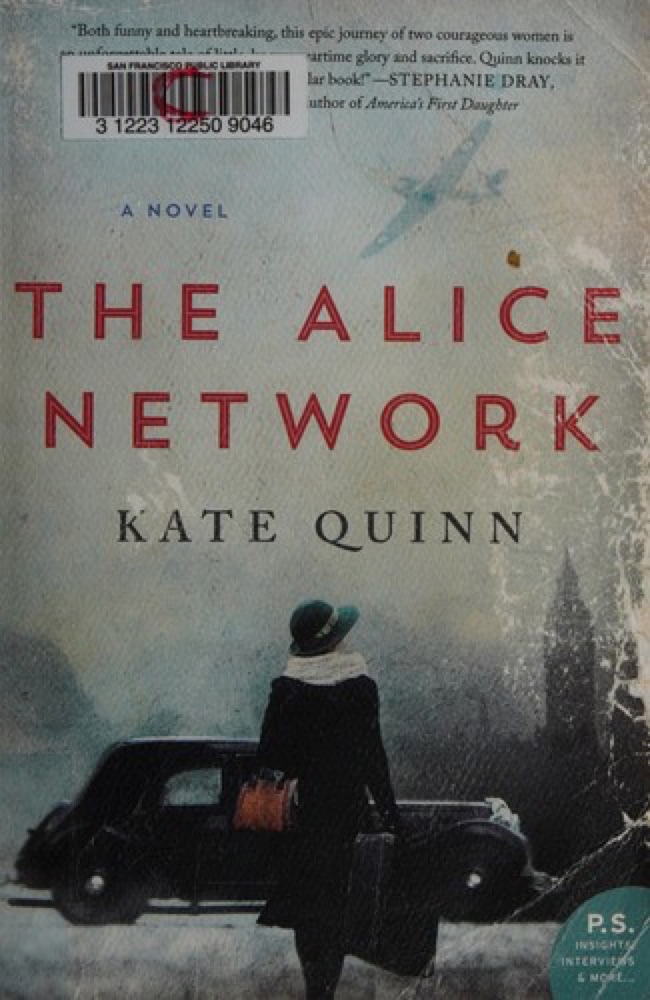
The Alice Network is a 2017 historical novel by American author Kate Quinn that braids together two timelines. In 1915, Eve Gardiner is recruited as a British spy and sent into German-occupied France, where she works under the mesmerizing spymistress code-named Alice within a real-life World War I intelligence ring. Thirty-two years later, in 1947, American college student Charlie St. Clair, pregnant and estranged from her family, seeks out a now-embittered, alcoholic Eve for help finding her cousin Rose, who vanished in Nazi-occupied France. Their search draws the two women together on a journey to uncover the truth about a wartime betrayal.
The novel is grounded in the actual Alice Network, an espionage ring that operated in occupied France and Belgium during the Great War, and Quinn folds several historical figures into her fiction, including ring leader Louise de Bettignies, her lieutenant Leonie van Houtte, and British intelligence officer Cecil Aylmer Cameron. Its central themes include the overlooked courage of female spies, betrayal and its long aftermath, women's agency, and redemption, with recurring literary echoes of Baudelaire's Les Fleurs du mal.
A New York Times and USA Today bestseller, The Alice Network was named one of NPR's Best Books of the Year and helped cement Kate Quinn's reputation for historical fiction that restores women to their underrepresented roles in history. It became one of her breakout titles, paving the way for later bestsellers such as The Huntress and The Rose Code.
Key characters
- Eve GardinerRecruited as a British spy in 1915; embittered and reclusive by 1947
- Charlie St. ClairAmerican college student in 1947 searching for her missing cousin Rose
- Rose FournierCharlie's beloved cousin who disappeared in occupied France
- Lili (Louise de Bettignies)Spymistress code-named Alice who leads the network
- Rene BourdelonAntagonist connected to the betrayals across both wars
- Finn KilgoreEve's Scottish driver who accompanies the women's search
Book details
- First published
- 2017
- Length
- 503 pages
- Reading time
- 9 hours
- Author
- Kate Quinn
- Genre
- Fiction
- Goodreads rating
- 4.32 (662k ratings) →
If you liked this, read…
- 1The NightingaleKristin Hannah's bestseller about two sisters resisting the Nazi occupation of France
- 2The HuntressKate Quinn's own later dual-timeline WWII novel of women hunting a war criminal
- 3Code Name VerityElizabeth Wein's story of female friendship and espionage in occupied Europe
Keep reading
 City of Thieves
 Seven Blades in Black
 The Moving Finger
 Bloodsucking Fiends
 Crimes Against Magic
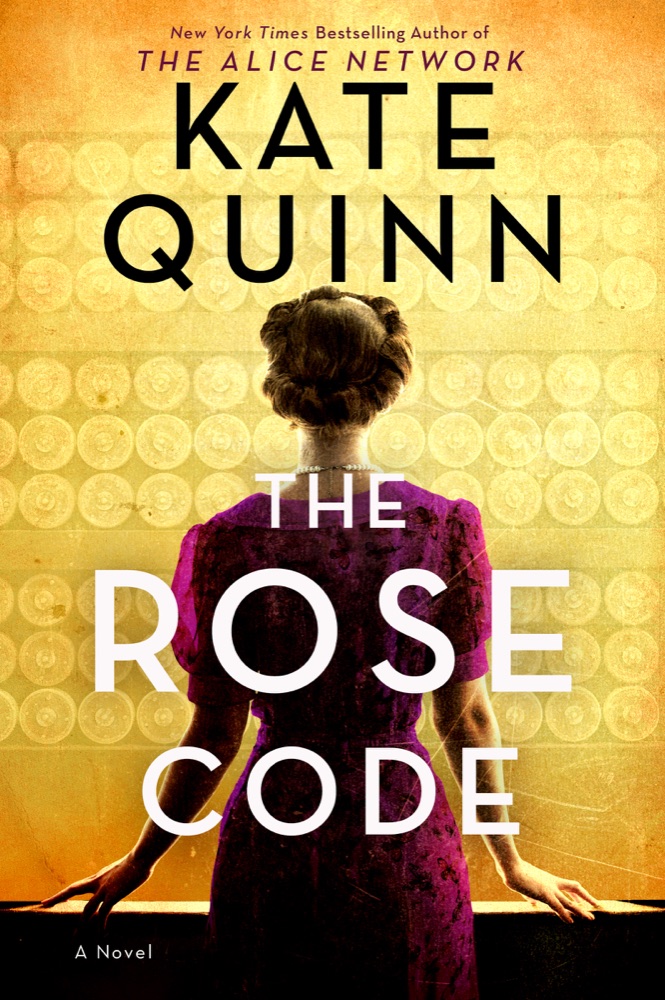 The Rose Code
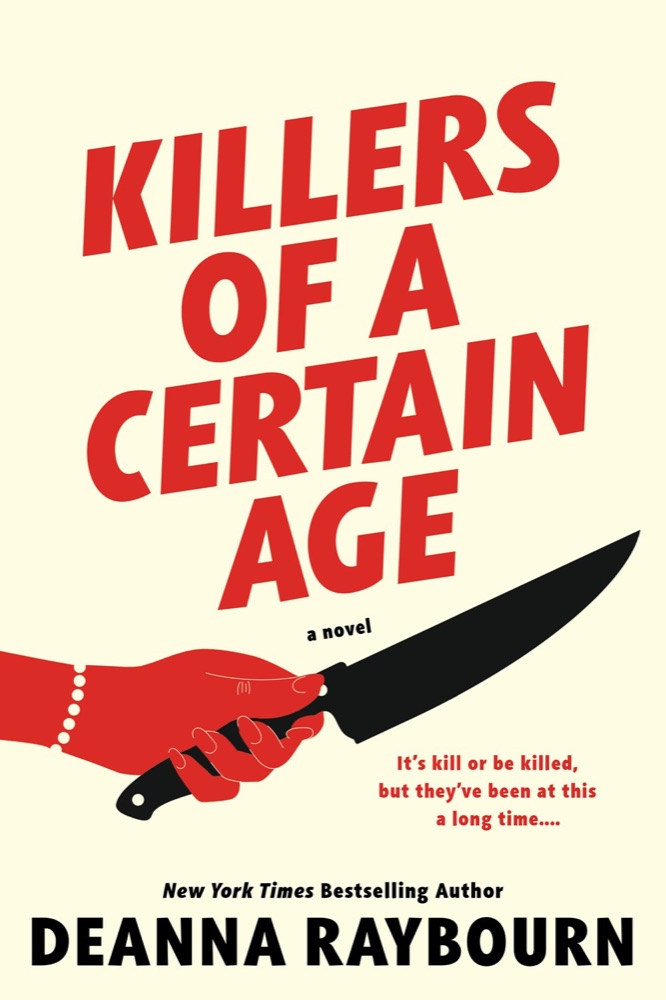 Killers of a Certain Age
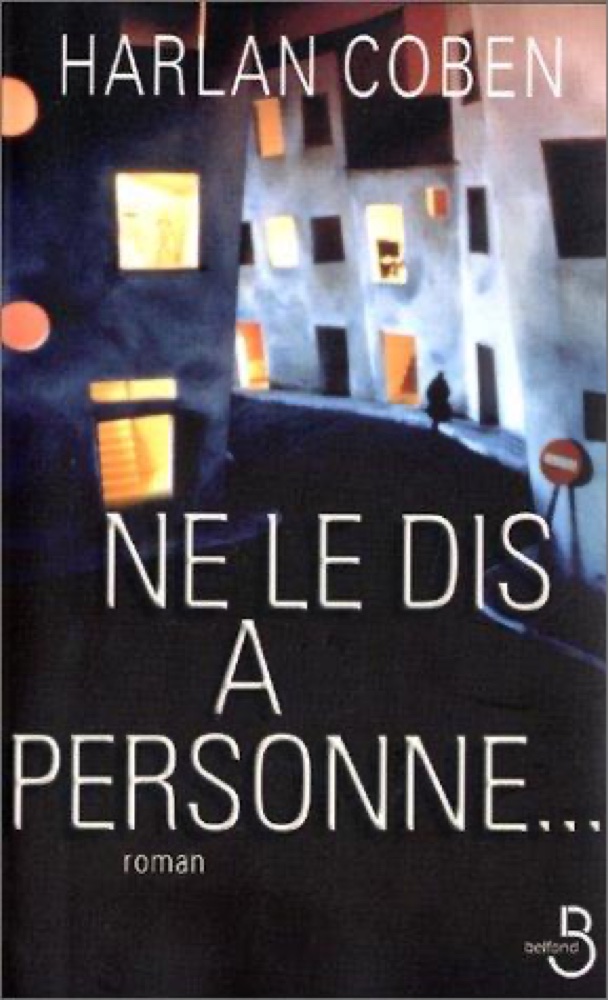 Tell No One
 The Shining Girls
 Sarah's Key
 The Family Upstairs
 Case Histories
 NOS4A2
 Gerald's Game
 The Hazel Wood
 The Girl with the Dragon Tattoo
 The Girl Who Kicked the Hornet's Nest
 Side Jobs: Stories from the Dresden Files
 Unholy Magic
 Reconstructing Amelia
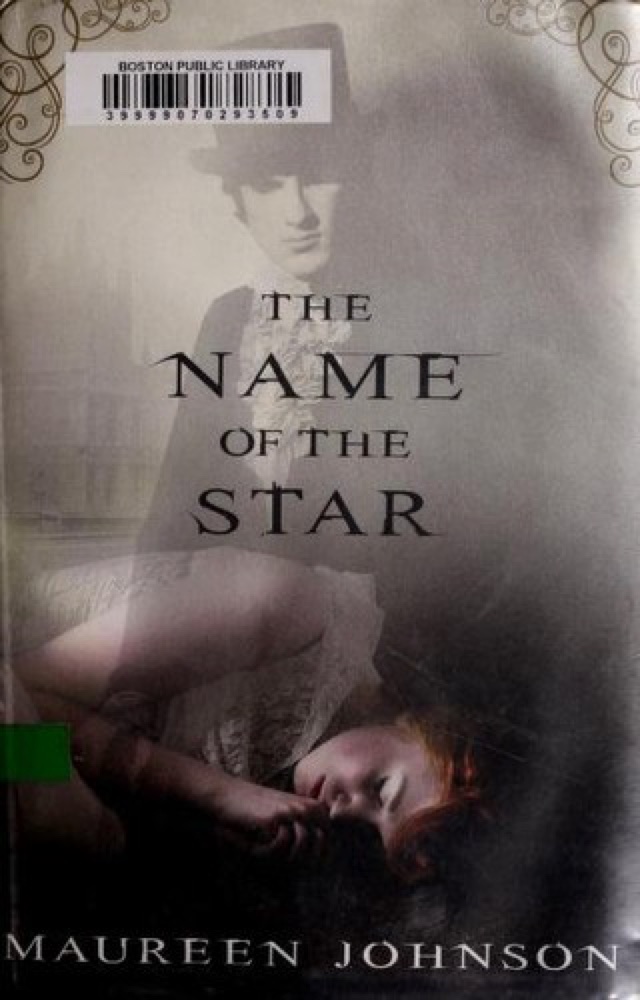 The Name of the Star
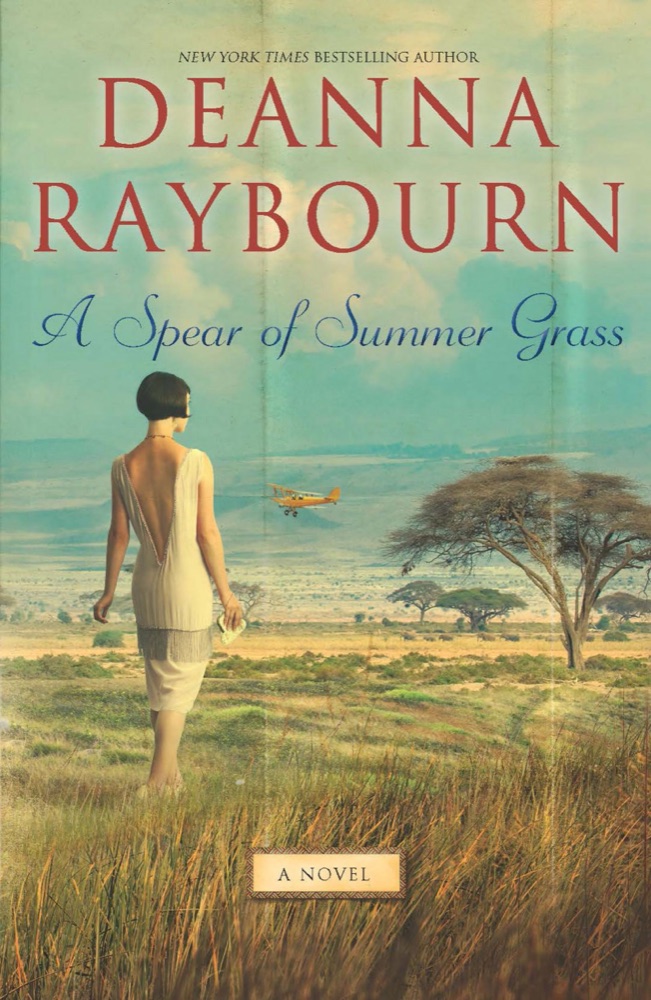 A Spear of Summer Grass
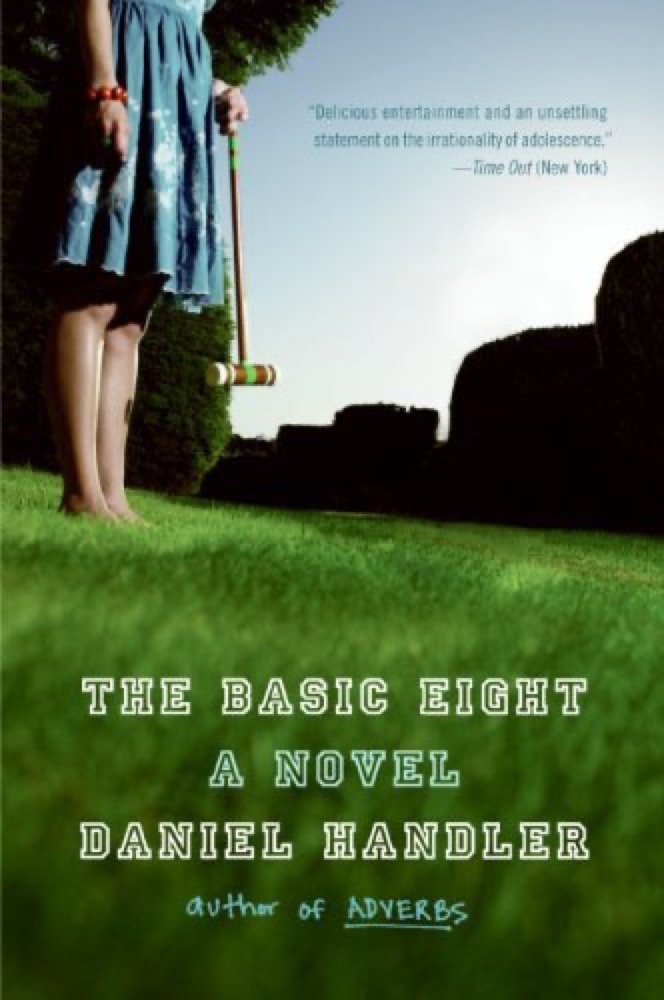 The Basic Eight
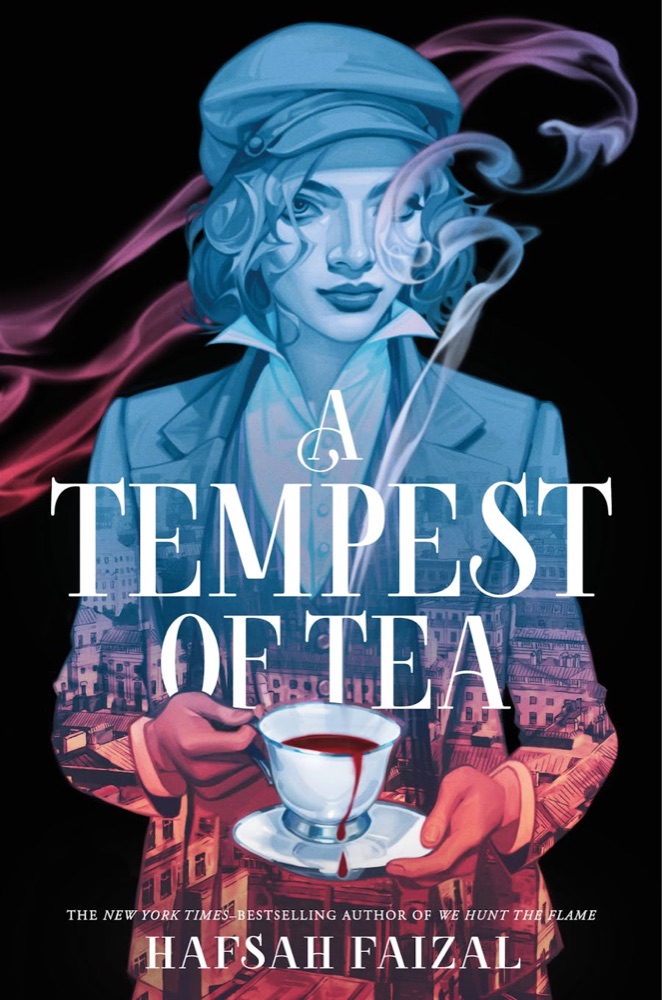 A Tempest of Tea
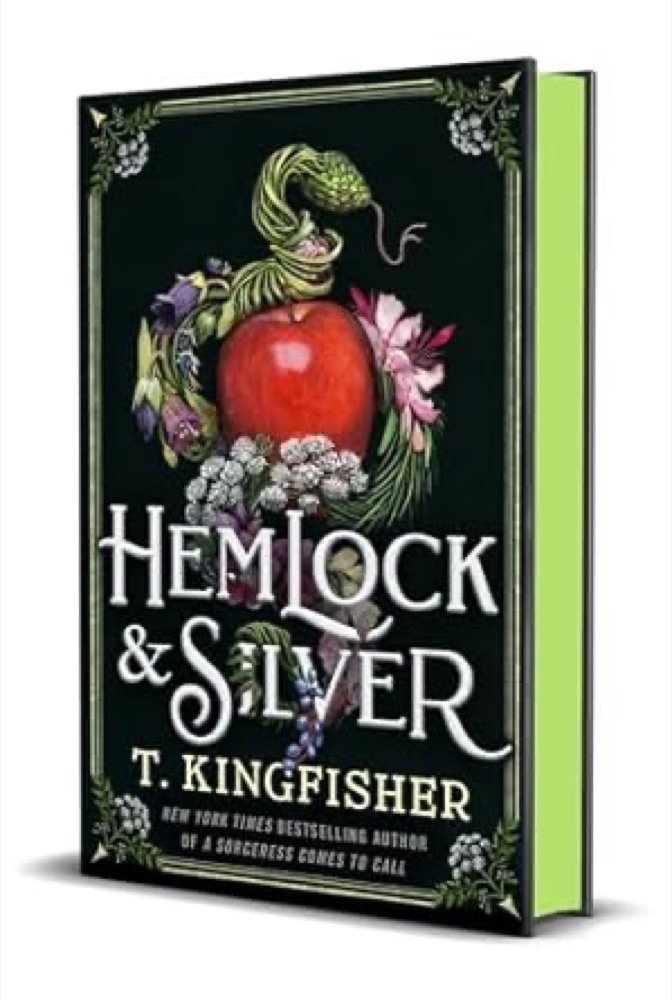 Hemlock & Silver
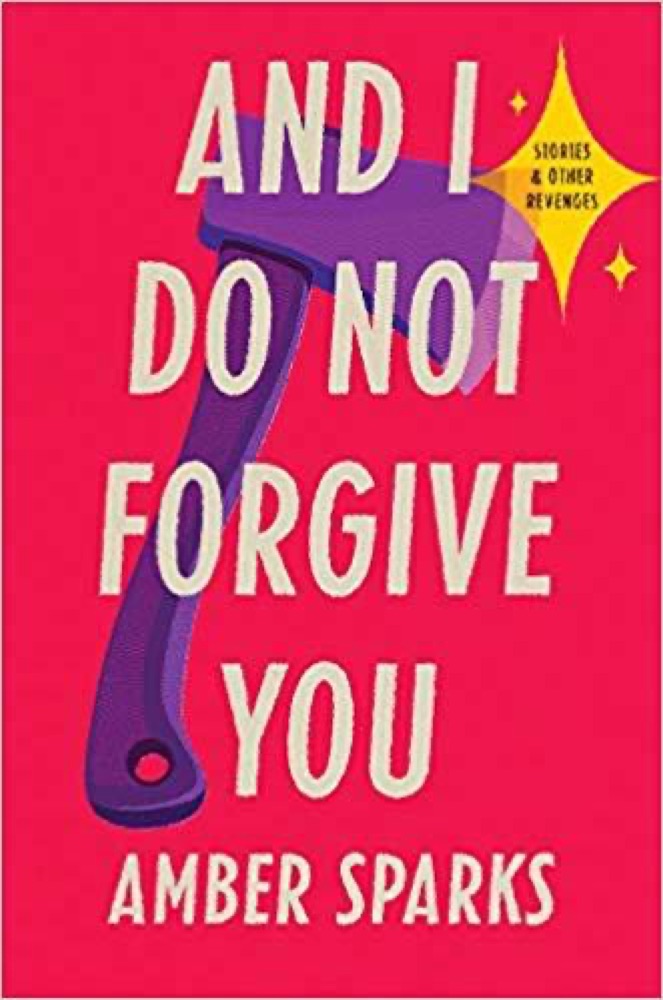 And I Do Not Forgive You: Stories & Other Revenges
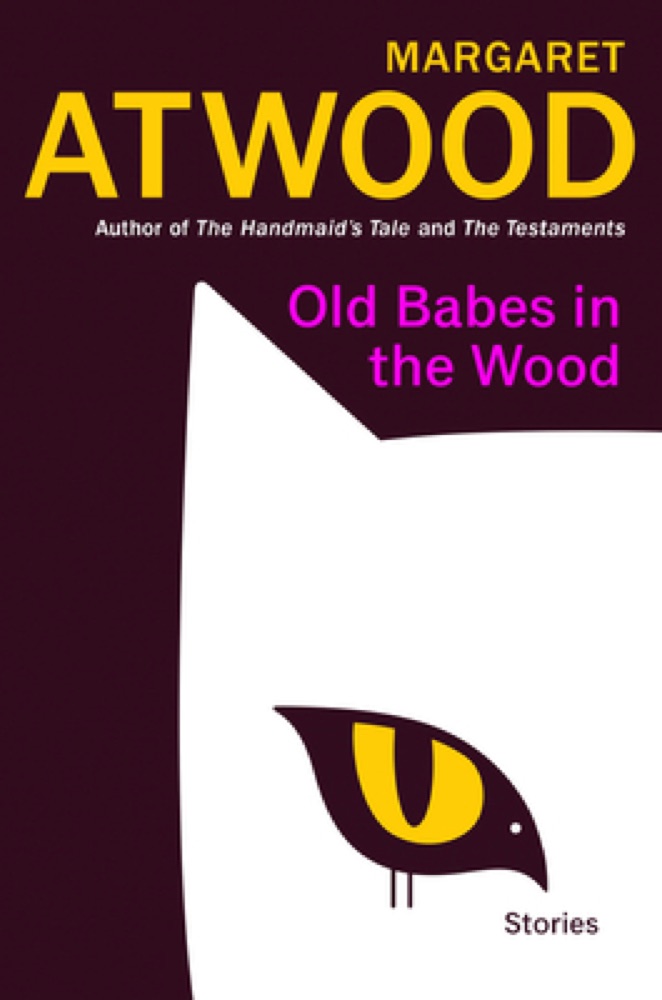 Old Babes in the Wood: Stories
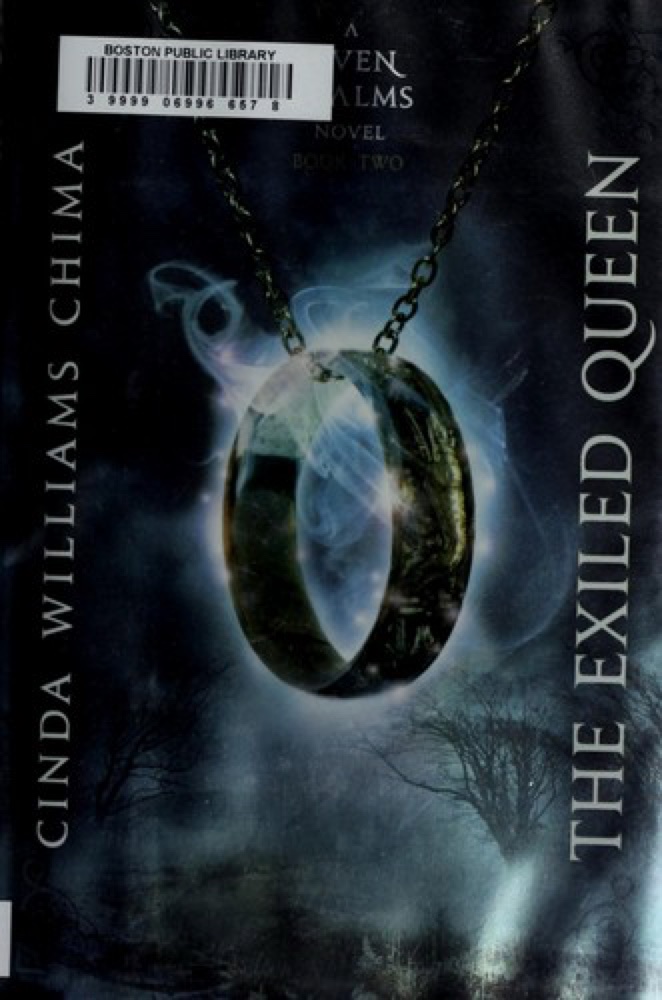 The Exiled Queen
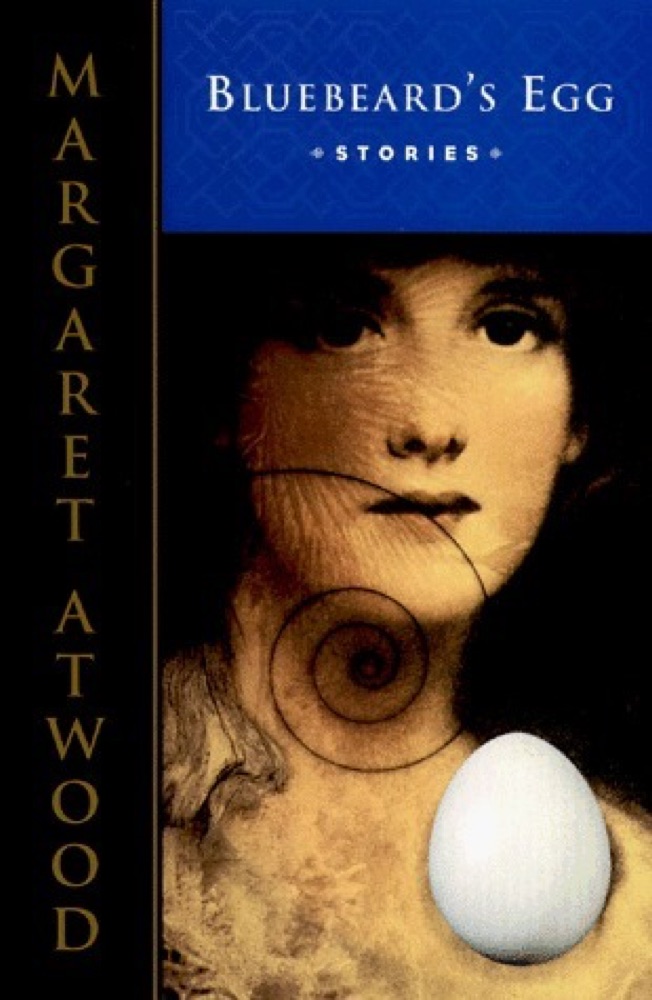 Bluebeard's Egg
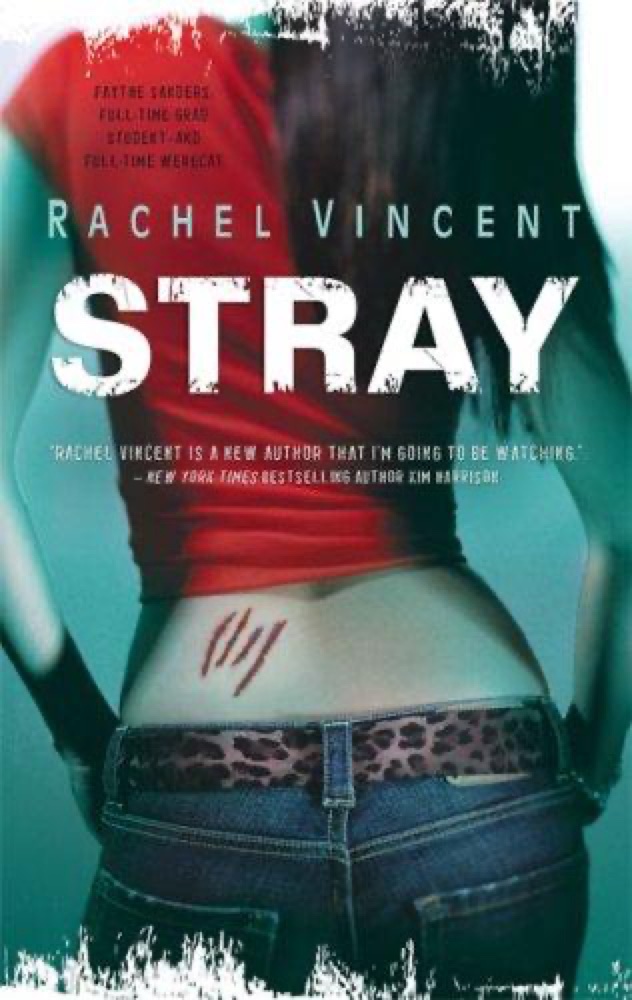 Stray
Stray
 One Hundred Names
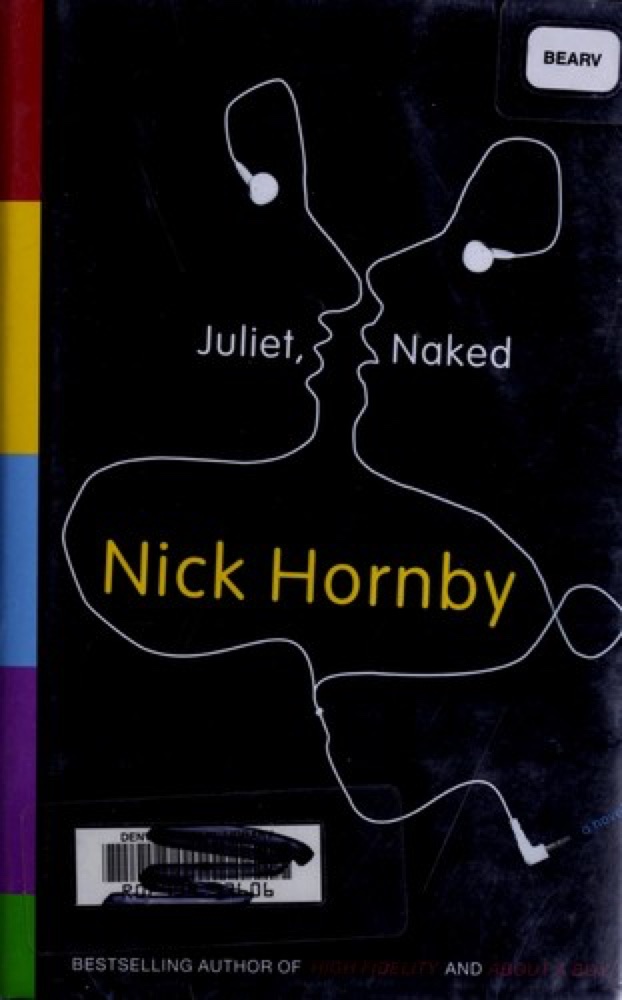 Juliet, Naked
 Rainbow Black
 The Confessions of Frannie Langton
 The Disreputable History of Frankie Landau-Banks
 Visions in Death
 I Hunt Killers
 White Oleander
 Rosemary and Rue
 We Were Never Here
 The Invasion of the Tearling
 Tar Baby
 These Shallow Graves
 Late Eclipses
 Against a Dark Background
 Conviction
 The Hostile Hospital
 The Daughters' War
 The Woman Warrior
 Ninth House
 In the Night Garden
 Gaudy Night
 The Blind Assassin
 Artemis
 Disgrace
 When We Lost Our Heads
 Manhunt
 Cold Days
 Needful Things
 Shadowland