 The House of God
Quotes from the Book
Salvation comes through repetition. This I can do because I have done it before—it's half prayer, half truth, a whisper in a hurricane of self-doubt.
11
Invited as we are into their disparate lives, we'll not only treat them, save them, and pronounce them dead; we'll also learn from them.
9
But as always, lessons are drawn from mistakes, not victories.
8
Medicine's great magic trick is how it convinces us we're here saving lives when more often what we're doing is witnessing death.
5
Life is a series of cycles—each nothing but new people, new memories, and eventually, a new ending.
3
How bittersweet it is to have found what we've been looking for, only for it to be dead on arrival.
2
It's all so new, so foreign, so much like that period of childhood -first or second grade, maybe- when you're old enough to know you're alive and one day will die, yet young enough to still believe that a thin vein of magic runs just beneath the surface. Everything crackles with the electric charge of wonder.
2
Disturbing as it may be, the raw truth is that often enough, the people showing up to your medical emergency do so because this was the only respectable job they could get with a GED and a clean driving record.
2
We're nothing but meat, and if circumstances allow, we'll end up no different than a possum lying on the roadside.
2
Dogs are loyal, humans are a pain in the ass.
2
EMS is medicine as modern anthropology.
2
[...] we can't just treat patients; we must study them. Learn their language, their habits, their streets and houses, their peculiar beliefs, tears, and failings.
2
I miss the madness. I miss being out at night, running through streets alive with the dead and dying, the drunk, the crazy, the angry, those in need, and those who only think they are. I miss the distant pop of a pistol and the long fading howl of a dealer who’s spotted a cop. I miss fighting meth heads in seedy motels, I miss the crack houses and flophouses, the chaos of a shooting scene. I miss the projects after dark. I miss the sense of duty, of honor, of humor, the sense of having lost myself somewhere, somehow, in a very strange world. I even miss the fear of mistakes. Whatever it was that brought us here, it’s everything else that kept us around.
1
Death cracks inside jokes that only we emergency workers—with our practical knowledge of the postmortem human—will ever laugh at. I
1
Medics don't have to be heroic or tough or even good people. They simply have to enjoy the madness.
1
Counted among those killed in the World Trade Center of September 11, 2001, were forty-three paramedics and EMTs. Godspeed.
1
So why are medics here? Because panic and death, near death, even your own, is a peculiar drug, and whether or not it’s what the injured and the sick and the desperate want to hear, the people who show up do so because they like it. Disasters, even the small ones, mean freedom. Freedom to bend the rules, break the rules, disregard the rules. Maybe I don’t even know the rules, just make them up as I go along. The people who stay are the ones who like those moments and all that comes with them, even the hard parts.
Medics don’t have to be heroic or tough or even good people. They simply have to enjoy the madness. The normal reaction to gunshots or screaming or house fires or someone collapsing in a messy heap is to get away, to back off, not necessarily to ignore it, perhaps, but not to stumble in half-cocked. And really—aside from a driver’s license and a high school diploma—that’s what this job takes. A willingness to walk in unprotected when we clearly should walk away. A desire to take part but just as often to bear witness.
Everyone who sticks around and anyone who’s ever left and considered a comeback knows that there are better places—and better money—in almost any other aspect of the medical field. So why stay? Because the modern world is orderly and practical. The sun goes up, the sun goes down, bills are due, the carpool line starts over there. But it’s not so for everyone, and once I realized that, it was hard to walk away.
Those who return are labeled retreads. Asked to explain why they’re back, they’d say it was because they missed the medicine: the IVs and the drugs, the competence, and the unquestioned confidence they earned through years of experience that did them no good anywhere else. Turns out in the real world, you don’t get to snake a breathing tube down a dying woman’s throat. When you have a regular job, no one gets shot dead in the clay or has back-to-back seizures in the county jail. No one hands you their limp child and places not only their trust but their entire world in your hands. Which is too bad. There’s a strange exhilaration not just in having done those things and done them well but in knowing that eventually you’ll be called on to do them again.
Medicine’s great magic trick is how it convinces us we’re here saving lives when more often what we’re doing is witnessing death. Over time, shock wears thin, empathy recedes, and a human being becomes nothing more than something I carry home in the tread of my right boot. This is my new normal, the resting heart rate of my psyche. It’s my state of mind as I wonder whether this job’s worth it.
For years now, during my workweek, we’ve been ships passing in the night, our interactions reduced to handwritten notes—at once sarcastic and quotidian—scribbled on a pad and left on the counter. Each one is equal parts to-do list, love letter, and death threat: a conjugal visit in imperfect cursive.
if you spend enough time around lunatics, their normal slowly becomes your normal.
We drive to a place where we can stare through the windshield and watch the world pass by. All the while, the radio chatters, it never stops chattering—the dispatch radio is like a thirteen-year-old girl at a sleepover. Tonight we’re lucky; everyone else is getting the calls.
One: Know your protocols. Two: Don’t second-guess yourself. Three: Never let ’em see you sweat.
The shithole he’s referring to is an area known locally as the Bluff—five square miles of drug houses, flophouses, abandoned buildings, squatters, drugs, violence, desperation, and the constant woop-woop of sirens. The Bluff is Atlanta’s answer to Compton, to Chicago’s South Side, and to the Heartland’s countless and nameless meth-riddled trailer parks. It is where all of Atlanta’s heroin is sold and most of its crack is consumed. People here live in aging projects or derelict bungalows; when they aren’t getting into trouble, Pike says, they’re calling 911.
Grady Memorial Hospital looms large in Atlanta’s consciousness. To many, it’s a place of horror stories and ghost stories, of lawless halls teeming with the poor, the crazy, and the critically ill. My first close view of it comes in the dark of a June morning as I await the start of a four A.M. ride-along. The giant lighted cross atop the hospital glows red in the dark sky, and steam from a pair of smokestacks slowly rolls out like a blanket of fog. There is a large moon in the otherwise empty sky. Somewhere in the distance, a lonely siren wails.
Are you choking?' Seriously. That's the first step of the Heimlich...
Those who know the lessons of decomposition are condemned to witness them repeatedly.
Watch on YouTube
About Kevin Hazzard
About the book
A former paramedic’s visceral, poignant, and mordantly funny account of a decade spent on Atlanta’s mean streets saving lives and connecting with the drama and occasional beauty that lies inside catastrophe.
In the aftermath of 9/11 Kevin Hazzard felt that something was missing from his life—his days were too safe, too routine. A failed salesman turned local reporter, he wanted to test himself, see how he might respond to pressure and danger. He signed up for emergency medical training and became, at age twenty-six, a newly minted EMT running calls in the worst sections of Atlanta. His life entered a different realm—one of blood, violence, and amazing grace.
Thoroughly intimidated at first and frequently terrified, he experienced on a nightly basis the adrenaline rush of walking into chaos. But in his downtime, Kevin reflected on how people’s facades drop away when catastrophe stri
Book details
- First published
- 2016
- Author
- Kevin Hazzard
- Genre
- Nonfiction
- Goodreads rating
- 3.96 (15k ratings)
Keep reading
The House of God
 Wanderers
 Party Monster: A Fabulous But True Tale of Murder in Clubland
 Blood on the Tracks
 Dead Stop
 Haunted
 A Better World
 The Burning World
 If This Book Exists, You're in the Wrong Universe
 Dry
Dry
 Beacon 23
 What Moves the Dead
 Kingdom of Fear: Loathsome Secrets of a Star-Crossed Child in the Final Days of the American Century
 Robopocalypse
 The Bone Tree
 The Intern's Handbook
 Dust & Decay
 Missionaries
 World War Z: An Oral History of the Zombie War
 Broken Harbor
 The Devil Takes You Home
 The Lay of the Land
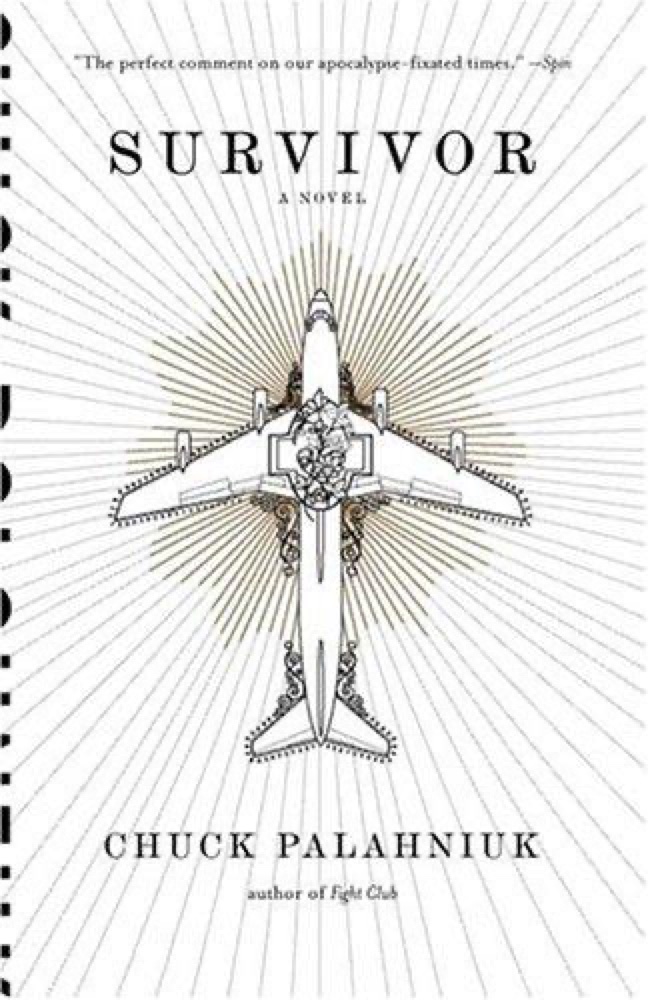 Survivor
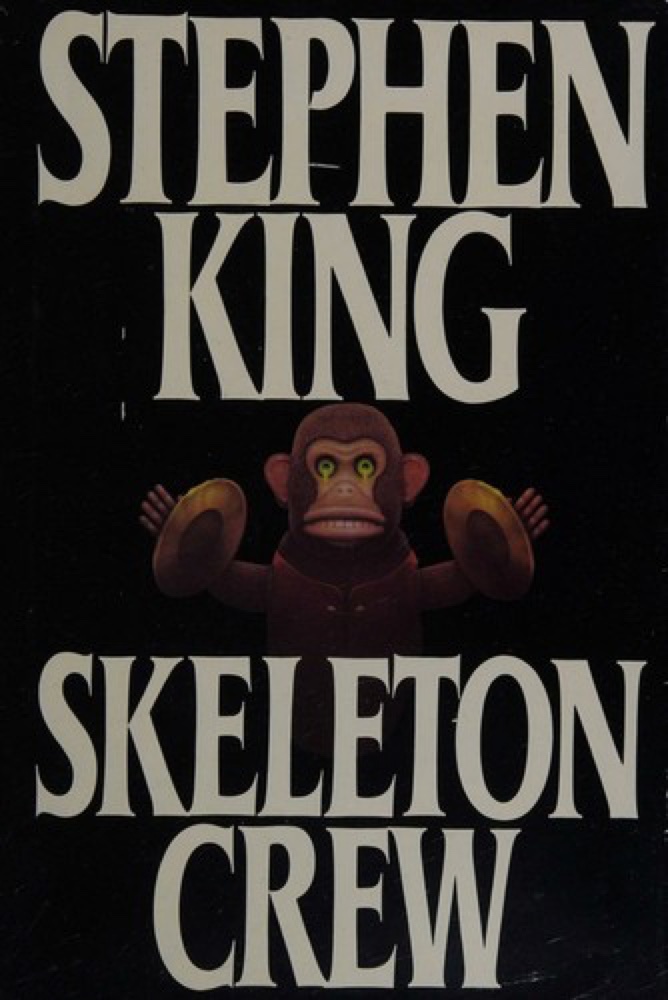 Skeleton Crew
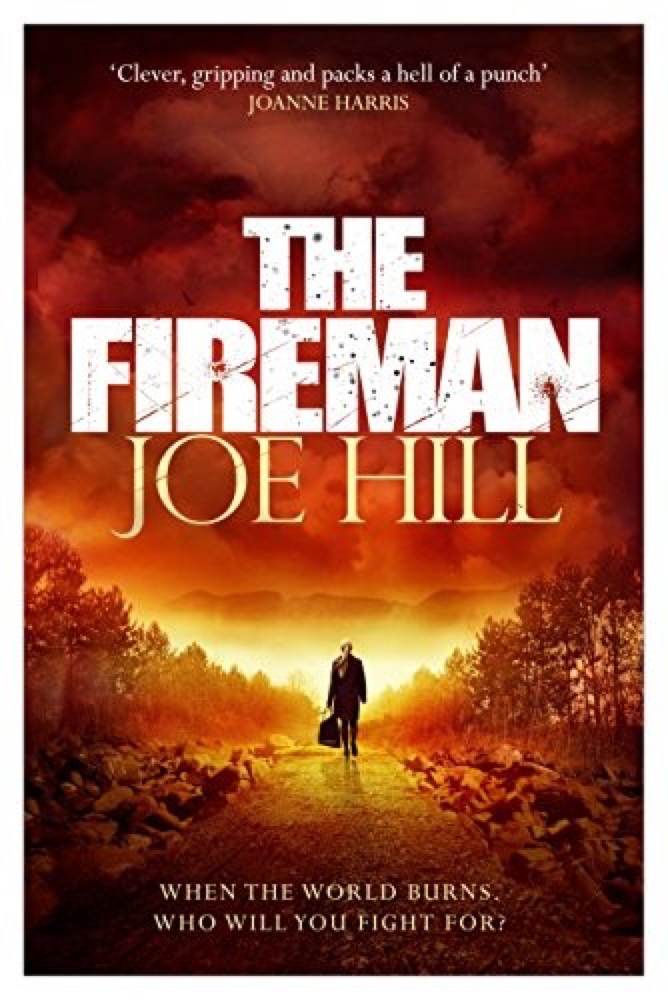 The Fireman
 The Testaments
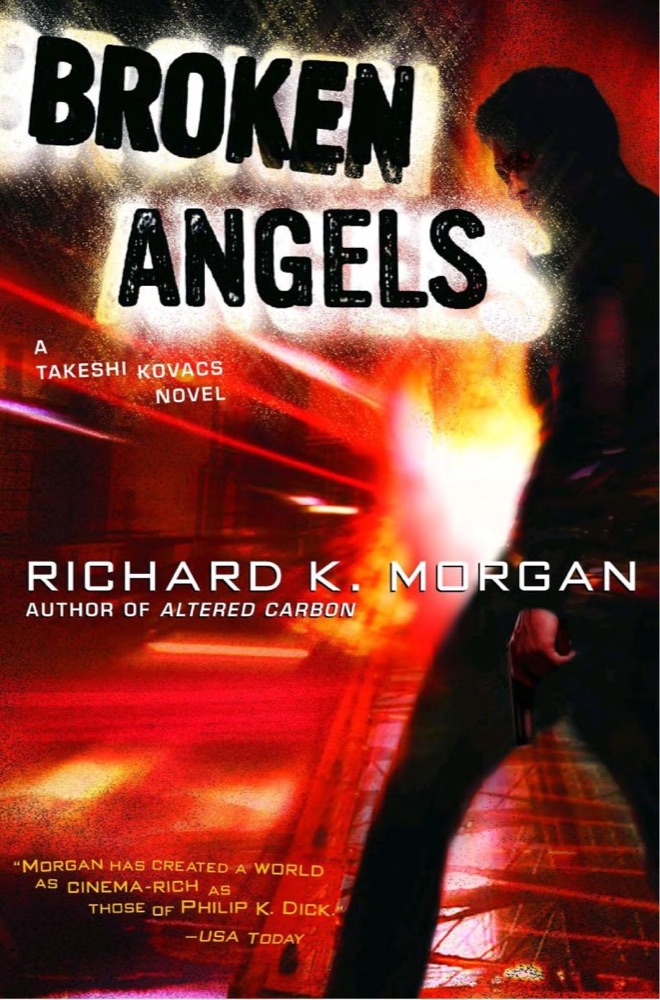 Broken Angels
 A Madness of Angels
 The Lesser Dead
 In The Blood
 Revival
 Tree of Smoke
 Slade House
 Devolution: A Firsthand Account of the Rainier Sasquatch Massacre
 How Long 'til Black Future Month?
 Special Topics in Calamity Physics
 The Bee Sting
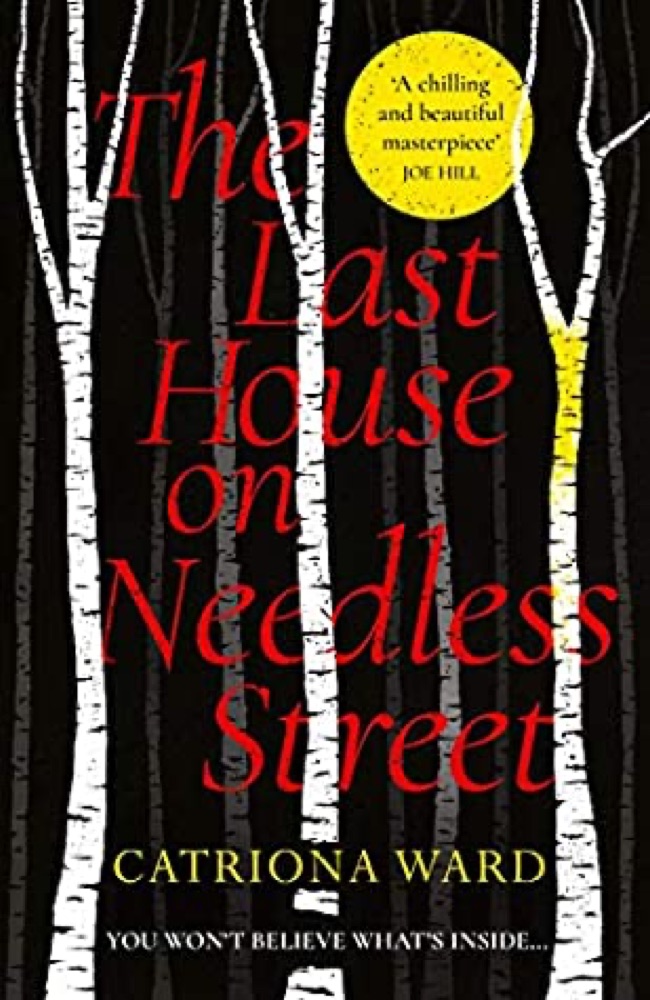 The Last House on Needless Street
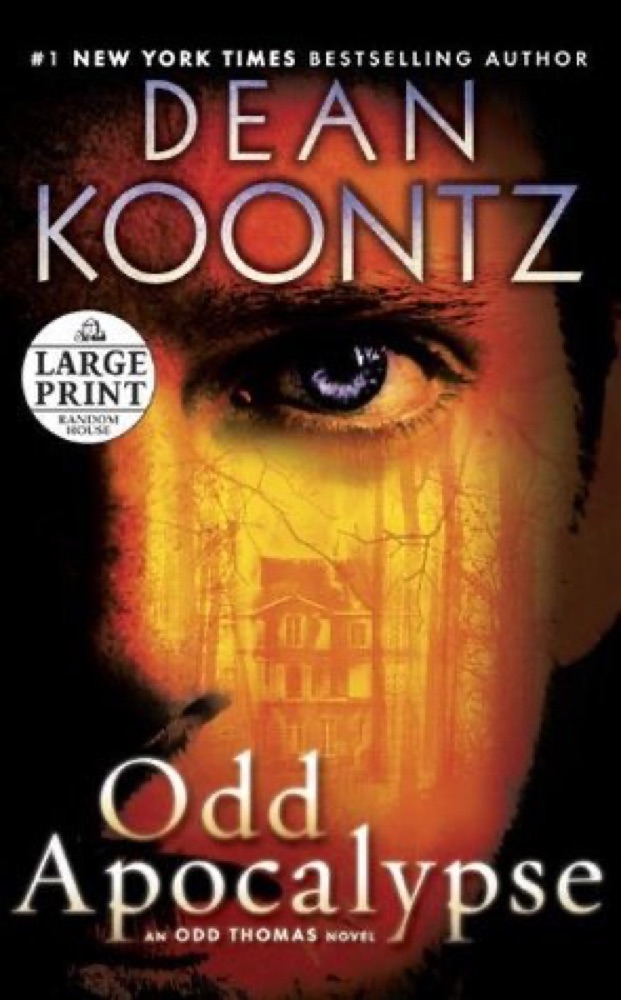 Odd Apocalypse
 They Call Her Dirty Sally
 Blackfish City
 The Water Knife
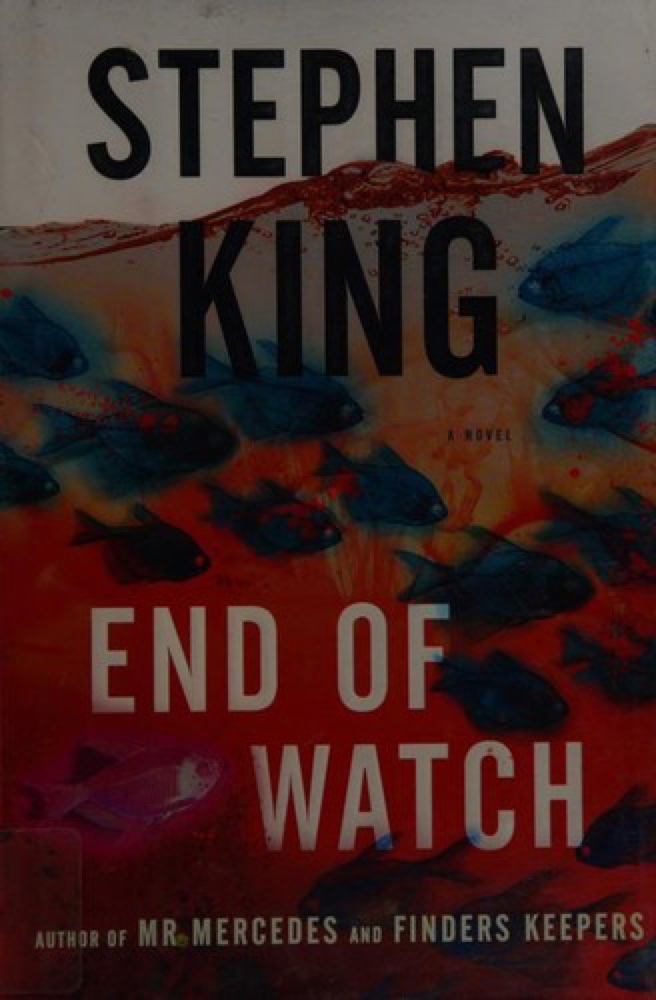 End of Watch
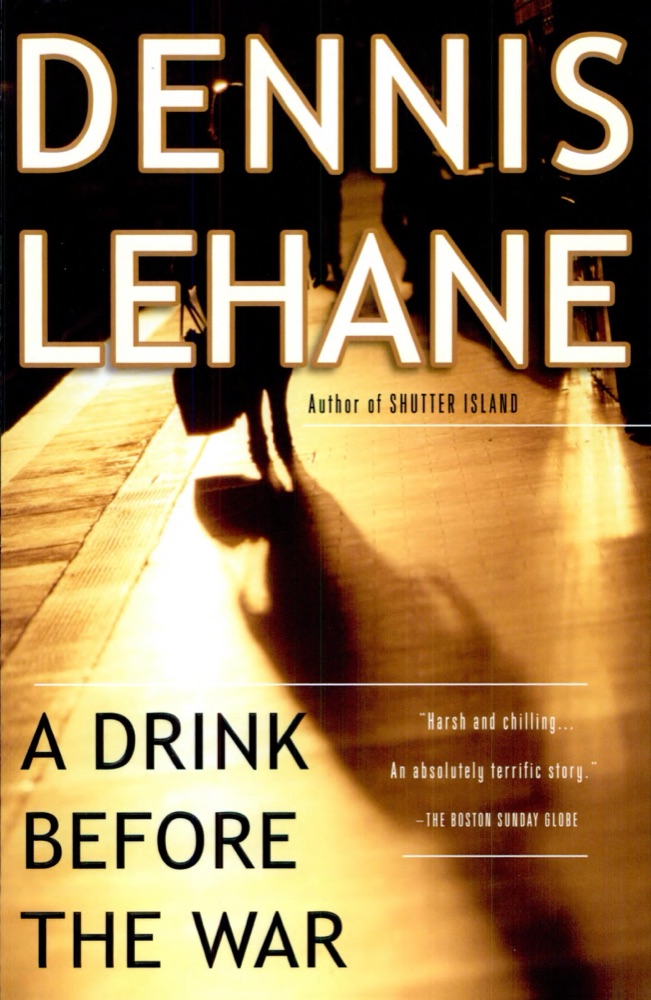 A Drink Before the War
 The Hour I First Believed
 Sparrow Hill Road
 Odd Hours
 The Unbound
 What It is Like to Go to War
 Bright Lights, Big City
 The Tsar of Love and Techno
 In Shock: My Journey from Death to Recovery and the Redemptive Power of Hope
 Feed
Feed
 Make Something Up: Stories You Can't Unread
 We Are All the Same in the Dark
 Rot & Ruin
 Suspect
 Outrun the Moon
 Warm Bodies
 Pandemonium