
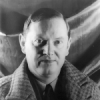
 Brideshead Revisited: The Sacred and Profane Memories of Captain Charles Ryder
Quotes from the Book
You can't ever tell what's going to hurt people.
It would be a dull world if we all thought alike.
Brenda descended the great staircase step by step through alternations of dusk and rainbow.
A whole Gothic world had come to grief...there was now no armour glittering through the forest glades, no embroidered feet on the green sward; the cream and dappled unicorns had fled...
A wonderfully congenial group who live by a unique set of social standards. According to their rules, any sin is acceptable provided it is carried off in good taste.
Watch on YouTube
About Evelyn Waugh
We have collected 112 quotes from 7 books by Evelyn Waugh on BookQuoters.
More about the author →More by Evelyn Waugh
Brideshead Revisited: The Sacred and Profane Memories of Captain Charles Ryder
 Scoop
Scoop
 The Loved One
 Vile Bodies
Book details
- Author
- Evelyn Waugh
- Genre
- Classics
- Goodreads rating
- 3.88 (30k ratings) →
Keep reading
 Brother Odd
 Gravity's Rainbow
 The Signature of All Things
 The Sirens of Titan
 Dreams and Shadows
 Bleak House
 Welcome to Night Vale
 Bag of Bones
 Lords and Ladies
 Dead Souls
 The Jewel in the Crown
 The Ground Beneath Her Feet
 Practical Demonkeeping
 The Gone-Away World
 Nicholas Nickleby
 Out of Oz
 Equal Rites
 Consider Phlebas
 Howards End
 Against the Day
 Three Comrades
 A Madness of Angels
 Soul Music
 Prodigal Summer
 A Fine Balance
 Wanderers
 The Book of the Unnamed Midwife
 A Room with a View
 Carrie
 The Silent Corner
 State of Wonder
 Journey by Moonlight
 Forever Odd
 Selected Poems
 Where Angels Fear to Tread
 The Pleasures of the Damned
 Dust
Dust
 The Moor's Last Sigh
 The Angel's Game
 Middlemarch
 Across the Nightingale Floor
 Tortilla Flat
 Full Dark, No Stars
 Mostly Harmless
 The Girl With All the Gifts
 The Picture of Dorian Gray
 Red Mars
 Weaveworld
 The Graveyard Book
 Birds Without Wings
 The Winter of Our Discontent
 In Cold Blood
 Hush
Hush
 The Fall of Babel
 I Cheerfully Refuse
 Flight Behavior
 The Slippery Slope
 The People in the Trees
 Lud-in-the-Mist
 Night Film