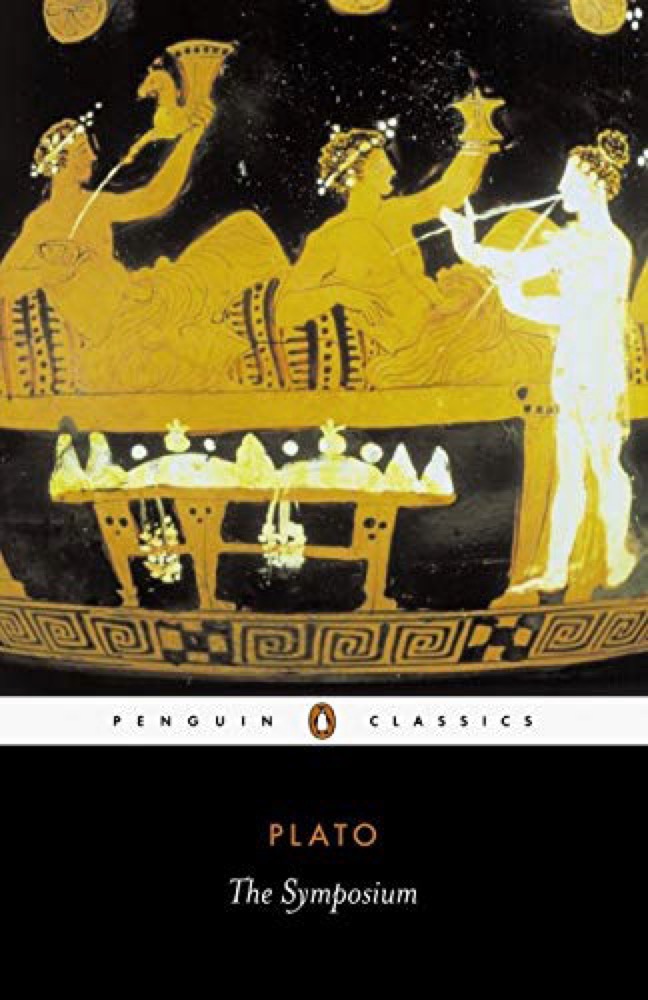
 The Symposium
Quotes from the Book
But afterwards there occurred violent earthquakes and floods; and in a single day and night of misfortune all your warlike men in a body sank into the earth, and the island of Atlantis in like manner disappeared in the depths of the sea.
This power came forth out of the Atlantic Ocean, for in those days the Atlantic was navigable; and there was an island situated in front of the straits which are by you called the Pillars of Heracles; the island was larger than Libya and Asia put together, and was the way to other islands, and from these you might pass to the whole of the opposite continent which surrounded the true ocean; for this sea which is within the Straits of Heracles is only a harbour, having a narrow entrance, but that other is a real sea, and the surrounding land may be most truly called a boundless continent. Now in this island of Atlantis there was a great and wonderful empire which had rule over the whole island and several others, and over parts of the continent, and, furthermore, the men of Atlantis had subjected the parts of Libya within the columns of Heracles as far as Egypt, and of Europe as far as Tyrrhenia. This vast power, gathered into one, endeavoured to subdue at a blow our country and yours and the whole of the region within the straits; and then, Solon, your country shone forth, in the excellence of her virtue and strength, among all mankind. She was pre-eminent in courage and military skill, and was the leader of the Hellenes. And when the rest fell off from her, being compelled to stand alone, after having undergone the very extremity of danger, she defeated and triumphed over the invaders, and preserved from slavery those who were not yet subjugated, and generously liberated all the rest of us who dwell within the pillars. But afterwards there occurred violent earthquakes and floods; and in a single day and night of misfortune all your warlike men in a body sank into the earth, and the island of Atlantis in like manner disappeared in the depths of the sea. For which reason the sea in those parts is impassable and impenetrable, because there is a shoal of mud in the way; and this was caused by the subsidence of the island.
...both wealth and concord decline as possessions become pursued and honored. And virtue perishes with them as well.
By such reflections and by the continuance in them of a divine nature, th qualities which we have described grew and increased among them; but when the divine portion began to fade away, and became diluted too often and too much with the mortal admixture, and the human nature got the upper hand, they then, being unable to bear their fortune, behaved unseemly, and to him who had an eye to see grew visibly debased, for they were losing the fairest of their precious gifts; but to those who had no eye to see the true happiness, they appeared glorious and blessed at the very time when they were full of avarice and unrighteous power. Zeus, the god of gods, who rules according to law, and is able to see into such things, perceiving that an honourable race was in a woeful plight, and wanting to inflict punishment on them, that they might be chastened and improve, collected all the gods into their most holy habitation, whch being placed in the centre of the world, beholds all created things. And when he had called them together, he spake as follows --
[Dialogue between Solon and an Egyptian Priest] In the Egyptian Delta, at the head of which the river Nile divides, there is a certain district which is called the district of Sais [...] To this city came Solon, and was received there with great honour; he asked the priests who were most skilful in such matters, about antiquity, and made the discovery that neither he nor any other Hellene knew anything worth mentioning about the times of old. On one occasion, wishing to draw them on to speak of antiquity, he began to tell about the most ancient things in our part of the world-about Phoroneus, who is called "the first man," and about Niobe; and after the Deluge, of the survival of Deucalion and Pyrrha; and he traced the genealogy of their descendants, and reckoning up the dates, tried to compute how many years ago the events of which he was speaking happened. Thereupon one of the priests, who was of a very great age, said: O Solon, Solon, you Hellenes are never anything but children, and there is not an old man among you. Solon in return asked him what he meant. I mean to say, he replied, that in mind you are all young; there is no old opinion handed down among you by ancient tradition, nor any science which is hoary with age.
Watch on YouTube
About Plato
We have collected 265 quotes from 14 books by Plato on BookQuoters.
More about the author →
Book details
- Author
- Plato
- Genre
- Classics
- Goodreads rating
- 3.82 (2k ratings) →
Keep reading
 Timaeus
 Theogony / Works and Days
 The Histories
 Mythos - The Greek Myths Retold
 Troy
Troy
 Caesar and Christ
 The King Must Die
 Conan of Cimmeria
 Mythology
 The Epic of Gilgamesh
 The History of the Decline and Fall of the Roman Empire Volume I
 Plutarch's Lives
 Ilium
Ilium
 The Enchantress of Florence
 The Persian Expedition
 Atlantis On the Shores of Forever
 The Iliad
 The Dream of Scipio
 The Decline and Fall of the Roman Empire
 C.P. Cavafy: Collected Poems
 Sword & Citadel
 Sailing to Sarantium
 King Solomon's Mines
 Troilus and Cressida
 The Greek Way
 Forge of Darkness
 Gardens of the Moon
 Saturnine
 Ninety-Three
 Metamorphoses
 Elric of Melniboné
 Fire from Heaven
 Midnight Tides
 The Warrior Prophet
 A History of the World in 100 Objects
 The Norse Myths
 The Colossus of Maroussi
 Horus Rising
 Victory City
 Three Parts Dead
 Parallel Lives
 Helen of Troy
 Magicians of the Gods: The Forgotten Wisdom of Earth's Lost Civilization
 The White Luck Warrior
 The Last Song of Penelope
 The Fall of Hyperion
 The Etched City
 The History of the Church: From Christ to Constantine
 Seven Pillars of Wisdom: A Triumph
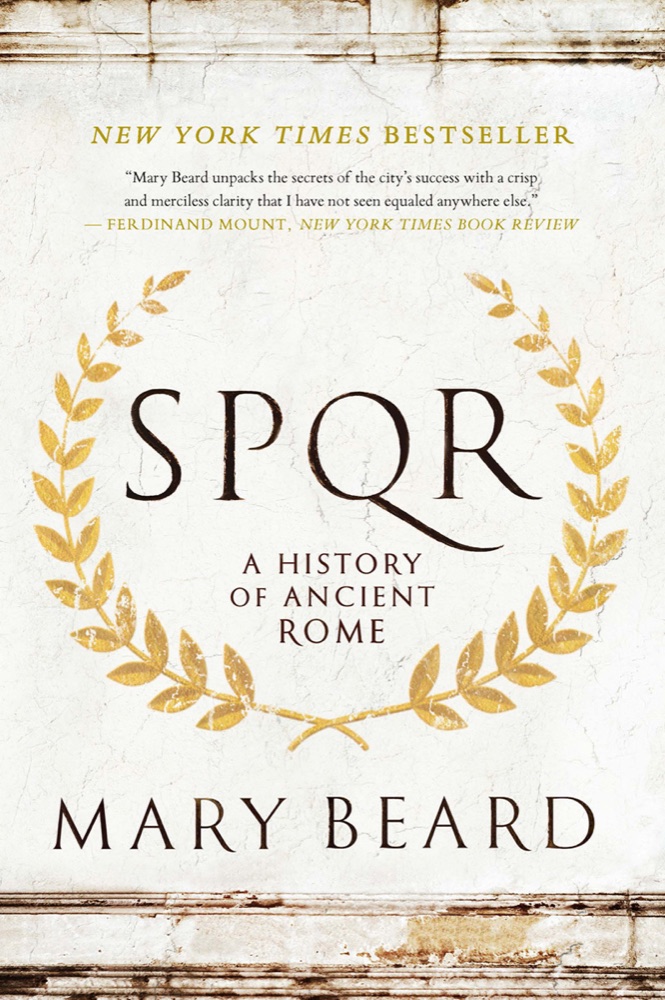 SPQR: A History of Ancient Rome
 Lily of the Nile
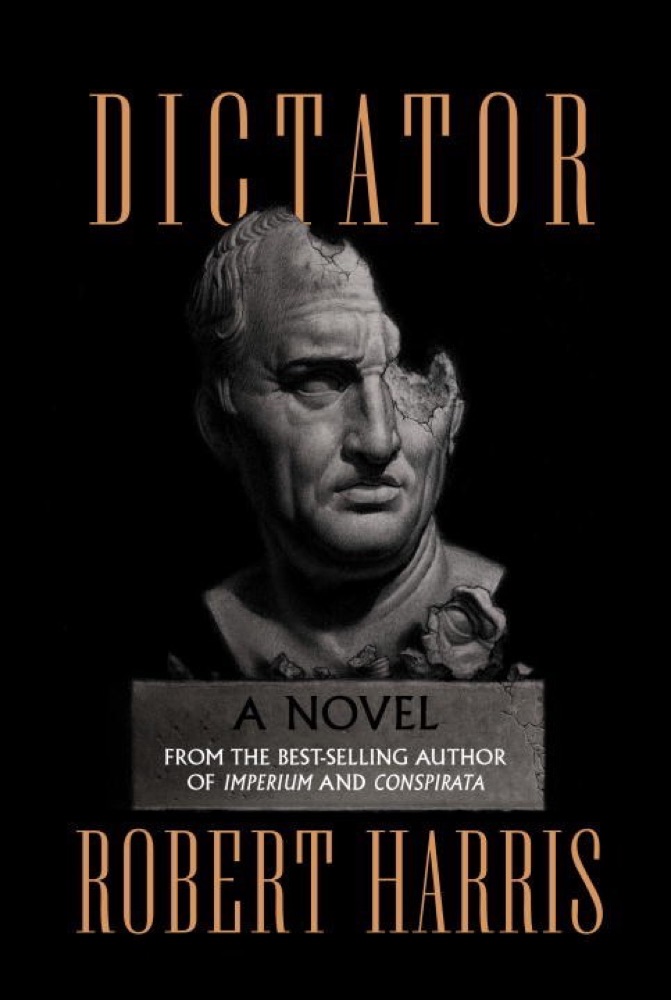 Dictator
 Three Kingdoms
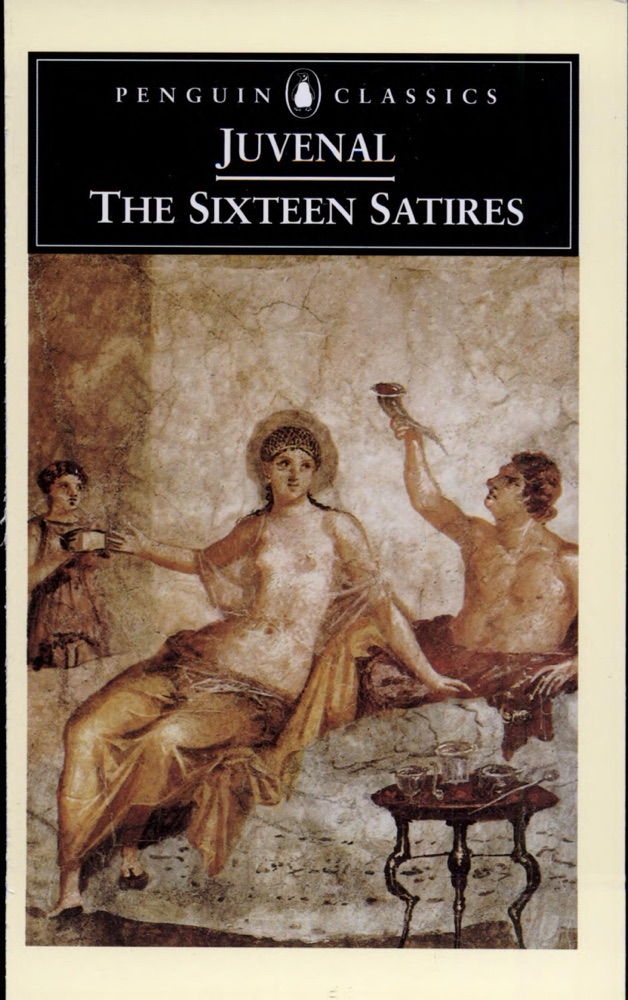 The Sixteen Satires
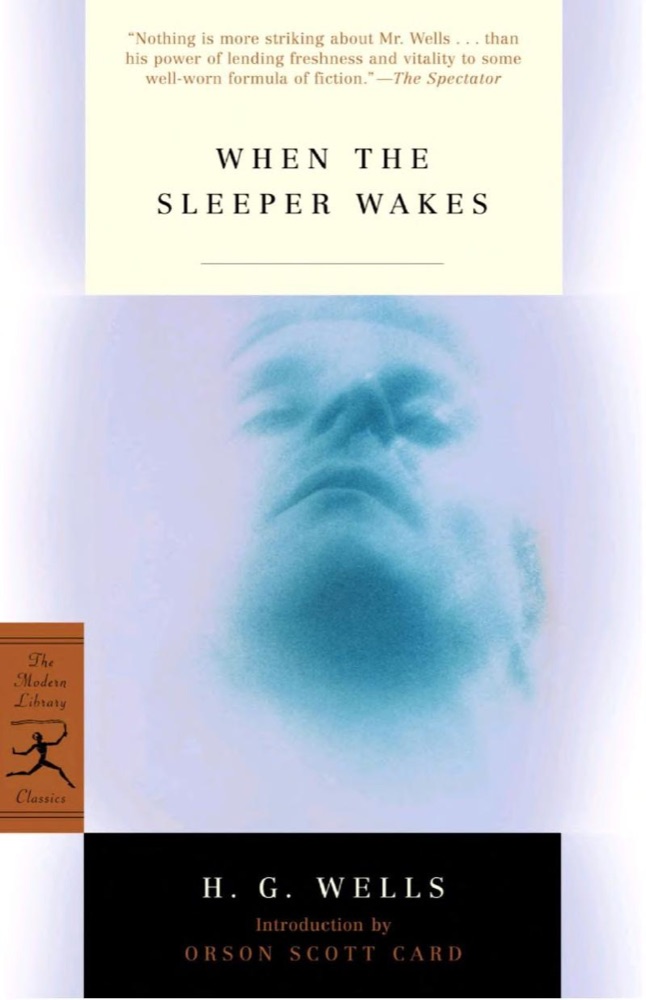 When the Sleeper Wakes
 Ariadne
 Lord of Light
 Augustus
 The Urth of the New Sun
 How the Irish Saved Civilization