
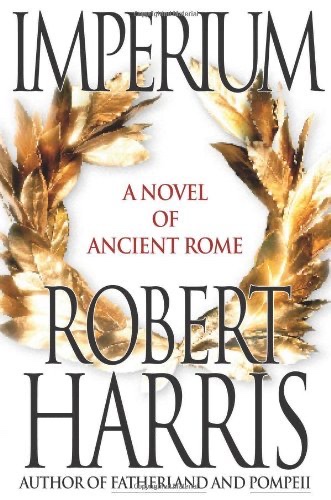
 Imperium: A Novel of Ancient Rome
Quotes from the Book
To be brave, by definition, one has first to be afraid.
What is leadership, after all, but the blind choice of one route over another and the confident pretense that the decision was based on reason
But only a fool sails into combat with nature
Men mistook measurement for understanding. And they always had to put themselves at the center of everything. That was their greatest conceit. The earth is becoming warmer-it must be our fault! The mountain is destroying us-we have not propitiated the gods! It rains too much, it rains too little-a comfort to think that these things are somehow connected to our behavior, that if only we lived a little better, a little more frugally, our virtue would be rewarded. But here was nature, sweeping toward him-unknowable, all-conquering, indifferent-and he saw in her fires the futility of human pretensions.
The destination of the journey could not be altered, only the manner in which one approached it - whether one chose to walk erect or to be dragged complaining through the dust.
Civilization was a relentless war that man was doomed to lose eventually. - Pg. 195
The natural impulse of men is to follow, he thought, and whoever has the strongest sense of purpose will always dominate the rest.
... Mother Nature is punishing us, ..., for our greed and selfishness. We torture her at all hours by iron and wood, fire and stone. We dig her up and dump her in the sea. We sink mine shafts into her and drag out her entrails - and all for a jewel to wear on a pretty finer. Who can blame her if she occasionally quivers with anger?" - Pliny, Pg. 176
What was leadership, after all, but the blind choice of one route over another and the confident pretense that the decision was based on reason?
Brave words. Easy to write when one was young and death was still skulking over a distant hill somewhere... - Pg. 82
A nothing that said everything. - Pg. 173
And the great thing about money is that it doesn’t matter when you harvest it. It’s an all-year crop.
For them, it was just an ordinary miracle.
Men mistook measurement for understanding. And they always had to put themselves at the center of everything. That was their greatest conceit. The earth is becoming warmer—it must be our fault! The mountain is destroying us—we have not propitiated the gods! It rains too much, it rains too little—a comfort to think that these things are somehow connected to our behavior, that if only we lived a little better, a little more frugally, our virtue would be rewarded. But here was nature, sweeping toward him—unknowable, all-conquering, indifferent—and he saw in her fires the futility of human pretensions.
La cenere s'indurì, cadde altra pomice. L'interno dei cadaveri marcì e insieme a loro, con il passare dei secoli, marcì anche il ricordo dell'esistenza in quel punto di una città. Pompei divenne una città di cittadini vuoti dai contorni perfetti, stretti l'uno all'altro o isolati, con gli abiti volati via o sollevati sul capo, che tentano disperatamente di afferrare i loro oggetti più adorati senza riuscire a stringere nulla tra le mani: vuote entità sospese a mezz'aria al livello dei tetti.
Perhaps Mother Nature is punishing us, he thought, for our greed and selfishness. We torture her at all hours by iron and wood, fire and stone. We dig her up and dump her in the sea. We sink mineshafts into her and drag out her entrails - and all for a jewel to wear on a pretty finger. Who can blame her if she occasionally quivers with anger?
Watch on YouTube
About Robert Harris
We have collected 163 quotes from 8 books by Robert Harris on BookQuoters.
More about the author →More by Robert Harris
All books by Robert Harris →

Book details
- Author
- Robert Harris
- Genre
- Fiction
- Goodreads rating
- 3.89 (56k ratings) →
Keep reading
 The Warrior Prophet
 Toll the Hounds
 Red Mars
 Forge of Darkness
 The Enchantress of Florence
 The First Circle
 The Way of Kings
 March
March
 Ninety-Three
 The Man in the High Castle
 Quicksilver
 Rapture
 That Hideous Strength
 A Great Reckoning
 Babylon's Ashes
 The Fall
 Use of Weapons
 The Mysterious Island
 Allan Quatermain
 Earth Abides
 Sword & Citadel
 Hawaii
 She
She
 Authority
 Victory
 Red Country
 Flight Behavior
 The Magic Mountain
 The Sunlit Man
 Alas, Babylon
 The Son
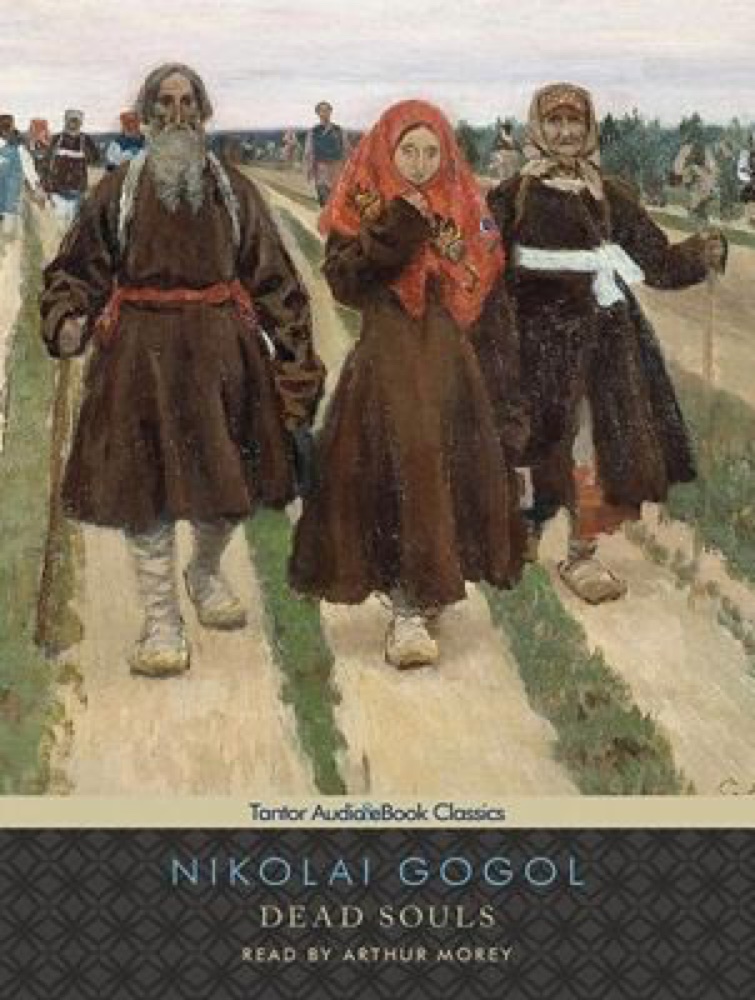 Dead Souls
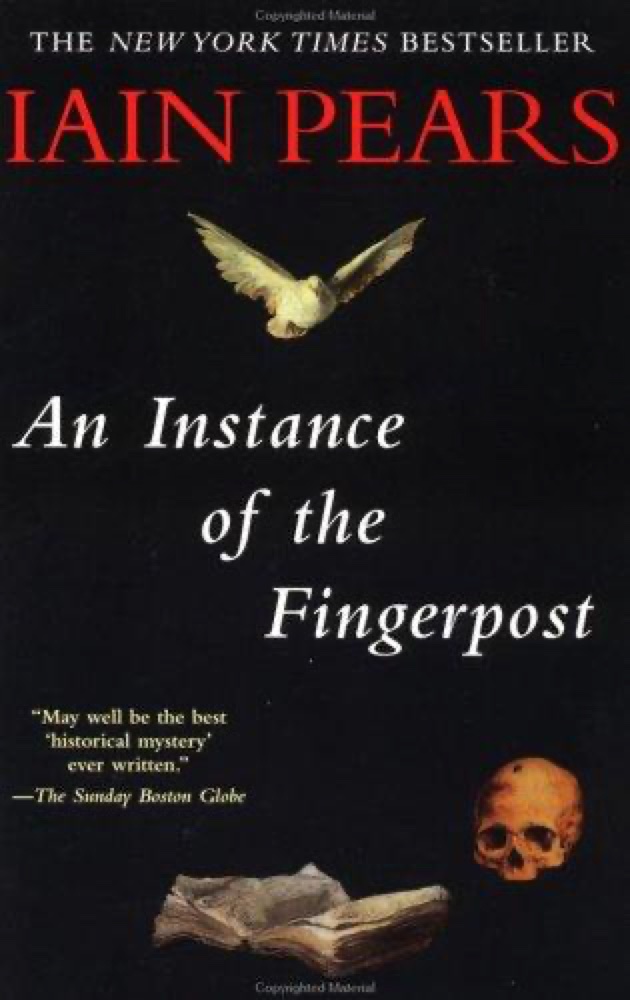 An Instance of the Fingerpost
 Crime and Punishment
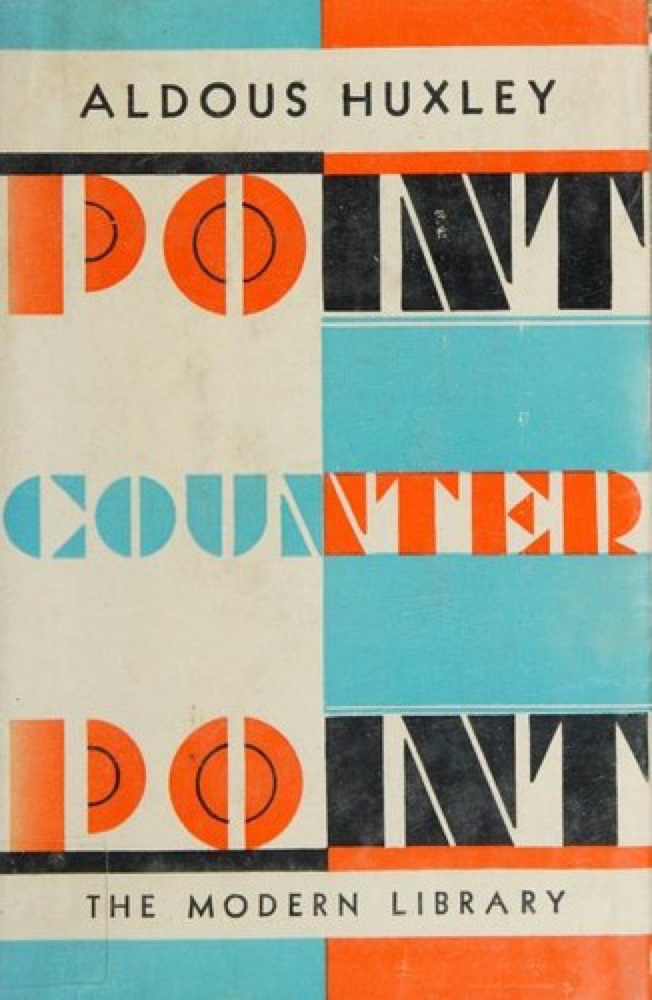 Point Counter Point
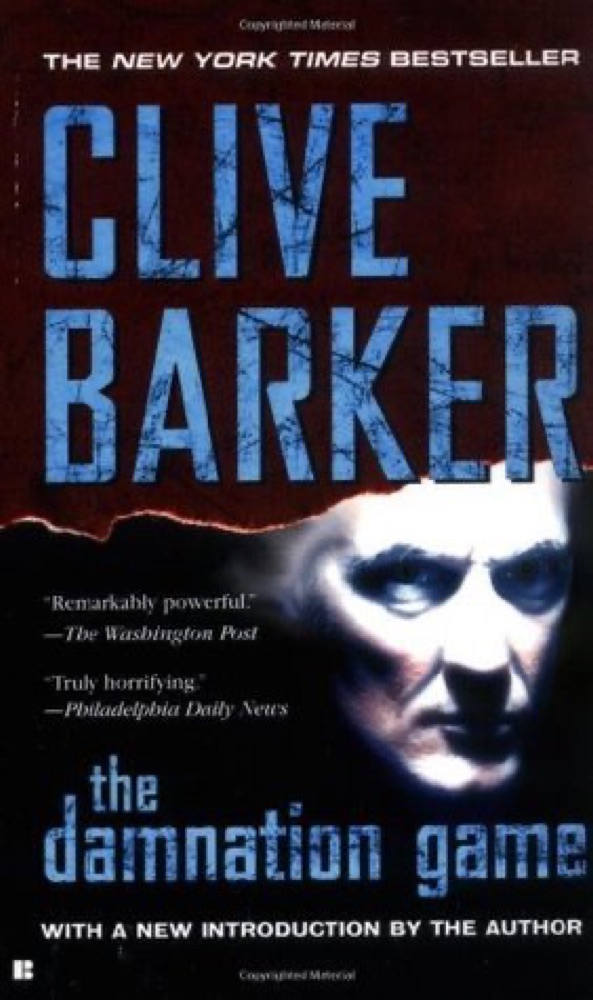 The Damnation Game
 Selected Poems
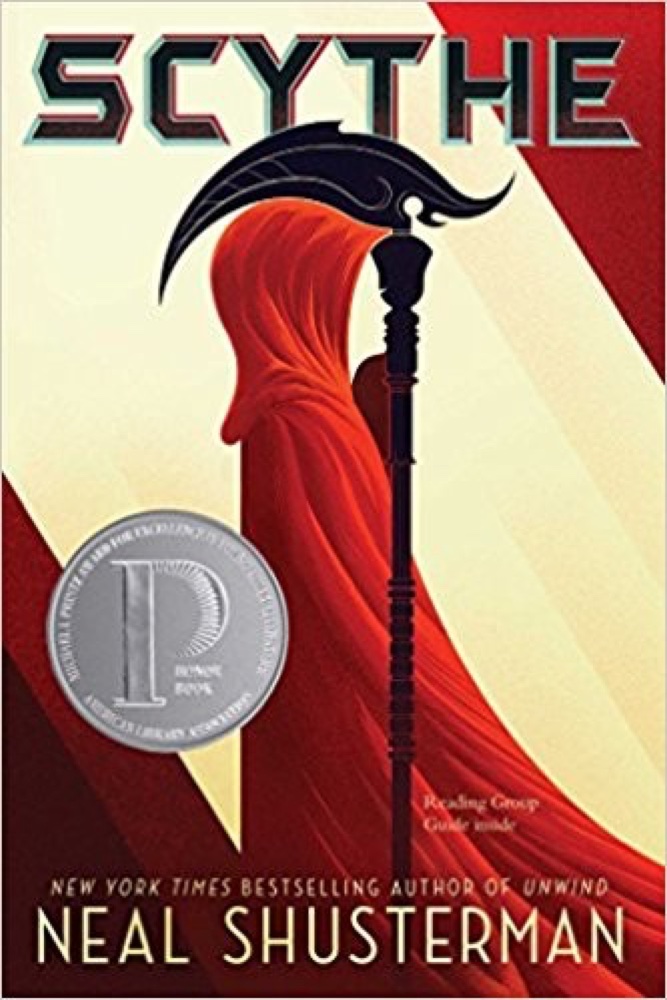 Scythe
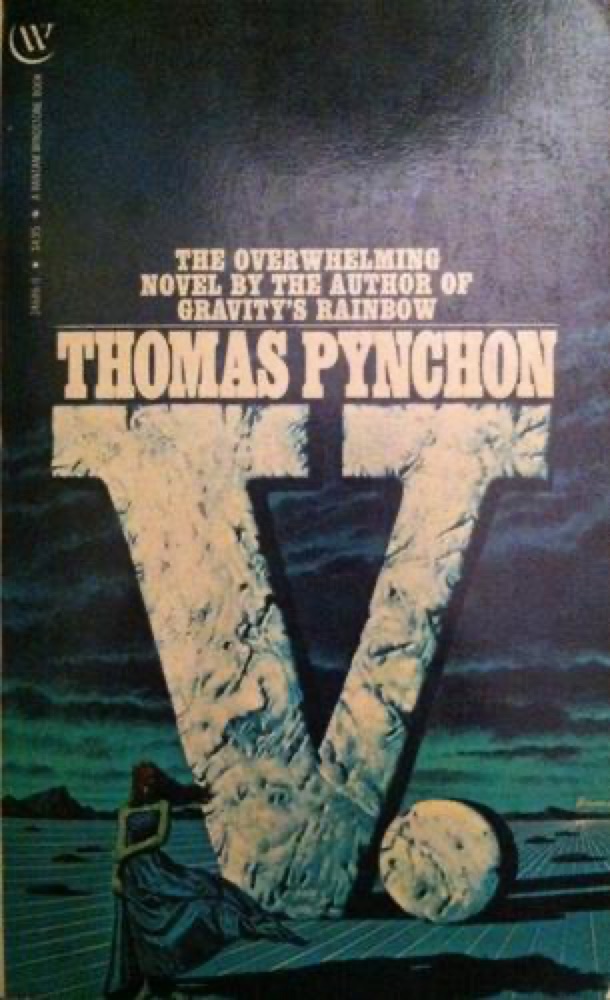 V.
V.
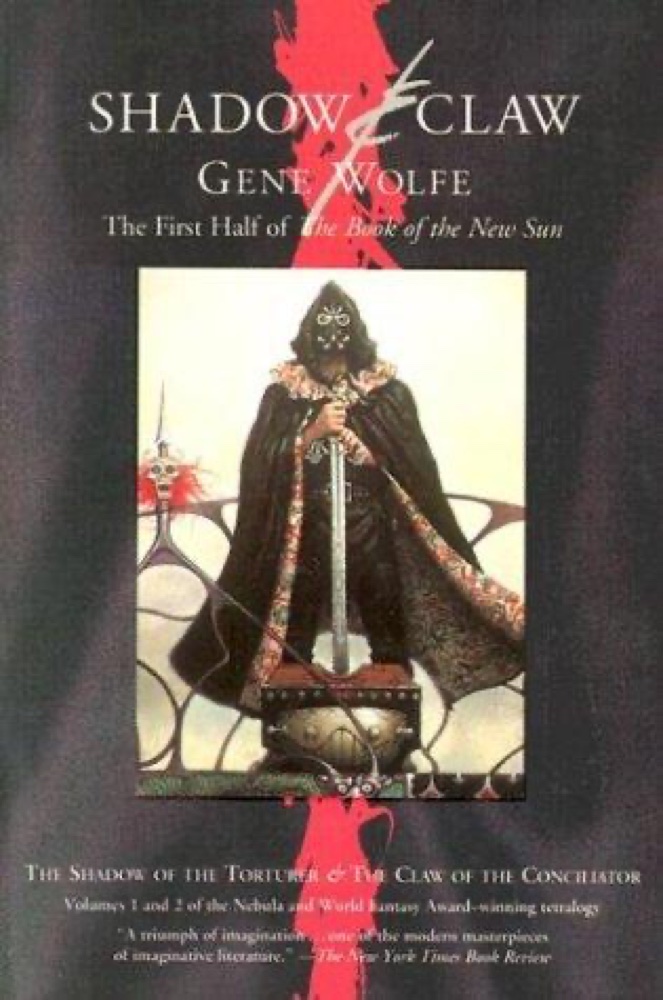 Shadow & Claw
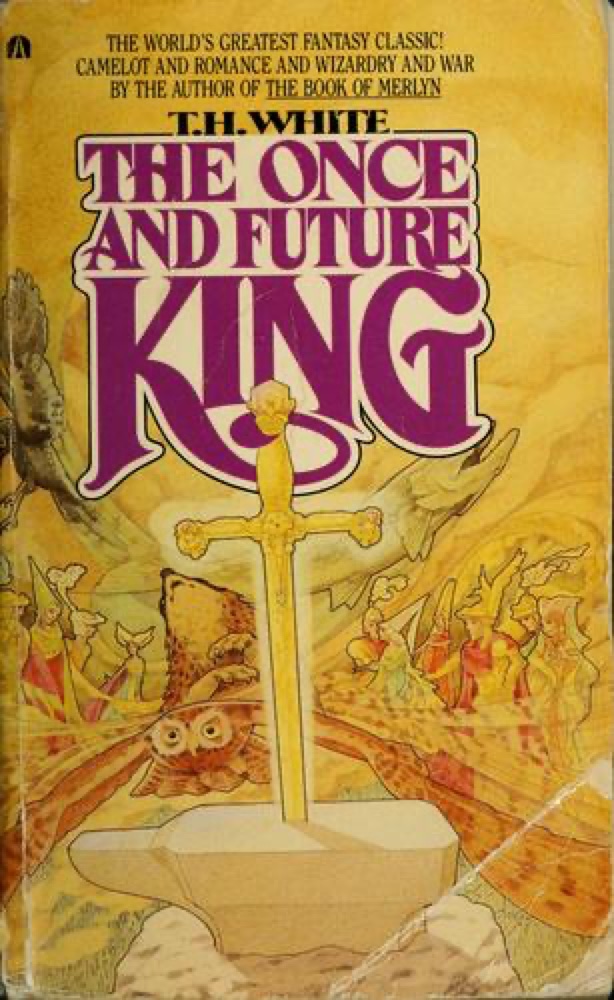 The Once and Future King
 The Sirens of Titan
 Daniel Deronda
 The Magus
 King Solomon's Mines
 Empire of Silence
 Anthills of the Savannah
 A Connecticut Yankee in King Arthur's Court
 The Thousandfold Thought
 Under Western Eyes
 Absalom, Absalom!
 The Farthest Shore
 Foundation
 Pyramids
 Consider Phlebas
 All the King's Men
 Light in August
 The Invasion of the Tearling
 Pandora's Star
 The Golden Compass