
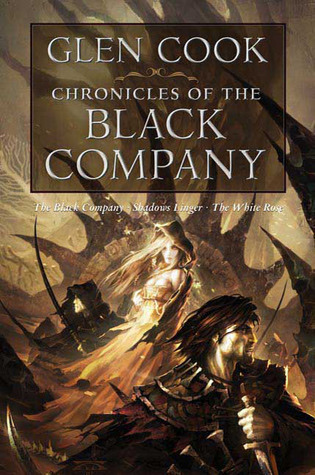
 Chronicles of the Black Company
Quotes from the Book
No religion I ever encountered made any sense. None are consistent. Most gods are megalomaniacs and paranoid psychotics by their worshippers' description. I don't see how they could survive their own insanity. But it's not impossible that human beings are incapable of interpreting a power so much greater than themselves. Maybe religions are twisted and perverted shadows of truth. Maybe there are forces which shape the world. I myself have never understood why, in a universe so vast, a god would care about something so trivial as worship or human destiny.
36
The only exercise I get is jumping to conclusions.
28
I do not want to die, Croaker. All that I am shrieks against the unrighteousness of death. All that I am, was, and probably will be, is shaped by my passion to evade the end of me.
16
I cry for a little girl's dreams. I cry because the dreams will not die, though I am powerless to make them come true.
7
One's own yesterday is a ghost that will not be laid. Death is the only exorcism.
1
I guess I was getting blasé about windwhale-riding.
1
The age is sorrowfully short of characters of the magnificently villainous vitality of those the Dominator took in olden times: Soulcatcher, the Hanged Man, Nightcrawler, Shapeshifter, the Limper, and such. Those were nastymen of the grand scope, nearly as wild and hairy in their wickedness as the Lady and Dominator themselves.
1
Watch on YouTube
About Glen Cook
We have collected 109 quotes from 9 books by Glen Cook on BookQuoters.
More about the author →More by Glen Cook
All books by Glen Cook →
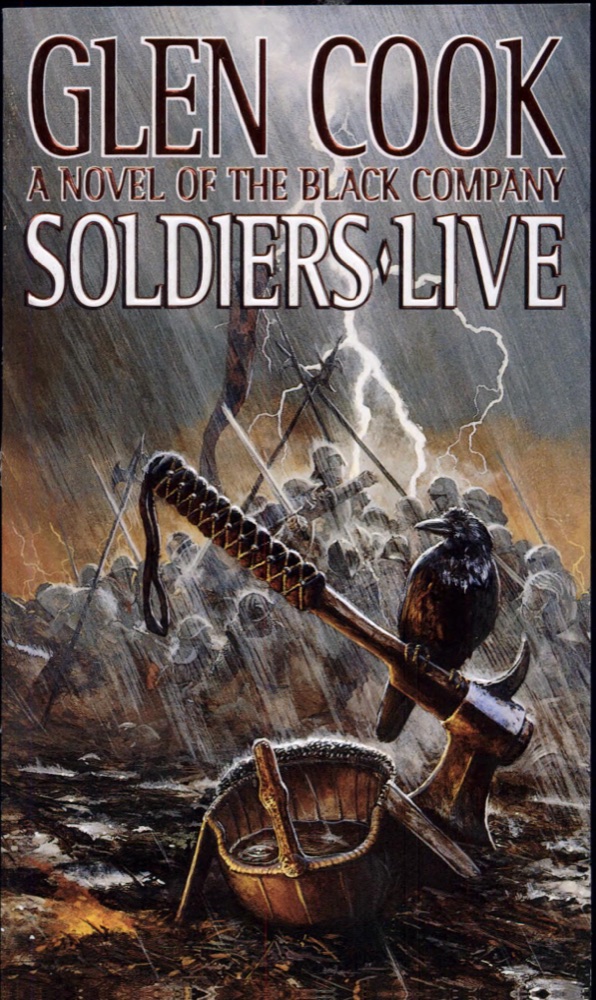
About the book
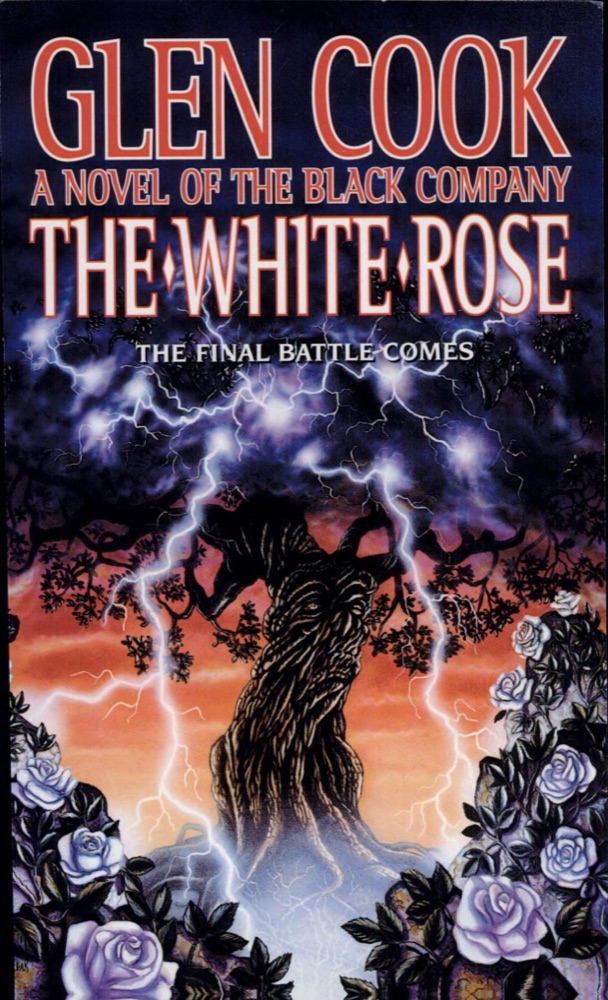
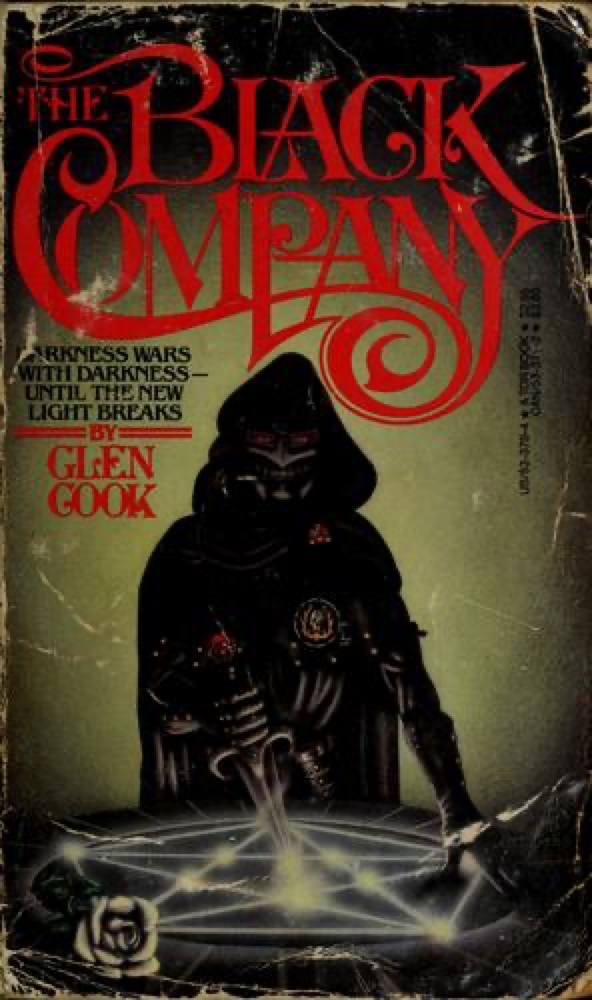
She is the last hope of good in the war against the evil sorceress known as the Lady. From a secret base on the Plains of Fear, where even the Lady hesitates to go, the Black Company, once in service to the Lady, now fights to bring victory to the White Rose. But now an even greater evil threatens the world. All the great battles that have gone before will seem a skirmishes when the Dominator rises from the grave.
Book details
- First published
- 1985
- Author
- Glen Cook
- Genre
- Fantasy
- Goodreads rating
- 4.20 (22k ratings) →
Keep reading
 Rosewater
 Future Home of the Living God
 The Seven Moons of Maali Almeida
 Preludes & Nocturnes
 The Sandman: Endless Nights
 The Tale of the Body Thief
 Dark Age
 The Claw of the Conciliator
 Dust Tracks on a Road
 By Grand Central Station I Sat Down and Wept
 Stella Maris
 Millennium Approaches
 Radiance
 The Setting Sun
 A Great and Terrible Beauty
 Maeve Fly
 The Burning World
 Grief Lessons: Four Plays by Euripides
 The Vampire Lestat
 The Manticore
 Vespertine
 The Library of the Dead
 Odd Hours
 Sword & Citadel
 Death Masks
 The Toll
Chronicles of the Black Company
The Toll
Chronicles of the Black Company
 Memnoch the Devil
 Falling Kingdoms
 Prince of Thorns
 Ship of Destiny
 Jasper Jones
 Elder Race
 Tropic of Capricorn
 Sexing the Cherry
 Henderson the Rain King
 A Hero of Our Time
 The Magus
 The Stone Gods
 Beta
Beta
 The Rose Society
 Waking Gods
 Dracula
 Abarat
 Odd Apocalypse
 The Bonehunters
 Rebel Angels
 The Hearing Trumpet
 The Secret History
 What Is the What
 The Golden Compass
 The Complete Stories
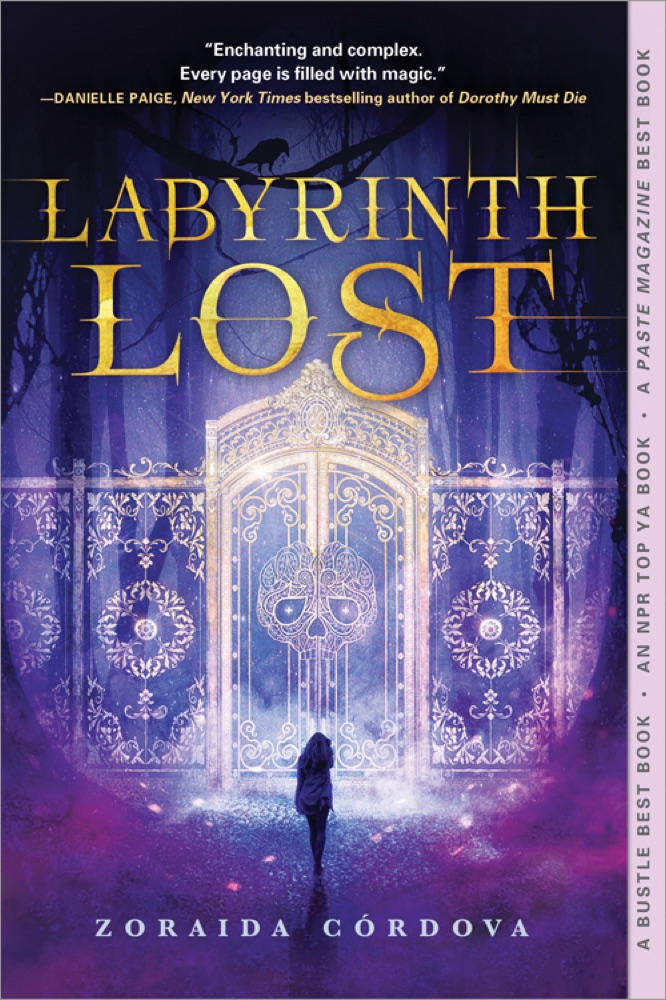 Labyrinth Lost
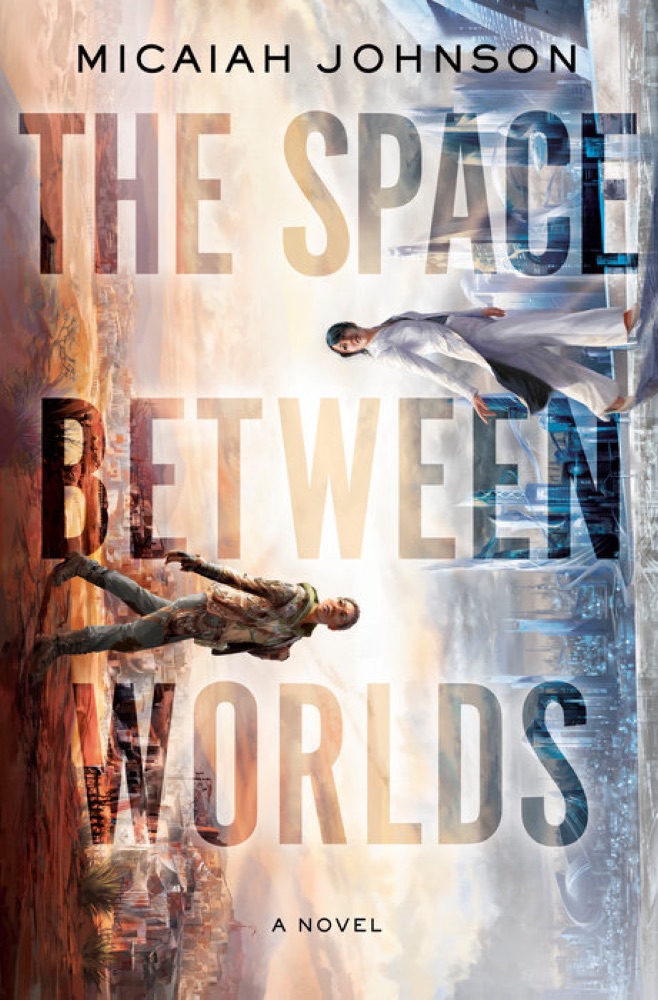 The Space Between Worlds
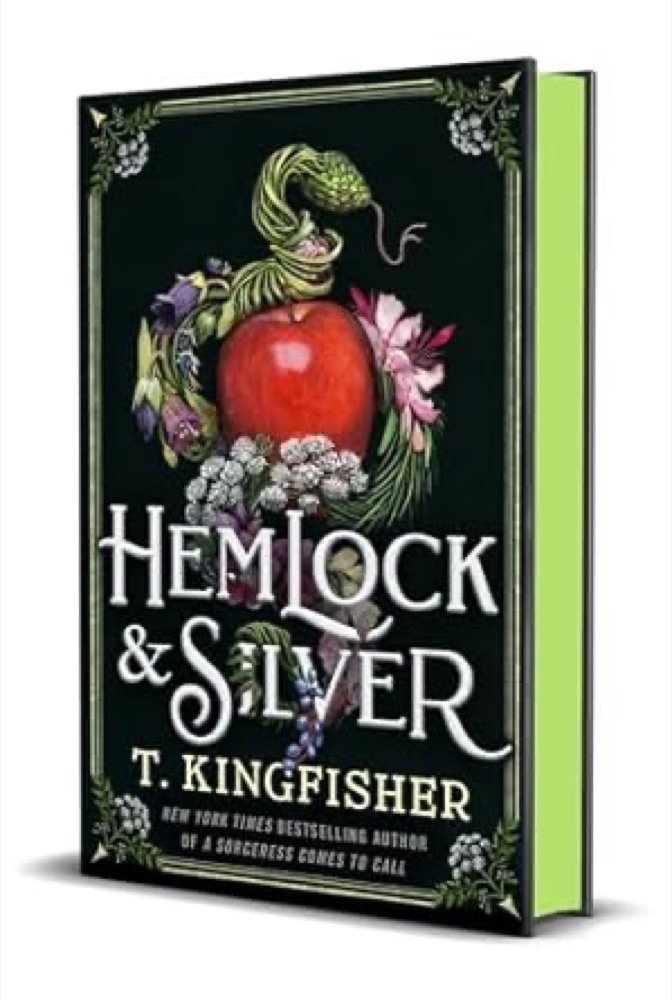 Hemlock & Silver
 The Gentle Spirit
 The Sin Eater’s Daughter
 The World and Other Places: Stories
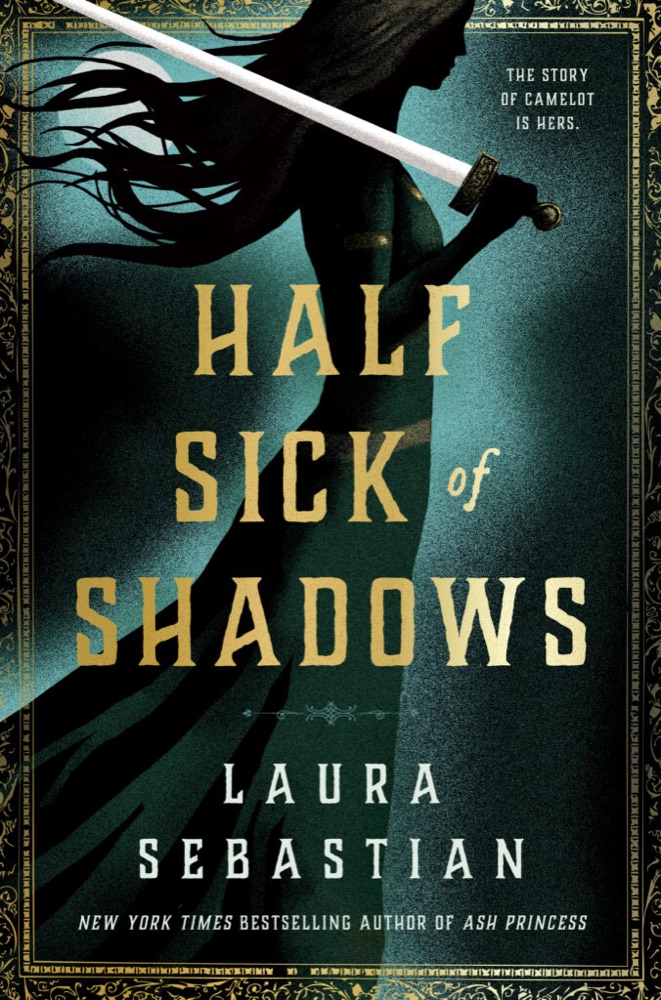 Half Sick of Shadows
 American Gods