
 Breakfast at Tiffany's
Quotes from the Book
It's bad enough in life to do without something YOU want; but confound it, what gets my goat is not being able to give somebody something you want THEM to have.
My, how foolish I am! You know what I've always thought? I've always thought a body would have to be sick and dying before they saw the Lord. And I imagined that when He came it would be like looking at the Baptist window: pretty as colored glass with the sun pouring through, such a shine you don't know it's getting dark. And it's been a comfort: to think of that shine taking away all the spooky feeling. But I'll wager it never happens. I'll wager at the very end a body realizes the Lord has already shown Himself. That things as they are, just what they've always seen, was seeing Him. As for me, I could leave the world with today in my eyes.
And when that happens, I know it. A message saying so merely confirms a piece of news some secret vein had already received, severing from me an irreplaceable part of myself, letting it loose like a kite on a broken string. That is why, walking across a school campus on this particular December morning, I keep searching the sky. As if I expected to see, rather like hearts, a lost pair of kites hurrying towards heaven.
I've always thought a body would have to be sick and dying before they saw the Lord. And I imagined that when He came it would be like looking at the Baptist window: pretty as coloured glass with the sun pouring through, such a shine you don't know it's getting dark. And it's been a spooky feeling. But I'll wager it never happens. I'll wager at the very end a body realizes the Lord has already shown Himself. That things as they are' - her hand circles in a gesture that gathers clouds and kites and grass and Queenie pawing earth over her bone - 'just what they've always senn, was seeing Him. As for me, I could leave the world with today in my eyes.
Always, the path unwinds through lemony sun pools and pitch vine tunnels.
The mill owner's wife persist. 'A dollar, my foot! Fifty cents. That's my last offer. Goodness, woman, you can get another one.' In answer, my friend gently reflects: 'I doubt it. There's never two of anything.
I could leave the world with today in my eyes.
When you're grown up, will we still be friends?
My friend has never been to a picture show, nor does she intend to: "I'd rather hear you tell the story, Buddy. That way I can imagine it more. Besides, a person my age shouldn't squander their eyes. When the Lord comes, let me see him clear." In addition to never having seen a movie, she has never: eaten in a restaurant, traveled more than five miles from home, received or sent a telegram, read anything except funny papers and the Bible, worn cosmetics, cursed, wished someone harm, told a lie on purpose, let a hungry dog go hungry. Here are a few things she has done, does do: killed with a hoe the biggest rattlesnake ever seen in this county (sixteen rattles), dip snuff (secretly), tame hummingbirds (just try it) till they balance on her finger, tell ghost stories (we both believe in ghosts) so tingling they chill you in July, talk to herself, take walks in the rain, grow the prettiest japonicas in town, know the recipe for every sort of oldtime Indian cure, including a magical wart remover.
We huddle in the bed, and she squeezes my hand I-love-you.
Who are they for? Friends. Not necessarily neighbor friends: indeed, the larger share is intended for persons we've met maybe once, perhaps not at all. People who've struck our fancy. Like President Roosevelt. Like the Reverend and Mrs. J. C. Lucey, Baptist missionaries to Borneo who lectured here last winter. Or the little knife grinder who comes through town twice a year. Or Abner Packer, the driver of the six o'clock bus from Mobile, who exchanges waves with us every day as he passes in a dust-cloud whoosh. Or the young Wistons, a California couple whose car one afternoon broke down outside the house and who spent a pleasant hour chatting with us on the porch (young Mr. Wiston snapped our picture, the only one we've ever had taken). Is it because my friend is shy with everyone except strangers that these strangers, and merest acquaintances, seem to us our truest friends? I think yes. Also, the scrapbooks we keep of thank-you's on White House stationery, time-to-time communications from California and Borneo, the knife grinder's penny post cards, make us feel connected to eventful worlds beyond the kitchen with its view of a sky that stops.
One by one the household emerges, looking as though they'd like to kill us both; but it's Christmas, so they can't.
Those who Know Best decide that I belong in a military school. And so follows a miserable succession of bugle-blowing prisons, grim reveille-ridden summer camps. I have a new home too. But it doesn't count. Home is where my friend is, and there I never go.
Imagine a morning in late November. A coming of winter morning more than twenty years ago. Consider the kitchen of a spreading old house in a country town. A great black stove is its main feature; but there is also a big round table and a fireplace with two rocking chairs placed in front of it. Just today the fireplace commenced its seasonal roar. A woman with shorn white hair is standing at the kitchen window. She is wearing tennis shoes and a shapeless gray sweater over a summery calico dress. She is small and sprightly, like a bantam hen; but, due to a long youthful illness, her shoulders are pitifully hunched. Her face is remarkable—not unlike Lincoln’s, craggy like that, and tinted by sun and wind; but it is delicate, too, finely boned, and her eyes are sherry-colored and timid. “Oh my,” she exclaims, her breath smoking the windowpane, “it’s fruitcake weather!
Our backs hut from gathering them: how hard they were to find among the concealing leaves, the frosted deceiving grass.
Quite deliberately my friend drops a kettle on the floor. I tap-dance in front of closed doors. One by one the household emerges, looking as though they'd like to kill us both; but it's Christmas, so they can't.
Giveya two-bits" cash for that ol tree." Ordinarily my friend is afraid of saying no; but on this occasion she promptly shakes her head: "We wouldn't take a dollar." The mill owner's wife persists. "A dollar, my foot! Fifty cents. That's my last offer. Goodness, woman, you can get another one." In answer, my friend gently reflects: "I doubt it. There's never two of anything.
If you please, Mr. Haha, we'd like a quart of your finest whiskey." His eyes tilt more. Would you believe it? Haha is smiling! Laughing, too. "Which one of you is a drinkin' man?" "It's for making fruitcakes, Mr. Haha. Cooking. " This sobers him. He frowns. "That's no way to waste good whiskey.
The buggy is mine; that is, it was bought for me when I was born. It is made of wicker, rather unraveled, and the wheels wobble like a drunkard’s legs. But it is a faithful object; springtimes, we take it to the woods and fill it with flowers, herbs, wild fern for our porch pots; in the summer, we pile it with picnic paraphernalia and sugar-cane fishing poles and roll it down to the edge of a creek;
Morning. Frozen rime lusters the grass; the sun, round as an orange and orange as hot-weather moons, balances on the horizon, burnishes the silvered winter woods. A wild turkey calls. A renegade hog grunts in the undergrowth.
Watch on YouTube
About Truman Capote
We have collected 157 quotes from 8 books by Truman Capote on BookQuoters.
More about the author →More by Truman Capote
Breakfast at Tiffany's
 In Cold Blood
 Other Voices, Other Rooms
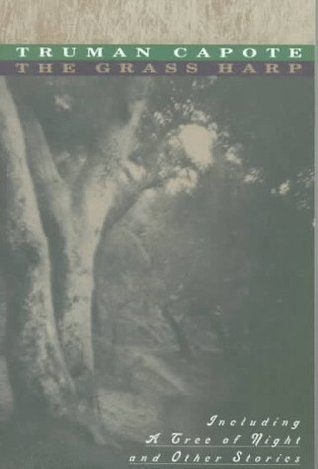 The Grass Harp, Including A Tree of Night and Other Stories
Book details
- Author
- Truman Capote
- Genre
- Classics
- Goodreads rating
- 4.24 (19k ratings) →
Keep reading
 Emily's Quest
 The Lovely Bones
 Dandelion Wine
 Peace Like a River
 Winter Solstice
 The Color Master: Stories
 Chocolat
 In the Woods
The Grass Harp, Including A Tree of Night and Other Stories
In the Woods
The Grass Harp, Including A Tree of Night and Other Stories
 Rebecca
 Kitchen
 Year of Wonders
 Walk Two Moons
 Anne of Windy Poplars
 The Bean Trees
 O Pioneers!
 The Baker's Daughter
 Garden Spells
 The Kitchen House
 Letters of a Woman Homesteader
 Divine Secrets of the Ya-Ya Sisterhood
 A Fine and Private Place
Breakfast at Tiffany's
A Fine and Private Place
Breakfast at Tiffany's
 The Sweet Far Thing
 Petals on the Wind
 A Little Wanting Song
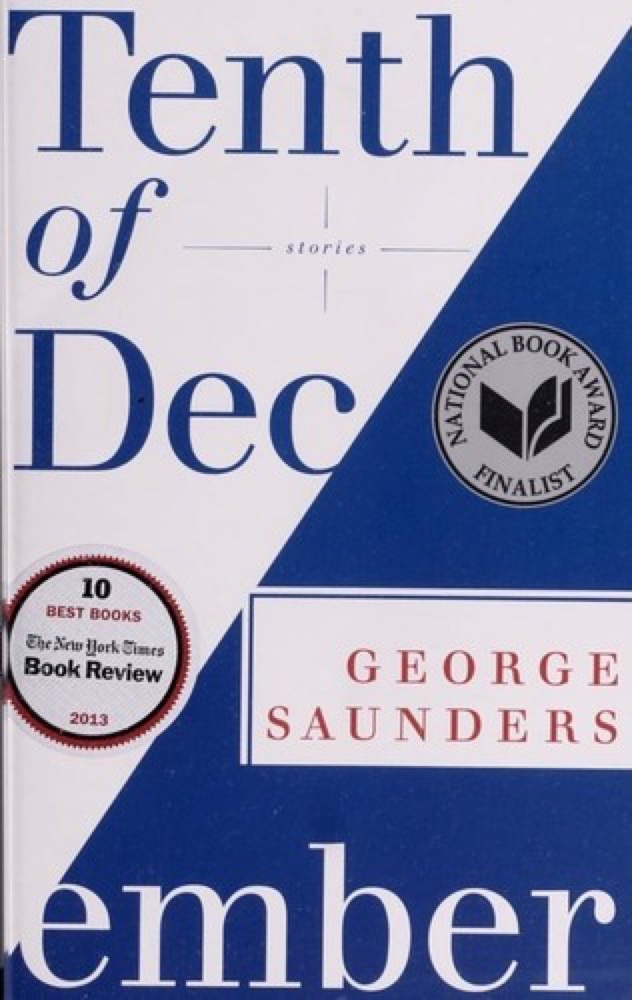 Tenth of December
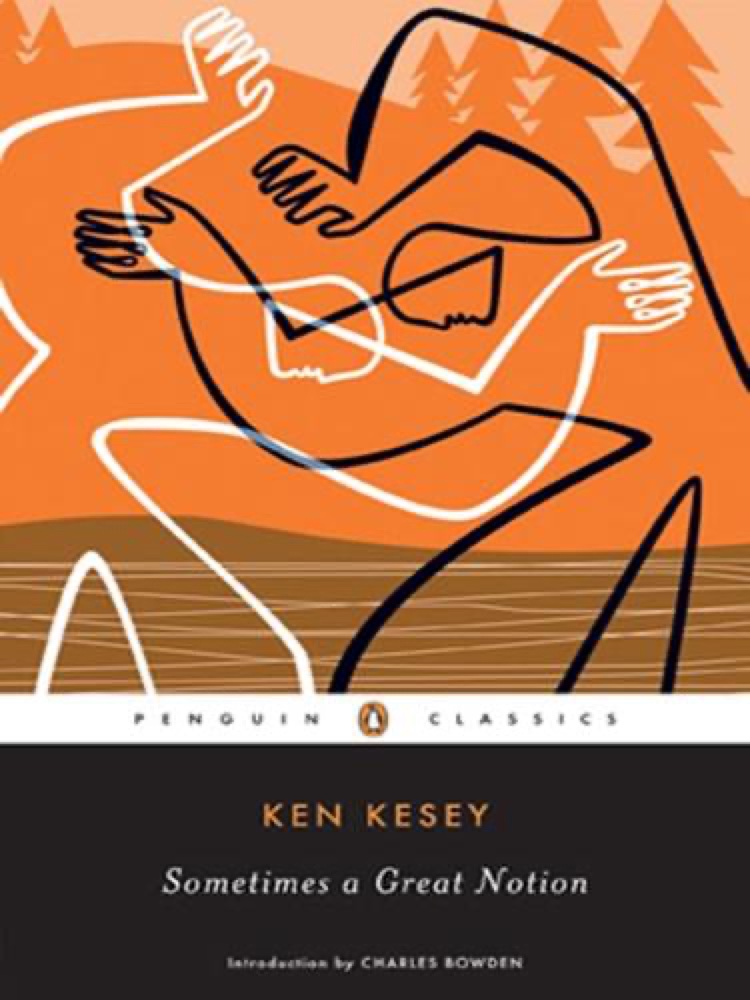 Sometimes a Great Notion
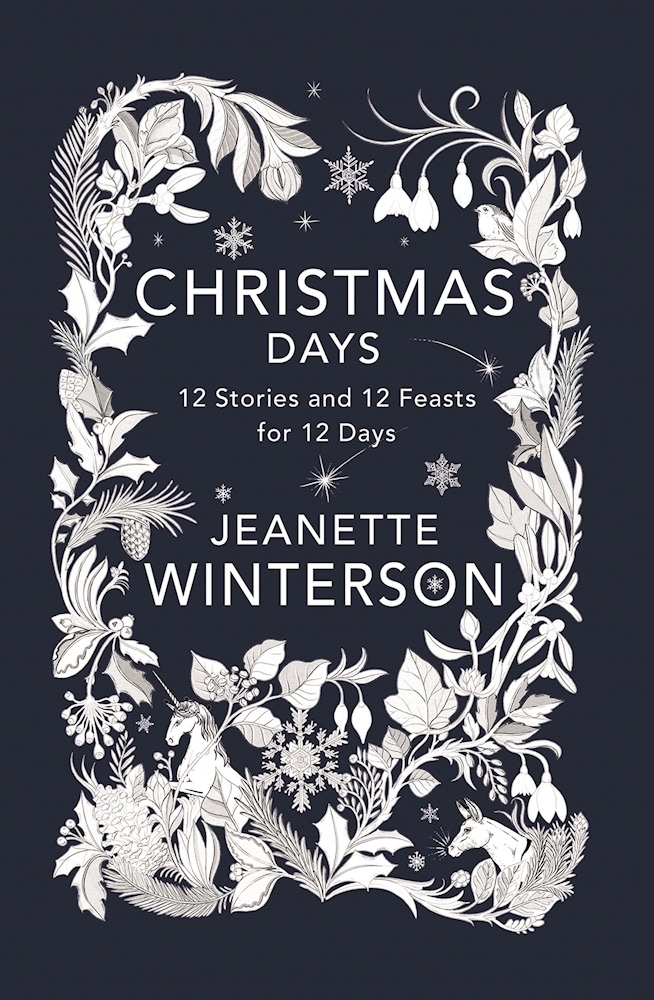 Christmas Days: 12 Stories and 12 Feasts for 12 Days
 Our Mutual Friend
 Let it Snow
 Chasing Brooklyn
 Perennials
 Bittersweet
 Belong to Me
 The Collected Stories
 Splintered
 A Home at the End of the World
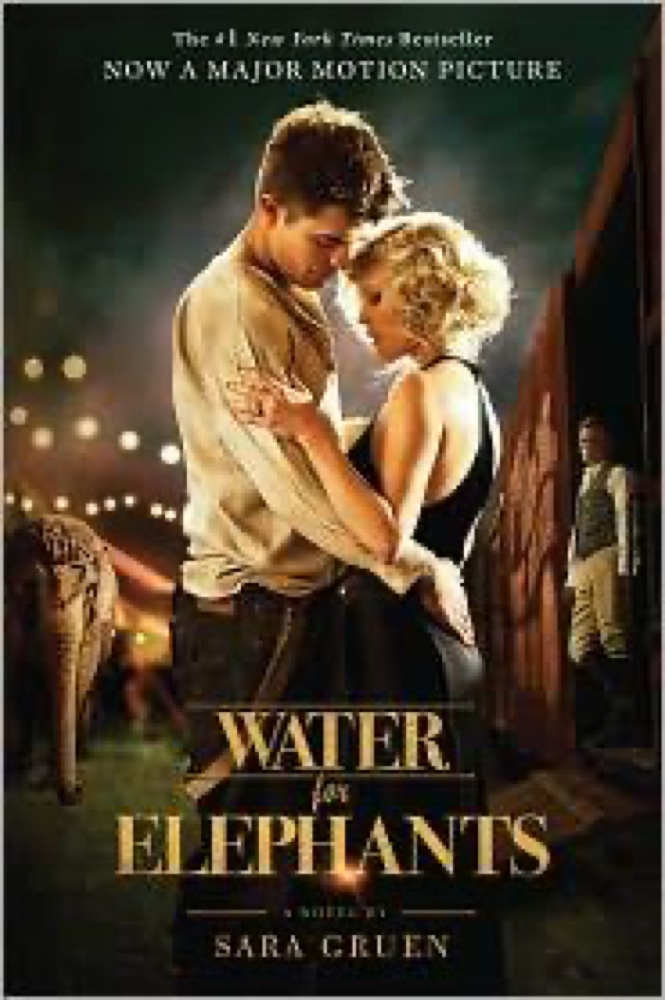 Water for Elephants
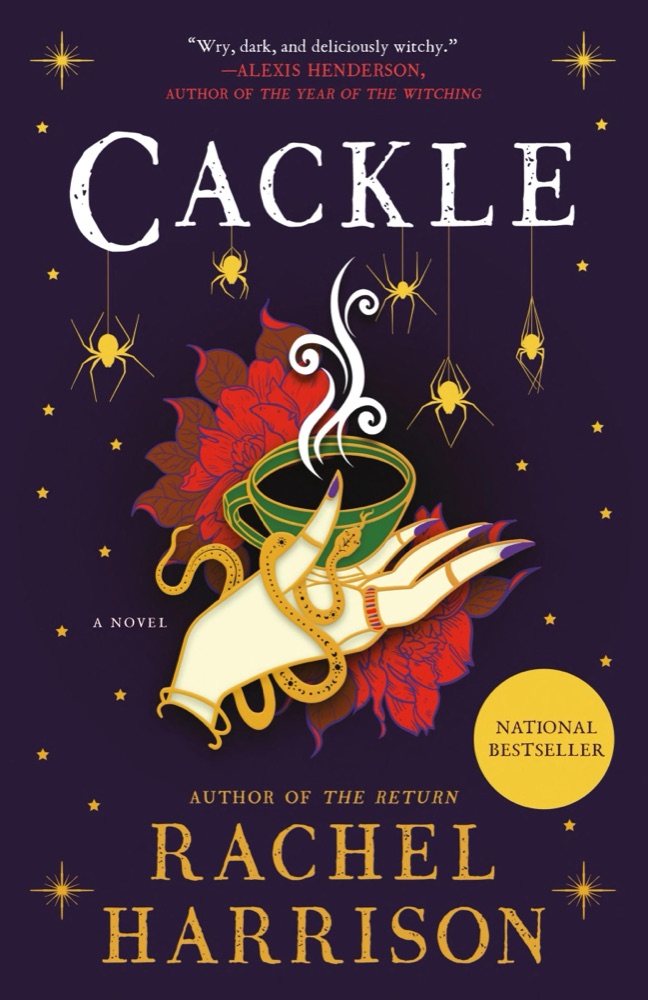 Cackle
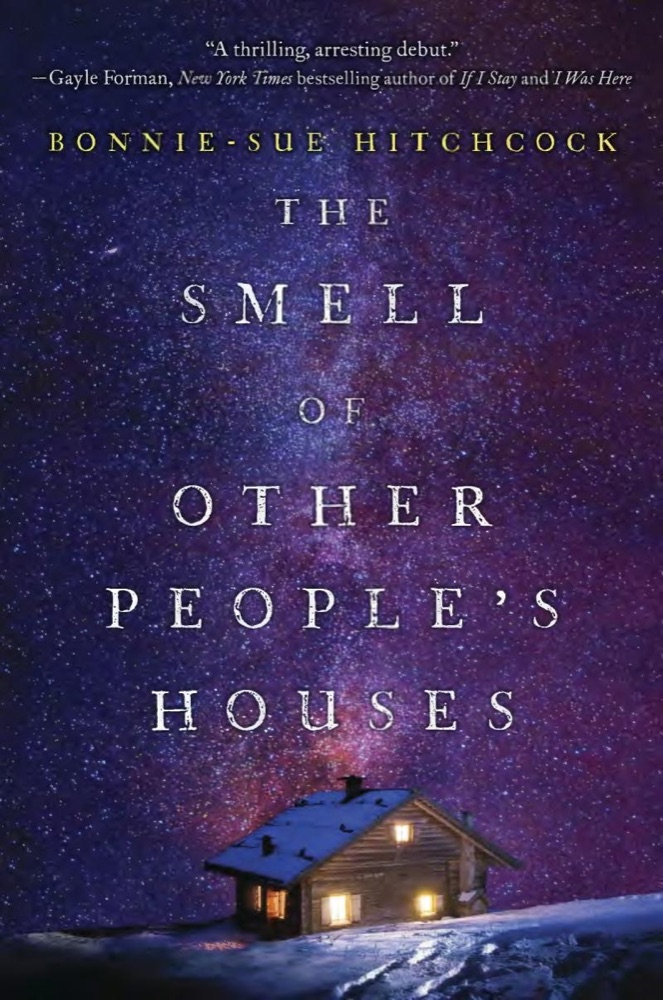 The Smell of Other People's Houses
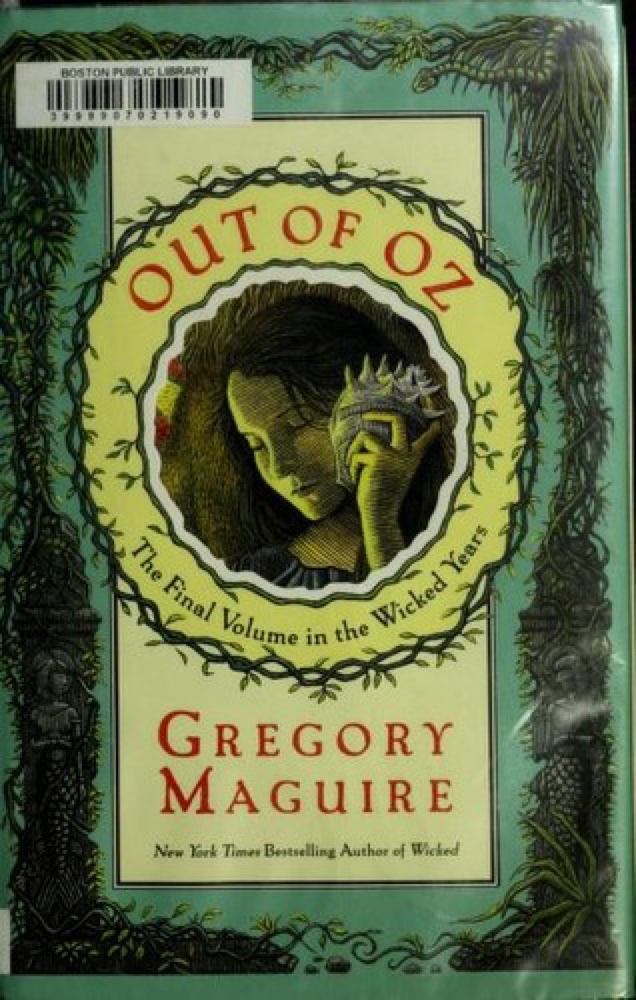 Out of Oz
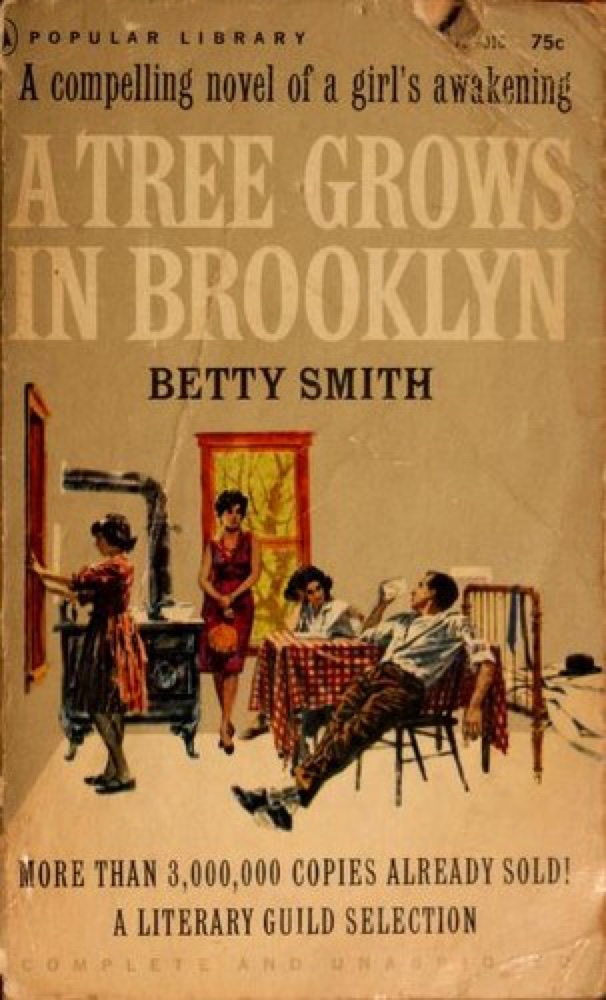 A Tree Grows in Brooklyn
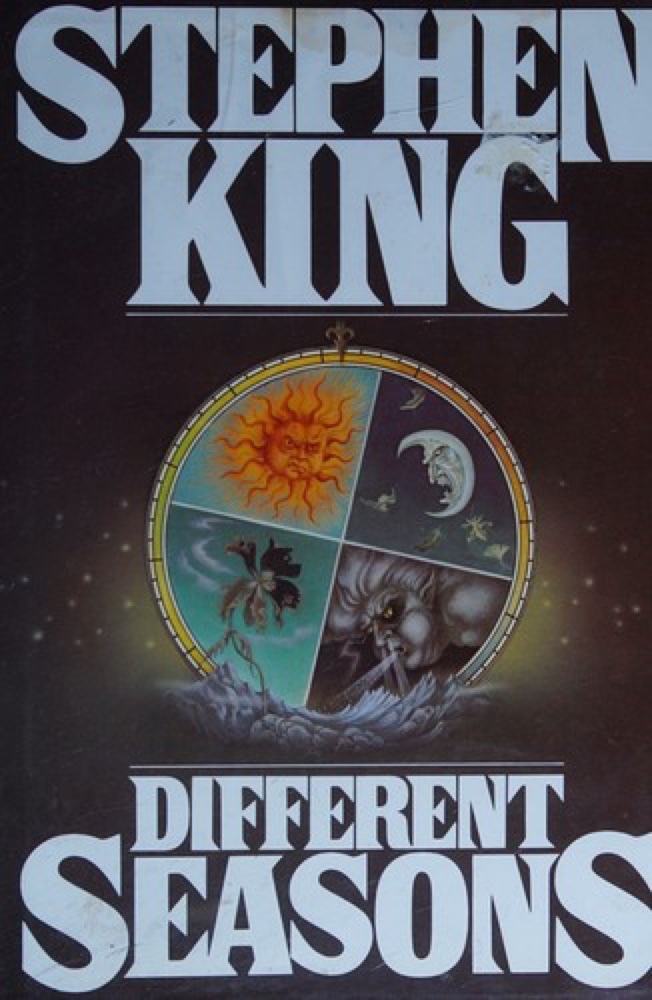 Different Seasons
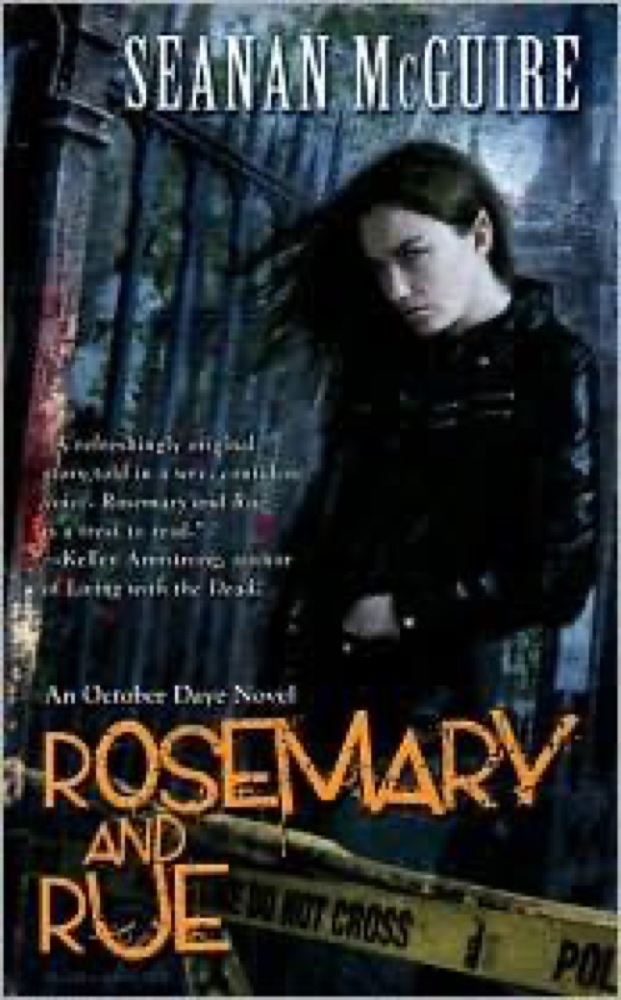 Rosemary and Rue
 Lit
Lit
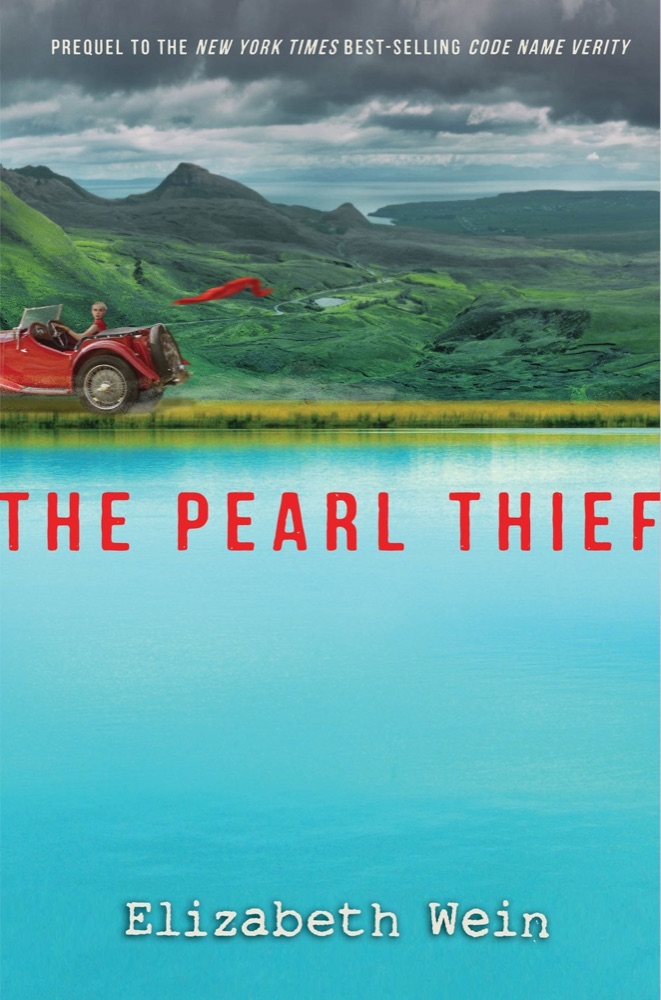 The Pearl Thief
 The Fortunes of Indigo Skye
 Bluebeard's Egg
 Liberation Day
 The Golden Apples of the Sun
 No Matter the Wreckage: Poems
 A Sport and a Pastime
 The Help
 A Thousand Acres
 The Lone Ranger and Tonto Fistfight in Heaven
 Beloved
 Where the Sidewalk Ends