
 A Dance with Dragons
Quotes from the Book
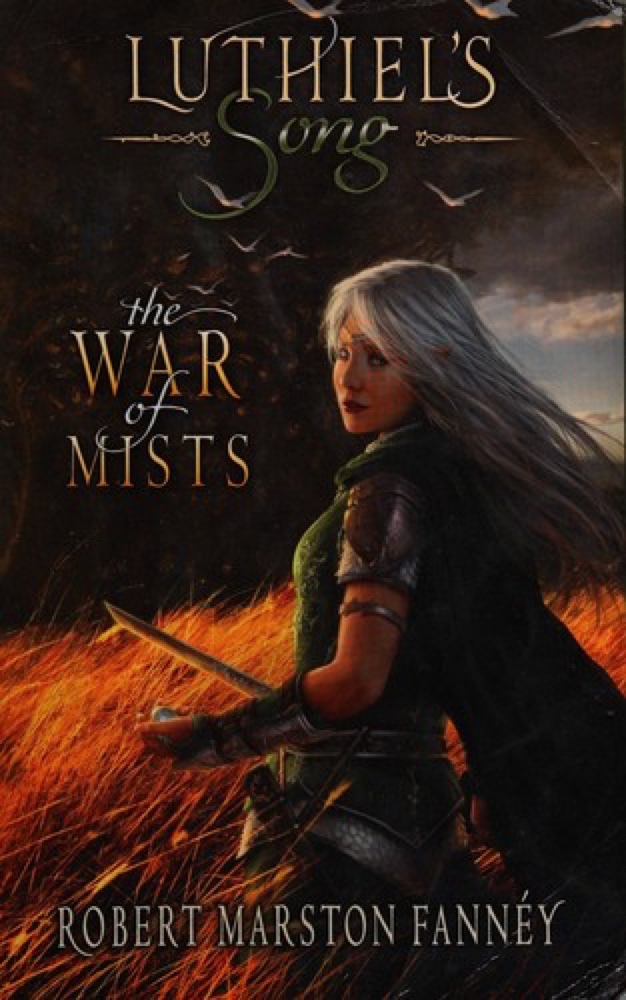
Mithorden: I would rather live than die. I would rather die than survive as a monster.
The wolf was not far away. After only a short time, he crested a nearby hill. His eyes blazing yellow fire. Fierce. For his mistress called. There she knelt. Queenly and yet so wild. Arrow set to bow - spilling out a bloody light. At the sight of her, passion filled him. It rose in his gut, swelled his chest, then burst out of his throat. It overwhelmed the air and beat against the starry roof. The howl filled the mounds, rang out through the Vale and then rolled into Minonowe. She had called him and here was his answer. The spiders were out there. Running. With Luthiel, he would hunt them.
About Robert Fanney
We have collected 2 quotes from 1 book by Robert Fanney on BookQuoters.
More about the author →Book details
- Author
- Robert Fanney
- Genre
- Fantasy
Keep reading
A Dance with Dragons
 One Dark Window
 Warlord
 Wintersong
 Dragons of Autumn Twilight
 What a Dragon Should Know
 No Rest for the Wicked
 The Shadow Queen
 Wolf-Speaker
 The Dragon Reborn
 Warriors of the Storm
 Red Rising
 Crown of Crystal Flame
 Queen of Shadows
 The Shadow Rising
 Windwitch
 House of Sky and Breath
 The Tower of the Swallow
 A Storm of Swords
 The Great Hunt
 Roar
Roar
 The Wolf and the Woodsman
 We Hunt the Flame
 Lightlark
 Homeland
 This Kingdom Will Not Kill Me
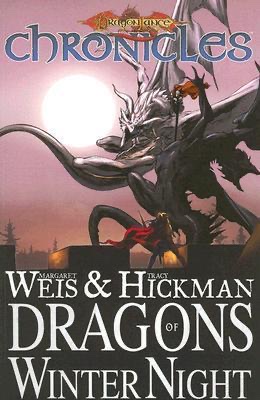 Dragons of Winter Night
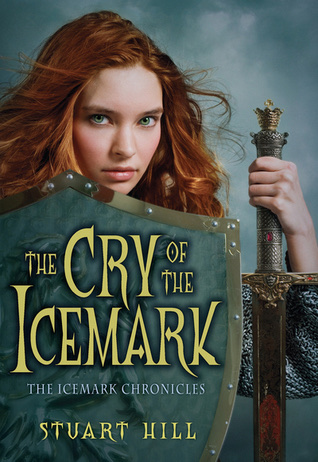 The Cry of the Icemark
 The Last Namsara
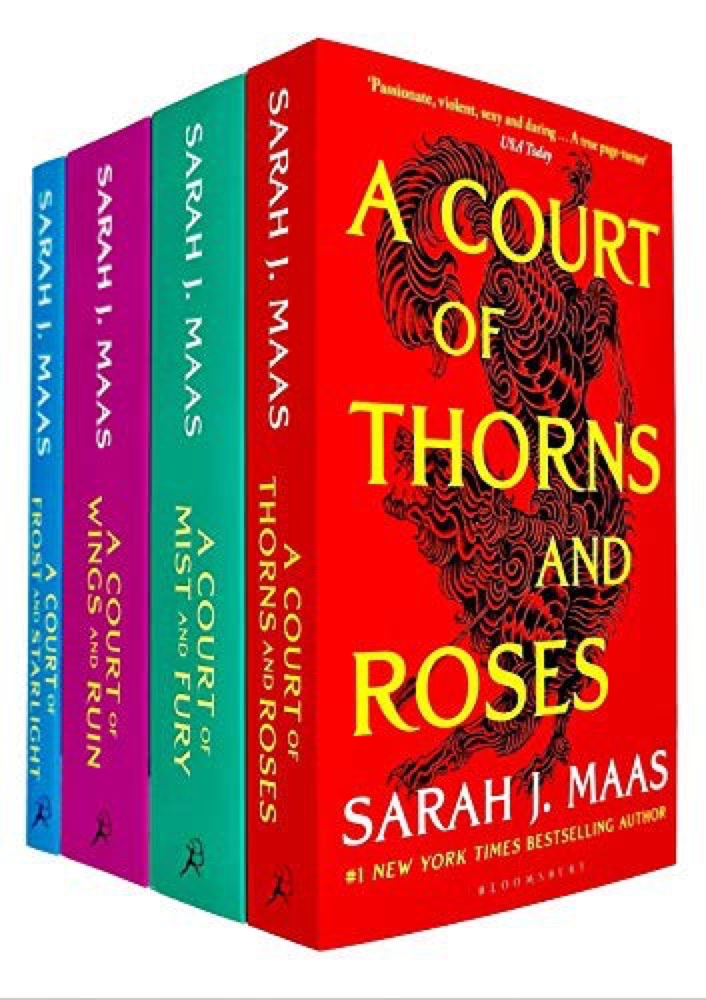 A Court of Mist and Fury
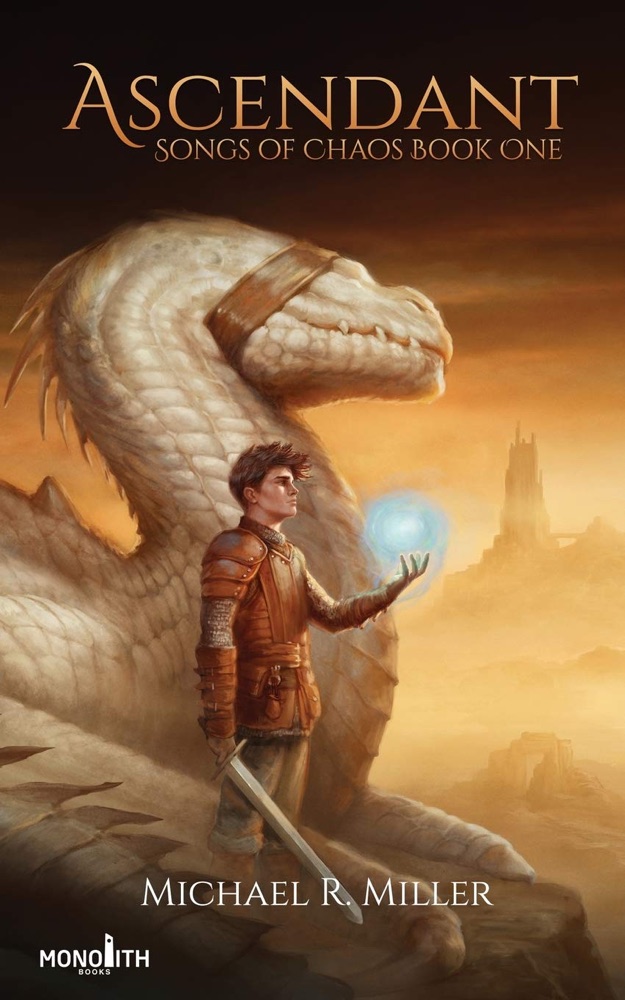 Ascendant
 Sword of Destiny
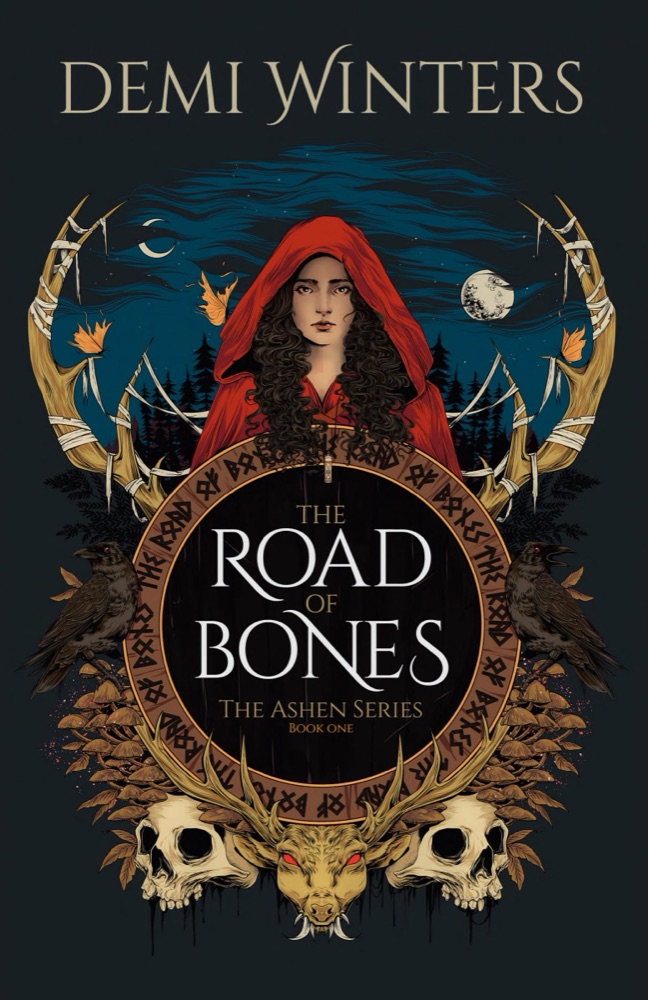 The Road of Bones
 The Empty Throne
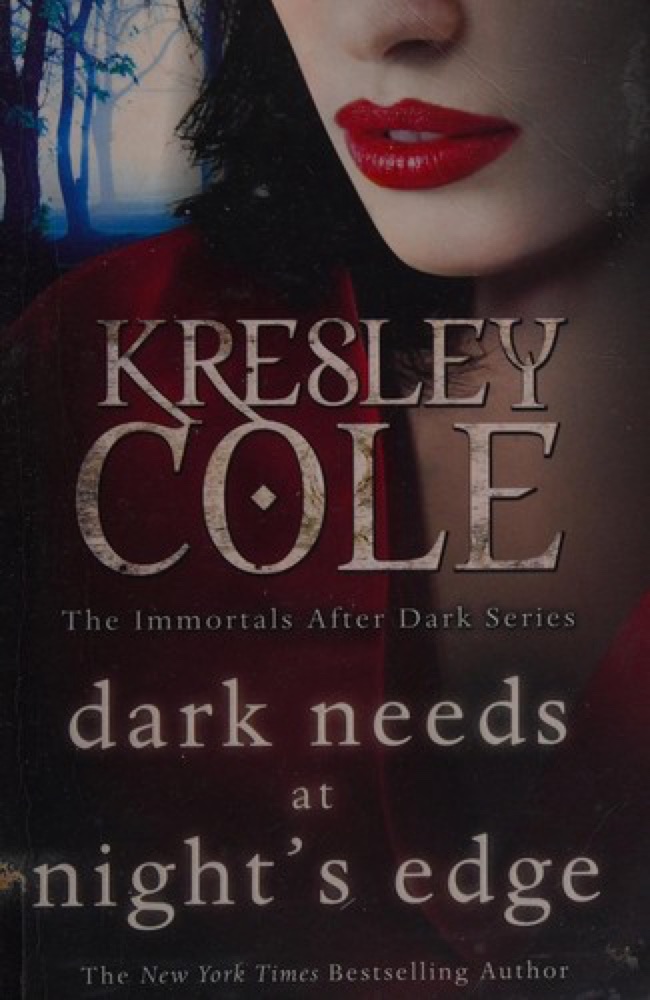 Dark Needs at Night's Edge
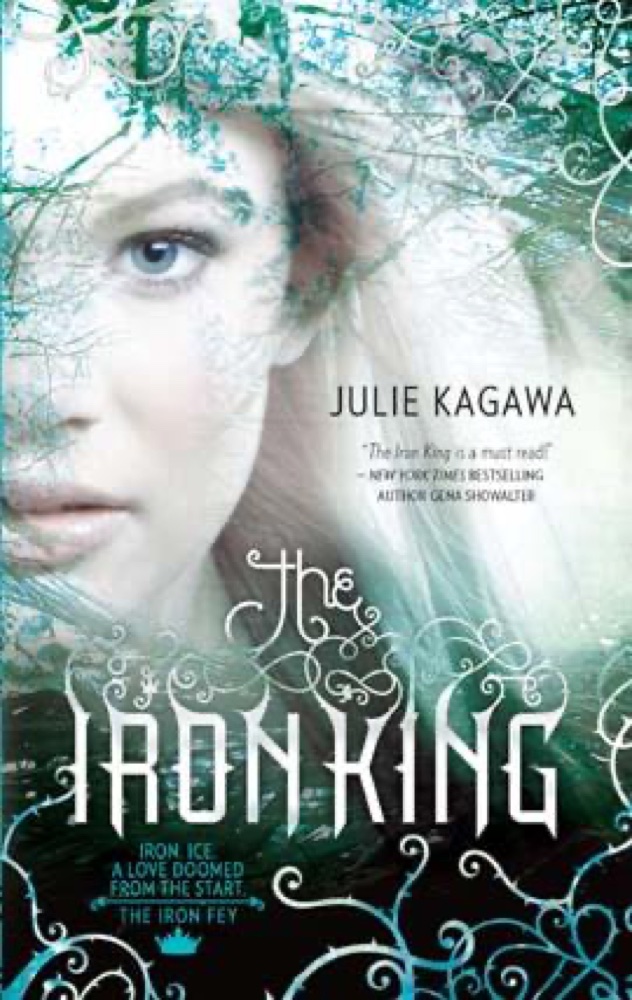 The Iron King
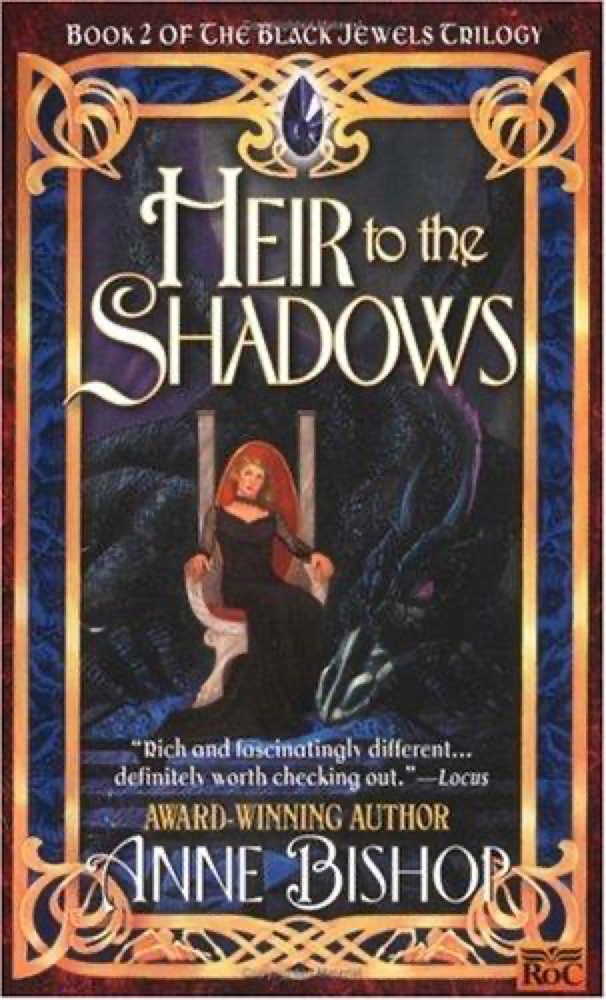 Heir to the Shadows
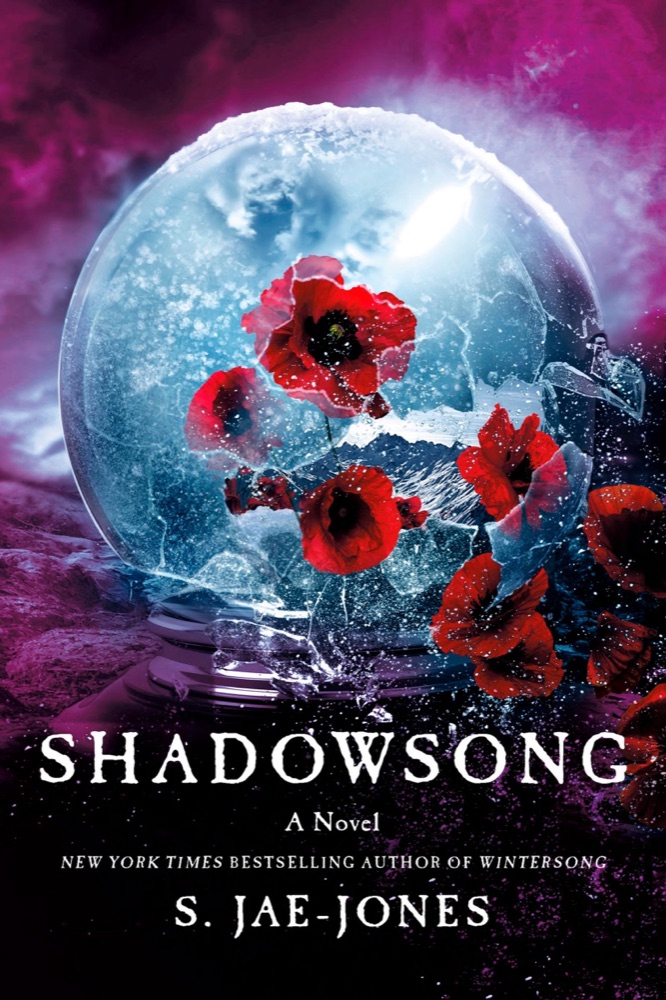 Shadowsong
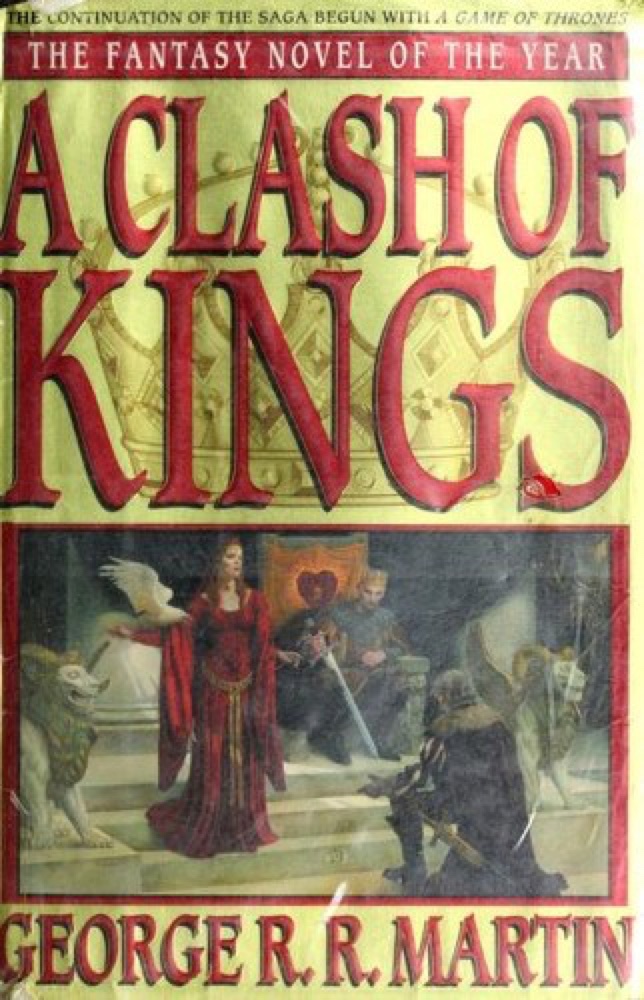 A Clash of Kings
 Elizabeth's Wolf
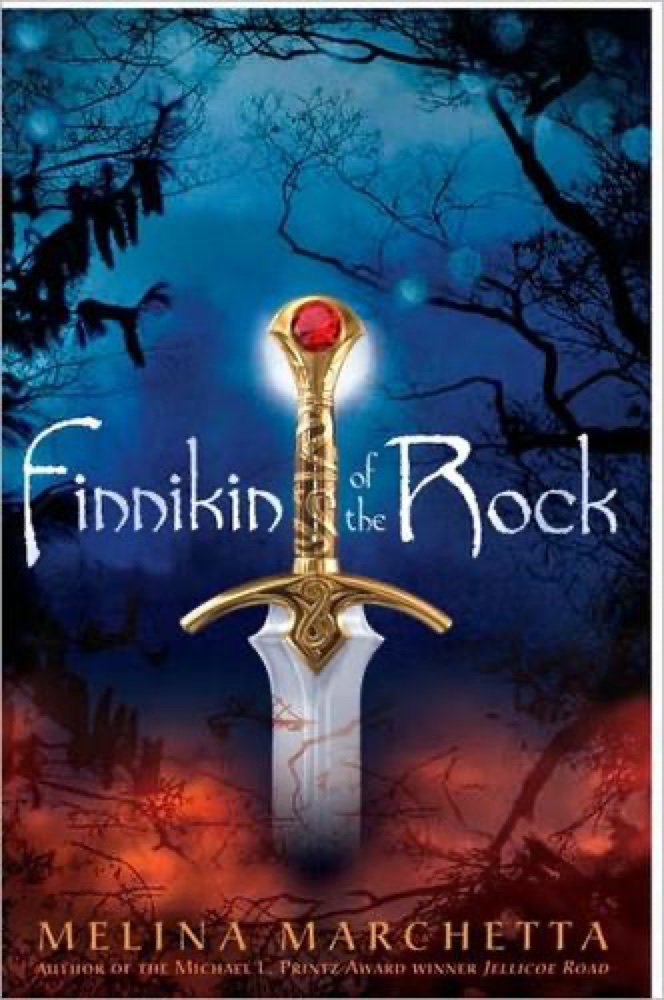 Finnikin of the Rock
 Cry Wolf
 Rule of Wolves
 All of Us Villains
 Beasts and Beauty: Dangerous Tales
 A Queen This Fierce and Deadly
 Fate Breaker
 Thor's Serpents
 Hunting Prince Dracula
 Realm Breaker
 A Dangerous Path
 Queen of the Darkness
 Dreams Made Flesh
 Lord of the Fading Lands
 Thorn Queen
 Runemarks
 To Tame a Highland Warrior
 The Pale Horseman
 Fire
Fire
 Graceling