
 Holy Bible: ESV Bible
Quotes from the Book
greatest theologian of the twentieth century, Karl Barth, said that ‘to clasp the hands in prayer is the beginning of an uprising against the disorder of the world’. And
Everyone prays,’ he pointed out. ‘Even non-Christians pray. The difference when Christians do it is that they are climbing into the lap of their heavenly Father.
God brings his presence ‘into the house’, and we are called to release it back out into the world or the blessing will die.
Our world is waiting for us to love and show God’s heart through his powerful presence.
The day we start taking credit for the fact that he answers prayer we are in deep, deep trouble.
A prayer room is first and foremost a living room—a place where the Father waits for his children to come and climb into his arms.
Watch on YouTube
About Unknown
We have collected 3744 quotes from 245 books by Unknown on BookQuoters.
More about the author →More by Unknown
Holy Bible: ESV Bible
 Holy Bible, NKJV
 The New Oxford Annotated Bible: New Revised Standard Version
 Hagakure: The Book of the Samurai
Book details
- Author
- Unknown
- Genre
- Nonfiction
- Goodreads rating
- 4.07 (138 ratings) →
Keep reading
 A Year of Living Prayerfully: How a Curious Traveler Met the Pope, Walked on Coals, Danced with Rabbis, and Revived His Prayer Life
 Praying Like Monks, Living Like Fools: An Invitation to the Wonder and Mystery of Prayer
 Prayer: Does It Make Any Difference?
 Daily in His Presence: A Classic Devotional from One of the Most Powerful Voices of the Nineteenth Century
 The Walk of the Spirit - The Walk of Power : The Vital Role of Praying in Tongues
 The Prayer of Jabez: Breaking Through to the Blessed Life
 The Pursuit of God: The Human Thirst for the Divine
 Draw the Circle: The 40 Day Prayer Challenge
 With Christ in the School of Prayer
 To Live Is Christ: Joining Paul's Journey of Faith
 God's Smuggler
 Having a Mary Heart in a Martha World: Finding Intimacy with God in the Busyness of Life
 The Normal Christian Life
 Grace for the Moment: Inspirational Thoughts for Each Day of the Year, Volume 1
 The Autobiography of George Müller
 Prayer: Experiencing Awe and Intimacy with God
 Moving Mountains: Praying with Passion, Confidence, and Authority
 The Circle Maker: Praying Circles Around Your Biggest Dreams and Greatest Fears
 Crazy Love: Overwhelmed by a Relentless God
 The Life You've Always Wanted: Spiritual Disciplines for Ordinary People
 What We Talk about When We Talk about God
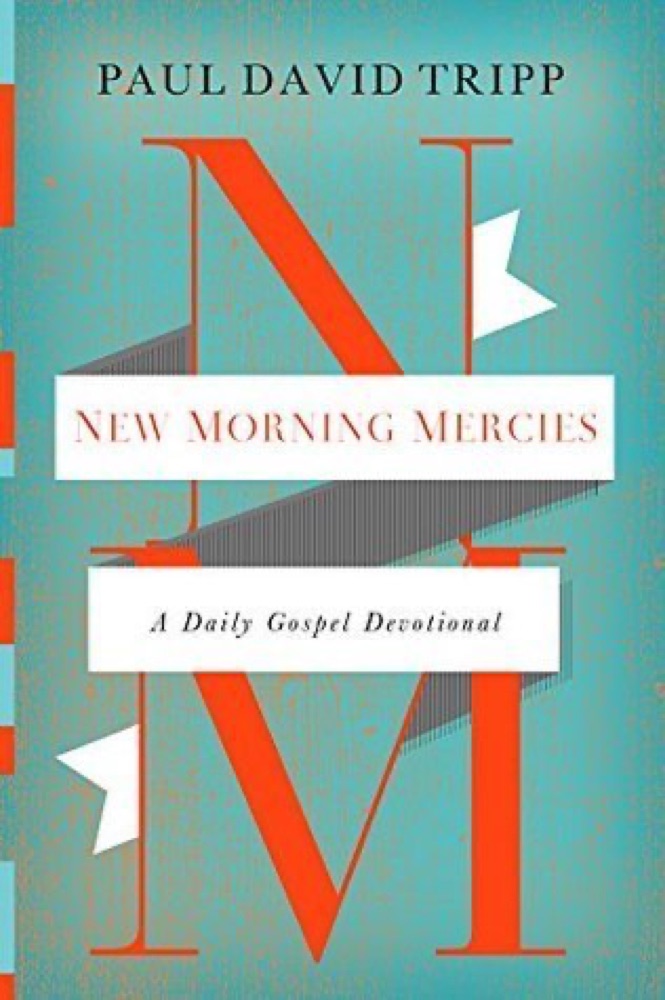 New Morning Mercies: A Daily Gospel Devotional
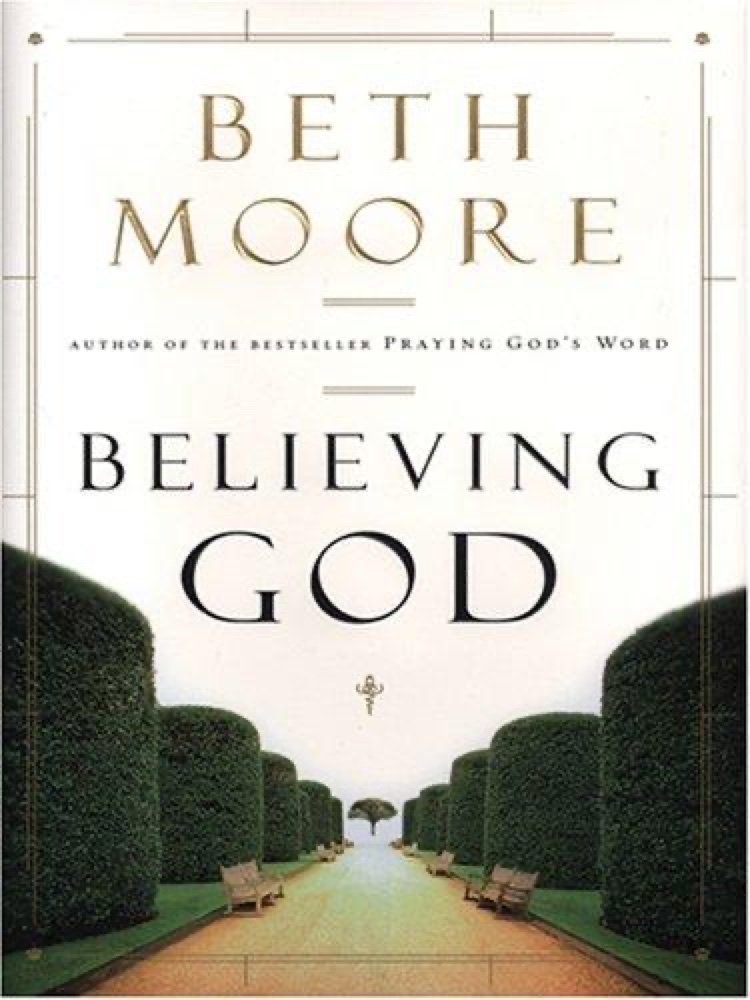 Believing God
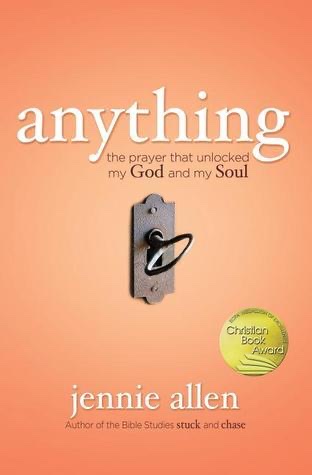 Anything: The Prayer That Unlocked My God and My Soul
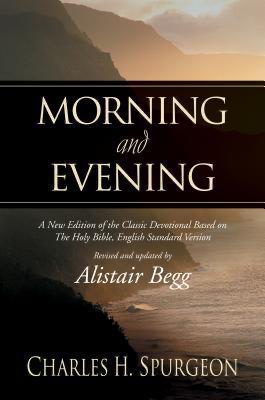 Morning and Evening, Based on the English Standard Version
 Hope for the Troubled Heart: Finding God in the Midst of Pain
 The Practice of the Presence of God
 Letters to Malcolm: Chiefly on Prayer
 Girl Meets God
 The Divine Conspiracy: Rediscovering Our Hidden Life in God
 A Long Obedience in the Same Direction: Discipleship in an Instant Society
 Power Through Prayer
 The Secret Of The Rosary
 The Christian Atheist: Believing in God but Living As If He Doesn't Exist
 The Heavenly Man: The Remarkable True Story of Chinese Christian Brother Yun
 Sun Stand Still: What Happens When You Dare to Ask God for the Impossible
 Hearing God: Developing a Conversational Relationship with God
 One Thousand Gifts: A Dare to Live Fully Right Where You Are
 Restless: Because You Were Made for More
 Searching for Sunday: Loving, Leaving, and Finding the Church
 The Furious Longing of God
 The Cross and the Switchblade
 Knowing God
 The Power of a Praying Wife
 My Utmost for His Highest
 Daring to Hope: Finding God's Goodness in the Broken and the Beautiful
 The Pursuit of Holiness
 The Explicit Gospel
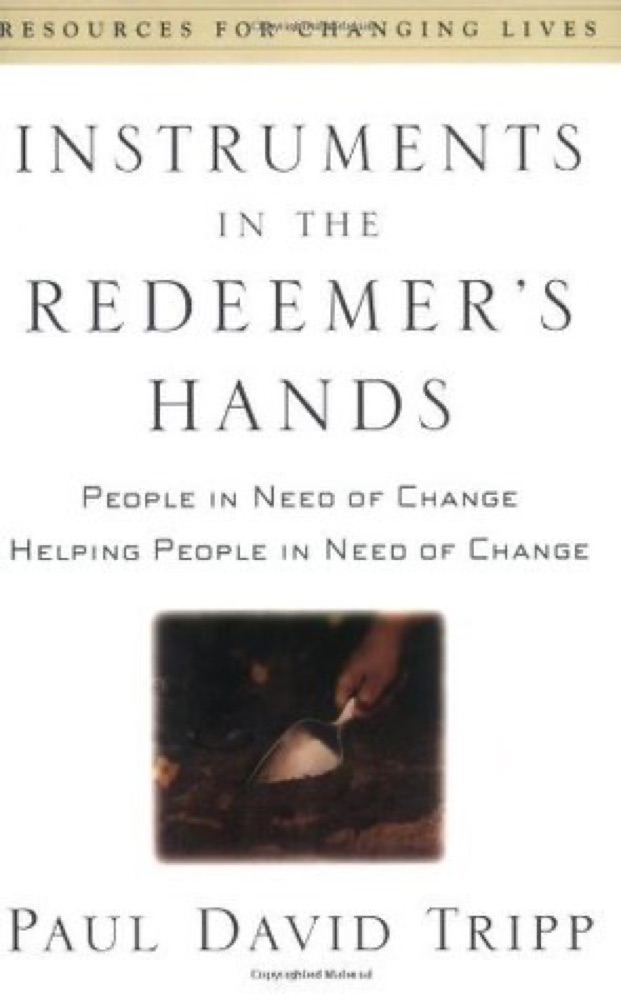 Instruments in the Redeemer's Hands: People in Need of Change Helping People in Need of Change
 Matthew Henry's Commentary on the Whole Bible
 Institutes of the Christian Religion, 2 Vols
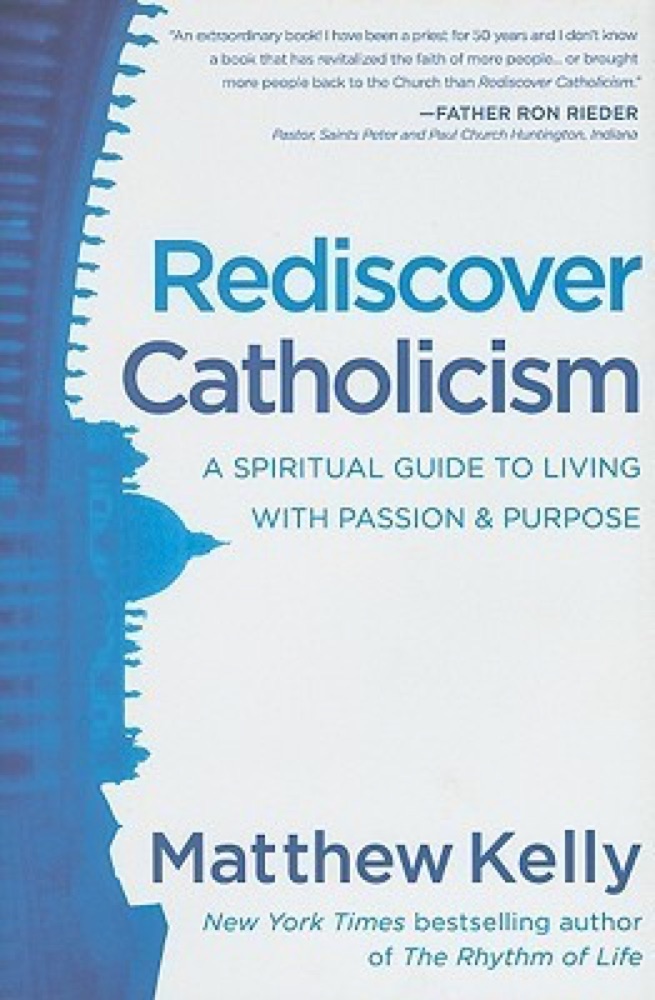 Rediscover Catholicism
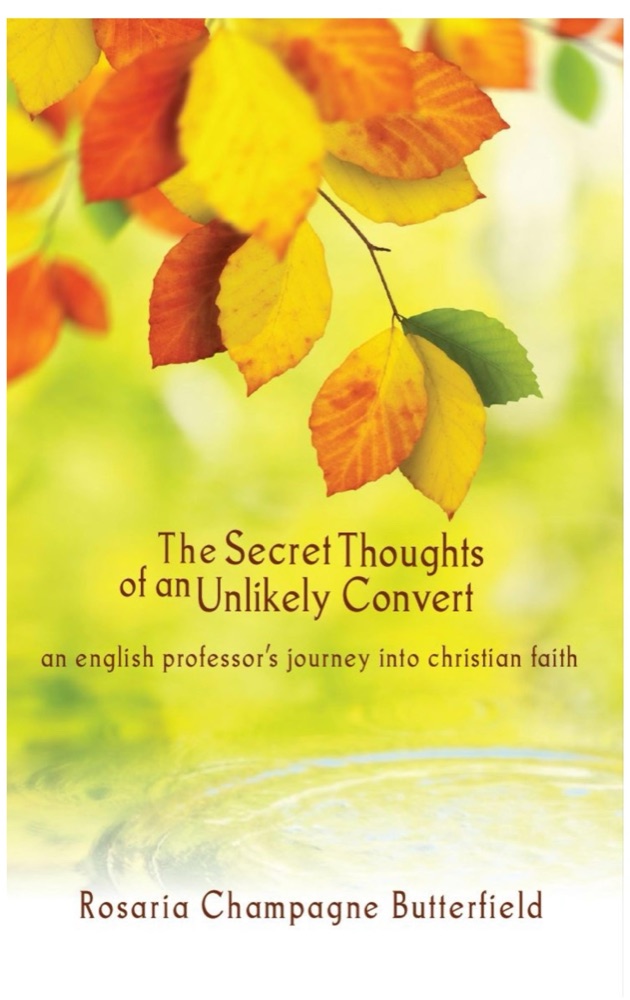 The Secret Thoughts of an Unlikely Convert: An English Professor's Journey Into Christian Faith
 Simply Christian
 Time for God
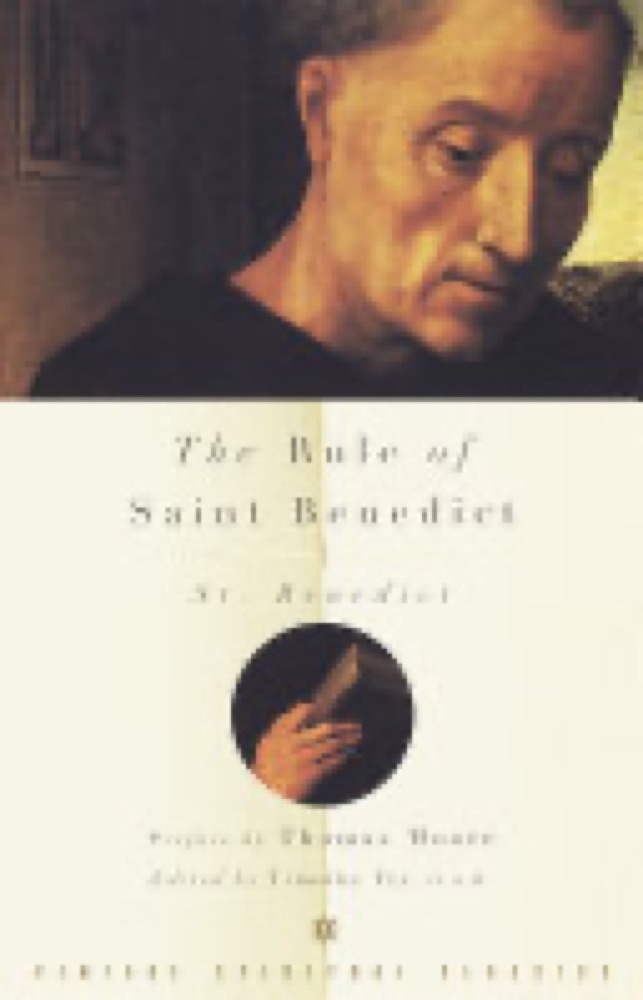 The Rule of Saint Benedict
 Sitting at the Feet of Rabbi Jesus: How the Jewishness of Jesus Can Transform Your Faith
 The Deeply Formed Life: Five Transformative Values to Root Us in the Way of Jesus
 The Message Remix