
 Swan Song
Quotes from the Book
Twas said better to light a candle than curse the dark...
...that in this town prostitutes may give sewing lessons to ladies of the church, pirates my be consulted for their opinions on seaworth by shipbuilders, Christians and Jews may stroll together on a Sunday, and Indians my play dice games with leatherstockings, but let one silver piece fall in a crack between two members of the same profession and it's bloody war.
Grigsby had looked at him askance. “Why is it,” he said, “that I have the distinct impression you’re not surprised by this news?” ‘Surprised by the fact that the reverend is first and foremost a human being? Surprised by the fact that every human being, reverend or ribald, can be undone by capricious circumstances? Or should I be surprised by the fact that a man who teaches love and forgiveness can love and forgive? Tell me, Marmy, exactly what it is I should be surprised at?
New York is not a town constrained by a bedtime, sir.
The two from Bristol hung in my father’s office. He was a coroner, too, as was my grandfather. I remember my father showing them to me in an afternoon’s twilight, and saying, ‘Ashton, look here and look deep, for all of life’s joy, tragedy, and mystery are here on display.’ Joy, he said, because they were children of purpose, as are we all. Tragedy, he said, because we all must come to this. And mystery…because where does the light go, from those houses, to leave only the foundations behind?
TWAS SAID better to light a candle than to curse the dark, but in the town of New York in the summer of 1702 one might do both, for the candles were small and the dark was large. True, there were the town-appointed constables and watchmen.
No injuries, no illnesses that I could identify. Nothing. And nothing left of them now but those foundations, for their lights have gone. But I’ll tell you what I believe, Matthew. What I’ve put together as must be the only answer. “I believe,” he said quietly, as he regarded his angels, “that human beings need friends, and love, and the touch of humanity. I believe that if those things are denied long enough, an older man or a young girl might crawl into the back of a tinker’s wagon or steal onto the gangplank of a ship and find their destination is still the same lonely path. I think these people died of something not found in my books, or my father’s and grandfather’s. I think somewhere their hearts were broken, and when all hope was extinguished they died, for they simply could not bear to live anymore.
2
He searched for a horse trough. He would get himself a bath in it, and so cleanse his face and clear his mind.
2
Bedlam,” Matthew said. The term for insane asylums had been used for many years, and originated in the clamor and ravings of the mad persons locked within.
2
FORGIVENESS CAN BE our greatest strength, yet also our greatest weakness. We all may understand, with the grace of Christ, what it means to forgive an enemy. To look in the eye someone who has deceived us, or wronged us, either in private or public, and offer a hand of compassionate forgiveness. Sometimes that takes a strength beyond the ken of man, does it not? Yet we do it, if we walk with God. We put aside the injustices others have set upon us, and we continue our forward progress on this earth. Now think well on what may be the most difficult act of forgiveness for many of us. To look in the eye of the mirror and forgive ourselves of deceits and wrongs we have accumulated over the many seasons of life. How may we truly forgive others if we cannot come to grips with the sins of our own souls? Those sins and torments brought upon ourselves by ourselves? How may we approach with a fresh soul anyone in need of deliverance, if our own souls remain injured by self-inflicted wounds?
1
He would not fight, so he might fight the better on his feet some other day.
1
Effrem’s king sat at d7 and Matthew’s hugged the corner at h1.
1
She has thought for the longest time that she is an object of bad luck. That she foists unfortunate happenings upon others, with no ill wish toward anyone.
But I think sometimes you’ve got to let bad things go, so you can move on. Just thinkin’ about it, over and over again, and keepin’ it in your head…it’s no good.
Watch on YouTube
About Robert McCammon
We have collected 86 quotes from 3 books by Robert McCammon on BookQuoters.
More about the author →More by Robert McCammon
Swan Song
 Boy's Life
Book details
- First published
- 2007
- Author
- Robert McCammon
- Genre
- Fiction
- Goodreads rating
- 4.30 (7k ratings)
Keep reading
 When Christ and His Saints Slept
 Dombey and Son
 Caleb's Crossing
 The Isle of Blood
 The Round House
 Uncle Tom's Cabin
 Little Dorrit
 Barnaby Rudge
 Henderson the Rain King
 The Complete Stories
 The Ladies of Grace Adieu and Other Stories
 The Fires of Heaven
 Speaking from Among the Bones
 The Sunne in Splendour
 Thrice the Brinded Cat Hath Mew'd
 The Prince and the Pauper
 Bring Up the Bodies
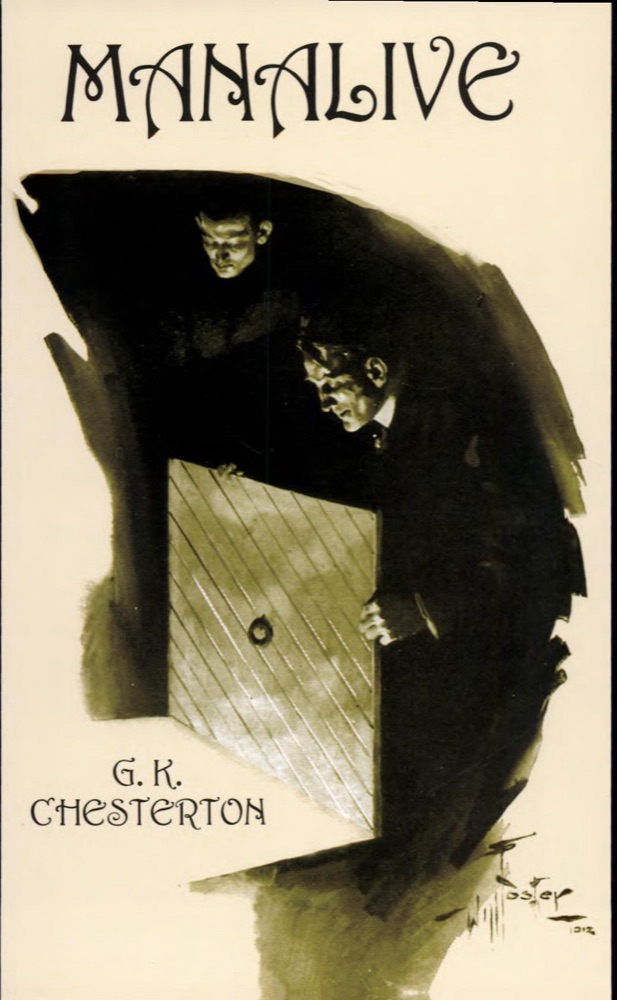 Manalive
 The Pillars of the Earth
 Light in August
 New York
 The Golden Tresses of the Dead
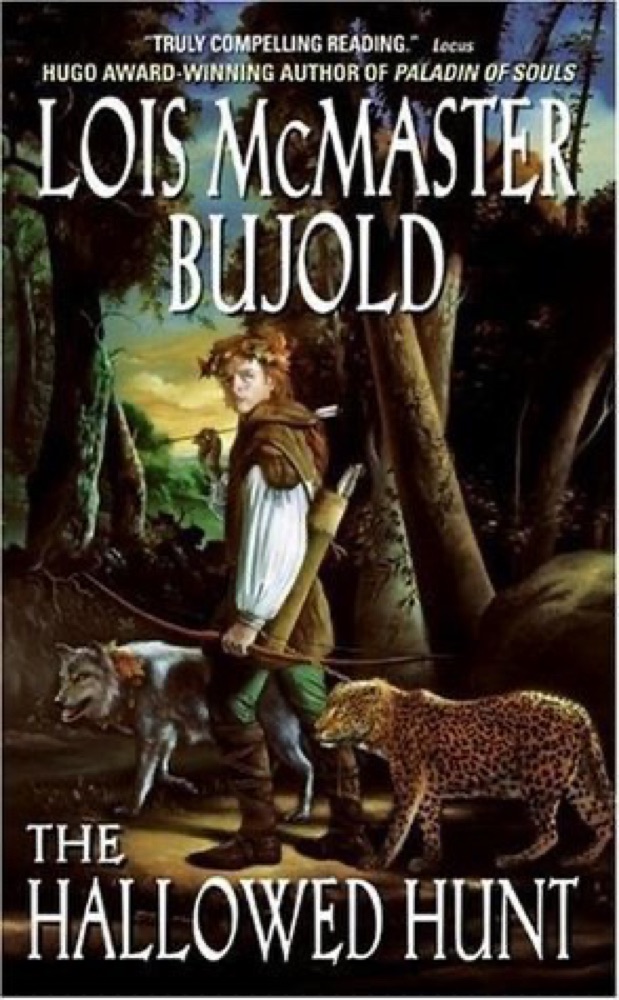 The Hallowed Hunt
 Dracula
 Agnes Grey
 The Eyes of the Dragon
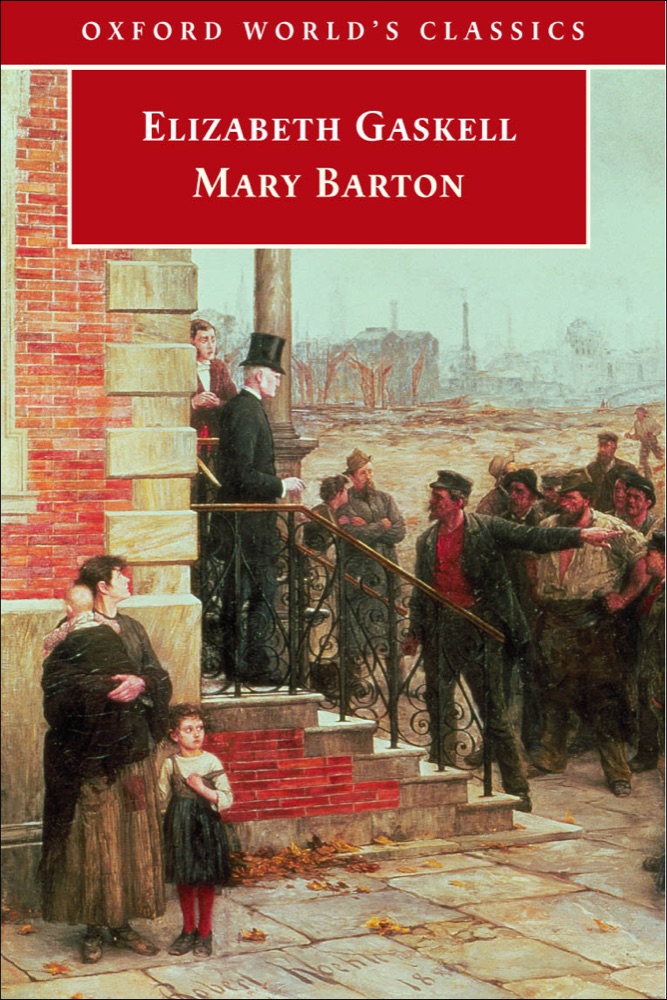 Mary Barton
 The Enchantress of Florence
 Egg & Spoon
 Adam Bede
 The Curse of Chalion
 The Hour I First Believed
 A Fatal Grace
 Nightwood
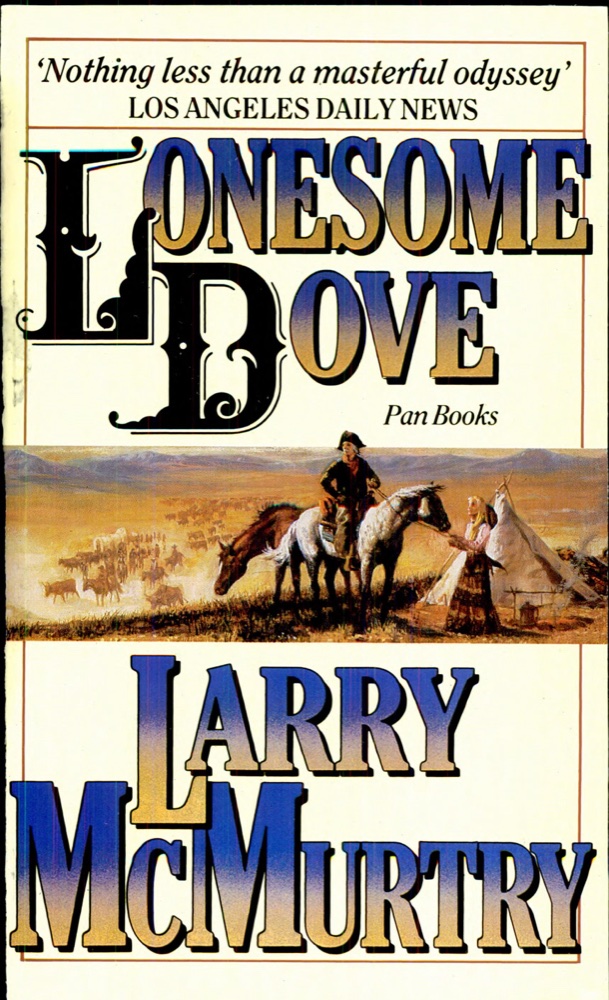 Lonesome Dove
 Tortilla Flat
 Main Street
 The Blue Castle
 A Beautiful Blue Death
 Uncle Silas
 What Feasts at Night
 A Perilous Undertaking
 The Invasion of the Tearling
 A Rule Against Murder
 Odd Hours
 The Crucible
 Alias Grace
 Toll the Hounds
 Under the Volcano
 Between Two Fires
 Gaudy Night
 A Great Reckoning
 In the Night Garden
 The Crimson Petal and the White
 The Magician's Nephew
 The Mirror & the Light
 The House of the Seven Gables
 Lorna Doone
 The Green Road
 The Mime Order