
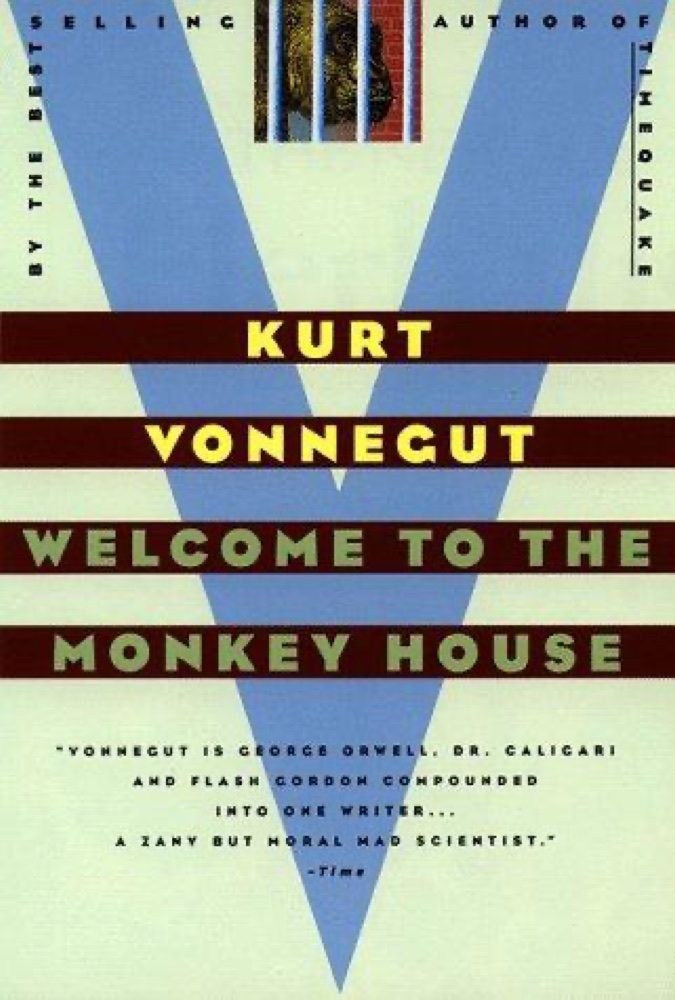
 Welcome to the Monkey House
Quotes from the Book
Everything was beautiful and nothing hurt.
And I asked myself about the present: how wide it was, how deep it was, how much was mine to keep.
How nice -- to feel nothing, and still get full credit for being alive.
And Lot's wife, of course, was told not to look back where all those people and their homes had been. But she did look back, and I love her for that, because it was so human. So she was turned into a pillar of salt. So it goes.
I have this disease late at night sometimes, involving alcohol and the telephone.
Like so many Americans, she was trying to construct a life that made sense from things she found in gift shops.
America is the wealthiest nation on Earth, but its people are mainly poor, and poor Americans are urged to hate themselves. To quote the American humorist Kin Hubbard, 'It ain’t no disgrace to be poor, but it might as well be.' It is in fact a crime for an American to be poor, even though America is a nation of poor. Every other nation has folk traditions of men who were poor but extremely wise and virtuous, and therefore more estimable than anyone with power and gold. No such tales are told by the American poor. They mock themselves and glorify their betters. The meanest eating or drinking establishment, owned by a man who is himself poor, is very likely to have a sign on its wall asking this cruel question: 'if you’re so smart, why ain’t you rich?' There will also be an American flag no larger than a child’s hand – glued to a lollipop stick and flying from the cash register. Americans, like human beings everywhere, believe many things that are obviously untrue. Their most destructive untruth is that it is very easy for any American to make money. They will not acknowledge how in fact hard money is to come by, and, therefore, those who have no money blame and blame and blame themselves. This inward blame has been a treasure for the rich and powerful, who have had to do less for their poor, publicly and privately, than any other ruling class since, say Napoleonic times. Many novelties have come from America. The most startling of these, a thing without precedent, is a mass of undignified poor. They do not love one another because they do not love themselves.
All this happened, more or less.
- Why me? - That is a very Earthling question to ask, Mr. Pilgrim. Why you? Why us for that matter? Why anything? Because this moment simply is. Have you ever seen bugs trapped in amber? - Yes. - Well, here we are, Mr. Pilgrim, trapped in the amber of this moment. There is no why.
All moments, past, present and future, always have existed, always will exist.
There is no beginning, no middle, no end, no suspense, no moral, no causes, no effects. What we love in our books are the depths of many marvelous moments seen all at one time.
The nicest veterans...the kindest and funniest ones, the ones who hated war the most, were the ones who'd really fought.
That's one thing Earthlings might learn to do, if they tried hard enough: Ignore the awful times and concentrate on the good ones.
Trout, incidentally, had written a book about a money tree. It had twenty-dollar bills for leaves. Its flowers were government bonds. Its fruit was diamonds. It attracted human beings who killed each other around the roots and made very good fertilizer.
She was a dull person, but a sensational invitation to make babies.
People aren’t supposed to look back. I’m certainly not going to do it anymore.
It was a movie about American bombers in World War II and the gallant men who flew them. Seen backwards by Billy, the story went like this: American planes, full of holes and wounded men and corpses took off backwards from an airfield in England. Over France, a few German fighter planes flew at them backwards, sucked bullets and shell fragments from some of the planes and crewmen. They did the same for wrecked American bombers on the ground, and those planes flew up backwards to join the formation. The formation flew backwards over a German city that was in flames. The bombers opened their bomb bay doors, exerted a miraculous magnetism which shrunk the fires, gathered them into cylindrical steel containers , and lifted the containers into the bellies of the planes. The containers were stored neatly in racks. The Germans below had miraculous devices of their own, which were long steel tubes. They used them to suck more fragments from the crewmen and planes. But there were still a few wounded Americans though and some of the bombers were in bad repair. Over France though, German fighters came up again, made everything and everybody as good as new. When the bombers got back to their base, the steel cylinders were taken from the racks and shipped back to the United States of America, where factories were operating night and day, dismantling the cylinders, separating the dangerous contents into minerals. Touchingly, it was mainly women who did this work. The minerals were then shipped to specialists in remote areas. It was their business to put them into the ground, to hide them cleverly, so they would never hurt anybody ever again.
It is just an illusion here on Earth that one moment follows another one, like beads on a string, and that once a moment is gone, it is gone forever.
I think you guys are going to have to come up with a lot of wonderful new lies, or people just aren't going to want to go on living.
There is one other book, that can teach you everything you need to know about life... it's The Brothers Karamazov by Fyodor Dostoyevsky, but that's not enough anymore.
Everything is nothing, with a twist.
If I am going to spend eternity visiting this moment and that, I'm grateful that so many of those moments are nice.
It is so short and jumbled and jangled, Sam, because there is nothing intelligent to say about a massacre. Everybody is supposed to be dead, to never say anything or want anything ever again. Everything is supposed to be very quiet after a massacre, and it always is, except for the birds. And what do the birds say? All there is to say about a massacre, things like "Poo-tee-weet?
All time is all time. It does not change. It does not lend itself to warnings or explanations. It simply is. Take it moment by moment, and you will find that we are all, as I've said before, bugs in amber.
There are almost no characters in this story, and almost no dramatic confrontations, because most of the people in it are so sick and so much the listless playthings of enormous forces. One of the main effects of war, after all, is that people are discouraged from being characters.
It was very exciting for her, taking his dignity away in the name of love.
But she did look back, and I love her for that, because it was so human. So she was turned to a pillar of salt. So it goes. People aren't supposed to look back. I'm certainly not going to do it anymore.
When everything was beautiful and nothing hurt...
Did you know?
- The novel draws directly on Vonnegut's own experience surviving the 1945 firebombing of Dresden as an American prisoner of war.
- Vonnegut described the book as the result of a roughly twenty-three-year struggle to write about what he had witnessed.
- The refrain "So it goes" appears throughout the novel, repeated after each mention of death.
- Billy Pilgrim becomes "unstuck in time," experiencing the moments of his life out of chronological order.
- The alien Tralfamadorians perceive all moments of time as existing simultaneously.
- The book has frequently been challenged and banned in schools since its publication.
About Kurt Vonnegut
Kurt Vonnegut (1922-2007) was an American writer known for darkly comic, satirical novels that blend science fiction with social criticism. He served in the U.S. Army in World War II, was captured at the Battle of the Bulge, and survived the firebombing of Dresden as a prisoner of war, an experience that shaped much of his work.
More about the author →More by Kurt Vonnegut
All books by Kurt Vonnegut →
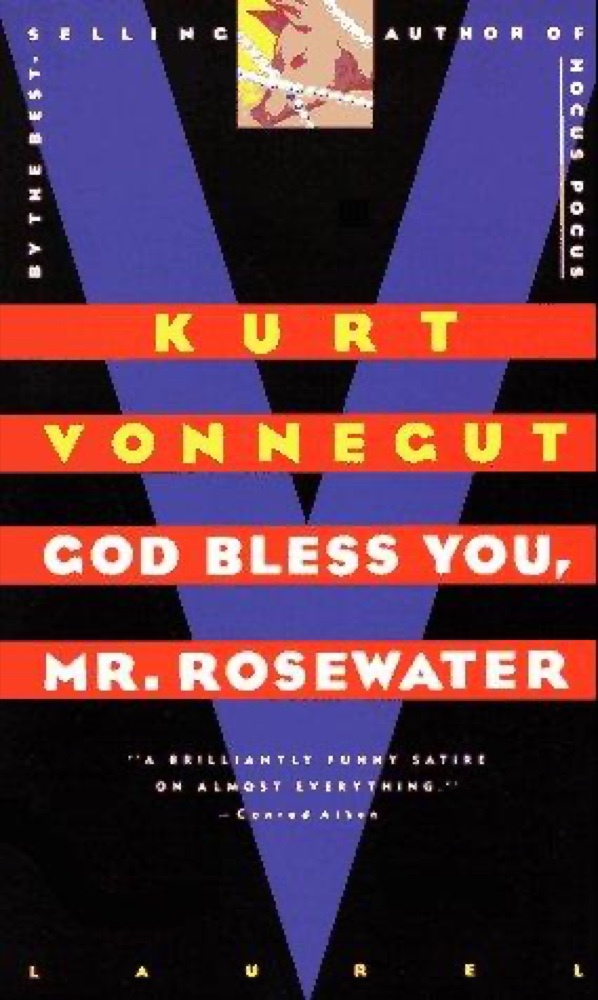
About the book
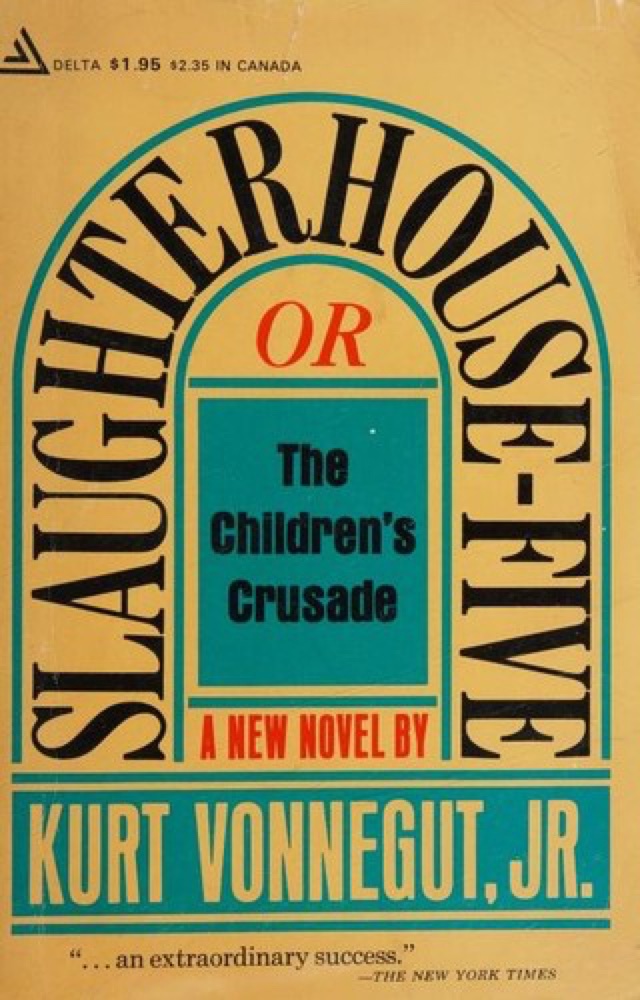
Slaughterhouse-Five is Kurt Vonnegut's semi-autobiographical antiwar novel centered on the Allied firebombing of Dresden in February 1945, which Vonnegut survived as an American prisoner of war held in an underground meat locker. Its protagonist, Billy Pilgrim, is a hapless optometrist who becomes "unstuck in time," ricocheting without warning among his childhood, his wartime captivity, his postwar suburban life, and his abduction to the distant planet Tralfamadore. The book blends historical fiction, science fiction, satire, and memoir into a fragmented account of one man's attempt to make sense of catastrophe.
The novel's non-linear structure mirrors the disordered memory of trauma, and its recurring refrain "So it goes," repeated after each death, becomes a mantra of weary resignation in the face of the unassimilable. Through the Tralfamadorians, who perceive all moments of time as existing simultaneously, Vonnegut interrogates free will, fate, and the human impulse to find meaning in senseless violence. Beneath its dark comedy runs a steady meditation on war's catastrophic and lasting damage to the people caught inside it.
Published in 1969 at the height of the Vietnam War, Slaughterhouse-Five became one of the defining antiwar novels of its era and cemented Vonnegut's reputation as a major American writer. It has remained a fixture of literature courses and a frequent target of censorship, and its portrayal of political disillusionment, postwar anxiety, and what would later be recognized as PTSD continues to resonate with readers decades after its first appearance.
Key characters
- Billy PilgrimAn optometrist who becomes "unstuck in time" and is the novel's protagonist
- Kurt VonnegutThe author, who appears as a narrator recounting his own wartime experiences
- Roland WearyA patriotic bully and fellow soldier who dies of gangrene
- Paul LazzaroA vengeful ex-POW who vows to have Billy killed
- Valencia MerbleBilly's wealthy but emotionally distant wife
- The TralfamadoriansAlien beings who perceive all of time simultaneously and abduct Billy
Book details
- First published
- 1969
- Length
- 190 pages
- Reading time
- 3 hours
- Author
- Kurt Vonnegut
- Genre
- Classics
- Goodreads rating
- 4.10 (1.5M ratings) →
- First line
- “All this happened, more or less.”
Movie & TV adaptations
- IMDb
If you liked this, read…
- 1Catch-22Another darkly comic, absurdist antiwar novel about World War II
- 2Cat's CradleVonnegut's own satirical science-fiction novel with similar themes and tone
- 3The Things They CarriedA fragmented, semi-autobiographical meditation on the trauma of war
Keep reading
 State of Wonder
 Timequake
 Betting on the Muse: Poems & Stories
 Out of Oz
 Paper Towns
 A Fine Balance
 Dust
Dust
 A Fraction of the Whole
 The Sea, the Sea
 Brother Odd
 The Gone-Away World
 The Illustrated Man
 All the King's Men
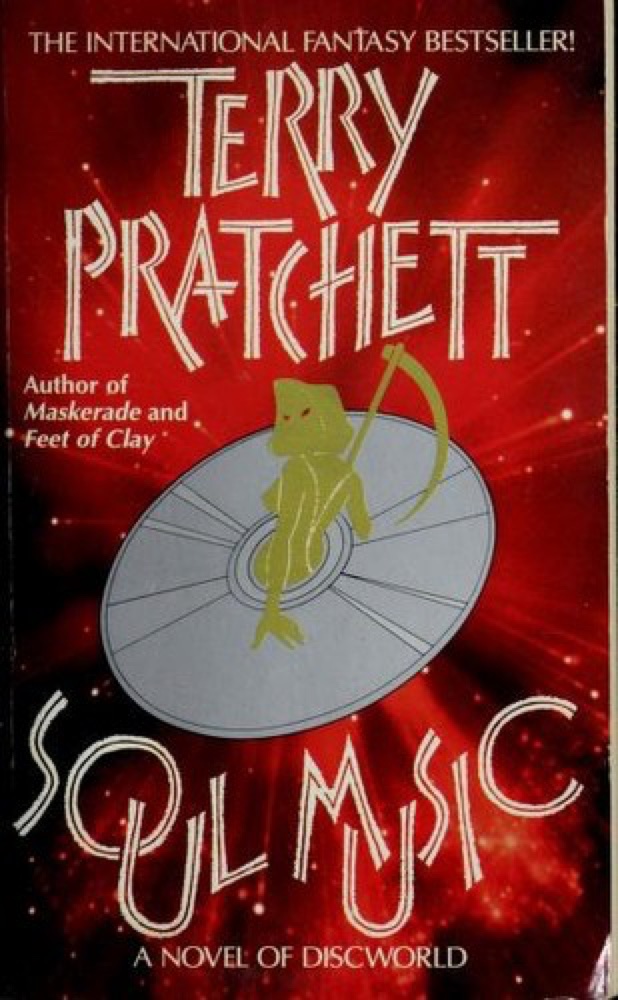 Soul Music
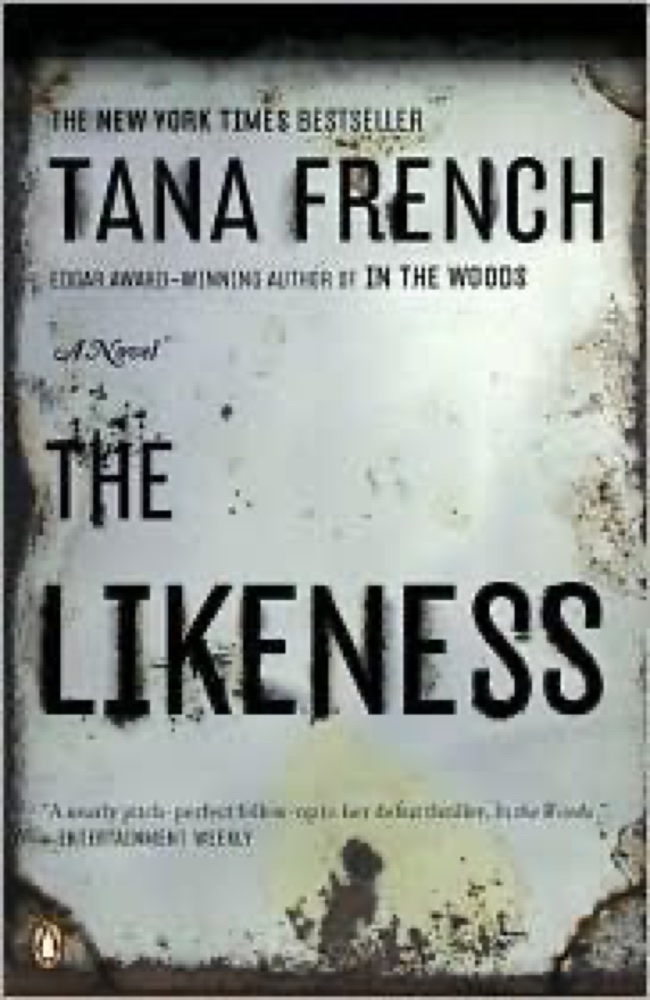 The Likeness
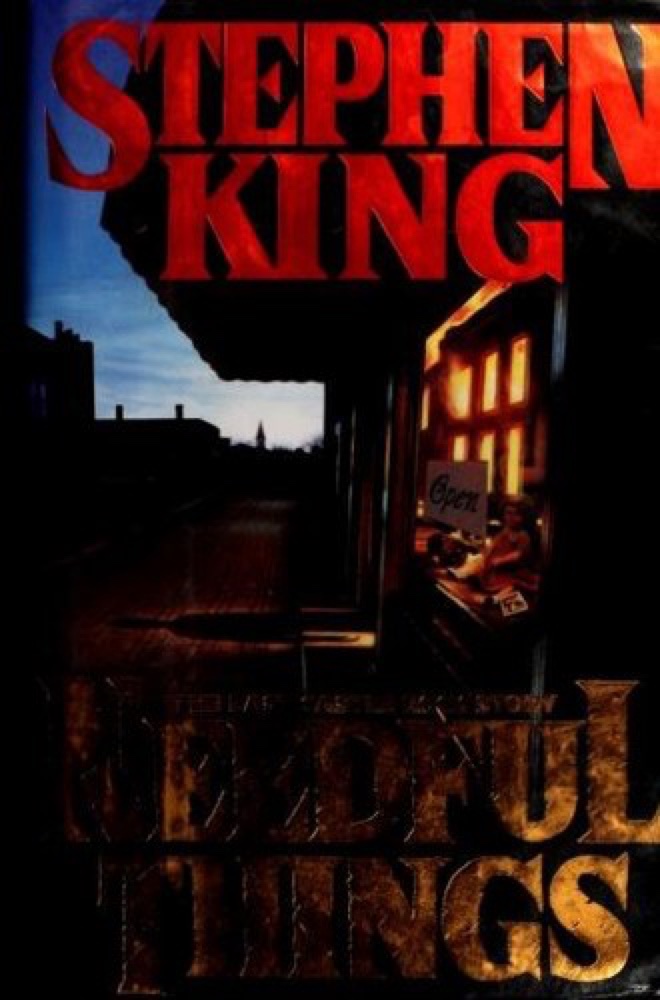 Needful Things
 Winter's Tale
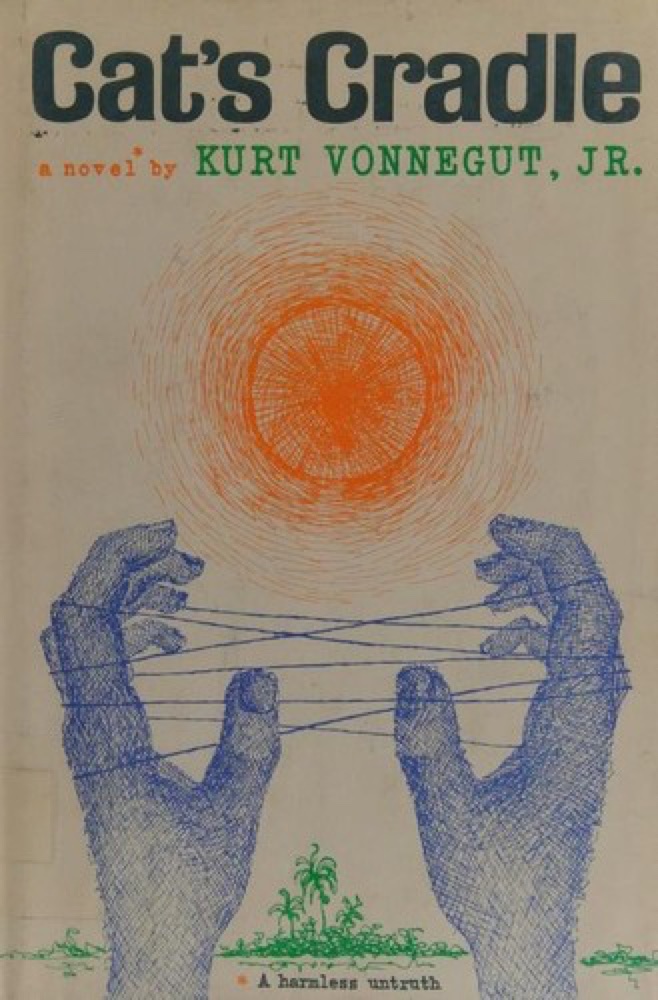 Cat's Cradle
 The Adventures of Augie March
 The Bone Clocks
 Mother Night
 Revolutionary Road
 The Green Mile
 We All Looked Up
 The Magus
 Nation
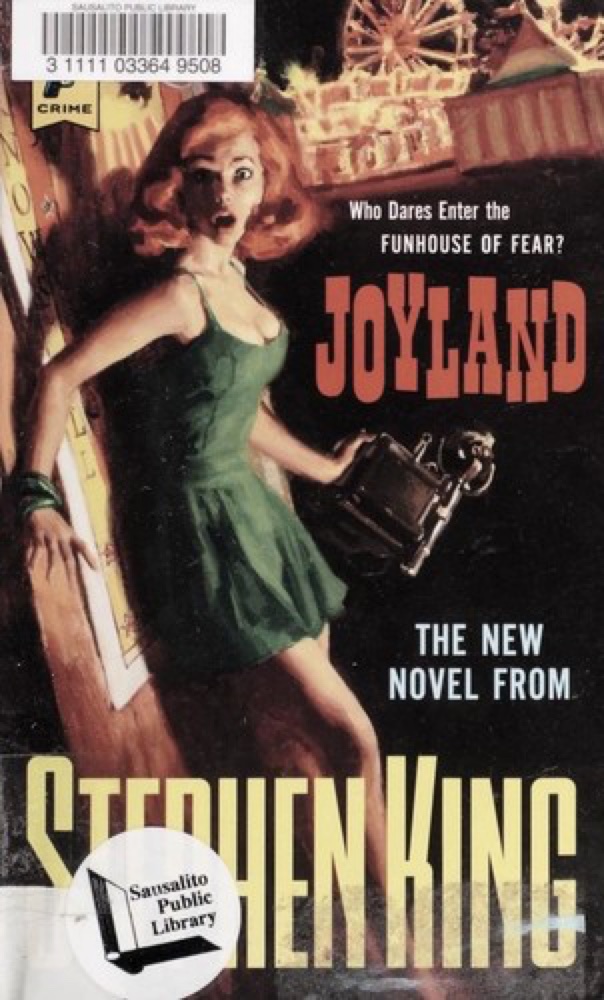 Joyland
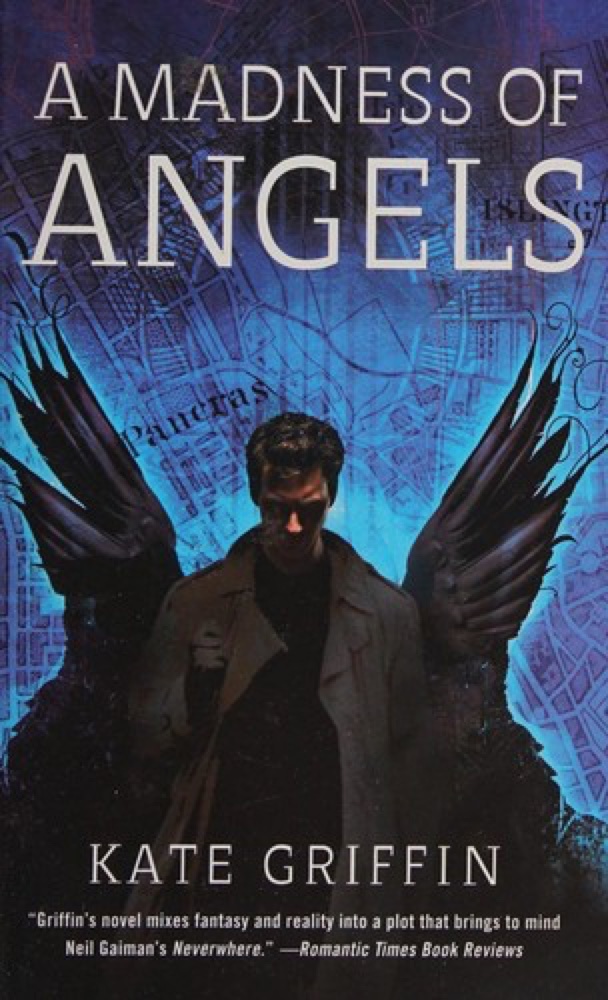 A Madness of Angels
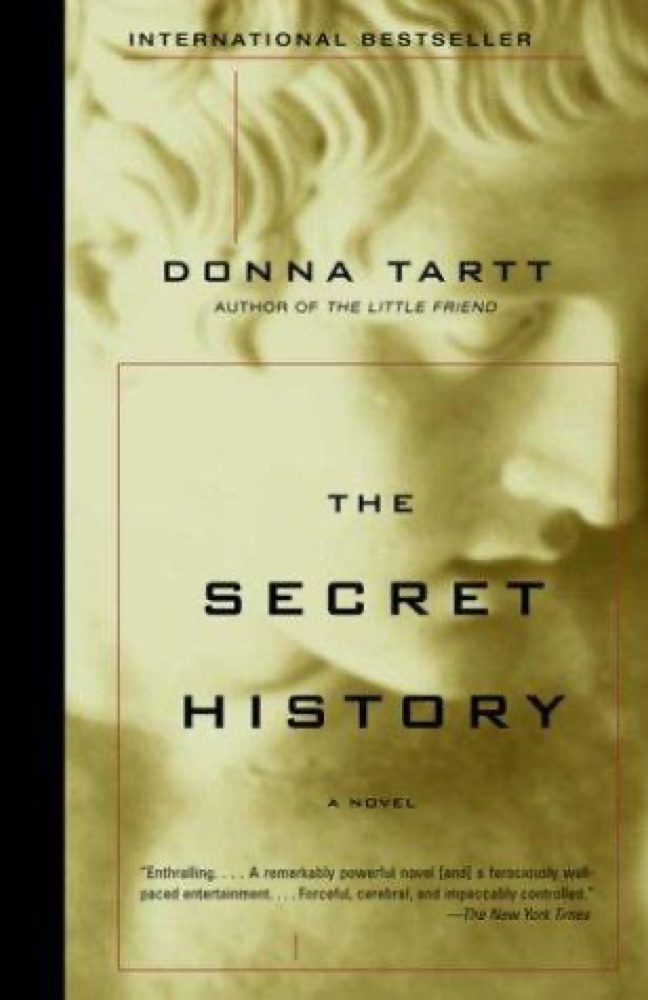 The Secret History
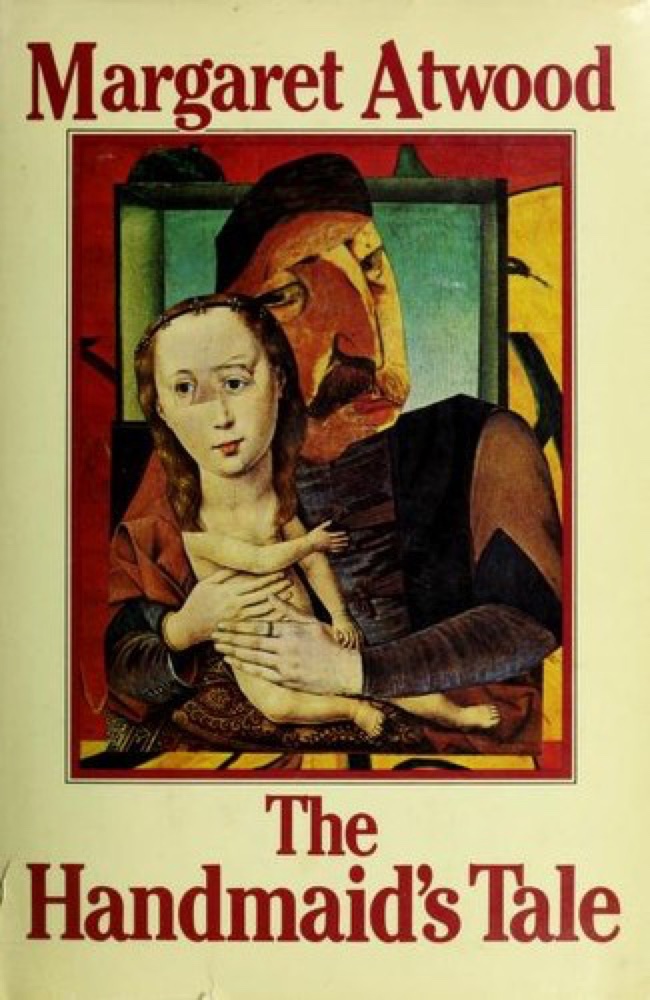 The Handmaid's Tale
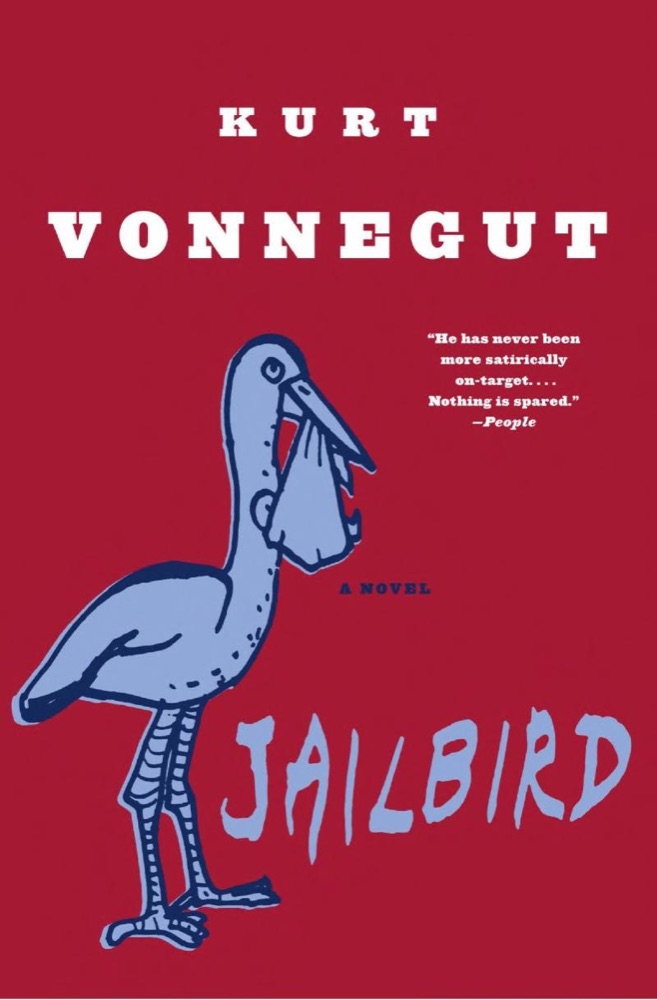 Jailbird
 Absalom, Absalom!
 Life After Life
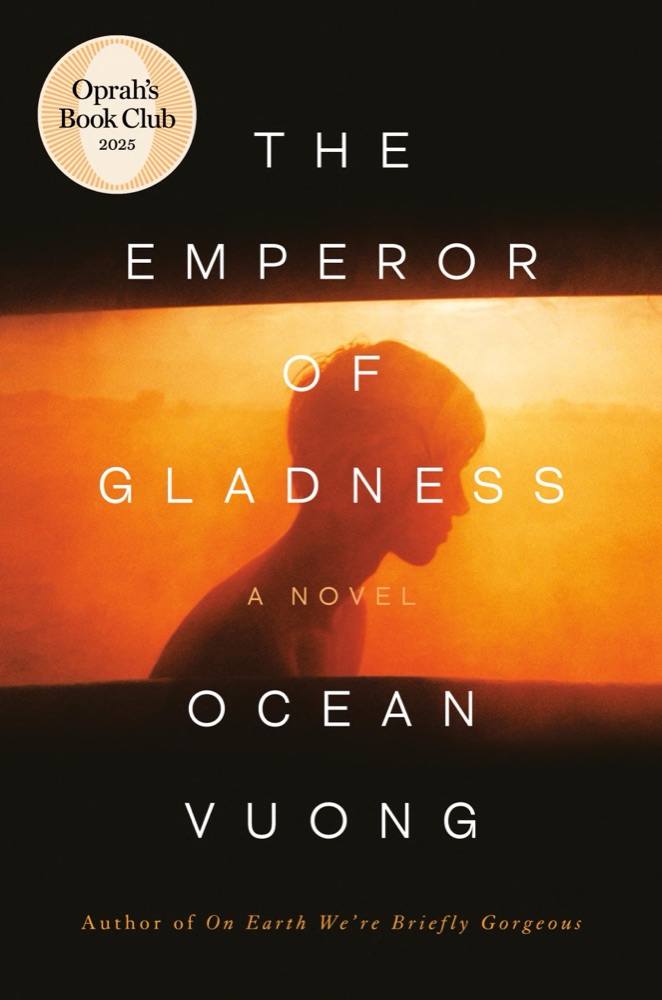 The Emperor of Gladness
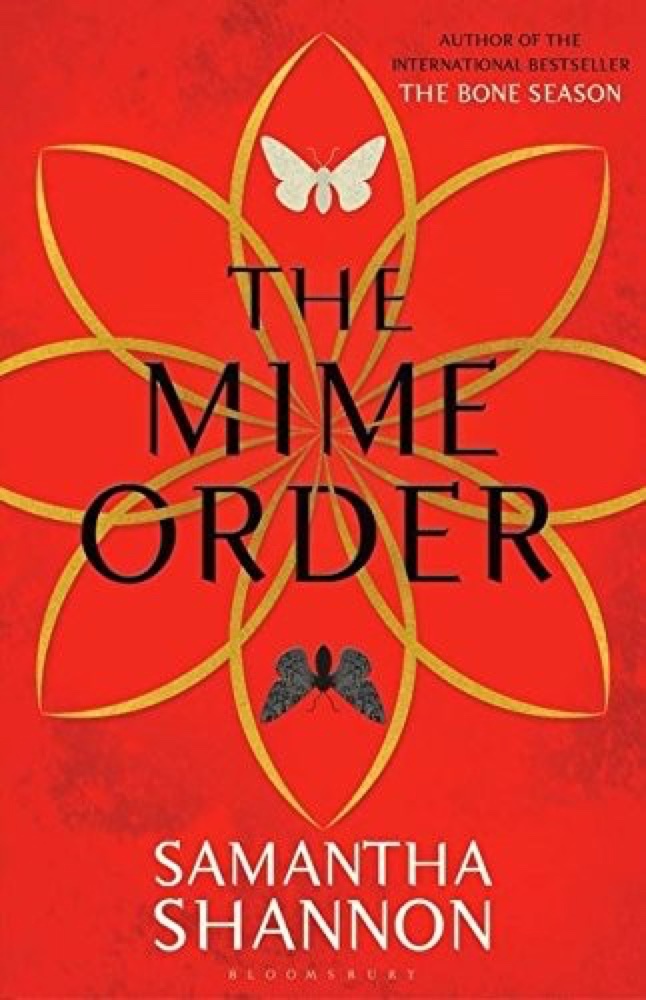 The Mime Order
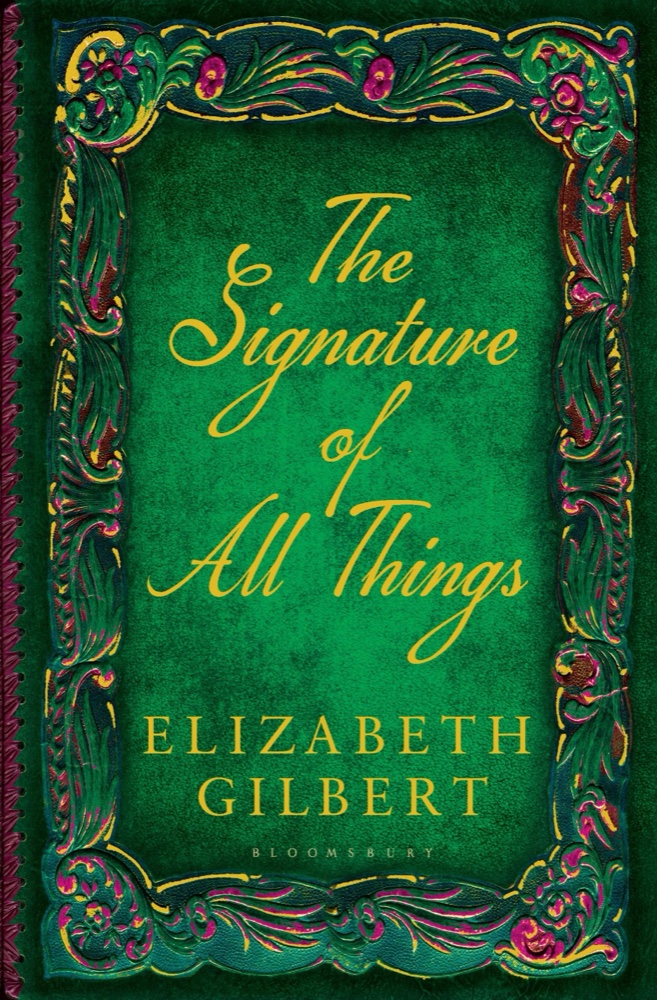 The Signature of All Things
 The Passage
 The Year of the Flood
 Three Comrades
 There but for the
 Fiesta
 The Beginning of Everything
 Underworld
 Watchmen
 Fragments
 The Story of the Lost Child
 Babylon's Ashes
 Let the Great World Spin
 Dhalgren
 Gravity's Rainbow
 Liberation Day
 A Visit from the Goon Squad
 The Kite Runner
 The Ground Beneath Her Feet
 Embers
 Bradbury Stories: 100 of His Most Celebrated Tales
 Wanderers
 Hyperion
 A Tale for the Time Being
 Freedom