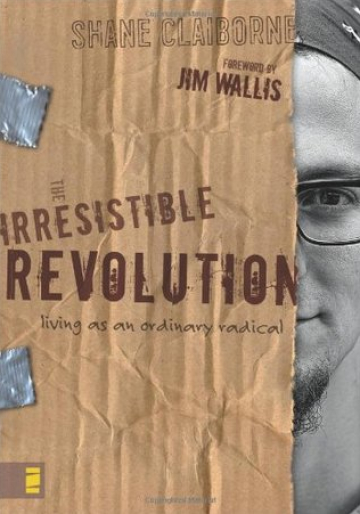
 The Irresistible Revolution: Living as an Ordinary Radical
Quotes from the Book
It made Daniel think. The people who had the least were the most willing to share. He outlined a dictum that he would believe the rest of his life: the more people have, the less the give. Similarly, generous cultures produce less waste because excess is shared, whereas stingy nations fill their landfills with leftovers.
6
How dare you talk of helping the world? God alone can do that. First you must be made free from all sense of self; then the Divine Mother will give you a task to do.
5
But even a medicine man like myself has to have some money, because you force me to live in your make-believe world where I can't get along without it.
5
Credit and debt keep us fixated on the past and the future.
3
The person with the least worry over the compromises he must make is, of course, the person who doesn't compromise.
3
I'm employed by the universe. Since everywhere I go is the universe, I am always secure. Life has flourished for billions of years like this. I never knew such security before I gave up money. Wealth is what we are dependent upon for security. My wealth never leaves me. Do you think Bill Gates is more secure than I?
2
The oldest profession [prostitution] is the most honest, for it exposes the bare bones of what civilization is all about. It's the root of all professions.
2
If we're following our path, then worrying about what could or should happen is a worse illness than what could or should happen. And it's more likely we're going to be out of balance if we worry. The idea is that the future will take care of itself if we remain in the present. I really don't know what I'll do and I don't think about it that much.
2
Ever since he'd given up money, certain people had called him a freeloader, a parasite. (As one comment-thread malapropist put it: "Do you Believe you are smooching off others?") They demanded to know what he was giving back. To which Suelo asked, Who says you need to give something back? What does a raven give? What does a barnacle give, or a coyote? In his view, every living thing gave plenty, merely by existing. But from a strictly materialistic view, his critics had an excellent point. A raven contributes nothing, except of course his own corpse, which will feed some other being. Now Suelo was dying, and he offered his body to the ravens, the coyotes, the ringtails, the mice, the ants.
1
I don't see money as evil or good: how can illusion be evil or good? But I don't see heroin or meth as evil or good, either. Which is more addictive & debilitating, money or meth? Attachment to illusion makes you illusion, makes you not real. Attachment to illusion is called idolatry, called addiction.
1
Wasn't that what Jesus said: do what I do? He was here as an example for us to follow. Same with all prophets. Didn't the prophets tell us to be like them? That's what's wrong with Christianity. They make Jesus and the prophets into icons, take them off of earth, and put them in heaven to worship them, so they're no longer accessible. You've taken a reality and made it into a worthless idol. Christians talk about the idolatry of other religions, but when they no longer live principles and just worship the people who taught them, that's exactly what they're doing.
1
I wanted to be a sadhu. But what good would it do for me to be a sadhu in India? A real test of faith would be to go back to one of the most materialistic, money-worshipping countries on earth [America] and be a sadhu there.
1
This is a nation that professes to be a Christian nation," [Suelo] tells me, surveying his temporary kingdom. "And yet it's basically illegal to live according to the teachings of Jesus.
1
This is why governments all over the world love missionaries—they civilize people and get them into the money system,” Suelo observes now, but at the time he was flabbergasted. What of Jesus’s teaching his followers to give up possessions? “And suddenly it dawned on me: if you were going to call something Antichrist, this would be it. The people who were promoting this so-called Christianity are really Antichrist.
1
I know whether of not your statement is true, and you know that I know whether or not it is true, because it is about me. But do you know that your statement is true? This is what I mean by passing judgment.
Among Evangelical Christians, all of whom await the Second Coming of Jesus, there are historically two camps: postmillennialists and premillennialists. For most of the seventeenth and eighteenth centuries, most were of the "post" variety, meaning that they expected the Messiah's return after the thousand-year reign of peace. In order to hasten His arrival, they set out to create that harmonious world here and now, fighting for the abolition of slavery, prohibition of alcohol, public education, and women's literacy. The chaos of the Civil War and industrialization caused many evangelicals to rethink their optimism. They determined that Jesus would actually arrive before the final judgment. Therefore any efforts toward a just society here on earth were futile; what mattered was perfecting one's faith. As historian Randall Balmer writes, these believers "retreated into a theology of despair, one that essentially ceded the temporal world to Satan and his minions.
Cultures the world over consider their staple the incarnation of God: Buffalo for the Cheyenne, Corn for the Hopi, Cattle for the Massai, Wheat (bread) for the Christians. What I've seen about hunting and gathering peoples, they are the only ones who can fully grasp and accept the Holy Communion. (Funny how we think we have to cram our little wafers down their throats.) All life forms are the sacrificial victim—there's absolutely no exception; all are food.
This system, in which paper money is worth only a fraction of its stated value in gold or silver, was employed in the United States into the twentieth century. Then
Watch on YouTube
About Mark Sundeen
About the book
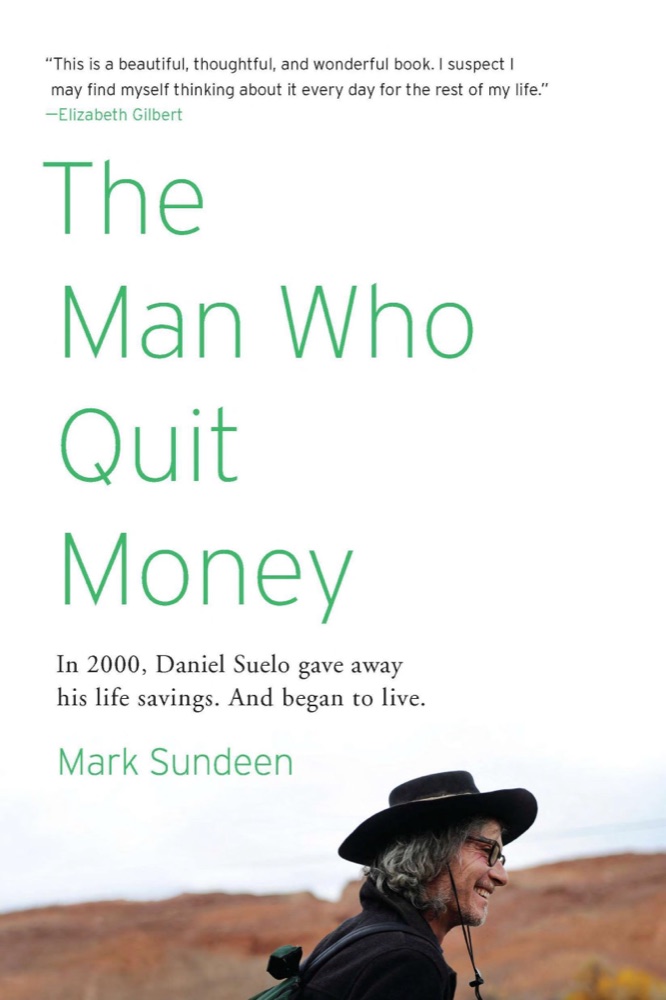
In 2000, Daniel Suelo left his life savings—all thirty dollars of it—in a phone booth. He has lived without money—and with a newfound sense of freedom and security—ever since. The Man Who Quit Money is an account of how one man learned to live, sanely and happily, without earning, receiving, or spending a single cent. Suelo doesn't pay taxes, or accept food stamps or welfare. He lives in caves in the Utah canyonlands, forages wild foods and gourmet discards. He no longer even carries an I.D. Yet he manages to amply fulfill not only the basic human needs—for shelter, food, and warmth—but, to an enviable degree, the universal desires for companionship, purpose, and spiritual engagement. By retracing the surprising path and guiding philosophy that led Suelo from an idealistic childhood through youthful disillusionment to his radical reinvention of "the good life," Sundeen raises provocative
Book details
- First published
- 2012
- Author
- Mark Sundeen
- Genre
- Nonfiction
- Goodreads rating
- 3.75 (3k ratings)
Keep reading
The Irresistible Revolution: Living as an Ordinary Radical
 7: An Experimental Mutiny Against Excess
 Money, Possessions, and Eternity: A Comprehensive Guide to What the Bible Says about Financial Stewardship, Generosity, Materialism, Retirement, Financial Planning, Gambling, Debt, and More
 The Dispossessed
 Breakfast with Buddha
 The Fixer
 Secrets of Jewish Wealth Revealed!
 A Man Without a Country
 The World's Last Night: And Other Essays
 Demian
 Hocus Pocus
 A Language Older Than Words
 Mere Christianity
 Revolution
 Endgame, Vol. 1: The Problem of Civilization
 Debt: The First 5,000 Years
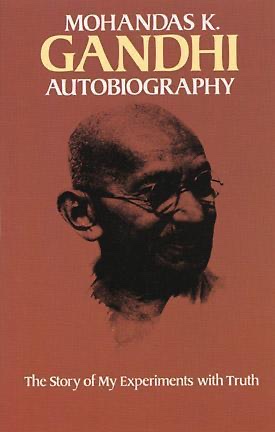 The Story of My Experiments With Truth
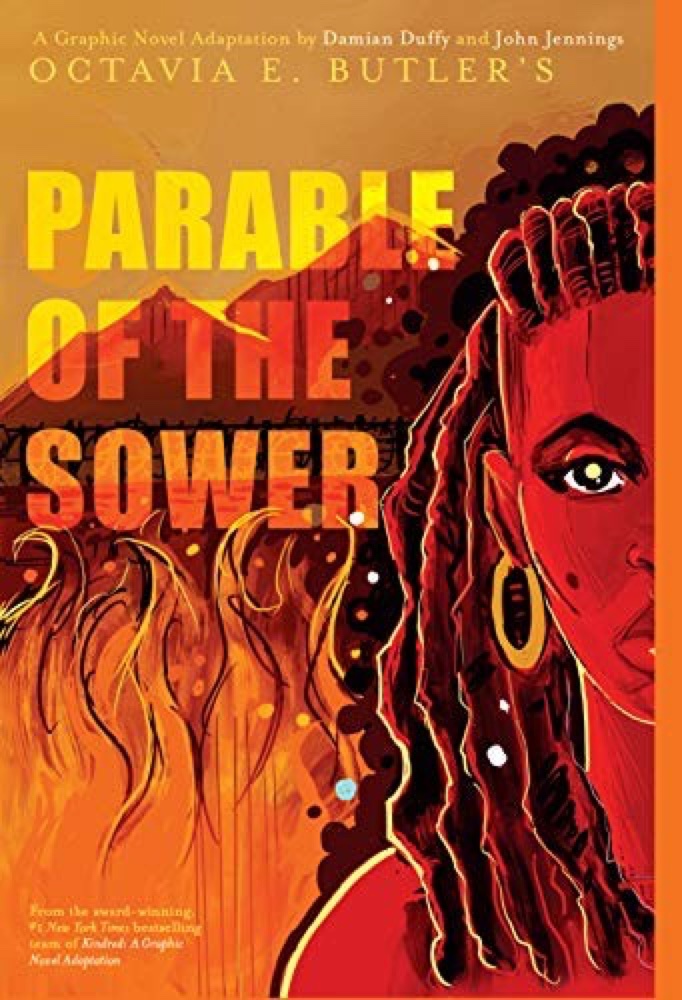 Parable of the Sower
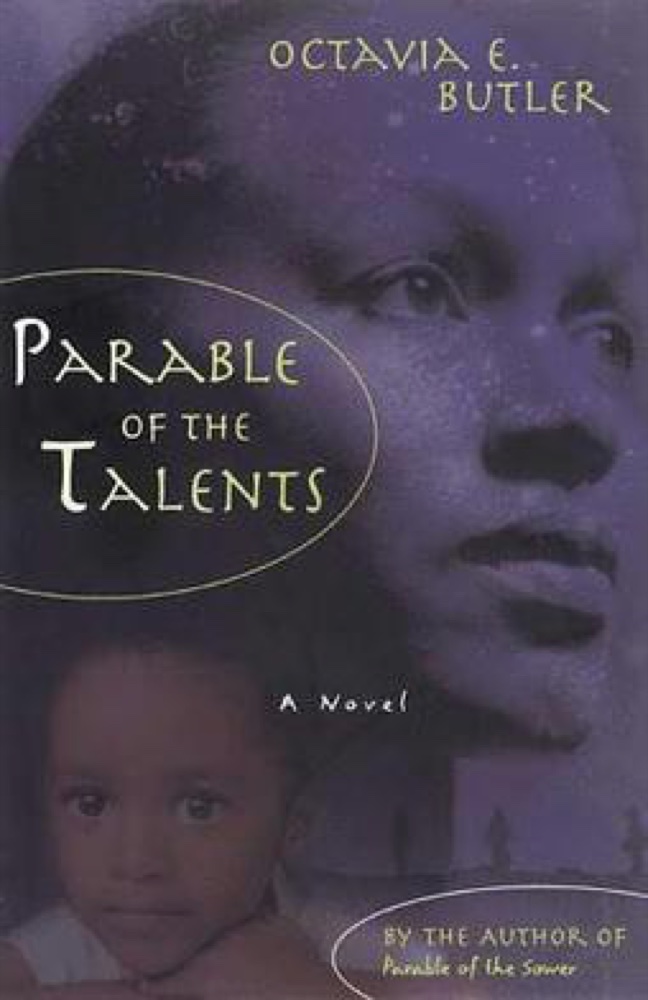 Parable of the Talents
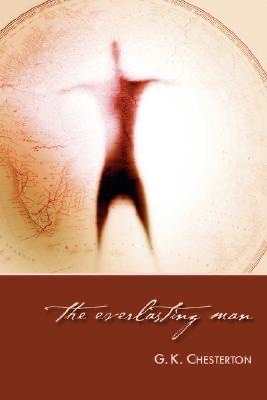 The Everlasting Man
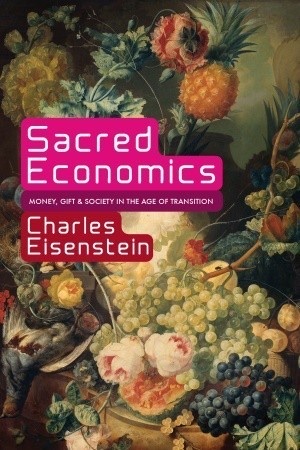 Sacred Economics: Money, Gift, and Society in the Age of Transition
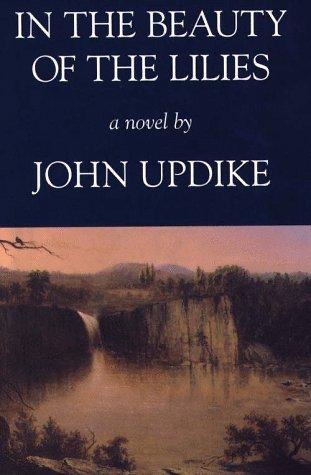 In the Beauty of the Lilies
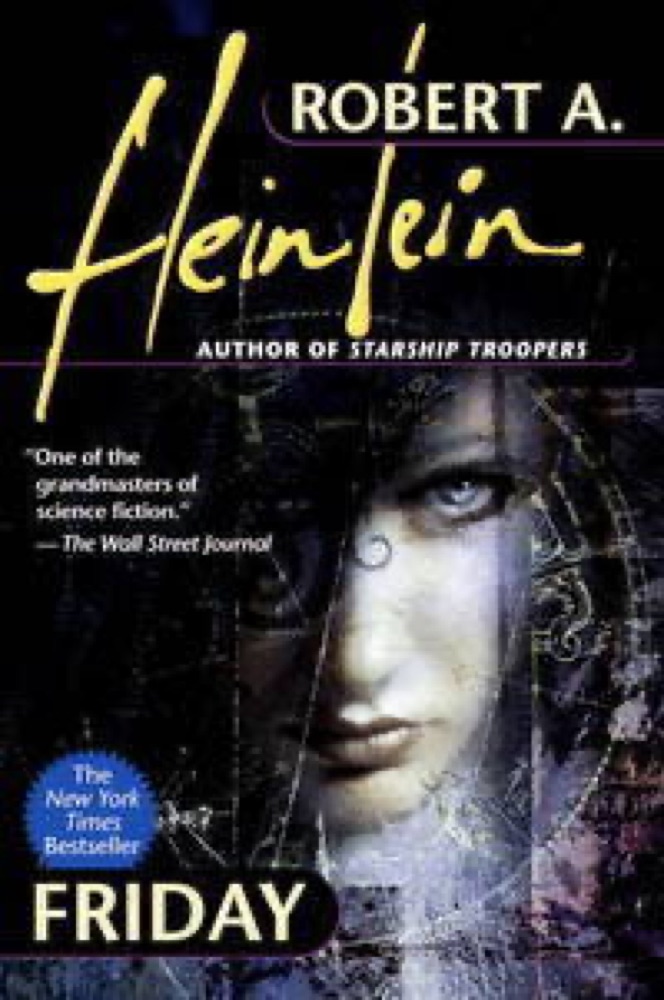 Friday
 Walkaway
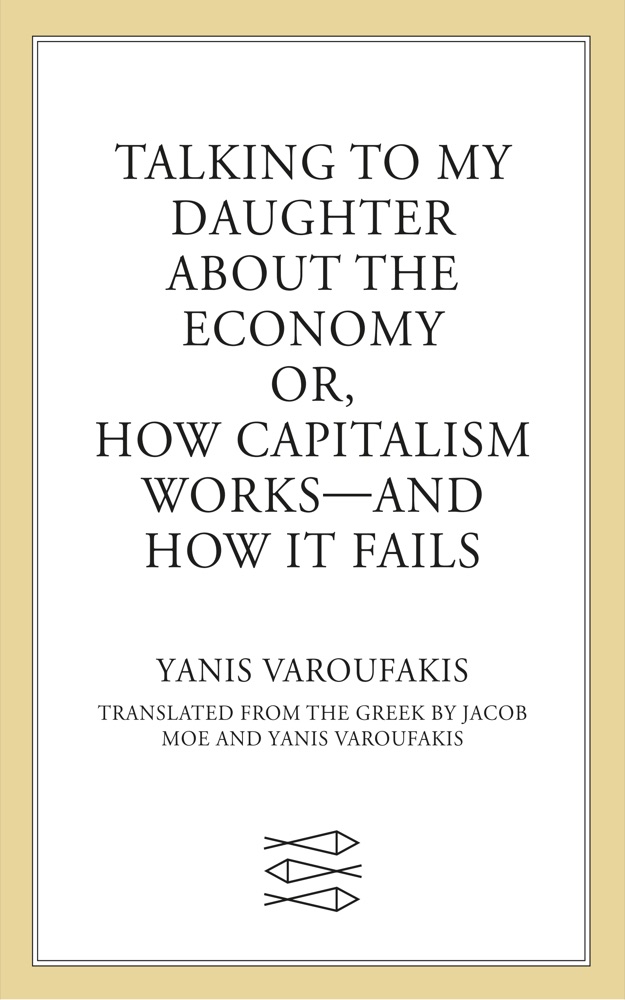 Talking to My Daughter About the Economy: or, How Capitalism Works—and How It Fails
 The Seven Storey Mountain
 The Ministry for the Future
 Freedom of Simplicity: Finding Harmony in a Complex World
 Letters and Papers from Prison
 Children of God
 Behold the Dreamers
 Ishmael: An Adventure of the Mind and Spirit
 Villa Incognito
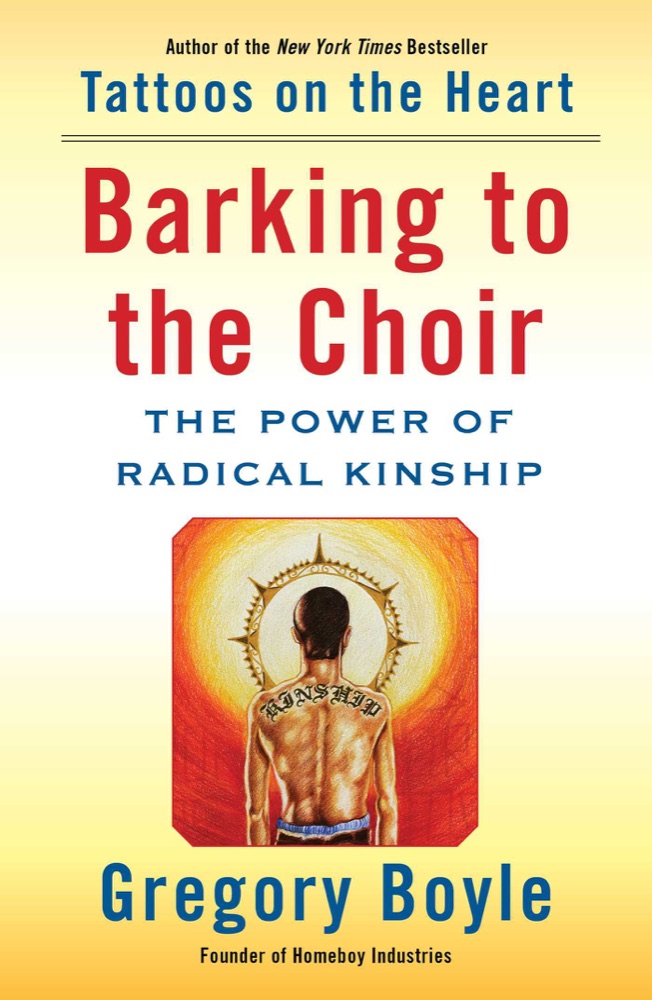 Barking to the Choir: The Power of Radical Kinship
 Life Without Principle
 Have a Little Faith: a True Story
 Walden & Civil Disobedience
 Shadow of the Almighty: The Life and Testament of Jim Elliot
 Don't Waste Your Life
 Shadow of the Hegemon
 Under the Glacier
 The World-Ending Fire: The Essential Wendell Berry
 Counterfeit Gods: The Empty Promises of Money, Sex, and Power, and the Only Hope That Matters
 I Am America
 Breaking the Spell: Religion as a Natural Phenomenon
 Demons
 The Sign
 Ajaya: Roll of the Dice
 God Bless You, Mr. Rosewater
 Island
 Searching for God Knows What
 Ender in Exile
 Cutting for Stone
 Anthills of the Savannah
 The Gay Science
 Heretics
 The Divine Invasion
 Plan B: Further Thoughts on Faith
 Henderson the Rain King