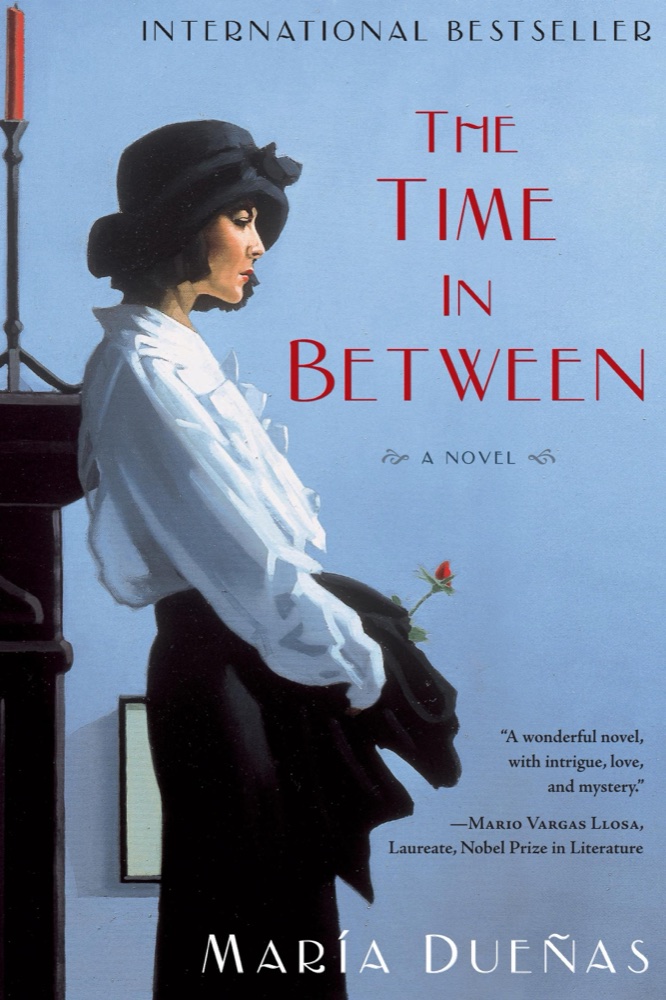
 The Time in Between
Quotes from the Book
Sometimes being a good mother gets in the way of being a good person.
Life causes estrangement enough—why do we add to it out of misplaced pride?
I know now one must plan one’s old age as surely as one plans any other stage of life. The tragedy of Cousin Josie’s life is that she never knew what she wanted at any age—only what she did not want. She never wanted to marry nor to pursue a career, and in life, unlike grammar, double negatives do not produce an affirmative.
Would that we could soar forever beyond the reach of earth, away from the dangers that await us the moment we alight.
Es irracional creer —e incluso querer, sin duda— que se puedan tener todas las experiencias de la vida con la misma persona. Somos mucho más complicados y muy capaces de ser leales de por vida a muchas personas distintas de cualquier edad y sexo. ¿Por qué se empeña la sociedad en restringir al hombre y a la mujer a una sola relación de esa clase para siempre? Espero no romper jamás una promesa que haya hecho, pero si en este momento estuviera libre y sin compromiso, nunca volvería a prometer dedicación exclusiva a nadie.
La vejez tendría que ser la recompensa de una vida de mucho trabajo, pero no será más que un castigo si insistimos en seguir haciendo lo mismo de siempre, midiendo los logros del presente por el baremo de los del pasado y quedándonos cortos sin remedio.
Time is a cruel thief to rob us of our former selves. We lose as much to life as we do to death.
17
How much of what passes for grief in the world is really nothing more than regret?
I find myself in the unusual position of accepting an invitation before it has been extended.
How arrogant we are to think the survival of any life that begins in our shadow depends upon our continuing physical presence. Indeed our shadow too often stands between the new life we create- in whatever form- and the sun's life-giving rays.
..the alchemy of grief transforms the most awkward phrases into sentiments of purest gold..
It is ironic that the very ties that bind a husband and wife in theory- home and family- often serve to separate them in fact.
Her husband was sent to boarding school at an early age and though deprived of his family's presence, their name was always ahead of him, opening every door.
Aunque el rito católico me resulta tan ajeno como la lengua en la que se celebra, no pude por menos de conmoverme ante el respeto y la devoción que la gente siente por Il Papa. Envidio la fe que permite a esa multitud someterse tan por completo a la autoridad de un hombre, de un ser humano, al fin y al cabo, a pesar del puesto tan elevado que ocupa. La fe católica tiene un fondo infantil que me parece enternecedor. A todos nos gustaría contar con una figura paterna infalible, pero al final nos damos cuenta de que nuestros padres tienen tantos defectos como nosotros mismos.
Watch on YouTube
About Elizabeth Forsythe Hailey
Book details
- First published
- 1978
- Genre
- Classics
- Goodreads rating
- 3.99 (4k ratings)
Keep reading
The Time in Between
 Travels With My Aunt
 At Last Comes Love
 A Stolen Life
 The Death of the Heart
 The Cost of Living: A Working Autobiography
 Violeta
 Angle of Repose
 The House of the Spirits
 Trust: Betrayed
 Good Dirt
 Far from the Madding Crowd
 A Death in the Family
 The Gift of Rain
 A Room with a View
 Dream Count
 The Memoirs of Cleopatra
 The Rescue
 They Call Her Dirty Sally
 The Bright Years
 Out of Oz
 Cutting for Stone
 Here I Am
 The Stone Diaries
 A Widow's Story
 The Door
 The Secrets She Keeps
 Odd Hours
 Confessions of an Ugly Stepsister
 The House of Mirth
 The Post-Birthday World
 Life After Life
 Golden Fool
 Embers
 Gift from the Sea
 Too Much Happiness: Stories
 Canada
 Divisadero
 All Is Not Forgotten
 Fool's Fate
 Just as I Am
 Beautyland
 Outrun the Moon
 Farewell Waltz
 Leaving Time
 The Jewel in the Crown
 Before Ever After
 The Double
 Real Estate
 House of Glass
 Q & A
Q & A
 Clap When You Land
 The Walk
 Vanishing Acts
 The Home and the World
 Middlemarch
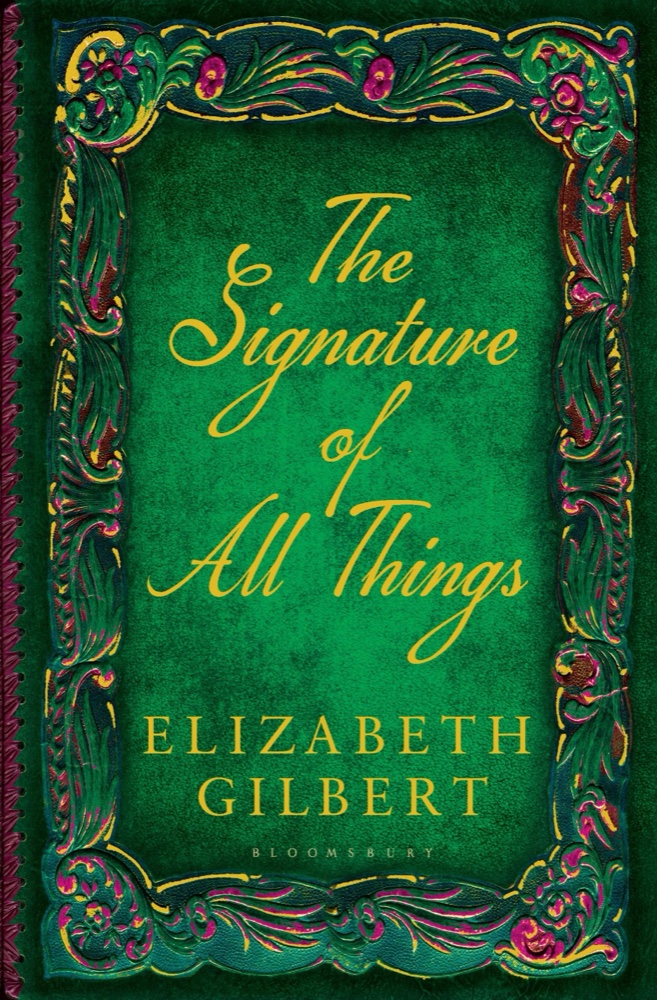 The Signature of All Things
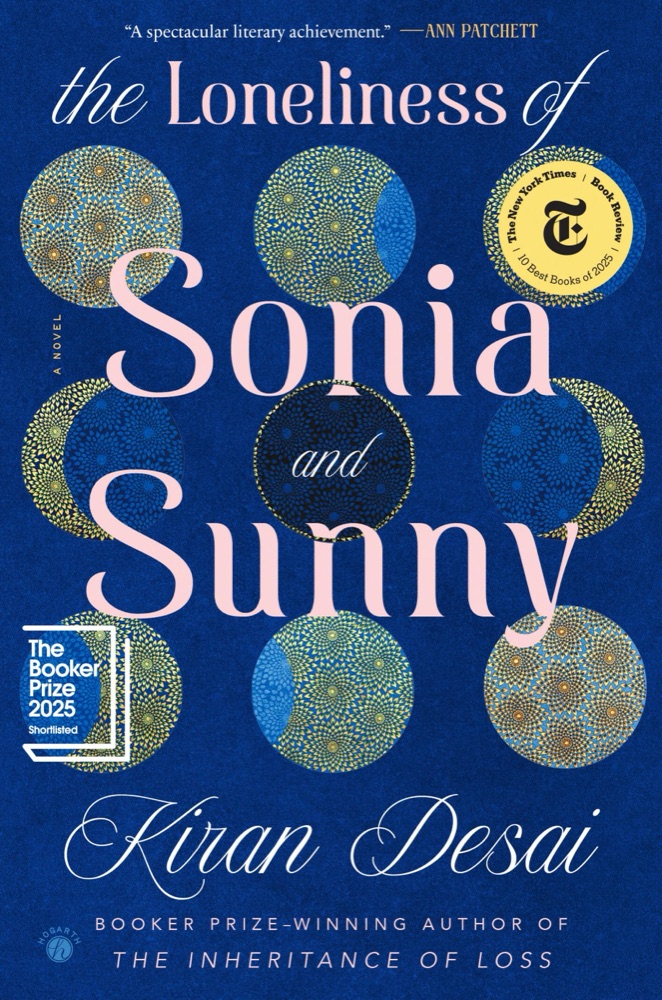 The Loneliness of Sonia and Sunny
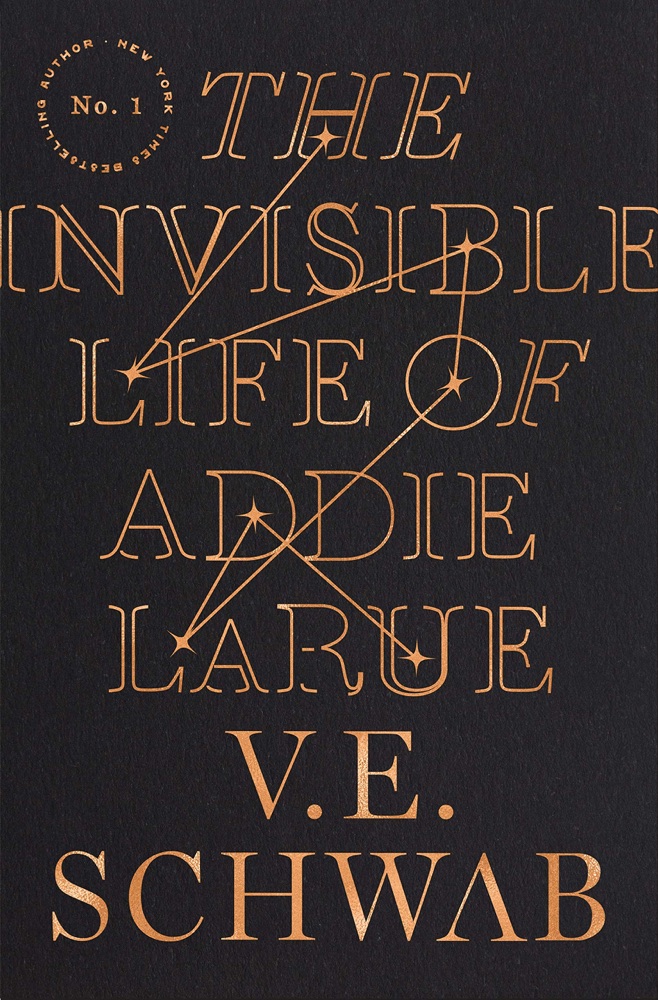 The Invisible Life of Addie LaRue
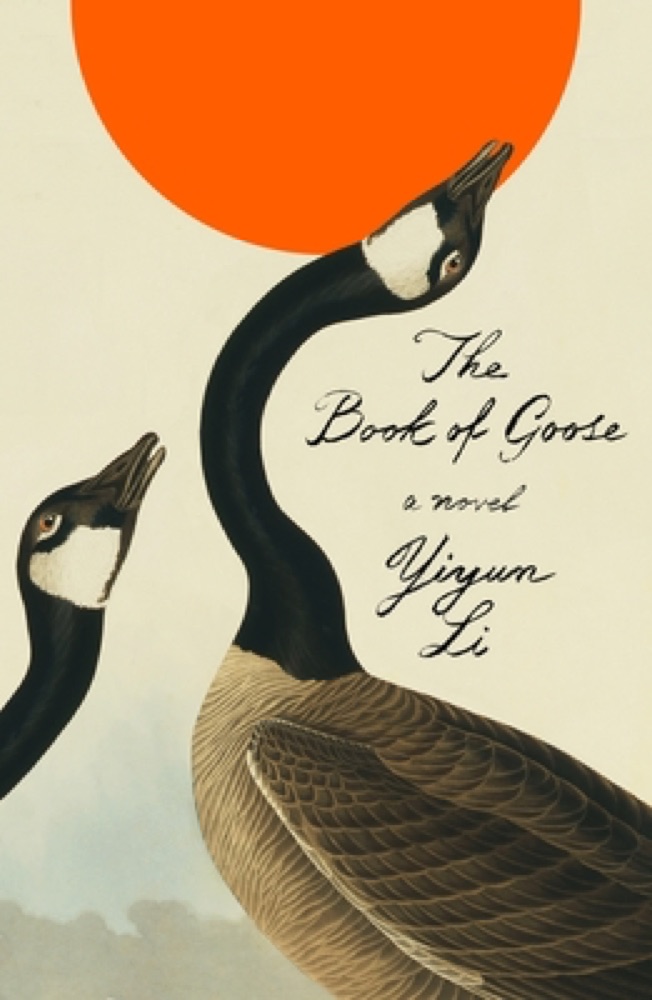 The Book of Goose