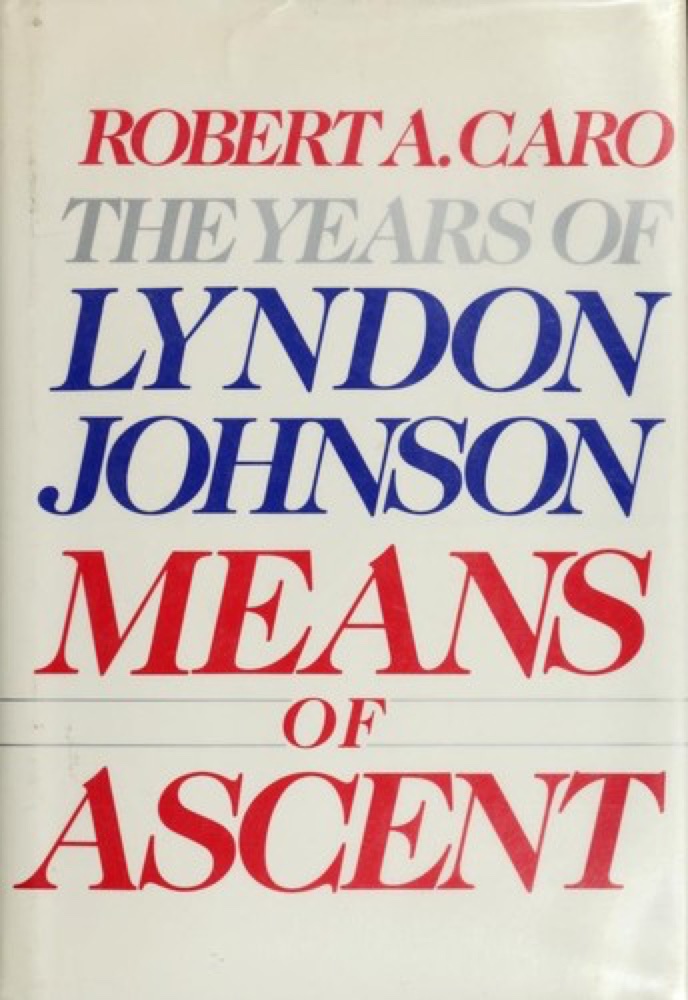
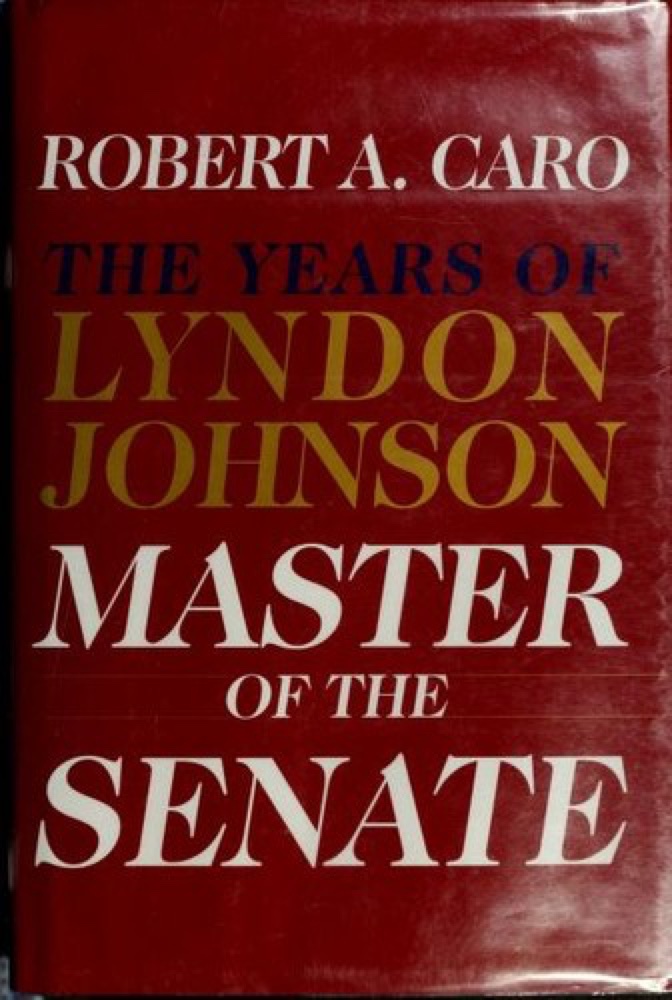
 Master of the Senate
Quotes from the Book
A handshake, as delivered by Lyndon Johnson, could be as effective as a hug.
if one characteristic of Lyndon Johnson was a boundless ambition, another was a willingness, on behalf of that ambition, to make efforts that were also without bounds.
Until the end of his life, whenever the subject of the vast growth of the LBJ Company and associated business enterprises was raised, Lyndon Johnson would emphasize that he owned none of it (“All that is owned by Mrs. Johnson.… I don’t have any interest in government-regulated industries of any kind and never have had”).
He (LBJ) played on their fears as he played on their hopes.
(Until the end of their lives, these men and women would tell stories about the summer they followed Lyndon Johnson and his Flying Windmill around Texas; as Oliver Knight of the Fort Worth Star-Telegram would write about one trip, “That mad dash from Navasota to Conroe in which I dodged stumps at 70 MPH just to keep up with that contraption will ever be green in my memory.”) At the landing site, there would be the brief respite
A laconic Texas lawmaker declined to use his considerable influence to intervene in a loud dispute between his colleagues. When asked why not, he said, "They're not voting. If they're not voting, they're not passing any laws. If they're not passing any laws, they're not hurting anybody.
I never conceived of my biographies as merely telling the lives of famous men but rather as a means of illuminating their times and the great forces that shaped their times—particularly political power, since in a democracy political power has so great a role in shaping the lives of the citizens of that democracy.
With a note of sadness, Wicker wrote in 1983 that “the reverence, the childlike dependence, the willingness to follow where the President leads, the trust, are long gone—gone, surely, with Watergate, but gone before that.… After Lyndon Johnson, after the ugly war that consumed him, trust in ‘the President’ was tarnished forever.” That tarnishing revolutionized politics and government in the United States. The shredding of the delicate yet crucial fabric of credence and faith between the people of the United States and the man they had placed in the White House occurred during the presidency of Lyndon Johnson.
Lyndon Johnson knew how to make the most of such enthusiasm and how to play on it and intensify it. He wanted his audience to become involved. He wanted their hands up in the air. And having been a schoolteacher he knew how to get their hands up. He began, in his speeches, to ask questions.
Speaking out as he had never before done in Congress, Lyndon Johnson in 1947 opposed most of Truman’s “Fair Deal.
From the earliest beginnings of Lyndon Johnson’s political life—from his days at college when he had captured control of campus politics—his tactics had consistently revealed a pragmatism and a cynicism that had no discernible limits.
dignity was a luxury in a fight with Lyndon Johnson, a luxury too expensive to afford.
Watch on YouTube
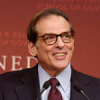
About Robert A. Caro
We have collected 126 quotes from 5 books by Robert A. Caro on BookQuoters.
More about the author →More by Robert A. Caro
Master of the Senate
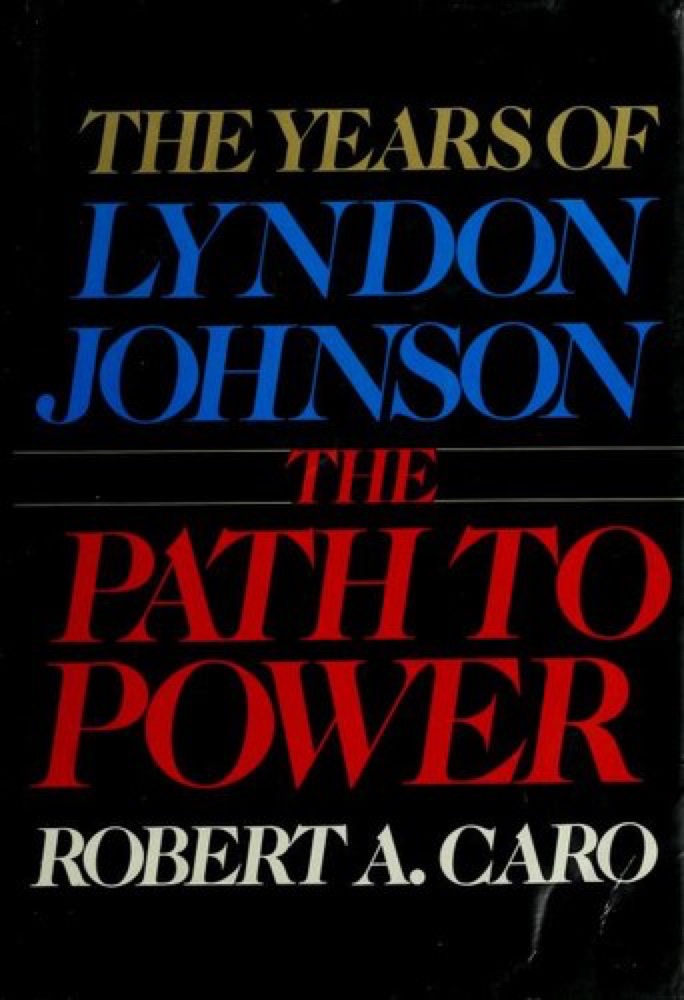 The Path to Power
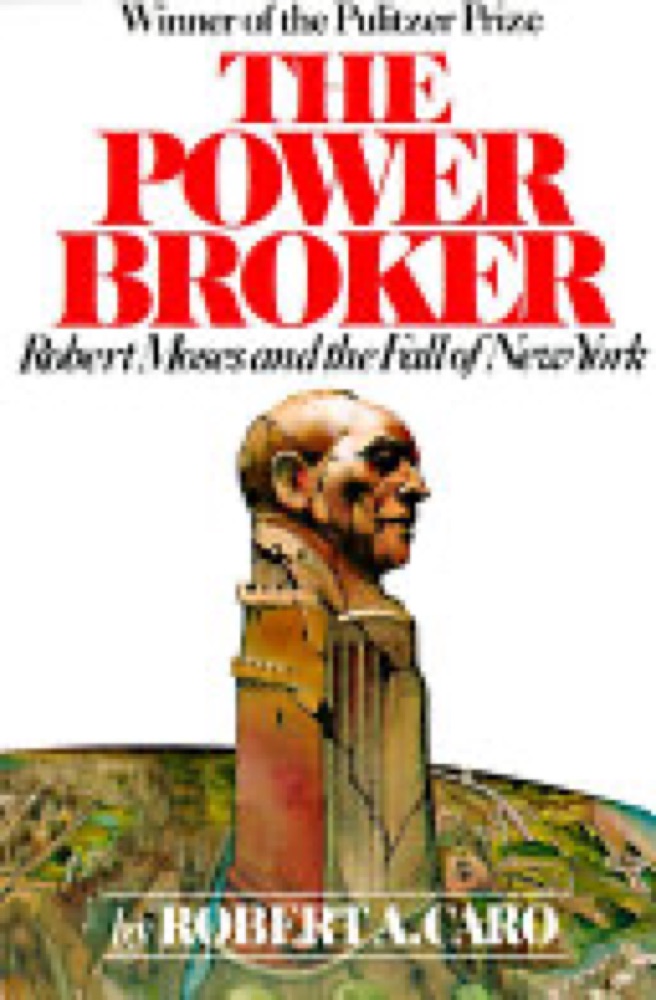 The Power Broker: Robert Moses and the Fall of New York
 The Passage of Power
Book details
- Author
- Robert A. Caro
- Genre
- History
- Goodreads rating
- 4.29 (28k ratings) →
Keep reading
The Passage of Power
The Path to Power
Master of the Senate
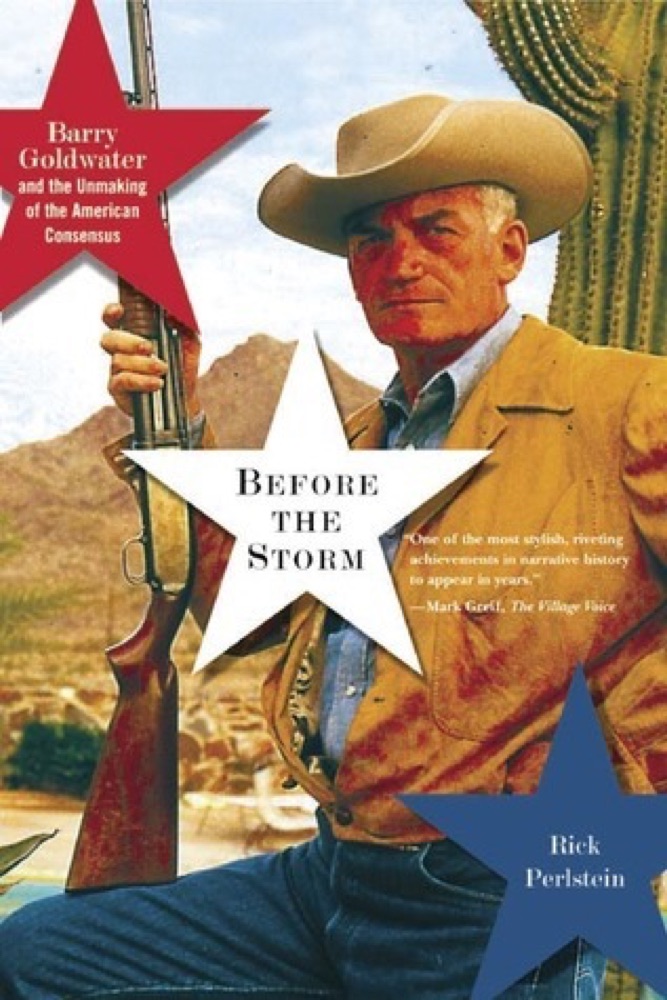 Before the Storm: Barry Goldwater and the Unmaking of the American Consensus
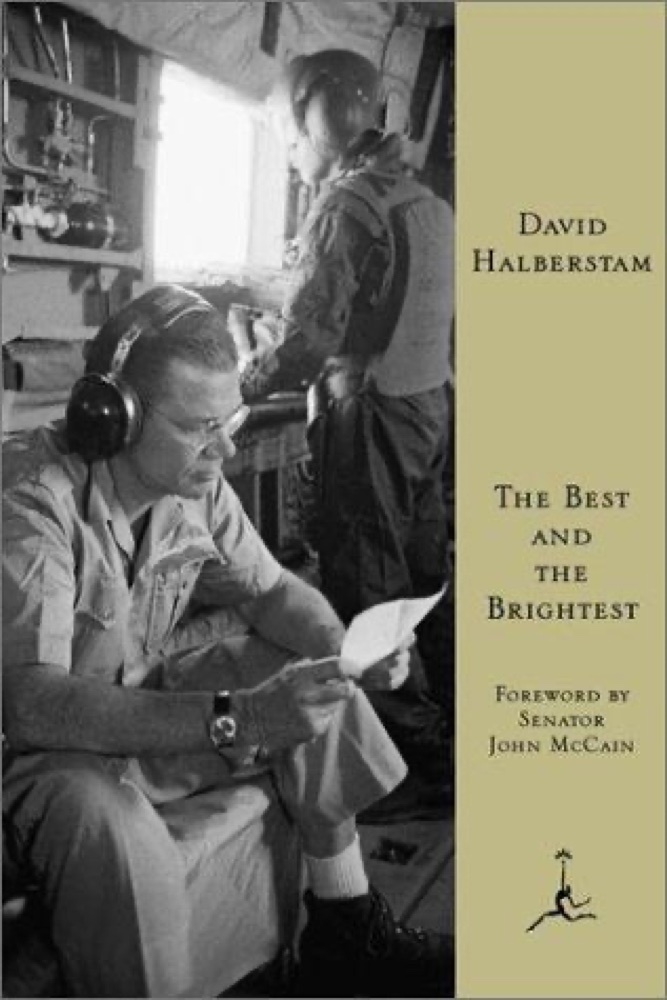 The Best and the Brightest
 American Lion: Andrew Jackson in the White House
 A Full Life: Reflections at Ninety
 Truman
 Executive Orders
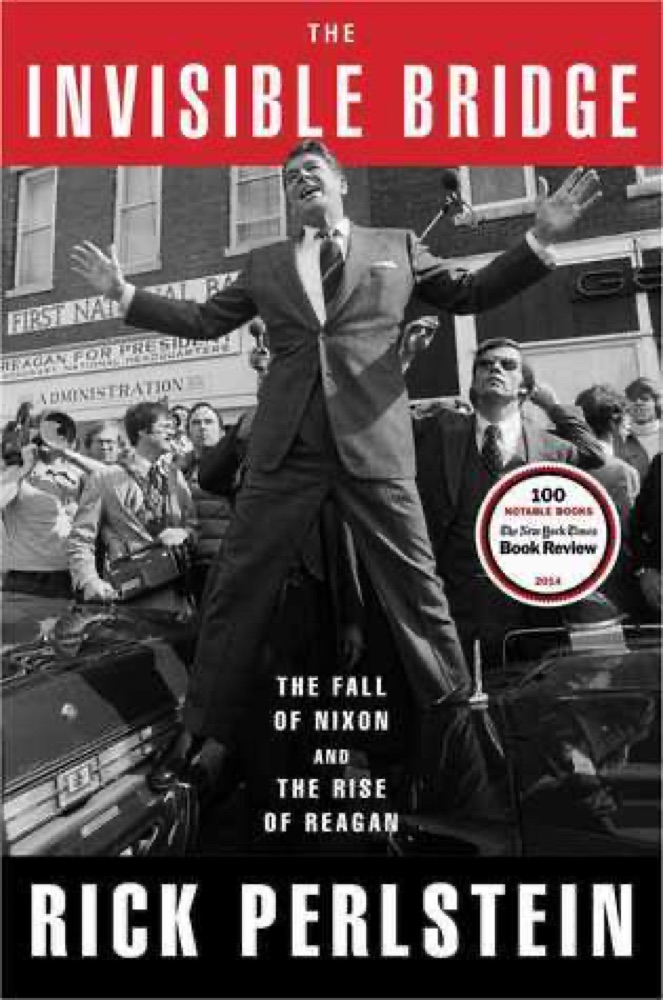 The Invisible Bridge: The Fall of Nixon and the Rise of Reagan
 What It Takes: The Way to the White House
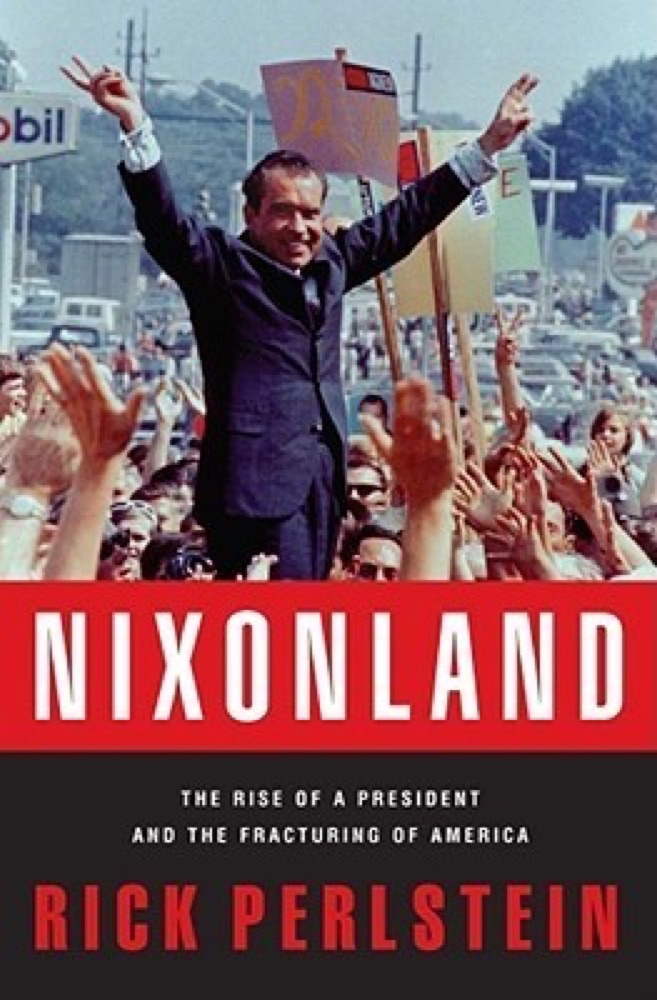 Nixonland: The Rise of a President and the Fracturing of America
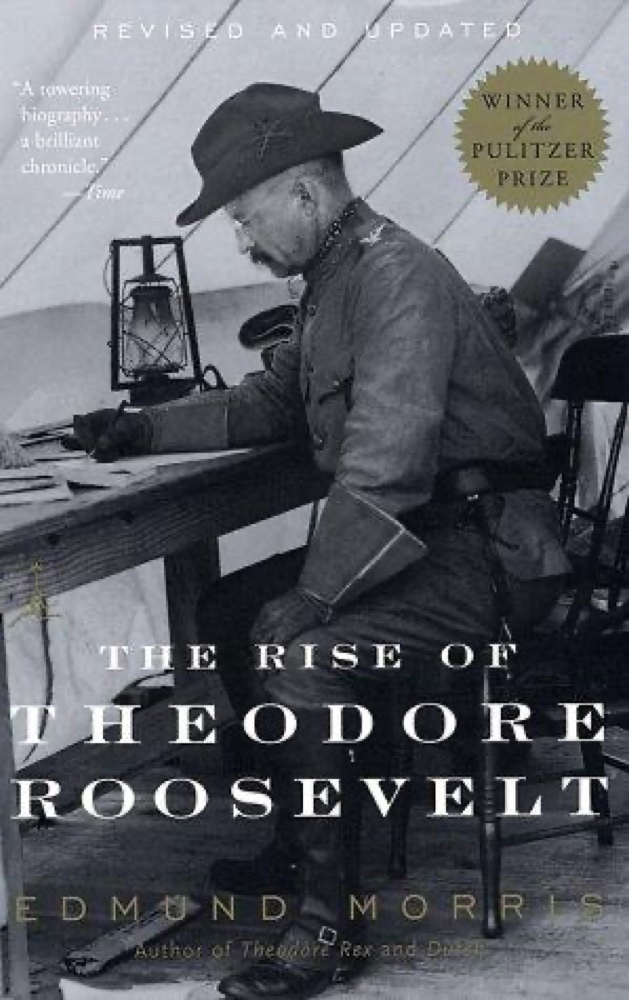 The Rise of Theodore Roosevelt
 Clear and Present Danger
 Destiny of the Republic: A Tale of Madness, Medicine and the Murder of a President
 The Autobiography of Eleanor Roosevelt
 Profiles in Courage
 The Proud Tower: A Portrait of the World Before the War, 1890-1914
 The Man Who Saved the Union: Ulysses Grant in War and Peace
 Killing Kennedy: The End of Camelot
 Confidence Men: Wall Street, Washington, and the Education of a President
 The Bully Pulpit: Theodore Roosevelt, William Howard Taft, and the Golden Age of Journalism
 The First Tycoon: The Epic Life of Cornelius Vanderbilt
 The Man
 Mornings on Horseback
 The March of Folly: From Troy to Vietnam
 Closing the Ring
 American Colossus: The Triumph of Capitalism, 1865-1900
 Team of Rivals: The Political Genius of Abraham Lincoln
 The Last Lion: Winston Spencer Churchill: Alone, 1932-40
 Burr
Burr
 Winter of the World
 Founding Brothers: The Revolutionary Generation
 Absolute Power
 Decision Points
 The Hunt for Red October
 The Last Lion 3: Winston Spencer Churchill: Defender of the Realm, 1940-1965
 The Soul of America: The Battle for Our Better Angels
 The Path Between the Seas: The Creation of the Panama Canal, 1870-1914
 Edge of Eternity
 A Promised Land
 The Fifties
 Babbitt
 Bag Man: The Wild Crimes, Audacious Cover-up, and Spectacular Downfall of a Brazen Crook in the White House
 Becoming Madam Secretary
 No Ordinary Time: Franklin and Eleanor Roosevelt: The Home Front in World War II
 Promises to Keep: On Life and Politics
 Benjamin Franklin: An American Life
 Alexander Hamilton
 The Civil War, Vol. 3: Red River to Appomattox
 The Winds of War
 Leadership : Six Studies in World Strategy
 The Coldest Winter: America and the Korean War
 Shortest Way Home: One Mayor's Challenge and a Model for America's Future
 Call for the Dead
 The Final Days
 Spying on the South: An Odyssey Across the American Divide
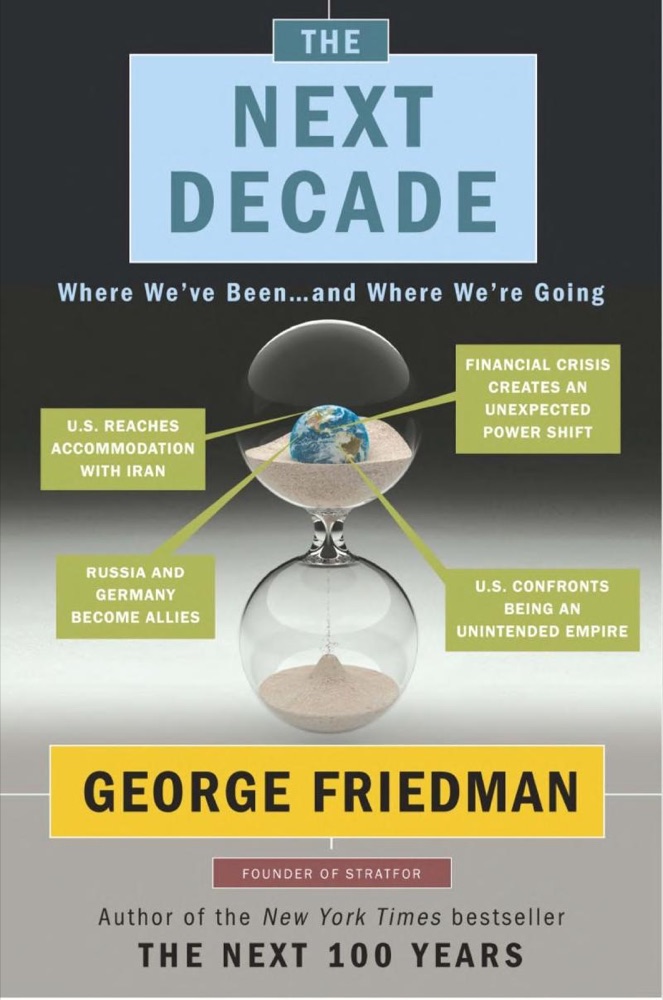 The Next Decade: Where We've Been . . . and Where We're Going
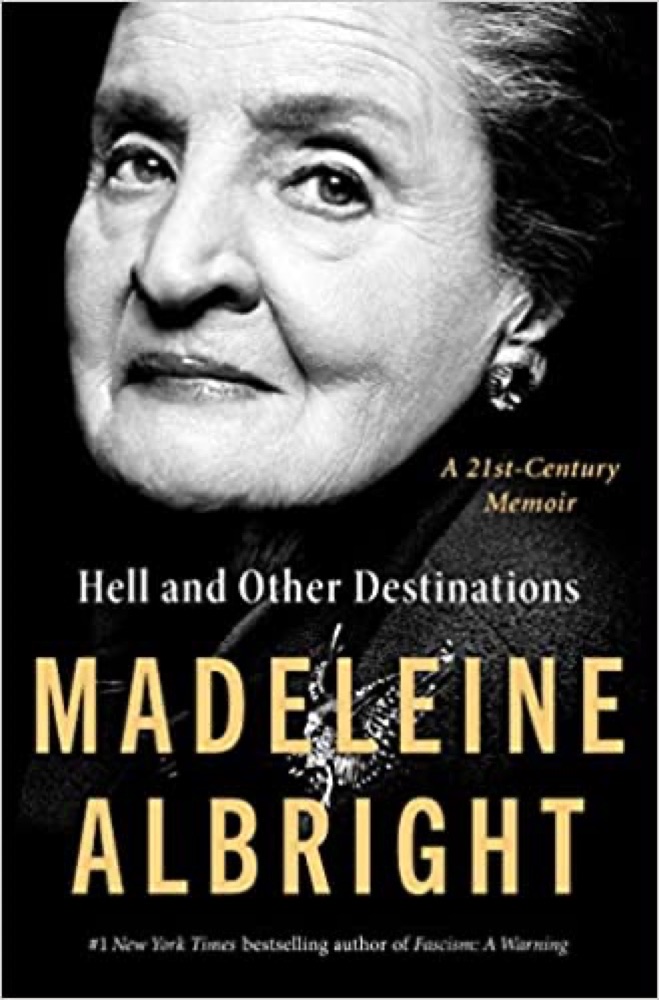 Hell and Other Destinations: A 21st-Century Memoir
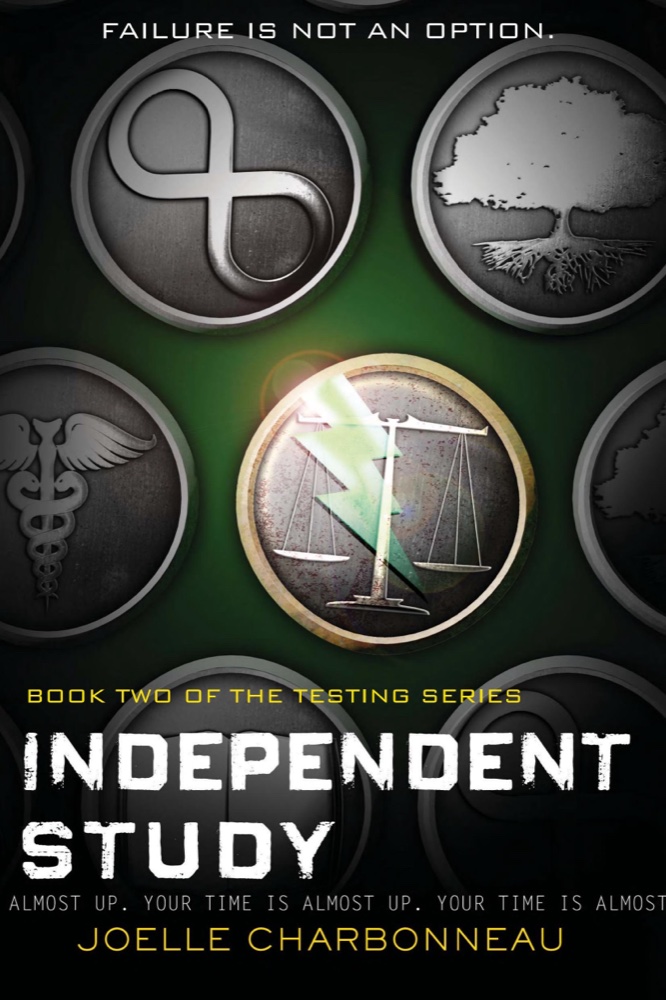 Independent Study