 Gathering Moss: A Natural and Cultural History of Mosses
Quotes from the Book
We live in the empiricist’s nightmare: there is a reality far beyond our perception. Our senses have failed us for millennia. Only when we mastered glass and were able to produce clear, polished lenses were we able to gaze through a microscope and finally realize the enormity of our former ignorance.
The fading dawn colors revive momentarily, and the sky shines with lilac and daffodil, layering colors in clouds like quilts stacked on a bed. More birds chime into the morning air: a nuthatch’s nasal onk joins the crow’s croak and a black-throated green warbler’s murmur from the branches above the mandala. As the colors finally fade under the fierce gaze of their mother, the sun, a wood thrush caps the dawn chorus with his astounding song. The song seems to pierce through from another world, carrying with it clarity and ease, purifying me for a few moments with its grace. Then the song is gone, the veil closes, and I am left with embers of memory.
The sun is origin of both the dawn’s light and birds’ morning songs. The glow on the horizon is light filtered through our atmosphere; the music in the air is the sun’s energy filtered through the plants and animals that powered the singing birds. The enchantment of an April sunrise is a web of flowing energy. The web is anchored at one end by matter turned to energy in the sun and at the other end by energy turned to beauty in our consciousness. April 22nd—Walking Seeds The springtime flush of flowers is over.
To love nature and to hate humanity is illogical. Humanity is part of the whole. To truly love the world is also to love human ingenuity and playfulness. Nature does not need to be cleansed of human artifacts to be beautiful or coherent. Yes, we should be less greedy, untidy, wasteful, and shortsighted. But let us not turn responsibility into self-hatred. Our biggest failing is, after all, lack of compassion for the world. Including ourselves.
We crave rich variegations of light. Too much time in one ambience, and we long for something new. Perhaps this explains the sensory ennui of those who live under unchanging skies. The monotony of blank sunny skies or of an endless cloud ceiling deprives us of the visual diversity we desire.
Wild animals enjoying one another and taking pleasure in their world is so immediate and so real, yet this reality is utterly absent from textbooks and academic papers about animals and ecology. There is a truth revealed here, absurd in its simplicity. This insight is not that science is wrong or bad. On the contrary: science, done well, deepens our intimacy with the world. But there is a danger in an exclusively scientific way of thinking. The forest is turned into a diagram; animals become mere mechanisms; nature's workings become clever graphs. Today's conviviality of squirrels seems a refutation of such narrowness. Nature is not a machine. These animals feel. They are alive; they are our cousins, with the shared experience kinship implies. And they appear to enjoy the sun, a phenomenon that occurs nowhere in the curriculum of modern biology. Sadly, modern science is too often unable or unwilling to visualize or feel what others experience. Certainly science's "objective" gambit can be helpful in understanding parts of nature and in freeing us from some cultural preconceptions. Our modern scientific taste for dispassion when analyzing animal behaviour formed in reaction to the Victorian naturalists and their predecessors who saw all nature as an allegory confirming their cultural values. But a gambit is just an opening move, not a coherent vision of the whole game. Science's objectivity sheds some assumptions but takes on others that, dressed up in academic rigor, can produce hubris and callousness about the world. The danger comes when we confuse the limited scope of our scientific methods with the true scope of the world. It may be useful or expedient to describe nature as a flow diagram or an animal as a machine, but such utility should not be confused with a confirmation that our limited assumptions reflect the shape of the world. Not coincidentally, the hubris of narrowly applied science serves the needs of the industrial economy. Machines are bought, sold, and discarded; joyful cousins are not. Two days ago, on Christmas Eve, the U.S. Forest Service opened to commercial logging three hundred thousand acres of old growth in the Tongass National Forest, more than a billion square-meter mandalas. Arrows moved on a flowchart, graphs of quantified timber shifted. Modern forest science integrated seamlessly with global commodity markets—language and values needed no translation. Scientific models and metaphors of machines are helpful but limited. They cannot tell us all that we need to know. What lies beyond the theories we impose on nature? This year I have tried to put down scientific tools and to listen: to come to nature without a hypothesis, without a scheme for data extraction, without a lesson plan to convey answers to students, without machines or probes. I have glimpsed how rich science is but simultaneously how limited in scope and in spirit. It is unfortunate that the practice of listening generally has no place in the formal training of scientists. In this absence science needlessly fails. We are poorer for this, and possibly more hurtful. What Christmas Eve gifts might a listening culture give its forests? What was the insight that brushed past me as the squirrels basked? It was not to turn away from science. My experience of animals is richer for knowing their stories, and science is a powerful way to deepen this understanding. Rather, I realized that all stories are partly wrapped in fiction—the fiction of simplifying assumptions, of cultural myopia and of storytellers' pride. I learned to revel in the stories but not to mistake them for the bright, ineffable nature of the world.
5
Whatever the particularities of their history, these fallen trees have now started the next part of their journey through the ecology of this old-growth forest. Fungi, salamanders, and thousands of species of invertebrates will thrive in and under the rotting trunks. At least half a tree's contribution to the fabric of life comes after its death, so one measure of a vitality of a forest ecosystem is the density of tree carcasses. You're in a great forest if you cannot pick out a straight-line path through fallen limbs and trunks. A bare forest floor is a sign of ill health.
3
To forestall the riot of electrons, evergreens prepare for winter by stocking their cells with chemicals that intercept and neutralize the unwanted electron energy. We know these chemicals as vitamins, particularly vitamins C and E. Native Americans also knew this and chewed winter evergreens to keep healthy through the winter.
2
Lao Tzu reminds us: “Grass and trees are pliant and fragile when living, but dried and shriveled when dead. Thus the hard and strong are the comrades of death; the supple and the weak are the comrades of life. A weapon when strong is destroyed; a tree when strong is felled.
1
bacterium. The fungus spreads the strands of its body over the ground and provides a welcoming bed. The alga or bacterium nestles inside these strands and uses the sun’s energy to assemble sugar and other nutritious molecules. As in any marriage, both partners are changed by their union. The fungus body spreads out, turning itself into a structure similar to a tree leaf: a protective upper crust, a layer for the light-capturing algae, and tiny pores for breathing. The algal partner loses its cell wall, surrenders protection to the fungus, and gives up sexual activities in favor of faster but less genetically exciting self-cloning.
1
Because the Richter scale is logarithmic, the actual amount of energy contained in an earthquake increases exponentially with the numbers on the scale.
sleep. New York City decided to protect the Catskill Mountains rather than pay for a man-made water purification plant. The millions of mossy mandalas in the Catskills were cheaper than a technological “solution.” In some watersheds in Costa Rica, downstream water users pay upstream forest owners for the service provided by the forested land. Thus the human economy becomes modeled on the reality of the natural economy, and the incentive to tear up the forest is reduced.
conform to the desires of human commodity markets, so the rumen’s balance is the bane of industrial agriculture. When cows are taken from pasture and suddenly confined to feedlots to be fattened on corn, they must be medicated to pacify the rumen community. Only by stamping down the microbial helpers can we try to impose our will on the cow’s flesh. Fifty-five million years of rumen design versus fifty years of industrial agriculture: we face questionable odds.
Native Americans also knew this and chewed winter evergreens to keep healthy through the winter.
shock of separateness flooded me with relief. The world does not center on me or on my species. The causal center of the natural world is a place that humans had no part in making. Life transcends us. It directs our gaze outward. I felt both humbled and uplifted by the woodpecker’s flight.
All this impressive physiology produces more than mere flight. The hawk dances on air. In just ten seconds, she stopped a rapid dive, rose vertically while turning, swept in a new direction, flapped upward, and curved into a rising arc, ending with a stall that parked her feet directly over a maple branch. The precision and beauty of bird flight is so familiar that our wonder is jaded. We should be frozen in amazement at the cardinal landing on the feeder or the sparrow banking around cars in a parking lot. Instead, we walk by as if an animal pirouetting on air were unremarkable, even mundane. The hawk's dramatic rise over the mandala's center jolts me out of dullness, pulling away the blinding layers of familiarity.
· · · Taoist union. Farmer’s dependence. Alexandrian pillage. Relationships in the mandala come in multifarious, blended hues. The line between bandit and honest citizen is not as easily drawn as it first seems. Indeed, evolution has drawn no line. All life melds plunder and solidarity. Parasitic brigands are nourished by cooperative mitochondria within. Algae suffuse emerald from ancient bacteria and surrender inside gray fungal walls. Even the chemical ground of life, DNA, is a maypole of color, a Gordian knot of relationships.
Watch on YouTube
About David George Haskell
We have collected 17 quotes from 1 book by David George Haskell on BookQuoters.
More about the author →Book details
- First published
- 2012
- Author
- David George Haskell
- Genre
- Nonfiction
- Goodreads rating
- 4.24 (4k ratings)
Keep reading
Gathering Moss: A Natural and Cultural History of Mosses
 The Overstory
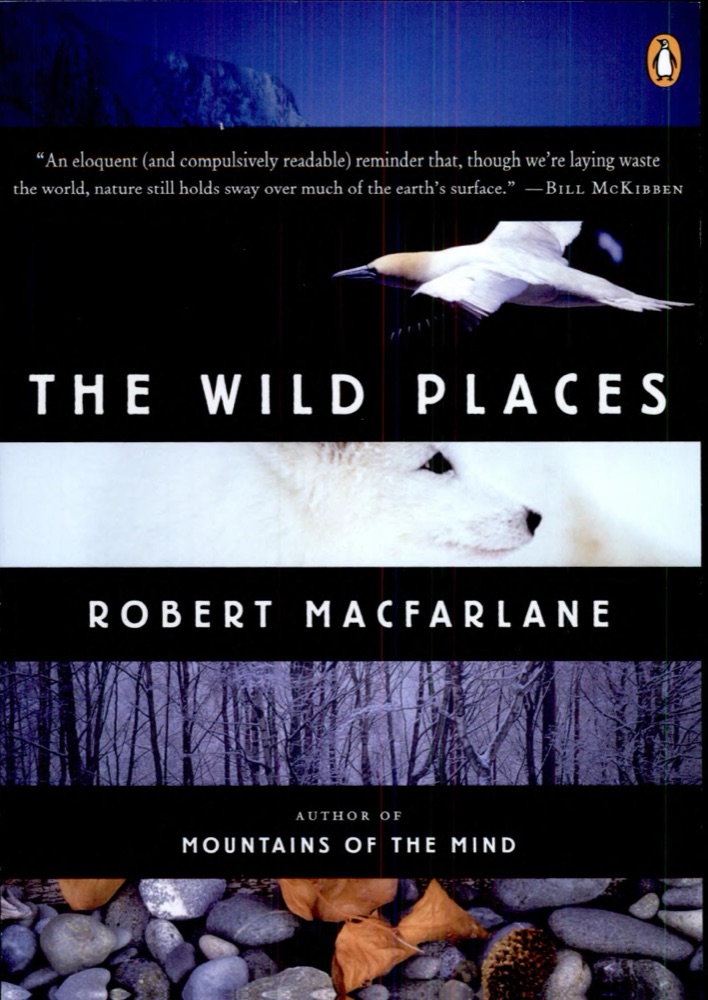 The Wild Places
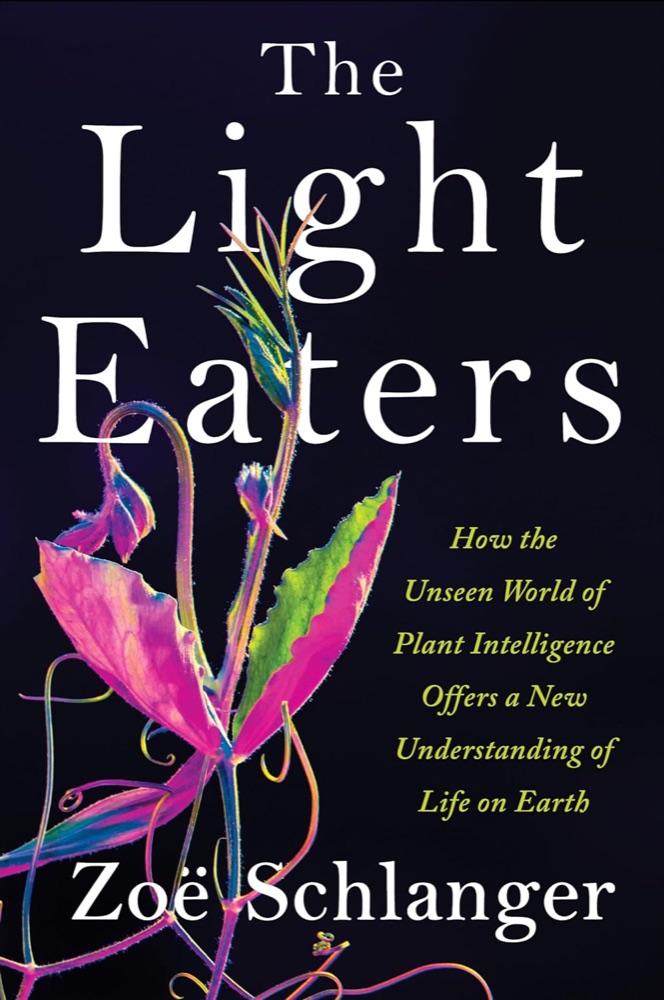 The Light Eaters: How the Unseen World of Plant Intelligence Offers a New Understanding of Life on Earth
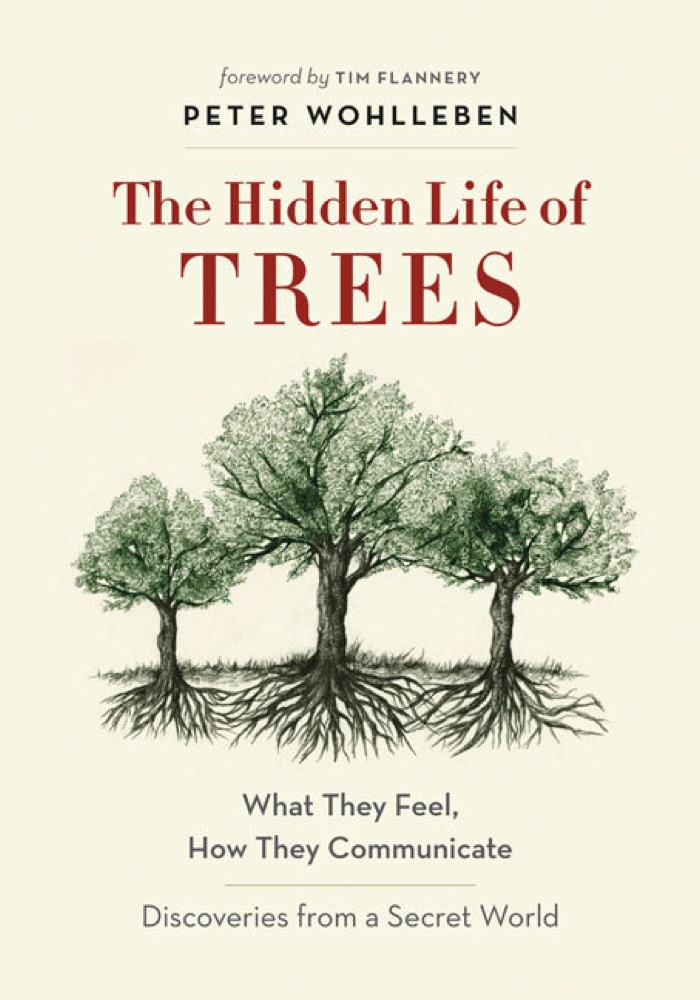 The Hidden Life of Trees: What They Feel, How They Communicate: Discoveries from a Secret World
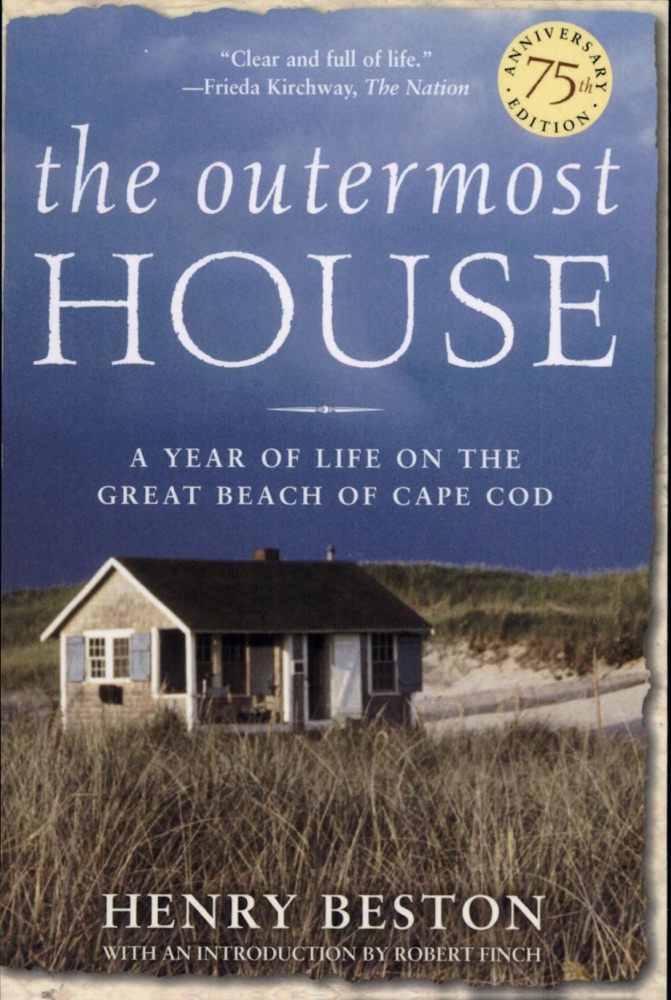 The Outermost House: A Year of Life on the Great Beach of Cape Cod
 Vanishing Treasures: A Bestiary of Extraordinary Endangered Creatures
 The Lives of a Cell: Notes of a Biology Watcher
 The Botany of Desire: A Plant's-Eye View of the World
 The Eagle Tree
 Feral: Rewilding the Land, the Sea and Human Life
 Arctic Dreams
 The Nature Fix: Why Nature Makes Us Happier, Healthier, and More Creative
 A Life on Our Planet: My Witness Statement and a Vision for the Future
 Diary of a Young Naturalist
 Vesper Flights
 Underland: A Deep Time Journey
 The Spell of the Sensuous: Perception and Language in a More-Than-Human World
 Wilding
 Mother of God: An Extraordinary Journey into the Uncharted Tributaries of the Western Amazon
 Shadows of Forgotten Ancestors
 Semiosis
 The World Without Us
 A Natural History of the Senses
 The Snow Leopard
 Split Tooth
 Silent Spring
 An Immense World: How Animal Senses Reveal the Hidden Realms Around Us
 The One-Straw Revolution
 The Sun is a Compass: A 4,000-Mile Journey into the Alaskan Wilds
 Field Guide to the Haunted Forest
 The Fifth Science
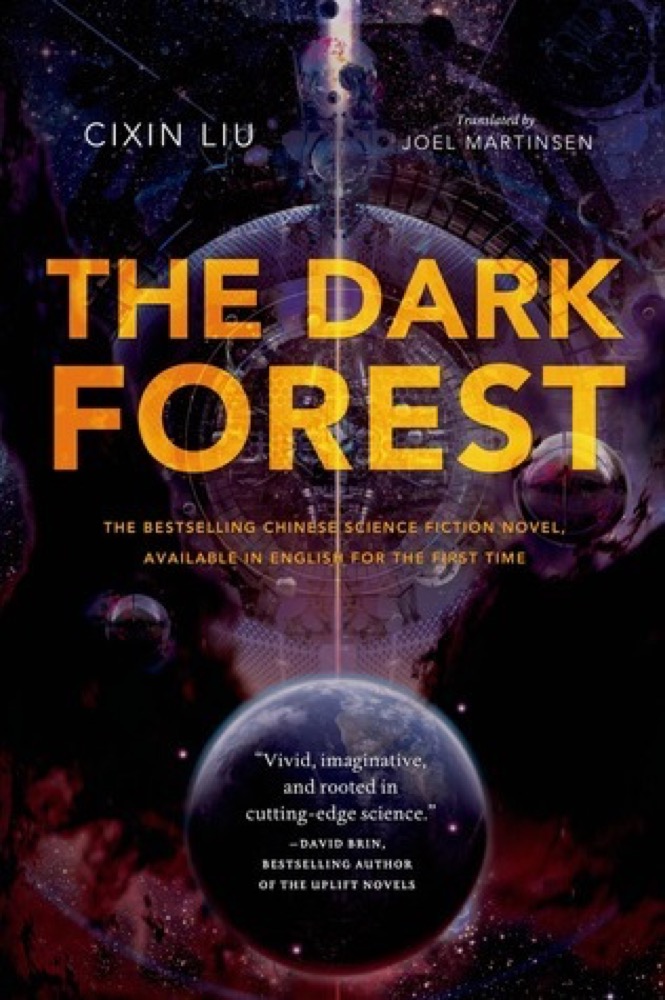 The Dark Forest
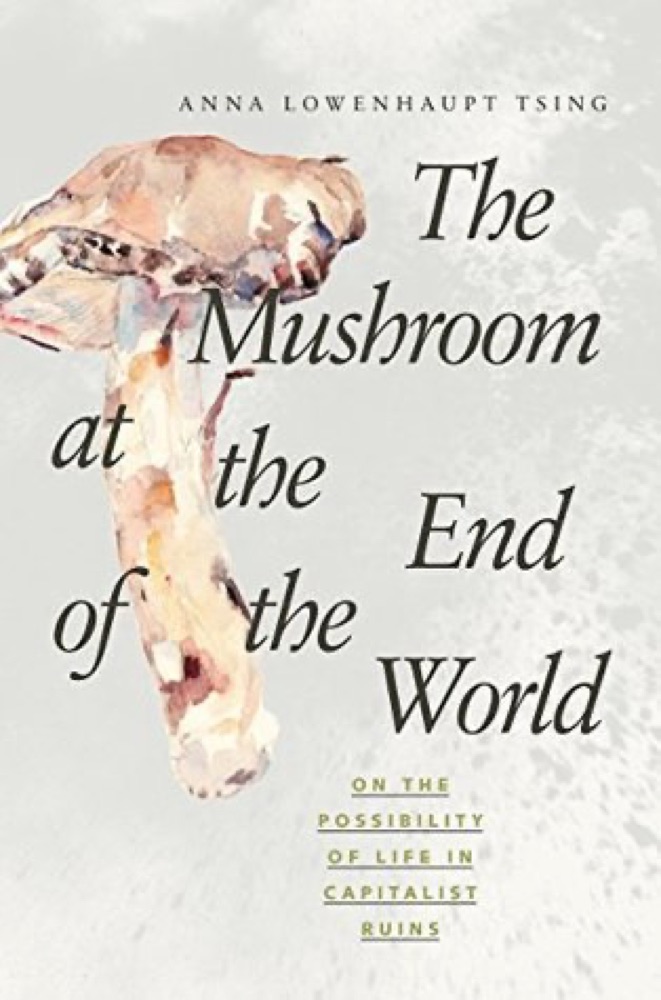 The Mushroom at the End of the World: On the Possibility of Life in Capitalist Ruins
 All We Can Save: Truth, Courage, and Solutions for the Climate Crisis
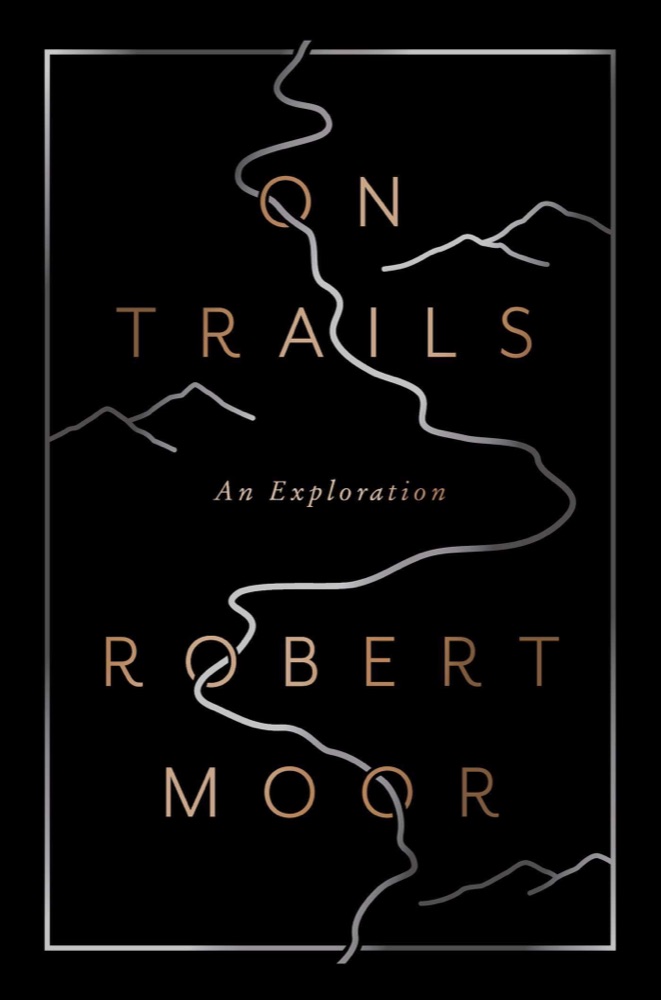 On Trails: An Exploration
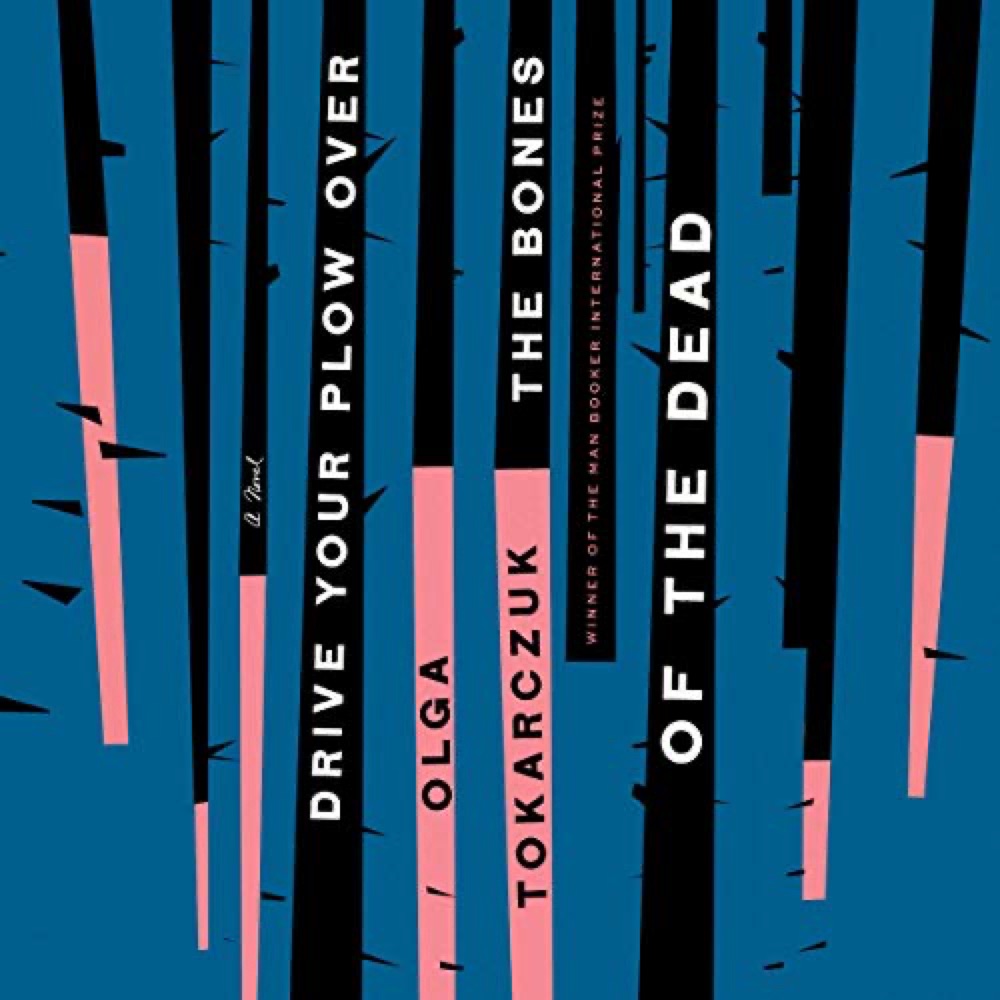 Drive Your Plow Over the Bones of the Dead
 The Log from the Sea of Cortez
 The Big Picture: On the Origins of Life, Meaning, and the Universe Itself
 The Accidental Universe: The World You Thought You Knew
 Why Fish Don’t Exist: A Story of Loss, Love, and the Hidden Order of Life
 The Extinction of Irena Rey
 Regenesis: Feeding the World Without Devouring the Planet
 The Song of the Cell: An Exploration of Medicine and the New Human
 The Secret Life of Plants: A Fascinating Account of the Physical, Emotional and Spiritual Relations Between Plants and Man
 Martin Marten
 The Ancestor's Tale: A Pilgrimage to the Dawn of Evolution
 A Sand County Almanac and Sketches Here and There
 The Blind Watchmaker: Why the Evidence of Evolution Reveals a Universe Without Design
 Under a White Sky: The Nature of the Future
 Entangled Life: How Fungi Make Our Worlds, Change Our Minds & Shape Our Futures
 Until the End of Time: Mind, Matter, and Our Search for Meaning in an Evolving Universe
 The Last Days of the Dinosaurs: An Asteroid, Extinction, and the Beginning of Our World
 The Mountain in the Sea
 Genome
 Wild Ones: A Sometimes Dismaying, Weirdly Reassuring Story About Looking at People Looking at Animals in America
 2312
2312
 Desert Solitaire
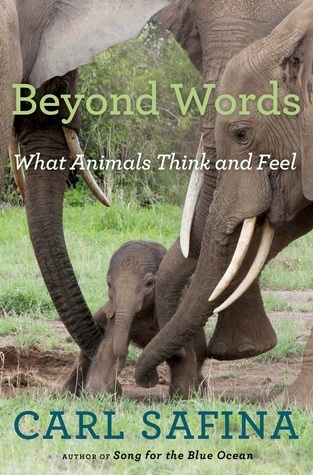 Beyond Words: What Animals Think and Feel