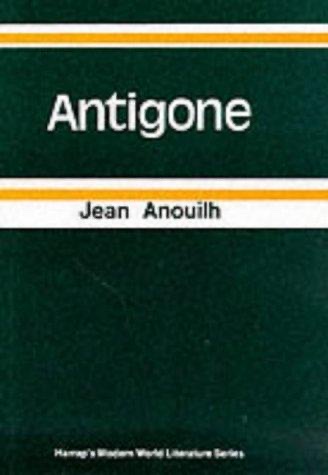
 Antigone
Quotes from the Book
You, you'll see no more the pain I suffered, all the pain I caused! Too long you looked on the ones you never should have seen, blind to the ones you longed to see, to know! Blind from this hour on! Blind in the darkness-blind!
ANTIGONE Yea, for these laws were not ordained of Zeus, And she who sits enthroned with gods below, Justice, enacted not these human laws. Nor did I deem that thou, a mortal man, Could’st by a breath annul and override The immutable unwritten laws of Heaven. They were not born today nor yesterday; They die not; and none knoweth whence they sprang. I was not like, who feared no mortal’s frown, To disobey these laws and so provoke The wrath of Heaven. I knew that I must die, E’en hadst thou not proclaimed it; and if death Is thereby hastened, I shall count it gain. For death is gain to him whose life, like mine, Is full of misery. Thus my lot appears Not sad, but blissful; for had I endured To leave my mother’s son unburied there, I should have grieved with reason, but not now. And if in this thou judgest me a fool, Methinks the judge of folly’s not acquit.
And now that Reason’s light returns, New sorrow in his spirit burns.
Therefore, while our eyes wait to see the destined final day, we must call no one happy who is of mortal race, until he has crossed life's border, free from pain.
O građani otadžbine Tebe, evo Edipa, znalca čudesne zagonetke i prvog čoveka, čiju sreću niko nije gledao bez zavisti! Gledajte u kakav ponor sudbe grozne pade on! Zato nikog, dan dok onaj poslednji ne dočeka, neću proslavljati kao srećna, pre no doplovi kraju veka svog a nikakav ne pogodi ga jad.
Watch on YouTube
About Sophocles
We have collected 137 quotes from 6 books by Sophocles on BookQuoters.
More about the author →More by Sophocles
All books by Sophocles →
Book details
- Author
- Sophocles
- Genre
- Fiction
- Goodreads rating
- 4.25 (6k ratings) →
Keep reading
 Electra
 A Season in Hell
 Paradise Lost
 Agamemnon
 The Oresteia
 Ajax
Ajax
 Inferno
 The Iliad
 Grief Lessons: Four Plays by Euripides
 Helvetti
 Paladin of Souls
 The Bonehunters
 The Crippled God
 The Man in the Iron Mask
 Hell
Hell
 Purgatorio
 Toll the Hounds
 The Return of the King
 The Winter King
 The Last Temptation of Christ
 The Aeneid
 The Warrior Prophet
 Murder in the Cathedral
 Mythology
 The Broken Kingdoms
 Farewell Waltz
 Night
Night
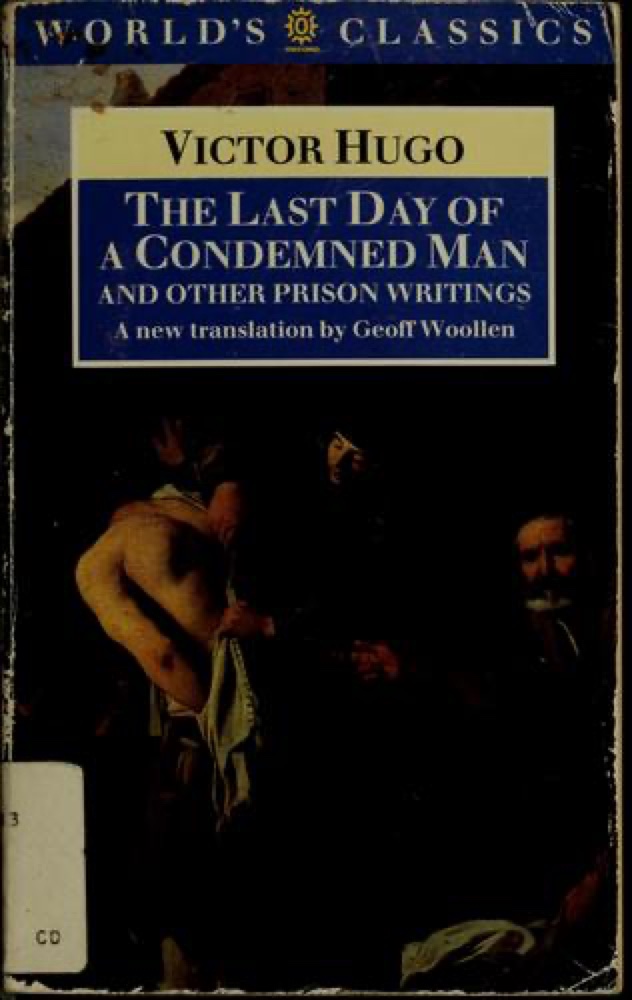 The Last Day of a Condemned Man
 Phantastes
 The Complete Stories and Poems
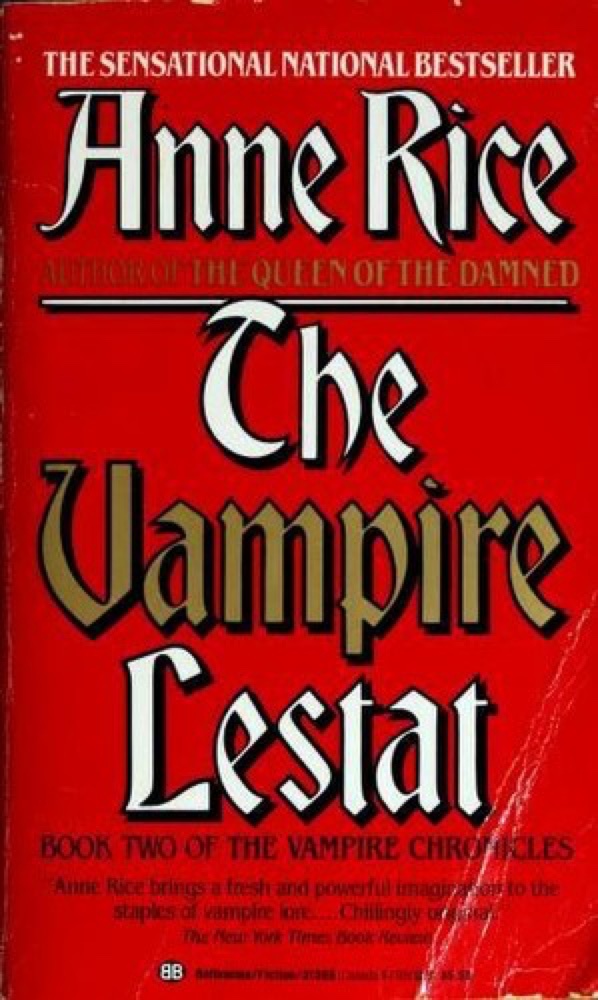 The Vampire Lestat
 The Treasured Writings of Kahlil Gibran
 Black Spring
 Selected Poems
 The Book of Job
 Resurrection
 Oblomov
 Prometheus Unbound
 The Spanish Tragedy
 Silence
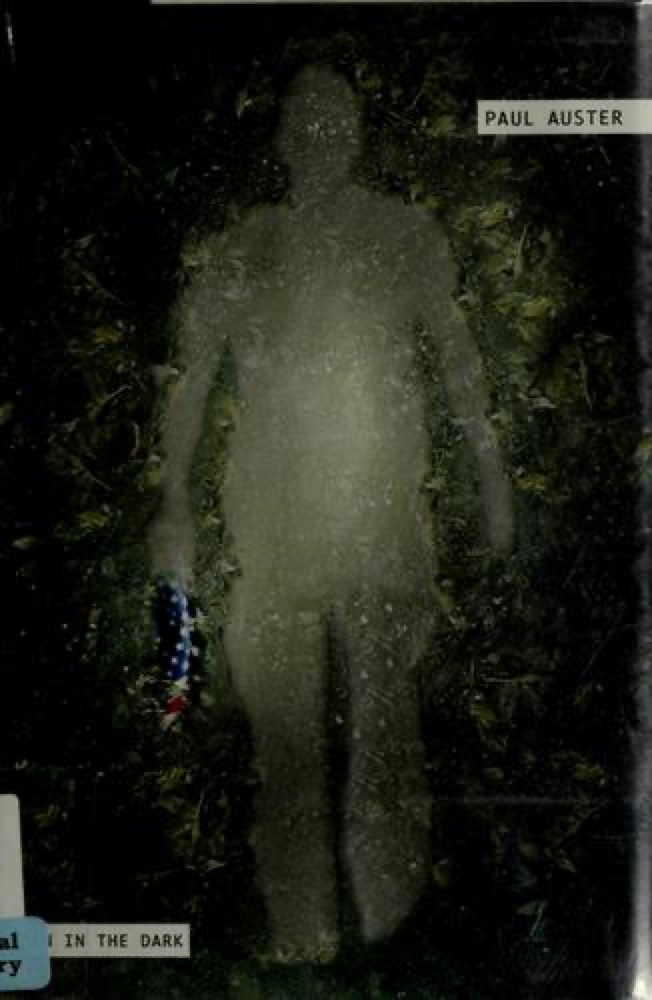 Man in the Dark
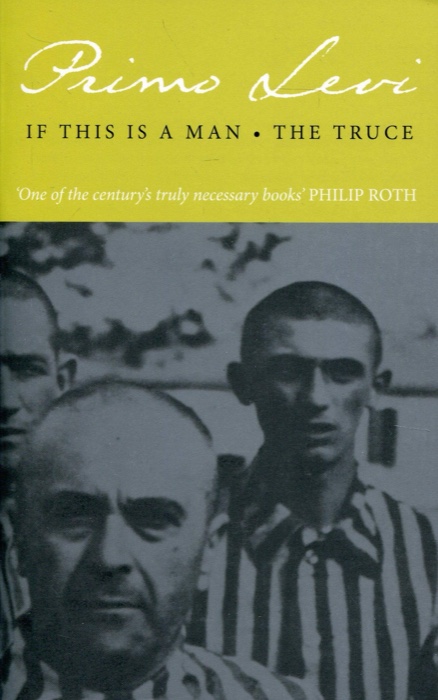 If This Is a Man / The Truce
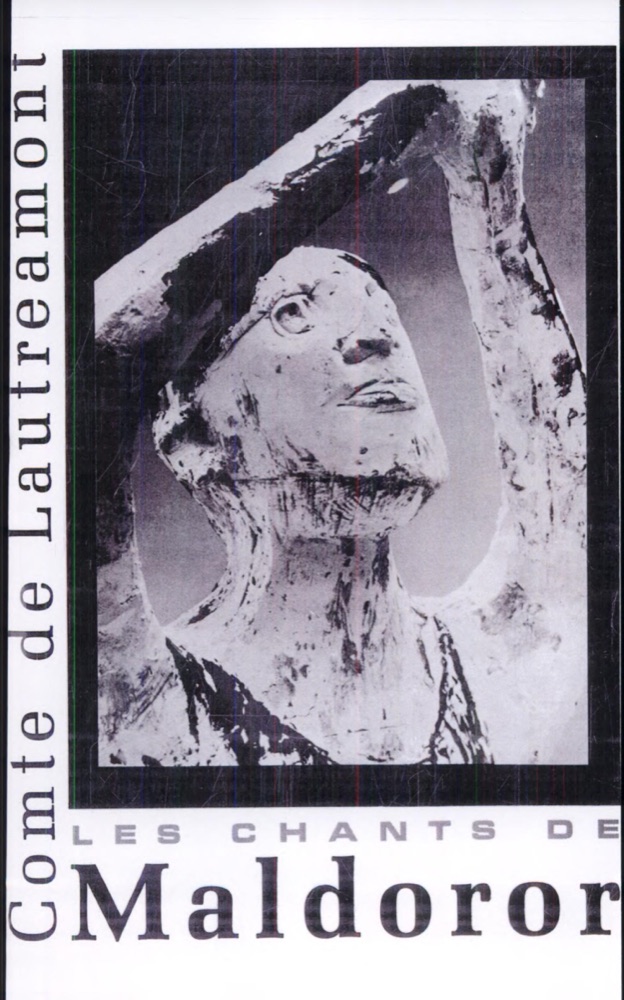 Les Chants de Maldoror
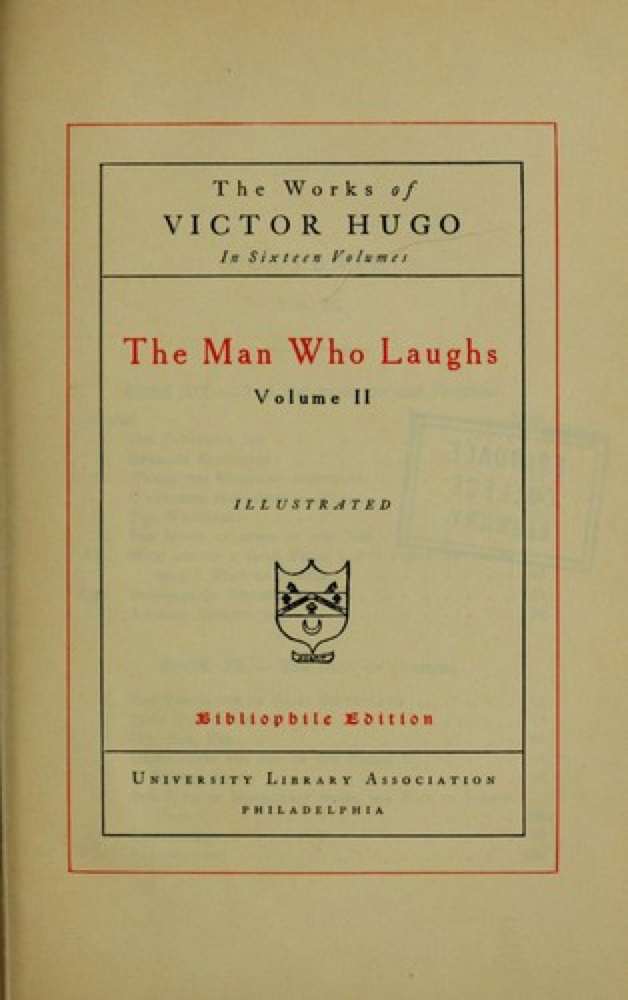 The Man Who Laughs
 Lord of Light
 Confessions
 Under the Volcano
 Macbeth
 Oedipus Rex
 The Book of the Dun Cow
 The Left Hand of God
 The Story of San Michele
 Unholy Night
 The King Must Die
 Lament for a Son
 Wide Sargasso Sea
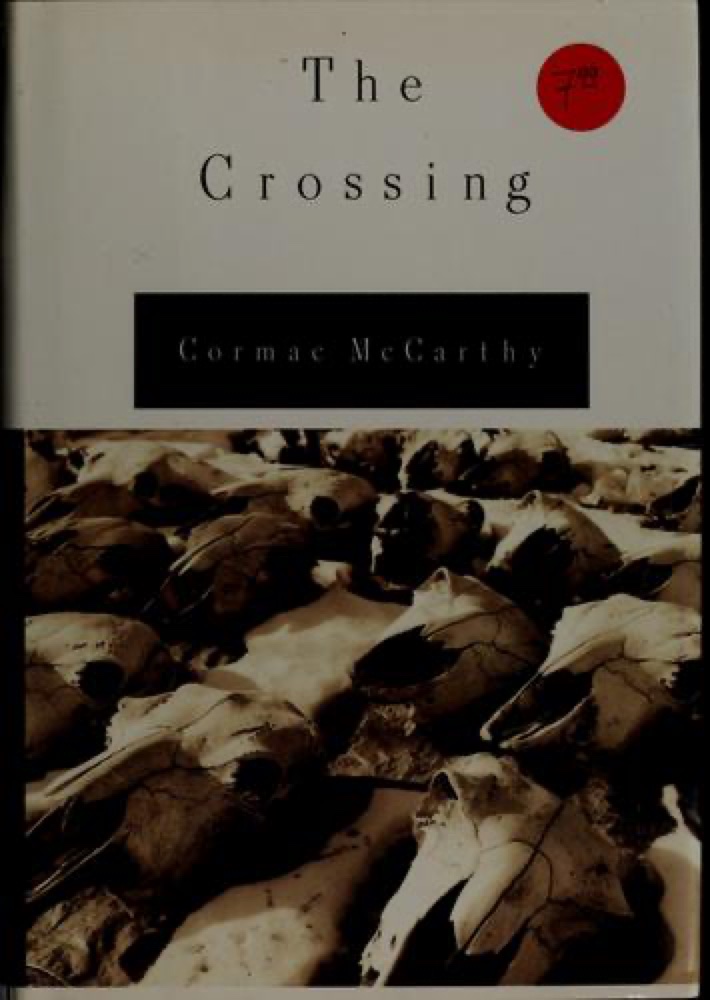 The Crossing
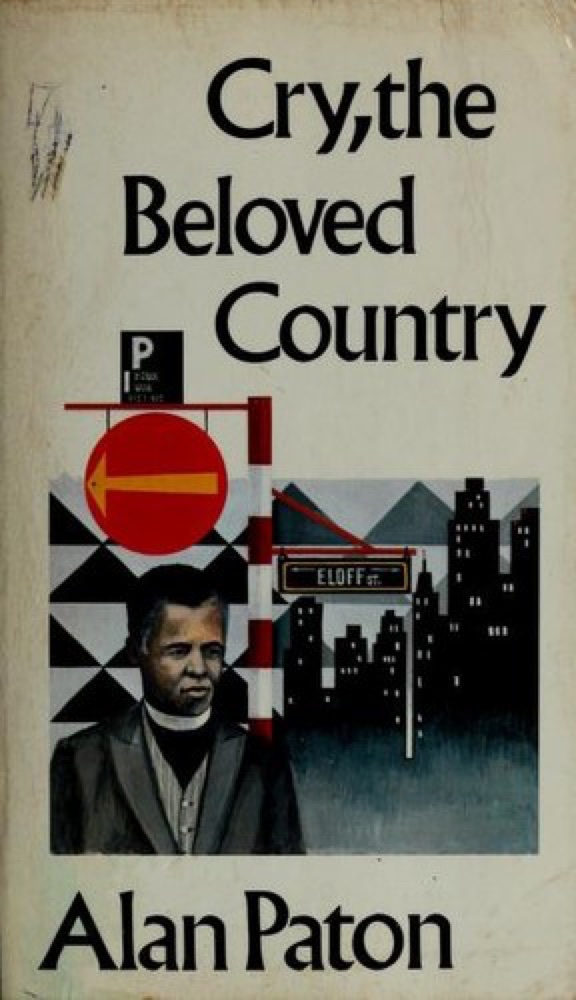 Cry, the Beloved Country
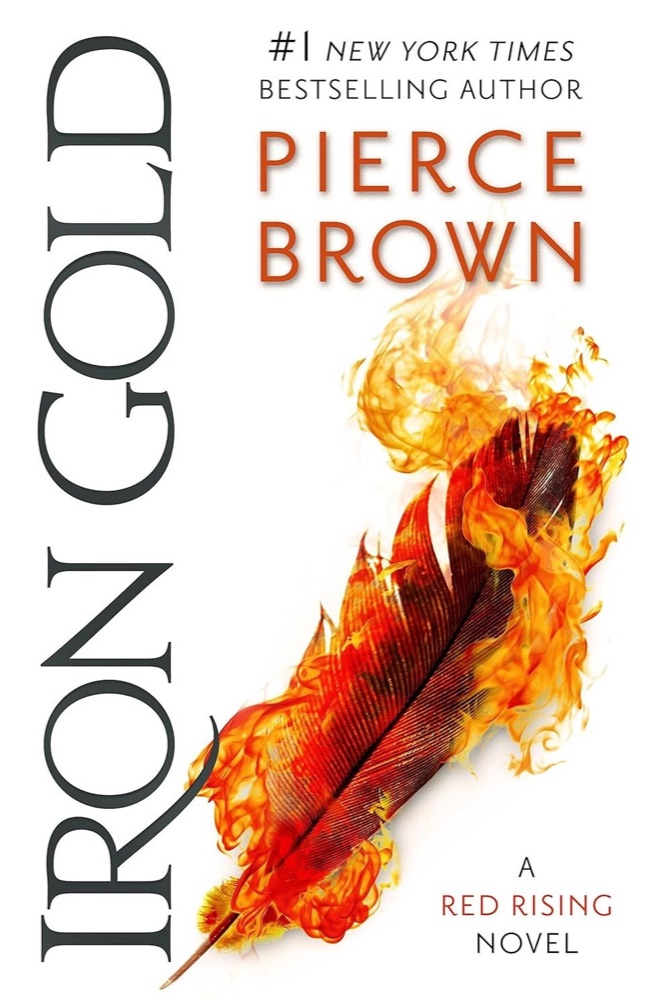 Iron Gold
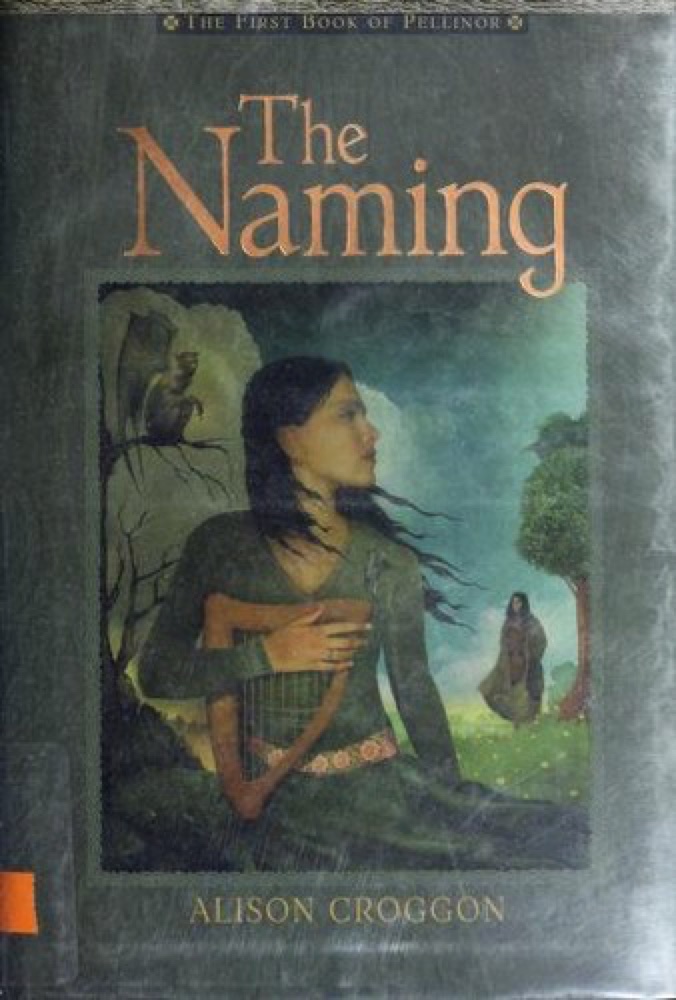 The Naming