
 Envy
Envy
Quotes from the Book
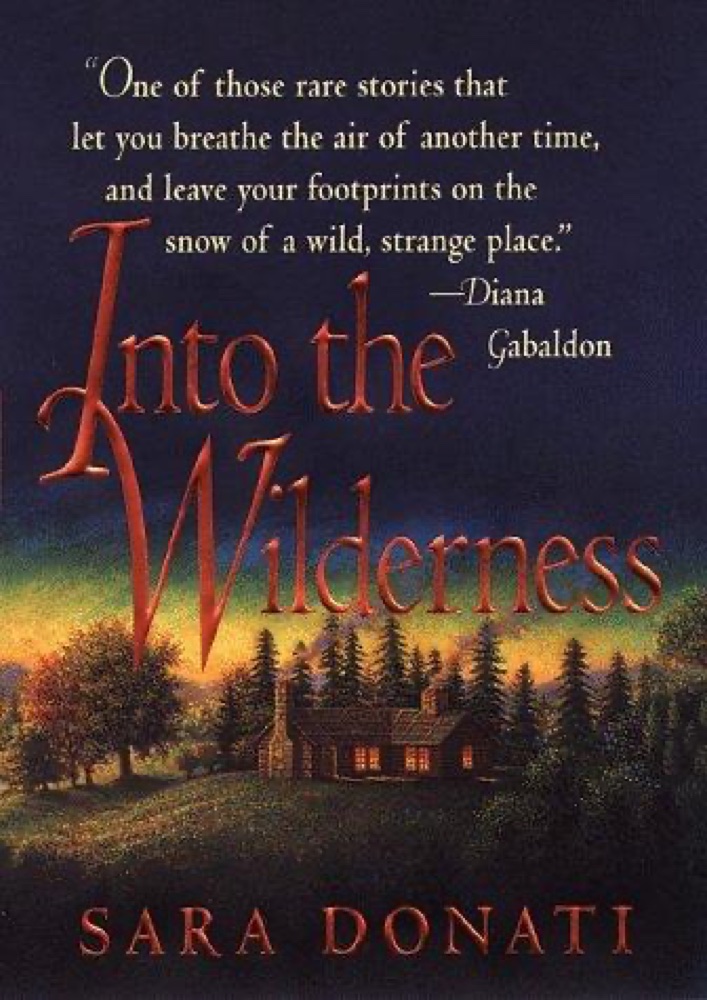
Elizabeth Middleton, twenty-nine years old and unmarried, overly educated and excessively rational, knowing right from wrong and fancy from fact, woke in a nest of marten and fox pelts to the sight of an eagle circling overhead, and saw at once that it could not be far to Paradise.
She wore her determination like war paint.
subject for discussion. What terrible messes we get ourselves into when we are silly enough to fall in love,
Very slowly Elizabeth leaned forward until her forehead rested on his shoulder, shuddering with pleasure and relief at the feel of him, at his smell.
Little girls are kept away from the things that would make them strong, in the name of protection and propriety.
The thrill of telling her true feelings without considering good manners or the propriety of what she had to say was intoxicating.
Watch on YouTube
About Sara Donati
We have collected 6 quotes from 1 book by Sara Donati on BookQuoters.
More about the author →Book details
- Author
- Sara Donati
- Genre
- Fiction
- Goodreads rating
- 4.12 (44k ratings) →
Keep reading
Envy
 The Portrait of a Lady
 The Lady Elizabeth
 The Wings of the Dove
 The Enchanted April
 Rumors
 The Awakening and Selected Stories
 The Beautiful Ones
 Under the Skin
 The Pilot's Wife
 Of Fire and Stars
 The Robber Bride
 Fairest
 North and South
 At the Water's Edge
 What It Means When a Man Falls from the Sky
 Tender Morsels
 Tithe
Tithe
 Small Pleasures
 The Sugar Queen
 Rebel Spring
 Salt Slow
 The House of Mirth
 Reckless
 The Mayor of Casterbridge
 The Girl Who Chased the Moon
 The Merchant's Daughter
 The Writing Desk
 Passenger
 On Chesil Beach
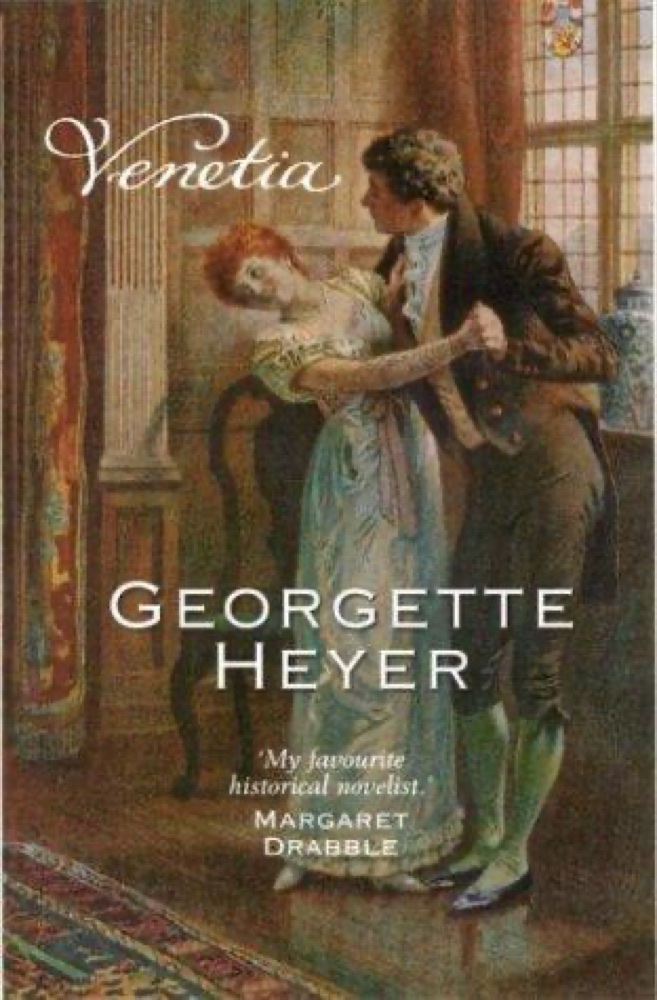 Venetia
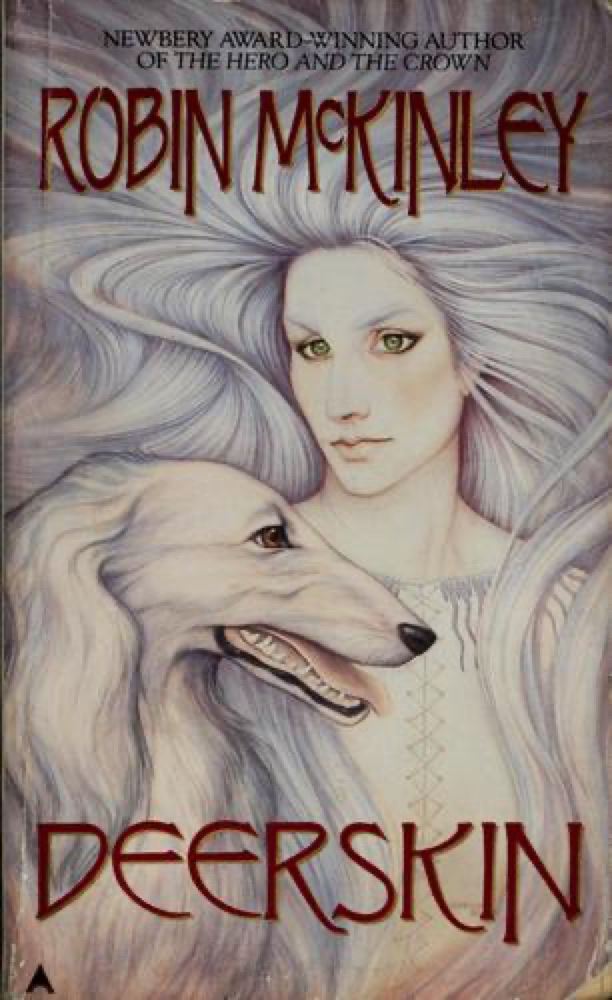 Deerskin
 The Vegetarian
 Renegade
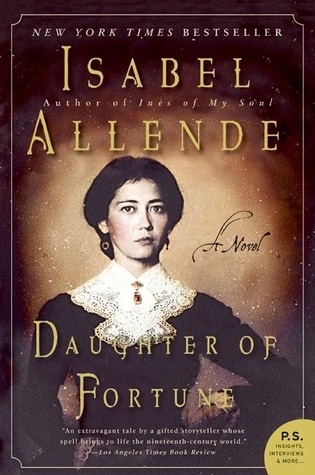 Daughter of Fortune
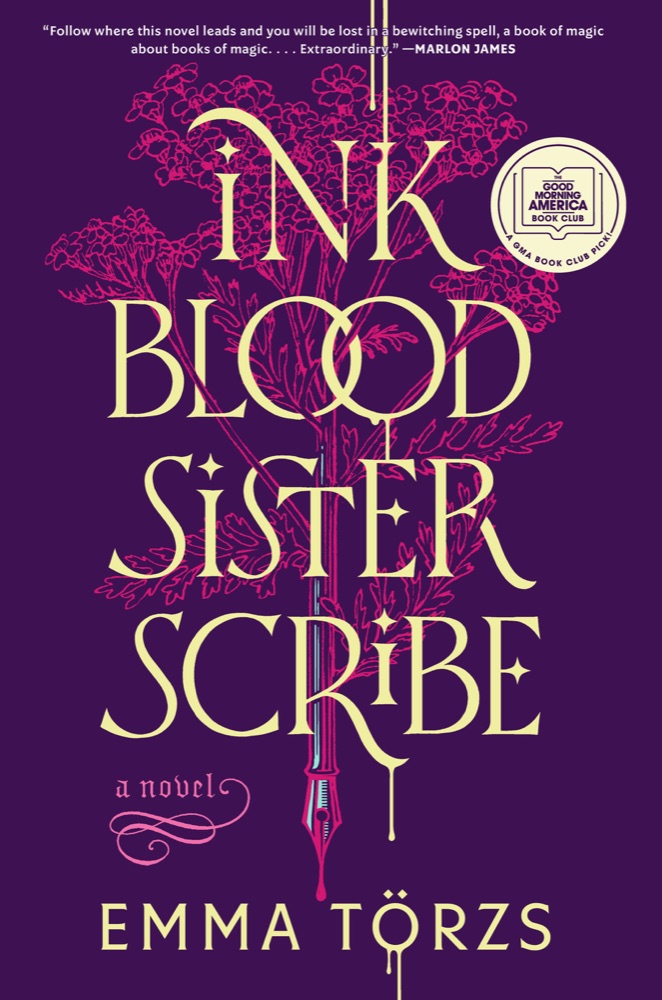 Ink Blood Sister Scribe
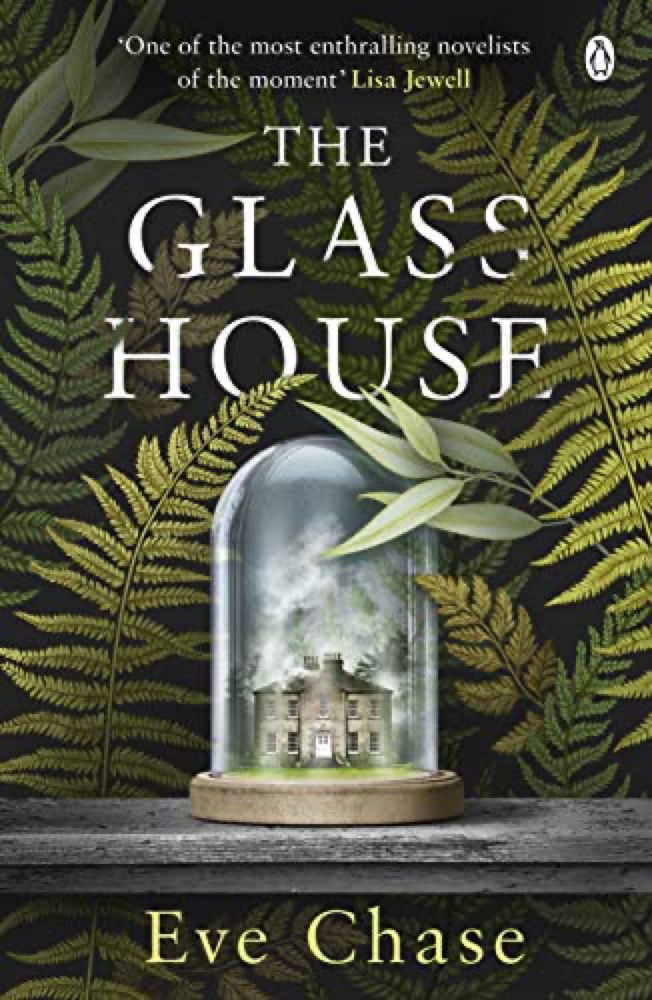 The Glass House
 After Leaving Mr. Mackenzie
 The Return of the Native
 Hild
Hild
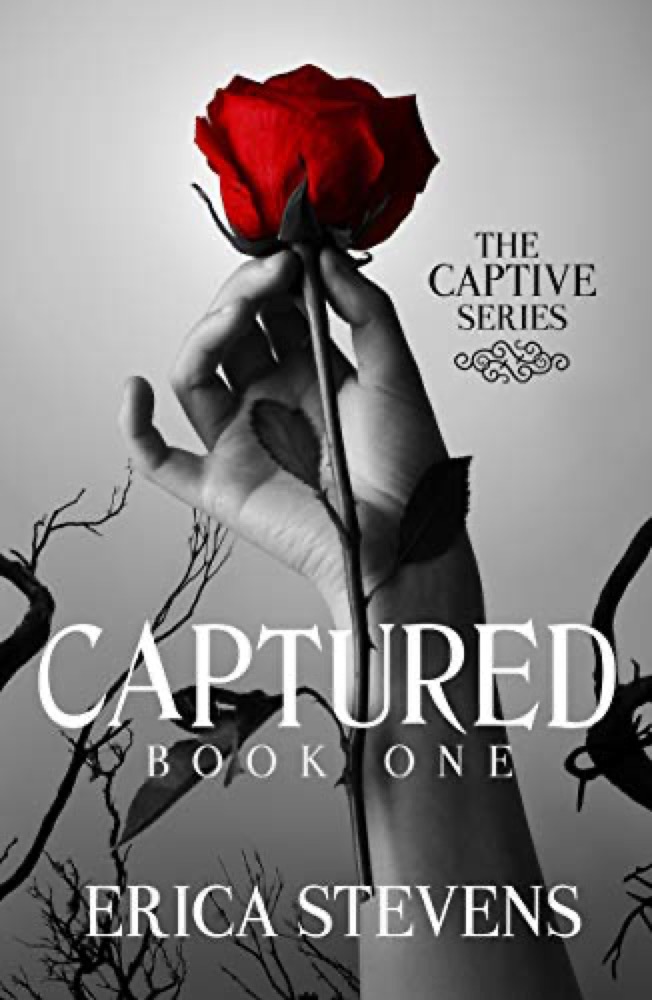 Captured
 Prodigal Summer
 The God of the Woods
 A Long Fatal Love Chase
 Fool Me Twice
 Falling into Place
 Slammerkin
 A Spy in the House of Love
 The Red Garden
 The Shell Seekers
 The Scarlet Letter
 Main Street
 The Scarlet Pimpernel
 The Awakening
 Intensity
 Oscar and Lucinda
 The Luxe
 Hateship, Friendship, Courtship, Loveship, Marriage: Stories
 Willful Creatures