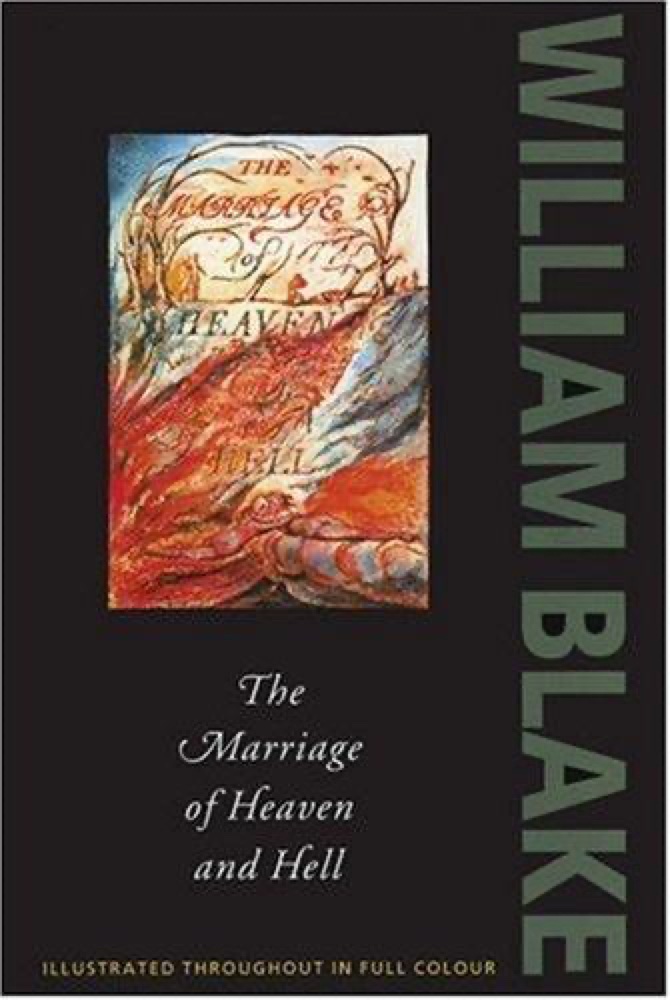
 The Marriage of Heaven and Hell
Quotes from the Book
none can desire what he has not perceiv'd.
He who sees the Infinite in all things sees God. He who sees the Ratio only sees himself only.
Man's desires are limited by his perceptions; none can desire what he has not perceiv'd.
And what shoulder, & what art, Could twist the sinews of thy heart? And when thy heart began to beat, What dread hand? & what dread feet? What the hammer? what the chain, In what furnace was thy brain? What the anvil? what dread grasp, Dare its deadly terrors clasp! When the stars threw down their spears And water'd heaven with their tears: Did he smile his work to see?
He who sees the Infinite in all things sees God. He who sees the Ratio only sees himself only. Therefore God becomes as we are, that we may be as he is.
VI. If any could desire what he is incapable of possessing, despair must be his eternal lot.
Watch on YouTube
About William Blake
We have collected 91 quotes from 6 books by William Blake on BookQuoters.
More about the author →More by William Blake
The Marriage of Heaven and Hell
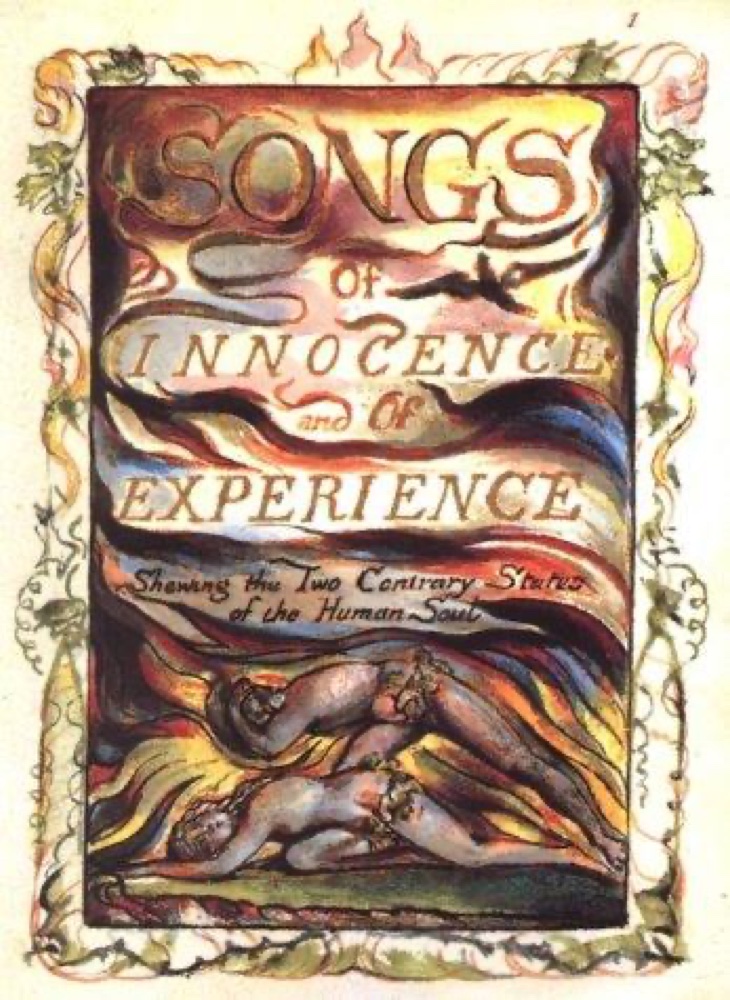 Songs of Innocence and of Experience
 The Complete Poems
 Auguries of Innocence
Book details
- Author
- William Blake
- Genre
- Classics
- Goodreads rating
- 4.38 (3k ratings) →
Keep reading
 The Agony and the Ecstasy
 The Upanishads
 Summa Theologica
 Ben-Hur: A Tale of the Christ
 The Book of Mirdad: The Strange Story of a Monastery Which Was Once Called the Ark
 Complete Works of Swami Vivekananda, 9 Vols.
 The Imitation of Christ
 Complete Works
 The Great Divorce
 The Portable Nietzsche
 A Separate Reality
 The Knowledge of the Holy
 Twilight of the Idols/The Anti-Christ
The Marriage of Heaven and Hell
Twilight of the Idols/The Anti-Christ
The Marriage of Heaven and Hell
 City of God
 The World as Will and Representation, Vol 1
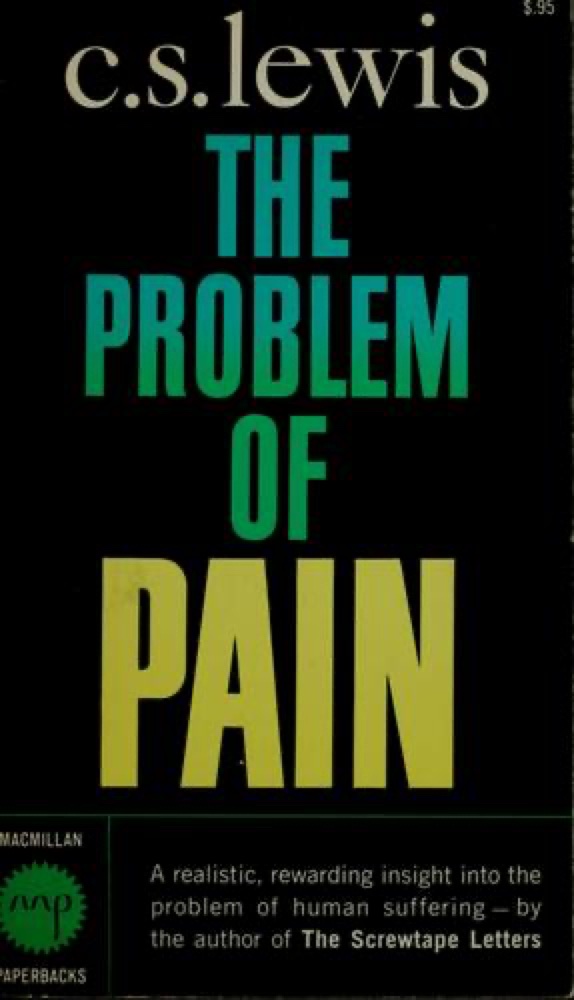 The Problem of Pain
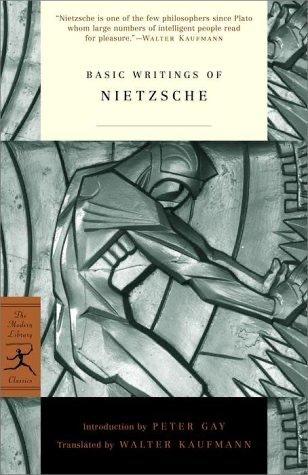 Basic Writings of Nietzsche
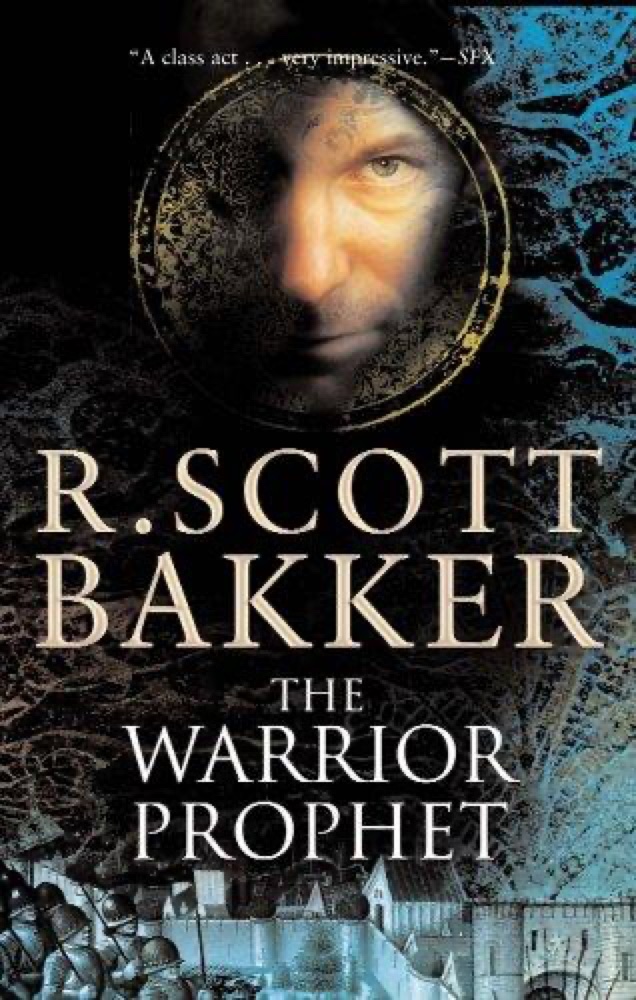 The Warrior Prophet
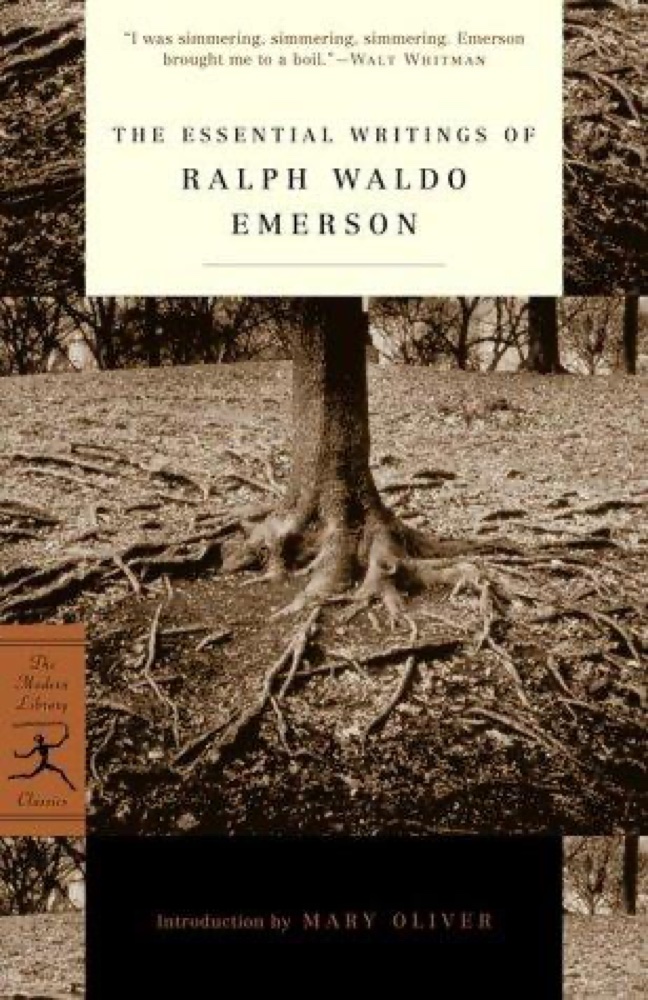 The Essential Writings of Ralph Waldo Emerson
 Works of Love
 Phaedrus
 Fear and Trembling
 The Sickness Unto Death: A Christian Psychological Exposition for Upbuilding and Awakening
 On Christian Doctrine
 Reflections on the Psalms
 Pierre: or, the Ambiguities
 The Game of Life and How to Play It
 The Thousandfold Thought
 The Attributes of God
 Demons
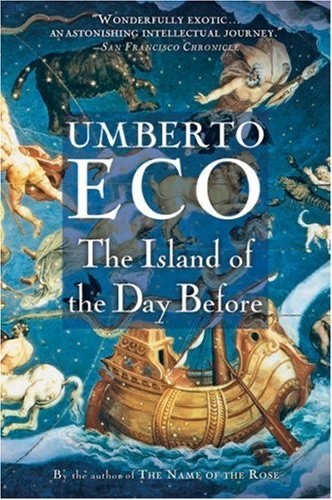 The Island of the Day Before
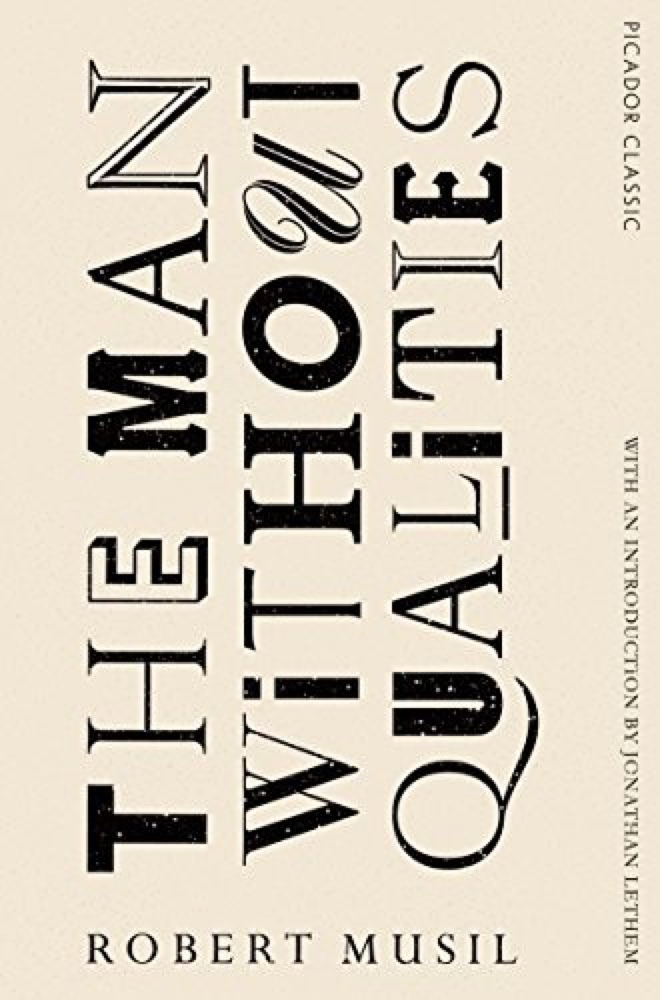 The Man Without Qualities
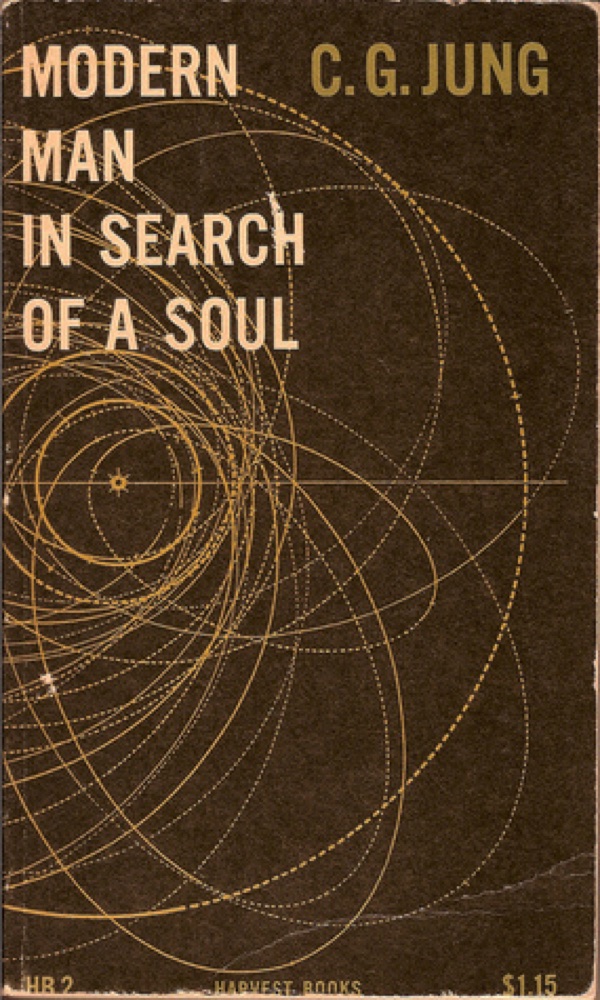 Modern Man in Search of a Soul
 Institutes of the Christian Religion, 2 Vols
 The Journeyer
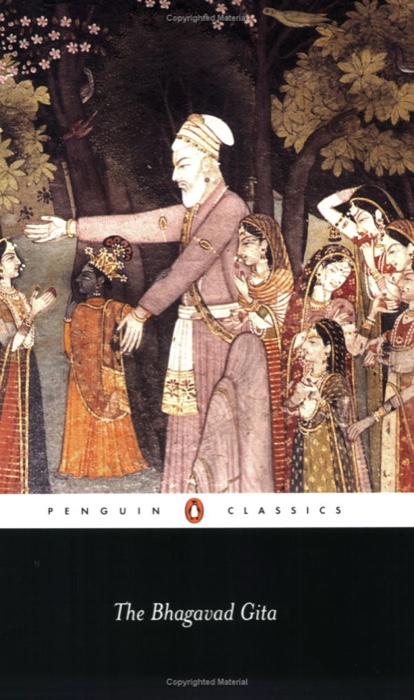 The Bhagavad Gita
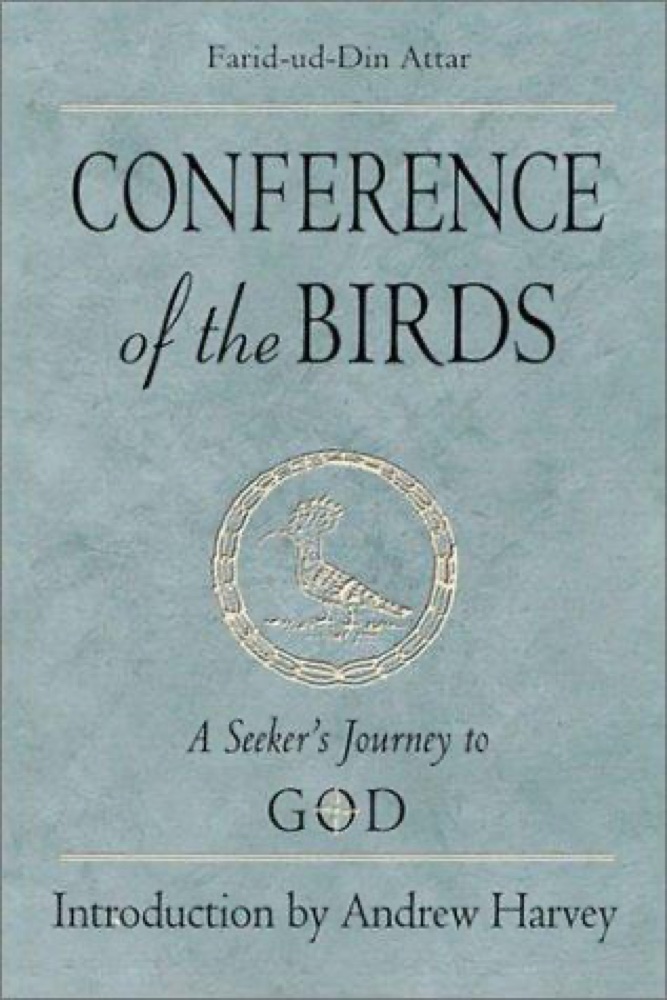 The Conference of the Birds
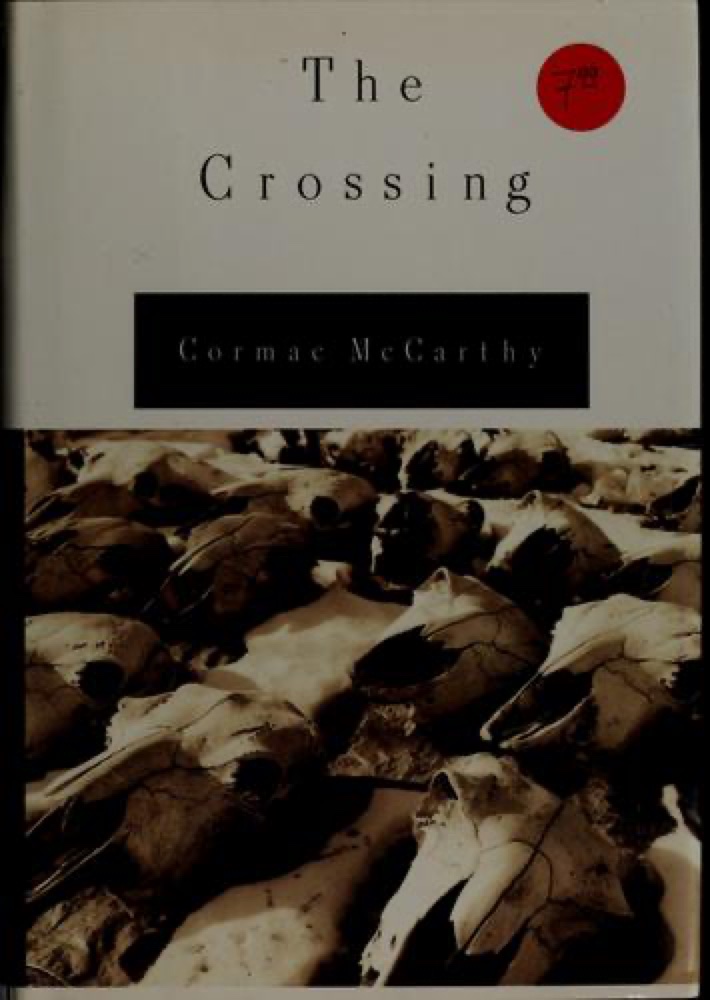 The Crossing
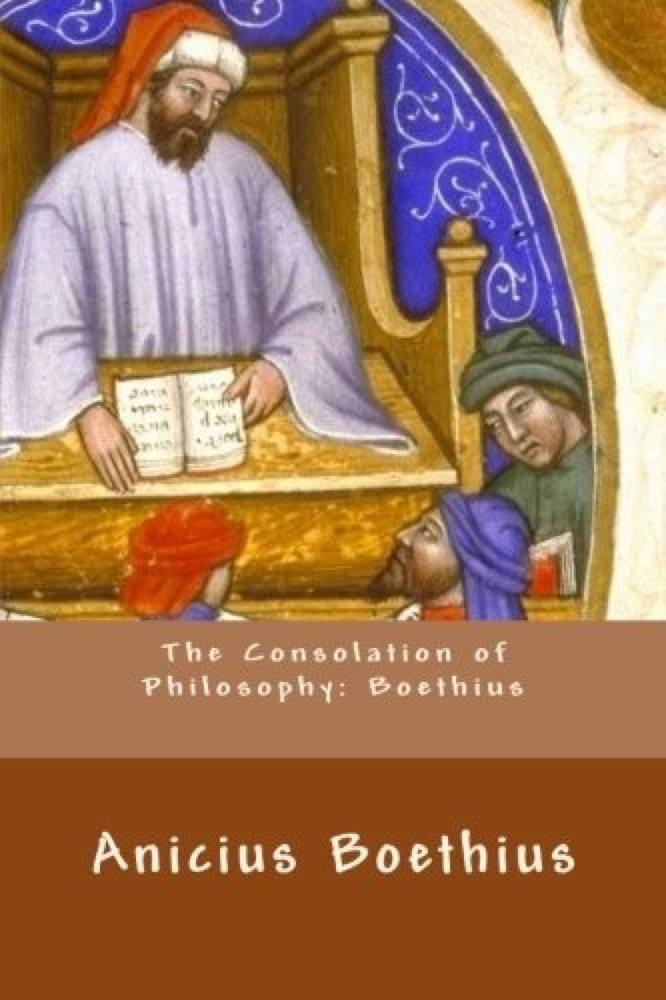 The Consolation of Philosophy
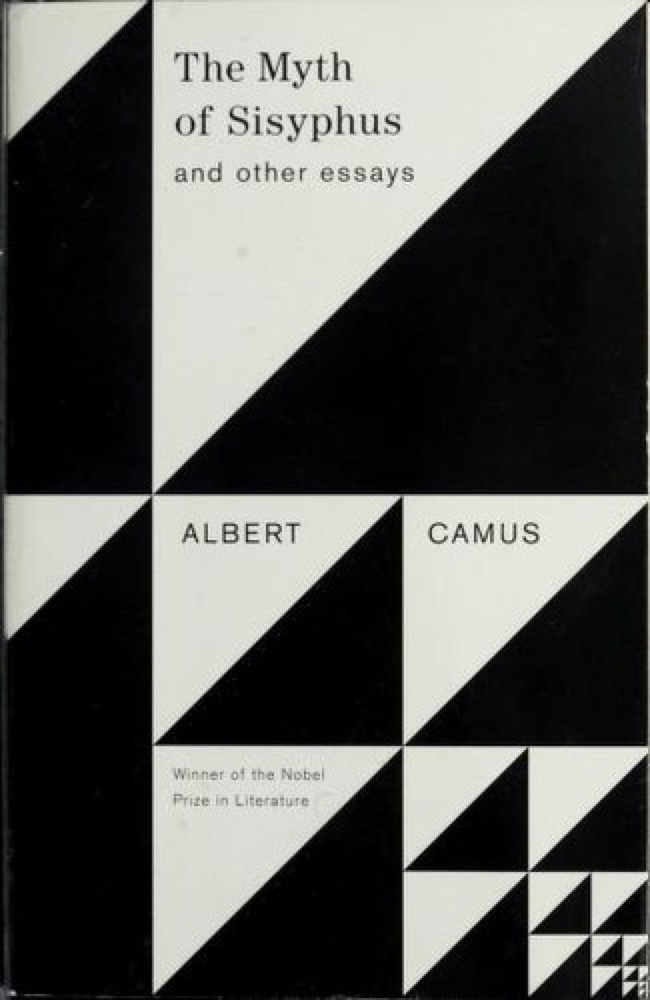 The Myth of Sisyphus and Other Essays
 As a Man Thinketh
 Siddhartha
 Bhagavad-Gita As It Is
 The Everlasting Man
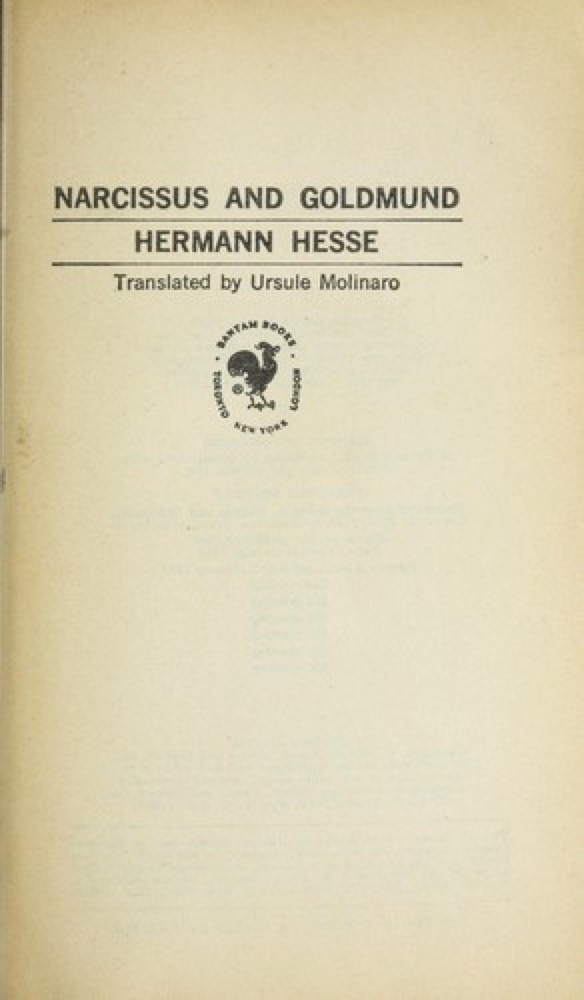 Narcissus and Goldmund
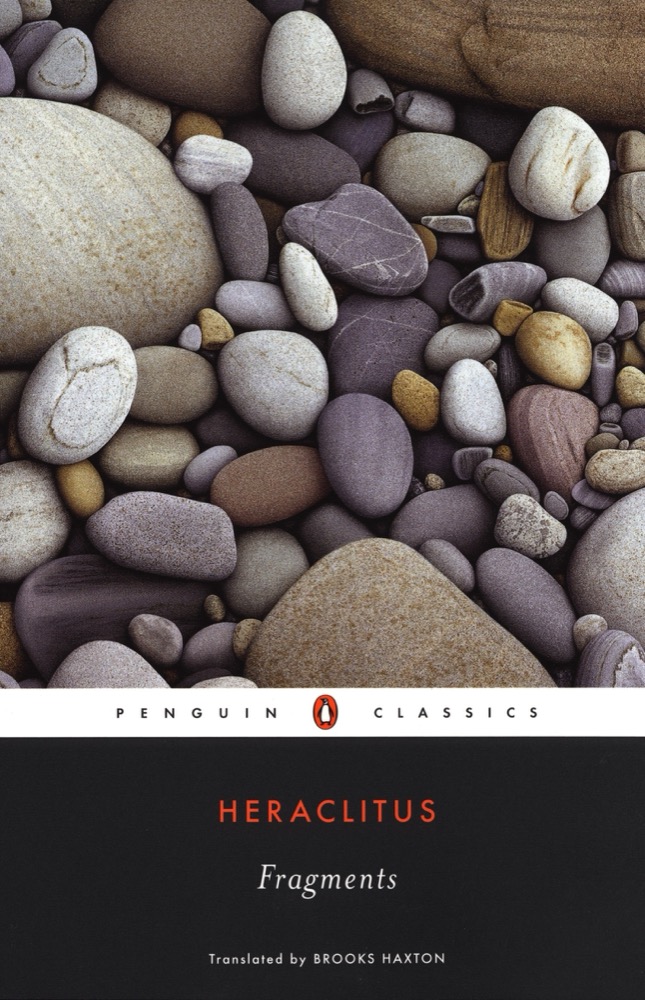 Fragments
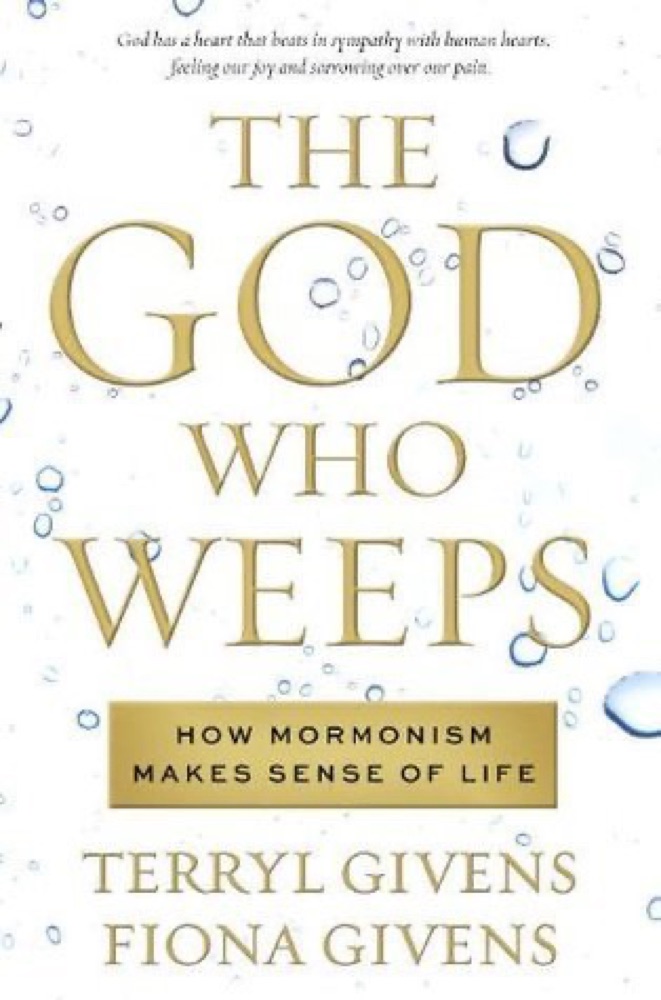 The God Who Weeps: How Mormonism Makes Sense of Life
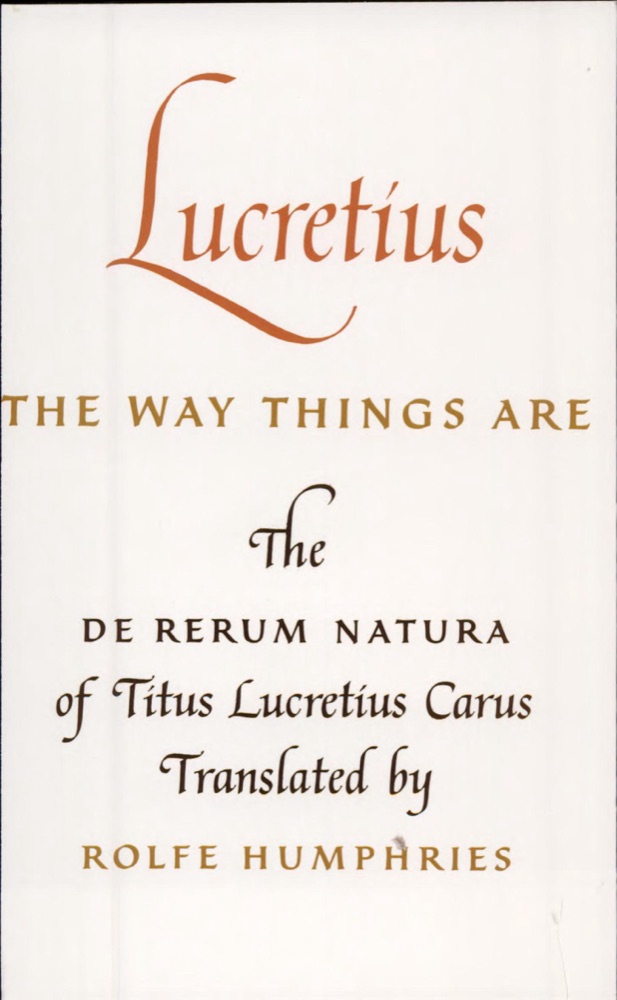 The Way Things Are
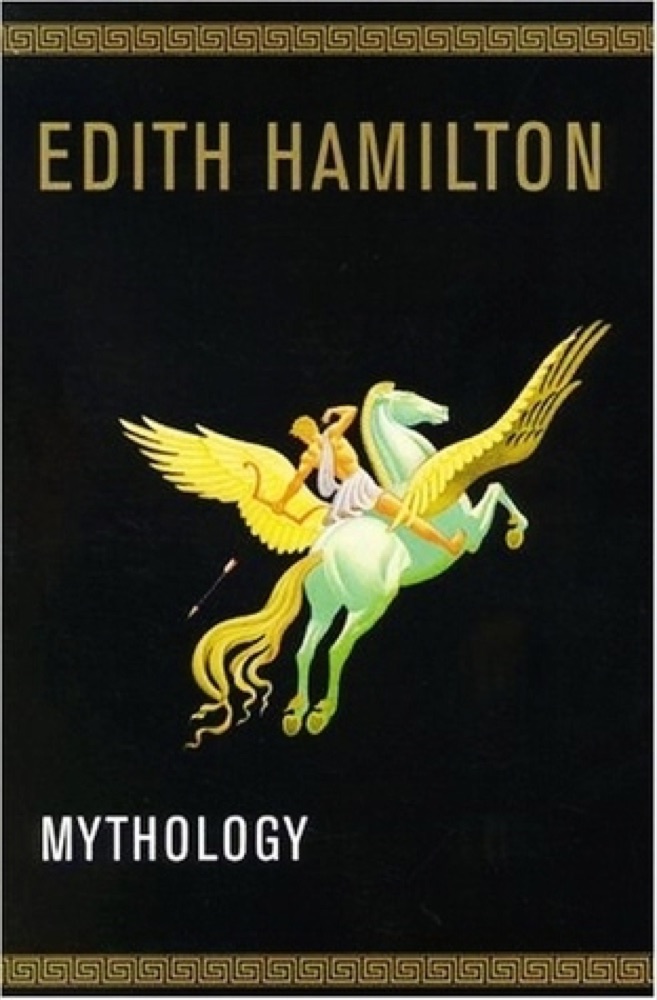 Mythology
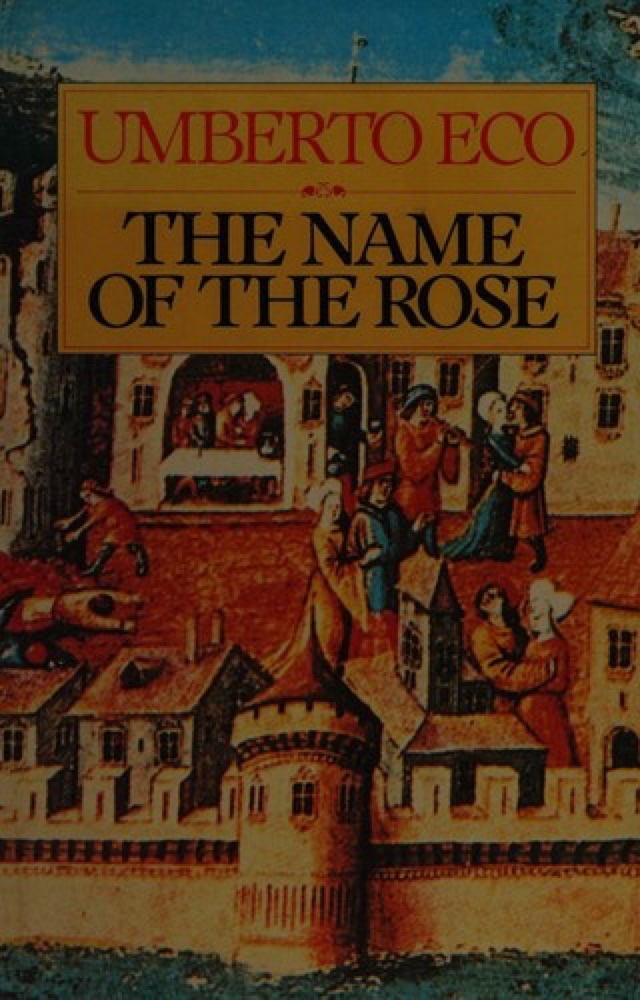 The Name of the Rose
 Maldoror and the Complete Works
 A Course in Miracles
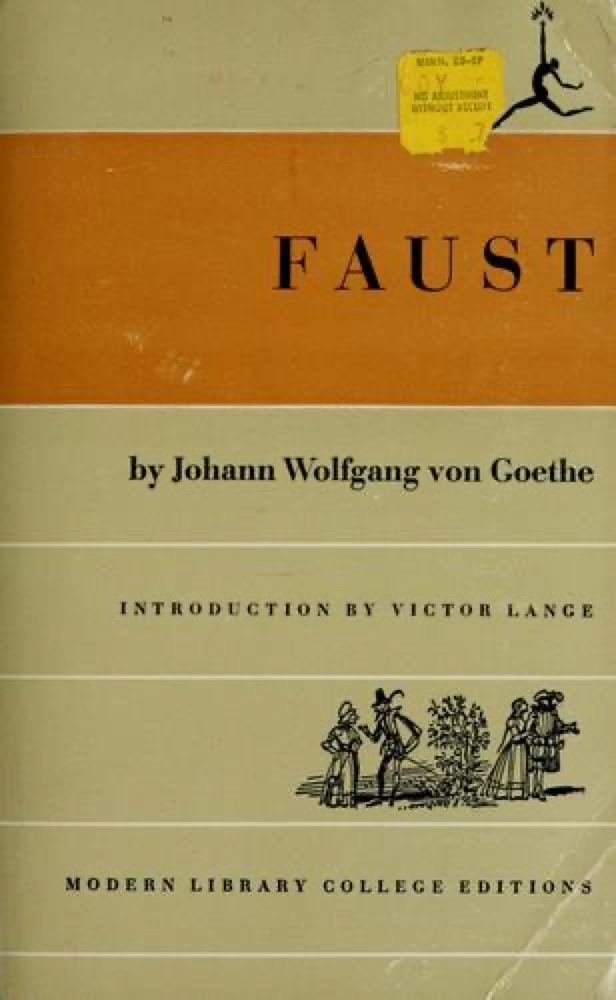 Faust
Faust
 No Man Is an Island
 The Essays of Ralph Waldo Emerson
 God in Search of Man: A Philosophy of Judaism
 Blood Meridian: Or the Evening Redness in the West
 Gravity and Grace
 The Bible Jesus Read