

 Holy Bible: ESV Bible
Quotes from the Book
Then there were so many things to be said that they did not speak of any of them.
Does man not face life with a greater assurance is he believes that a benevolent providence foresees the future? And yet he must at the same time be confident that his will is free, otherwise moral support is meaningless altogether. Doctrines in themselves are not important to me, but their consequences are. For example, I urge upon men that they regard themselves as embodiments of the divine essence. If I convince them, their days are endowed with a sense of abiding significance and unturning glory. Then not all the misfortunes and degradations to which they may be subjected can take from them their feelings of oneness with angels and stars. And as for our people, persecuted and dispersed, they live under the shadow of death, cherishing a dream that is recurrently shattered by the caprice of tyrants and then dreamed again half in despair. What can enable such a people to persist except a conviction of a special relationship to God?
Stop," she shrieked, "stop trying to make it easier." "But we do not love each other. We never have..." "You mean," she screamed, "you have never loved me.
Do you remember, Meir, that epigram quoted in the name of Rabbi Johanan ben Zaccai: 'There is no truth unless there be a faith on which it may rest'? Ironically enough the only sure principle I have achieved is this which I have known almost all my life. And it is so. For all truths rest ultimately on some act of faith, geometry on axioms, the sciences on the assumptions of the objective existence and orderliness of the world of nature. In every realm one must lay down postulates or he shall have nothing at all. So with morality and religion. Faith and reason are not antagonists. On the contrary, salvation is through the commingling of the two, the former to establish first premises, the latter to purify them of confusion and to draw the fullness of their implications. It is not certainty which one acquires so, only plausibility, but that is the best we can hope for.
That is the fantastic intolerable paradox of my life, that I have gone questing for what I possessed initially -- a belief to invest my days with dignity and meaning, a pattern of behavior through which man might most articulately express his devotion to his fellows.
Watch on YouTube
About Unknown
We have collected 3744 quotes from 245 books by Unknown on BookQuoters.
More about the author →More by Unknown
Holy Bible: ESV Bible
 Holy Bible, NKJV
 The New Oxford Annotated Bible: New Revised Standard Version
 Hagakure: The Book of the Samurai
Book details
- Author
- Unknown
- Genre
- Literature
- Goodreads rating
- 4.16 (3k ratings) →
Keep reading
 A Confession
 The Story of My Experiments With Truth
 The Fall
 Children of God
 Embers
 Demons
 Fear and Trembling
 My Friends
 Daniel Deronda
 A Severe Mercy: A Story of Faith, Tragedy and Triumph
 The Thousandfold Thought
 Victory
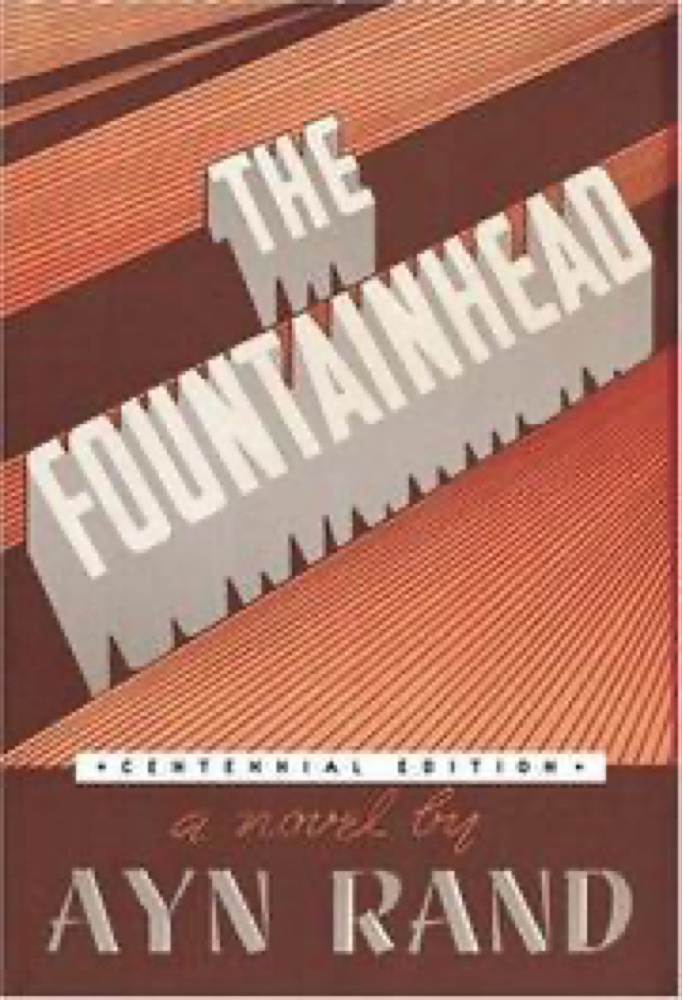 The Fountainhead
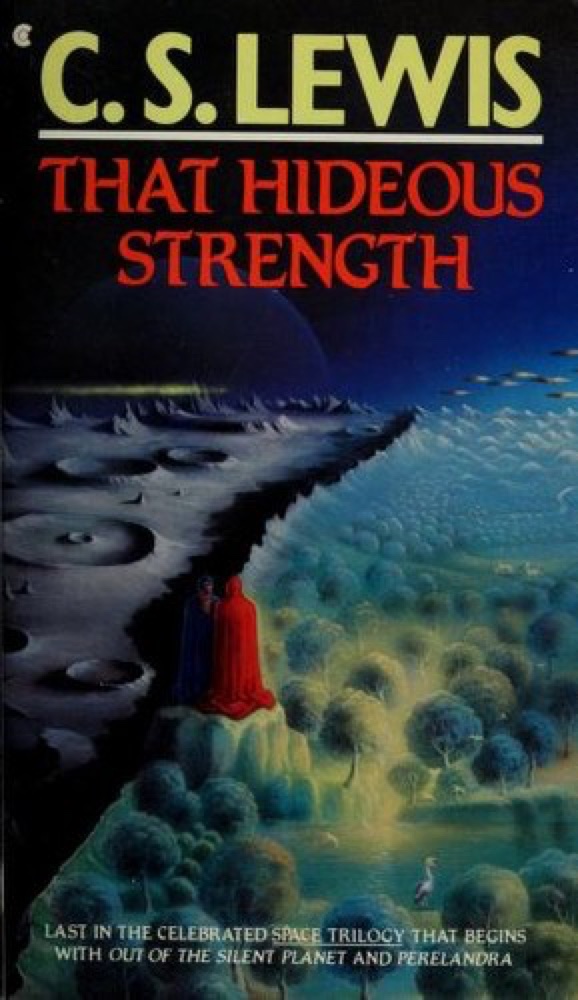 That Hideous Strength
 Without Dogma
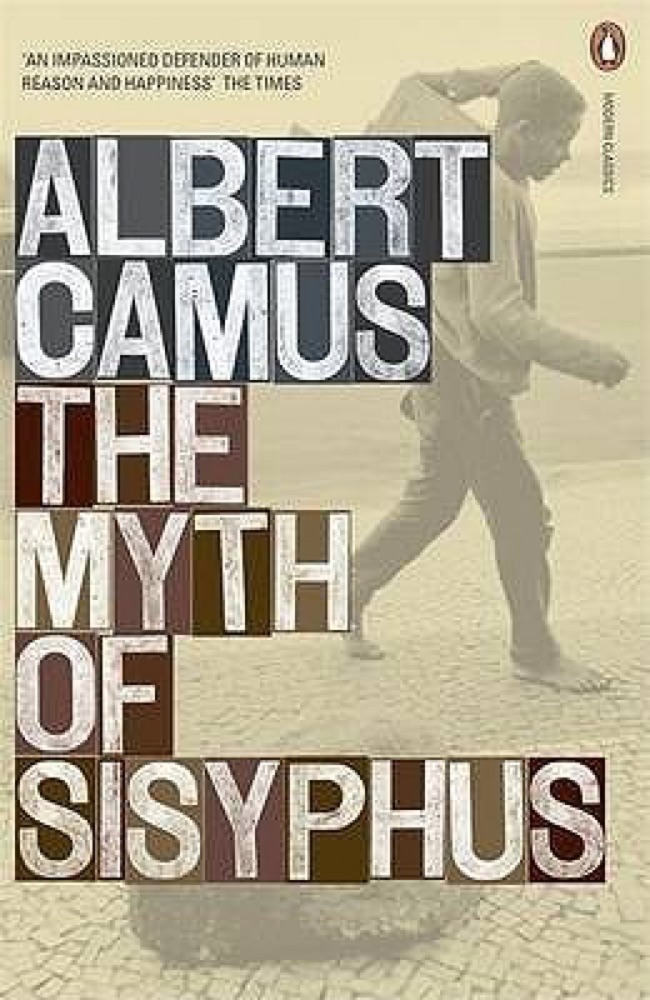 The Myth of Sisyphus
 The Magus
 Twilight of the Idols
 Humboldt's Gift
 Absalom, Absalom!
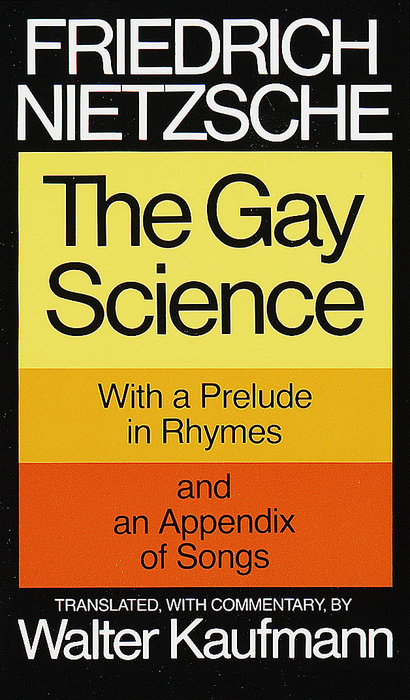 The Gay Science
 Arthur & George
 Enlightenment
 Under the Net
 Biography of X
 The Joke
 The Myth of Sisyphus and Other Essays
 A Grief Observed
 The Varieties of Religious Experience
 The 19th Wife
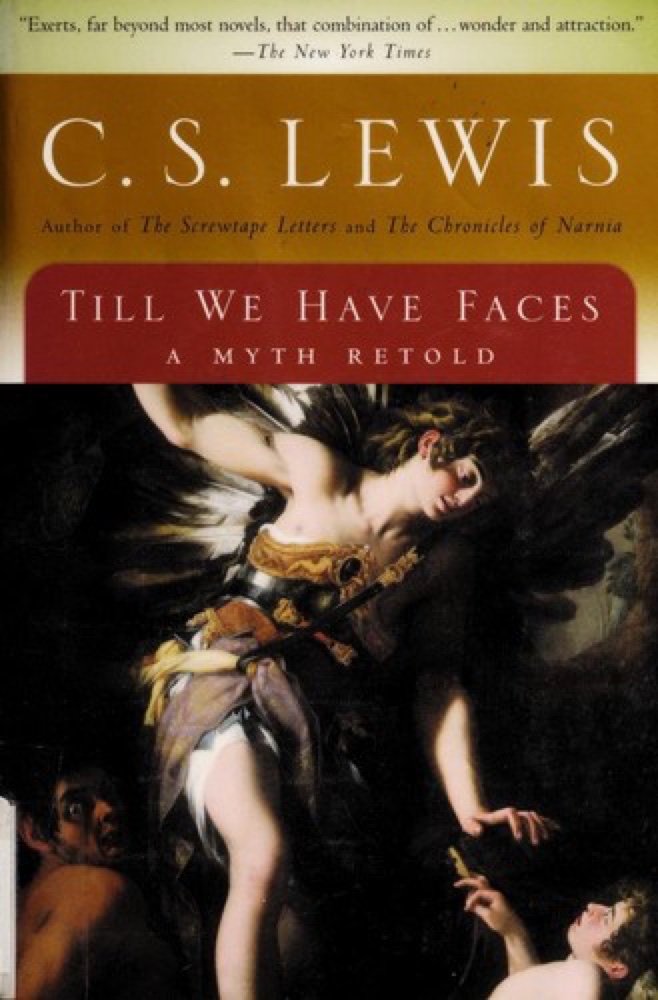 Till We Have Faces
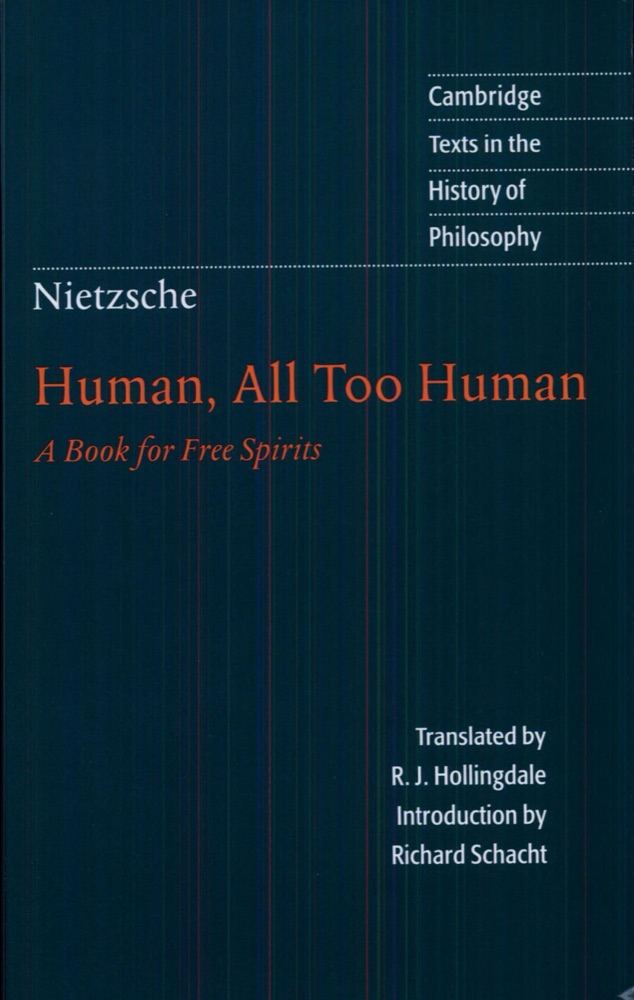 Human, All Too Human
 The Secret Scripture
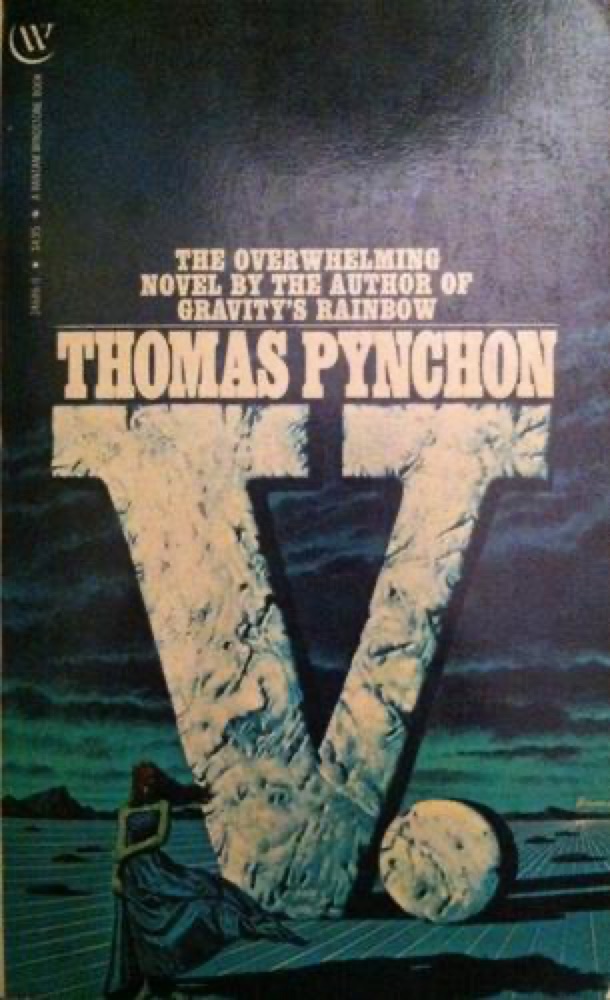 V.
V.
 Doctor Zhivago
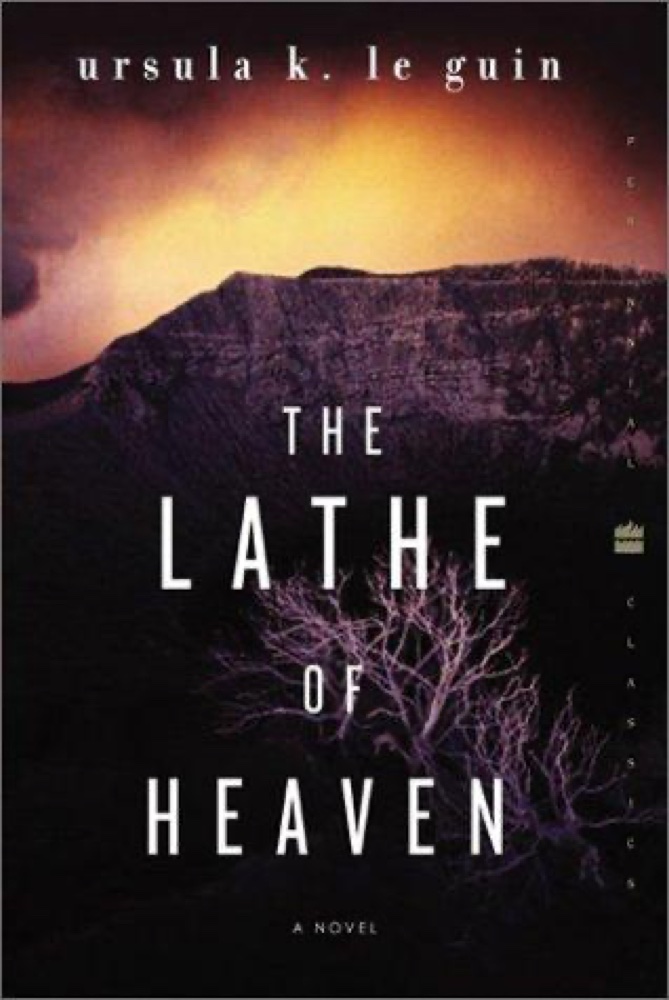 The Lathe of Heaven
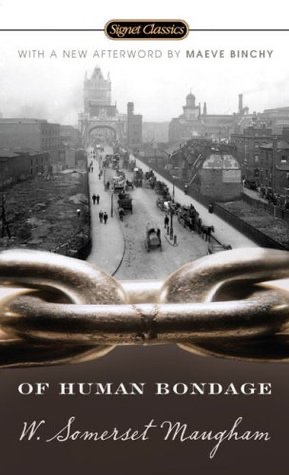 Of Human Bondage
 Shadow of the Almighty: The Life and Testament of Jim Elliot
 Here I Am
 Howards End
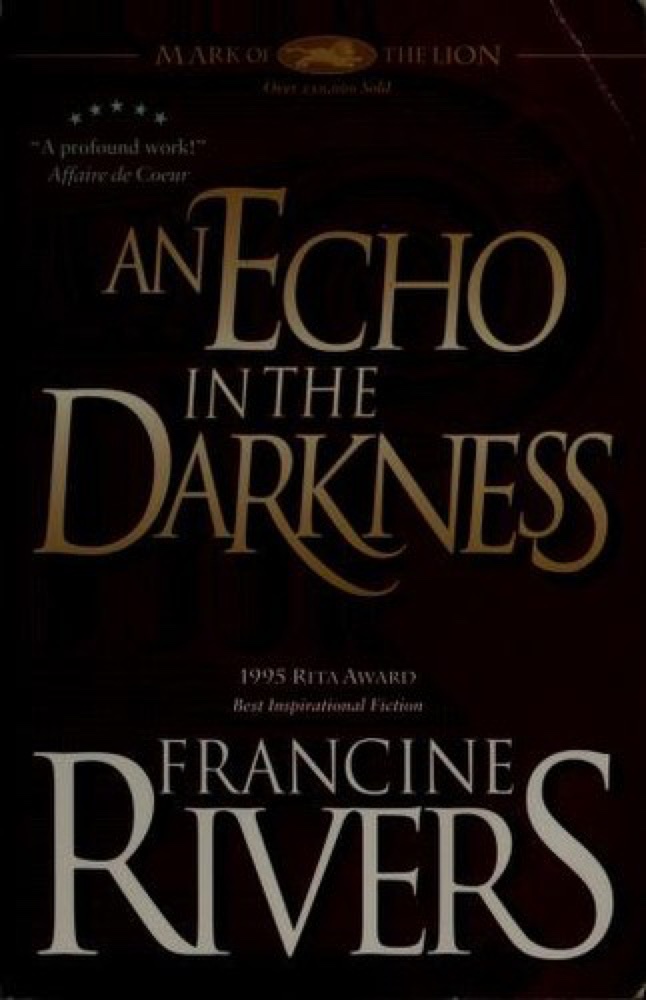 An Echo in the Darkness
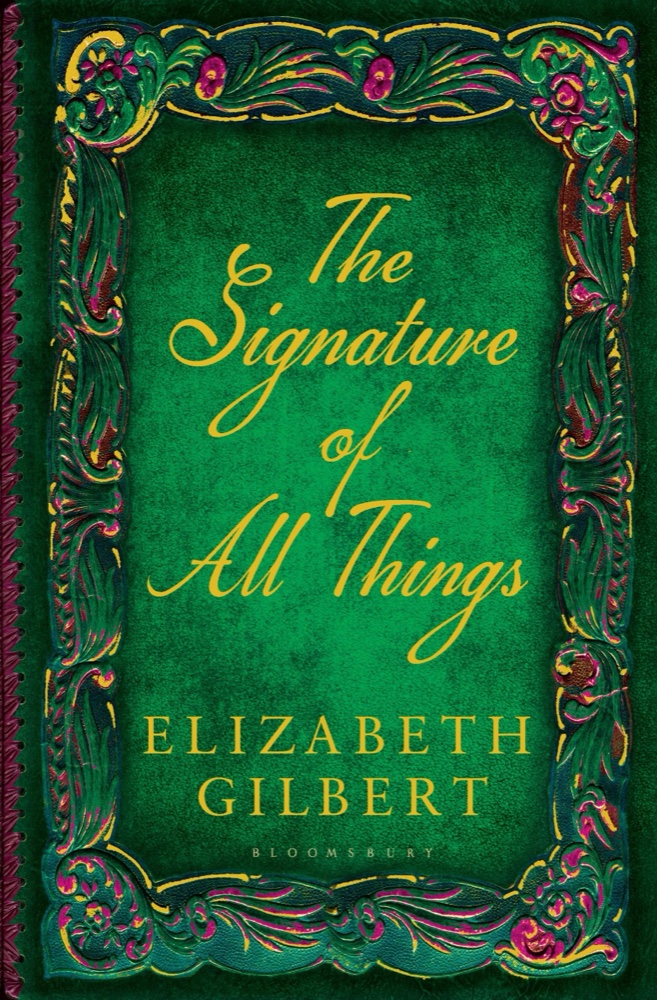 The Signature of All Things
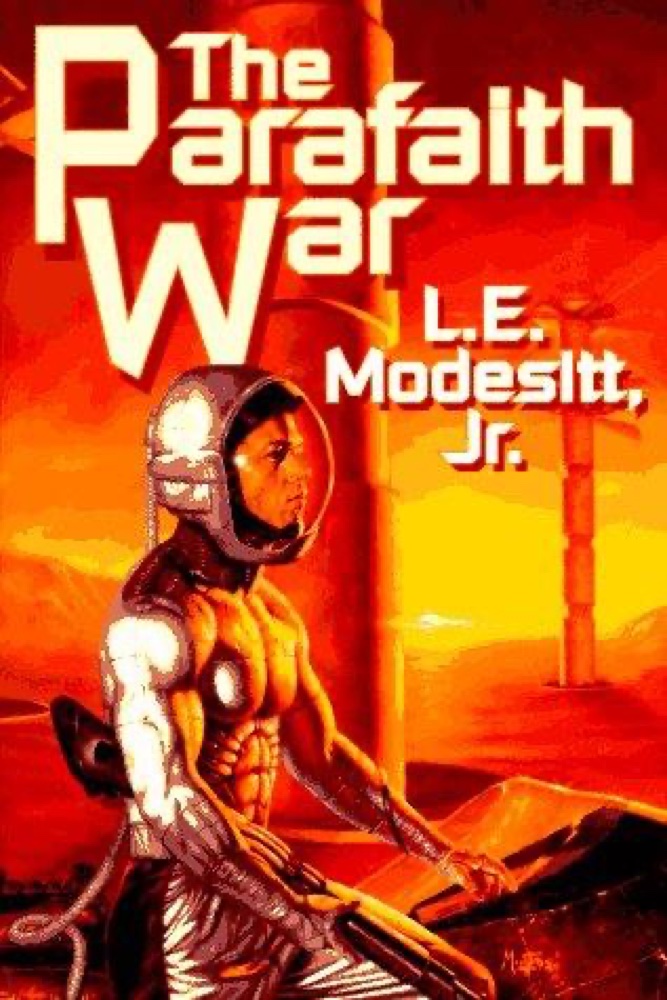 The Parafaith War
 Dust Tracks on a Road
 The Mill on the Floss
 The Adolescent
 The Heart of the Matter
 Forge of Darkness
 Outline
 Three Daughters of Eve
 Trust
Trust
 We the Living
 The Age of Reason
 The Guermantes Way
 The Magic Mountain
 Light in August
 The Sparrow
 The Idiot
 All the Little Live Things
 The Complete Stories