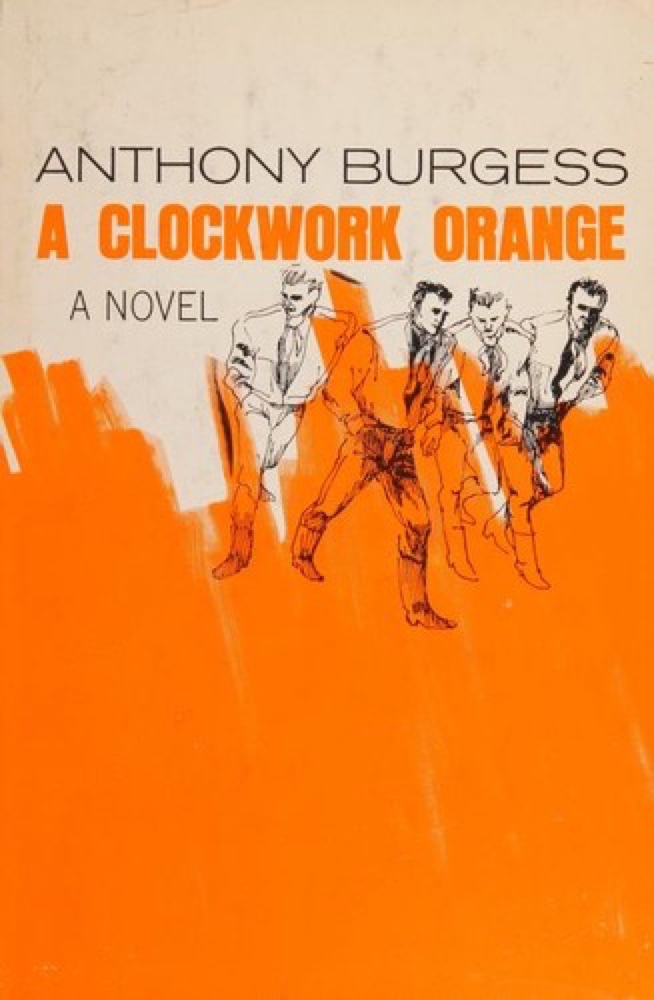

 Earthly Powers
Quotes from the Book
Is it better for a man to have chosen evil than to have good imposed upon him?
We can destroy what we have written, but we cannot unwrite it.
When a man cannot choose, he ceases to be a man.
The important thing is moral choice. Evil has to exist along with good, in order that moral choice may operate. Life is sustained by the grinding opposition of moral entities.
But what I do I do because I like to do.
I see what is right and approve, but I do what is wrong.
Oh it was gorgeousness and gorgeosity made flesh. The trombones crunched redgold under my bed, and behind my gulliver the trumpets three-wise silverflamed, and there by the door the timps rolling through my guts and out again crunched like candy thunder. Oh, it was wonder of wonders. And then, a bird of like rarest spun heavenmetal, or like silvery wine flowing in a spaceship, gravity all nonsense now, came the violin solo above all the other strings, and those strings were like a cage of silk round my bed. Then flute and oboe bored, like worms of like platinum, into the thick thick toffee gold and silver. I was in such bliss, my brothers.
Goodness is something chosen. When a man cannot choose he ceases to be a man.
It's funny how the colors of the real world only seem really real when you watch them on a screen.
Does God want goodness or the choice of goodness? Is a man who chooses to be bad perhaps in some way better than a man who has the good imposed upon him?
What's it going to be then, eh?
If he can only perform good or only perform evil, then he is a clockwork orange—meaning that he has the appearance of an organism lovely with colour and juice but is in fact only a clockwork toy to be wound up by God or the Devil.
It is as inhuman to be totally good as it is to be totally evil.
This must be a real horrorshow film if you're so keen on my viddying it.
A perverse nature can be stimulated by anything. Any book can be used as a pornographic instrument, even a great work of literature if the mind that so uses it is off-balance. I once found a small boy masturbating in the presence of the Victorian steel-engraving in a family Bible.
Then, brothers, it came. Oh, bliss, bliss and heaven. I lay all nagoy to the ceiling, my gulliver on my rookers on the pillow, glazzies closed, rot open in bliss, slooshying the sluice of lovely sounds. Oh, it was gorgeousness and gorgeosity made flesh.
It may not be nice to be good, little 6655321. It may be horrible to be good. And when I say that to you I realize how self-contradictory that sounds. I know I shall have many sleepless nights about this. What does God want? Does God want goodness or the choice of goodness? Is a man who chooses the bad perhaps in some way better than a man who has the good imposed upon him? Deep and hard questions, little 6655321.
Great Music, it said, and Great Poetry would like quieten Modern Youth down and make Modern Youth more Civilized. Civilized my syphilised yarbles.
I said, smiling very wide and droogie: ‘Well, if it isn’t fat stinking billygoat Billyboy in poison. How art thou, thou globby bottle of cheap stinking chip-oil? Come and get one in the yarbles, if you have any yarbles, you eunuch jelly, thou.’ And then we started.
The next morning I woke up at oh eight oh oh hours, my brothers, and as I still felt shagged and fagged and fashed and bashed and my glazzies were stuck together real horrorshow with sleepglue, I thought I would not go to school.
It was like a bird of rarest-spun heaven metal or like silvery wine flowing in a spaceship, gravity all nonsense now.
Where do I come into all of this? Am I just some animal or dog?' And that started them off govoreeting real loud and throwing slovos at me. So I creeched louder still, creeching: 'Am I just to be like a clockwork orange?
I was always on my oddy knocky.
Welly, welly, welly, welly, welly, welly, well. To what do I owe the extreme pleasure of this surprising visit?
That's what it's going to be then, brothers, as I come to the like end of this tale. You have been everywhere with your little droog Alex, suffering with him, and you have viddied some of the most grahzny bratchnies old Bog ever made, all on to your old droog Alex. And all it was was that I was young. But now as I end this story, brothers, I am not young, not no longer, oh no. Alex like groweth up, oh yes. But where I itty now, O my brothers, is all on my oddy knocky, where you cannot go. Tomorrow is all like sweet flowers and the turning young earth and the stars and the old Luna up there and your old droog Alex all on his oddy knocky seeking like a mate. And all that cal. A terrible grahzny vonny world, really, O my brothers. And so farewell from your little droog. And to all others in this story profound shooms of lipmusic brrrrrr. And they can kiss my sharries. But you, O my brothers, remember sometimes thy little Alex that was. Amen. And all that call.
What I do I do because I like to do.
Suddenly, I viddied what I had to do, and what I had wanted to do, and that was to do myself in; to snuff it, to blast off for ever out of this wicked, cruel world. One moment of pain perhaps and, then, sleep forever, and ever and ever.
But where I itty now, O my brothers, is all on my oddy knocky, where you cannot go. Tomorrow is all like sweet flowers and the turning vonny earth and the stars and the old Luna up there. ... And all that cal.
They don't go into what is the cause of goodness, so why of the other shop? If lewdies are good that's because they like it, and I wouldn't ever interfere with their pleasures, and so of the other shop. And I was patronizing the other shop. More, badness is of the self, the one, the you or me on our oddy knockies, and that self is made by old Bog or God and is his great pride and radosty. But the not-self cannot have the bad, meaning they of the government and the judges and the schools cannot allow the bad because they cannot allow the self. And is not our modern history, my brothers, the story of the brave malenky selves fighting these big machines?
Did you know?
- The novel is narrated in Nadsat, an invented slang combining Russian-derived words, Cockney rhyming slang, and coined terms.
- Burgess wrote 21 chapters, but the original American edition cut the final chapter in which Alex turns away from violence.
- Stanley Kubrick's 1971 film was based on the American edition and used its darker, truncated ending.
- Burgess said the title reflected a junction between the organic and the mechanical, the living and the disciplined.
- The phrase "What's it going to be then, eh?" opens each of the novel's three parts, giving it a symmetrical structure.
About Anthony Burgess
John Anthony Burgess Wilson (1917-1993) was an English writer and composer. A prolific novelist, critic, and composer of more than 250 musical works, he is best remembered for his 1962 dystopian novel A Clockwork Orange.
More about the author →More by Anthony Burgess
Earthly Powers
 The Wanting Seed
About the book
A Clockwork Orange, published in 1962, is a dystopian novel by the English writer Anthony Burgess. Narrated in the first person by Alex, a teenage gang leader in a near-future Britain, it follows his nightly campaigns of ultraviolence with his "droogs," his arrest and imprisonment, and his submission to the Ludovico Technique, an experimental aversion therapy designed to make him physically incapable of committing violence. The book is written in Nadsat, an invented teen argot that blends Russian-derived vocabulary with Cockney rhyming slang and coined words, immersing the reader in Alex's voice and worldview.
Its central theme is the question of free will versus enforced goodness. Burgess dramatizes whether a person conditioned into non-violence retains any moral worth, or whether the capacity to choose evil is inseparable from the capacity to choose good. The title itself gestures at this tension between the organic and the mechanical, and the prison chaplain voices the moral objection that stripping a man of choice reduces him to something less than human. Questions of state power, youth, and the manipulation of the individual by government run throughout the narrative.
The novel's history is bound up with its final chapter. Burgess wrote twenty-one chapters, ending with Alex maturing and turning away from violence, but the original American edition omitted this closing chapter, presenting a bleaker conclusion. Stanley Kubrick's 1971 film adaptation was based on that truncated American version, which amplified both the book's fame and the controversy surrounding its depiction of violence. Today A Clockwork Orange is regarded as a landmark of dystopian fiction and one of the most discussed novels of the twentieth century.
Key characters
- AlexThe teenage protagonist and narrator, a violent gang leader
- DimA slow, brutish member of Alex's gang of droogs
- GeorgieAn ambitious droog who challenges Alex's leadership
- PeteThe most level-headed member of Alex's gang
- F. AlexanderA writer whose home Alex invades, later using him against the state
- P.R. DeltoidAlex's parole officer assigned to monitor him
- Dr. BrodskyA doctor who administers the Ludovico Technique conditioning
Book details
- First published
- 1962
- Length
- 176 pages
- Reading time
- 3 hours
- Author
- Anthony Burgess
- Genre
- Classics
- Goodreads rating
- 4.00 (786k ratings) →
- First line
- “What's it going to be then, eh?”
Movie & TV adaptations
- IMDb
If you liked this, read…
- 1Nineteen Eighty-FourA defining dystopia about state control of the individual
- 2Brave New WorldExplores conditioning and the loss of free will in an engineered society
- 3Lord of the FliesExamines youthful violence and the fragility of moral order
Keep reading
 Henderson the Rain King
 Faust
Faust
 I, Lucifer
 Mother Night
 A Madness of Angels
 Memnoch the Devil
 My Booky Wook
 Dhalgren
 Tropic of Capricorn
 Notes from Underground
 The Tale of the Body Thief
 Herzog
 Brave New World
 His Dark Materials
 The Sea, the Sea
 The Instructions
 The Mime Order
 Beautiful Losers
 Tropic of Cancer
 The Man in the High Castle
 The Green Mile
 The Golden Notebook
 Breakfast of Champions
 It
It
 The Magus
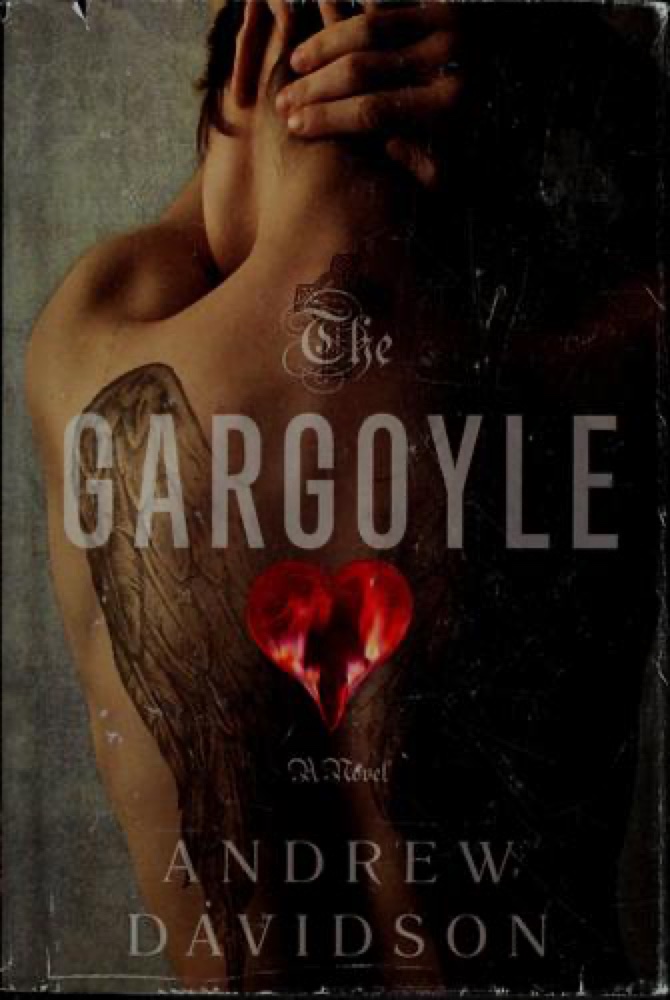 The Gargoyle
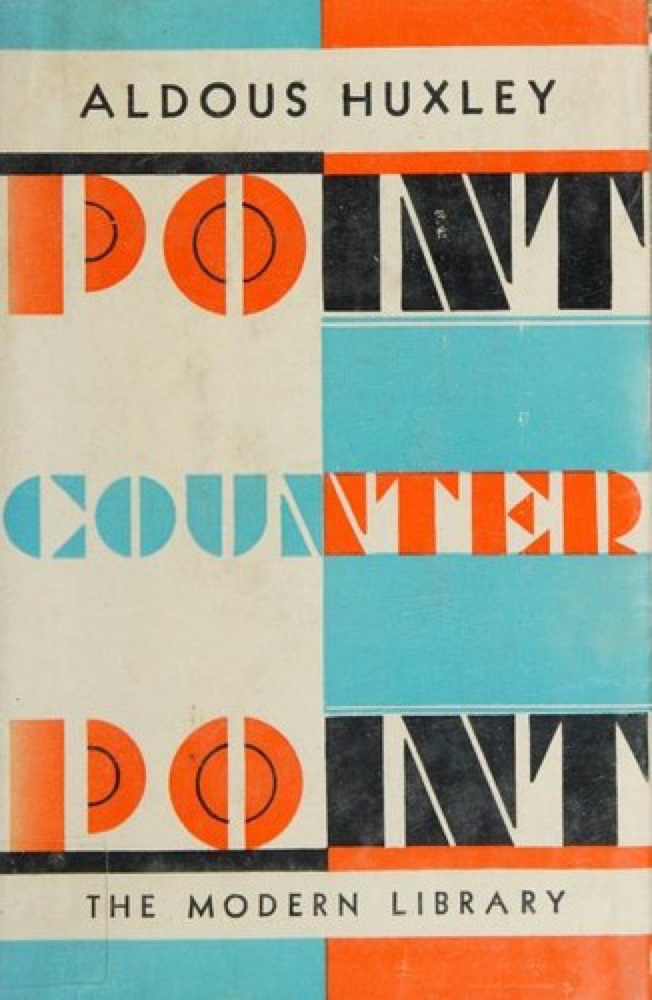 Point Counter Point
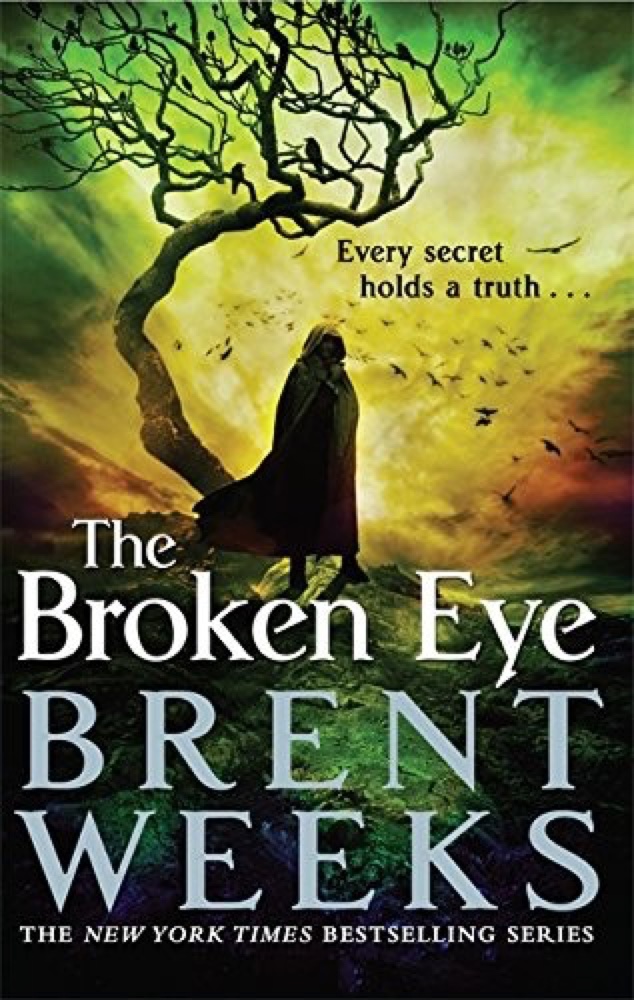 The Broken Eye
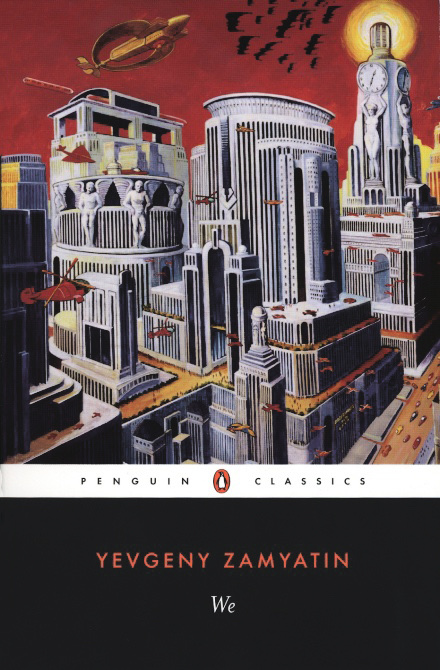 We
We
 That Hideous Strength
 Dracula
 Revolution
 Night Watch
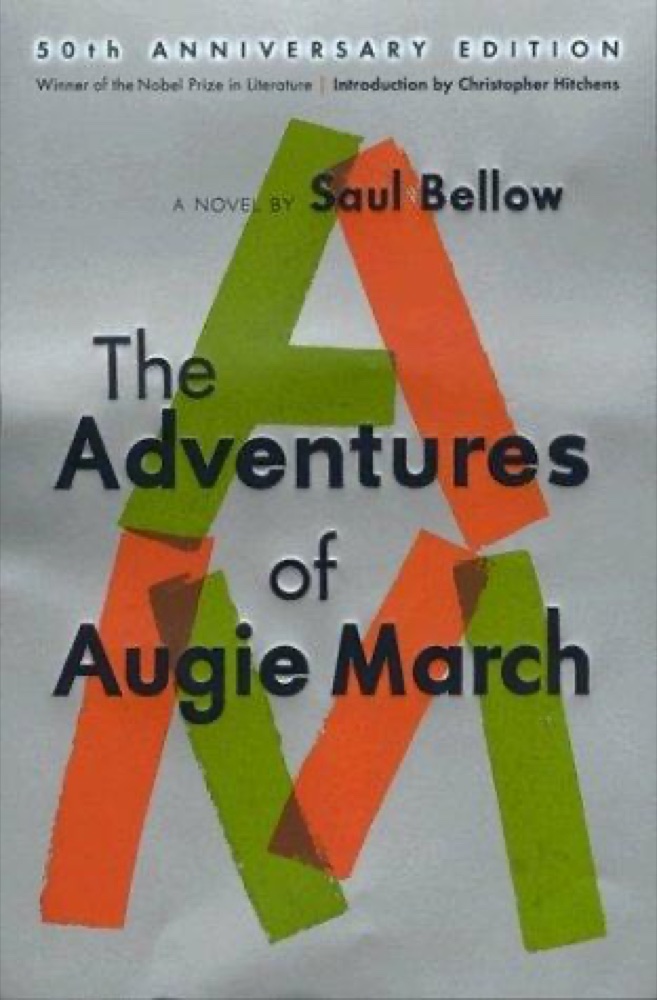 The Adventures of Augie March
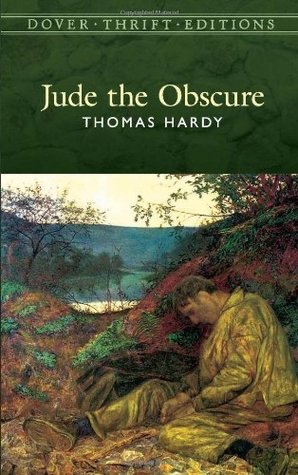 Jude the Obscure
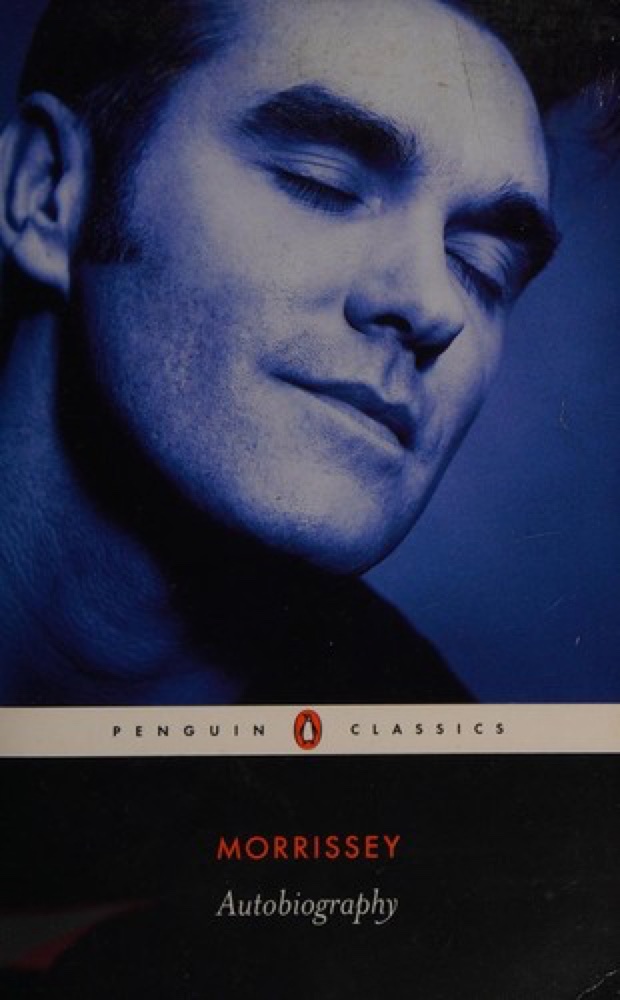 Autobiography
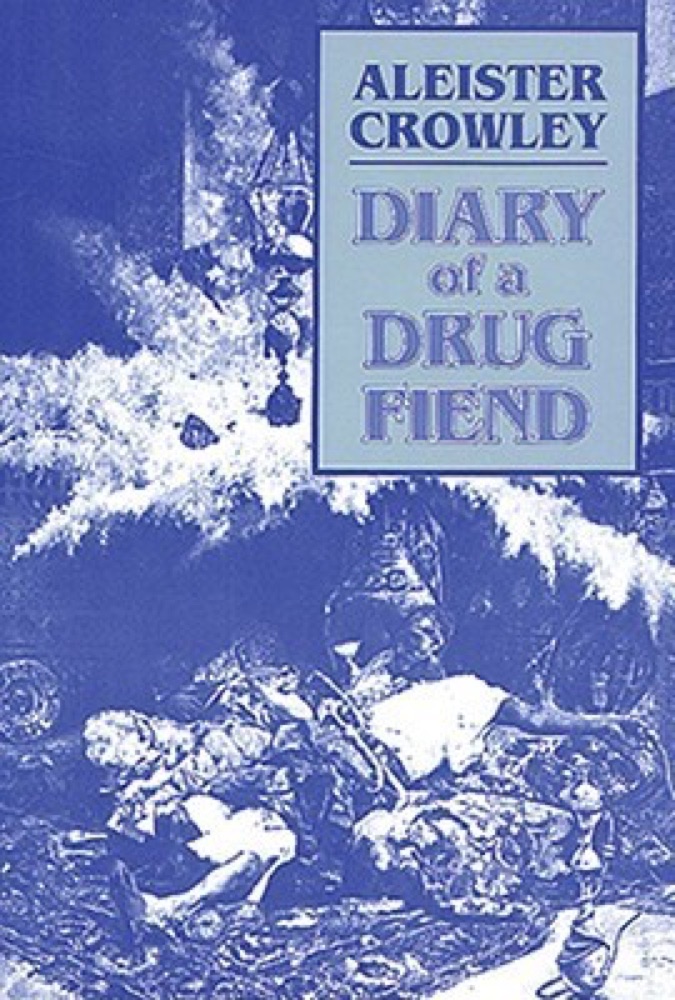 Diary of a Drug Fiend
 Death Masks
 Something Wicked This Way Comes
 Moby-Dick
 East of Eden
 The Hour I First Believed
 The Moonstone
 Timequake
 Art and Lies
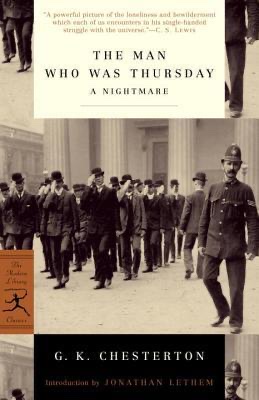 The Man Who Was Thursday
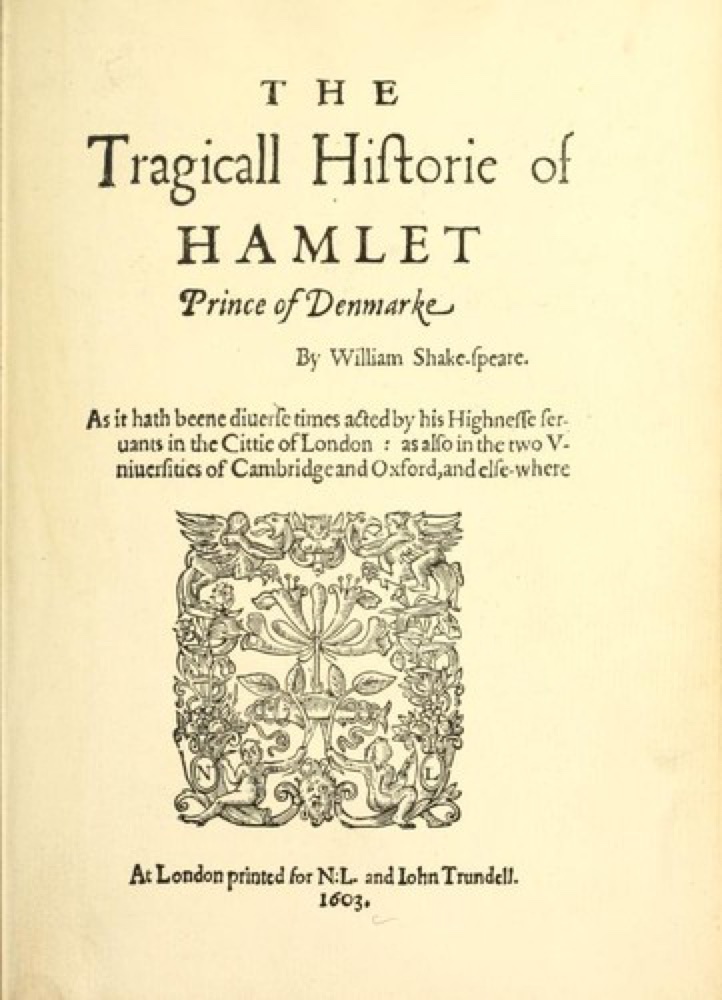 Hamlet
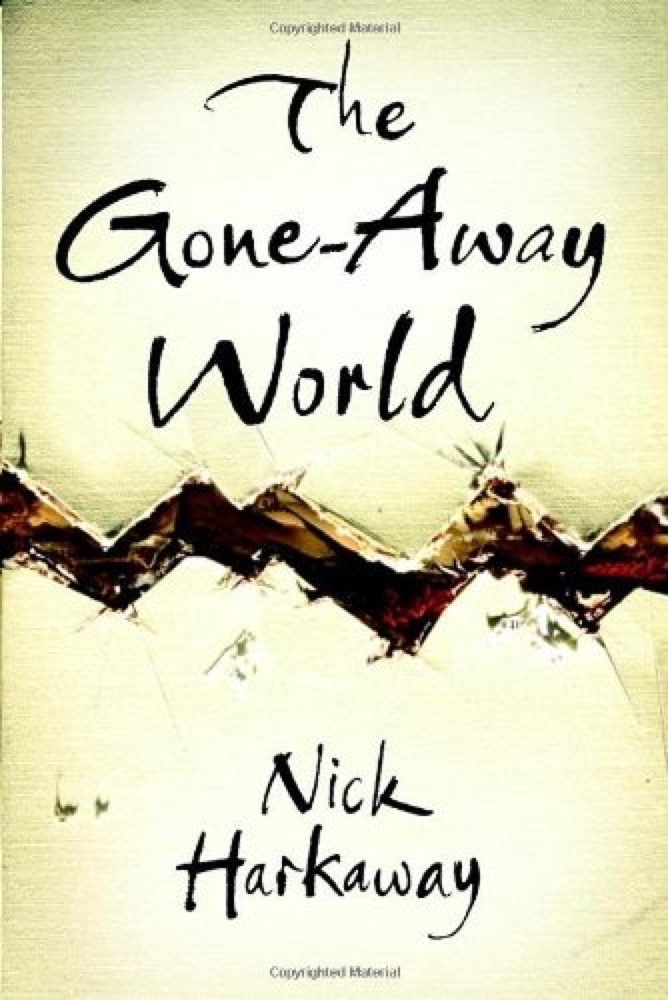 The Gone-Away World
 Don Juan
 Gravity's Rainbow
 Filth
Filth
 The Gadfly
 The Broom of the System
 By Nightfall
 The Lords of Discipline
 Preludes & Nocturnes
 V.
V.
 Lilith
 The Collector
Earthly Powers
The Collector
Earthly Powers