
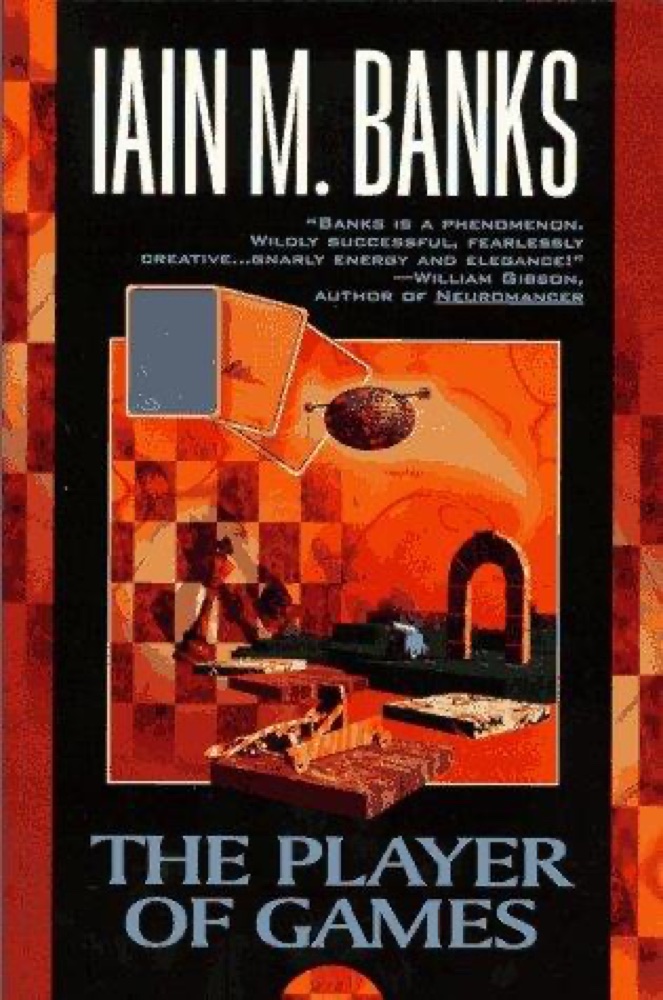
 The Player of Games
Quotes from the Book
Any theory which causes solipsism to seem just as likely an explanation for the phenomena it seeks to describe ought to be held in the utmost suspicion.
It was a truism that all civilizations were basically neurotic until they made contact with everybody else and found their place within the ever-changing meta-civilisation of other beings, because, until then, during the stage when they honestly believed they might be entirely alone in existence, all solo societies were possessed of both an inflated sense of their own importance and a kind of existential terror at the sheer scale and apparent emptiness of the universe.
I have a story to tell you. It has many beginnings, and perhaps one ending. Perhaps not. Beginnings and endings are contingent things anyway; inventions, devices. Where does any story really begin? There is always context, always an encompassingly greater epic, always something before the described events, unless we are to start every story with “BANG! Expand! Sssss…,” then itemize the whole subsequent history of the universe before settling down, at last, to the particular tale in question. Similarly, no ending is final, unless it is the end of all things…
If I had to guess, nephew, I would surmise that you are not in direct trouble as such. However, I will confess to the distinct and unsettling feeling that very large, very ponderous and most momentous wheels have been set in motion. When that happens I believe the lessons of history tend to indicate that it is best not to be in their way. Even without meaning harm, the workings and progress of such wheels are on a scale which inevitably reduces the worth of individual lives to an irrelevance at best.
[H]e was one of those people who got to the top of an organisation through luck, connections, the indulgence of superiors and that sort of carelessness towards others that the easily impressed termed ruthlessness and those of a less gullible nature called sociopathy. But sometimes, just through his sheer unthinking brusqueness and inability to think through the consequences of a remark, he said what everybody else was only thinking. A comic poet working in obscene doggerel.
Watch on YouTube
About Iain M. Banks
We have collected 249 quotes from 13 books by Iain M. Banks on BookQuoters.
More about the author →More by Iain M. Banks
All books by Iain M. Banks →
Book details
- Author
- Iain M. Banks
- Genre
- Fiction
- Goodreads rating
- 4.04 (25k ratings) →
Keep reading
 The Ultimate Hitchhiker's Guide
 The Mysterious Mr. Quin
 The Hydrogen Sonata
 Foucault's Pendulum
 Erewhon
 The Stories of Vladimir Nabokov
 Second Foundation
 The Star Diaries
 The Secret Agent
 Logicomix: An Epic Search for Truth
 The Man Without Qualities
 Wampeters, Foma and Granfalloons
 The Man in the High Castle
 Anathem
 Living with a Wild God: A Nonbeliever's Search for the Truth about Everything
 The Kraken Wakes
 Gnomon
 The Restaurant at the End of the Universe
 The Magic Mountain
 That Hideous Strength
 The State of the Art
 VALIS
VALIS
 Consider Phlebas
 Underground: The Tokyo Gas Attack and the Japanese Psyche
 Point Omega
 Hogfather
 The Three-Body Problem
 Authority
 Labyrinths: Selected Stories and Other Writings
 The Secret History
 Foundation and Empire
 An Instance of the Fingerpost
 Senlin Ascends
 Arm of the Sphinx
 A Study in Scarlet
 The Hitchhiker's Guide to the Galaxy
 Infinite Jest
 God Emperor of Dune
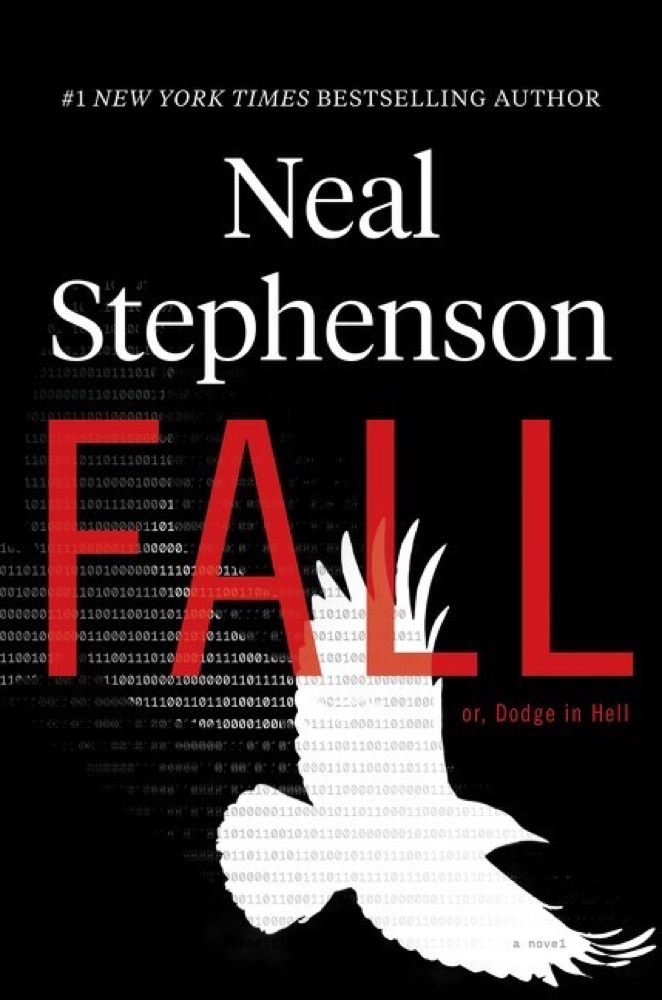 Fall; or, Dodge in Hell
 Prelude to Foundation
 Hyperion
 Two Years Eight Months and Twenty-Eight Nights
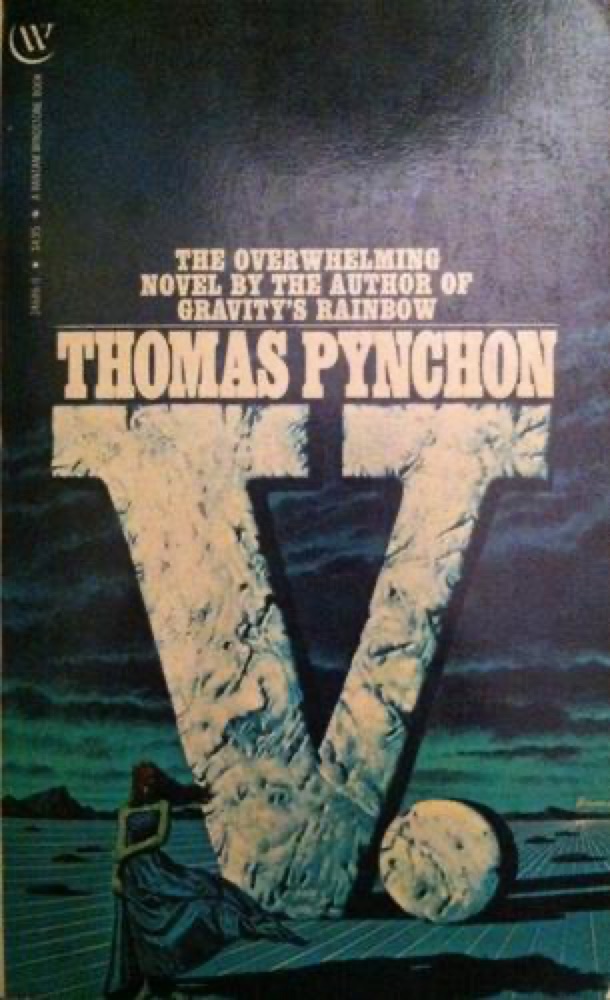 V.
V.
 Red Mars
 Crome Yellow
 The Empusium
 Genesis
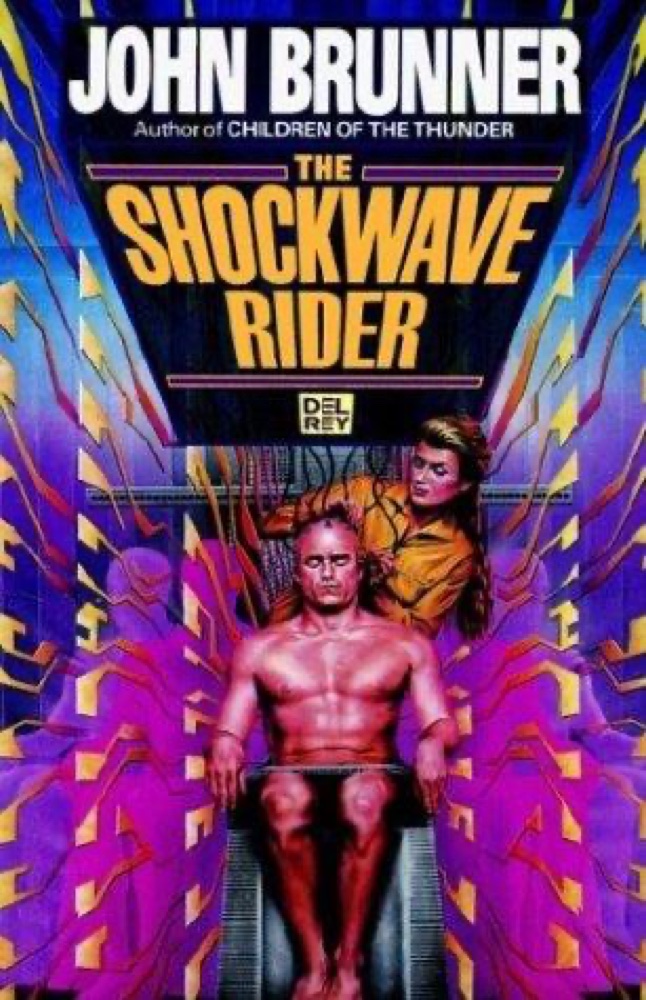 The Shockwave Rider
 The Gone-Away World
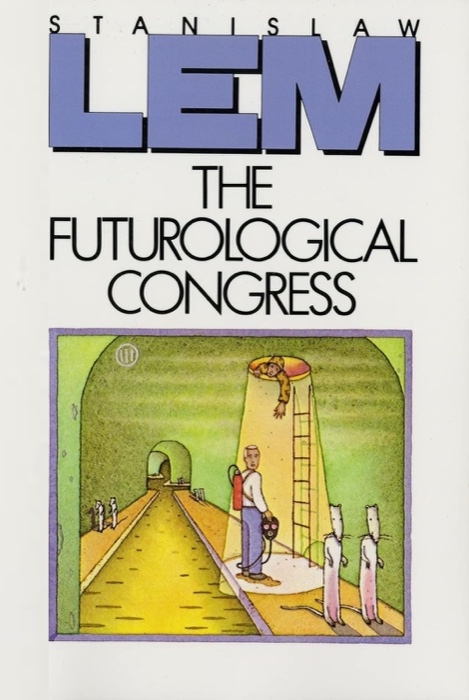 The Futurological Congress: From the Memoirs of Ijon Tichy
 Leviathan
 Collected Fictions
 Alien Clay
 Eating the Dinosaur
 Libra
Libra
 Cryptonomicon
 Mary Toft; or, The Rabbit Queen
 Stranger in a Strange Land
 The Manticore
 The Third Policeman