
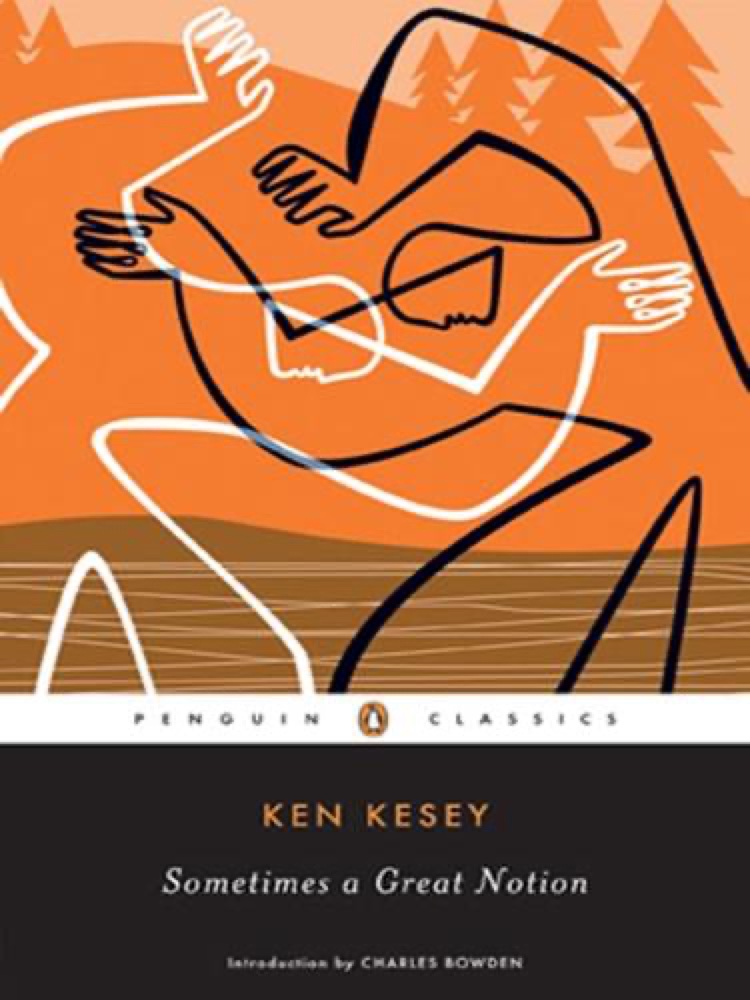
 Sometimes a Great Notion
Quotes from the Book
Man, when you lose your laugh you lose your footing.
All I know is this: nobody's very big in the first place, and it looks to me like everybody spends their whole life tearing everybody else down.
But it's the truth even if it didn't happen.
He knows that you have to laugh at the things that hurt you just to keep yourself in balance, just to keep the world from running you plumb crazy.
If you don't watch it people will force you one way or the other, into doing what they think you should do, or into just being mule-stubborn and doing the opposite out of spite.
Never before did I realize that mental illness could have the aspect of power, power. Think of it: perhaps the more insane a man is, the more powerful he could become. Hitler an example. Fair makes the old brain reel, doesn't it?
That ain't me, that ain't my face. It wasn't even me when I was trying to be that face. I wasn't even really me them; I was just being the way I looked, the way people wanted.
What do you think you are, for Chrissake, crazy or somethin'? Well you're not! You're not! You're no crazier than the average asshole out walkin' around on the streets and that's it.
The stars up close to the moon were pale; they got brighter and braver the farther they got out of the circle of light ruled by the giant moon
They can't tell so much about you if you got your eyes closed.
He Who Marches Out Of Step Hears Another Drum
Rules? PISS ON YOUR FUCKING RULES!
This world . . . belongs to the strong, my friend! The ritual of our existence is based on the strong getting stronger by devouring the weak. We must face up to this. No more than right that it should be this way. We must learn to accept it as a law of the natural world. The rabbits accept their role in the ritual and recognize the wolf is the strong. In defense, the rabbit becomes sly and frightened and elusive and he digs holes and hides when the wolf is about. And he endures, he goes on. He knows his place. He most certainly doesn't challenge the wolf to combat. Now, would that be wise? Would it?
High high in the hills , high in a pine tree bed. She's tracing the wind with that old hand, counting the clouds with that old chant, Three geese in a flock one flew east one flew west one flew over the cuckoo's nest
We'd just shared the last beer and slung the empty can out the window at a stop sign and were just waiting back to get the feel of the day, swimming in that kind of tasty drowsiness that comes over you after a day of going hard at something you enjoy doing -- half sunburned and half drunk and keeping awake only because you wanted to savor the taste as long as you could.
No, my friend. We are lunatics from the hospital up the highway, psycho-ceramics, the cracked pots of mankind. Would you like me to decipher a Rorschach for you?
You had a choice: you could either strain and look at things that appeared in front of you in the fog, painful as it might be, or you could relax and lose yourself
What makes people so impatient is what I can't figure; all the guy had to do was wait.
But he won’t let the pain blot out the humor no more’n he’ll let the humor blot out the pain.
I lay in bed the night before the fishing trip and thought it over, about my being deaf, about the years of not letting on I heard what was said, and I wonder if I can ever act any other way again. But I remembered one thing: it wasn't me that started acting deaf; it was people that first started acting like I was too dumb to hear or see or say anything at all.
I don't think you fully understand the public, my friend; in this country, when something is out of order, then the quickest way to get it fixed is the best way.
I listened to them fade away till all I could hear was my memory of the sound.
He knew you can't really be strong until you can see a funny side of things.
What the Chronics are - or most of us - are machines with flaws inside that can't be repaired, flaws born in, or flaws beat in over so many years of the guy running head-on into solid things that by the time the hospital found him he was bleeding rust in some vacant lot.
He knows that there's no better way in the world to aggravate somebody who's trying to make it hard for you than by acting like you're not bothered.
But the rest are even scared to open up and laugh. You know, that's the first thing that got me about this place, that there wasn't anybody laughing. I haven't heard a real laugh since I came through that door, do you know that? Man, when you lose your laugh you lose your footing.
He's the sort of guy that gets a laugh out of people.
To Vik Lovell who told me dragons did not exist, then led me to their lairs ...
His whole body shakes with the strain as he tries to lift something he knows he can't lift, something everybody knows he can't lift. But, for just a second, when we hear the cement grind at our feet, we think, by golly, he might do it.
Did you know?
- Kesey began writing the novel in 1959 and it was published in 1962.
- He wrote parts of it while working the graveyard shift as an orderly at a mental health facility in Menlo Park, California.
- The story is narrated by Chief Bromden, who pretends to be deaf and mute.
- Time magazine included it on its list of the 100 best English-language novels from 1923 to 2005.
- The 1975 film adaptation won five Academy Awards.
- Dale Wasserman adapted the novel into a Broadway play in 1963.
About Ken Kesey
Ken Kesey (1935-2001) was an American novelist and a countercultural figure whose debut, One Flew Over the Cuckoo's Nest, drew on his time as an orderly in a Menlo Park mental facility and his experiences with psychedelic drugs. He is also known for the novel Sometimes a Great Notion.
More about the author →More by Ken Kesey
Sometimes a Great Notion
About the book
One Flew Over the Cuckoo's Nest is Ken Kesey's 1962 debut novel, set on the ward of an Oregon psychiatric hospital. It is narrated by Chief Bromden, a towering half-Native American patient who presents himself as deaf and mute, and it centers on the arrival of Randle McMurphy, a swaggering con man who fakes insanity to escape a prison work farm. His clash with the ward's rigid administrator, Nurse Ratched, becomes a contest of wills that reshapes the lives of the men on the ward.
The novel is a critique of institutional control and the pressure to conform in postwar America. Through Bromden's conception of 'the Combine'—a mechanized system that manipulates individuals invisibly—Kesey dramatizes how subtle coercion can oppress more effectively than open force. Kesey drew on his own experience working the night shift as an orderly in a mental health facility in Menlo Park, California, and on his exposure to psychoactive drugs during that period.
The book became a touchstone of 1960s counterculture and a widely taught modern classic, later included on Time magazine's list of the best English-language novels from 1923 to 2005. It was adapted for the Broadway stage by Dale Wasserman in 1963 and into an acclaimed 1975 film directed by Milos Forman that swept the major Academy Awards, cementing the story's place in American culture.
Key characters
- Randle McMurphyBrash con man who fakes insanity and rebels against the ward's authority
- Nurse RatchedTyrannical head nurse who rules the ward with absolute control
- Chief BromdenHalf-Native American narrator who pretends to be deaf and mute
- Billy BibbitTimid young patient with a severe stutter
- Dr. SpiveyThe compliant ward physician
Book details
- First published
- 1962
- Length
- 320 pages
- Reading time
- 6 hours
- Author
- Ken Kesey
- Genre
- Classics
- Goodreads rating
- 4.20 (791k ratings) →
- First line
- “They're out there.”
Movie & TV adaptations
- IMDb
- IMDb
If you liked this, read…
- 1Catch-22Another postwar classic satirizing absurd, dehumanizing institutional systems
- 2The Bell JarA first-person account of psychiatric treatment and confinement
- 3Sometimes a Great NotionKen Kesey's second novel, again probing individualism against authority
Keep reading
 Just After Sunset
 I Am Pilgrim
 A Fraction of the Whole
 Under the Dome
 Misery
 The Adventures of Augie March
 Highly Illogical Behavior
 The Affair
 False Memory
 Rage
Rage
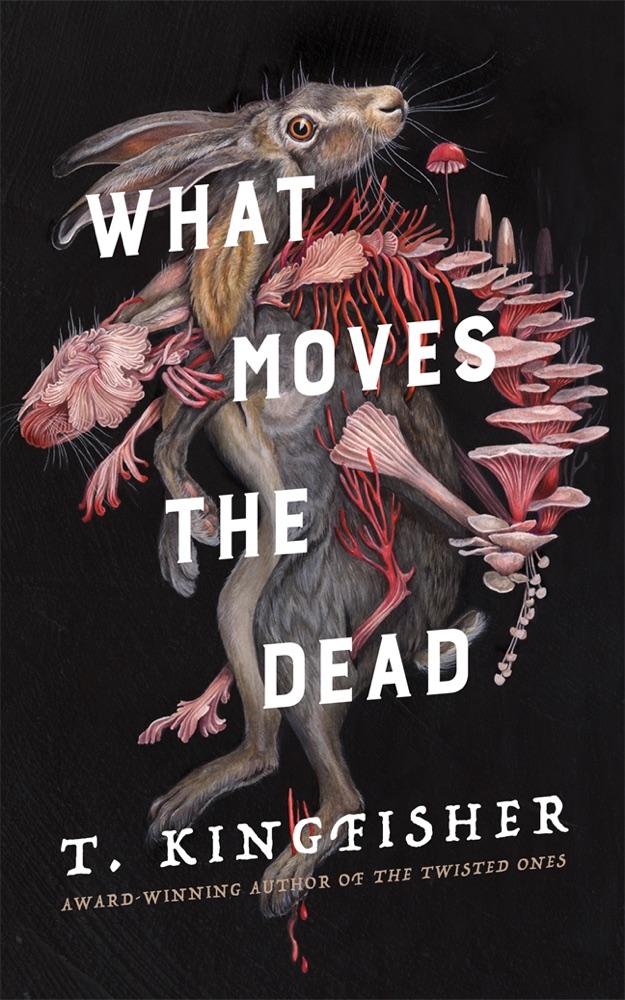 What Moves the Dead
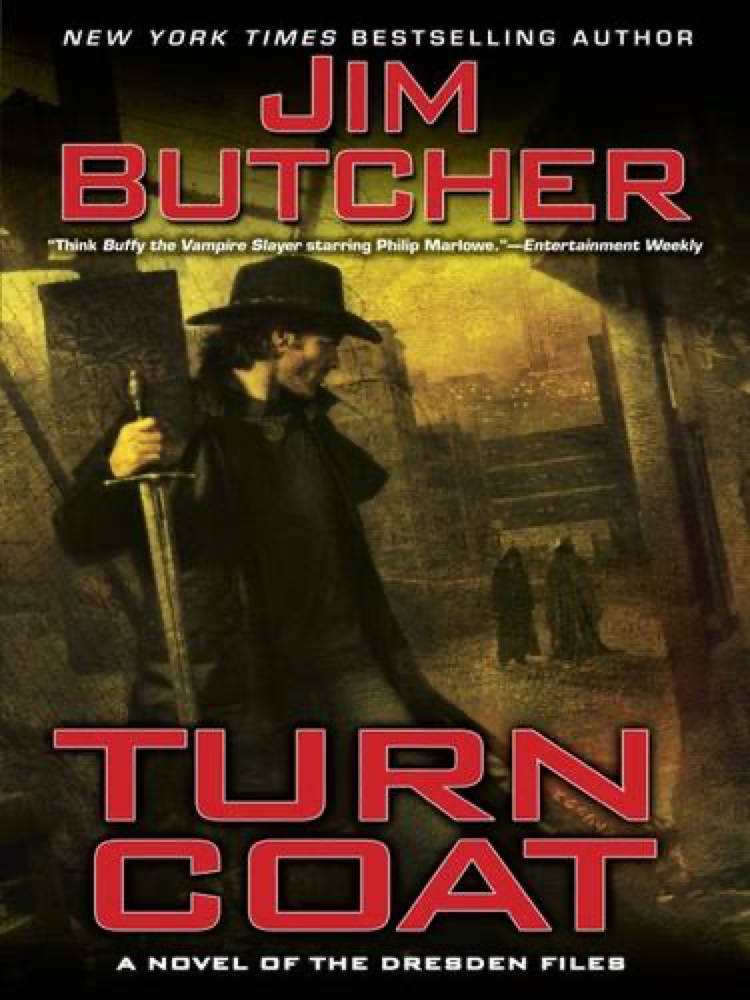 Turn Coat
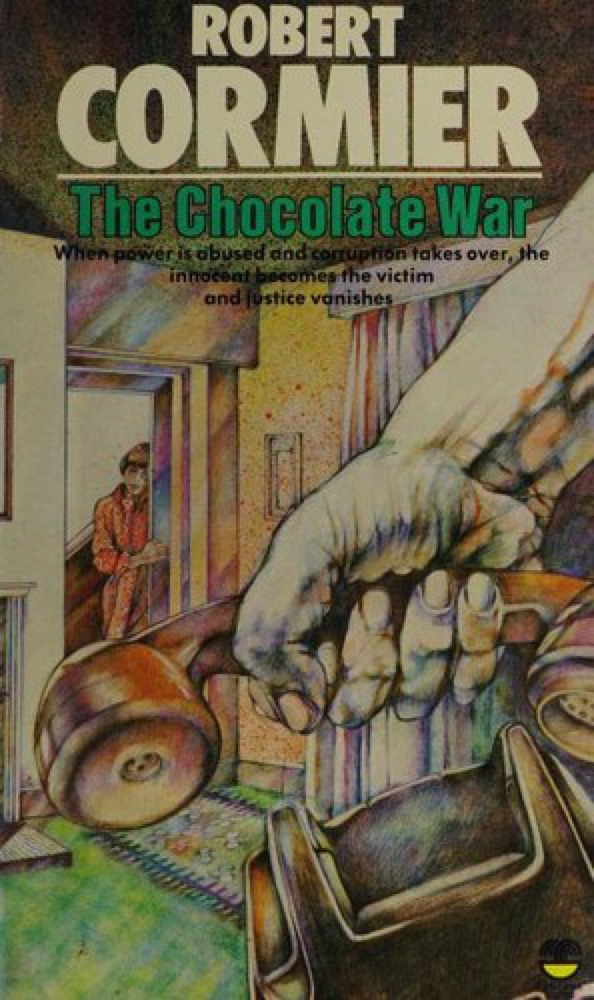 The Chocolate War
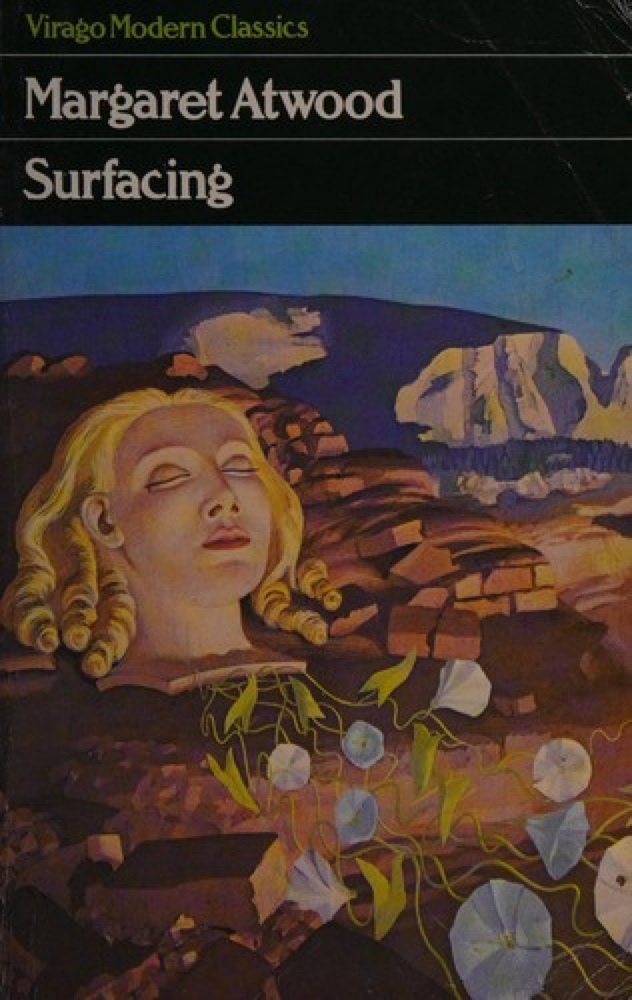 Surfacing
 Unwind
 The Hour I First Believed
 A Scanner Darkly
 The Black Prism
 VALIS
VALIS
 Gone
Gone
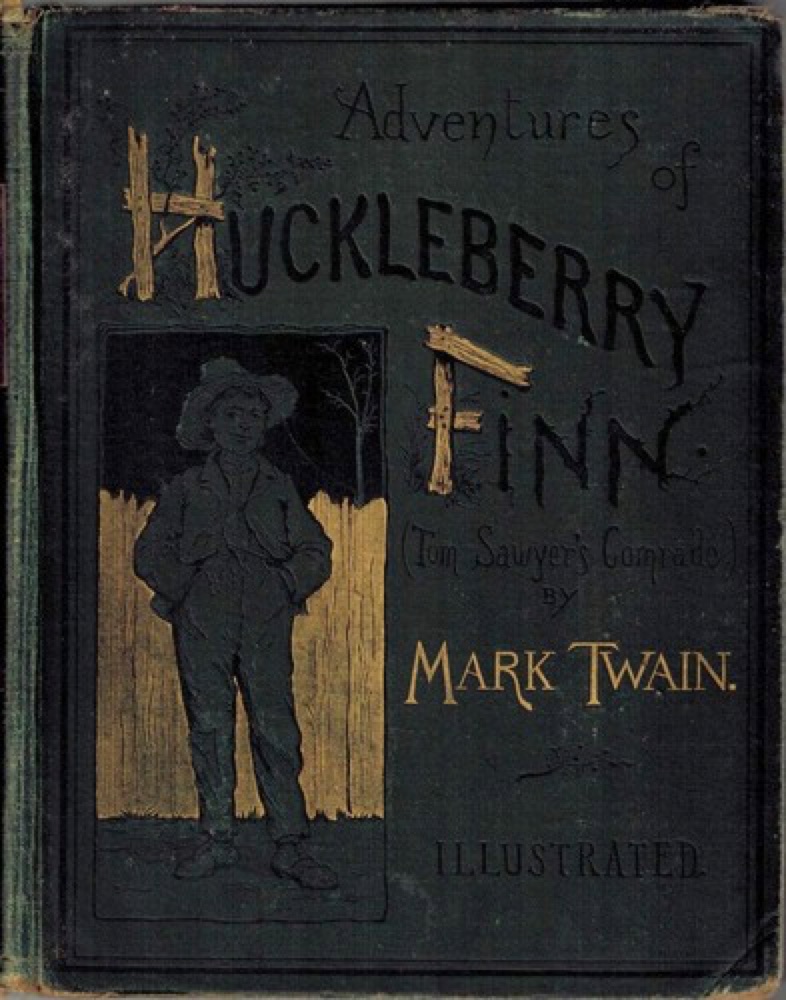 Adventures of Huckleberry Finn
 The Bachman Books
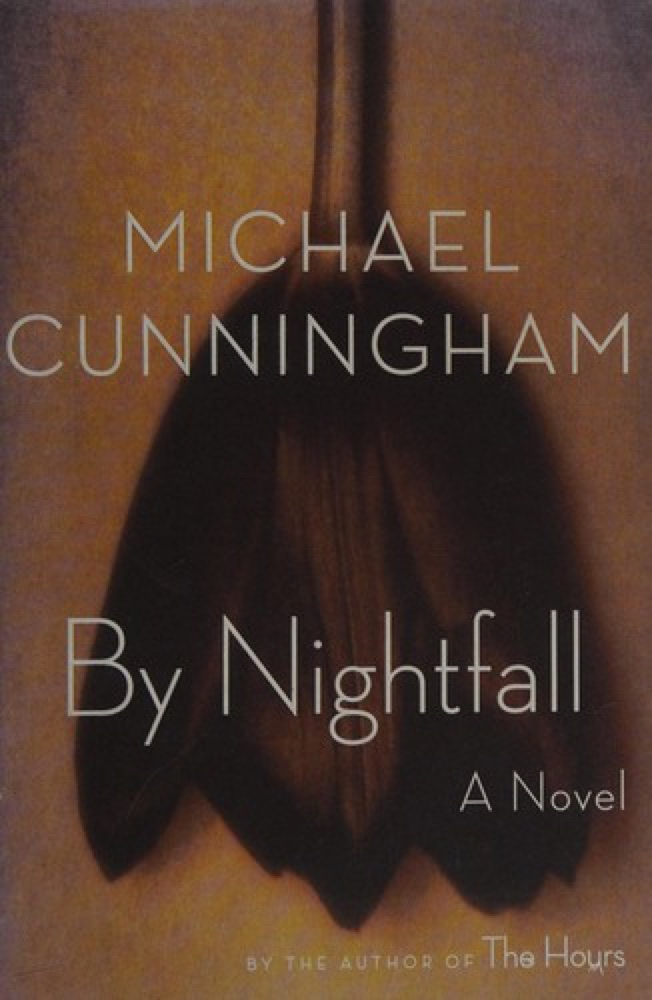 By Nightfall
 MaddAddam
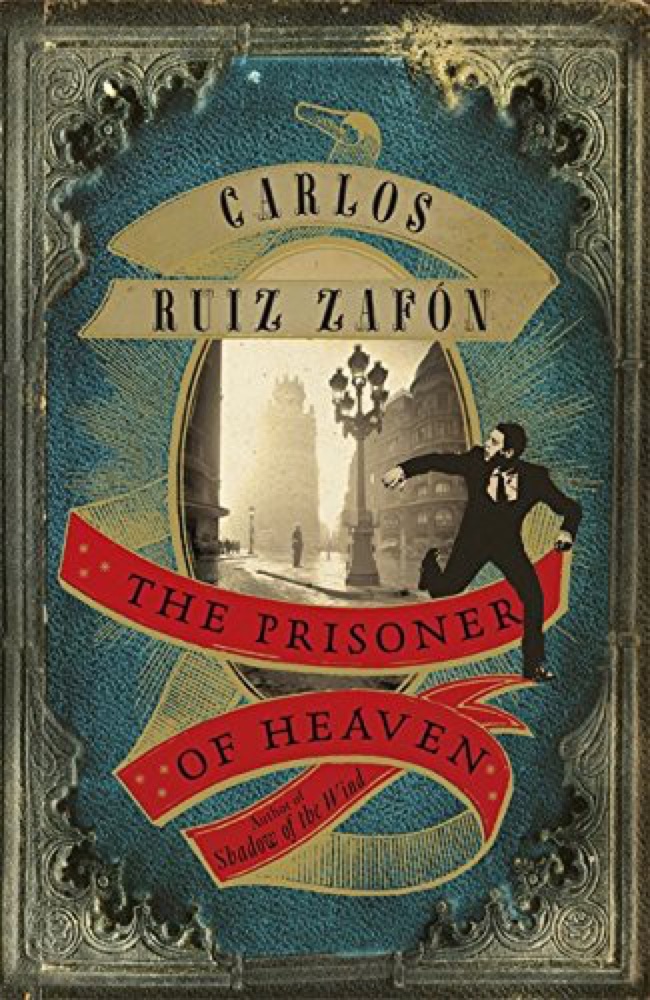 The Prisoner of Heaven
 The Liars' Club
 When You Are Engulfed in Flames
 Ordinary People
 The Magicians
 Fathers and Sons
 Red Dragon
 Authority
 The Long Dark Tea-Time of the Soul
 The Corrections
 The Glass Castle
 The Killer Inside Me
Sometimes a Great Notion
The Killer Inside Me
Sometimes a Great Notion
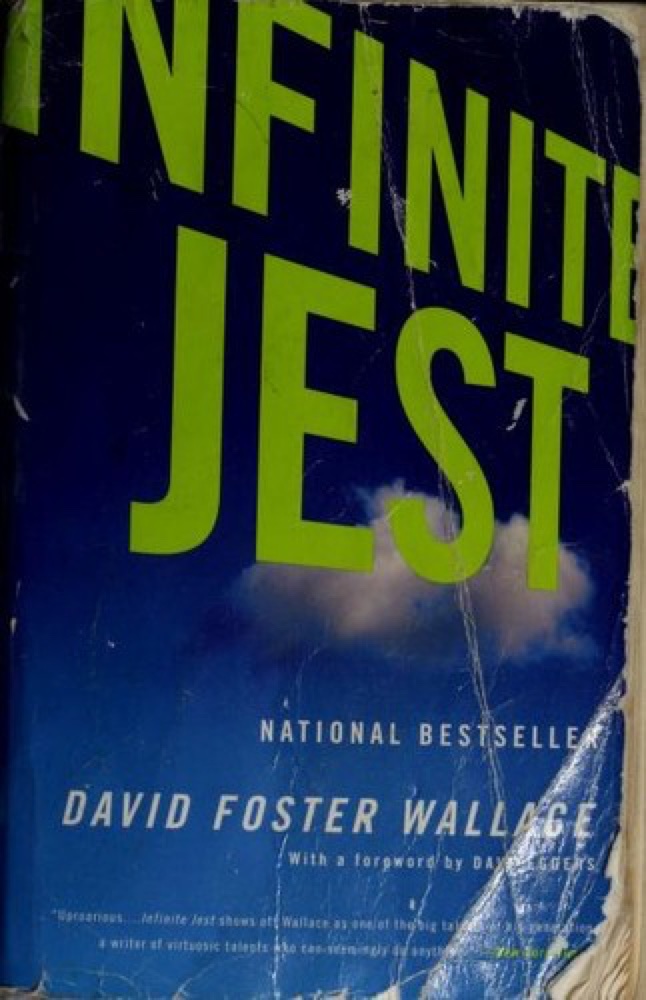 Infinite Jest
 Let it Snow
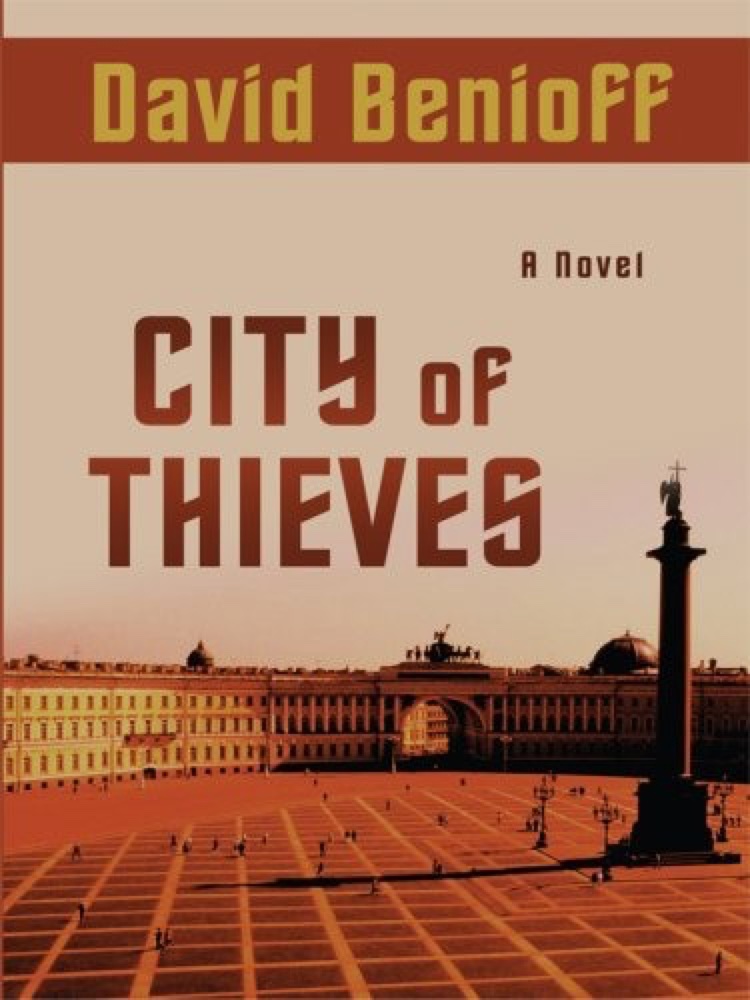 City of Thieves
 Barrel Fever: Stories and Essays
 Dhalgren
 A Spot of Bother
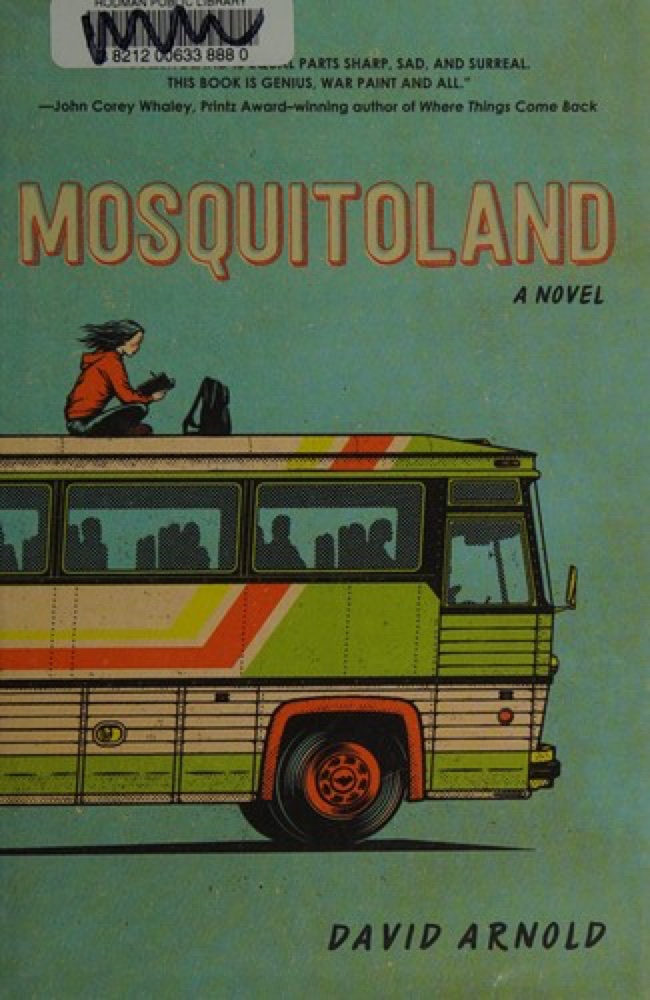 Mosquitoland
 Necromancing the Stone
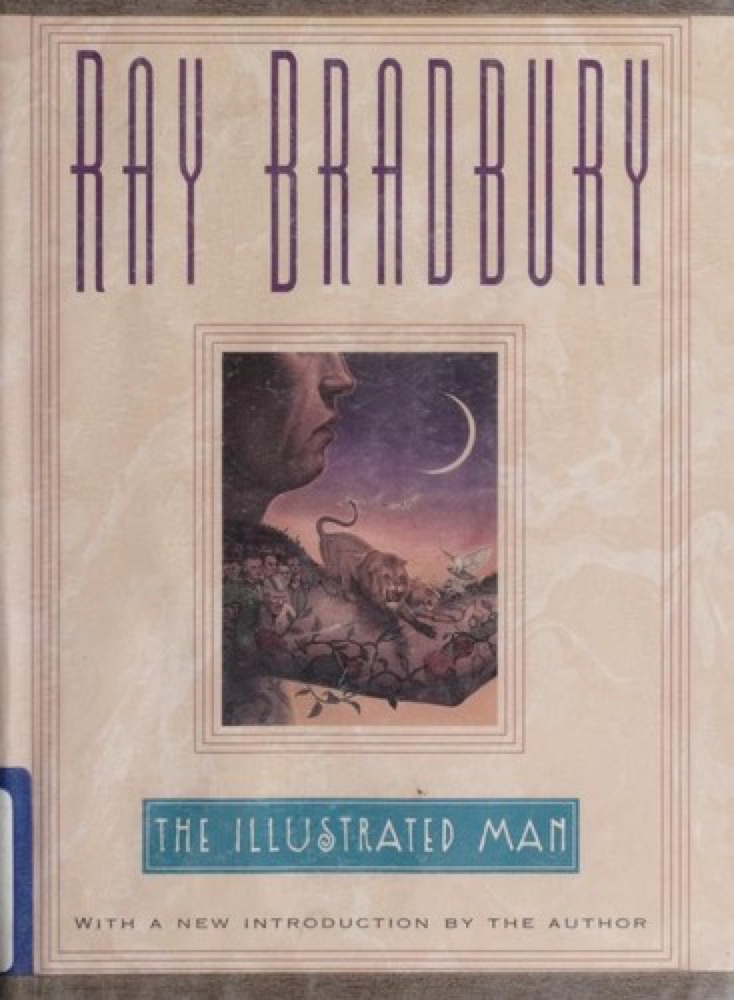 The Illustrated Man
 Make Something Up: Stories You Can't Unread
 Nightlife
 Wanderers
 Based on a True Story: A Memoir
 Broken Angels
 Cat's Cradle
 Practical Demonkeeping
 Coinman: An Untold Conspiracy
 Ham on Rye
 The Naked and the Dead
 Snuff
Snuff
 Empire Falls
 Demon Copperhead
 Corrupt