
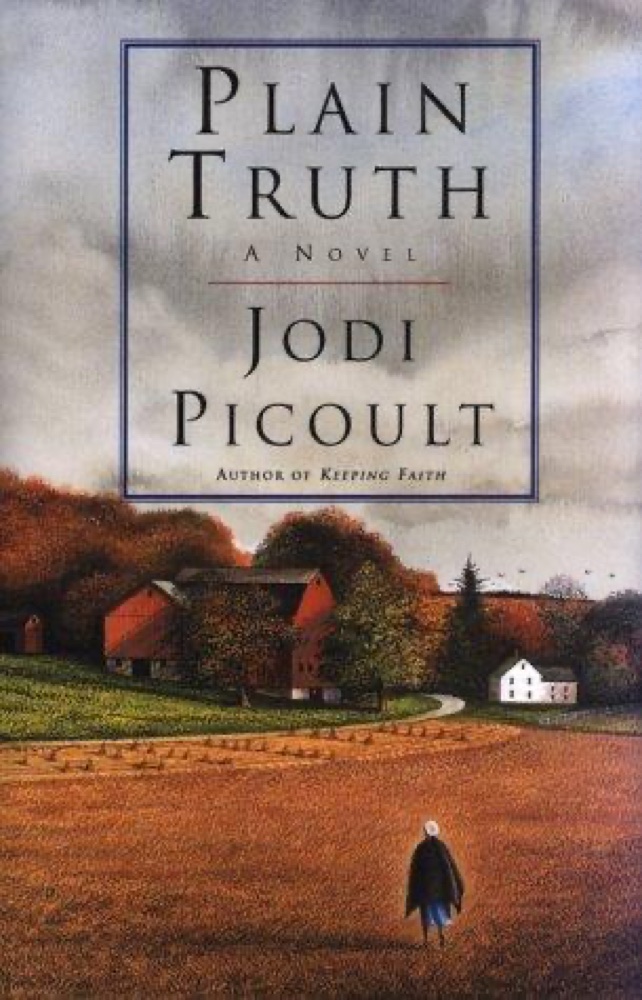
 Plain Truth
Quotes from the Book
You don't love someone because they're perfect, you love them in spite of the fact that they're not.
Let me tell you this: if you meet a loner, no matter what they tell you, it's not because they enjoy solitude. It's because they have tried to blend into the world before, and people continue to disappoint them.
Maybe who we are isn't so much about what we do, but rather what we're capable of when we least expect it.
I wondered what happened when you offered yourself to someone, and they opened you, only to discover you were not the gift they expected and they had to smile and nod and say thank you all the same.
Extraordinary things are always hiding in places people never think to look.
I'm lonely. Why do you think I had to learn to act so independent? I also get mad too quickly, and I hog the covers, and my second toe is longer than my big one. My hair has it's own zip code. Plus, I get certifiably crazy when I've got PMS. You don't love someone because they're perfect. You love them in spite of the fact that they're not.
The bottom line is that we never fall for the people we're supposed to.
It is the things you cannot see coming that are strong enough to kill you.
Sometimes to get what you want the most, you have to do what you want the least.
true love is felonious… You take someone’s breath away… You rob them of the ability to utter a single word… You steal a heart.
It's about a girl who is on the cusp of becoming someone.. A girl who may not know what she wants right now, and she may not know who she is right now, but who deserves the chance to find out.
There should be a statute of limitation on grief. A rulebook that says it is all right to wake up crying, but only for a month. That after 42 days you will no longer turn with your heart racing, certain you have heard her call out your name. That there will be no fine imposed if you feel the need to clean out her desk; take down her artwork from the refrigerator; turn over a school portrait as you pass - if only because it cuts you fresh again to see it. That it's okay to measure the time she has been gone, the way we once measured her birthdays.
Until this moment, I had not realized that someone could break your heart twice, along the very same fault lines.
It's disappointing to know that someone can see right through you.
It doesn't take a whole long life to realize that what we deserve to have, we rarely get.
I learn from my own daughter that you don’t have to be awake to cry.
Seeing her sitting there unresponsive makes me realize that silence has a sound.
In the English language there are orphans and widows, but there is no word for the parents who lose a child.
See, as much as you want to hold on to the bitter sore memory that someone has left this world, you are still in it
You know how every now and then, you have a moment where your whole life stretches out ahead of you like a forked road, and even as you choose one gritty path you've got your eyes on the other the whole time, certain that you're making a mistake.
A real friend isn't capable of feeling sorry for you.
Do you know how sometimes - when you are riding your bike and you start skidding across sand, or when you miss a step and start tumbling down the stairs - you have those long, long seconds to know that you are going to be hurt, and badly?
There are always sides. There is always a winner and a loser. For every person who gets, there's someone who must give.
If you meet a loner, no matter what they tell you, it’s not because they enjoy solitude. It’s because they have tried to blend into the world before, and people continue to disappoint them.
I didn't want to see her because it would make me feel better. I came because without her, it's hard to remember who I am...
Shooting stars are not stars at all. They re just rocks that enter the atmosphere and catch fire under friction. What we wish on when we see one is only a trail of debris.
There are some things we do because we convince ourselves it would be better for everyone involved. We tell ourselves that it's the right thing to do, the altruistic thing to do. It's far easier than telling ourselves the truth.
Kids think with their brains cracked wide open; becoming an adult, I've decided, is only a slow sewing shut.
Normal, in our house, is like a blanket too short for a bed--sometimes it covers you just fine, and other times it leaves you cold and shaking; and worst of all, you never know which of the two it's going to be.
Did you know?
- Anna Fitzgerald was conceived through preimplantation genetic diagnosis specifically to be a tissue match for her sister Kate.
- Jodi Picoult drew inspiration from her son Jake's repeated childhood surgeries for benign tumors in both ears.
- The novel is told through the alternating first-person perspectives of several family members and their lawyer.
- It was named one of the most frequently challenged books in the United States by the American Library Association in 2009.
- The 2009 film adaptation changed the novel's ending, a departure that drew considerable attention.
About Jodi Picoult
Jodi Picoult (born May 19, 1966, in Long Island, New York) is an American novelist known for family dramas built around moral and ethical dilemmas. She has published more than two dozen novels, with roughly 40 million copies in print worldwide translated into dozens of languages.
More about the author →More by Jodi Picoult
All books by Jodi Picoult →
About the book
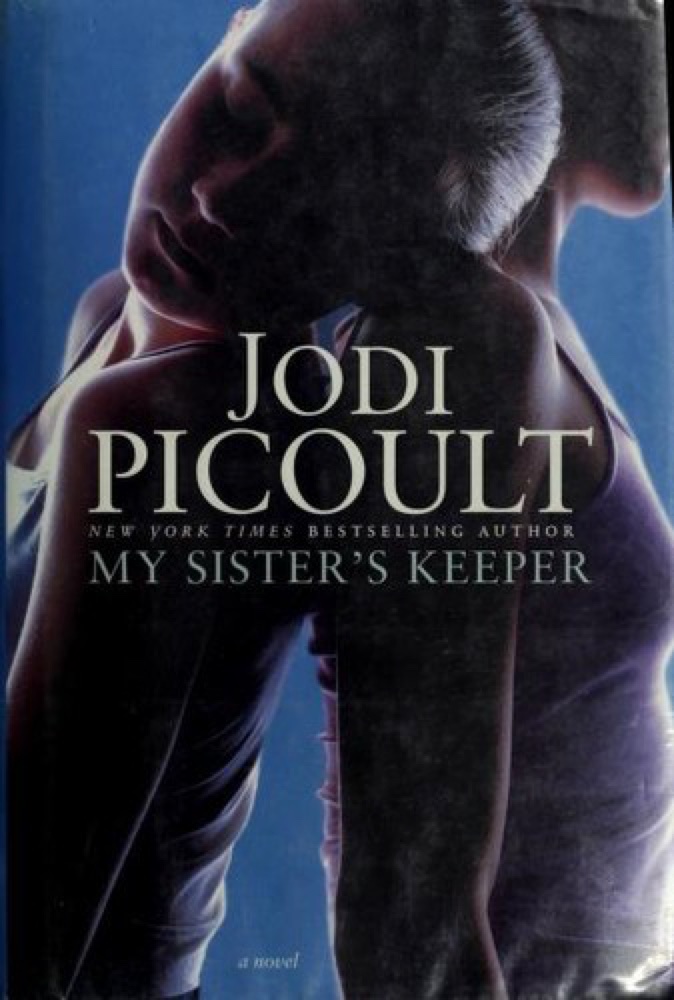
My Sister's Keeper is Jodi Picoult's 2004 novel about thirteen-year-old Anna Fitzgerald, who was conceived through preimplantation genetic diagnosis to be a genetic match for her older sister Kate, a leukemia patient. Having endured years of surgeries, transfusions, and injections to keep Kate alive, Anna hires a lawyer and sues her parents for medical emancipation when she is asked to donate a kidney. The story unfolds through multiple first-person narrators, revealing how the family's every decision has revolved around Kate's illness.
Picoult uses the case as a lens on medical ethics and bodily autonomy: the notion of the "savior sibling," the limits of parental authority, and the question of what one person can be asked to sacrifice for another. The novel weaves together the perspectives of Anna, her controlling mother Sara, her lawyer Campbell Alexander, and her troubled older brother Jesse, so that no single character holds the moral high ground and the reader is left to weigh competing claims of love and duty.
The book became one of Picoult's best-known works and a major bestseller, and it drew inspiration from the author's own experience with her son's repeated childhood surgeries. Its provocative premise made it a fixture of book clubs and classroom discussion, though it also became one of the most frequently challenged books in American libraries. A film adaptation followed in 2009, notably altering the novel's ending.
Key characters
- Anna FitzgeraldThirteen-year-old protagonist who sues her parents for medical emancipation
- Kate FitzgeraldAnna's older sister, who suffers from leukemia
- Sara FitzgeraldThe girls' mother, a former attorney focused on saving Kate
- Campbell AlexanderAnna's lawyer, who has an undisclosed medical condition
- Jesse FitzgeraldThe troubled oldest sibling
- Brian FitzgeraldThe girls' father, a firefighter caught between his daughters
Book details
- First published
- 2004
- Length
- 423 pages
- Reading time
- 8 hours
- Author
- Jodi Picoult
- Genre
- Fiction
- Goodreads rating
- 4.11 (1.3M ratings) →
- First line
- “When I was little, the great mystery to me wasn't how babies were made, but why.”
Movie & TV adaptations
- IMDb
Keep reading
 Leaving Time
 Vanishing Acts
 Call It What You Want
 Perfect Match
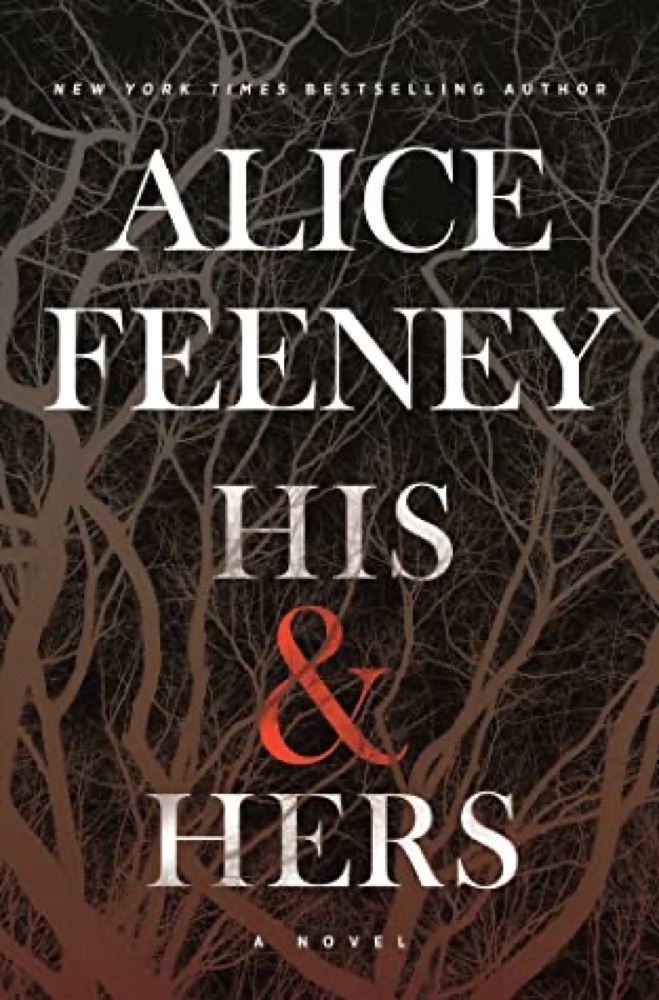 His & Hers
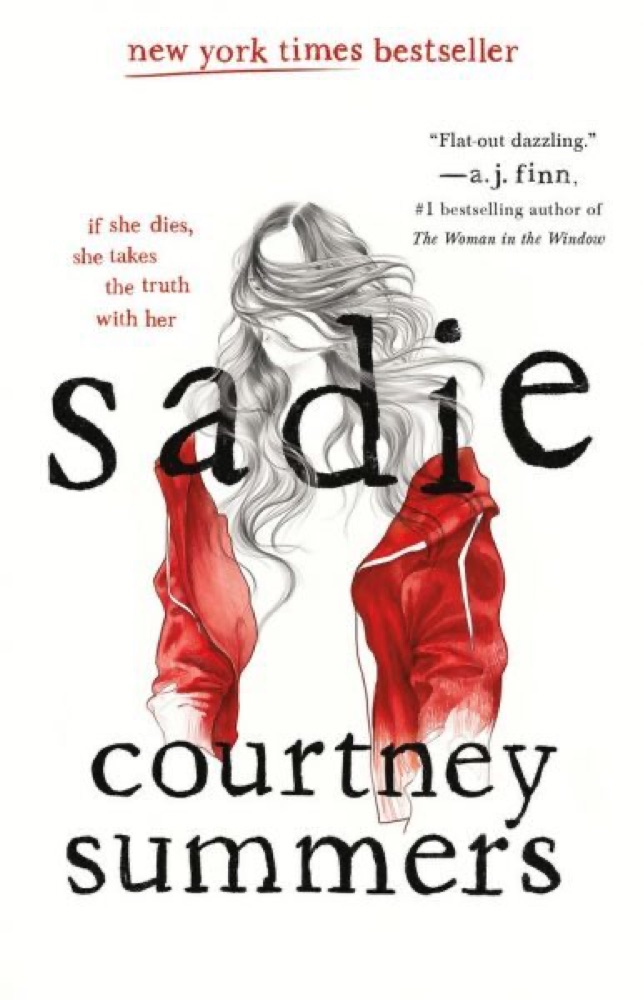 Sadie
Sadie
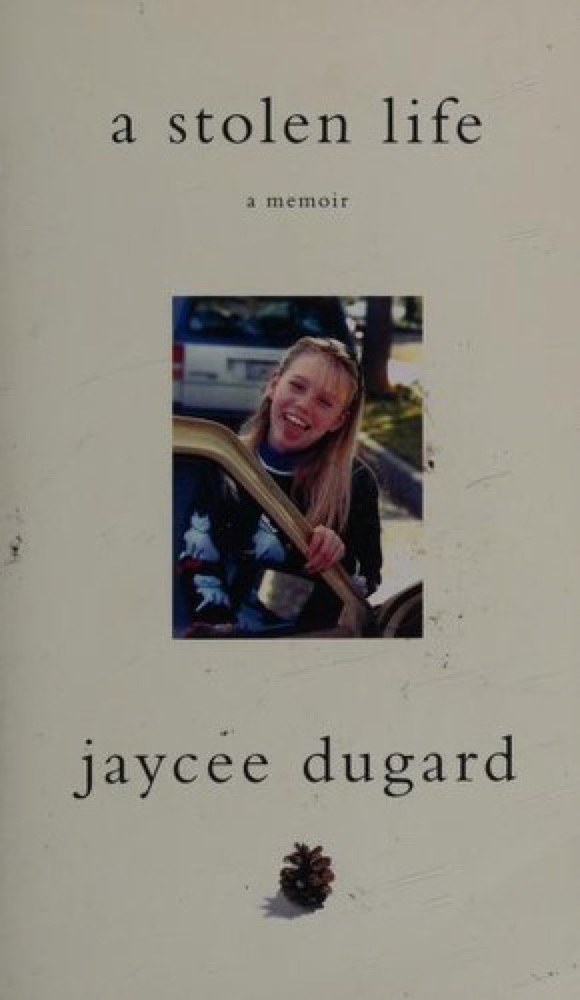 A Stolen Life
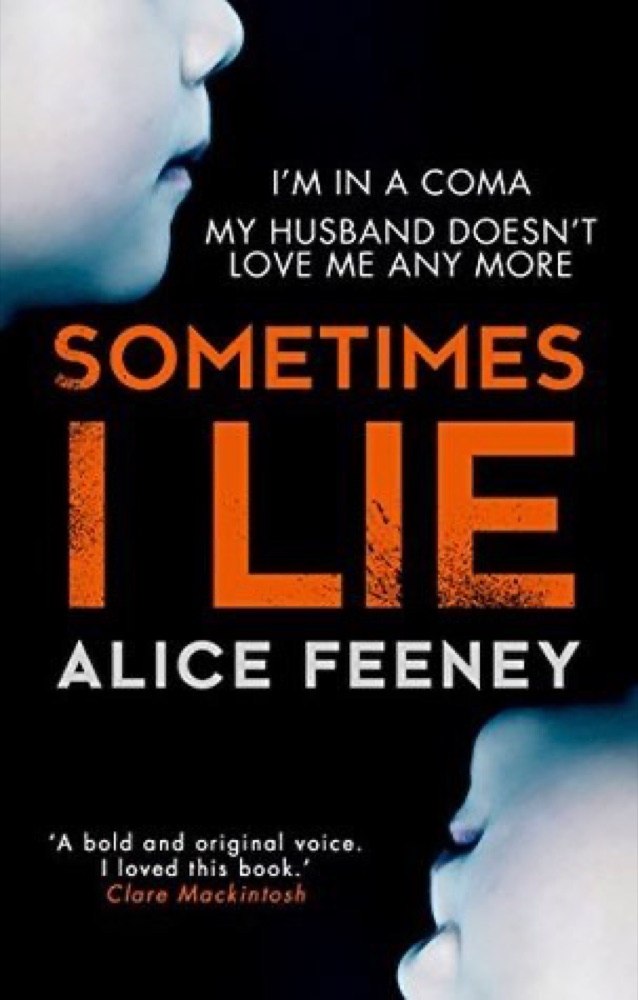 Sometimes I Lie
 Lock and Key
 The Secret Life of Bees
 Daisy Darker
 The Wrong Daughter
 Night Star
 One of Us Is Next
 When Did You See Her Last?
 The Last Thing He Told Me
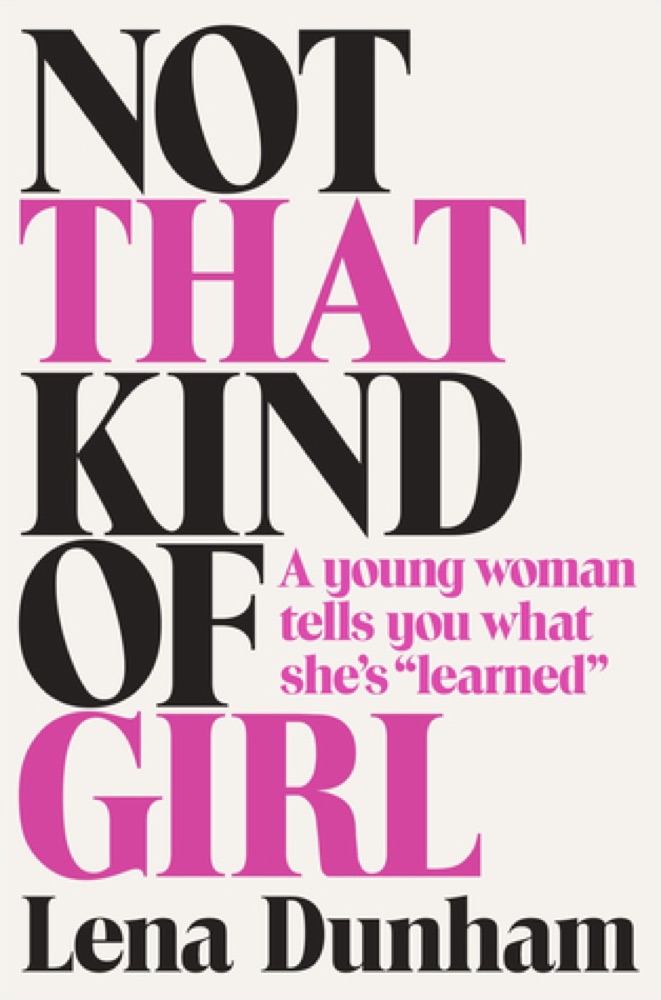 Not That Kind of Girl: A Young Woman Tells You What She's "Learned"
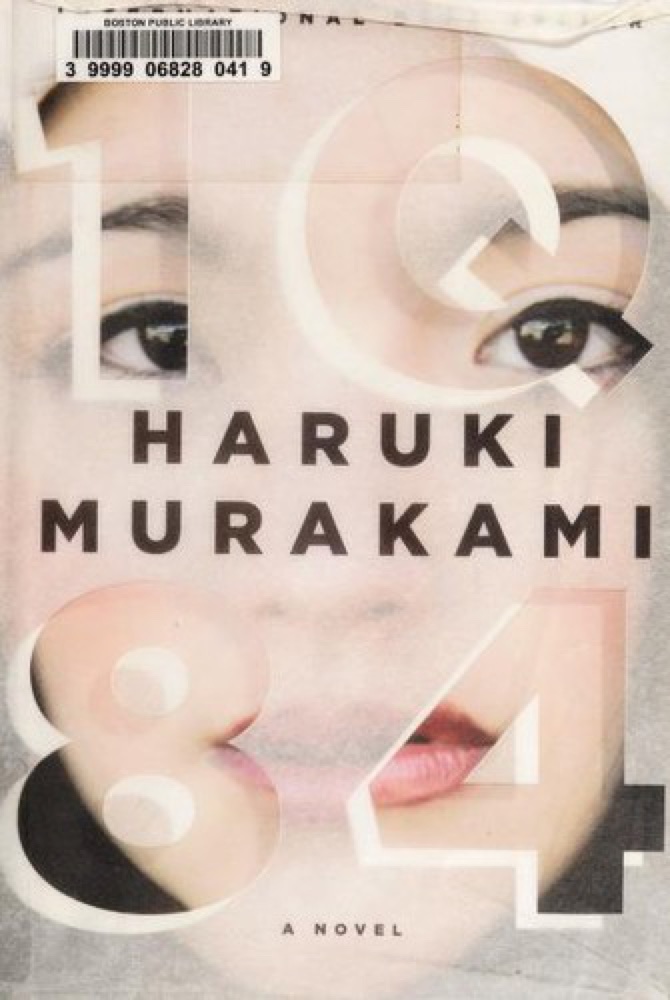 1Q84
1Q84
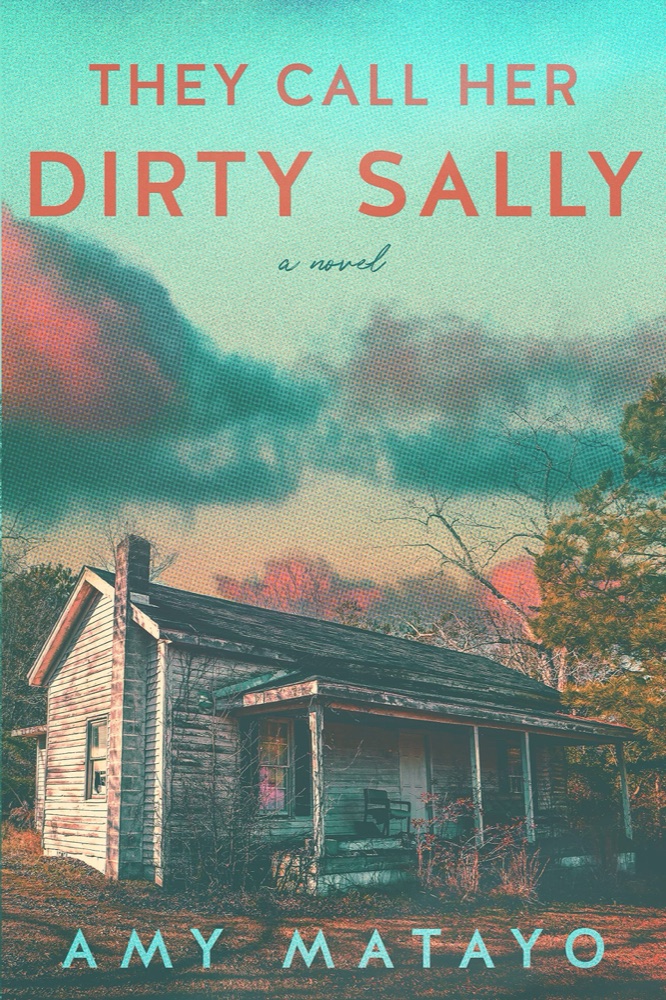 They Call Her Dirty Sally
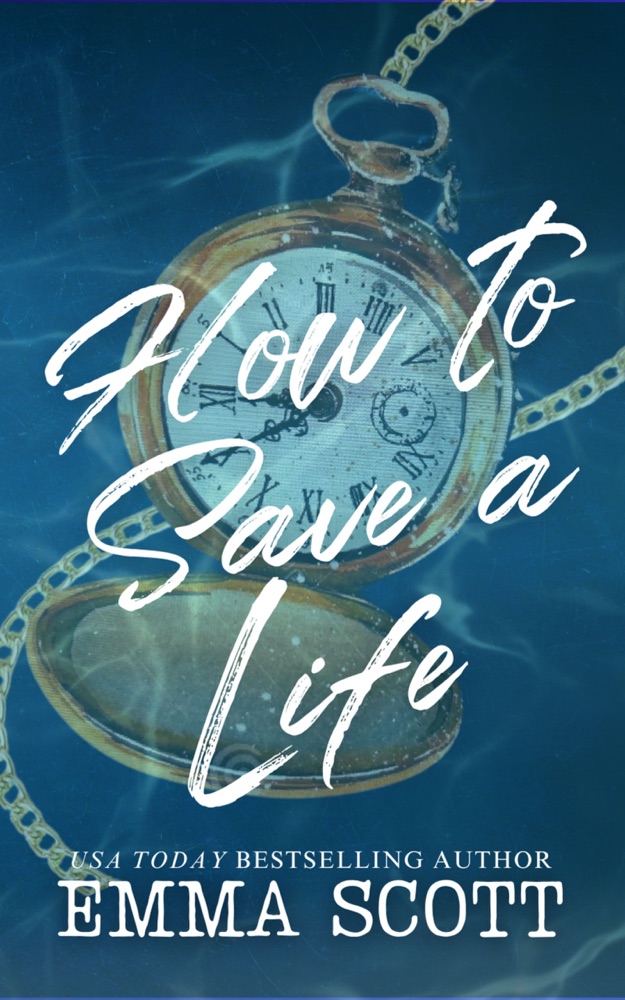 How to Save a Life
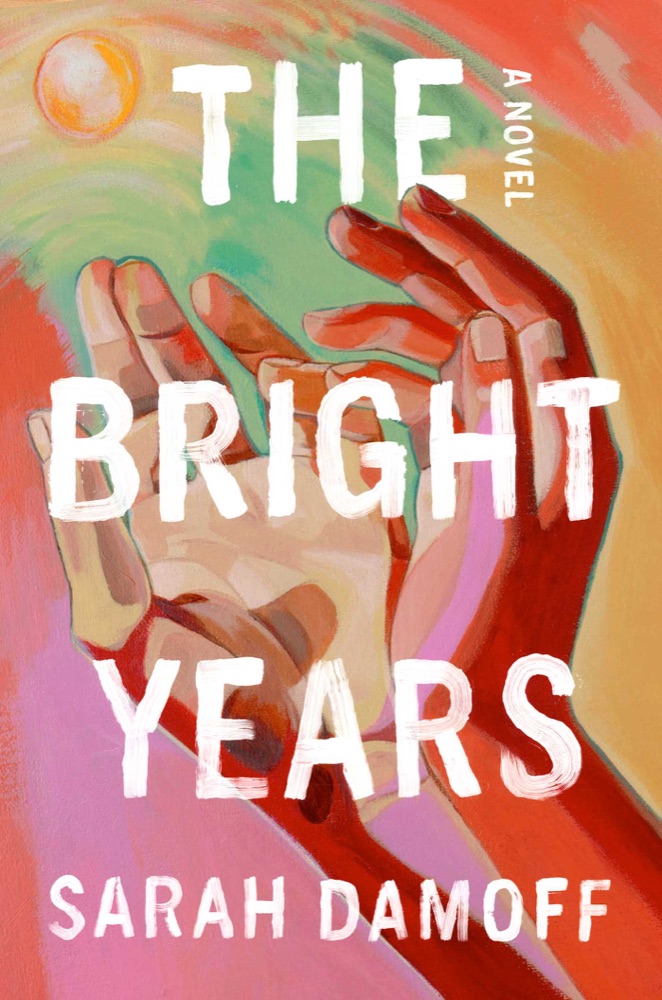 The Bright Years
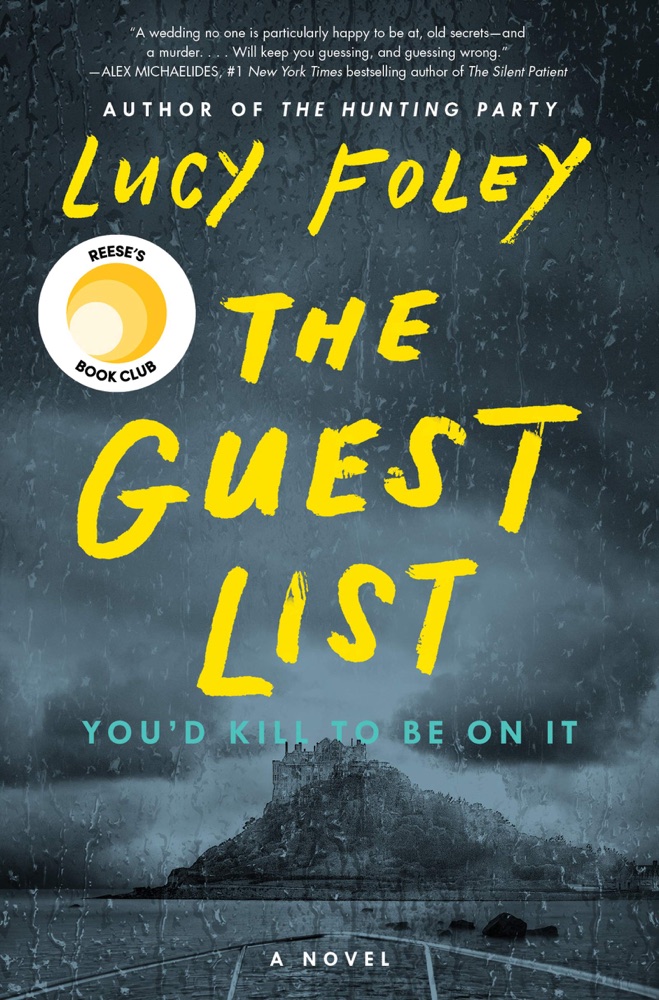 The Guest List
 It Happens for a Reason
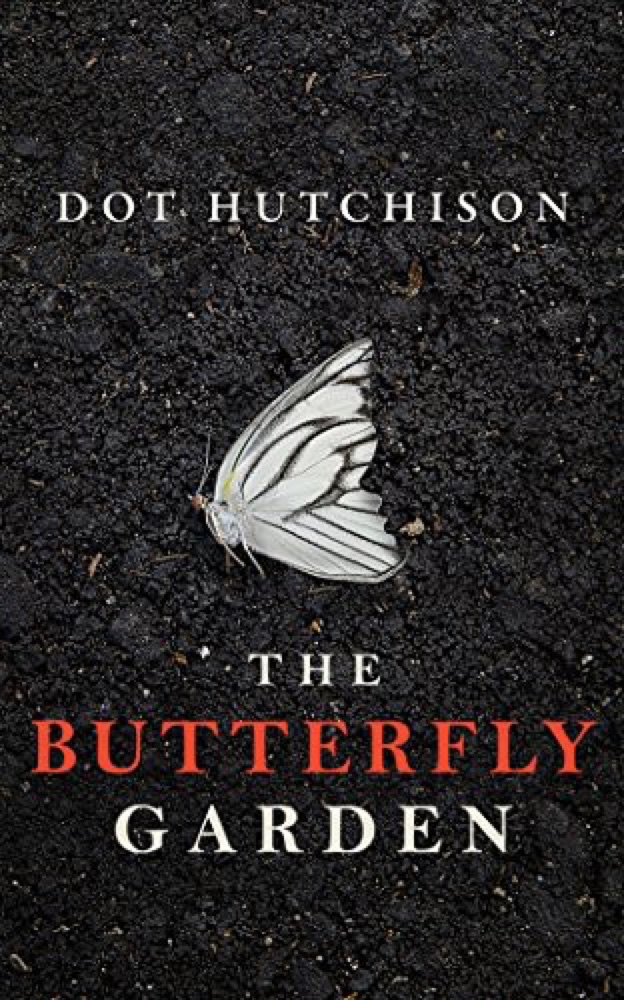 The Butterfly Garden
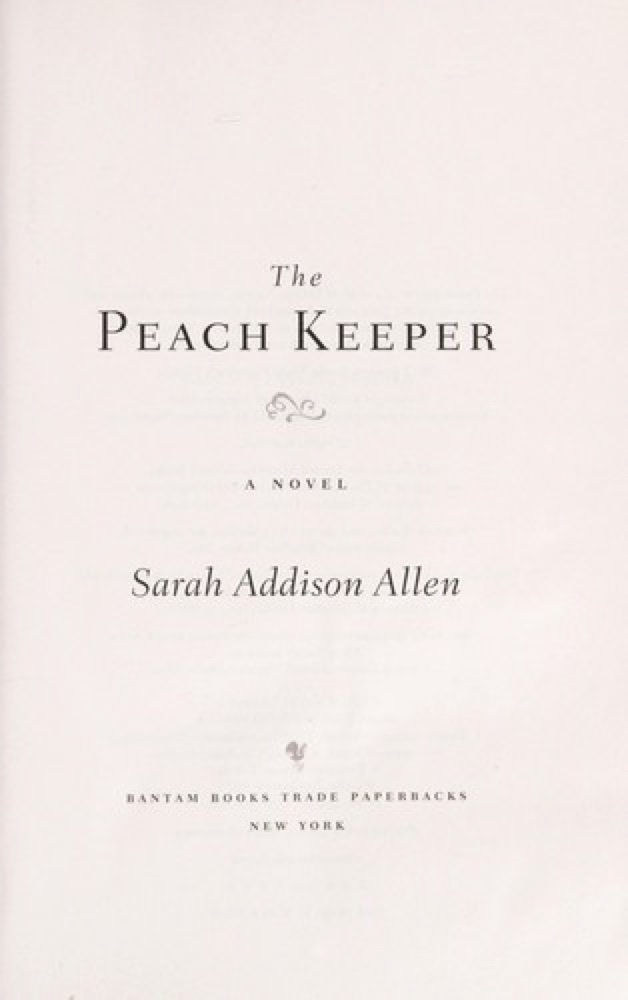 The Peach Keeper
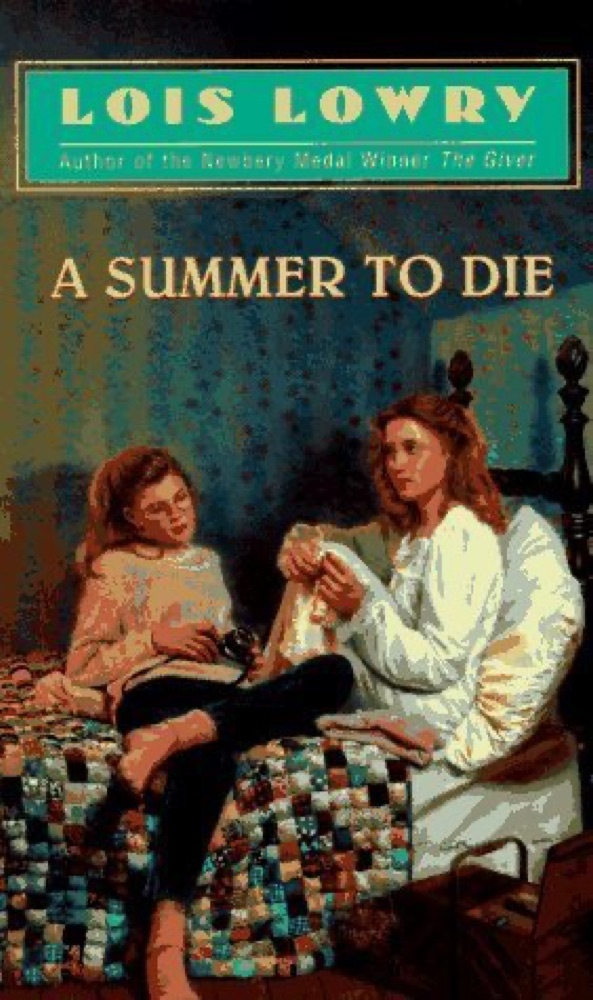 A Summer to Die
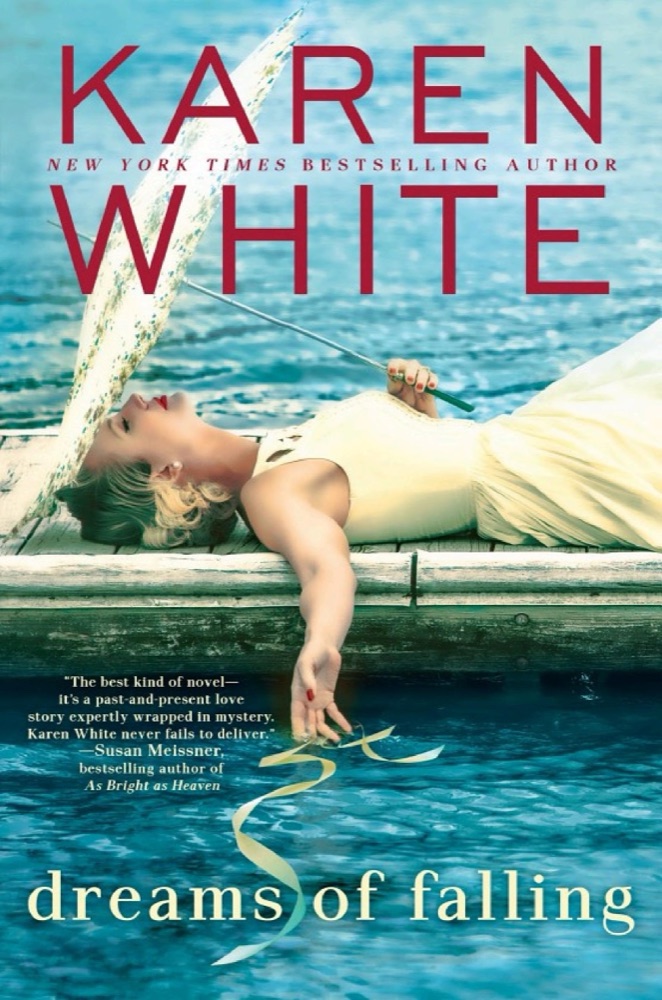 Dreams of Falling
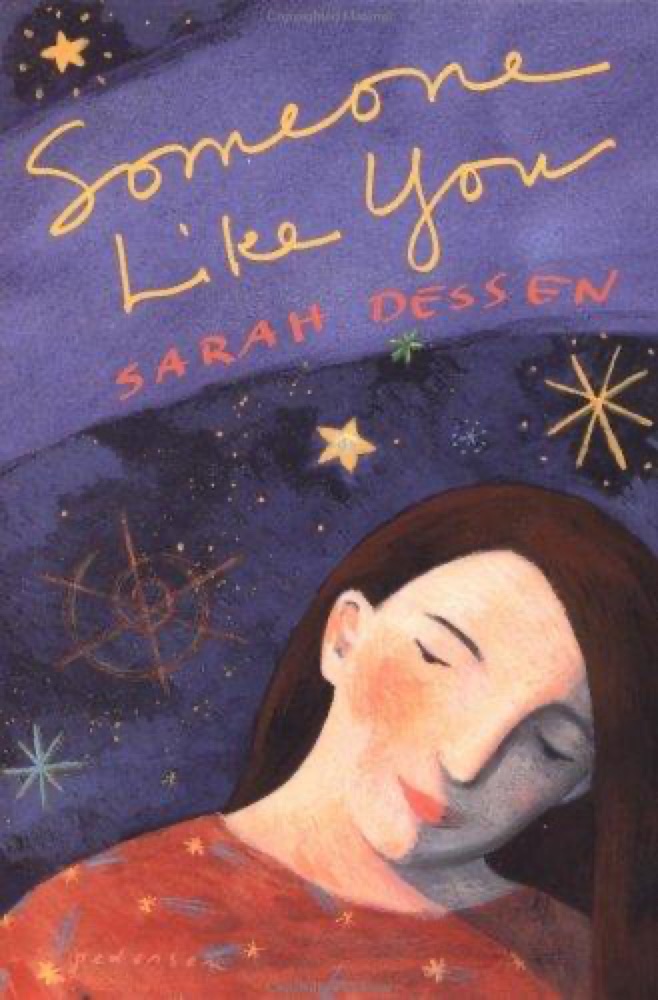 Someone Like You
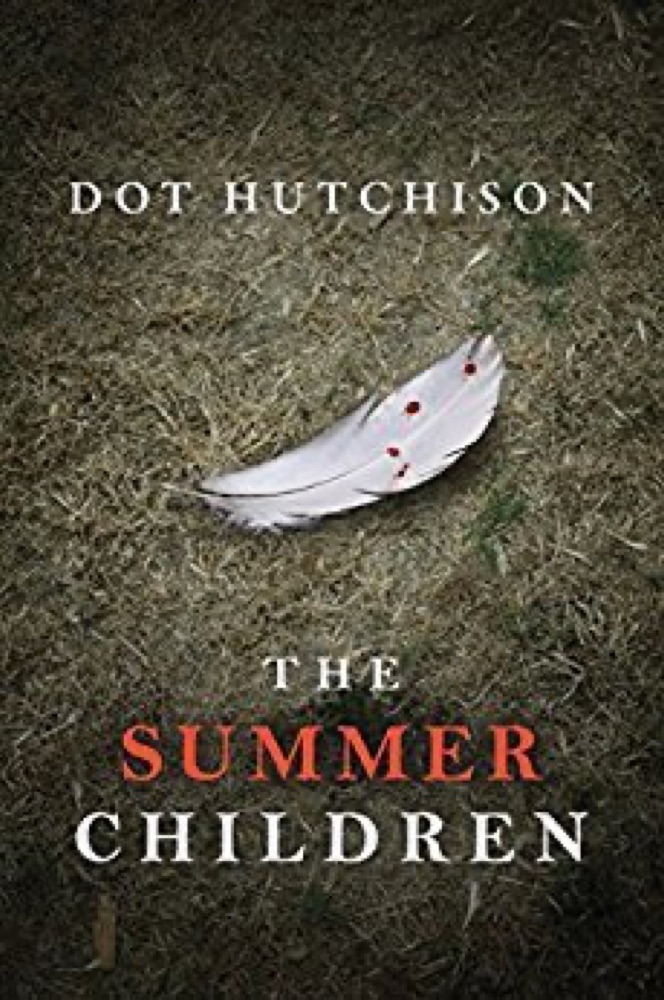 The Summer Children
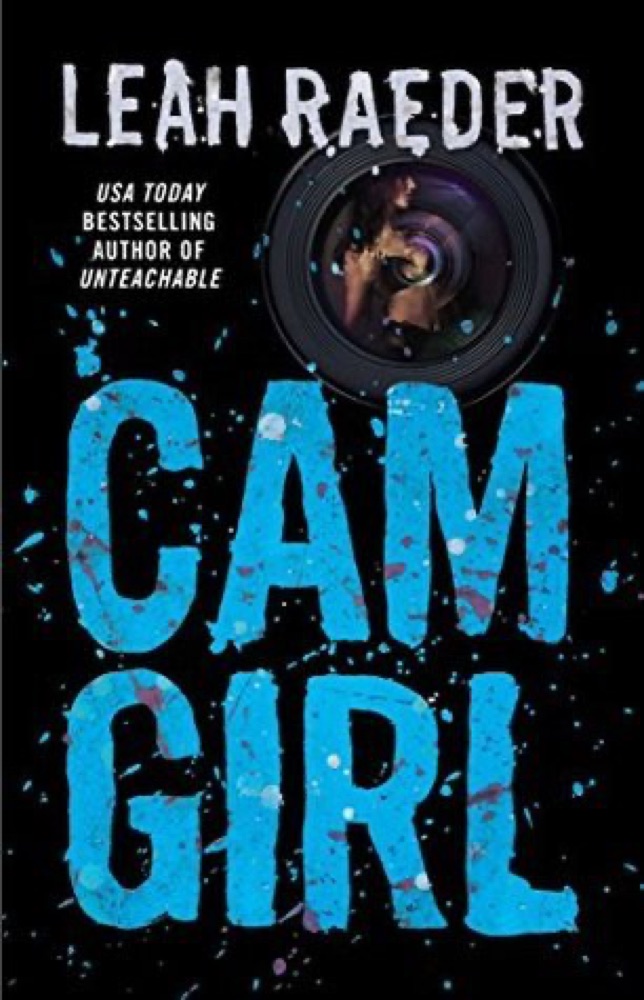 Cam Girl
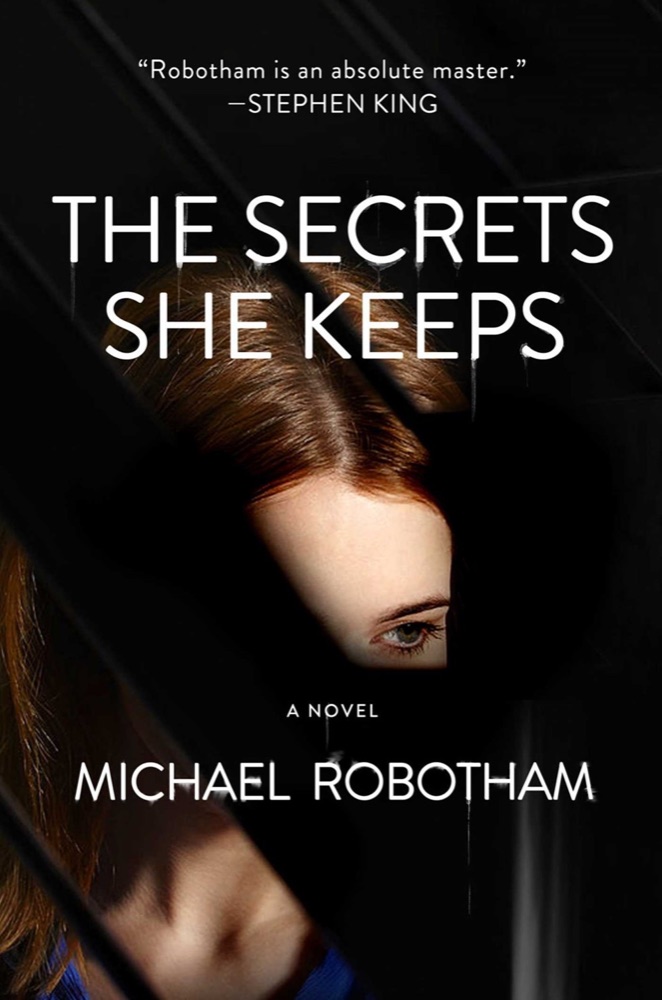 The Secrets She Keeps
 Unlit Star
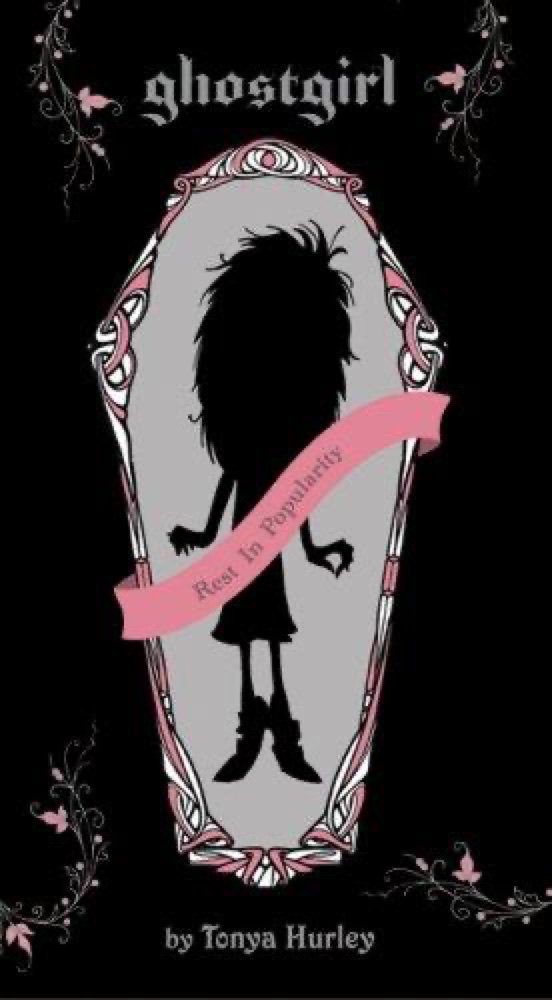 Ghostgirl
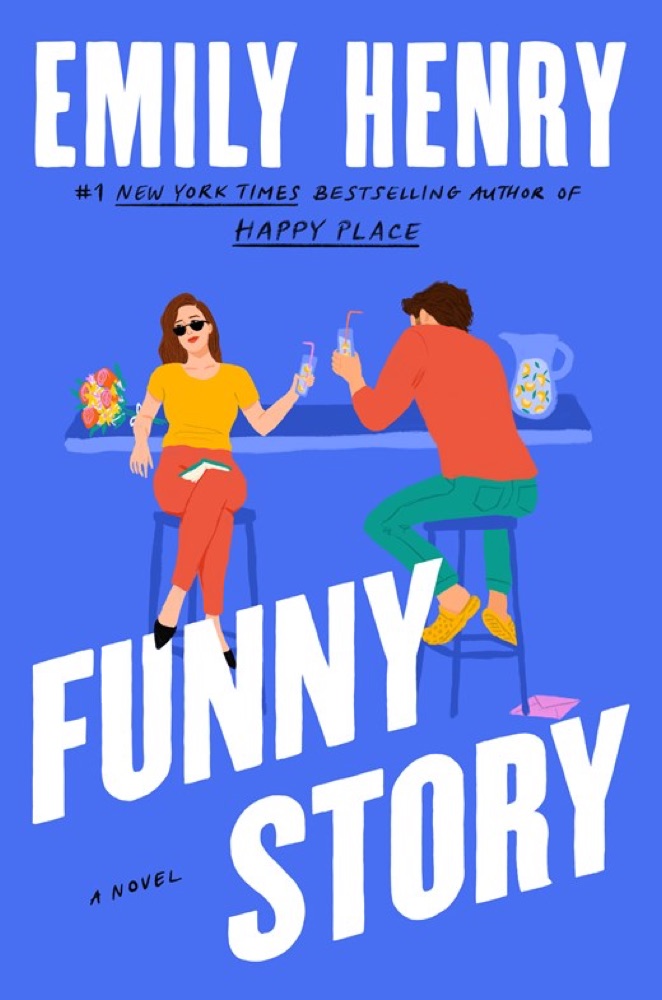 Funny Story
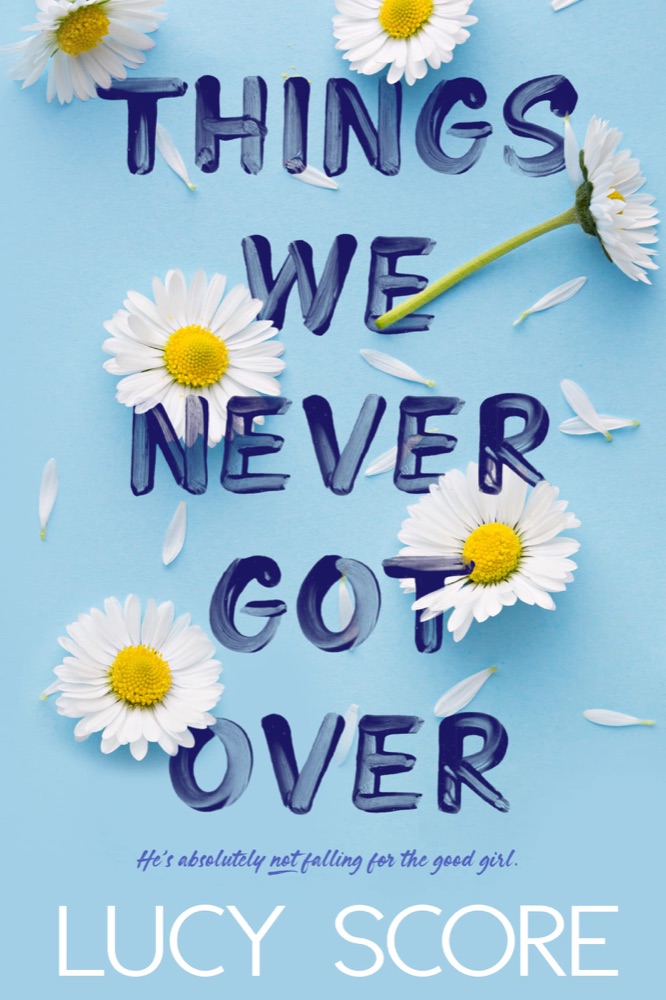 Things We Never Got Over
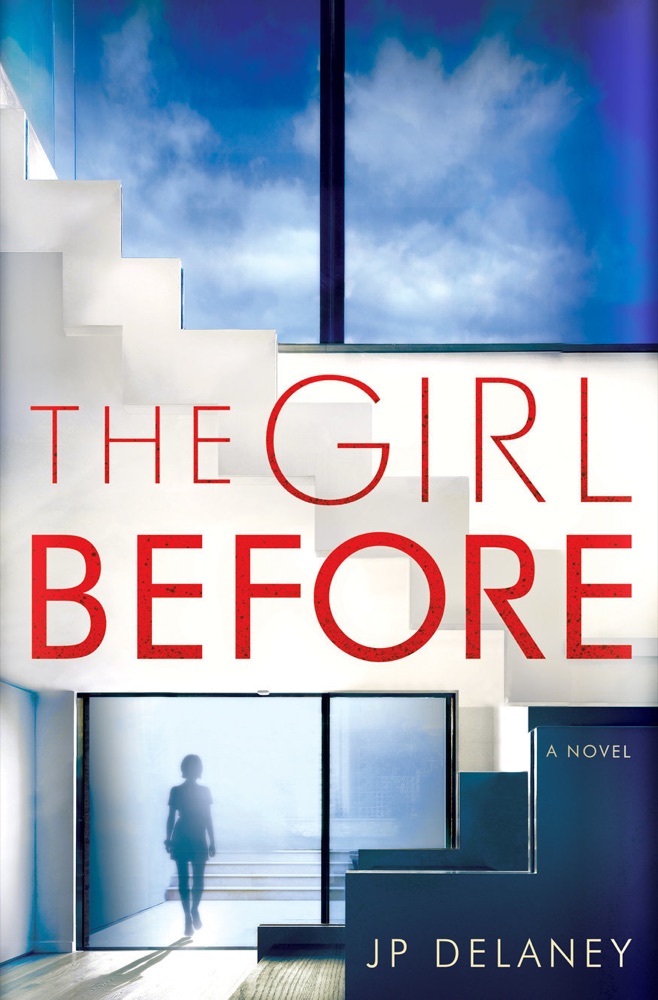 The Girl Before
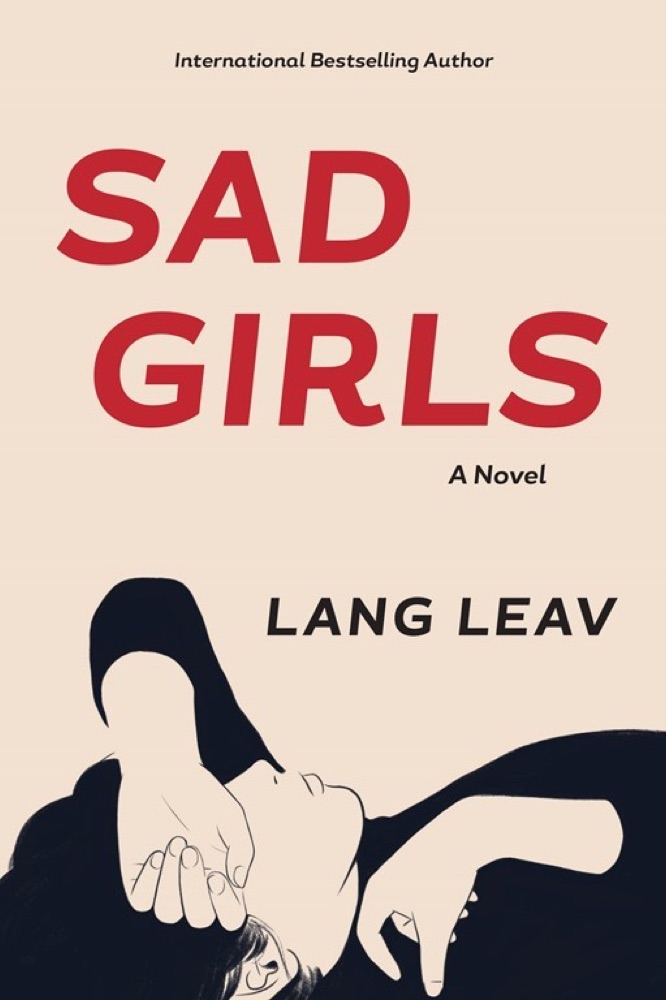 Sad Girls
 The Last Flight
 Every Exquisite Thing
 The Girls
 The Shock of the Fall
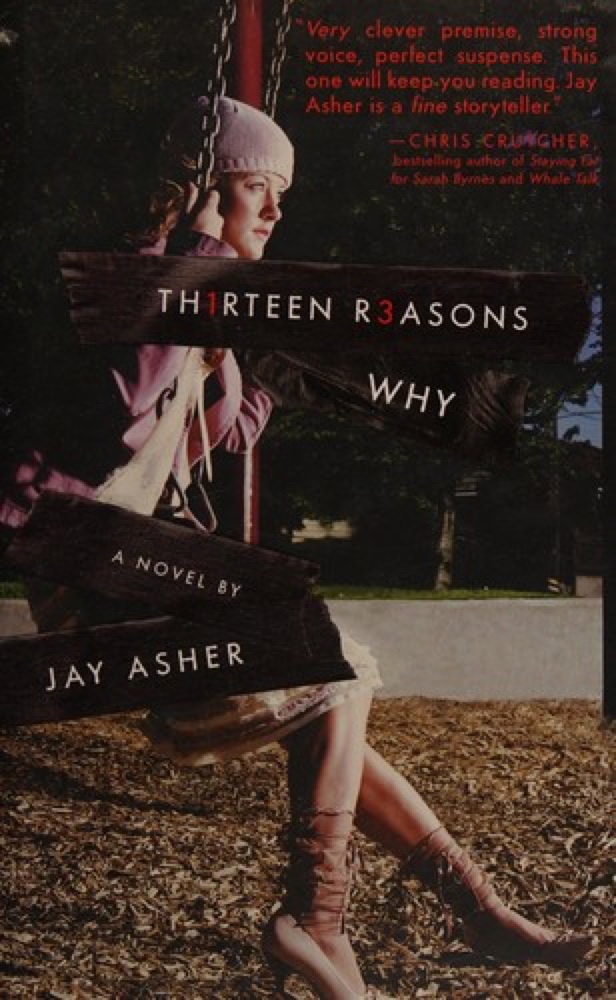 Thirteen Reasons Why
 Something Blue
 Holding Up the Universe
 Hidden Bodies
 This Song Will Save Your Life
 House of Glass
 Stay
Stay
 In Time
 Take Me With You
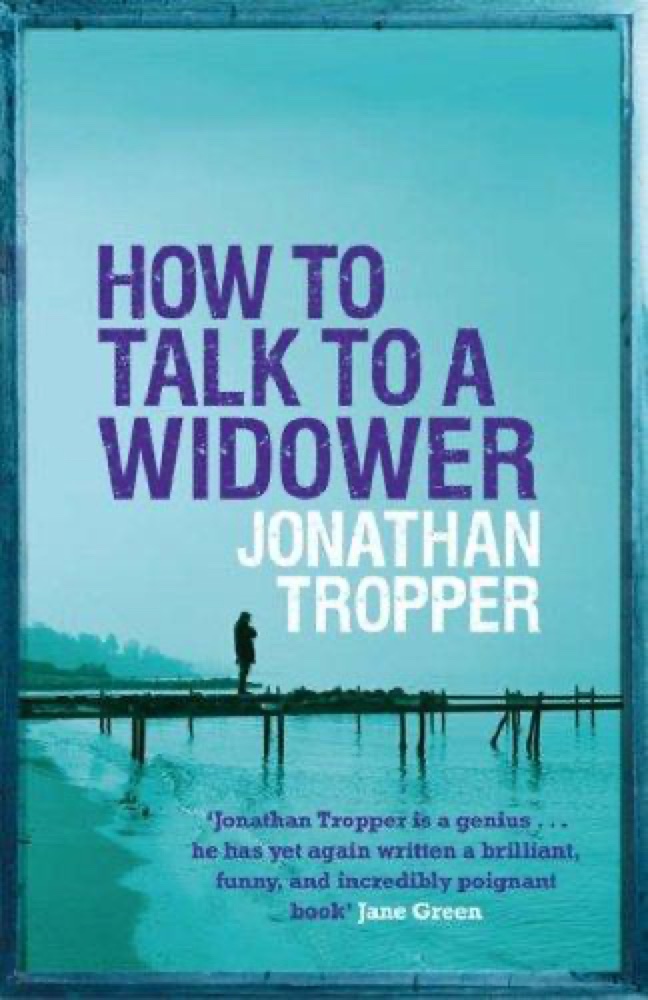 How To Talk To A Widower
 Saint X
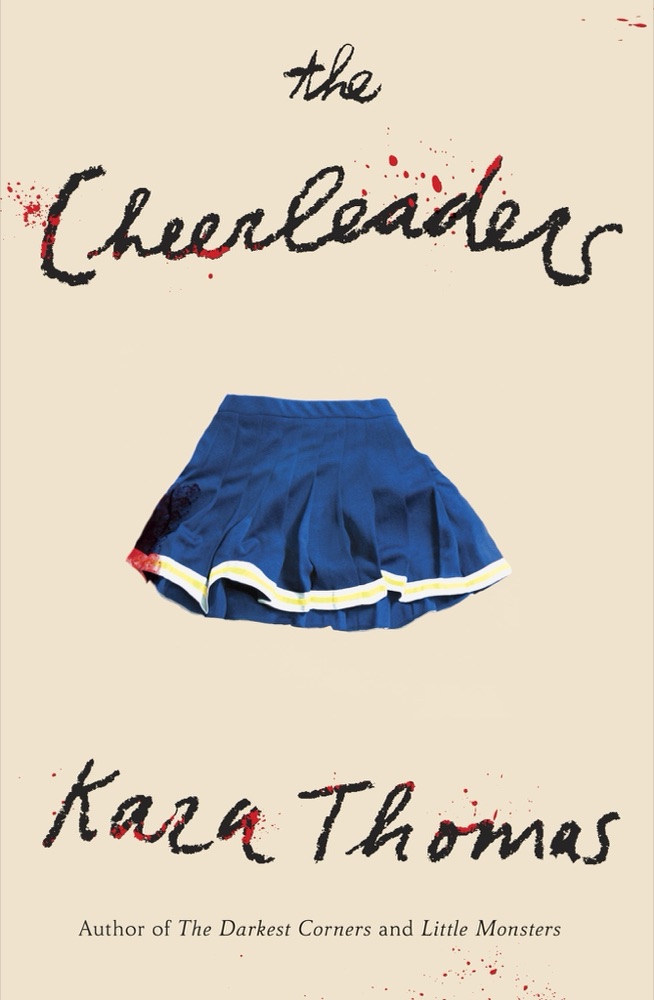 The Cheerleaders
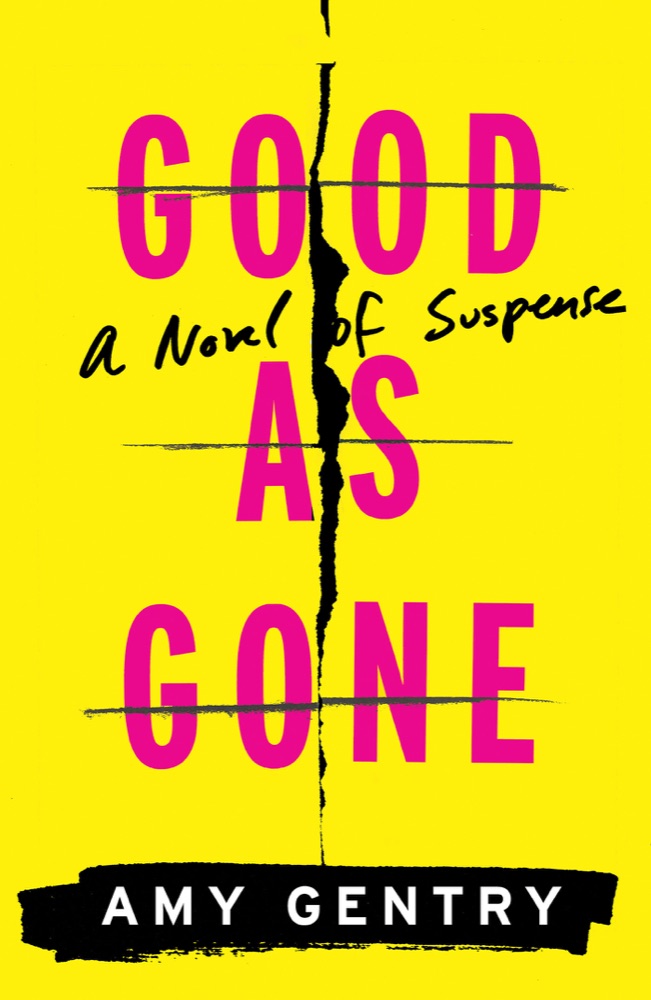 Good as Gone
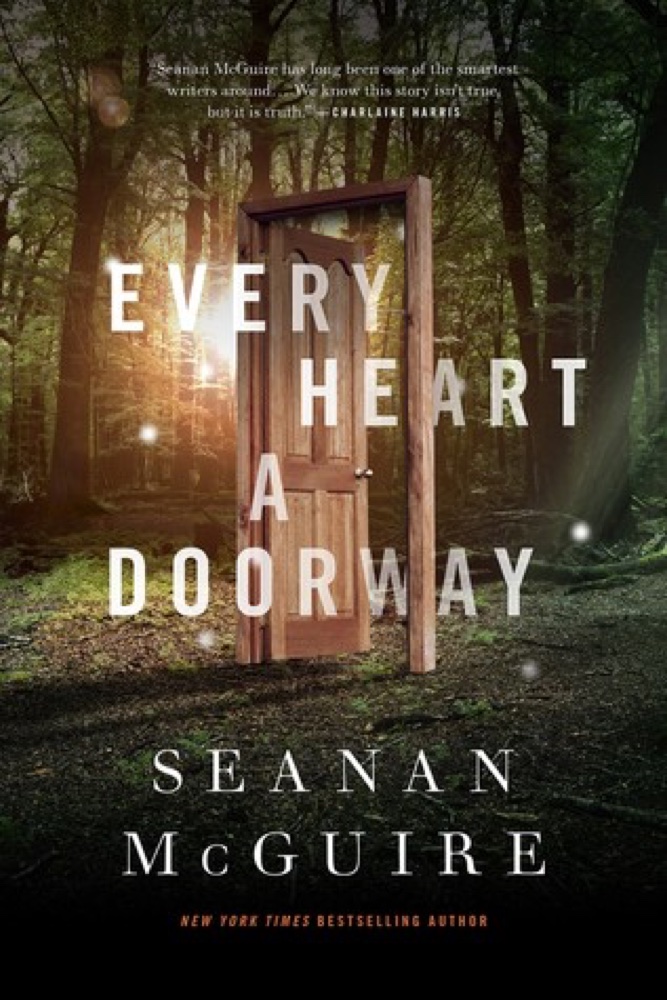 Every Heart a Doorway
 If You Could See Me Now
 We Are All Completely Beside Ourselves
 Tell Me What You Did
 Orphan Train
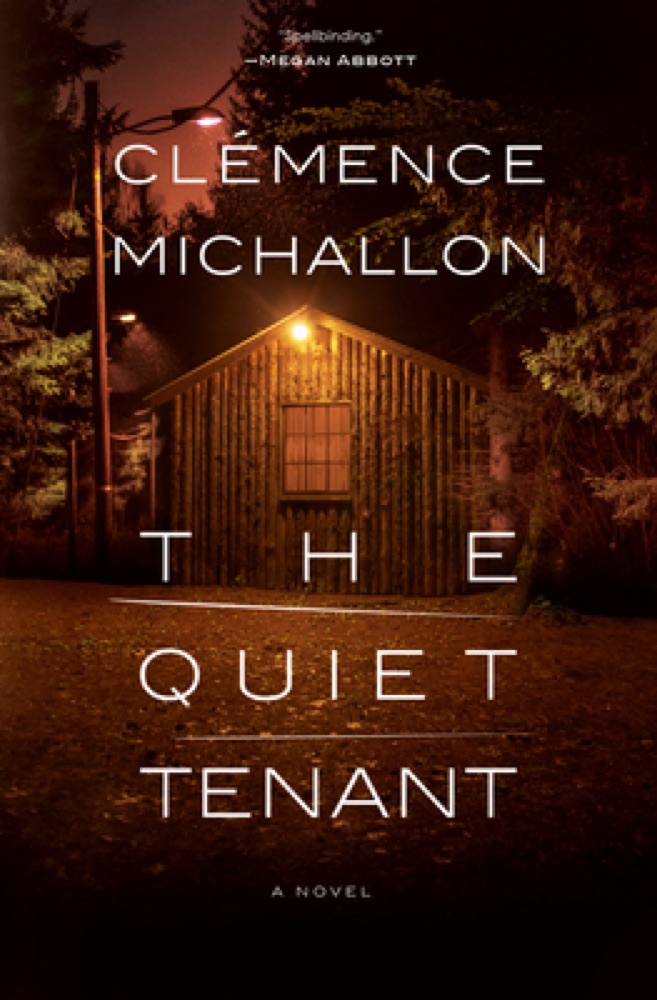 The Quiet Tenant