
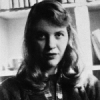
 The Unabridged Journals of Sylvia Plath
Quotes from the Book
If you expect nothing from somebody you are never disappointed.
I took a deep breath and listened to the old brag of my heart. I am, I am, I am.
I saw my life branching out before me like the green fig tree in the story. From the tip of every branch, like a fat purple fig, a wonderful future beckoned and winked. One fig was a husband and a happy home and children, and another fig was a famous poet and another fig was a brilliant professor, and another fig was Ee Gee, the amazing editor, and another fig was Europe and Africa and South America, and another fig was Constantin and Socrates and Attila and a pack of other lovers with queer names and offbeat professions, and another fig was an Olympic lady crew champion, and beyond and above these figs were many more figs I couldn't quite make out. I saw myself sitting in the crotch of this fig tree, starving to death, just because I couldn't make up my mind which of the figs I would choose. I wanted each and every one of them, but choosing one meant losing all the rest, and, as I sat there, unable to decide, the figs began to wrinkle and go black, and, one by one, they plopped to the ground at my feet.
The silence depressed me. It wasn't the silence of silence. It was my own silence.
I felt my lungs inflate with the onrush of scenery—air, mountains, trees, people. I thought, "This is what it is to be happy.
I shut my eyes and all the world drops dead; I lift my eyes and all is born again.
If neurotic is wanting two mutually exclusive things at one and the same time, then I'm neurotic as hell. I'll be flying back and forth between one mutually exclusive thing and another for the rest of my days.
The trouble was, I had been inadequate all along, I simply hadn't thought about it.
There is nothing like puking with somebody to make you into old friends.
When they asked me what I wanted to be I said I didn’t know. "Oh, sure you know," the photographer said. "She wants," said Jay Cee wittily, "to be everything.
There is something demoralizing about watching two people get more and more crazy about each other, especially when you are the only extra person in the room. It's like watching Paris from an express caboose heading in the opposite direction--every second the city gets smaller and smaller, only you feel it's really you getting smaller and smaller and lonelier and lonelier, rushing away from all those lights and excitement at about a million miles an hour.
To the person in the bell jar, blank and stopped as a dead baby, the world itself is a bad dream.
I felt very still and empty, the way the eye of a tornado must feel, moving dully along in the middle of the surrounding hullabaloo.
because wherever I sat—on the deck of a ship or at a street café in Paris or Bangkok—I would be sitting under the same glass bell jar, stewing in my own sour air.
That’s one of the reasons I never wanted to get married. The last thing I wanted was infinite security and to be the place an arrow shoots off from. I wanted change and excitement and to shoot off in all directions myself, like the colored arrows from a Fourth of July rocket.
I was supposed to be having the time of my life.
I felt wise and cynical as all hell.
But when it came right down to it, the skin of my wrist looked so white and defensless that I couldn't do it. It was as if what I wanted to kill wasn't in that skin or the thin blue pulse that jumped under my thumb, but somewhere else, deeper, more secret, and a whole lot harder to get.
I couldn’t see the point of getting up. I had nothing to look forward to.
I didn't know why I was going to cry, but I knew that if anybody spoke to me or looked at me too closely the tears would fly out of my eyes and the sobs would fly out of the throat and I'd cry for a week.
The floor seemed wonderfully solid. It was comforting to know I had fallen and could fall no farther.
I thought the most beautiful thing in the world must be shadow, the million moving shapes and cul-de-sacs of shadow. There was shadow in bureau drawers and closets and suitcases, and shadow under houses and trees and stones, and shadow at the back of people's eyes and smiles, and shadow, miles and miles and miles of it, on the night side of the earth.
If you love her", I said, "you'll love somebody else someday.
I thought the most beautiful thing in the world must be shadow.
I began to think vodka was my drink at last. It didn’t taste like anything, but it went straight down into my stomach like a sword swallowers’ sword and made me feel powerful and godlike.
There I went again, building up a glamorous picture of a man who would love me passionately the minute he met me, and all out of a few prosy nothings.
Ever since I was small I loved feeling somebody comb my hair. It made me go all sleepy and peaceful.
So I began to think maybe it was true that when you were married and had children it was like being brainwashed, and afterward you went about as numb as a slave in a totalitarian state.
Did you know?
- The Bell Jar was first published in the United Kingdom in 1963 and was Sylvia Plath's only novel.
- Plath originally released the book under the pen name Victoria Lucas.
- The novel is semi-autobiographical, drawing on Plath's own experiences of depression and hospitalization.
- Its opening line references the 1953 execution of Julius and Ethel Rosenberg.
- Plath died by suicide about a month after the novel's UK publication.
About Sylvia Plath
Sylvia Plath (1932-1963) was an American poet and novelist known for her confessional verse and for The Bell Jar, her only novel. She died by suicide in 1963, shortly after the book's UK publication.
More about the author →More by Sylvia Plath
All books by Sylvia Plath →

About the book
The Bell Jar, first published in London in 1963, is Sylvia Plath's only novel and a semi-autobiographical account of a young woman's descent into mental illness. It follows Esther Greenwood, a talented Boston college student who wins a summer internship at a fashion magazine in New York City. Rather than feeling fulfilled, Esther grows increasingly detached from the glamour and social expectations around her, and after returning home she spirals into a severe depression that leads to a suicide attempt, hospitalization, and psychiatric treatment.
The novel is widely read as an exploration of the constraints placed on women in 1950s America, dramatizing how narrow social expectations of womanhood, marriage, and career weigh on Esther's sense of identity. Its central image, the bell jar, gives shape to the suffocating, distorting experience of depression, in which the sufferer feels sealed off from the world and trapped in their own stale air. Plath also renders the psychiatric care of the era, including electroconvulsive therapy, with unusual directness.
Plath originally published the book under the pen name Victoria Lucas and died by suicide shortly after its UK release. In the decades since, The Bell Jar has become a landmark of confessional literature and a fixture on reading lists, valued for its clear-eyed, often mordantly funny treatment of mental illness and the pressures of coming of age as a woman.
Key characters
- Esther GreenwoodAmbitious young protagonist struggling with identity and mental illness
- DoreenRebellious, free-spirited fellow magazine intern
- Buddy WillardEsther's former boyfriend from her hometown
- Dr. NolanCompassionate female psychiatrist who helps Esther recover
- JoanFellow psychiatric patient who had also dated Buddy
Book details
- First published
- 1963
- Length
- 244 pages
- Reading time
- 15 hours
- Author
- Sylvia Plath
- Genre
- Classics
- Goodreads rating
- 4.04 (1.3M ratings) →
- First line
- “It was a queer, sultry summer, the summer they electrocuted the Rosenbergs, and I didn't know what I was doing in New York.”
Movie & TV adaptations
- IMDb
If you liked this, read…
- 1Girl, InterruptedMemoir of a young woman's psychiatric hospitalization in the same era.
- 2Prozac NationConfessional first-person account of depression in a young woman.
- 3ArielPlath's own confessional poetry collection exploring similar inner turmoil.
Keep reading
 The Stranger
 All the Ugly and Wonderful Things
 Dreamland
 A Wolf at the Table
 No One Belongs Here More Than You
 The Siren
 Asleep
 Seraphina
 Hunger
 Underdog
 Tell the Wolves I'm Home
 The Rum Diary
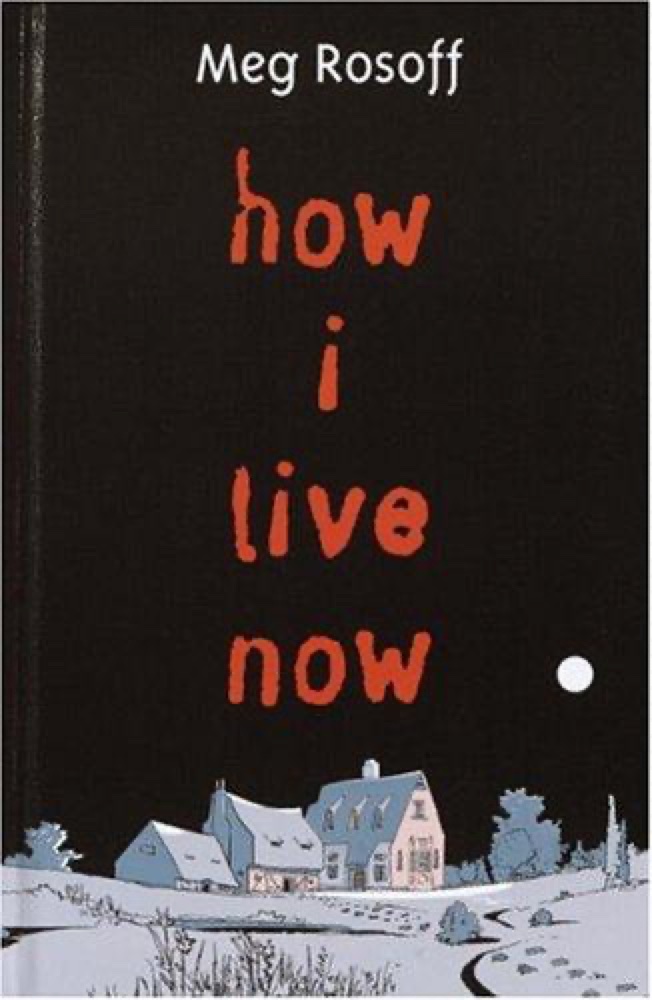 How I Live Now
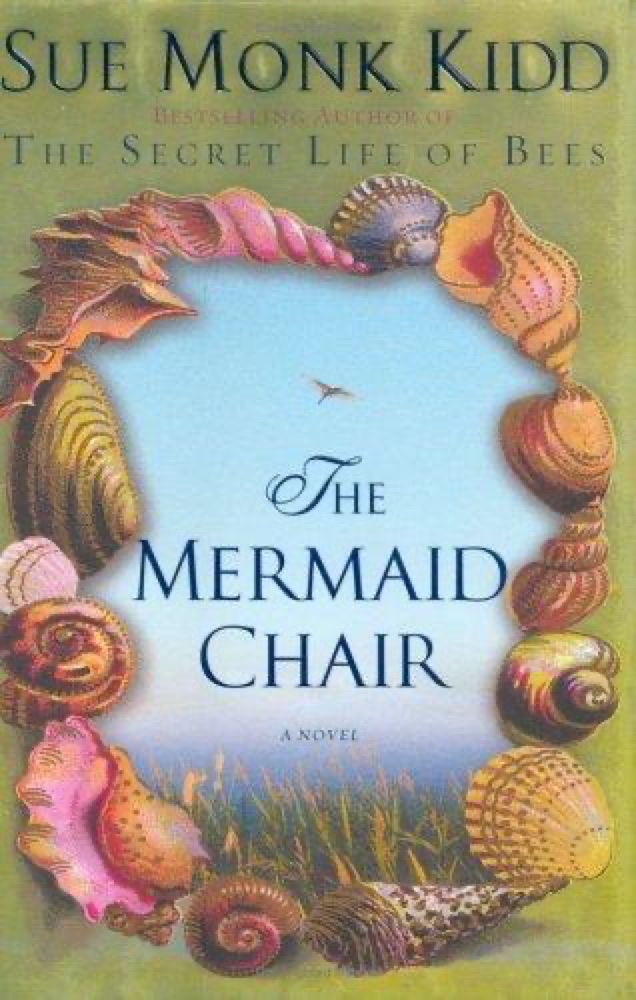 The Mermaid Chair
 Love in the Big City
 The Last Smile in Sunder City
 Twenty-Eight and a Half Wishes
 Nine Coaches Waiting
 A Severed Head
 Homesick for Another World
 Great House
 What I Was
 A Thousand Acres
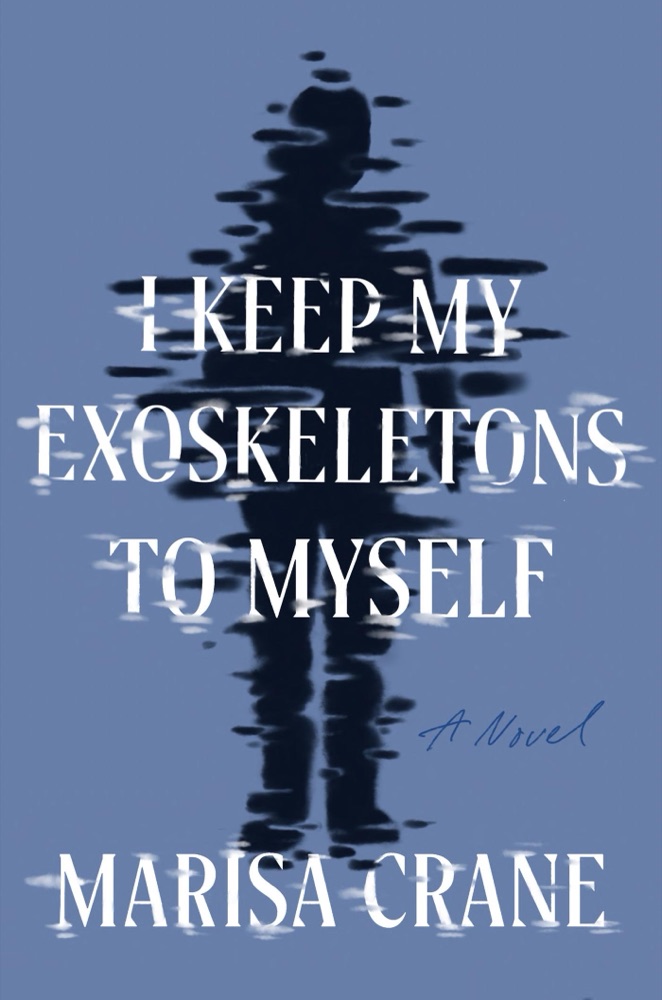 I Keep My Exoskeletons to Myself
 Rebecca
 Tonight I'm Someone Else: Essays
 Too Loud a Solitude
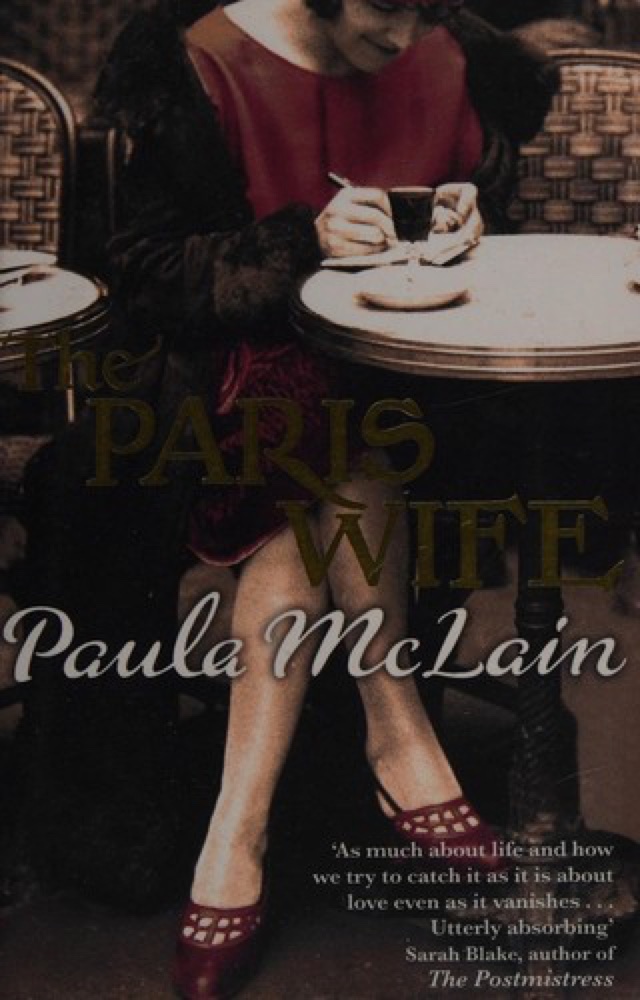 The Paris Wife
 Extremely Loud and Incredibly Close
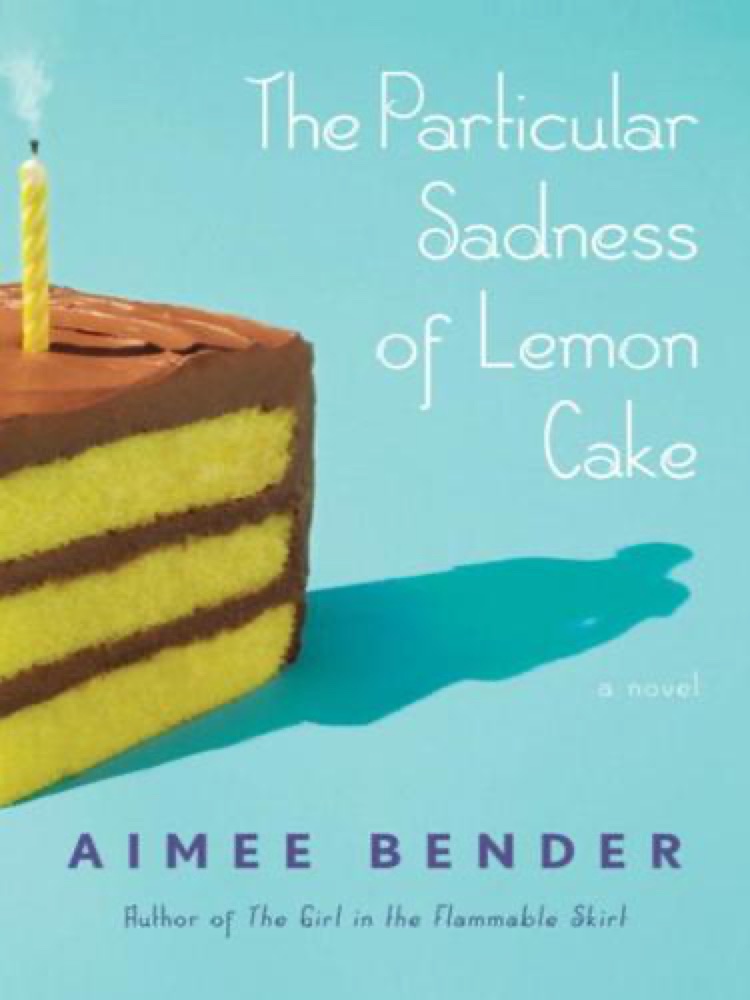 The Particular Sadness of Lemon Cake
 The Lake
 The People in the Trees
 The Sweetness at the Bottom of the Pie
 Zazen
Zazen
 The Binding
 In the Woods
 A Room Made of Leaves
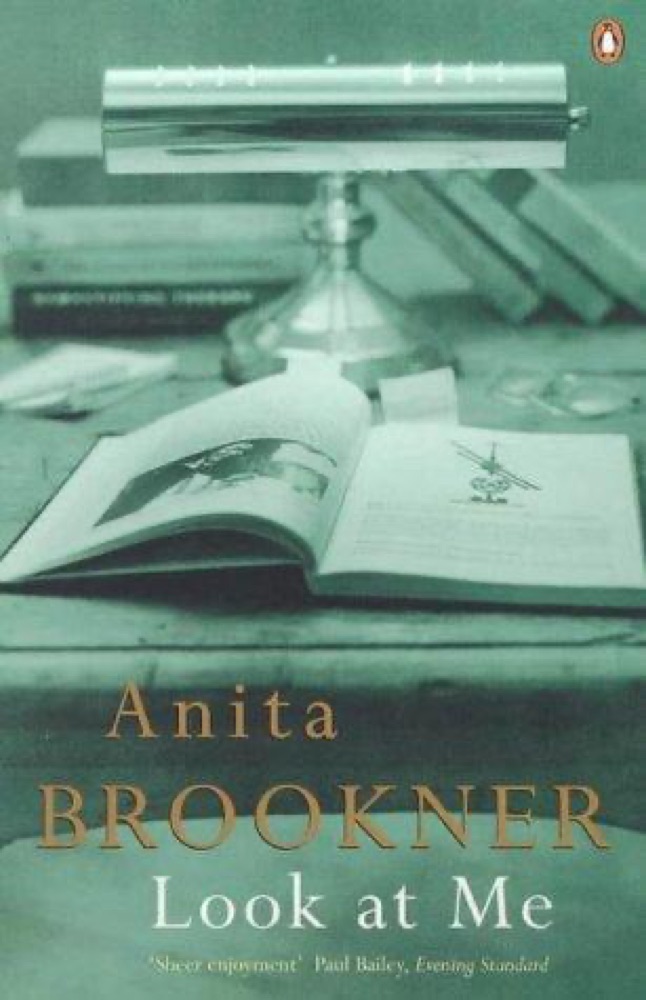 Look at Me
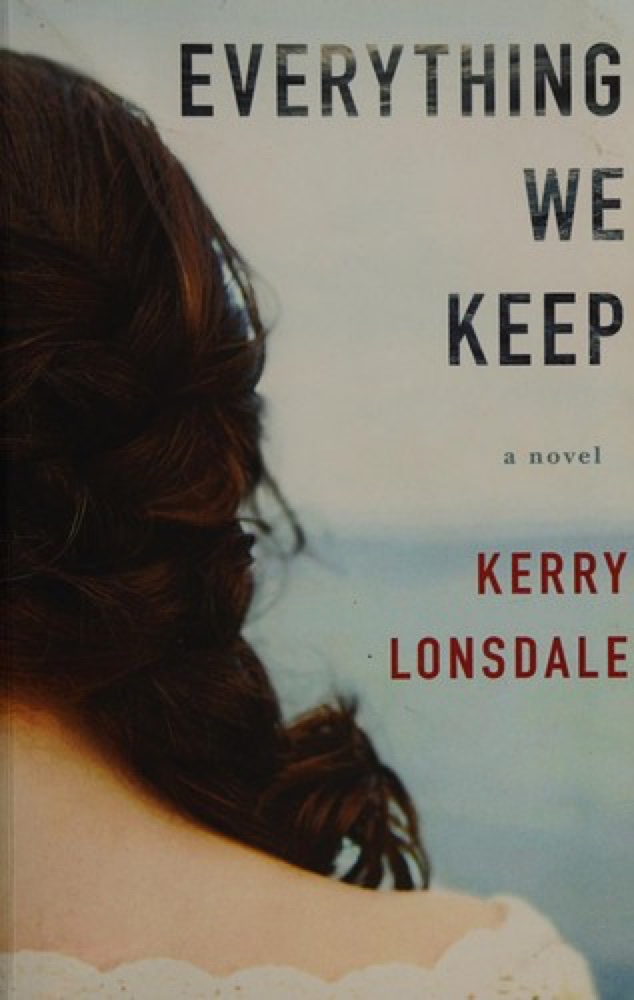 Everything We Keep
 Hollow City
 An Enchantment of Ravens
 Her Body and Other Parties
 Post Office
 The Blindfold
 Breath
 Wonder Boys
 Out Stealing Horses
 Saint Anything
 The Likeness
 One's Company
 Indelicacy
 Suit
Suit
 Life Knocks
 The Inexplicable Logic of My Life
 Flipped
 Sanctum
 The Sisters Brothers
 Wolf in White Van
 The Beginning of After
 The First Bad Man