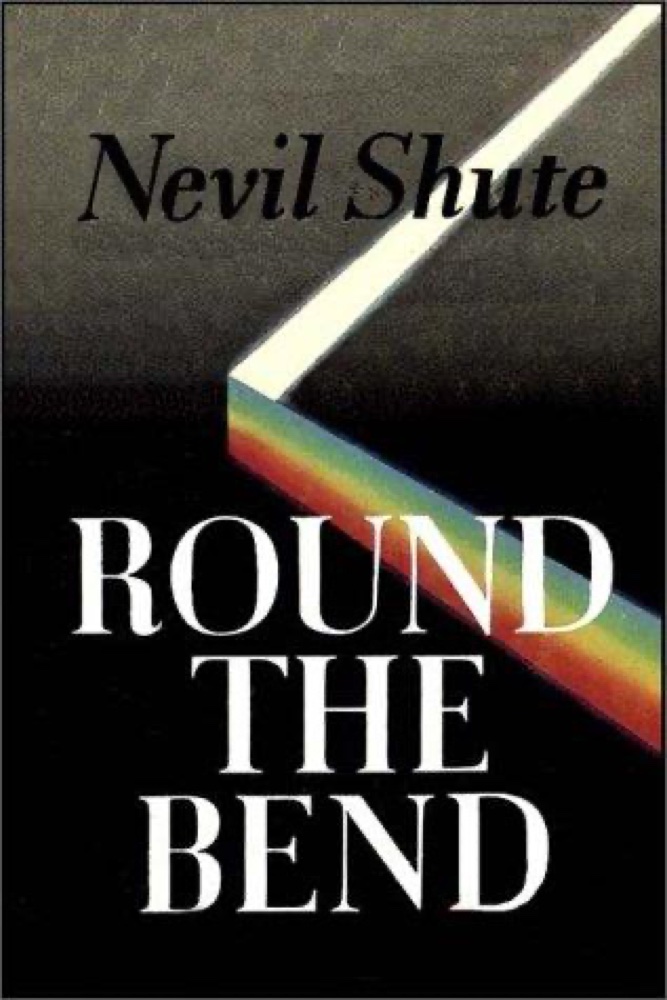
 On the Beach
Quotes from the Book
You cannot argue stupidity, you just have to accept it patiently as one of those things.
You can only do a thing for the first time once, and that goes for falling in love.
I have been asked sometimes what led me to the Persian Gulf, what instinct told me that I could build up a business there. It’s really perfectly simple. If you go to the hottest and most uncomfortable place on the map you’ll find there’s not a lot of competition;
An American, a soldier of fortune by profession. Wherever there is trouble in the world the Dwights of all nations foregather. There are not very many of them, thirty or forty perhaps, and they are all supremely competent men because the others have been killed.
We are not like that, we engineers. We are men of understanding and of education, on whom is laid responsibility that men may travel in these aeroplanes as safely as if they were sitting by the well in the cool of the evening.
Half a thou too small,” he said. “The difference between Right and Wrong. Half a thou bigger, and it’ld be Right. As it is, it’s Wrong, and you can’t cheat about it.” He smiled again. “Too bad when God gives you the mind of an Inspector, isn’t it?
When a good man employs others he becomes a slave to the job, for the job is the guarantee for the security of many men.
Many evils spring from power,” he said. “Even from the power to do good. All power corrupts, and the intention to do good has little influence on the corruption. Either my words will last after me and be believed by men, or else they won’t. Yet if one thing were required to kill them certainly, it is that my words should be spread after my death by the power of money. No teaching could survive a campaign of paid advertising.
I still think Connie was a human man, a very, very good one—but a man. I have been wrong in my judgments many times before; if now I am ignorant and blind, I’m sorry, but it’s no new thing. If that should be the case though, it means that I have had great privileges in my life, perhaps more so than any man alive today. Because it means that on the fields and farms of England, on the airstrips of the desert and the jungle, in the hangars of the Persian Gulf and on the tarmacs of the southern islands, I have walked and talked with God.
Only by an act of treachery to those who believe in us can either of us escape.
Watch on YouTube
About Nevil Shute
We have collected 67 quotes from 6 books by Nevil Shute on BookQuoters.
More about the author →More by Nevil Shute
All books by Nevil Shute →
Book details
- Author
- Nevil Shute
- Genre
- Fiction
- Goodreads rating
- 4.14 (2k ratings) →
Keep reading
 The Virginian
 Before They Are Hanged
 Last Argument of Kings
 The First Circle
 Sackett's Land
 The Resistance
 The Blinding Knife
 Royal Assassin
 Shōgun
 The Dinosaur Lords
 Go Set a Watchman
 The Grace of Kings
 The Stand
 The Power of One
 The Way of Kings
 I Am Pilgrim
 The Curse of Chalion
 A Bend in the River
 Best Served Cold
 Hawaii
 Sacred Hunger
 Odd Hours
 Alas, Babylon
 A Great Reckoning
 The Once and Future King
 Crime and Punishment
 The Burial at Thebes: A Version of Sophocles' Antigone
 The Screwtape Letters
 Soul of the Fire
 That Hideous Strength
 Golden Fool
 A Civil Campaign
 The Adventures of Augie March
 The Princess and Curdie
 Man and Superman
 The Promise
 The Broken Eye
 Time Enough for Love
 The Oedipus Cycle: Oedipus Rex/Oedipus at Colonus/Antigone
 Foundation
 New York
 The Razor's Edge
 Cutting for Stone
 A Connecticut Yankee in King Arthur's Court
 Fool's Fate
 The Kite Runner
 Walden & Civil Disobedience
 Children of Dune
 Letters from a Self-Made Merchant to His Son
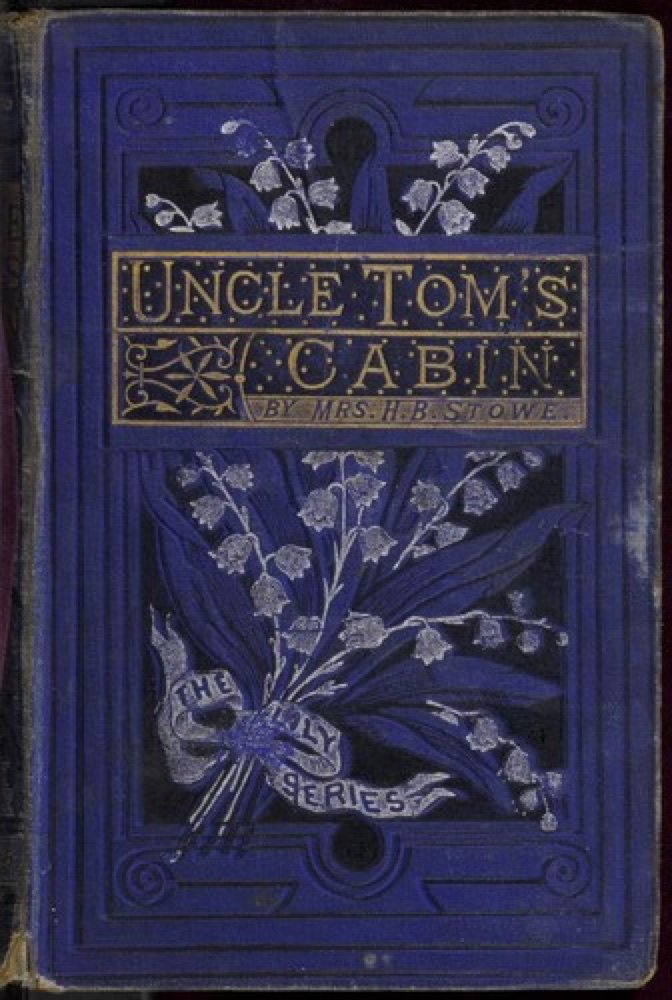 Uncle Tom's Cabin
 The Man Who Was Thursday
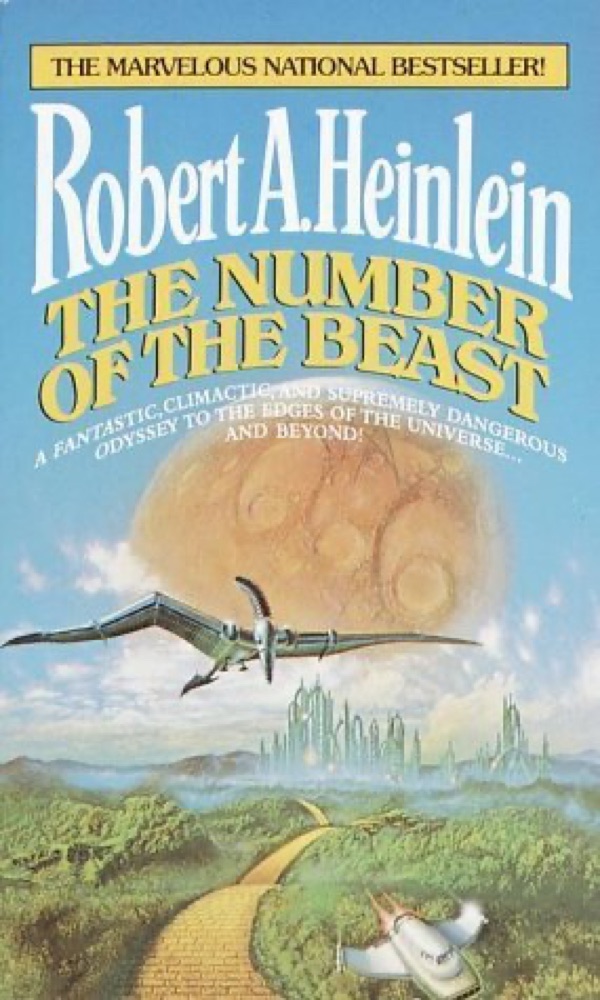 The Number of the Beast
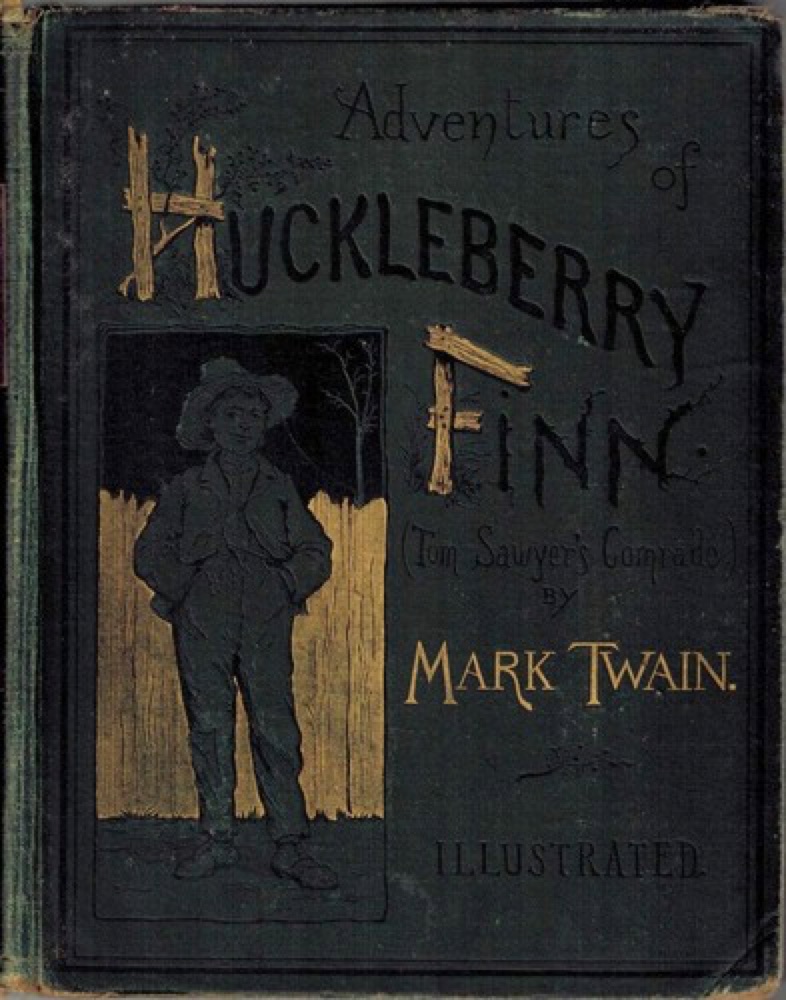 Adventures of Huckleberry Finn
 The Thin Executioner
 One
One
 King Solomon's Mines
 Small Wonder
 Antigone
 True Grit
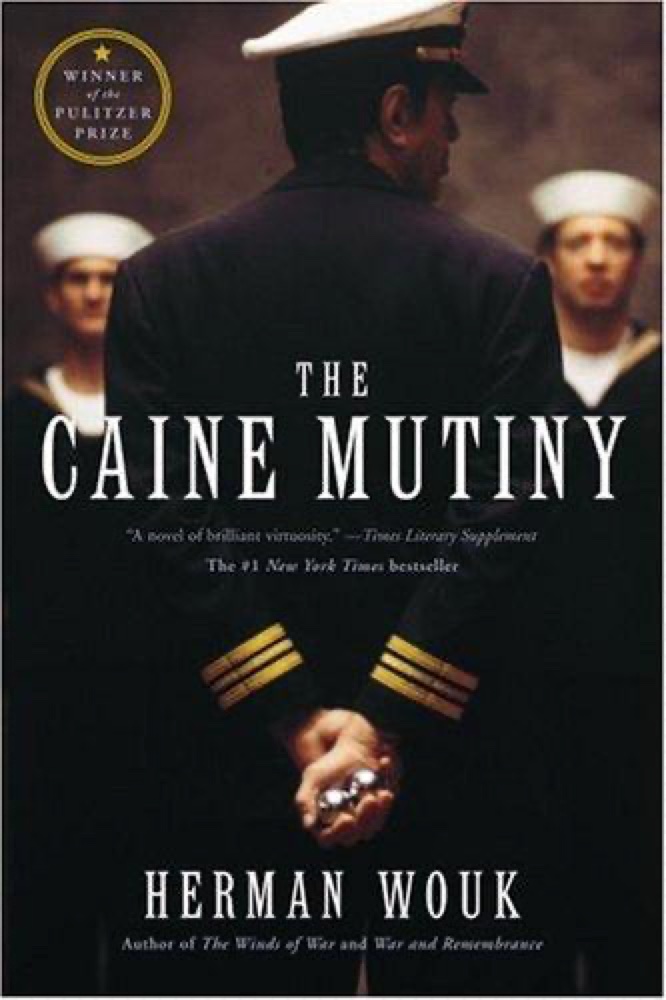 The Caine Mutiny