

 Dreams of Falling
Quotes from the Book
But didn't they know? I wasn't brave. I was a girl who was scared of the dark. A girl so scared of being hurt she would always leave first. I'd never been brave.
5
And years later, this would be exactly how I understood love: thrilling and terrifying, tears and laughter and then tears again. Love, I learned, could destroy you.
5
All these years later, I'll be back on that dance floor. I will be swaying and the music will fill me and I will be a girl again. My friends will be there, and we'll dance all night, one song after another, and we will be laughing and laughing in each others' arms. I will be thirteen again, or fourteen, or twenty-six, or thirty, breath and rhythm, everyone awkward and ridiculous and perfect. We will be young, we will be alive, and I will be deeply grateful for these friends. I know that I was lucky to find them, the kind of friends who bring you halfway across the world, who fly with you to Puerto Rico, who hold you at your grandmother's funeral, who invite you into their home, invite you into their families, take care of you, check on you, fight for you, who make you want to be better, who give you their time and attention, share their secrets, their dreams, their communities, who show up, who see you, who hear you calling from hundreds of miles away, and slowly, slowly, love you back to life.
4
Some girls grow up to be the kind of women who fall for men like their fathers. Some girls grow up to be just like them.
2
We were girls, but we’d spend the rest of our days together if we could. Until one day we realized that without meaning to, we grew up, grew apart, broke each other’s hearts.
2
The scariest part was not that La Llorona was a monster, or that she came when you called her name three times in the dark, or that she could come into your room at night and take you from your bed like she'd one with her own babies. It was that once she'd been a person, a woman, a mother. And then a moment, an instant, a split second later, she was a monster.
2
This is who I write about and who I write for. For the girls they were, for the girl I was, for girls everywhere who are just like we used to be. For the black and brown girls. For the girls on the merry-go-round making the world spin. For the wild girls and the party girls, the loudmouths and the troublemakers. For the girls who are angry and lost. For the girls who never saw themselves in books. For the girls who love girls, sometimes in secret. For the girls who believe in monsters. For the girls on the edge who are ready to fly. For the ordinary girls. For all the girls who broke my heart. And their mothers. And their daughters. And if I could reach back through time and space to that girl I was, to all my girls, I would tell you to take care, to love each other, fight less, dance dance dance until you're breathless. And goddamn, girl. Live.
1
Every time I leave Miami, I tell myself I'm never coming back, only to end up right back where I started. I leave and come back again and again. Miami, like my family, is a place you learn to love and hate simultaneously. You can find yourself leaving it your whole life but never manage to leave, spend the rest of your life going back to it and never really get there.
1
As much as I'd dreamed of this moment, and even though for the first time in my life I finally felt like myself, like the woman I was supposed to be, and even though I knew I could've loved her, the truth is I never intended to love her in the real world. That's who I was. A girl who ran.
We still didn't know that Miami Beach would always be ours. Or that even in a few years when we were all gone, we would still lay claim to it always, that we would never truly belong anywhere else.
But also, I never want to forget how the world sees us. How Lolita Lebrón, a controversial figure, a hero to some, a terrorist to others, a woman who led a revolt on Capitol Hill, was written about in the Washington Post, a publication that in 2004 has thirty-one Pulitzer Prizes. How even all these years later, the headline doesn’t mention her life, or her death, or her pistol, or the shooting, or the planning, or the wounded victims, or Puerto Rico, or the flag, or colonialism, or freedom, or liberation, or racism, or torture, or motherhood, or the loss of her children, or the years she spent in prison, or the voices she heard or the visions she saw while incarcerated, or what she yelled when she pulled out her gun in the visitor’s gallery of the US Capitol, ¡Viva Puerto Rico Libre!, or what she said when she was arrested, or what she said in any of her dozens of interviews, or what she said when she was protesting the occupation of Puerto Rican land and the oppression of Puerto Rican people, or anything related to who she was or what she did. Instead, the headline mentions her fucking red lipstick.
I was there a couple of years ago. It wasn't a pleasant experience. I hadn't been there in a very long time, because everyone who's ever lived there who has been lucky enough to get out knows that you don't go back.
years later, this would be exactly how I understood love: thrilling and terrifying, tears and laughter and then tears again. Love, I learned, could destroy you.
Watch on YouTube
About Jaquira Díaz
We have collected 13 quotes from 1 book by Jaquira Díaz on BookQuoters.
More about the author →About the book
“There is more life packed on each page of Ordinary Girls than some lives hold in a lifetime.” —Julia Alvarez
Ordinary Girls is a fierce, beautiful, and unflinching memoir from a wildly talented debut author. While growing up in housing projects in Puerto Rico and Miami Beach, Jaquira Díaz found herself caught between extremes: as her family split apart and her mother battled schizophrenia, she was surrounded by the love of her friends; as she longed for a family and home, she found instead a life upended by violence. From her own struggles with depression and sexual assault to Puerto Rico’s history of colonialism, every page of Ordinary Girls vibrates with music and lyricism. Díaz triumphantly maps a way out of despair toward love and hope to become her version of the girl she always wanted to be.
With a story reminiscent of Tara Westover’s Educated, Roxane Gay’s Hunger, and Tere
Book details
- First published
- 2019
- Author
- Jaquira Díaz
- Genre
- Biography
- Goodreads rating
- 4.03 (5k ratings)
Keep reading
Dreams of Falling
 Girls on Fire
 The Lost Girls
 Then She Was Gone
 The Girls I've Been
 The Summer of Chasing Mermaids
 In My Dreams I Hold a Knife
 All Fours
 One True Thing
 Blue Sisters
 Girls Like Girls
 Sisterhood Everlasting
 The Return
 Forever in Blue: The Fourth Summer of the Sisterhood
 The Walls Around Us
 The Dead Romantics
 The Falling in Love Montage
 Dare Me
 When the World Tips Over
 Furia
Furia
 The Girls
 The Love That Split the World
 If Tomorrow Doesn't Come
 Honey
Honey
 Truth & Beauty
 The Harder I Fight the More I Love You: A Memoir
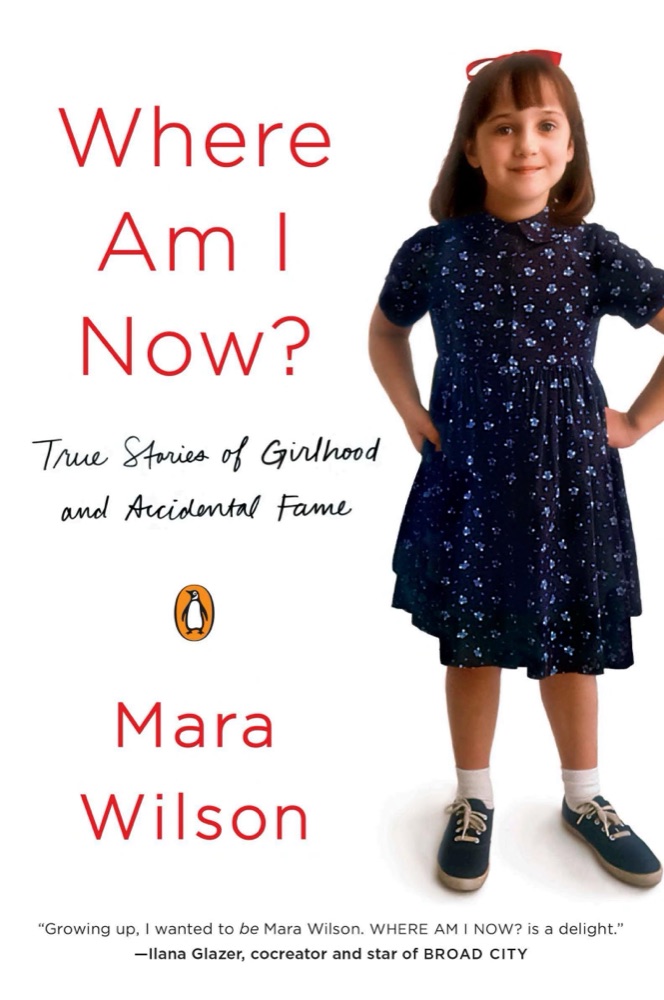 Where Am I Now?
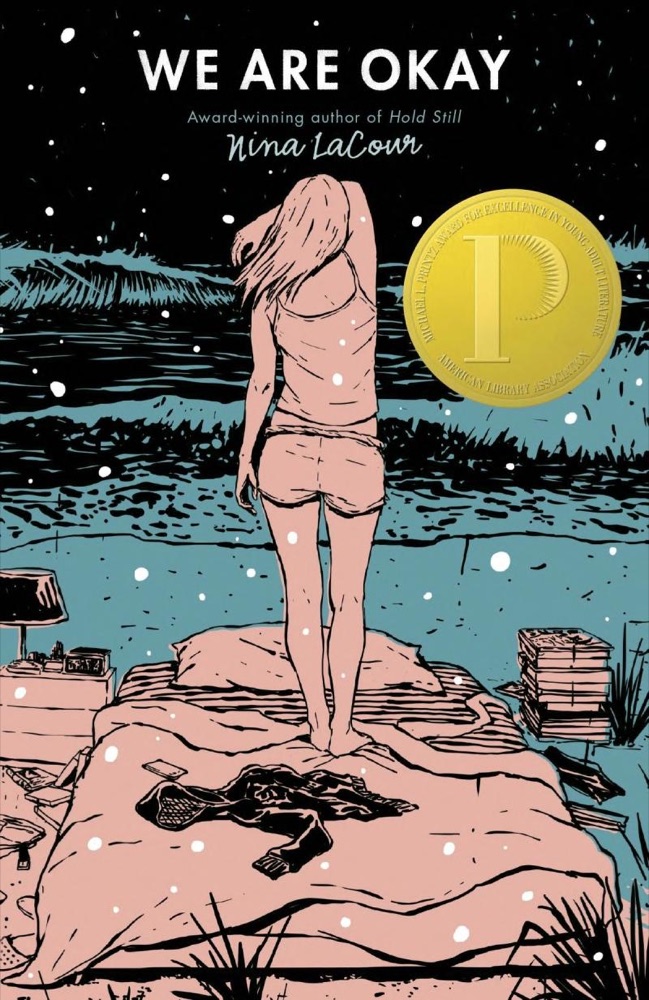 We Are Okay
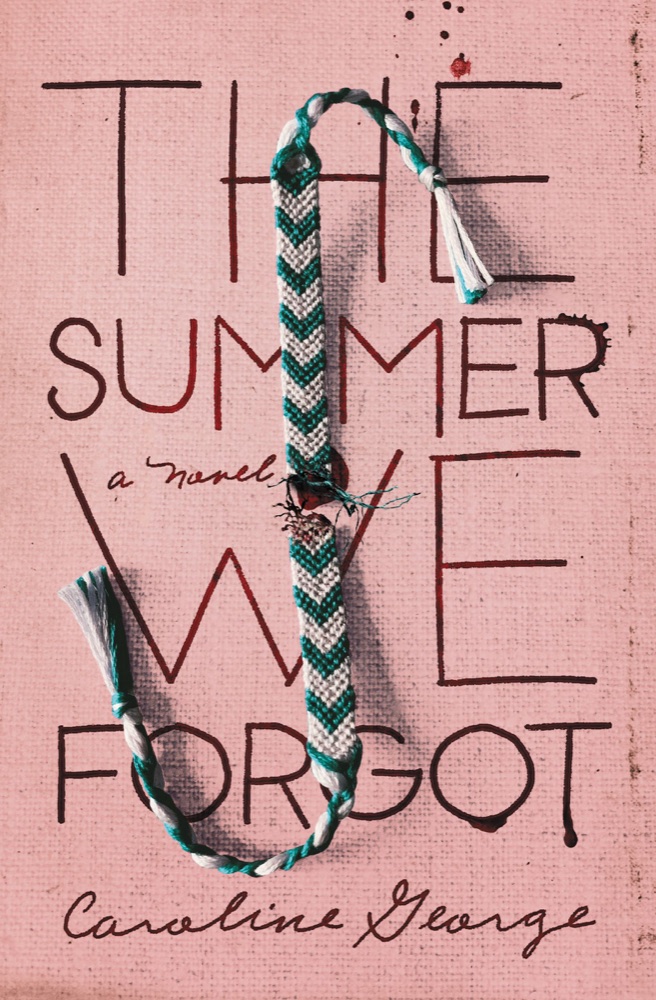 The Summer We Forgot
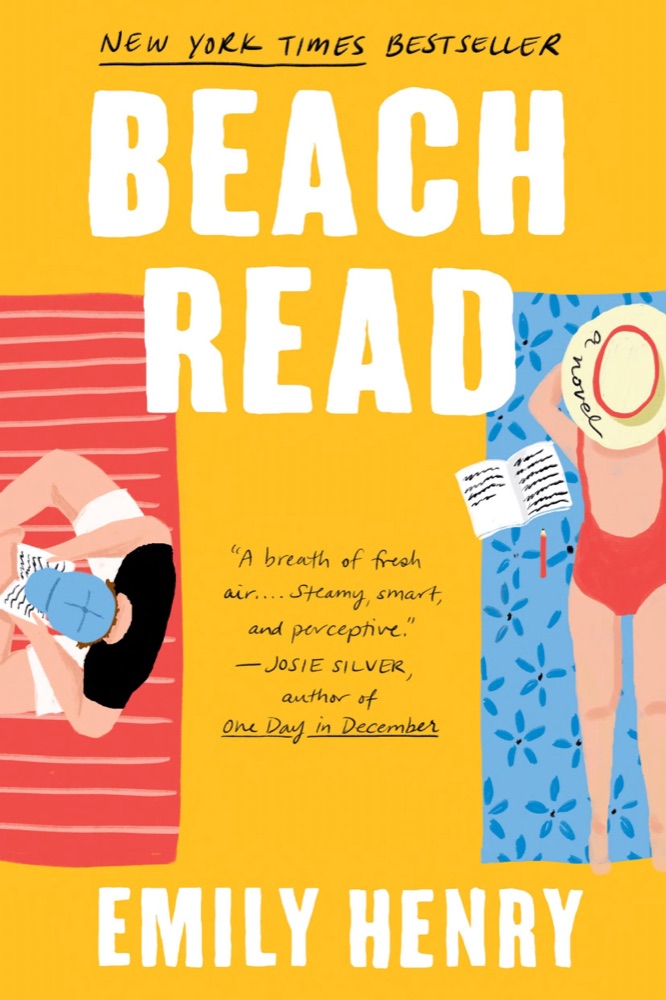 Beach Read
 Betty
Betty
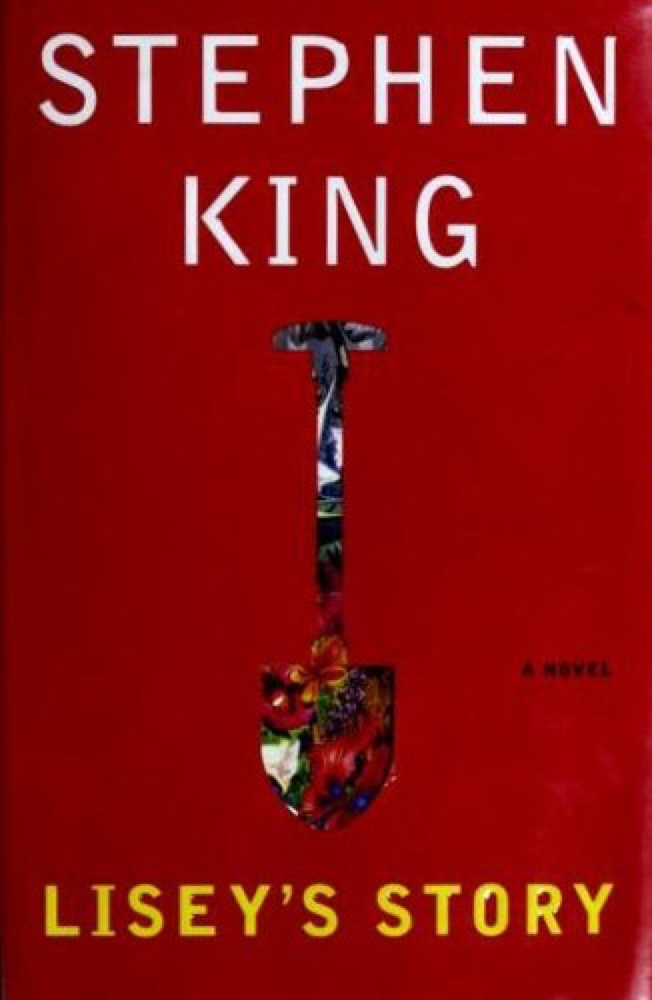 Lisey's Story
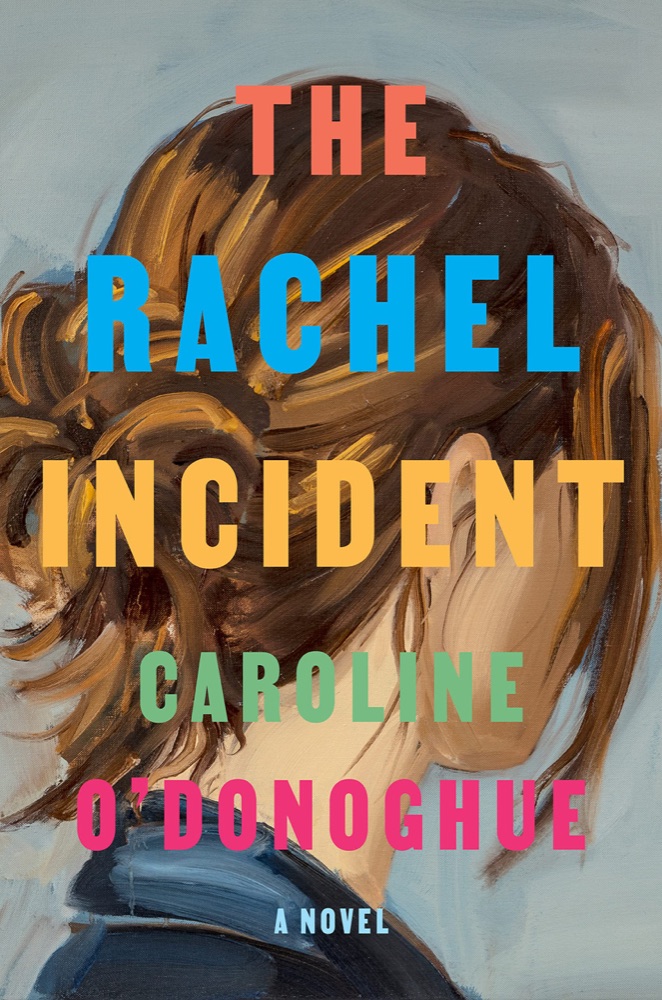 The Rachel Incident
 The Wrong Daughter
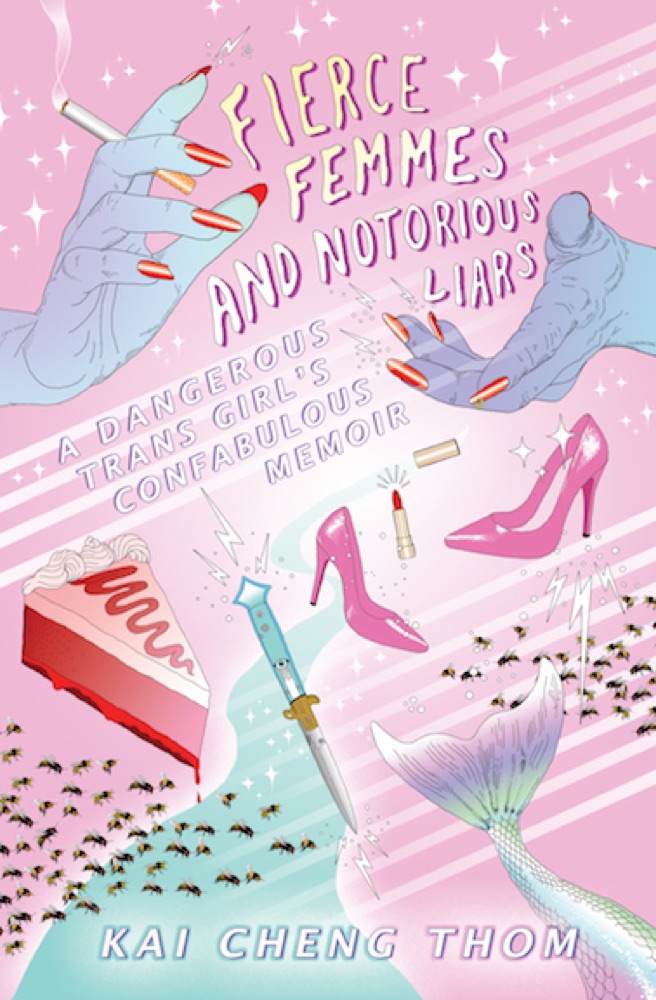 Fierce Femmes and Notorious Liars
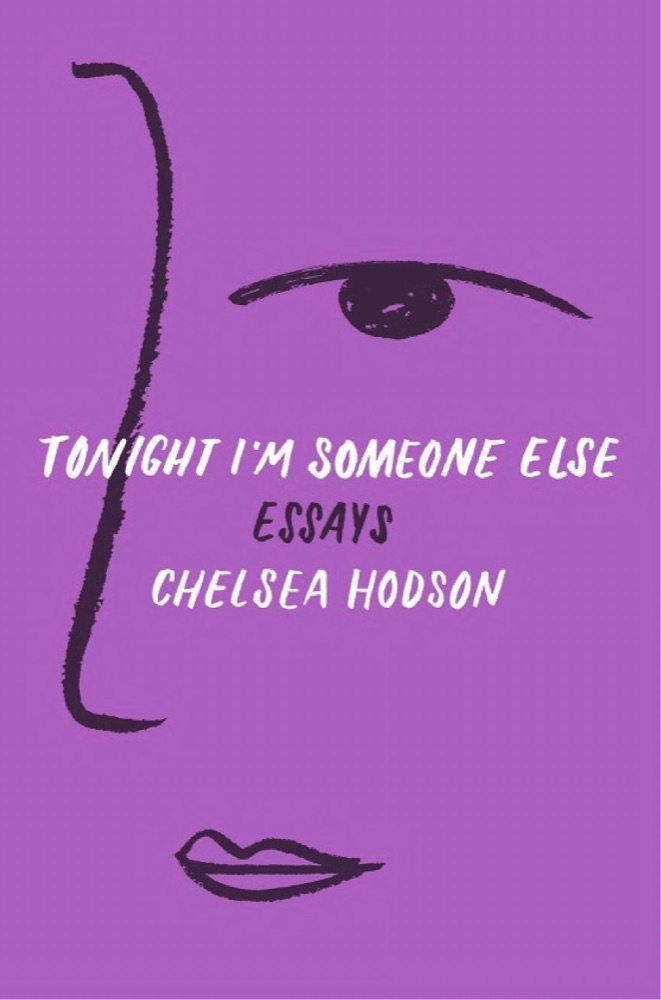 Tonight I'm Someone Else: Essays
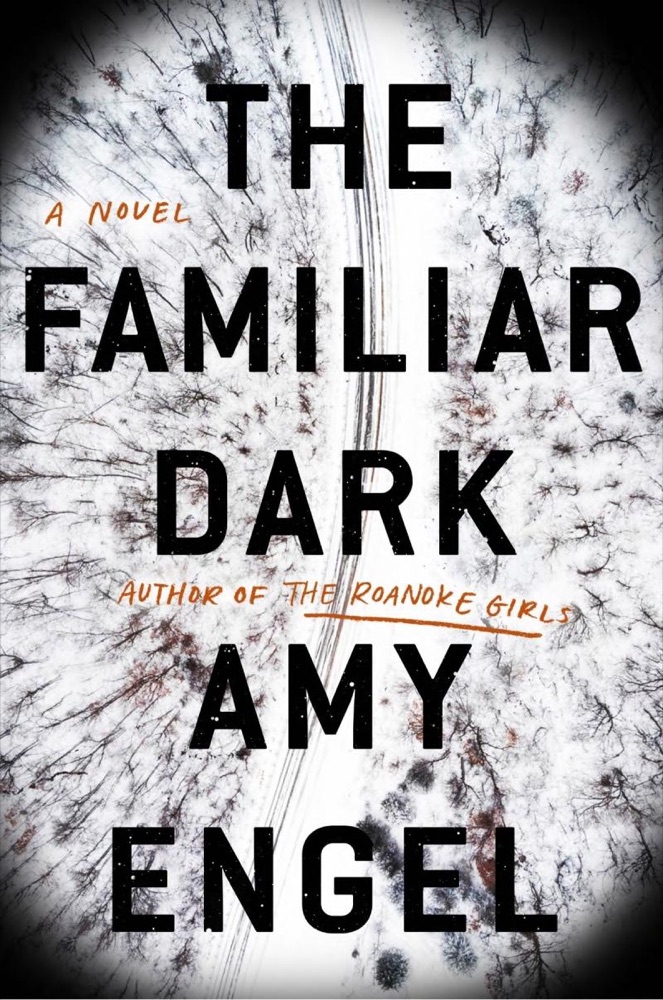 The Familiar Dark
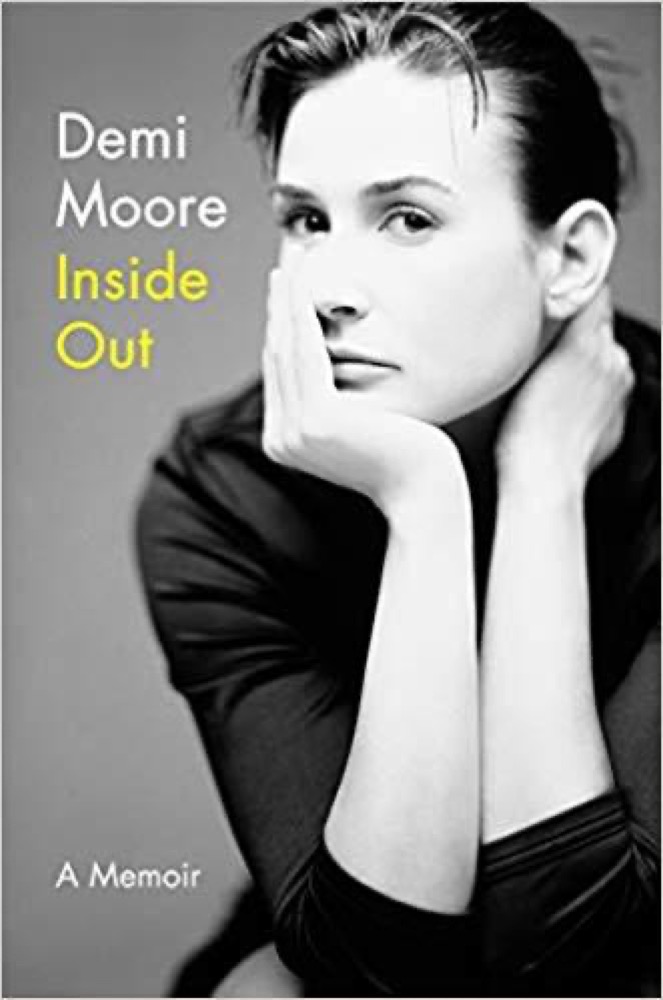 Inside Out
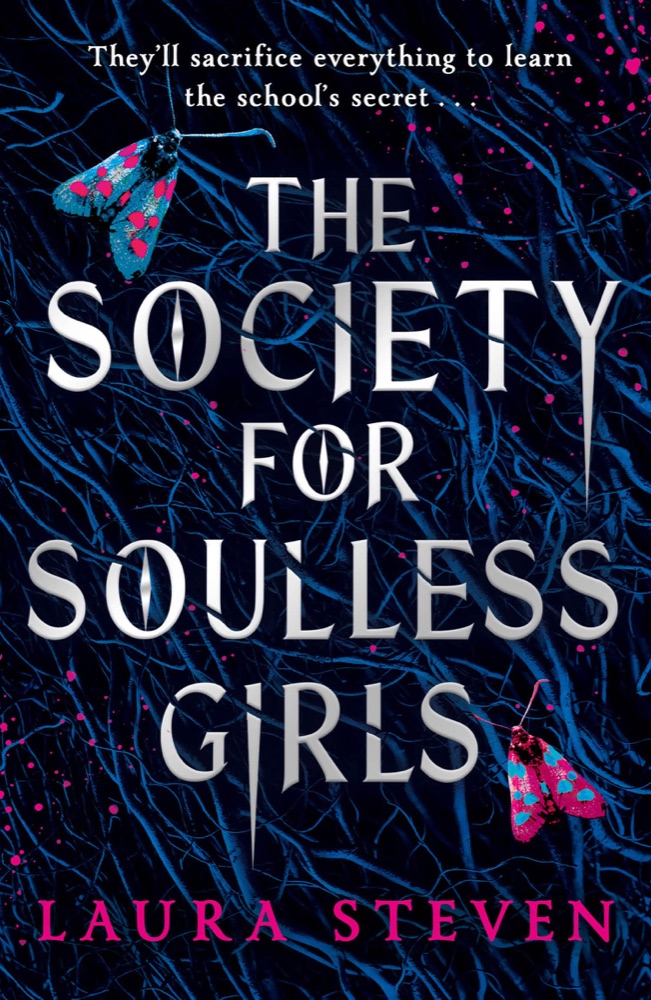 The Society For Soulless Girls
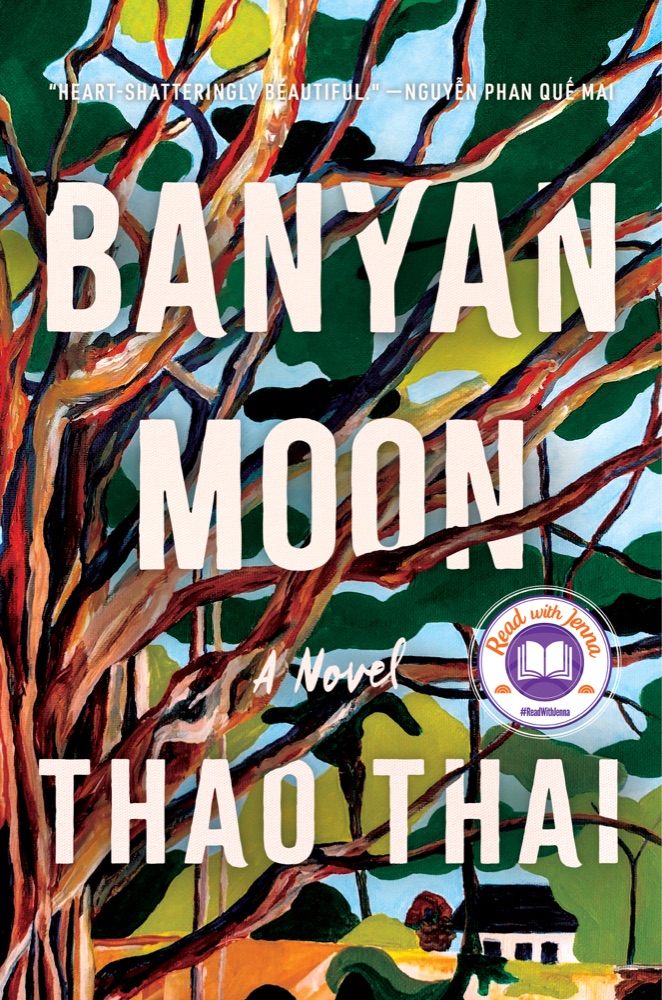 Banyan Moon
 The Rose and the Beast: Fairy Tales Retold
 Swimming in the Dark
 Never Let Me Go
 Disgrace
 Sweethearts
 Malibu Rising
 The Revolution of Ivy
 Life of the Party
 The Summer I Turned Pretty
 Firefly Lane
 Black Butterfly
 All This Could Be Different
 Black Iris
 Love from A to Z
 After Forever Ends
 Saint X
 Girls in Pants: The Third Summer of the Sisterhood
 Story of a Girl
 Love, Rosie
 The Past Is Red