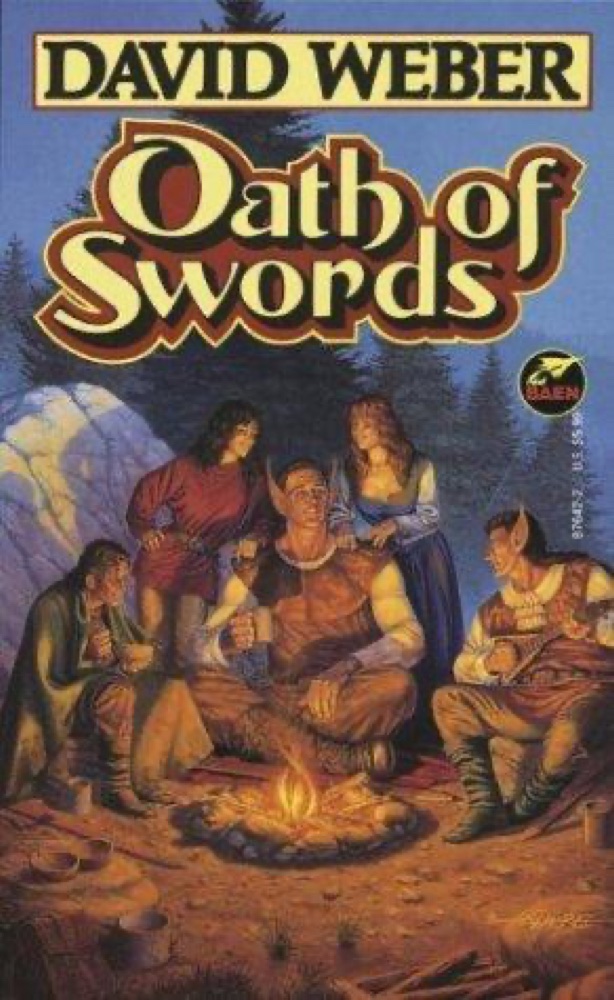

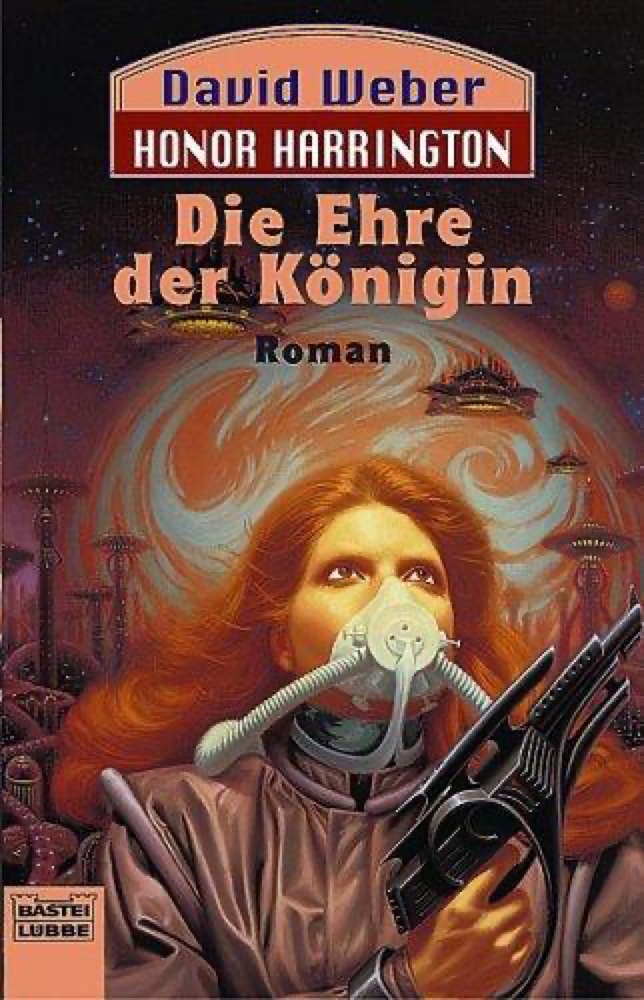
 The Honor of the Queen
Quotes from the Book
Other folk thought the Rage was simple bloodlust, a berserk savagery that neither knew nor cared what its target was, and so it was when it struck without warning. But when a hradani gave himself to it knowingly, it was as cold as it was hot, as rational as it was lethal. To embrace the Rage was to embrace a splendor, a glory, a denial of all restraint but not of reason. It was pure, elemental purpose, unencumbered by compassion or horror or pity, yet it was far more than mere frenzy.
Shergahn and friend lay like poleaxed steers, and the Daranfelian's greasy hair was thick with potatoes, carrots, gravy, and chunks of beef. His companion had less stew in his hair, but an equally large lump was rising fast, and Brandark flipped his improvised club into the air, caught it in proper dipping position, and filled it once more from the pot without even glancing at them. He raised the ladle to his nose, inhaled deeply, and glanced at the cook with an impudent twitch of his ears. "Smells delicious," he said while the laughter started up all around the fire. "I imagine a bellyful of this should help a hungry man sleep. Why, just look what a single ladle of it did for Shergahn!
Hot, bright heat filled him like some ecstatic poison, and Hartan's pony shied in terror as a wordless howl burst from his throat. His dripping ears were flat to his skull, fire crackled in his brown eyes, his huge sword blurred in a whirring figure eight before him, and the brigand running at him gawked in sudden panic. The raider's feet skidded in mud as he tried to brake, but it was far too late. He was face-to-face with the worst nightmare of any Norfressan, a Horse Stealer hradani in the grip of the Rage, and a thunderbolt of steel split him from crown to navel.
The splendor of that moment, its transcendent glory and aliveness, haunted him. He could thrust it aside by day, but it poisoned his dreams by night, calling to him and pleading with him to unlock the chains he'd bound about it.
Well, thank the gods,' he sighed. 'Oh? And what would it be you're thanking them for?' Bahzell inquired, and Brandark grinned. 'For making roads and letting us find one. Not that I'm complaining, you understand, but this business of following you cross-country without the faintest idea where I am can worry a man.
If you think it's bad now, my friend, wait till we reach a town!' He shook his head and brushed at his tattered, dirty shirtsleeve. 'Do try to remember we're visitors-and not welcome ones-if you should feel moved to reason with anyone.
Falderson," he said quietly to Bahzell in passable Navahkan, "is as stupid as the day is long." He craned his neck to gaze up at the hradani and shook his head. "In fact, he's even stupider than I thought. You, sir, are the biggest damned hradani-no offense-I think I've ever seen.
Watch on YouTube
About David Weber
We have collected 75 quotes from 7 books by David Weber on BookQuoters.
More about the author →More by David Weber
All books by David Weber →


Book details
- Author
- David Weber
- Genre
- Fiction
- Goodreads rating
- 4.03 (7k ratings) →
Keep reading
 The Cry of the Icemark
 Queen of Sorcery
 The Battle for Skandia
 The Steel Remains
 The Warrior's Apprentice
 The Siege of Macindaw
 The Burning Bridge
 Allegiance
 Attrition: the First Act of Penance
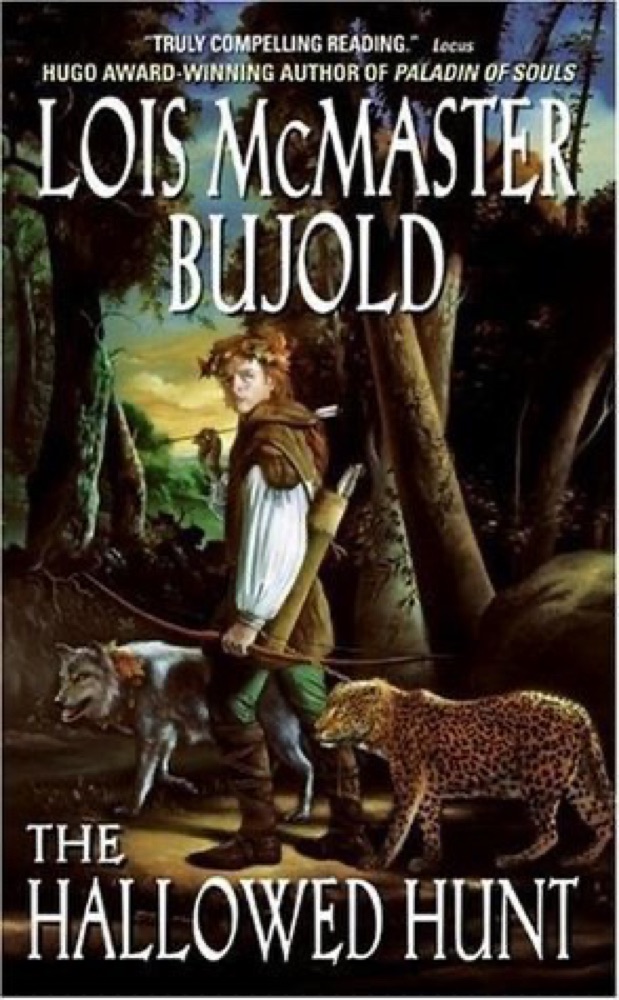 The Hallowed Hunt
 The Pale Horseman
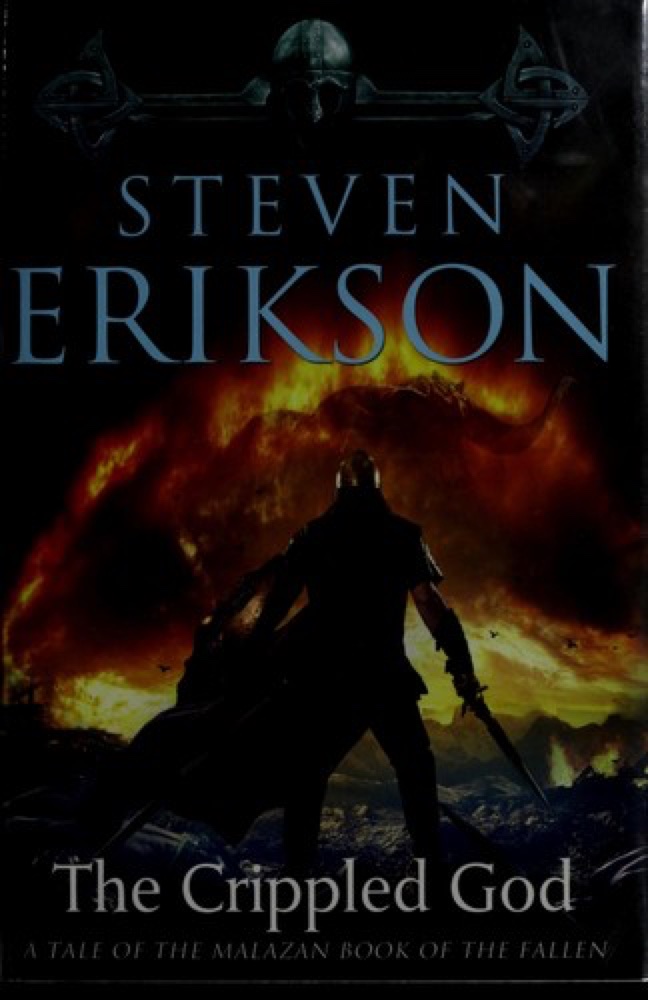 The Crippled God
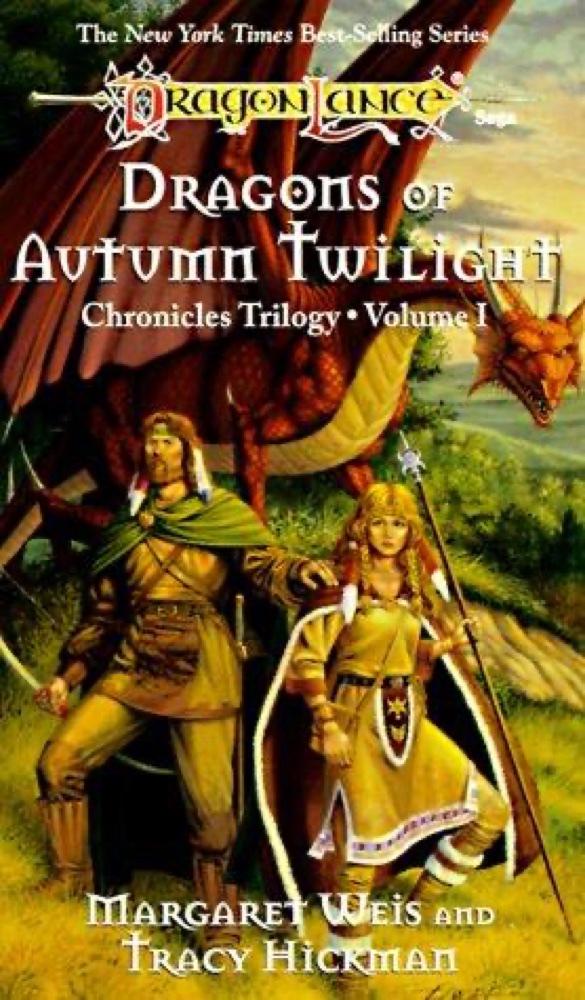 Dragons of Autumn Twilight
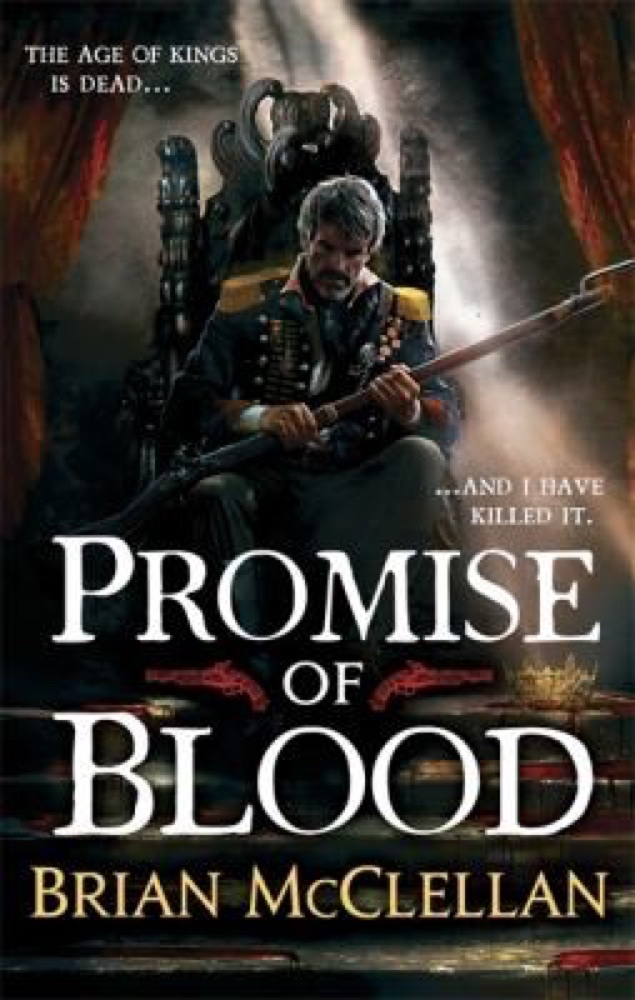 Promise of Blood
 The Crystal Shard
 Dragons of Winter Night
 Lord Foul's Bane
 Warriors of the Storm
 Kings of the Wyld
 A Storm of Swords
 The Blacktongue Thief
 Warlord
 The Dark Defiles
 The Last Kingdom
 Elantris
 The Heroes
 The Warrior Prophet
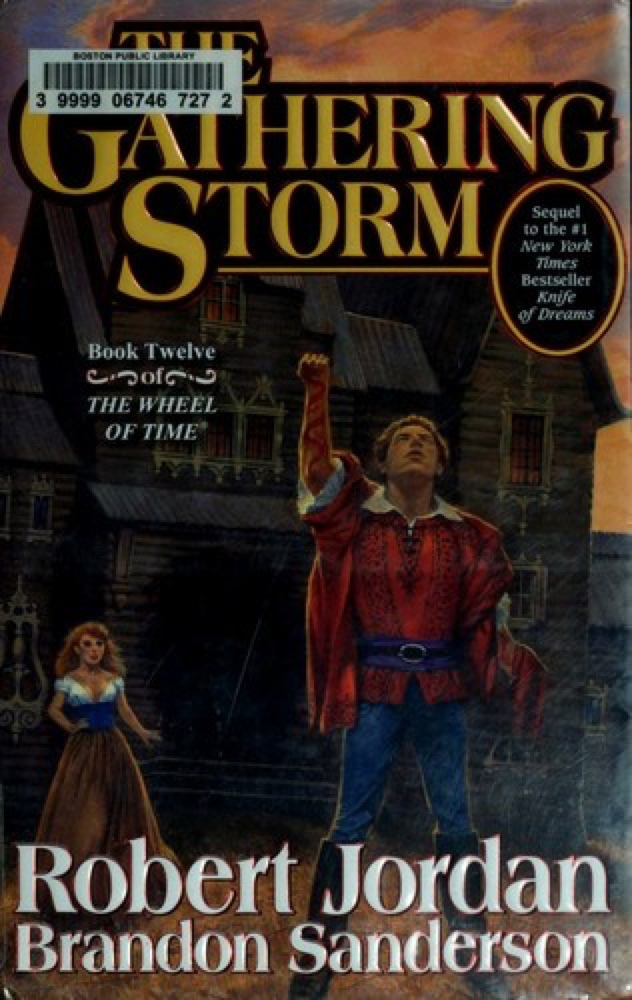 The Gathering Storm
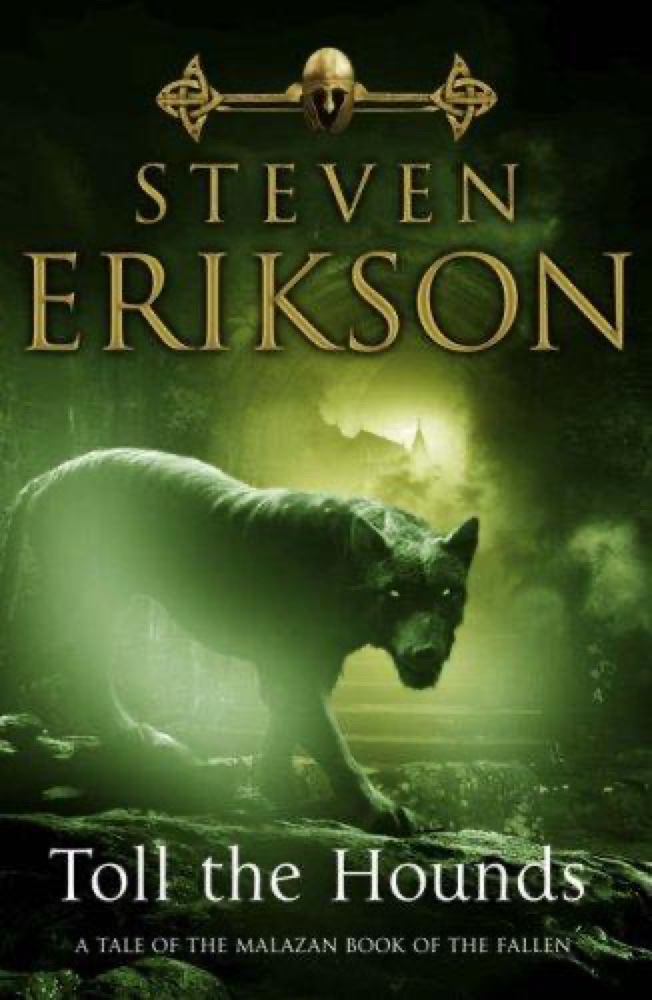 Toll the Hounds
 Castle of Wizardry
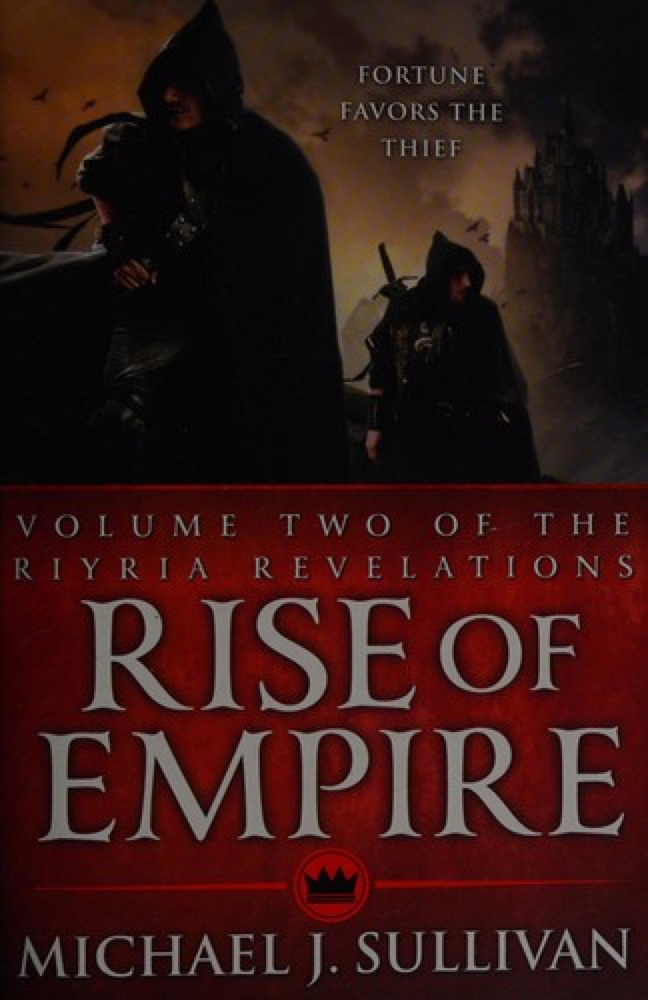 Rise of Empire
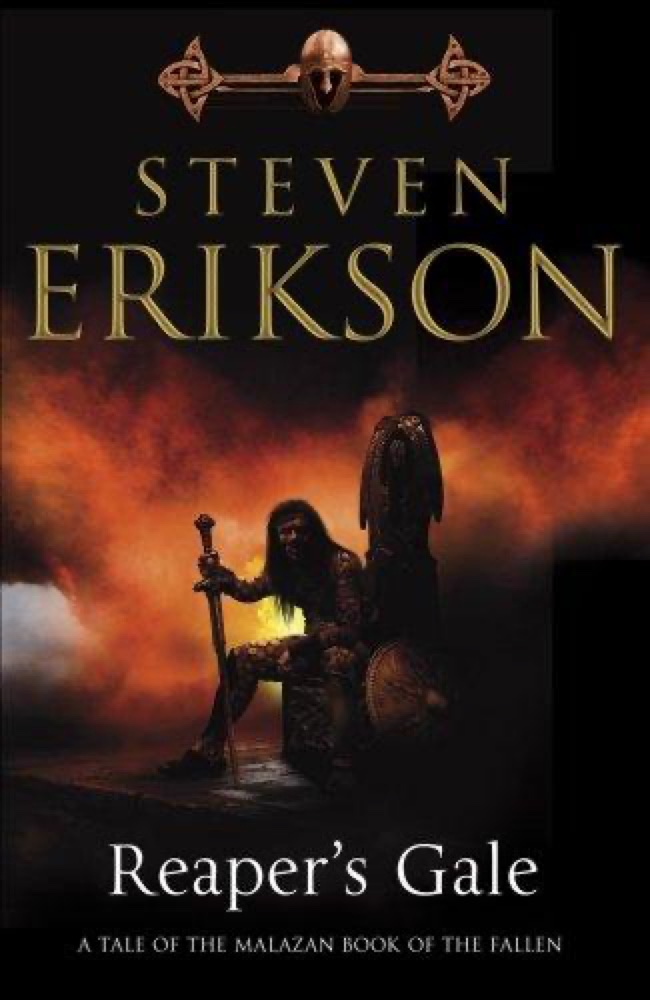 Reaper's Gale
 Kidnapped
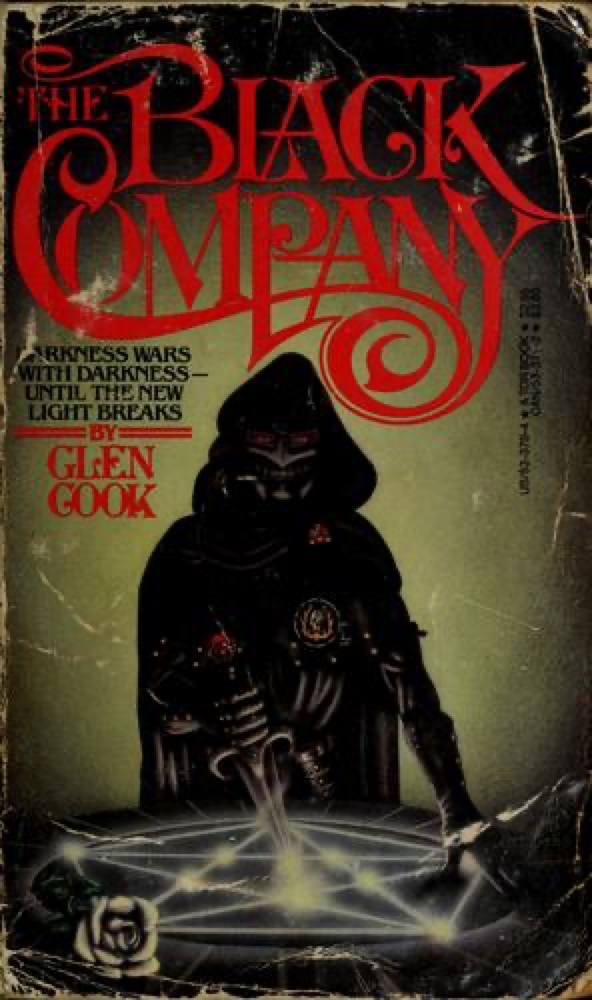 The Black Company
 The Blade Itself
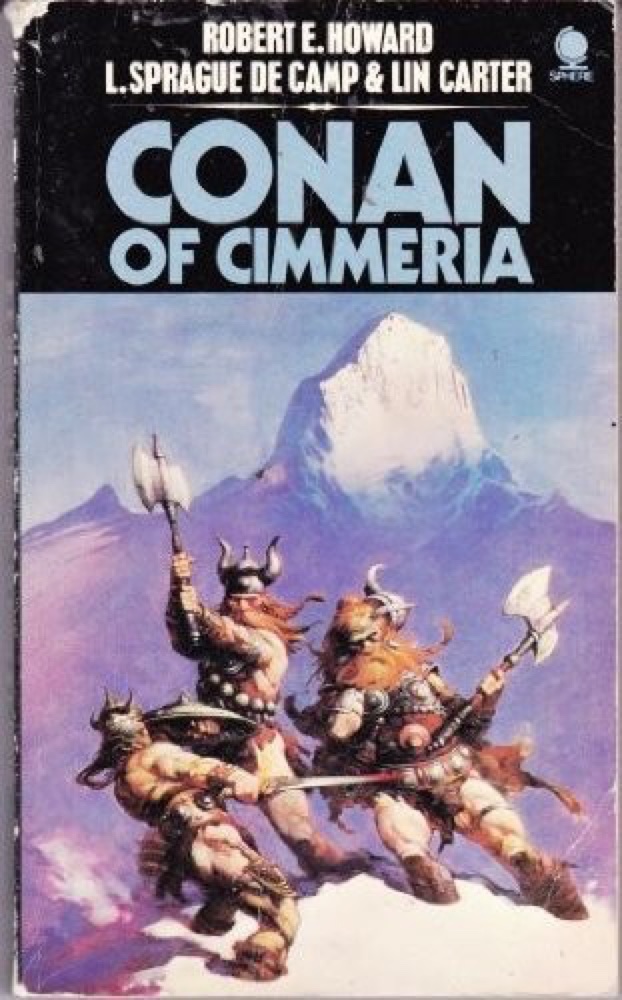 Conan of Cimmeria
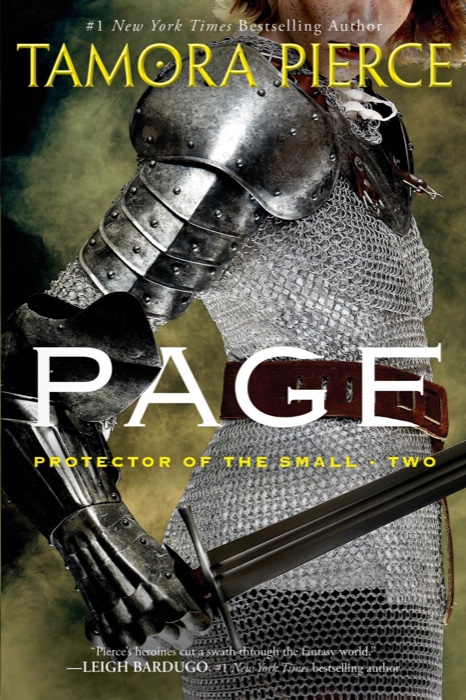 Page
Page
 Low Town
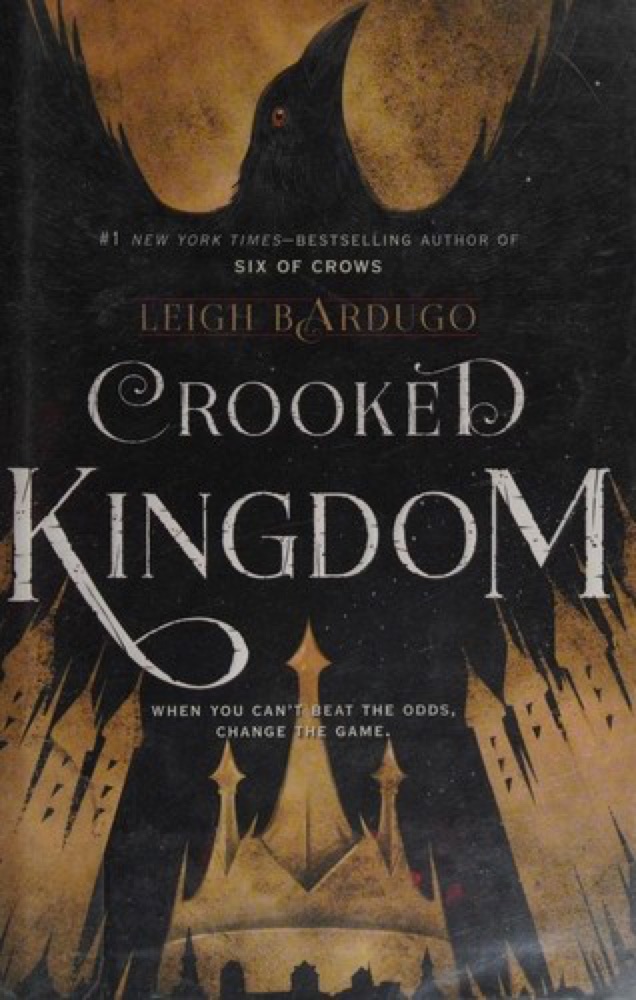 Crooked Kingdom
 Roughing It
 This Kingdom Will Not Kill Me
 Red Country
 The High King
 The Gallows Curse
 Ruin
Ruin
 Hounded
 Shards of Honour
 An Oath of the Blood
 The Great Hunt
 The Fires of Heaven
 Ptolemy's Gate
 Under the Volcano
 Blood Song
 Seeds of Rebellion
 Heir of Novron
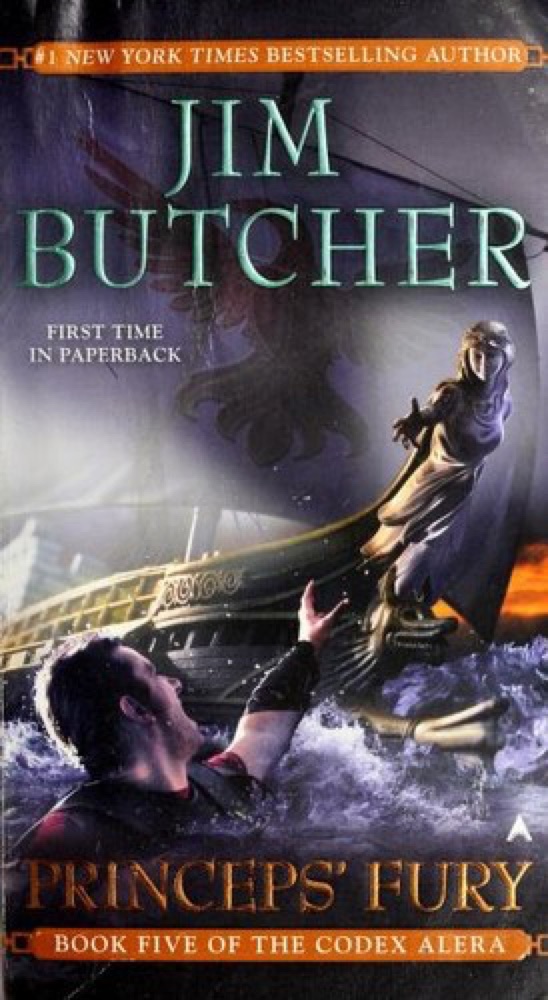 Princeps' Fury
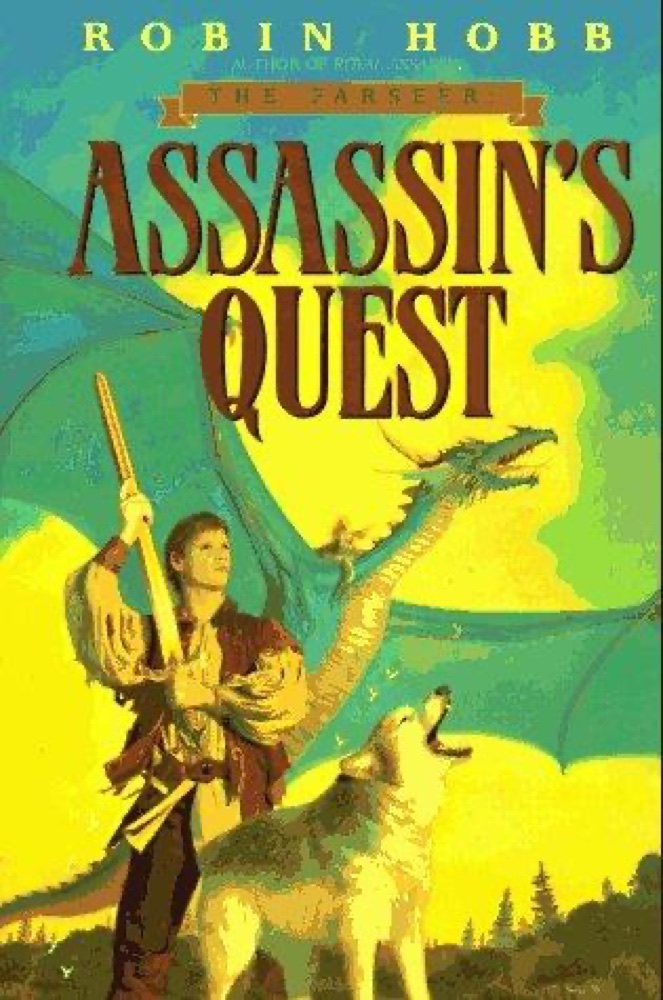 Assassin's Quest
 The Crimson Crown
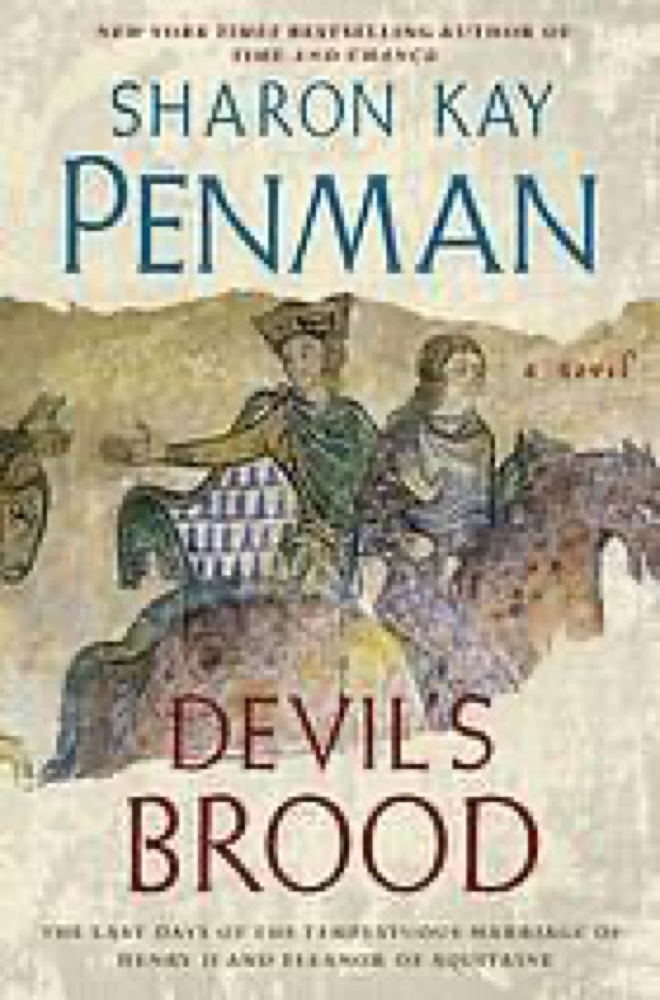 Devil's Brood