
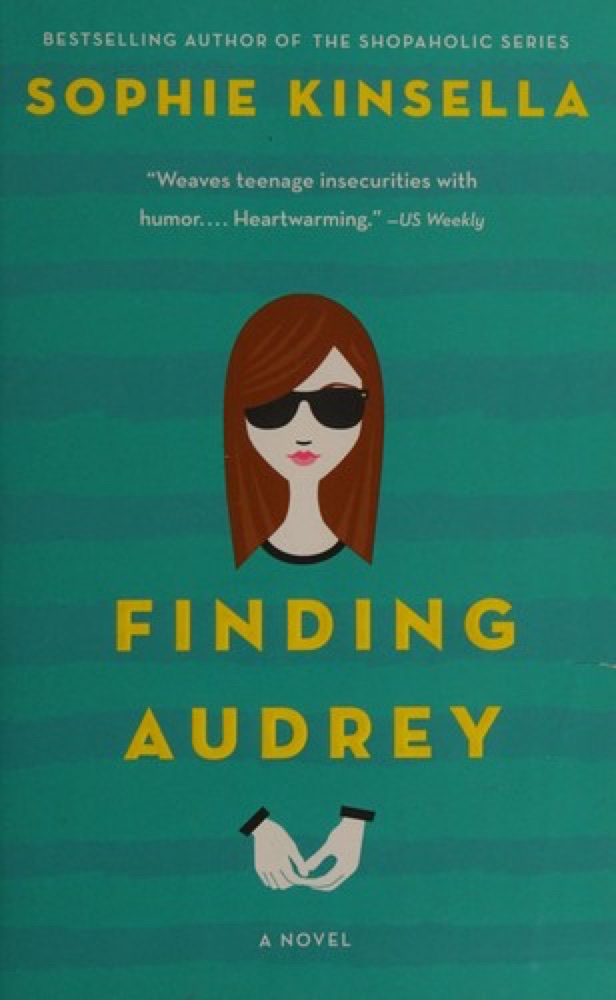
 Finding Audrey
Quotes from the Book
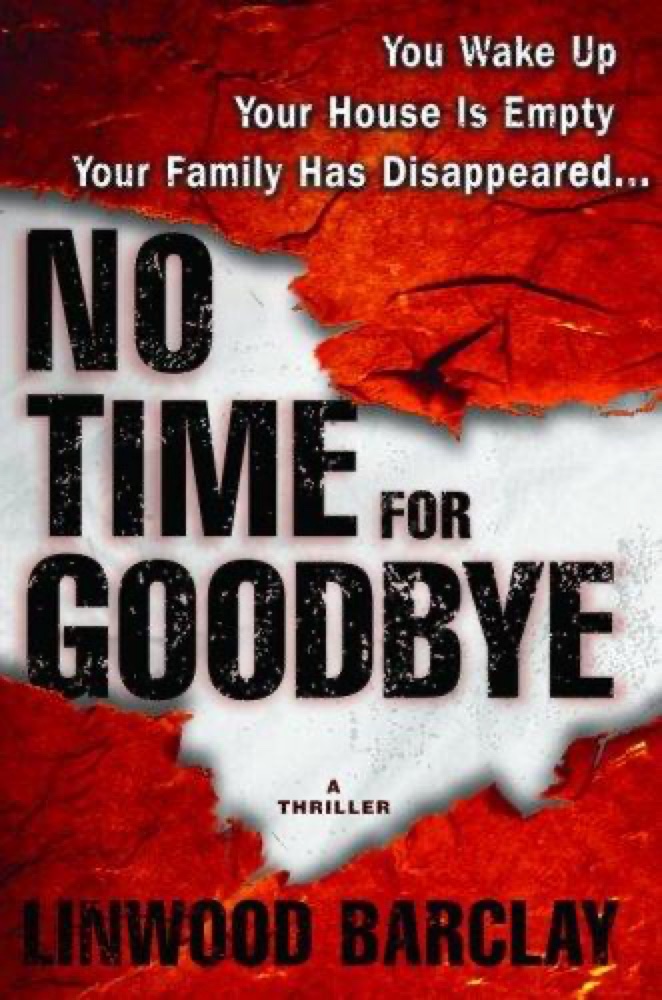
Dear Anyone: This is a letter from one anyone to another anyone, no names required, because nobody really knows anyway. Names don't make a hell of a lot of difference. The world is made up entirely of strangers. Millions and millions of them. Everyone is a stranger to everyone else. Sometimes we think we know other people, especially those we supposedly are close to, but if we really knew them, why are we so often surprised by the shit they do? Like, parents are always surprised by what their kids will do. They raise them from the time they are babies, spend each and every day with them, think they're these goddamn fucking angels, and then one day the cops come to the door and say hey, guess what parents? Your kid just bashed some other kid's head in with a baseball bat. Or you're the kid, and you think things are pretty fucking OK, and then one day this guy who's supposed to be your dad says so long, have a nice life. And you think, what the fuck is this? So years later, your mom ends up living with another guy, and he seems OK, but you think, when's it coming? That's what life is. Life is always asking yourself, when's it coming? Because if it hasn't come for a long time, you know you're fucking due. All the best, Anyone.
found Rolly in his office, sitting at his computer, staring at something on the monitor. He pointed at the screen. “They want more testing. Pretty soon, we won’t have any time to teach them anything. We’ll just test them from the moment they get here to the moment they go home.
Watch on YouTube
About Linwood Barclay
We have collected 2 quotes from 1 book by Linwood Barclay on BookQuoters.
More about the author →Book details
- Author
- Linwood Barclay
- Genre
- Fiction
- Goodreads rating
- 4.02 (44k ratings) →
Keep reading
Finding Audrey
 Letters to the Lost
 Ender's Shadow
 Little Brother
 While I Live
 Gone
Gone
 Saga, Vol. 1
 Unwind
 Caught
 Abandon
 Out of Sight, Out of Time
 In The Afterlight
 Robopocalypse
 Sean Griswold's Head
 Deadly Little Games
 Boy Toy
 Wayward
 Drums, Girls & Dangerous Pie
 Hold Tight
 When Will Jesus Bring the Pork Chops?
 The Only Alien on the Planet
 Everybody Sees the Ants
 Speak
Speak
 Rage
Rage
 The Boy Most Likely To
 Dig
Dig
 Going Too Far
 Deadline
 The Client
 Hush
Hush
 The Darkest Minds
 The Year of Secret Assignments
 A Little Wanting Song
 The Circle
 You
You
 School's Out - Forever
 When It Happens
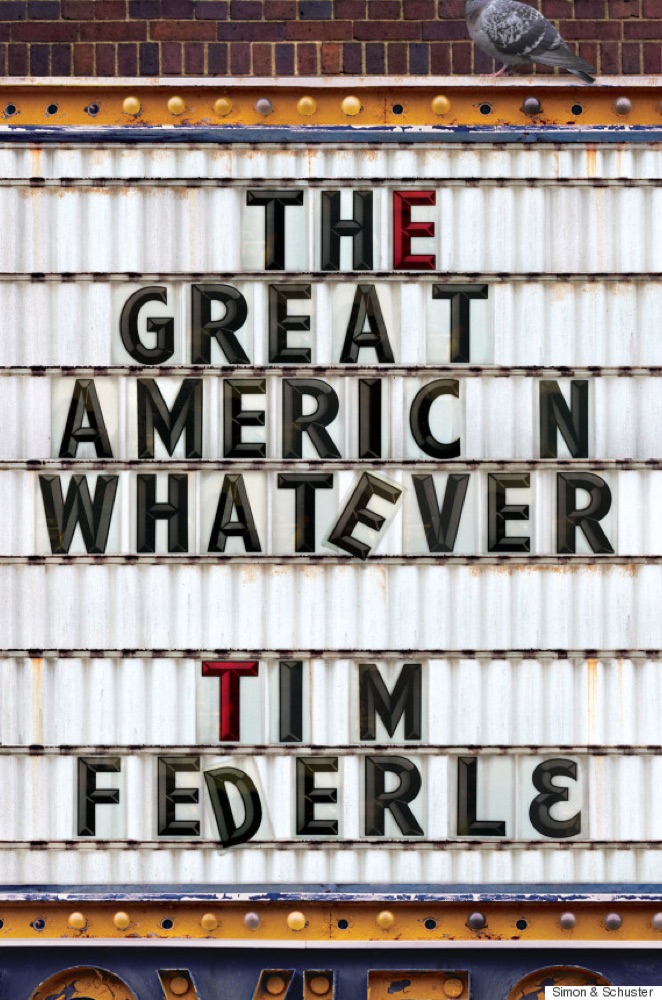 The Great American Whatever
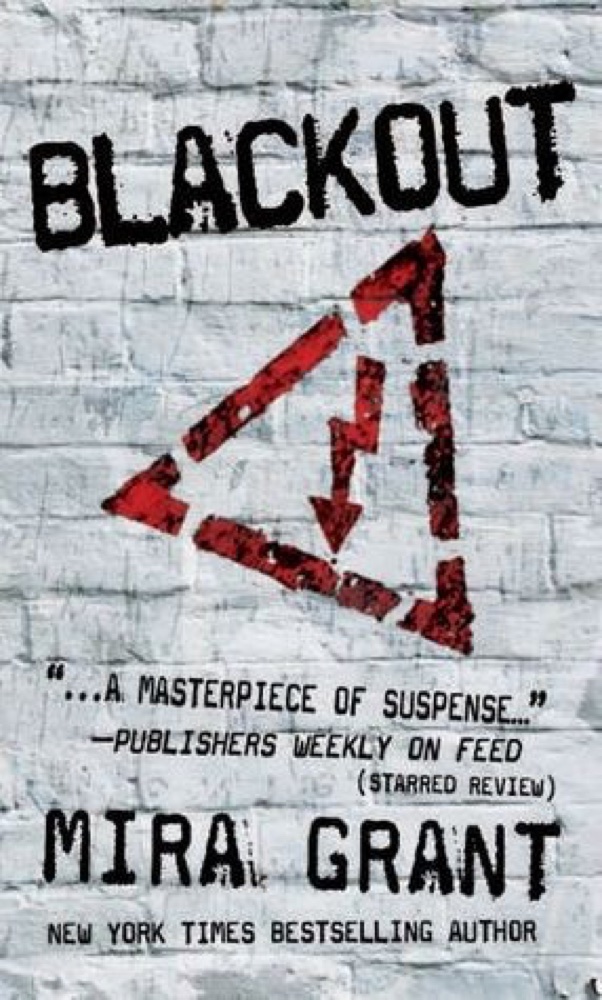 Blackout
 Broken Harbor
 A Single Man
 Looking for Alibrandi
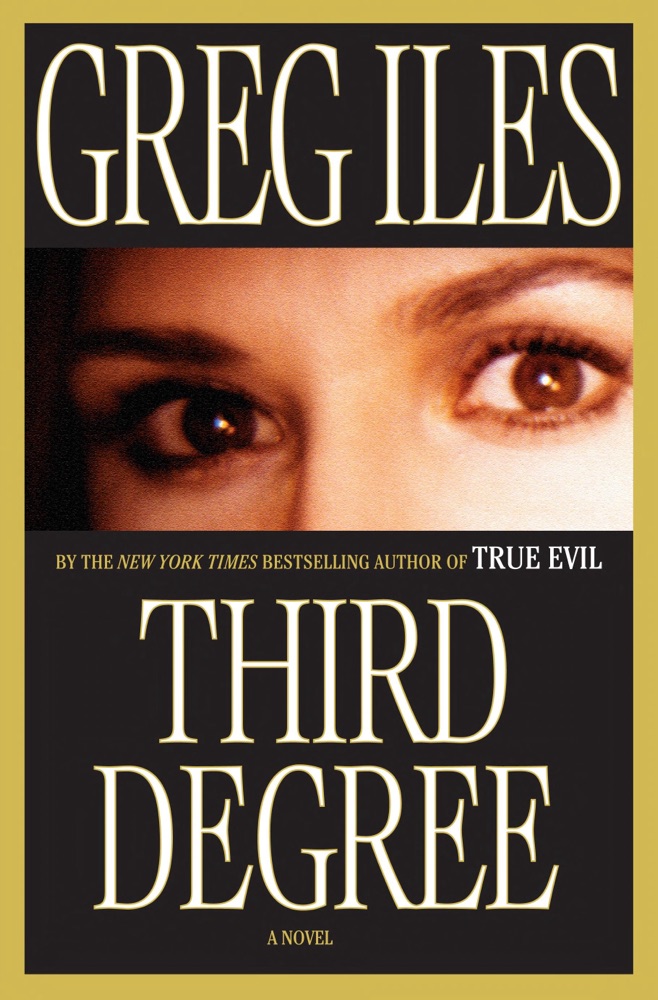 Third Degree
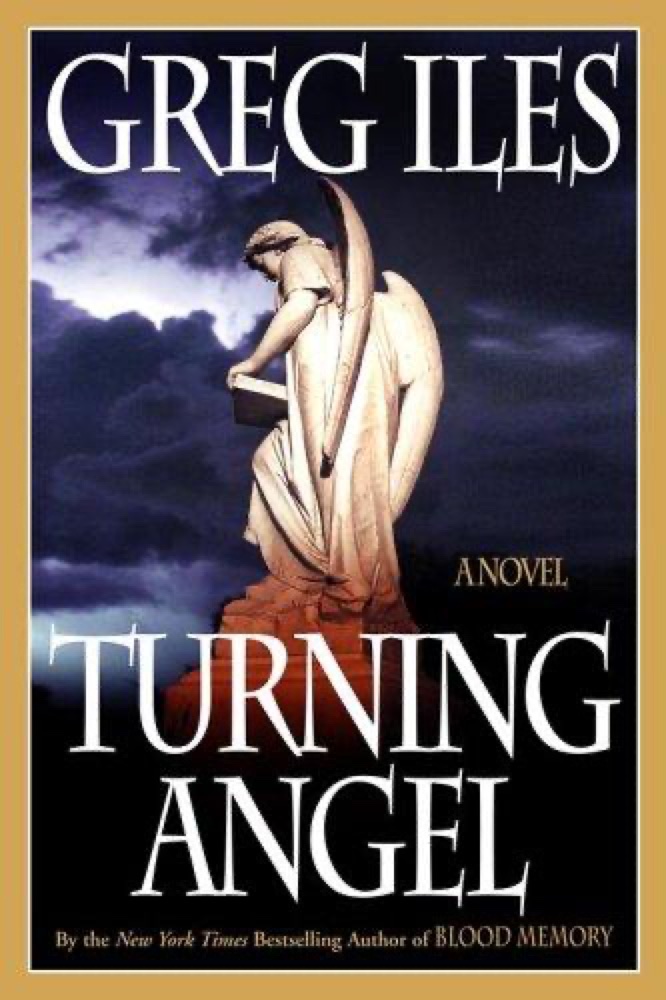 Turning Angel
 The Raw Shark Texts
 The Ask and the Answer
 Flat-Out Love
 Covet
Covet
 UnWholly
 Time's Edge
 A Visit from the Goon Squad
 How to Say Goodbye in Robot
 A Corner of the Universe
 The Summoning
 Going Bovine
 Who We Are
 The Descendants
 13 Little Blue Envelopes