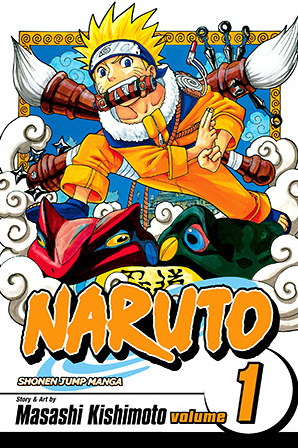
Masashi Kishimoto · 187 pages
Rating: (114.1K votes)
“A smile is the best way to get away with trouble even if it’s a fake one.”
― Masashi Kishimoto, quote from Naruto, Vol. 01: The Tests of the Ninja
“I call this one the Ninja Center-fold! ~ Naruto”
― Masashi Kishimoto, quote from Naruto, Vol. 01: The Tests of the Ninja
“Hidan: Hey, look at that, it's my headband! You went to the trouble of picking it up and keeping for me? I'm touched. You're a pretty nice guy, Kakuzu, you knwo that?
Kakuzu: Shut up. Let's go.
Hidan: Let me put it on at least! Okay, I'm coming. Admit it, you like me a little, doncha?
Kakuzu: Either you shut up, or I'll kill you.
Hidan: Haha, you're embarrassed! I understand.”
― Masashi Kishimoto, quote from Naruto, Vol. 01: The Tests of the Ninja
“So if someone is thinking about me, then that's the place I go ?”
― Masashi Kishimoto, quote from Naruto, Vol. 01: The Tests of the Ninja
“I was raised on ramen and hard work!”
― Masashi Kishimoto, quote from Naruto, Vol. 01: The Tests of the Ninja

Masashi Kishimoto
Born place: in Nagi, Okayama, Japan
Born date November 8, 1974
See more on GoodReads
“I don't want the words to be naked the way they are in faxes or in the computer. I want them to be covered by an envelope that you have to rip open in order to get at. I want there to be a waiting time -a pause between the writing and the reading. I want us to be careful about what we say to each other. I want the miles between us to be real and long. This will be our law -that we write our dailiness and our suffering very, very carefully.”
― Siri Hustvedt, quote from What I Loved
“For Breezes remind me of kisses. And kisses can be eternal.”
― John Shors, quote from Beneath a Marble Sky
“U principu volim ponedjeljke. Znam, znam - stvarno sam luda! Ali što ću? Oduvijek me ushićuje pomisao da kreće posve novi tjedan i da dobivam priliku krenuti ispočetka sa sedam posve novih dana pred sobom - poput nove godine u malom!”
― Zoe Sugg, quote from Girl Online
“Then it stands to reason that love doesn't make a man less than what he already is."
"It makes him vulnerable."
"Perhaps it does," Ramsey agreed.
"And if his mind is constantly consumed with thoughts of her, then he becomes weak. Is that not so?"
Ramsey smiled. "I'll tell you what is so. You love her, Brodick, and that scares the hell out of you."
"I should have broken your nose.”
― Julie Garwood, quote from Ransom
“The world tends toward chaos, you know," Cassidy said. You could too. Just write down a made up name, or even a fictional character. And the next person who finds this geocache, it's as though things really hapened that way. You have to at least allow for the possibility of it.”
― Robyn Schneider, quote from The Beginning of Everything
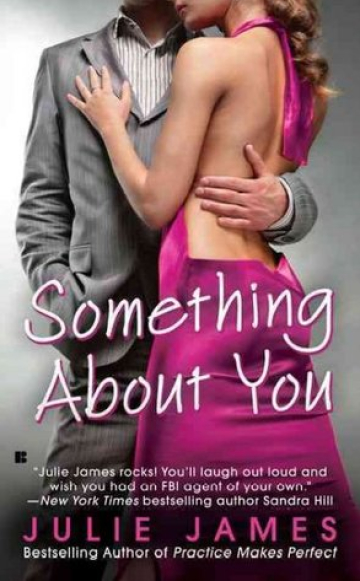
 Something About You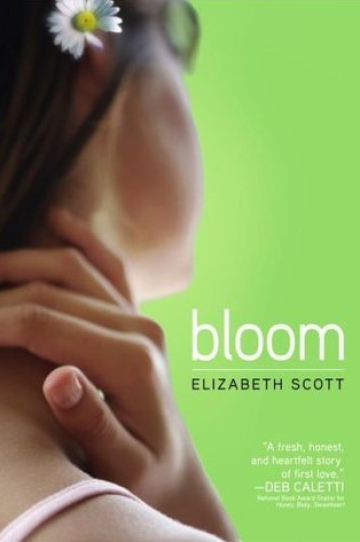
 Bloom
Bloom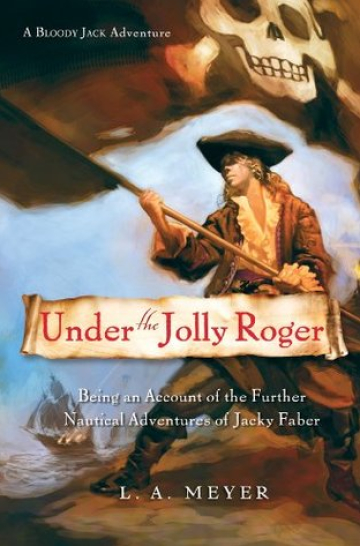
 Under the Jolly Roge...
 Rain of Gold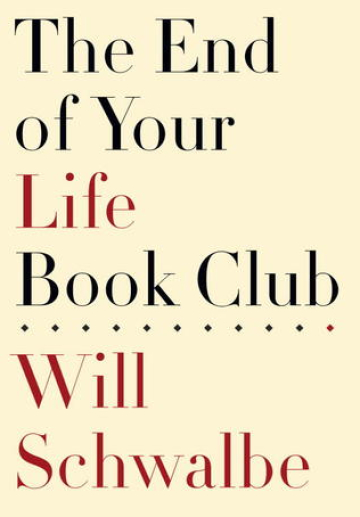
 The End of Your Life...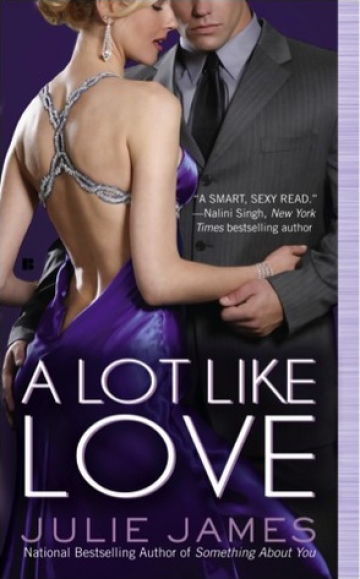
 A Lot like Love
BookQuoters is a community of passionate readers who enjoy sharing the most meaningful, memorable and interesting quotes from great books. As the world communicates more and more via texts, memes and sound bytes, short but profound quotes from books have become more relevant and important. For some of us a quote becomes a mantra, a goal or a philosophy by which we live. For all of us, quotes are a great way to remember a book and to carry with us the author’s best ideas.
We thoughtfully gather quotes from our favorite books, both classic and current, and choose the ones that are most thought-provoking. Each quote represents a book that is interesting, well written and has potential to enhance the reader’s life. We also accept submissions from our visitors and will select the quotes we feel are most appealing to the BookQuoters community.
Founded in 2023, BookQuoters has quickly become a large and vibrant community of people who share an affinity for books. Books are seen by some as a throwback to a previous world; conversely, gleaning the main ideas of a book via a quote or a quick summary is typical of the Information Age but is a habit disdained by some diehard readers. We feel that we have the best of both worlds at BookQuoters; we read books cover-to-cover but offer you some of the highlights. We hope you’ll join us.
