
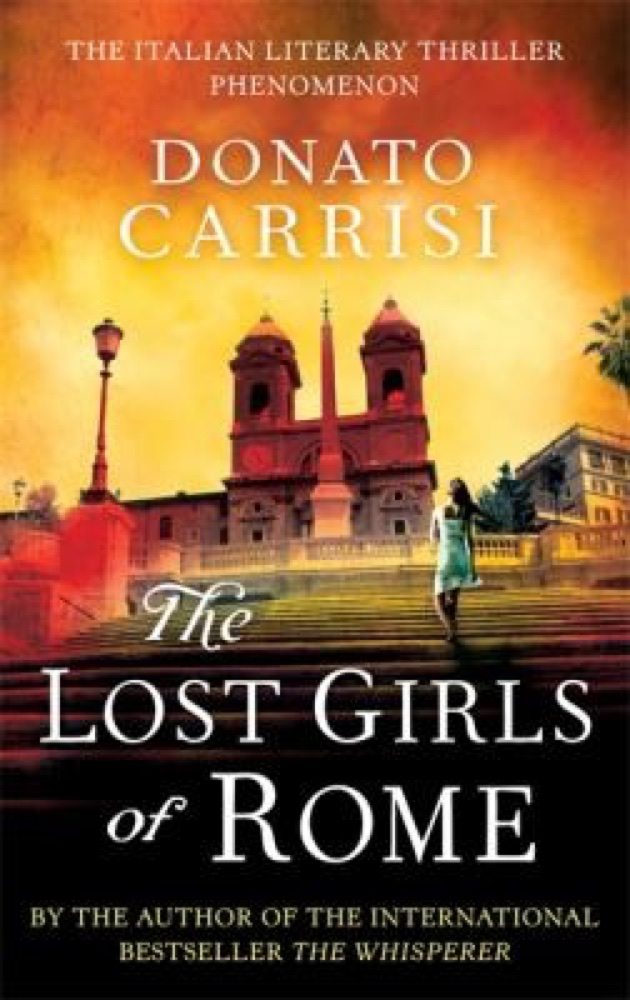
 The Lost Girls of Rome
Quotes from the Book
Like the whole range of other human emotions, it's just a matter of chemistry. We are all nothing but machines made of flesh.
I bambini non vedono la Morte. Perché la loro vita dura un giorno, da quando si svegliano a quando vanno a dormire.
God is silent. The devil whispers…
And you have to be careful with illusionists: sometimes evil deceives us by assuming the simplest form of things.
The dead would be buried, and over time everything would be absorbed. All that remained would be a vague memory in their souls, the waste left by an inevitable process of self-preservation.
Li chiamiamo 'mostri' perché li sentiamo lontani da noi, perché li vogliamo diversi. Invece ci assomigliano in tutto e per tutto, ma noi preferiamo rimuovere l'idea che un mostro simile sia capace di tanto. E questo per assolvere la nostra natura. Gli antropologi la definiscono 'spersonalizzazione del reo' e costituisce spesso il maggior ostacolo all'identificazione di un serial killer. Perché un uomo ha dei punti deboli e può essere catturato. Un mostro no.
Watch on YouTube
About Donato Carrisi
We have collected 9 quotes from 2 books by Donato Carrisi on BookQuoters.
More about the author →More by Donato Carrisi
The Lost Girls of Rome
Book details
- Author
- Donato Carrisi
- Genre
- Fiction
- Goodreads rating
- 4.17 (34k ratings) →
The buzz
- The New York TimesReview in The New York Timesprofessional review (via Book Marks)
- Kirkus ReviewsReview in Kirkus Reviewsprofessional review (via Book Marks)
- Publishers WeeklyReview in Publishers Weeklyprofessional review (via Book Marks)
- New York Journal of BooksReview in New York Journal of Booksprofessional review (via Book Marks)
- BooklistReview in Booklistprofessional review (via Book Marks)
- BookPageReview in BookPageprofessional review (via Book Marks)
Keep reading
 The Seven Moons of Maali Almeida
 The Enchantress of Florence
 Brodeck
 The Kindly Ones
 Foe
Foe
 The Dwarf
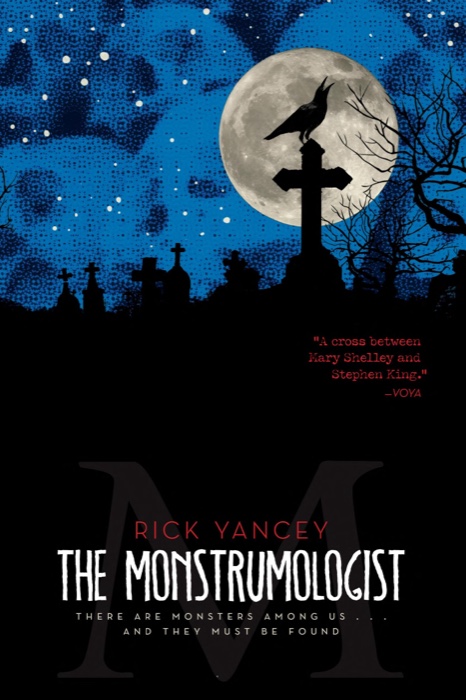 The Monstrumologist
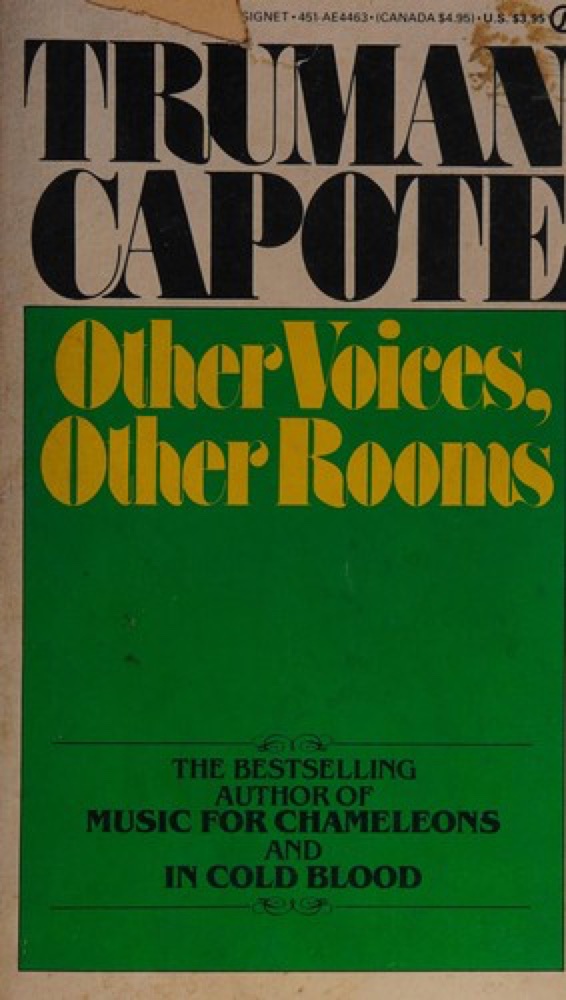 Other Voices, Other Rooms
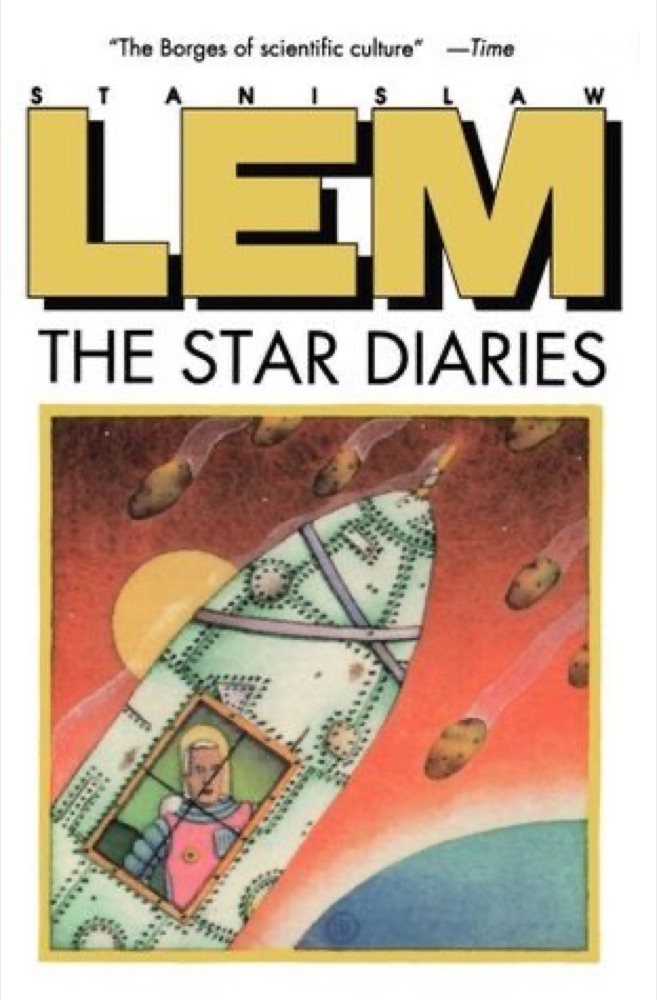 The Star Diaries
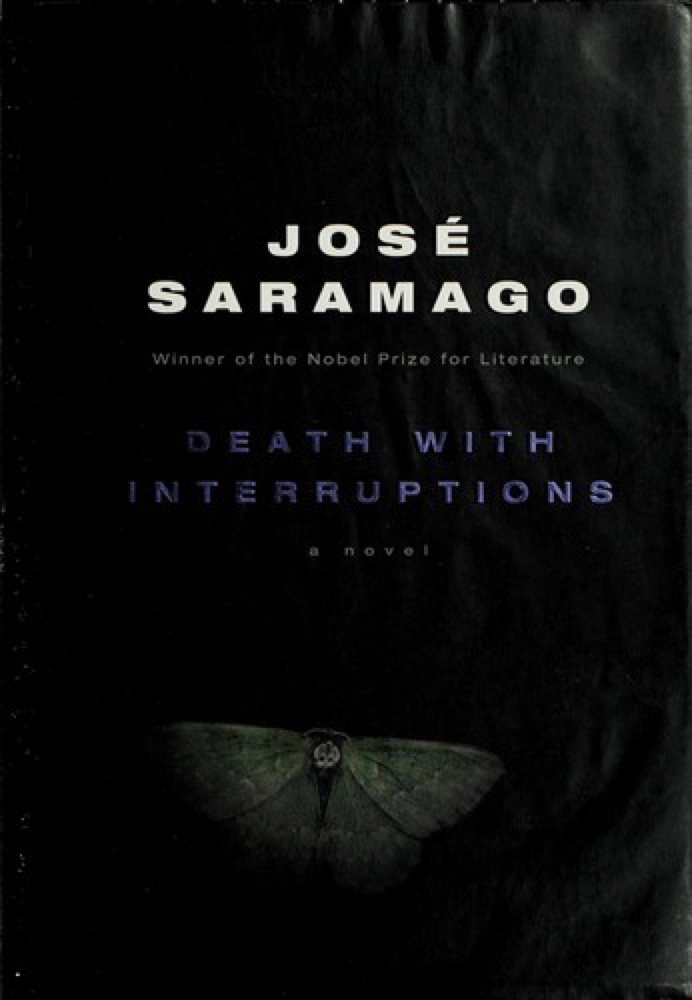 Death with Interruptions
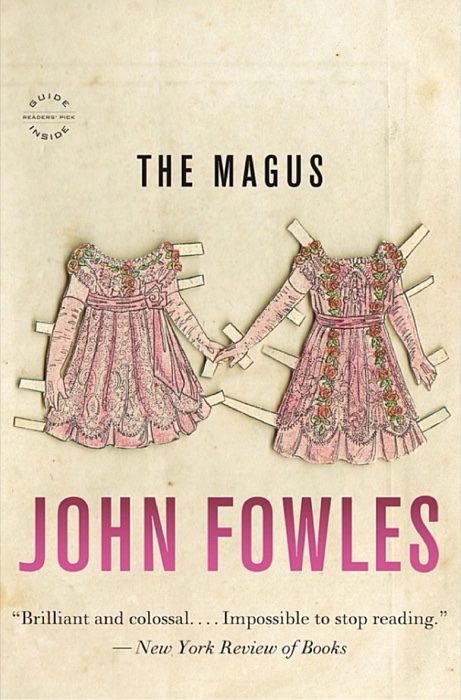 The Magus
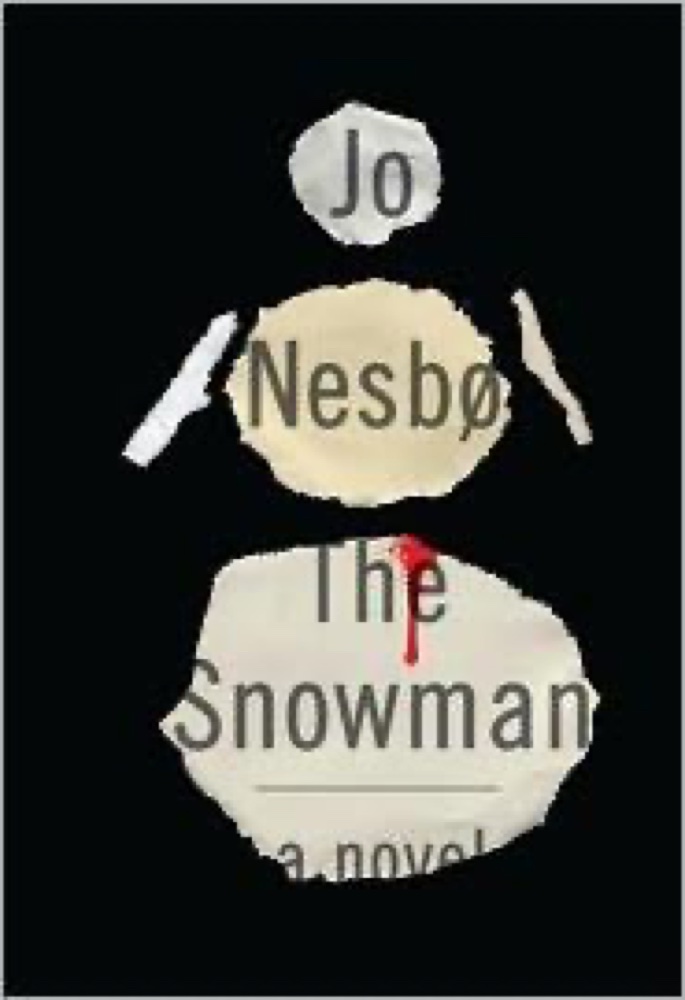 The Snowman
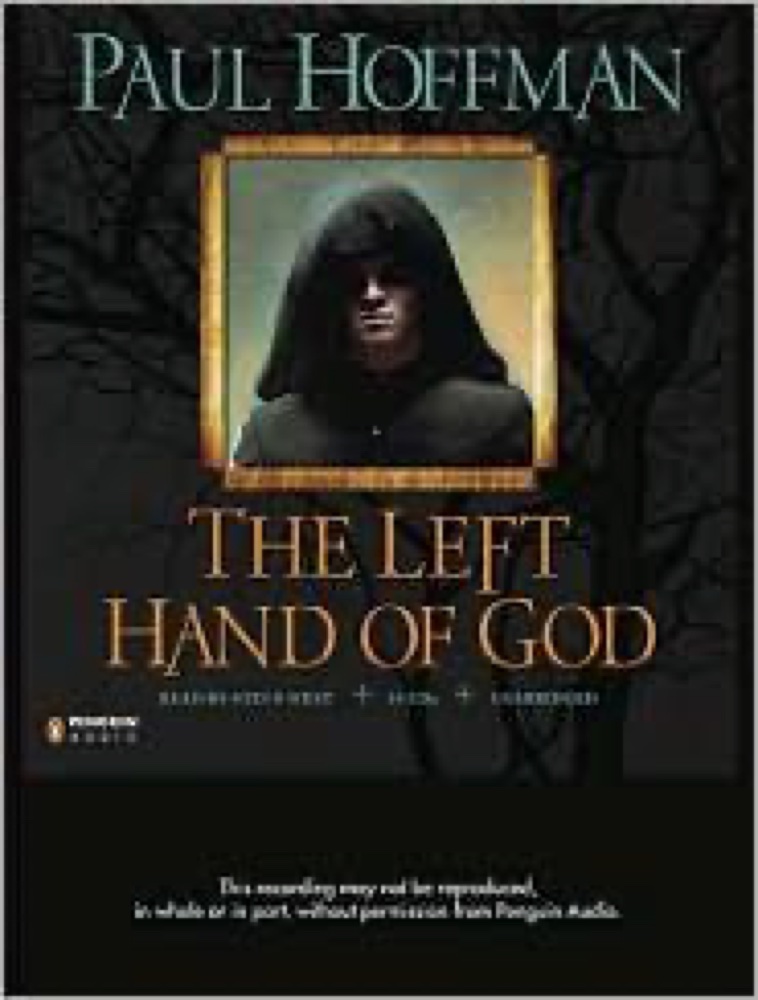 The Left Hand of God
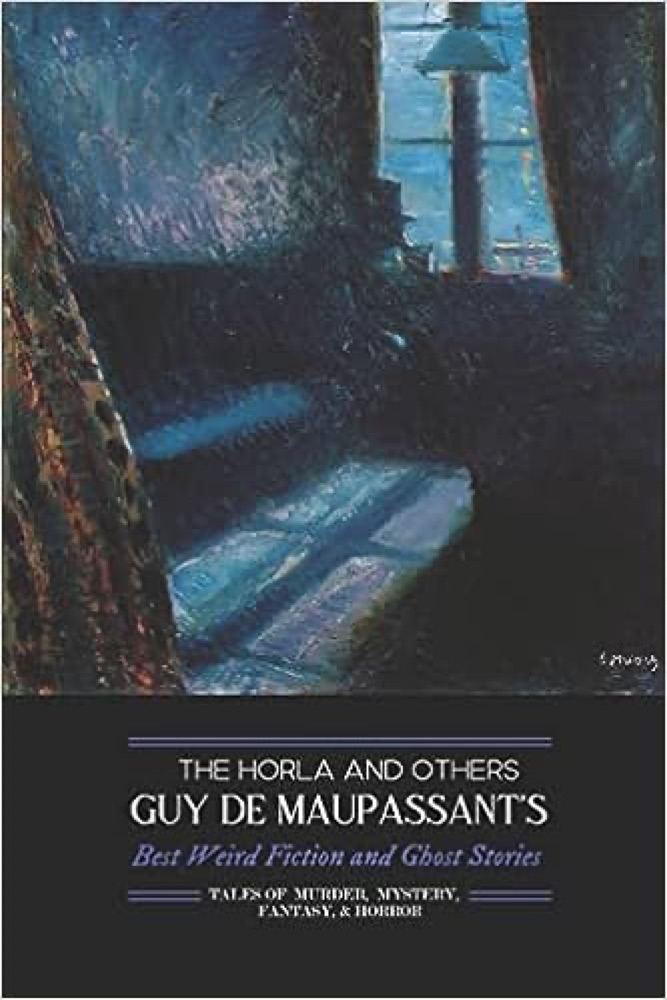 The Horla and Others: Guy de Maupassant's Best Weird Fiction and Ghost Stories: Tales of Mystery, Murder, Fantasy & Horror
 A General Theory of Oblivion
 The Vampire Lestat
 Night Watch
 A Luminous Republic
 The Gone-Away World
 The Tale of the Body Thief
 From Sand and Ash
 All That I Am
 American Gods
 The Gospel According to Jesus Christ
 If This Is a Man / The Truce
 Dead Astronauts
 The Queen of the Damned
 Sexus
Sexus
 Venom
Venom
 The Exorcist
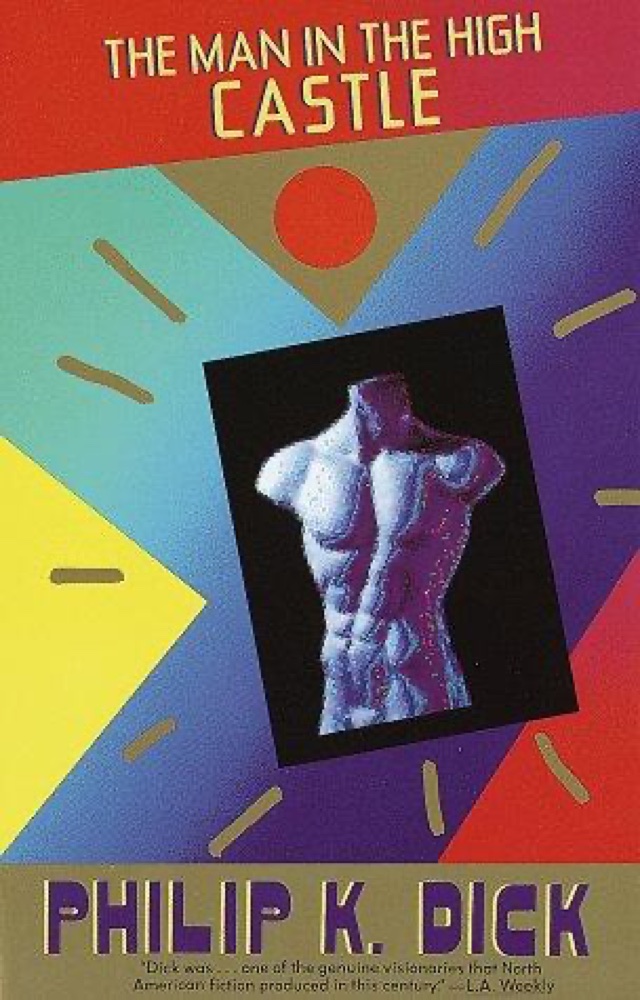 The Man in the High Castle
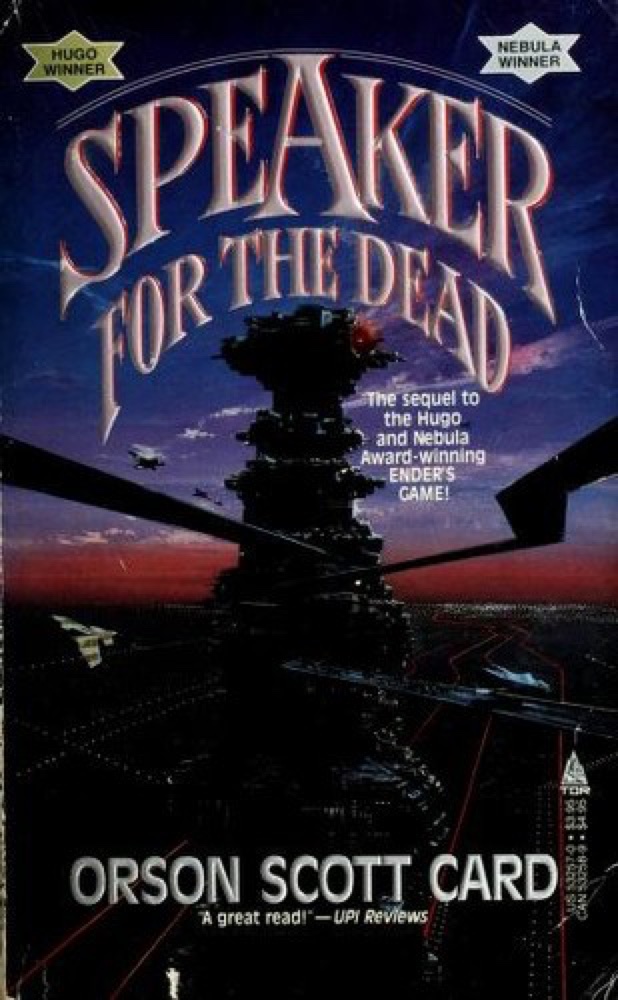 Speaker for the Dead
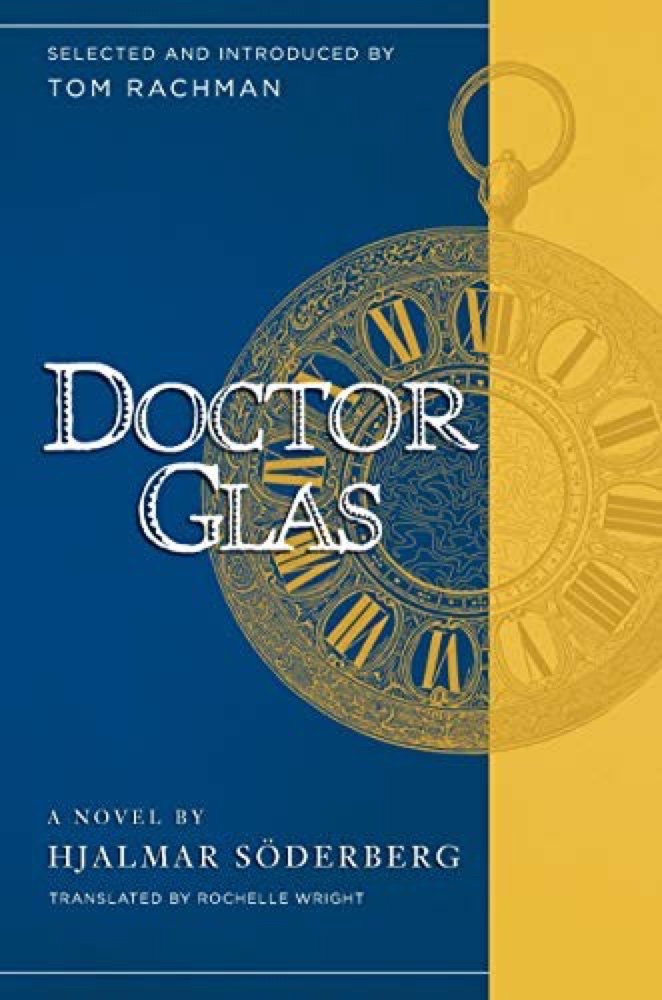 Doctor Glas
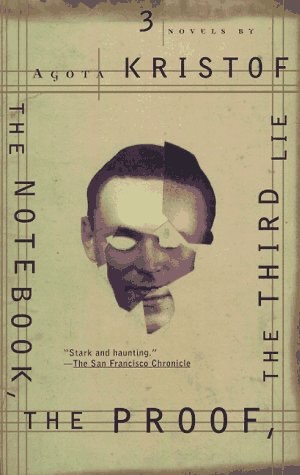 The Notebook, The Proof, The Third Lie: Three Novels
 The Elementary Particles
 Zeno's Conscience
 Pet Sematary
 A Short History of Decay
 The Burning World
 Emma in the Night
 The Sleepwalkers
 The Anomaly
 Nod
Nod
 The Empusium
 Running with the Demon
 The Bonehunters
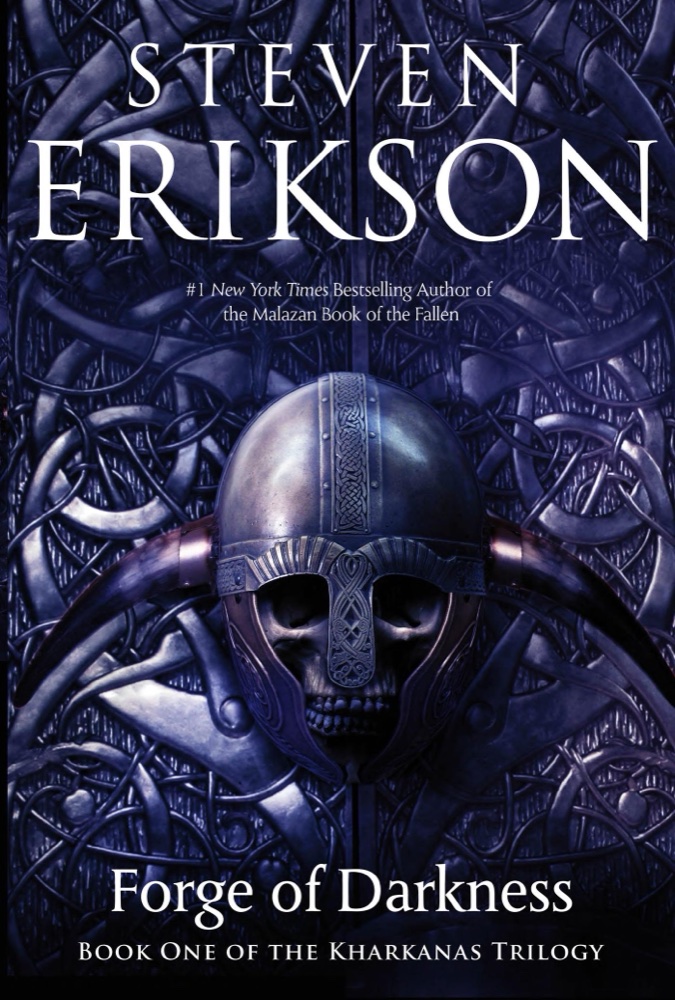 Forge of Darkness
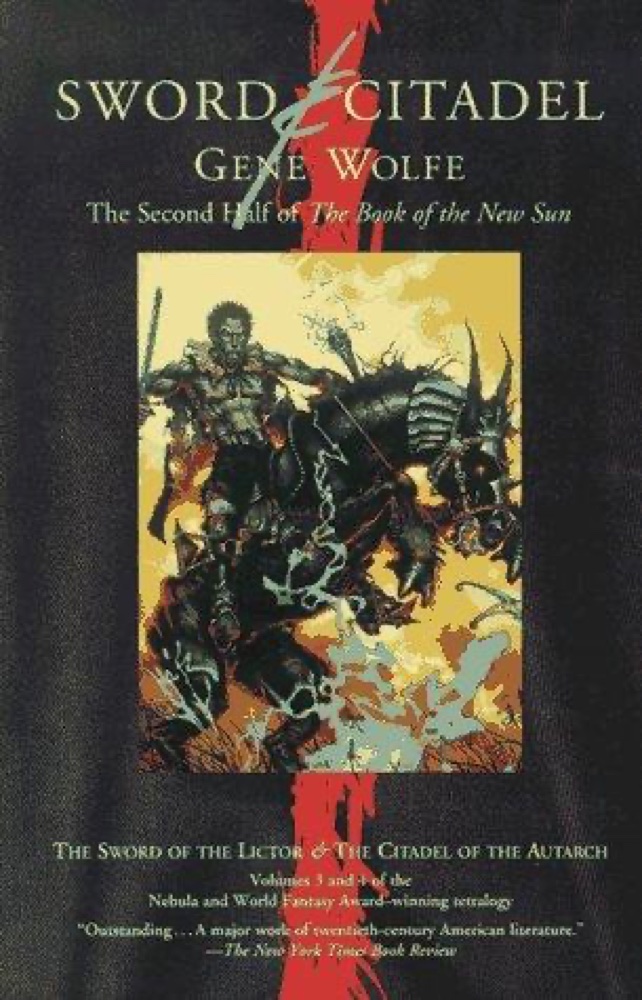 Sword & Citadel
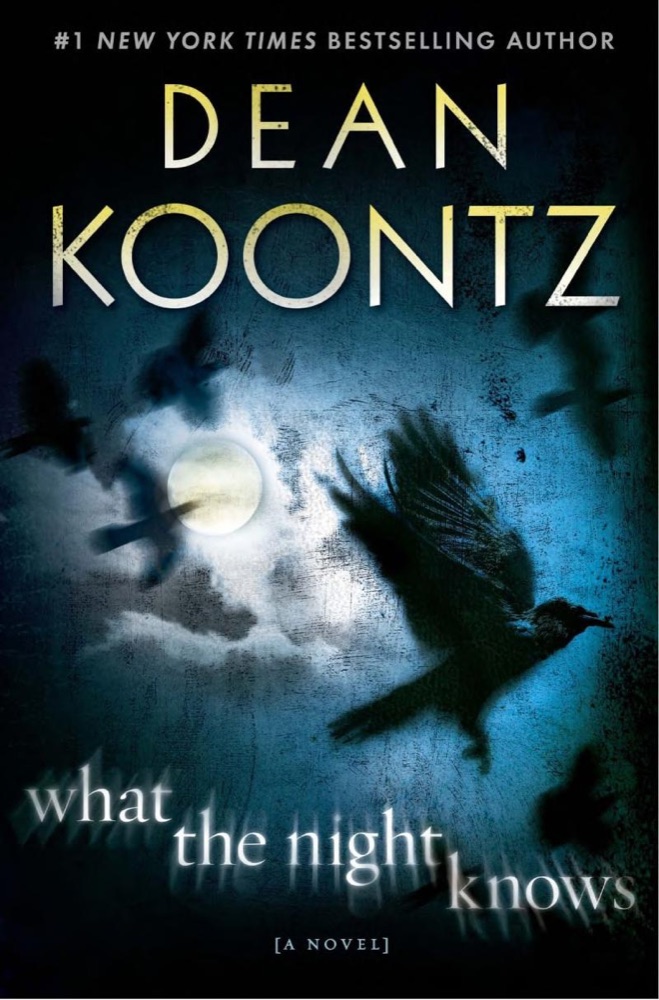 What the Night Knows
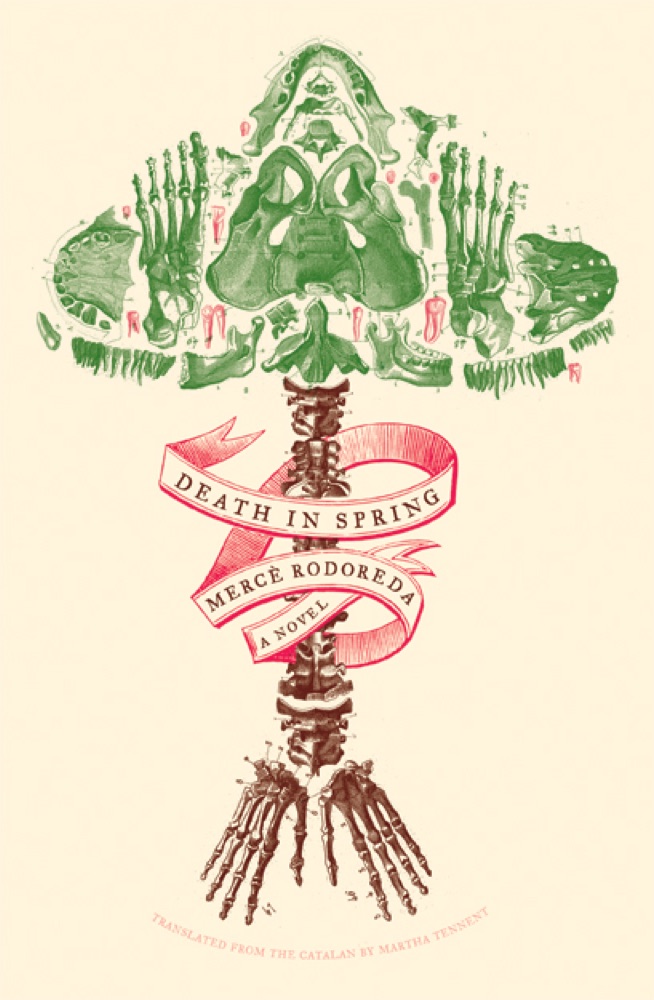 Death in Spring
 The Temptation of St. Antony
 Memories, Dreams, Reflections
 Empire of Silence
 Psychology and Religion
 Letter to a Child Never Born
 Soul Mountain
 Midnight Tides
 Selected Poems
 Stella Maris
 Survival in Auschwitz