

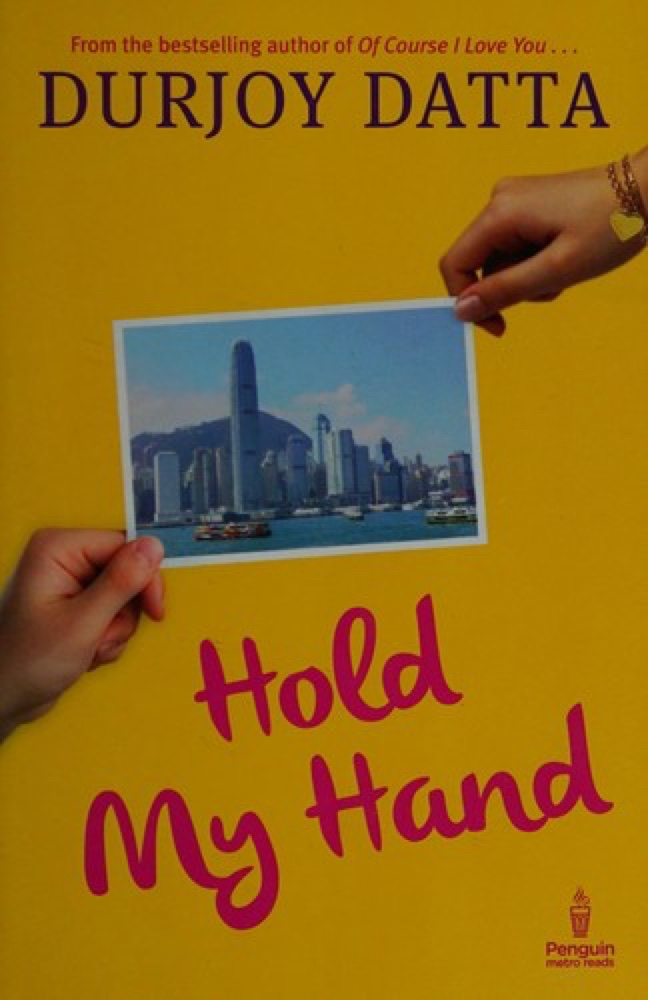
 Hold My Hand
Quotes from the Book
I am a face that people forget. But I am also a brain that forgets little.
First lesson taught to doctors in medical college: "Be emotional about the disease, not the patient.
ALS stands for amyotrophic lateral sclerosis, but she has replaced that with her own version-Always live strong
The loss of an only child is the worst pain anyone can endure. After all, what do our parents live for? With thee best years of their youth gone by, they don't have any yearnings for comfort or money or fame; all they want is to see us grow up as happy, healthy human being with all the luxuries that they couldn't afford or need. To see years of love,care and upbringing reduce to dust, burnt or burried, takes away everything from a parent.
Doctor(to patient): Give me your parent's number so that we can tell them what a bad boy you have been. Patient(Confused, unwilling): You don't need to. Doctor:Hospital Rules!!! And no matter how much i hate dead people, I hate Unpaid bills more
Watch on YouTube
About Durjoy Datta
We have collected 21 quotes from 4 books by Durjoy Datta on BookQuoters.
More about the author →More by Durjoy Datta


Book details
- Author
- Durjoy Datta
- Genre
- Fiction
- Goodreads rating
- 3.97 (7k ratings) →
Keep reading
 Just Like Someone Without Mental Illness Only More So
 The House of God
 Joan Is Okay
 They Call Her Dirty Sally
 The Deal of a Lifetime
 The Bright Years
 Legendborn
 Do No Harm: Stories of Life, Death and Brain Surgery
 In Shock: My Journey from Death to Recovery and the Redemptive Power of Hope
 All Is Not Forgotten
 The Memory of Light
 The End of Men
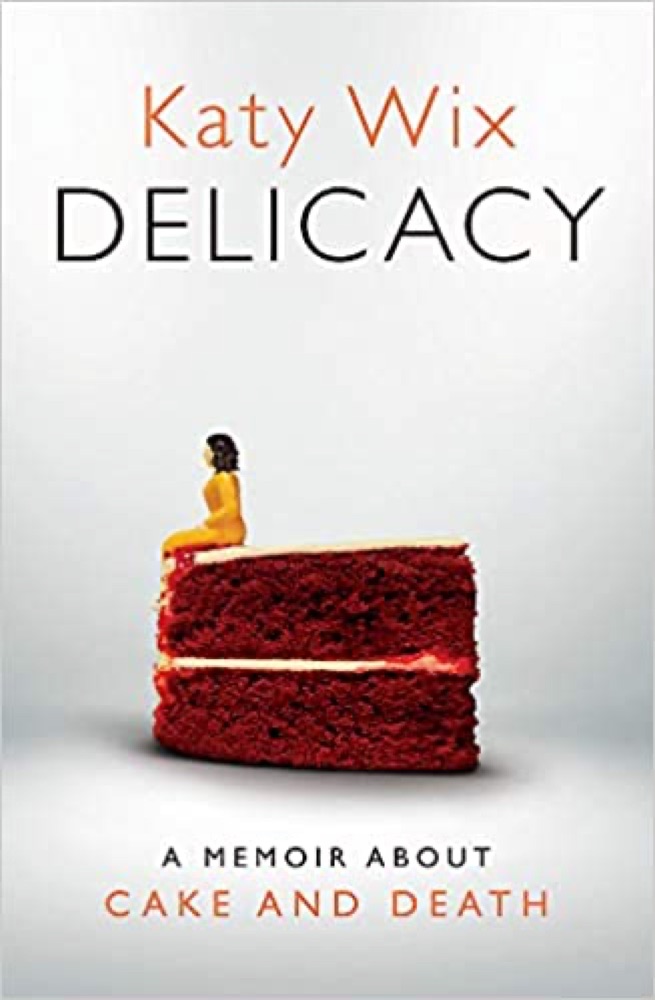 Delicacy
 The Shock of the Fall
 Dr. Strange Beard
 We Are All So Good at Smiling
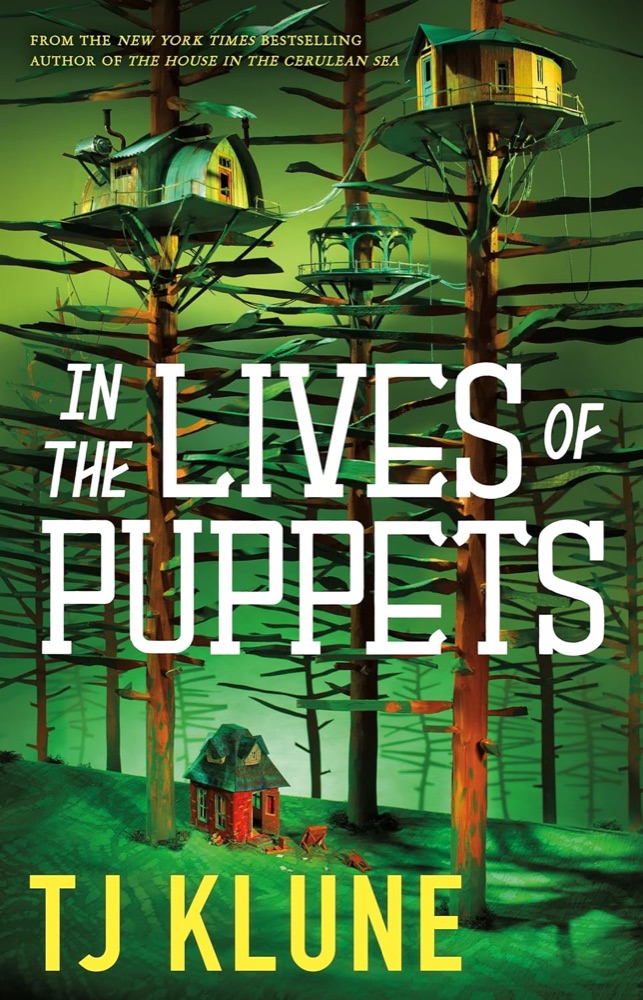 In the Lives of Puppets
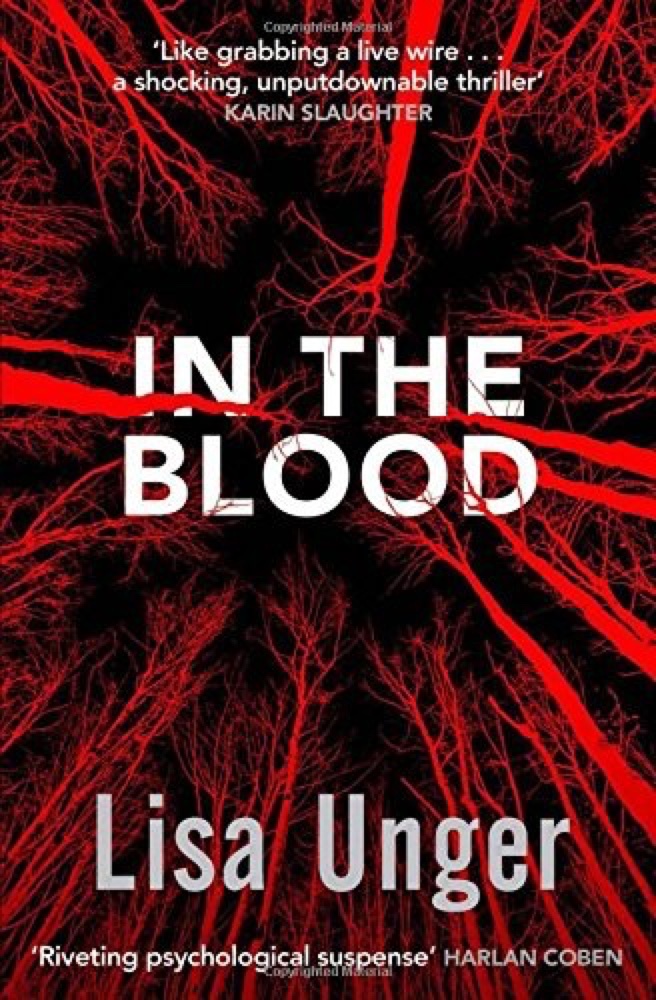 In The Blood
 Life Will Be the Death of Me: . . . and you too!
 Suspect
 Paperweight
 Words on Bathroom Walls
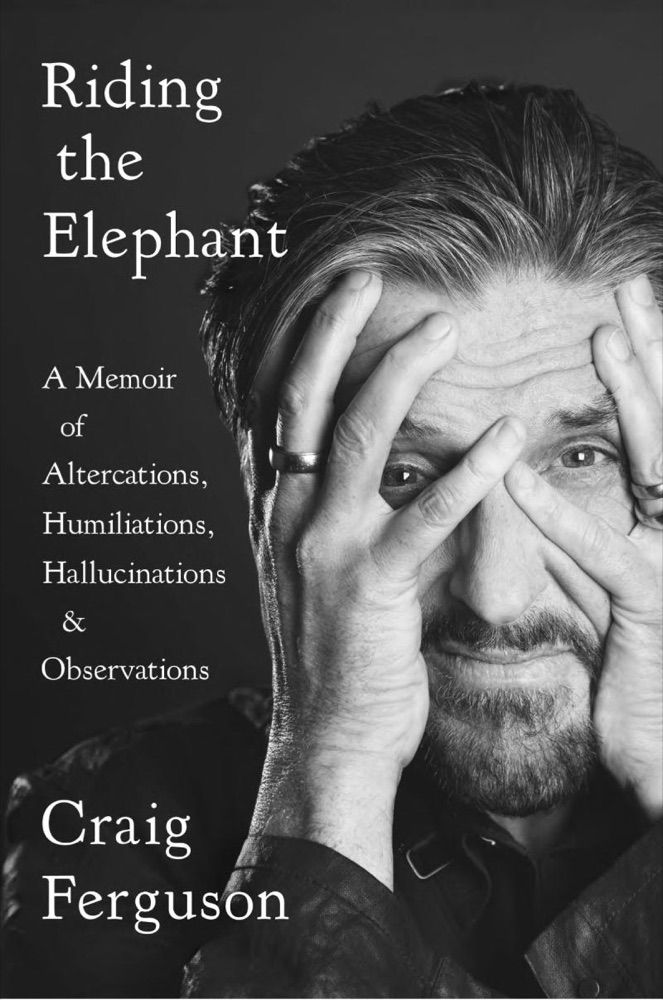 Riding the Elephant: A Memoir of Altercations, Humiliations, Hallucinations, and Observations
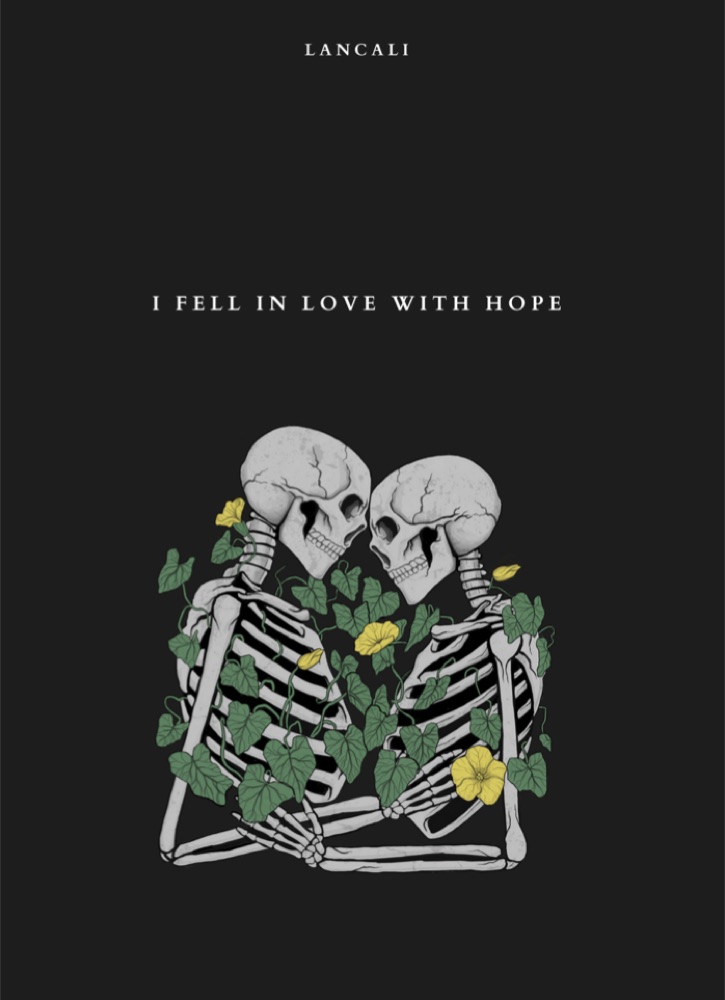 I Fell in Love With Hope
 Shoko's Smile: Stories
 Tell No One
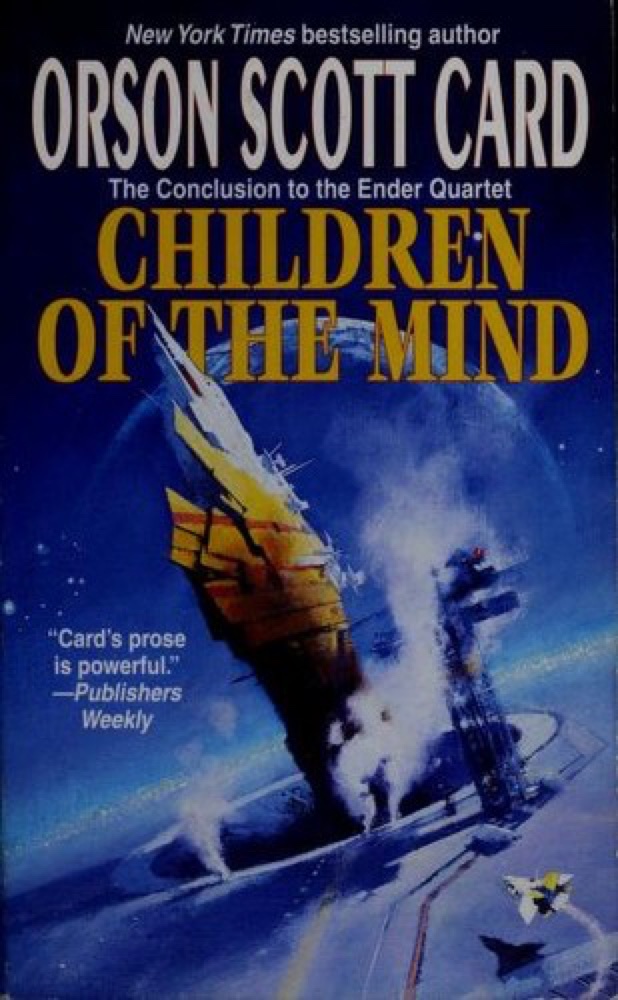 Children of the Mind
 Infamous
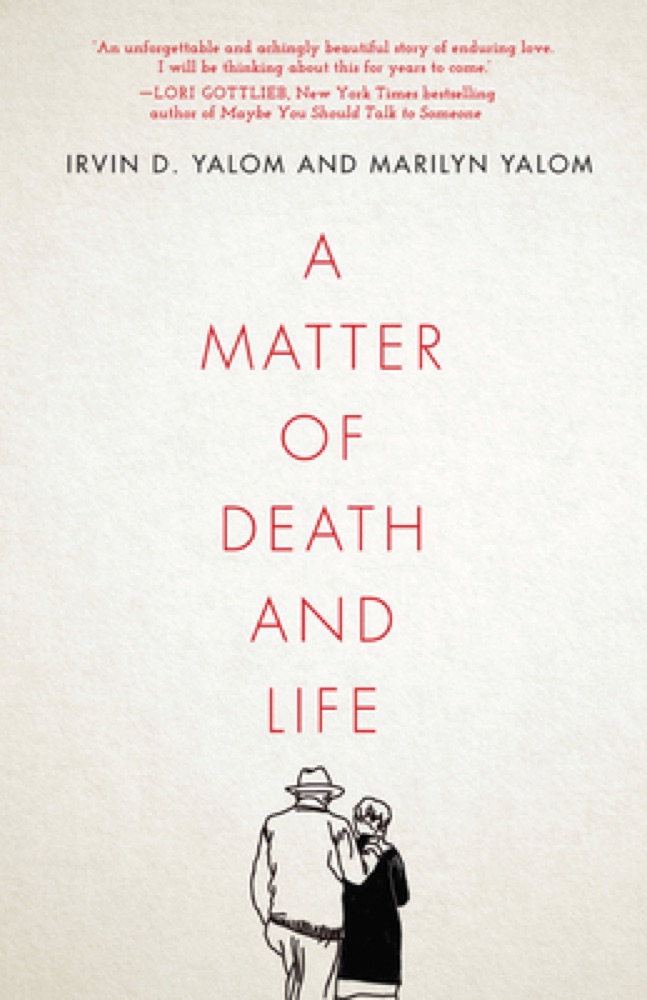 A Matter of Death and Life
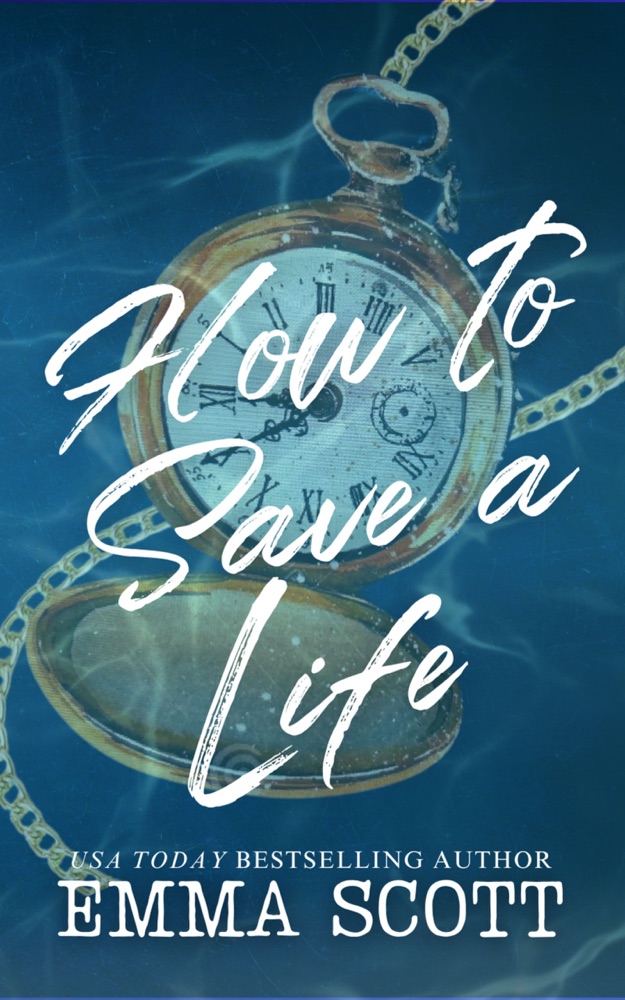 How to Save a Life
 The Devil Wears Scrubs
 The Rainbow Comes and Goes: A Mother and Son on Life, Love, and Loss
 Survivor
 Don't Let Go
 How To Talk To A Widower
 His & Hers
 Blue Nights
 Looking for Alibrandi
 Brain on Fire: My Month of Madness
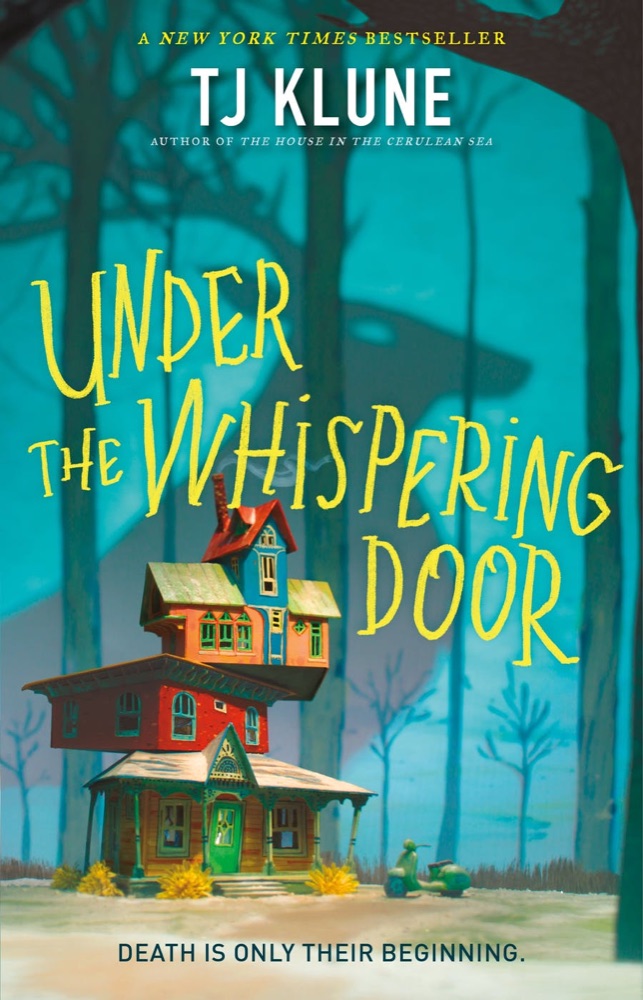 Under the Whispering Door
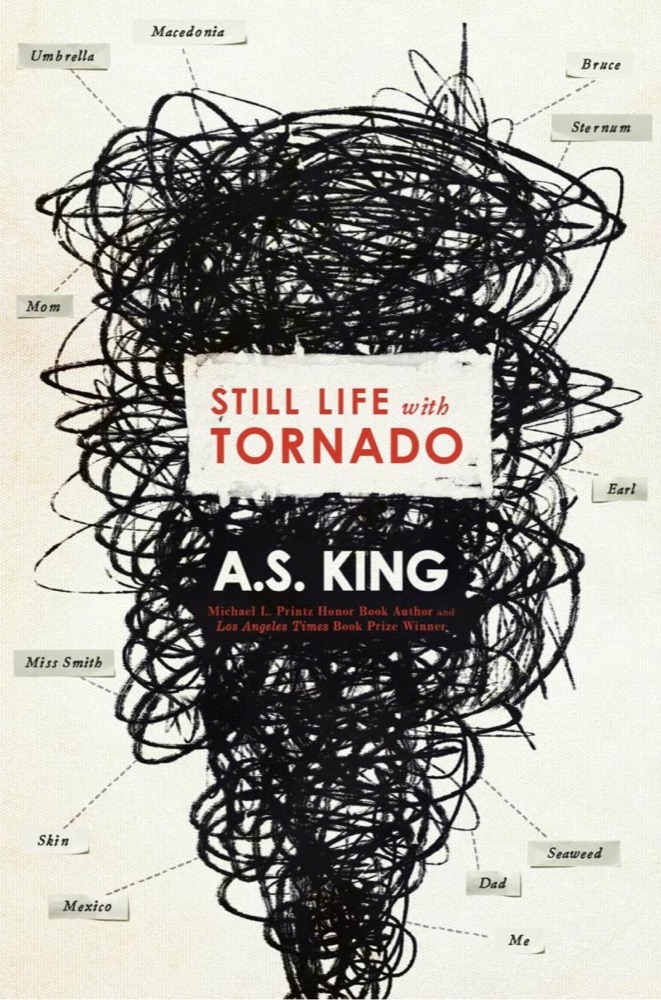 Still Life with Tornado
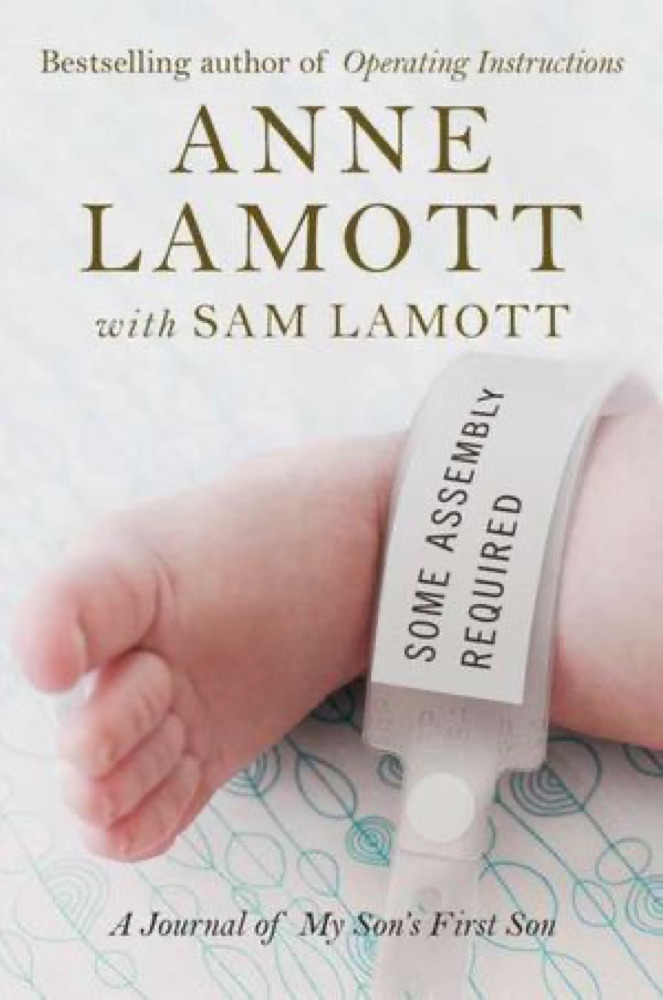 Some Assembly Required: A Journal of My Son's First Son
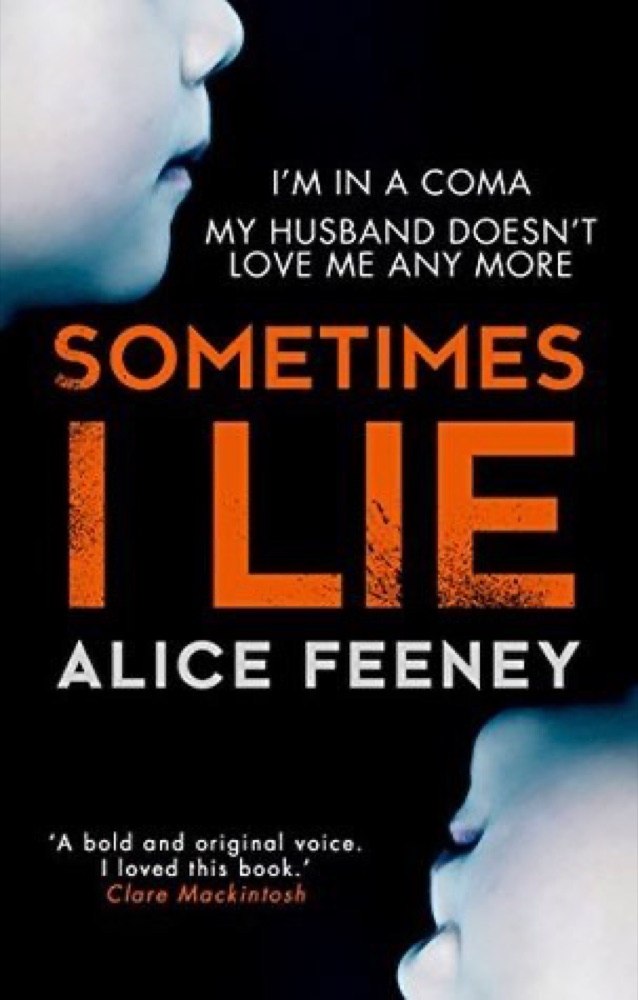 Sometimes I Lie
 The Mother-in-Law
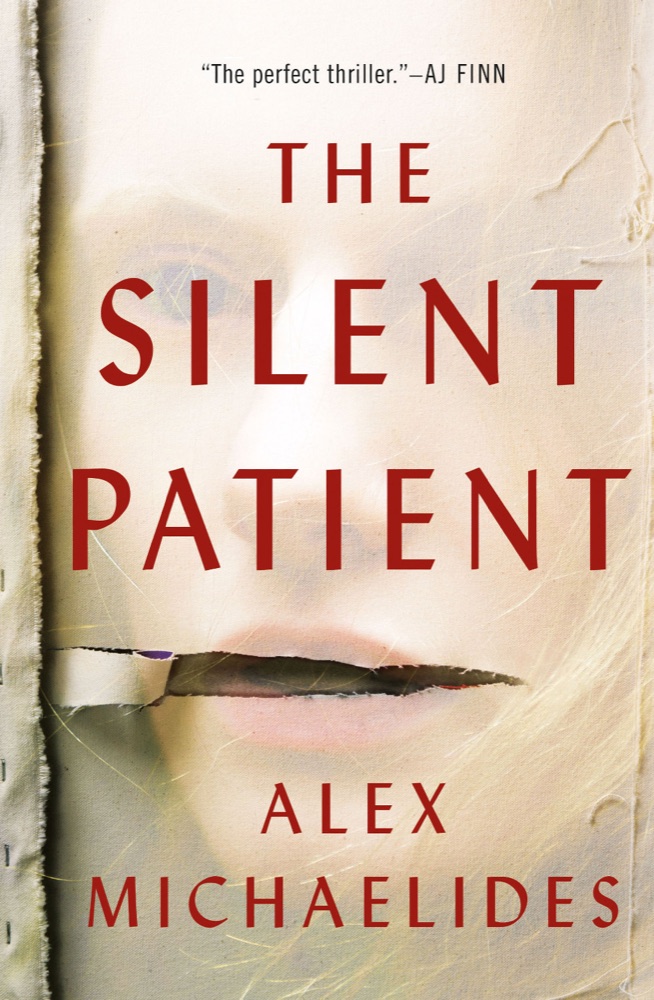 The Silent Patient
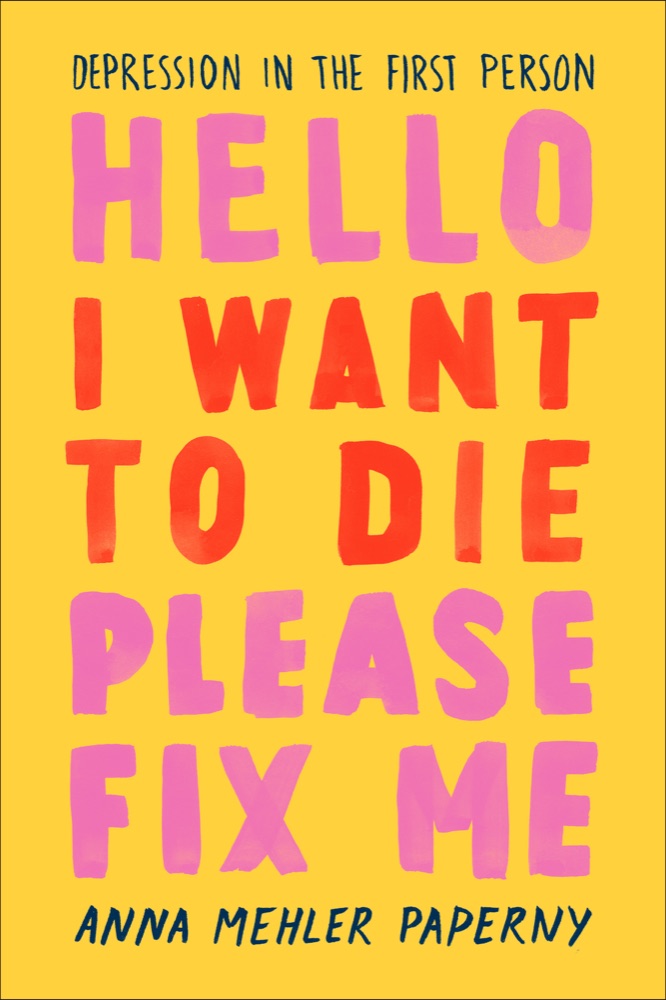 Hello I Want to Die Please Fix Me: Depression in the First Person
 The Five Stages of Andrew Brawley
 Firstlife
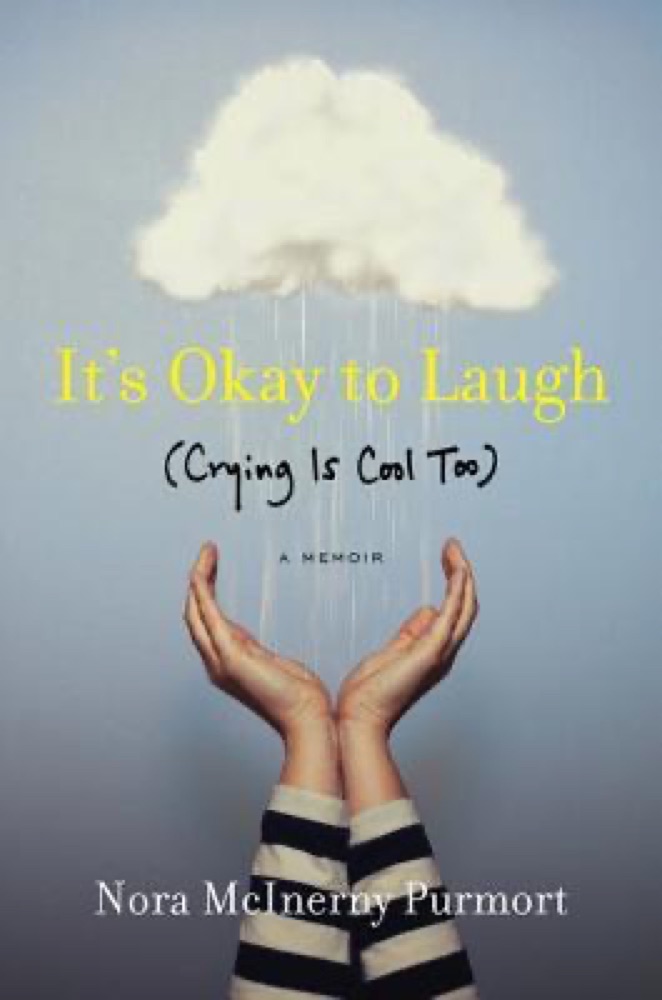 It's Okay to Laugh
 All My Puny Sorrows
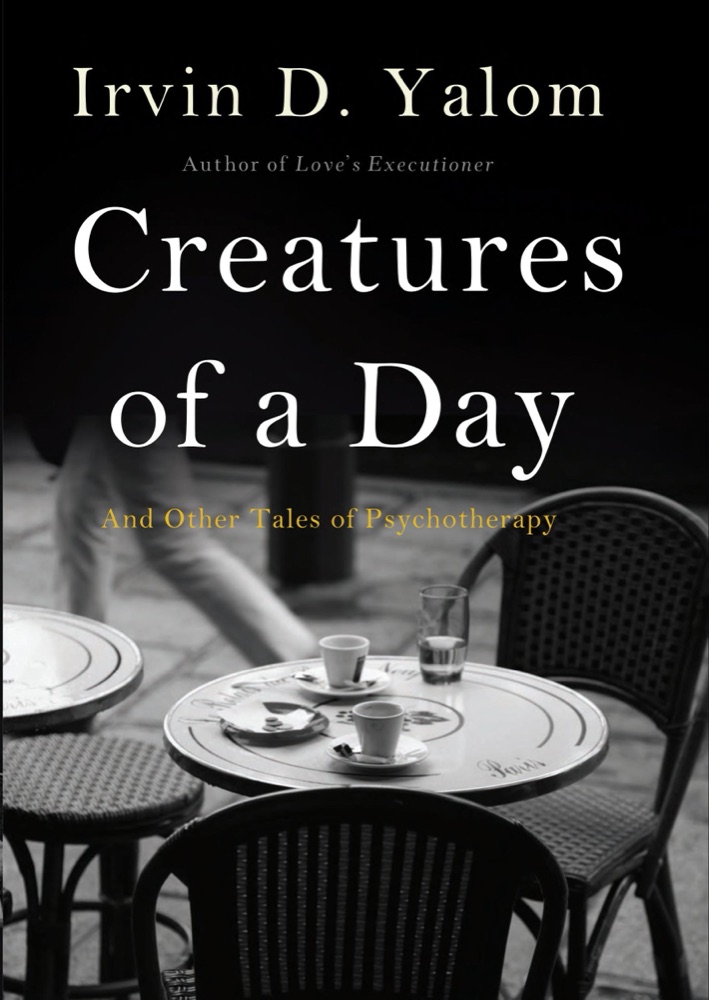 Creatures of a Day: And Other Tales of Psychotherapy
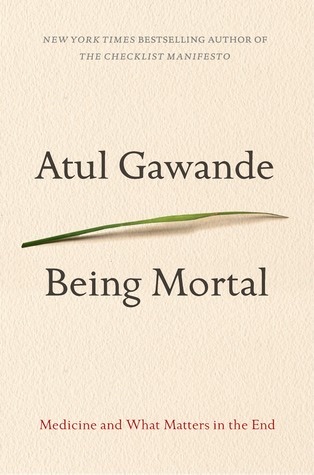 Being Mortal: Medicine and What Matters in the End
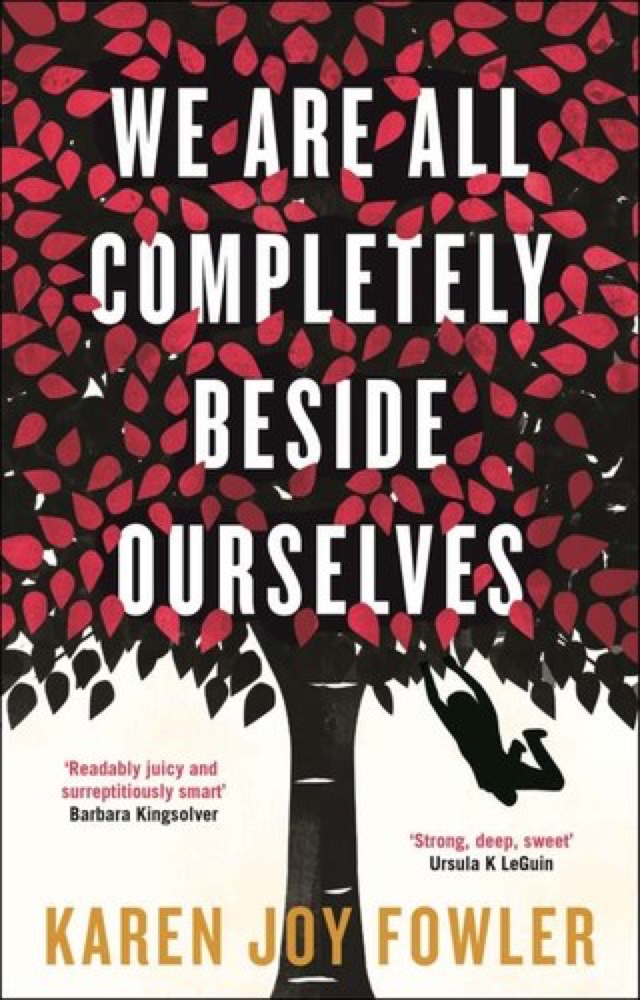 We Are All Completely Beside Ourselves
 The Storyteller
 The Bonesetter's Daughter
 The Name of the Wind
 The Impossible Knife of Memory
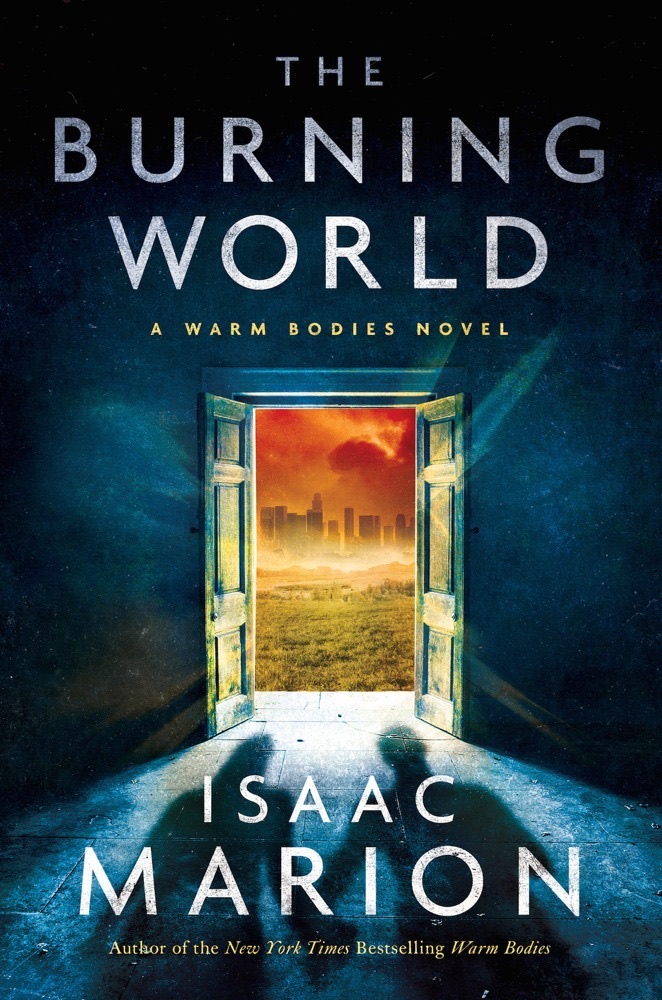 The Burning World
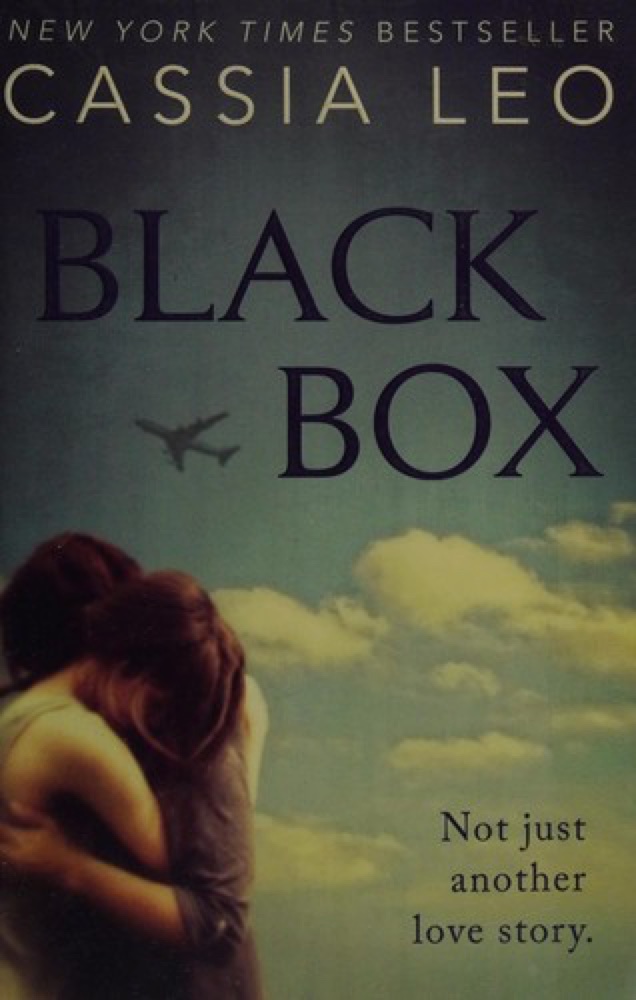 Black Box
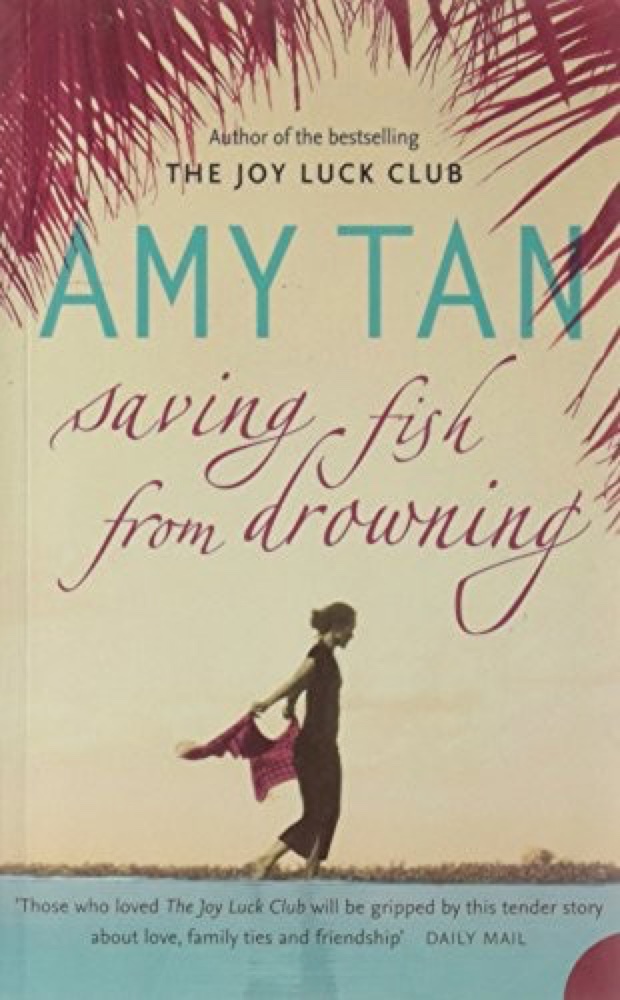 Saving Fish from Drowning