

 World Without End
Quotes from the Book
One of the good things about a Catholic church is that it isn't respectable," she had told Richard. "You can find anyone in it, from duchesses to whores, from tramps to kings.
28
I wish I knew when I was going to die,' ninety-six-year-old Dame Frances Anne often said, 'I wish I knew.' 'Why, Dame?' 'Then I should know what to read next.
25
Not what thou art, nor what thou hast been, beholdeth God with His merciful eyes, but what thou wouldst be.
7
I like the way everything is clear and concise, you'll always be forgiven but you must know the rules
7
Is it easier to be than to do?
7
It would have been far easier to write about an active Order; people can see, understand and admire the good they do. ‘Sister,’ said a young American soldier when, in India, he watched a nun bandaging the rotting and malodorous finger stumps of an old leper, ‘Sister, I wouldn’t do your work for ten thousand dollars a day.’ ‘Neither would I,’ said the nun.
5
...and as she stood on the Ashford platform waiting for the small train to come in, she seemed already separated from the people around her. Tomorrow I shall not be among you anymore; not of you but mysteriously still with you, thought Philippa. As Lady Abbess of Brede had said, "People think we renounce the world. We don't. We renounce its ways but we are still very much in it and it is very much in us.
3
remember that people need only be told as much of the truth as they are entitled to know,
3
Our whole Christian life is a dying to selfishness – wasn’t it Monsignor Knox who said the cross was “I” crossed out?
2
When you have become God’s in the measure He wants, He, Himself, will know how to bestow you on others.
2
And we pray in reparation, to make up for all those who won’t or can’t pray for themselves – especially anyone in grave sin. That’s why communities say the longest and most arduous Office at night – the time when most sin is committed in the world.’ ‘You mean a little Carmelite might sit up and pray for a murderer?’ ‘She has, with results,’ said Philippa.
2
I can’t,’ but it was acceptance now. ‘I can’t,’ whispered Dame Catherine, ‘so You must.
2
And you needn’t worry about being useful,’ said Dame Ursula. ‘When you have become God’s in the measure He wants, He, Himself, will know how to bestow you on others.’ She was quoting St Basil. Then her face grew wistful, ‘“Unless He prefer, for thy greater advantage, to keep thee all to himself.” That does happen to a few people. Yet, paradoxically, they have the greatest influence.
2
The motto was ‘Pax’ but the word was set in a circle of thorns. Pax: Peace, but what a strange peace, made of unremitting toil and effort – seldom with a seen result: subject to constant interruptions, unexpected demands, short sleep at nights, little comfort, sometimes scant food: beset with disappointments and usually misunderstood, yet peace all the same, undeviating, filled with joy and gratitude and love. ‘It is My own peace I give unto you.’ Not, notice, the world’s peace.
1
Nowadays there's a tendency to make everything utilitarian—even the things of the spirit. Beware of this. That wasn't the way of the saints. They didn't set out to be of use.
1
I thought I was very well as I was; a human balanced person with a reasonable record; with the luck of having money, friends, love – only suddenly it wasn’t enough – not nearly enough.’ Dame Beatrice nodded; this was what she understood. ‘Everything seemed – not hollow, but – as if suddenly I could see beyond them, into an emptiness, and all the while there was this strange pull; no one can describe it to someone who hasn’t felt it, and doubly strange for me because until then, such a thing had never crossed my mind.
1
We have chosen a stillness more powerful than all activity. A detachment more fulfilling than all possession, A wisdom exceeding all knowledge And a love beyond all.
1
It was splendid,’ said Dame Perpetua in the Abbess’s room. ‘You made it splendid.’ ‘It wasn’t I,’ said Abbess Catherine. ‘It is splendid. That is the blessing of the liturgy, it wipes out self.
1
Perhaps it was the pulling up of her stakes, or claims, to her private loves, renouncing them, that had made room for these people in a kind of universal love, without any claims.
1
Now you gird yourself and take yourself where you want to go … but one day another will gird you and take you where you do not want to go.
1
The human heart Is unknowable. But in my birthplace The flowers still smell The same as always.
1
But a day comes,' said Mrs. Scallon, 'when they find, or should find, the idea is a person. That's when the marriage holds or breaks.
My nation, as all nations, is becoming a land without peace, without thought, without mind, Madam Abbess. We are suffocating our spirits in commercial and material things. This is not envy," said Mr. Konishi earnestly. "I am a rich man, with much business, so I have succeeded in all these things, but I know that they are empty.
About Rumer Godden
We have collected 23 quotes from 1 book by Rumer Godden on BookQuoters.
More about the author →About the book
This extraordinarily sensitive and insightful portrait of religious life centers on Philippa Talbot, a highly successful professional woman who leaves her life among the London elite to join a cloistered Benedictine community.
Book details
- First published
- 1969
- Author
- Rumer Godden
- Genre
- Fiction
- Goodreads rating
- 4.36 (7k ratings)
Keep reading
World Without End
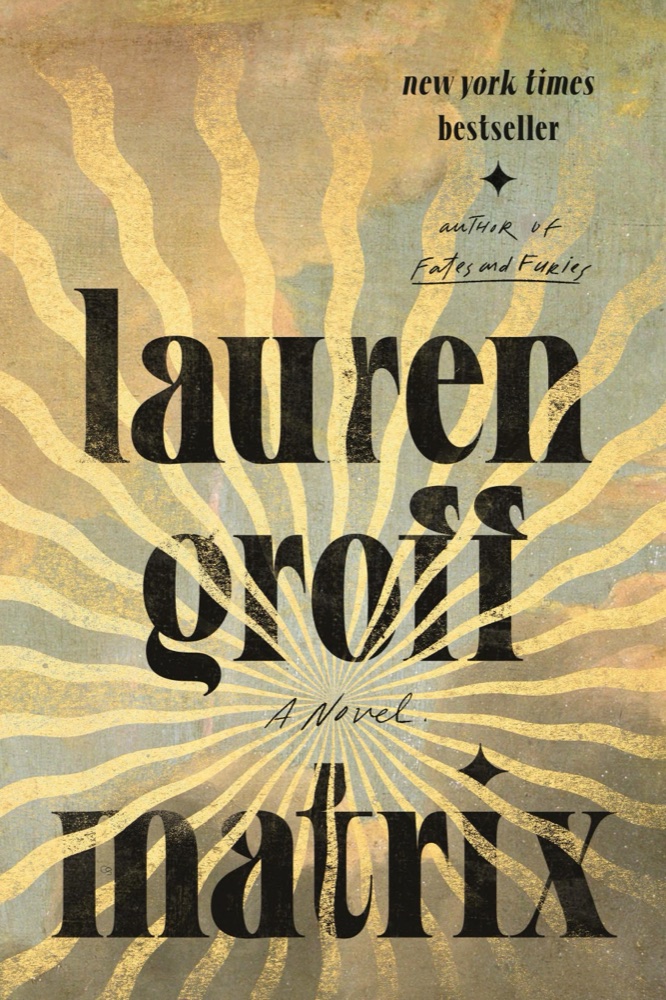 Matrix
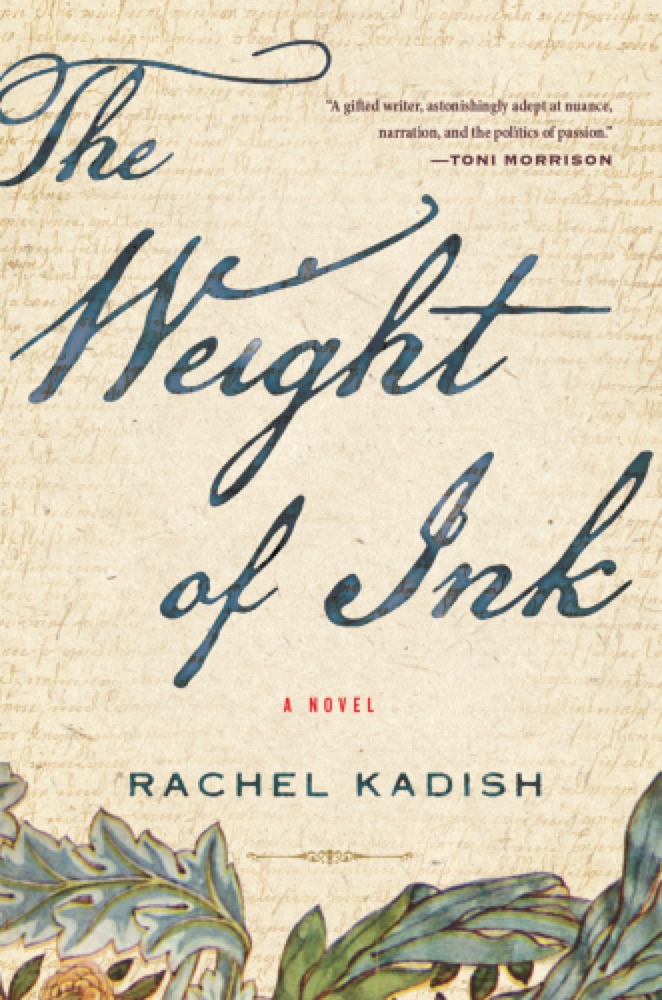 The Weight of Ink
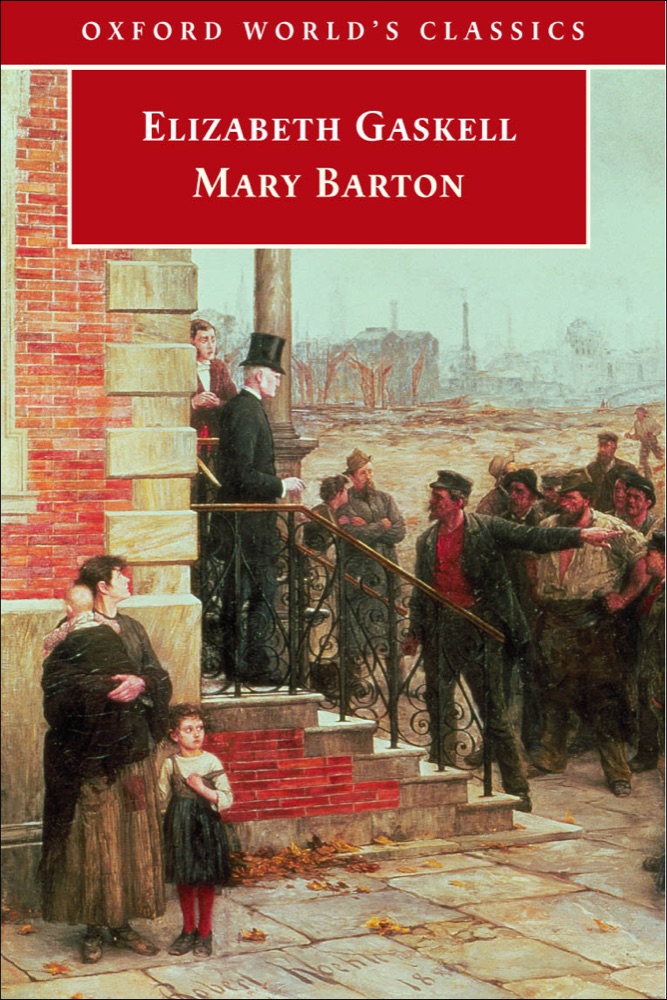 Mary Barton
 The Rebel Angels
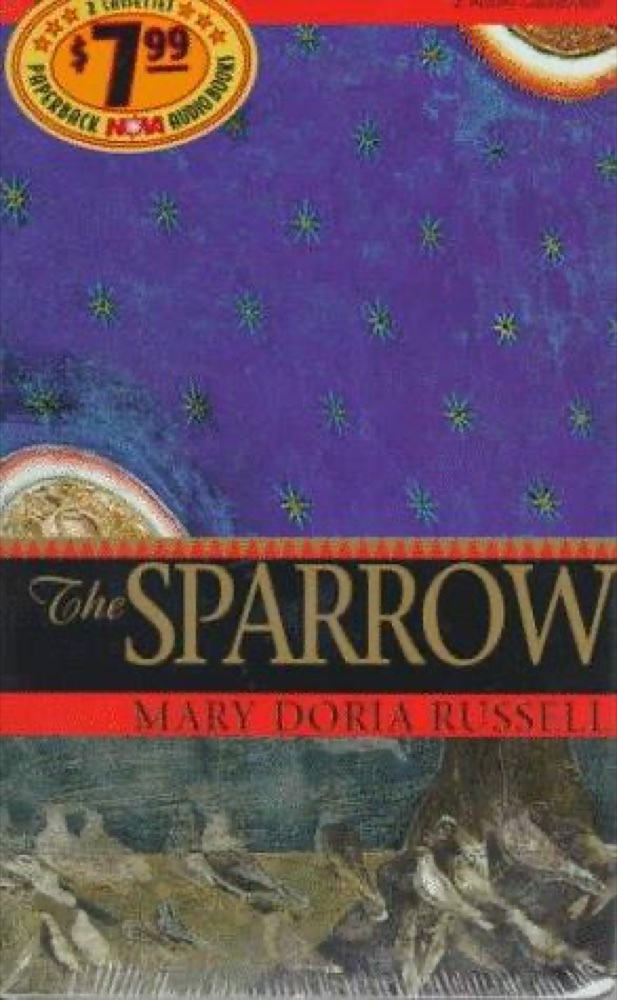 The Sparrow
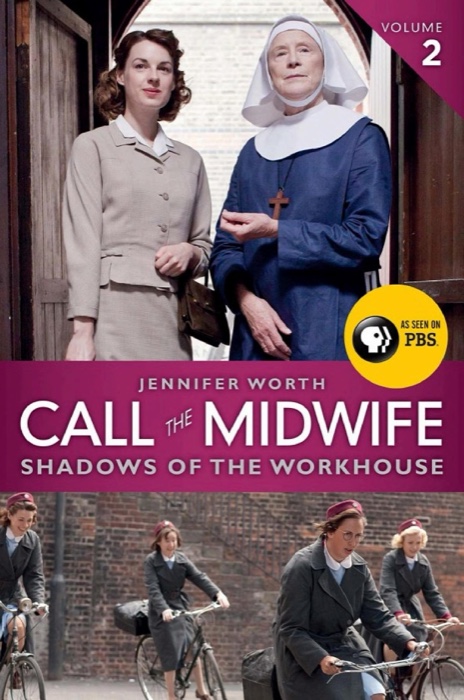 Call the Midwife
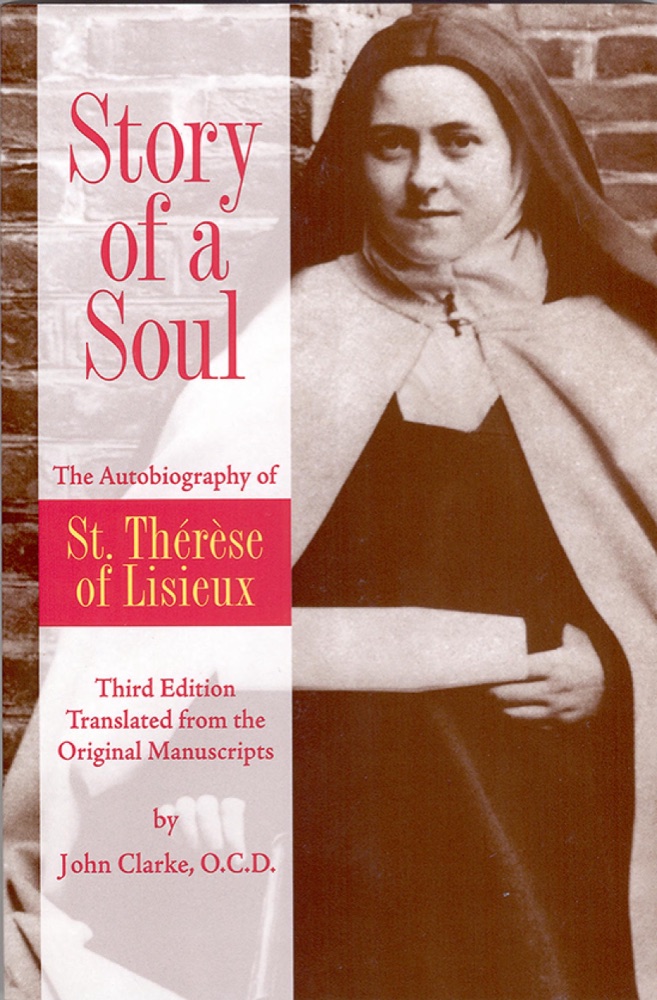 Story of a Soul: The Autobiography of St. Therese of Lisieux
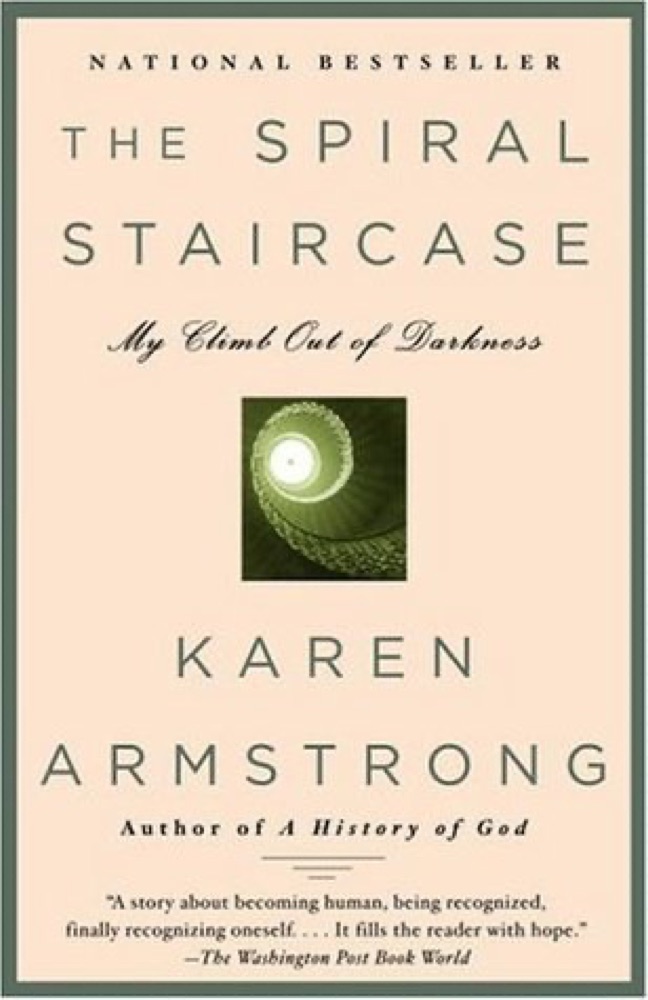 The Spiral Staircase: My Climb Out of Darkness
 The Golden Tresses of the Dead
 The Way of Perfection
 Agnes Grey
 All My Knotted-Up Life: A Memoir
 The Witching Hour
 The Shape of Mercy
 Interior Castle
 The Well of Loneliness
 Shirley
 Children of God
 Howards End
 The Cloister Walk
 A Room with a View
 Year of Wonders
 Where Angels Fear to Tread
 Now Is the Time to Open Your Heart
 The Jewel in the Crown
 Green Dolphin Street
 Wives and Daughters
 The Secret Scripture
 The Book of Life
 Egg & Spoon
 The Seven Storey Mountain
 The Signature of All Things
 Villette
 What Is Not Yours Is Not Yours
 Pavilion of Women: A Novel of Life in the Women's Quarters
 The Heretic's Daughter
 Lady Jayne Disappears
 The Home and the World
 The Letters of Abélard and Héloïse
 Main Street
 The Moonstone
 Hallelujah Anyway: Rediscovering Mercy
 Let Me Be a Woman
 Cuckold
 The 19th Wife
 The Scent of Water
 Bring Up the Bodies
 The Witch of Portobello
 Jeremy Poldark
 Christy
 Saint Joan
 Checkmate
 Armadale
 The Story of the Trapp Family Singers
 Cutting for Stone
 Eifelheim
 The Way We Live Now
 Ahab's Wife, or The Star-Gazer
 Life After Life