

 White Teeth
Quotes from the Book
One thing is sure:the idea that each nation is racially pure is a myth, especially a nation with a history of four thousand years.
I think a man can either believe in God or not believe, he can get faith and he can lose it but there is only one God for the true believer, and that is the one he carries in his heart.
Friends and acquaintances in this day and age don't write at all, or if they do it's only to let you know they're still alive,which explains the craze for greeting cards of all kinds!
Sometimes the bigger the apartment, the harder it is to find room to put up an extra person for the night.
There was something religious in grandmother's face, not in any sanctimoniously devout or ecstatic sense,but a look full of religious feeling, serenity and resignation.
My descendants will manage without my portrait' she smiled. Anyway they'll have plenty of photographs of me. To this our famous conductor replied that a photograph only gives the outward appearance of the person,whereas a painting reveals the inner world.
Byelorussian songs, if you've ever heard them are slightly monotonous, even mournful yet they do have a certain melancholy charm and compassion about them.
About Anatoli Rybakov
We have collected 7 quotes from 1 book by Anatoli Rybakov on BookQuoters.
More about the author →Book details
- Author
- Anatoli Rybakov
- Genre
- Literature
- Goodreads rating
- 4.48 (660 ratings) →
Keep reading
White Teeth
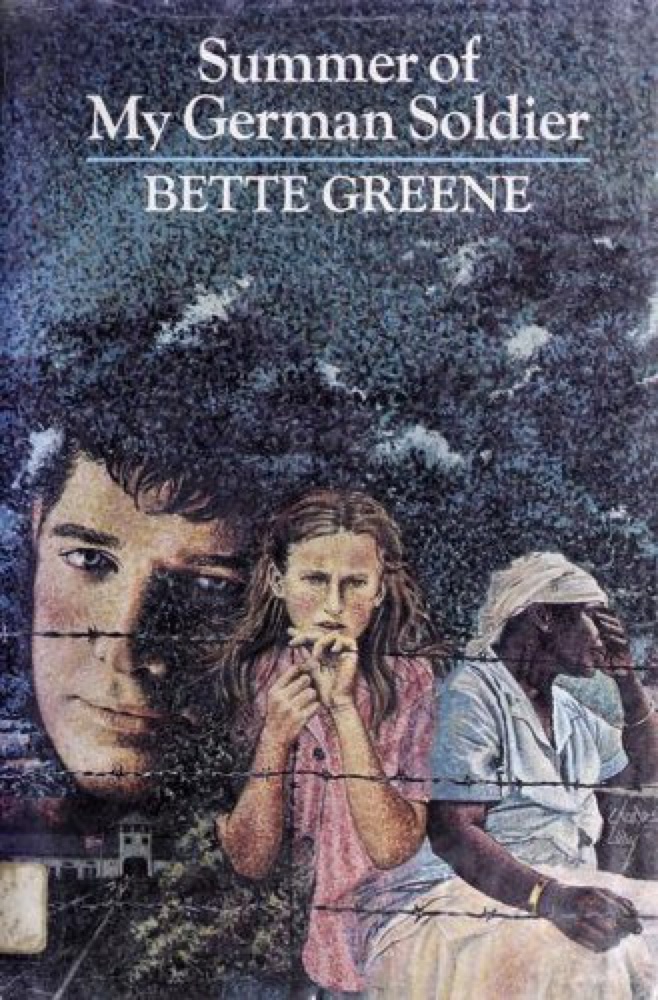 Summer of My German Soldier
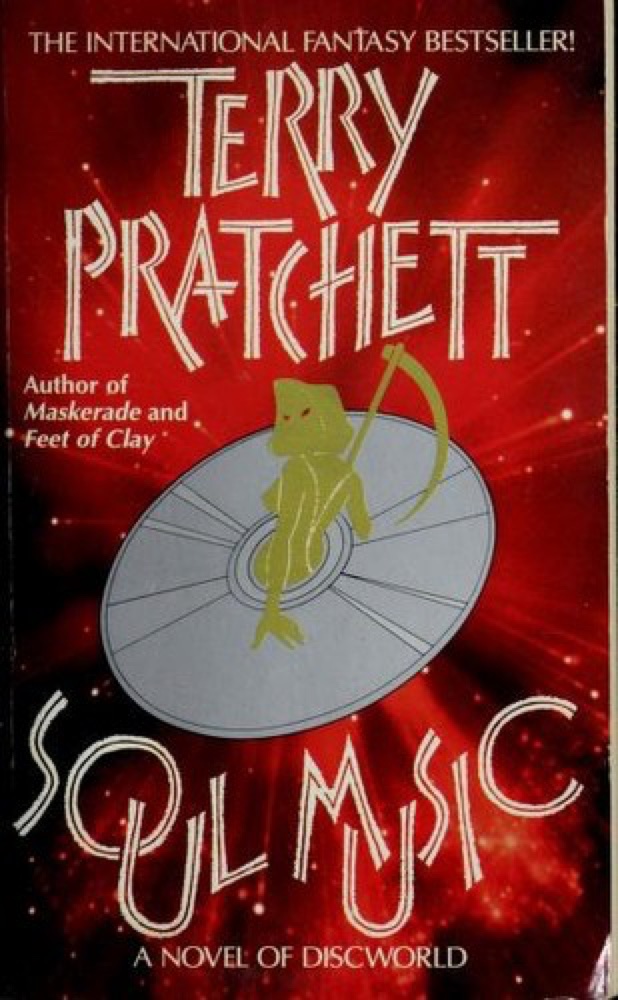 Soul Music
 The Death of the Heart
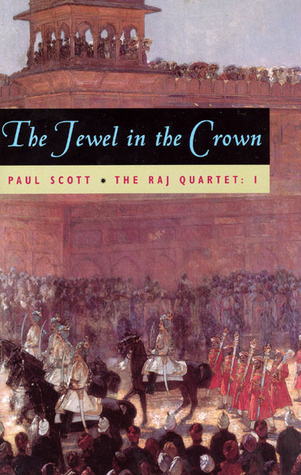 The Jewel in the Crown
 A Room with a View
 Adam Bede
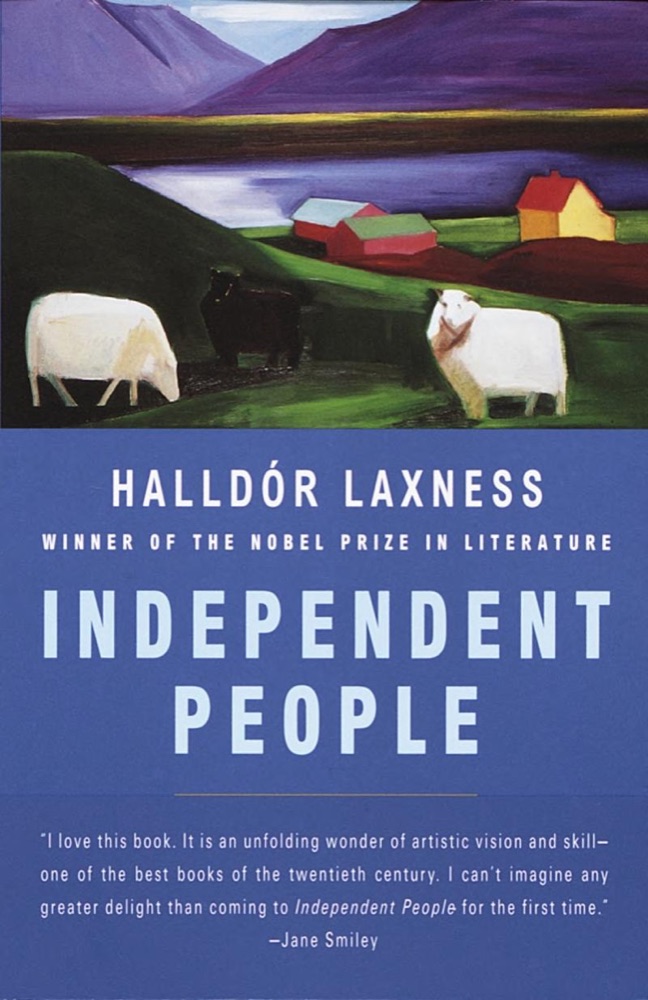 Independent People
 Angle of Repose
 The Shipping News
 Snow
Snow
 Nicholas Nickleby
 The Shadow of the Wind
 Light in August
 A Wrinkle in Time
 Night Star
 Lila
Lila
 Bag of Bones
 The Prisoner of Heaven
 A Passage to India
 1Q84
1Q84
 Nation
 O Pioneers!
 Colorless Tsukuru Tazaki and His Years of Pilgrimage
 Far from the Madding Crowd
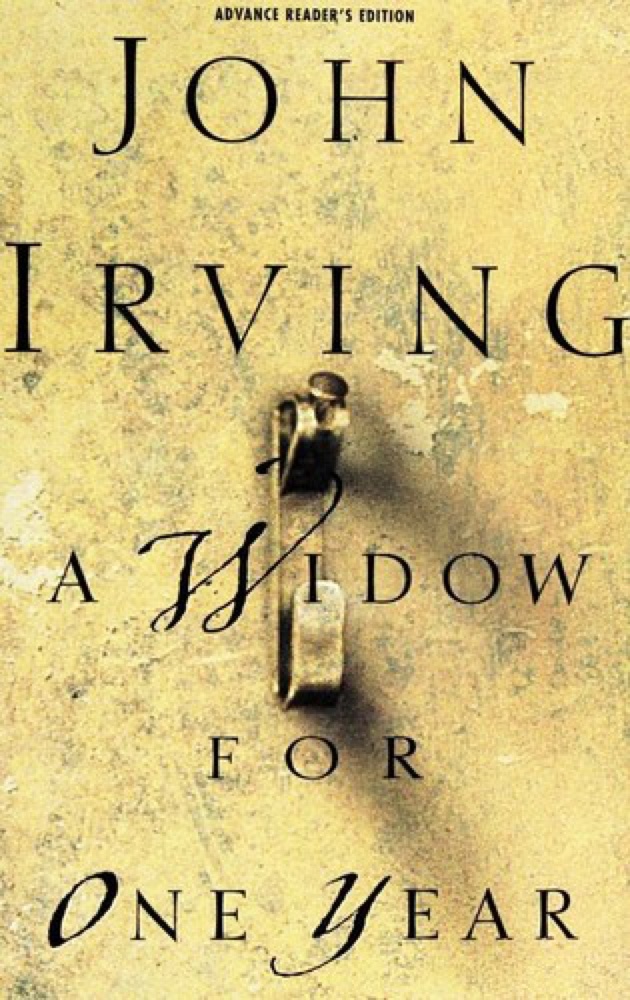 A Widow for One Year
 Pet Sematary
 The Signature of All Things
 Selected Stories
 The Bridges of Madison County
 Dept. of Speculation
 Thrice the Brinded Cat Hath Mew'd
 A Dance to the Music of Time: 1st Movement
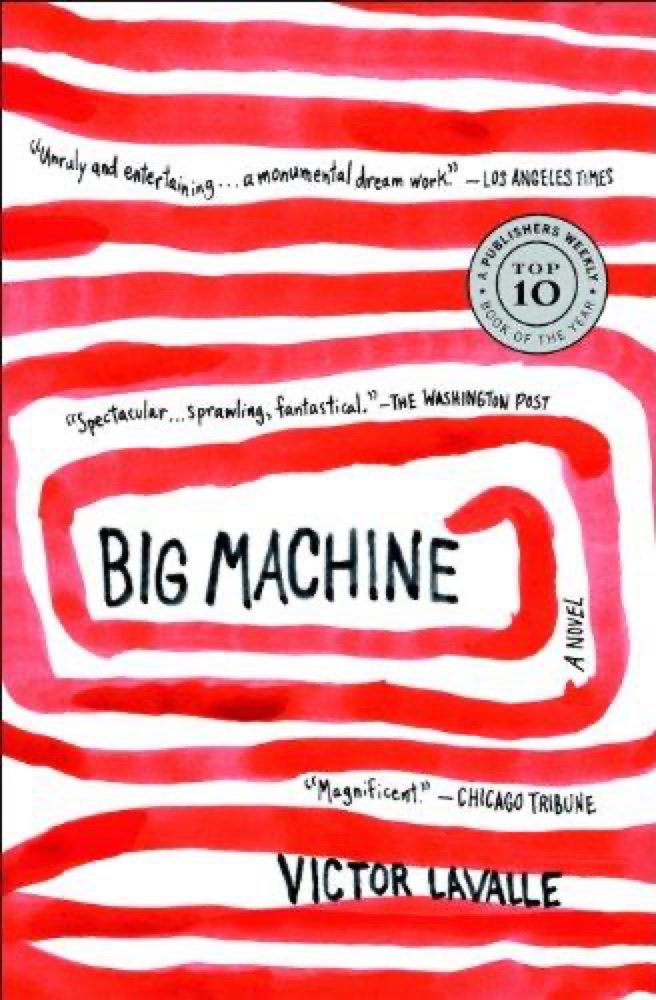 Big Machine
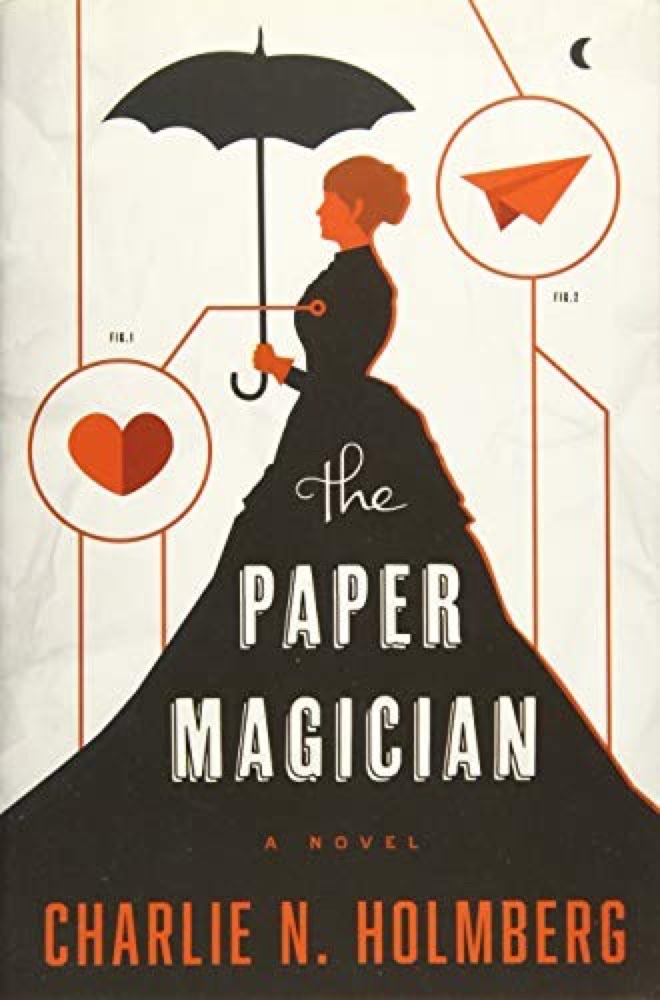 The Paper Magician
 Shadows of the Workhouse
 The Luminaries
 A Pair of Blue Eyes
 Tales from the Cafe
 Pew
Pew
 Sometimes a Great Notion
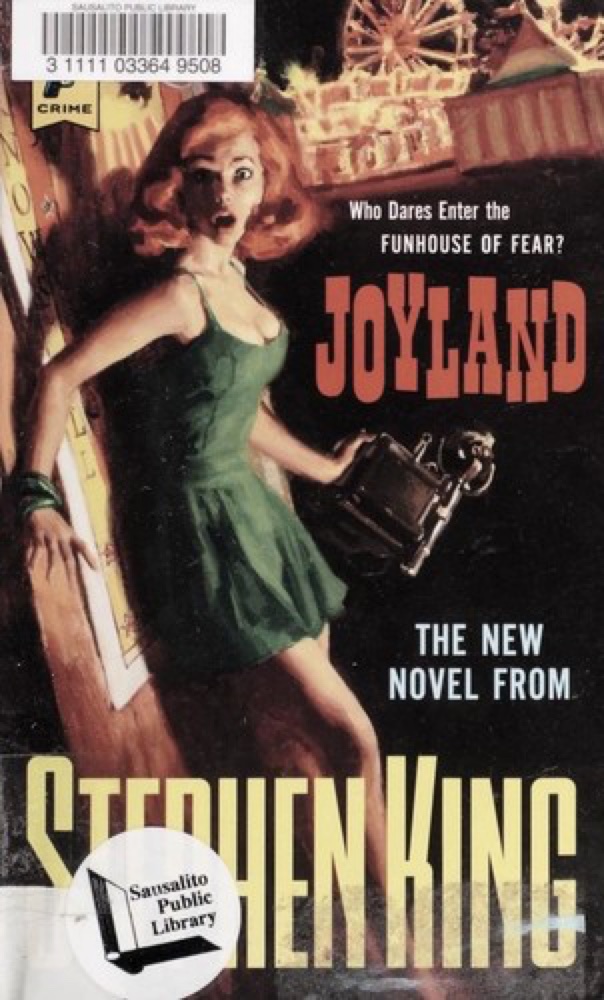 Joyland
 The Girl Who Fell from the Sky
 The Slippery Slope
 The Physick Book of Deliverance Dane
 Dream Count
 The Man with the Compound Eyes
 The Complete Saki
 Lud-in-the-Mist
 Pure
Pure
 The Wars
 Hotel Silence
 The Thing Around Your Neck
 Our Man in Havana
 After Dark
 Fathers and Sons
 My Grandmother Asked Me to Tell You She's Sorry
 Middlesex
 Canada
 Gingerbread