

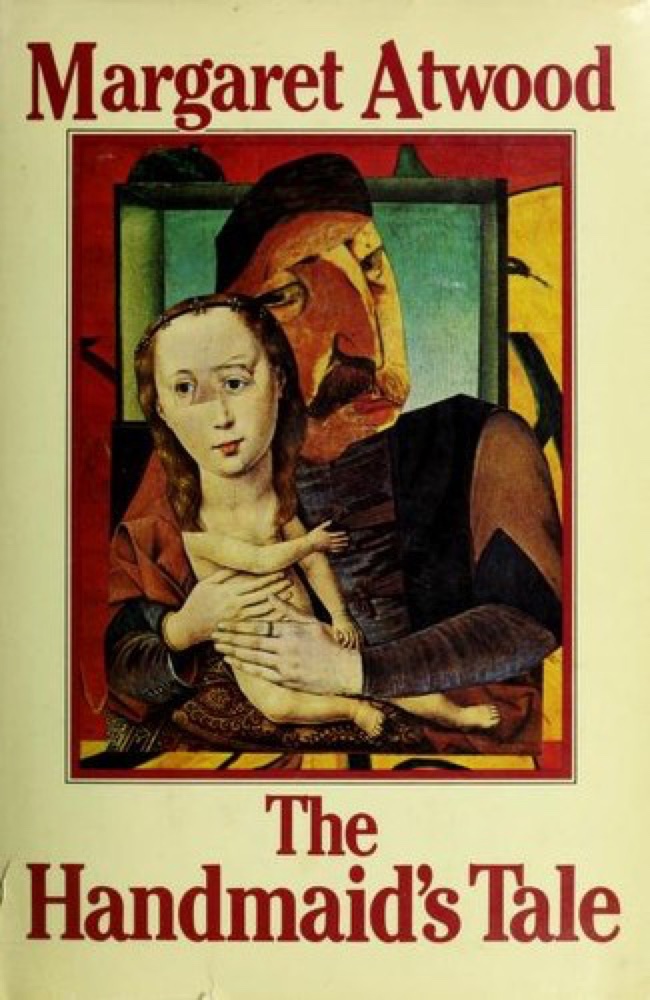
 The Handmaid's Tale
Quotes from the Book
Miranda nods, because she knows that to be true: noble people don't do things for the money, they simply have money, and that's what allows they to be noble. They don't really have to think about it much; they sprout benevolent acts the way trees sprout leaves.
13
None of them was willing to be a girl," he said. "You can see why not." "I know, right? I don't blame them," she said with a hard edge to her voice. "Being a girl is the pits, trust me.
12
You’re clear, Mr. Duke.” Grins from both of them. What could Felix possibly be suspected of smuggling, a harmless old thespian like him? It’s the words that should concern you, he thinks at them. That’s the real danger. Words don’t show up on scanners.
12
The rest of his life. How long that time had once felt to him. How quickly it has sped by. How much of it has been wasted. How soon it will be over.
10
Suddenly revenge is so close he can actually taste it. It tastes like steak, rare.
8
Why should the other ones in this play get a second chance at life, but not him? Why's he have to suffer so much for being what he is? It's like he's, you know, black or Native or something. Five strikes against him from Day One. He never asked to get born.
6
Young love, thinks Felix wistfully. So good for the complexion.
6
Is extreme goodness always weak? Can a person be good only in the absence of power? The Tempest asks us these questions. There is of course another kind of strength, which is the strength of goodness to resist evil; a strength that Shakespeare’s audience would have understood well. But that kind of strength is not much on display in The Tempest. Gonzalo is simply not tempted. He doesn’t have to say no to a sinfully rich dessert, because he’s never offered one.
4
Fool, he tells himself. She’s not here. She was never here. It was imagination and wishful thinking, nothing but that. Resign yourself. He can’t resign himself.
4
For once in their lives, they loved themselves.
4
You always do good ones. We trust you, Mr. Duke," Says Dylan. Foolish lads, thinks Felix: never trust a professional ham.
4
All of these men are thinking mostly about ruling and rulers. Who should rule, and how. Who should have power, how they should get it, and how they should use it.
3
Watching the many faces watching their own faces as they pretended to be someone else—Felix found that strangely moving. For once in their lives, they loved themselves.
3
But once you’ve climbed a ladder, what use is it? You kick it away, if you don’t intend to go down it again.
2
What was the guilty thing?” says Anne-Marie. “What’s Prospero done that’s so terrible?” “Indeed, what?” Felix asks rhetorically. More of the cast have gathered around. “He doesn’t tell us. It’s one more puzzle in the play. But The Tempest is a play about a man producing a play—one that’s come out of his own head, his ‘fancies’—so maybe the fault for which he needs to be pardoned is the play itself.
2
I hope she won’t destroy him, thought Felix. But he’s a con man, don’t forget. A con man playing an actor. A double unreality.
2
Idiot, he tells himself. How long will you keep yourself on this intravenous drip? Just enough illusion to keep you alive. Pull the plug, why don’t you? Give up your tinsel stickers, your paper cutouts, your colored crayons. Face the plain, unvarnished grime of real life. But real life is brilliantly colored, says another part of his brain. It’s made up of every possible hue, including those we can’t see. All nature is a fire: everything forms, everything blossoms, everything fades. We are slow clouds…
2
It’s theatre, Felix protests now, in his head. The art of true illusions! Of course it deals in traumatic situations! It conjures up demons in order to exorcise them! Haven’t you read the Greeks? Does the word catharsis mean anything to you?
2
What to do with such a sorrow? It was like an enormous black cloud boiling up over the horizon. No: it was like a blizzard. No: it was like nothing he could put into language. He couldn't face it head-on. He had to transform it, or at the very least enclose it.
2
What he couldn't have in life he might still catch sight of through his art: just a glimpse, from the corner of his eye
2
What was so difficult about Macbeth done with chainsaws? Topical. Direct.
1
Pues claro que tengo respeto, responde en silencio Felix. Respeto el talento; el talento que de otro modo estaría oculto, y que es capaz de convocar el ser y la luz a partir del caos y la oscuridad. Para ese talento tengo tiempo y espacio; le permito tener un sitio y un nombre por muy efímeros que puedan ser, pero todo el teatro es efímero. Es el único respeto que reconozco.
1
It’s always risky, the prospect that the prisoners might be having more fun than the guards. Resentment can build up, and that would cause problems for Felix.
1
Then he says he also wants them to pray for him. He says: ‘And my ending is despair, / Unless I be relieved by prayer, / Which pierces so that it assaults / Mercy itself, and frees all faults.’ In other words, he wants a divine pardon. The last lines of the play are ‘As you from crimes would pardoned be, / Let your indulgence set me free.’ It has a double meaning.
1
It’s here,” says Felix, rooting through his playbook. “He says, ‘Let me not dwell / In this bare island by your spell.’ Prospero has undone his charms and is about to break his magic staff and drown his book, so he can’t perform any more magic. The spell is now controlled by the audience, he says: unless they vote the play a success by clapping and cheering, Prospero will stay imprisoned on the island.
1
But that’s not what he does. Instead he gets in a twist, piles on the insults, starts with the tortures, overlooks the good points Caliban’s got, such as musical talent. But by the end, Prospero’s learning that maybe not everything is somebody else’s fault. Plus, he sees that the bad in Caliban is pretty much the same as the bad in him, Prospero. They’re both angry, both name-callers, both full of revenge: they’re joined at the hip. Caliban is like his bad other self. Like father, like son. So he owns up: ‘This thing of darkness I acknowledge mine.’ That’s what he says, and that’s what he means.
1
Quite right,” says Felix. “She is. Well done! Full marks for Team Gonzalo. As my uncle used to say, it’s better to be lucky than rich.” “I’m neither,” says Bent Pencil mildly. He gets a laugh, which gratifies him. “You’re not lucky yet, maybe,” says Felix, “but you never know with auspicious stars
1
Yes,” says Felix. “They think it’s a waste of time. They think you’re a waste of time. They don’t care about your education, they want you to stay ignorant. They aren’t interested in the life of the imagination, and they have failed to grasp the redemptive power of art. Worst of all: they think Shakespeare is a waste of time. They think he has nothing to teach.” “But together we can stop their cancellation plan,” says Felix. “We can set things right! What we’re doing today—we’re giving them some excellent reasons for why they need to reconsider. We’ll be showing them that theatre is a powerful educational tool. Yes?
1
Watch on YouTube
About Margaret Atwood
We have collected 719 quotes from 27 books by Margaret Atwood on BookQuoters.
More about the author →More by Margaret Atwood
All books by Margaret Atwood →


About the book
When Felix is deposed as artistic director of the Makeshiweg Theatre Festival by his devious assistant and longtime enemy, his production of The Tempest is canceled and he is heartbroken. Reduced to a life of exile in rural southern Ontario—accompanied only by his fantasy daughter, Miranda, who died twelve years ago—Felix devises a plan for retribution.
Eventually he takes a job teaching Literacy Through Theatre to the prisoners at the nearby Burgess Correctional Institution, and is making a modest success of it when an auspicious star places his enemies within his reach. With the help of their own interpretations, digital effects, and the talents of a professional actress and choreographer, the Burgess Correctional Players prepare to video their Tempest. Not surprisingly, they view Caliban as the character with whom they have the most in common. However, Felix has another twist in mi
Book details
- First published
- 2016
- Author
- Margaret Atwood
- Genre
- Fiction
- Goodreads rating
- 3.79 (42k ratings)
The buzz
- The New York TimesReview in The New York Timesprofessional review (via Book Marks)
- The Washington PostReview in The Washington Postprofessional review (via Book Marks)
- The GuardianReview in The Guardianprofessional review (via Book Marks)
- VoxReview in Voxprofessional review (via Book Marks)
- LA Review of BooksReview in LA Review of Booksprofessional review (via Book Marks)
- The Boston GlobeReview in The Boston Globeprofessional review (via Book Marks)
Keep reading
 The Blood Mirror
 The Broken Eye
 Juliet
 The Ballad of Songbirds and Snakes
 The Manticore
 Something Wicked This Way Comes
 Lord of Shadows
 Disgrace
 His Dark Materials
 The Mime Order
 Arm of the Sphinx
 Beyond the Shadows
 Christmas Holiday
 If We Were Villains
 Shakespeare: The Man Who Pays the Rent
 Bring Up the Bodies
 Crooked Kingdom
 Tempest-Tost
 The Last Watch
 The Infernal Devices: Clockwork Angel
 A Trick of the Light
 The Finkler Question
 The Eyes of the Dragon
 From Here to Eternity
 A Fatal Grace
 The Mermaid, the Witch, and the Sea
 The Hod King
 Ship of Magic
 No Exit and Three Other Plays
 The Infernals
 The Little Drummer Girl
 Rain and Other South Sea Stories
 Mister Impossible
 Gathering Darkness
 The Aeronaut's Windlass
 The Atlas Complex
 The Last Mortal Bond
 Mirror Dance
 The Isle of Blood
 Abarat
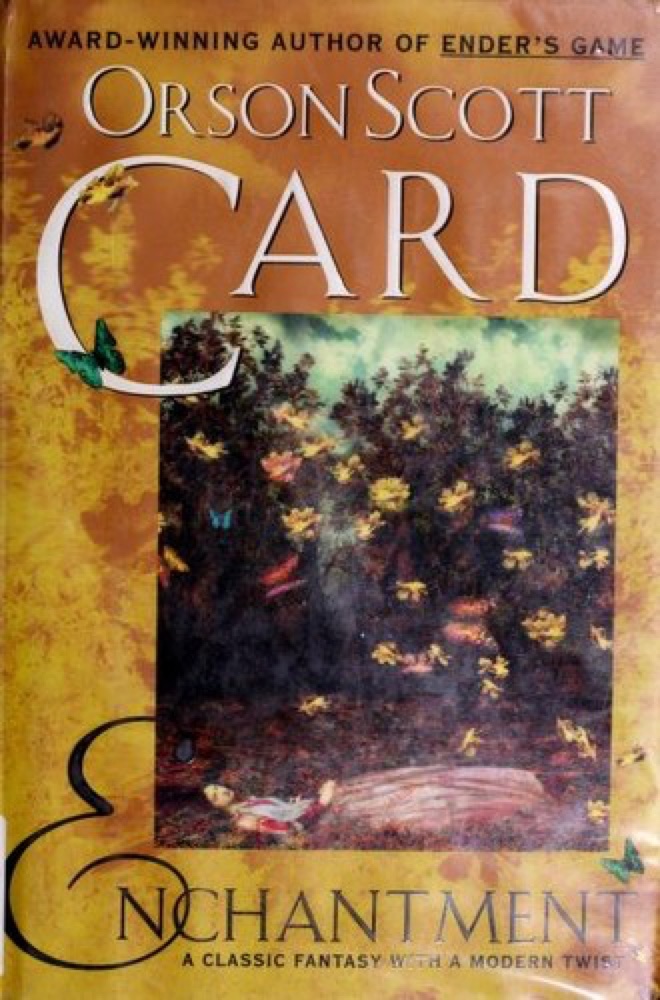 Enchantment
 Make Something Up: Stories You Can't Unread
 Frozen Tides
 The House of the Scorpion
 A Bright Ray of Darkness
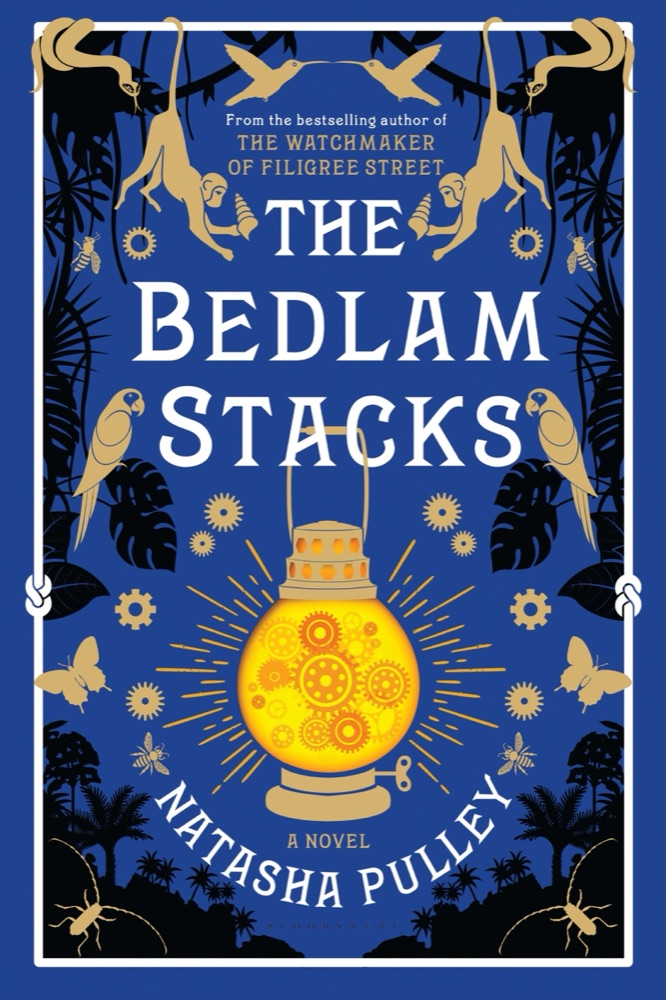 The Bedlam Stacks
 The Invasion of the Tearling
 House of Chains
 The Gambler
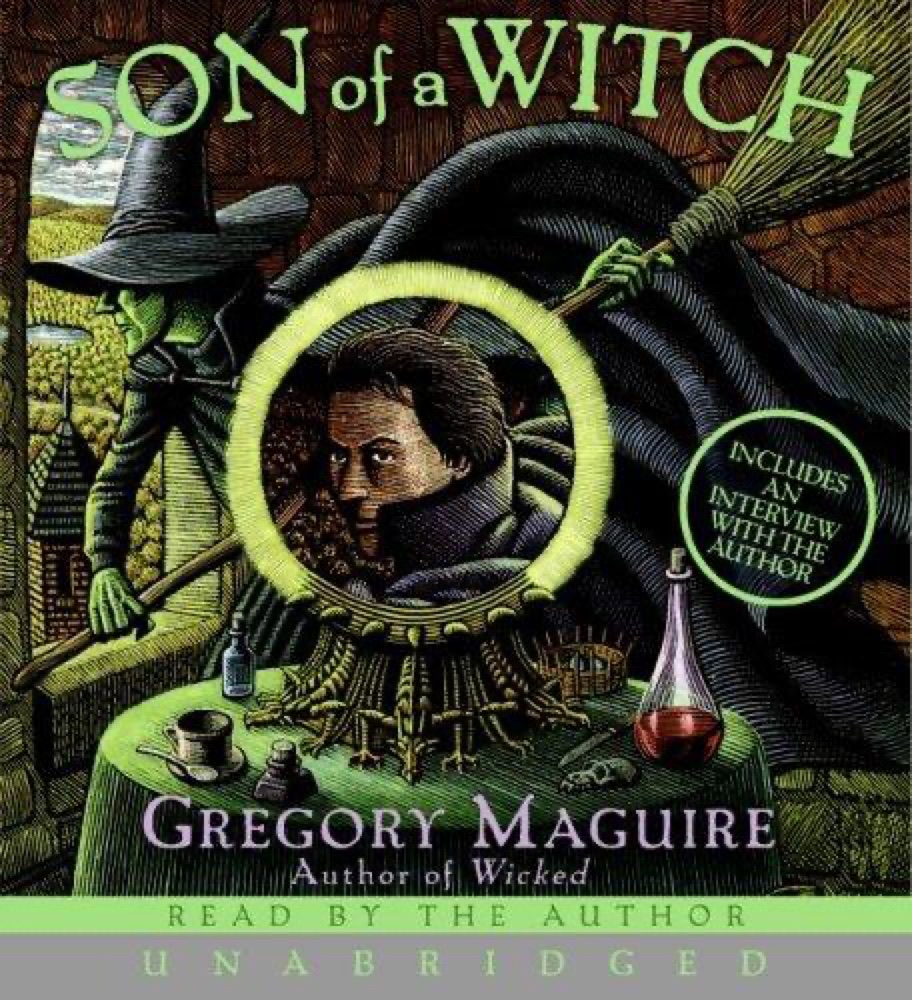 Son of a Witch
 The Bane Chronicles
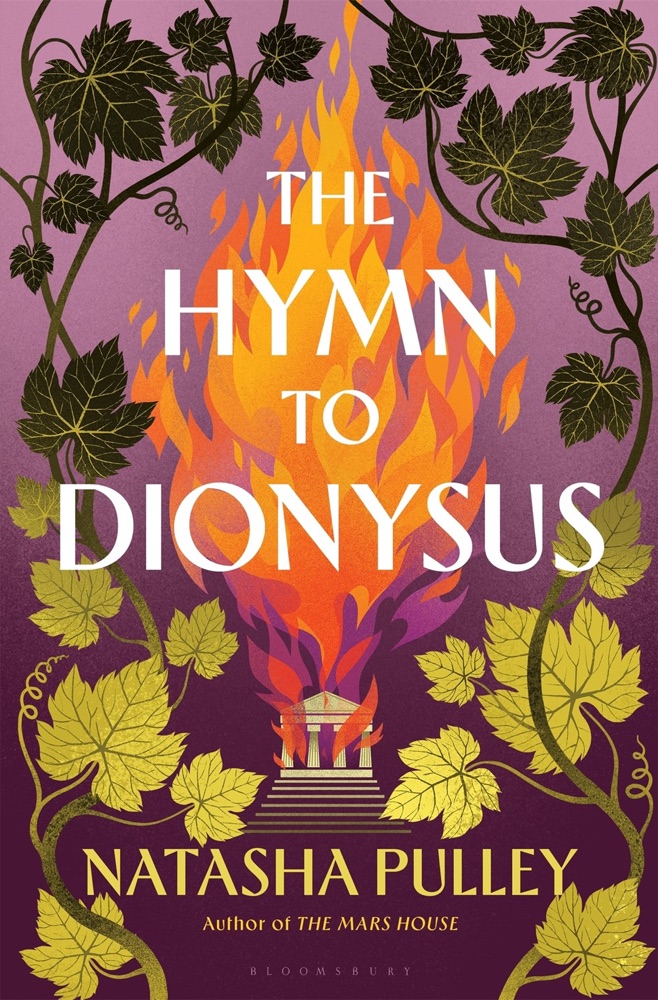 The Hymn to Dionysus
 In Other Lands
 The Liar
 The Bright Sword
 Long Live Evil
 Beyond
 Glorious Exploits
 The Austere Academy
 Selected Stories of Anton Chekhov