

 Range of Motion
Quotes from the Book
I made cranberry sauce, and when it was done put it into a dark blue bowl for the beautiful contrast. I was thinking, doing this, about the old ways of gratitude: Indians thanking the deer they'd slain, grace before supper, kneeling before bed. I was thinking that gratitude is too much absent in our lives now, and we need it back, even if it only takes the form of acknowledging the blue of a bowl against the red of cranberries.
I remove my wedding rings and put them in the jewelry box. So many others have done this. I am not the only one. I am not the only one. But here, I am the only one.
It's amazing how smart the body is. Though maybe we could do without loving. I think it's overrated, and I think it's too hard. You should only love your children; that is necessary, because otherwise you might kill them. But to love a man? It's overrated, and it's too hard and I will never, ever do it again.
My mother lost too much and repaired herself in the only way she was able to repair herself. That in fact she is repairing herself, hour by hour.
I once read that Martha Stewart never wears a bathrobe. Not that I like Martha Stewart, nobody likes Martha Stewart, I don’t think even Martha Stewart likes Martha Stewart.
When did After start? I don't remember it starting. I only remember it having arrived. Things were bad for such a long time before he left. But I miss him. I can feel loneliness in my like circulation; as constant and as irrefutable.
Watch on YouTube
About Elizabeth Berg
We have collected 23 quotes from 2 books by Elizabeth Berg on BookQuoters.
More about the author →More by Elizabeth Berg
Range of Motion
Book details
- Author
- Elizabeth Berg
- Genre
- Fiction
- Goodreads rating
- 3.70 (62k ratings) →
Keep reading
 Left Neglected
 Awake
Awake
 I Feel Bad about My Neck: And Other Thoughts on Being a Woman
 You Could Make This Place Beautiful
 More: A Memoir of Open Marriage
 Heartburn
 What Comes Next and How to Like It
 The Folded Clock: A Diary
 Belong to Me
 Stay Another Day
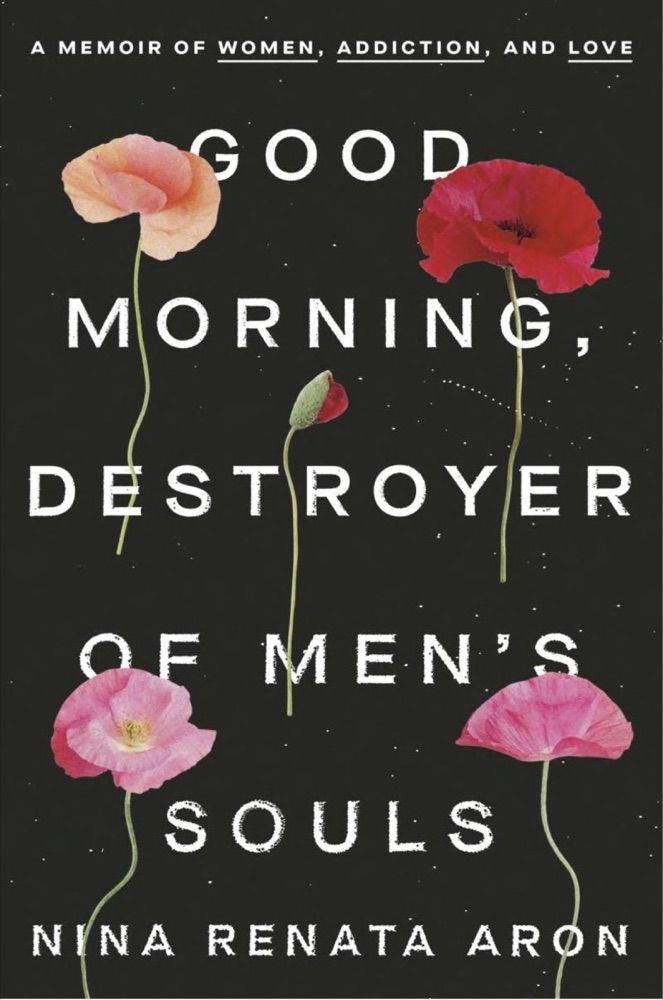 Good Morning, Destroyer of Men's Souls: A Memoir of Women, Addiction, and Love
 A Manual for Cleaning Women: Selected Stories
 Bang
Bang
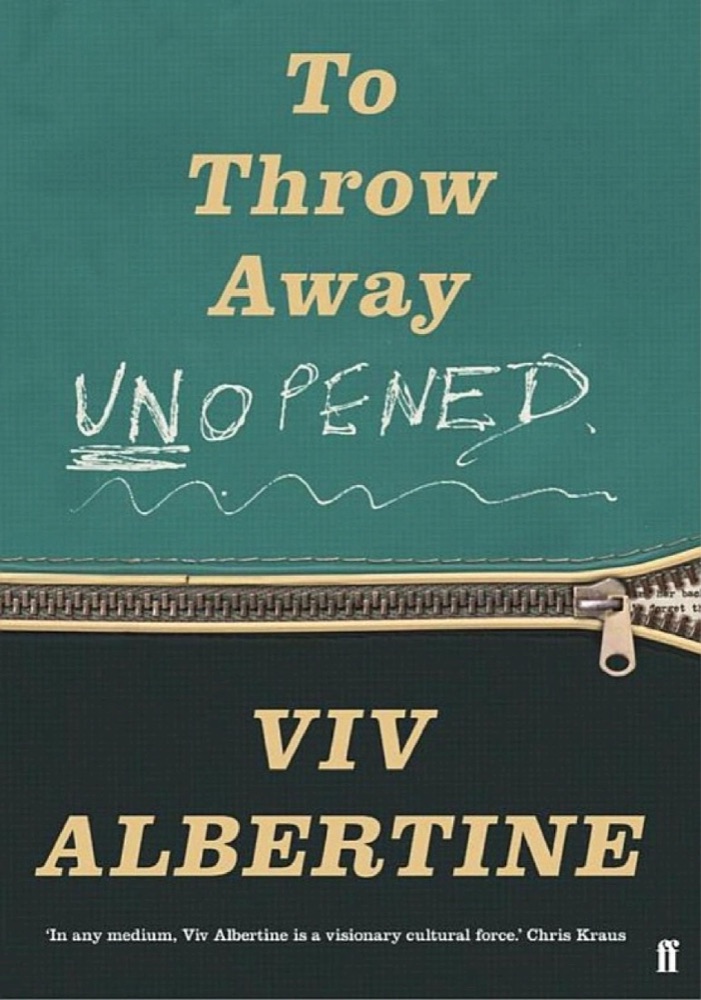 To Throw Away Unopened
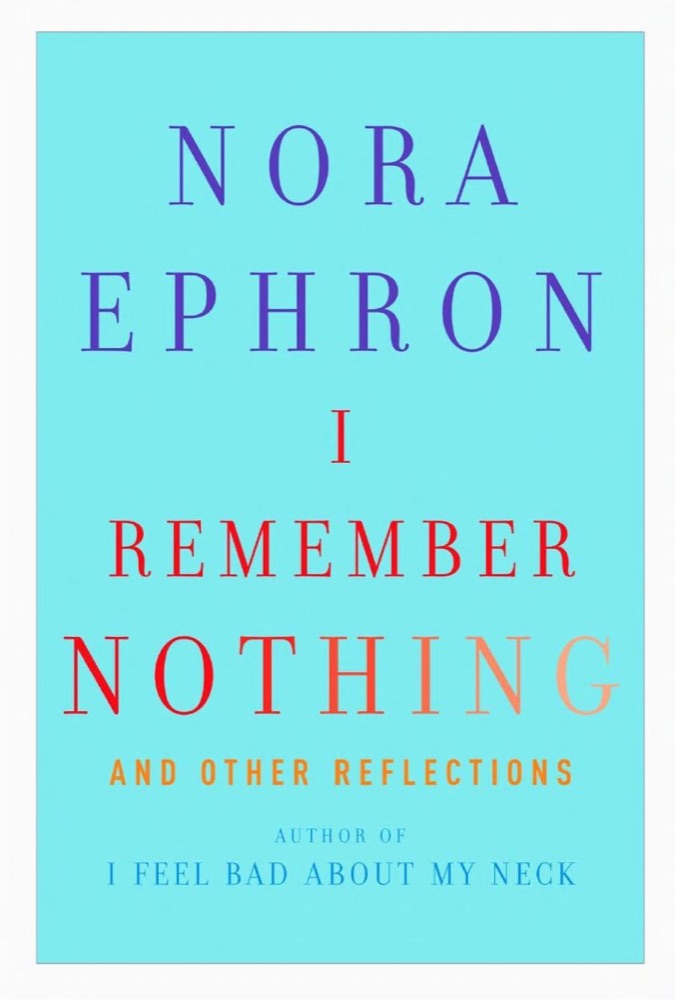 I Remember Nothing: and Other Reflections
 Watermelon
 Clothes, Clothes, Clothes. Music, Music, Music. Boys, Boys, Boys
 Em and The Big Hoom
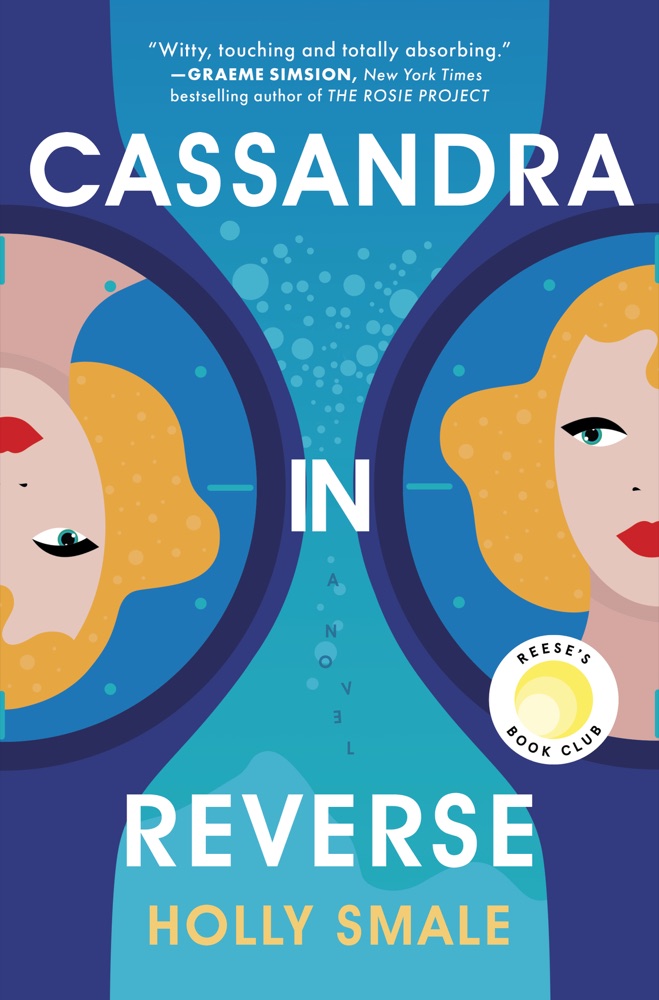 Cassandra in Reverse
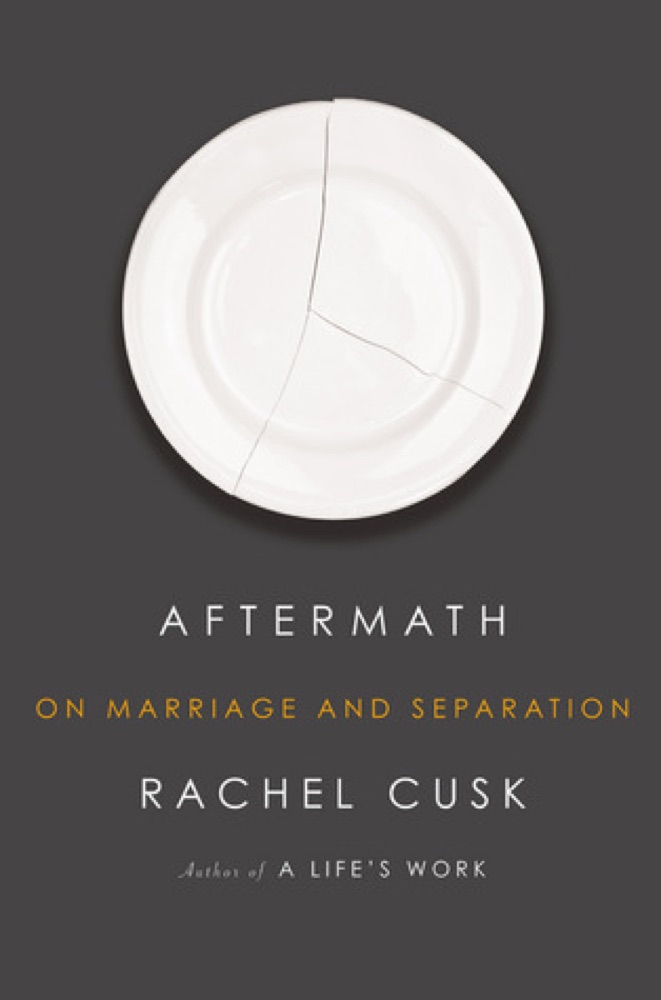 Aftermath: On Marriage and Separation
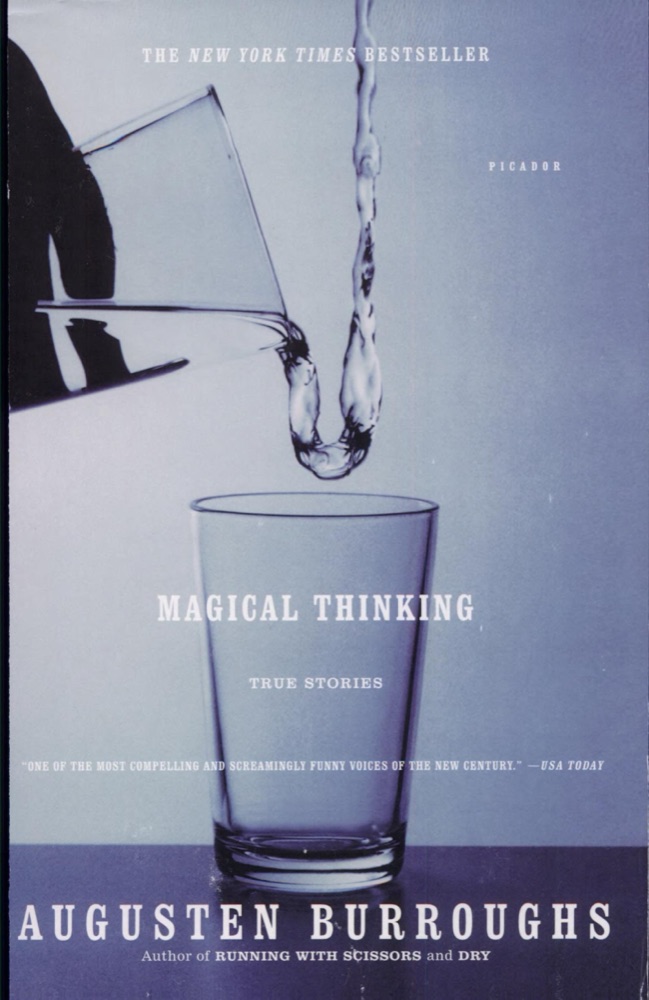 Magical Thinking: True Stories
 More, Now, Again: A Memoir of Addiction
 When We Collided
 A Three Dog Life
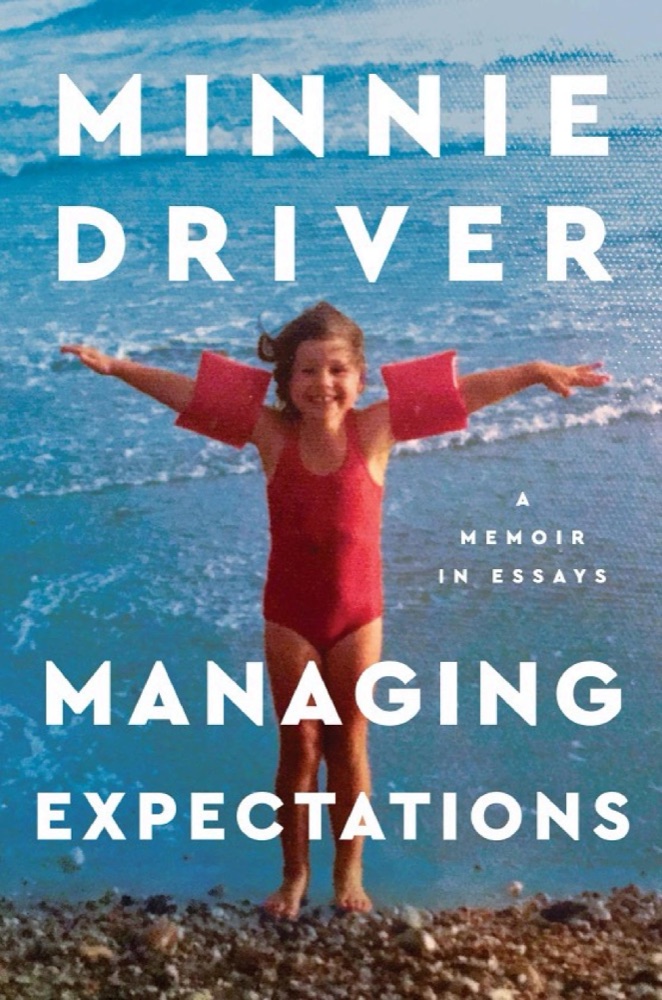 Managing Expectations: A Memoir in Essays – A Poignant Collection of Personal Stories on Acting, Failure, and Motherhood's Joy
 600 Hours of Edward
 The Fortunes of Indigo Skye
 Submarine
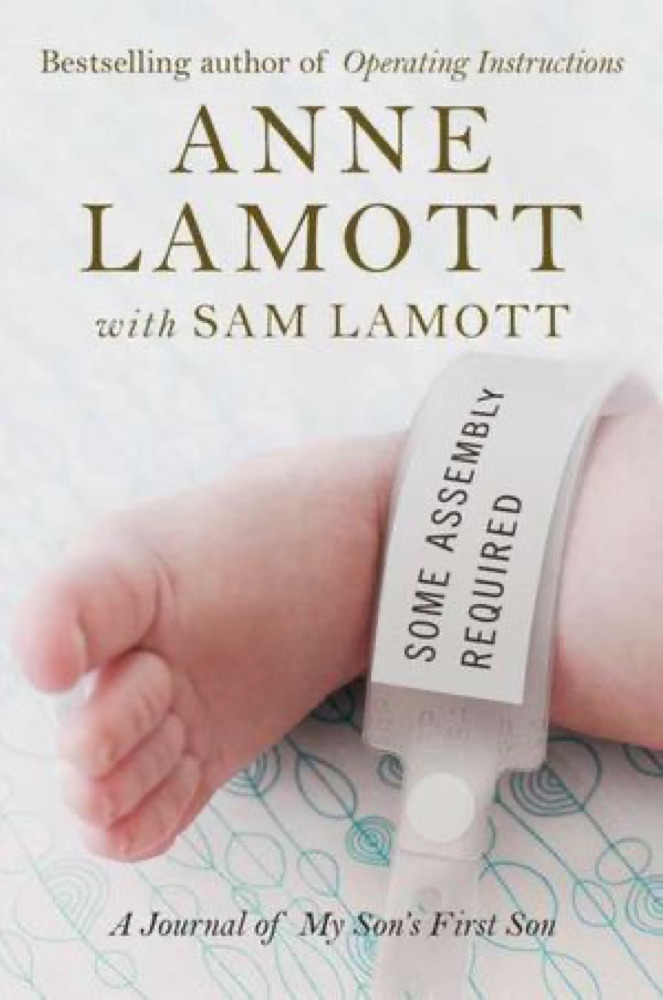 Some Assembly Required: A Journal of My Son's First Son
 The Chronology of Water
 What Is the What
 Attachments
 August: Osage County
 Varieties of Disturbance
 Let's Explore Diabetes with Owls
 Dept. of Speculation
 The Bedwetter: Stories of Courage, Redemption, and Pee
 Confessions of a Shopaholic
 Wedding Night
 Open Book
 The Frozen River
 Raise High the Roof Beam, Carpenters & Seymour: An Introduction
 These Is My Words: The Diary of Sarah Agnes Prine, 1881-1901, Arizona Territories
 Cat's Eye
 Good in Bed
 Perennials
 The Women's Room
Range of Motion
The Women's Room
Range of Motion
 Looking for Alibrandi
 The Return
 Kitchen
 Breasts and Eggs
 Elsewhere
 Cackle
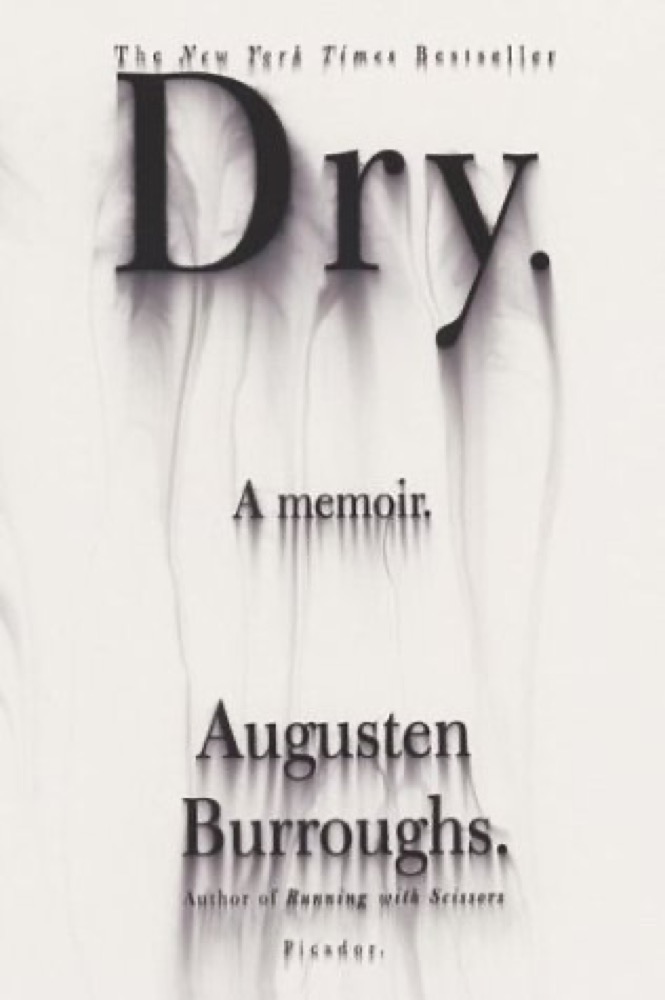 Dry
Dry
 The Girl Before
 Fixing Delilah
 Tropic of Cancer
 Carry On, Warrior: Thoughts on Life Unarmed