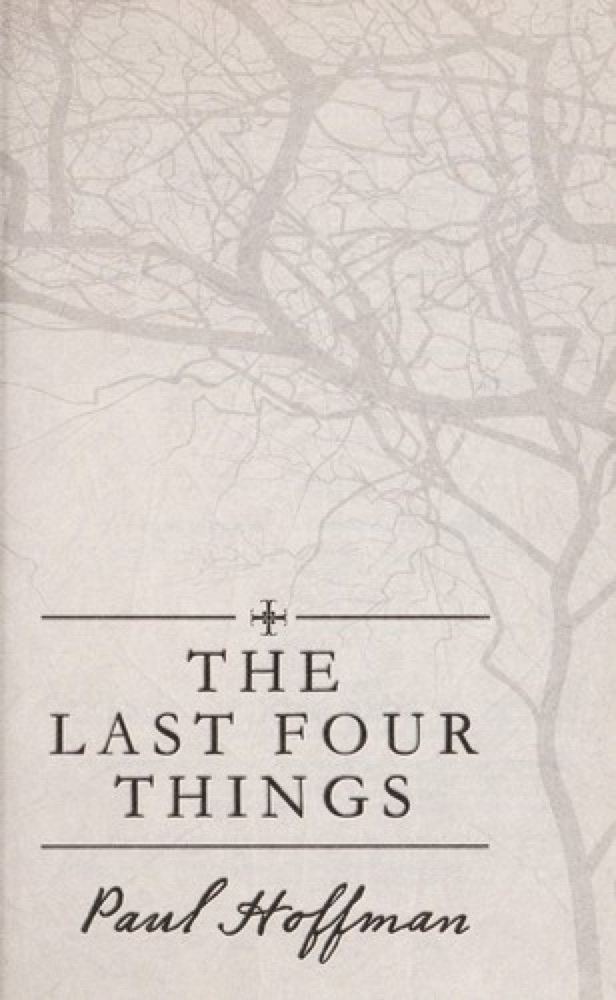

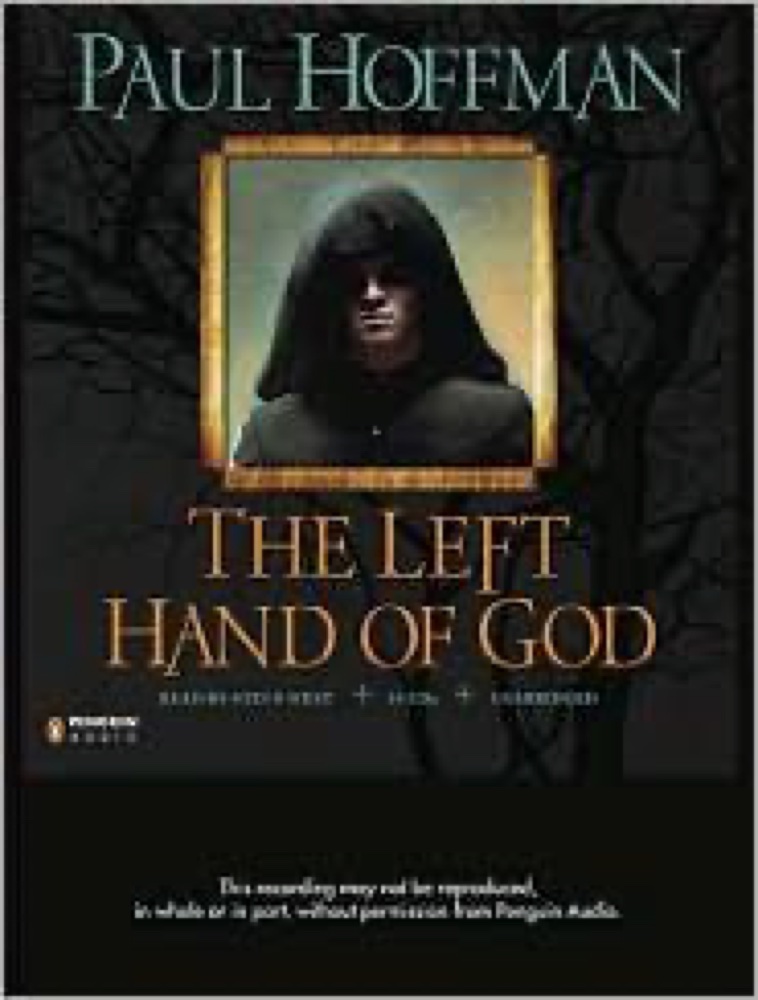
 The Left Hand of God
Quotes from the Book
...the heart of a child can take forty-nine blows before it’s damaged for ever and what’s done can never be undone.
Hypocrites,’ replied Cale, ‘I’ve come across a lot of them recently. I mean by that I understand now how many of them there are.
Full many a flower is born to blush unseen and waste its sweetness on the desert air.
Self-pity, while it should be accorded due respect, is the greatest of all acids to the human soul.
Do you have any idea how mad you sound?’ ‘Indeed I do. I have in moments of doubt considered the question of my sanity.’ (...) ‘And?’ ‘Then I consider what a piece of work is man. How defective in reason, how mean his facilities, how ugly in form and movement, in action how like a devil, in apprehension how like a cow. The beauty of the world? The paragon of animals? To me the quintessence of dust.
We are all cynics now, I suppose, and even a mewling infant knows that to save a life is to make an eternal enemy.
Even for the very clever it can be like breaking bones to stand back from something that’s been in front of you all your life.
Feeling sorry for yourself is a universal solvent of salvation.
It's pointless to blame someone for being themselves and looking to their own interests.
That’s why it’s much better not to have friends if you have the strength of character to do without them. In the end friends always turn into a nuisance of one kind or another. But if you must have them let them alone and accept that you must allow everyone the right to exist in accordance with the character he has, whatever it turns out to be.
Whatever discoveries have been made in the land of self-delusion, many undiscovered regions remain to be explored.
...and what is a good weapon but a good idea made murderous flesh?
It is not against reason, said the Englishman, to prefer the destruction of the world to a scratch on your finger – how much easier to understand the same price for the gash in your soul.
The search for knowledge and the discovery of a great weapon are virtually one and the same. War is the father of everything.
Nemá smysl zlobit se na někoho za to, že je sám sebou a stará se o vlastní zájmy.
Watch on YouTube
About Paul Hoffman
We have collected 35 quotes from 2 books by Paul Hoffman on BookQuoters.
More about the author →More by Paul Hoffman
The Left Hand of God
Book details
- Author
- Paul Hoffman
- Genre
- Fiction
- Goodreads rating
- 3.53 (10k ratings) →
Keep reading
 The Once and Future King
 Crime and Punishment
 The Idiot
 The Fall of Babel
 Last Argument of Kings
 Beyond Good and Evil
 The Gadfly
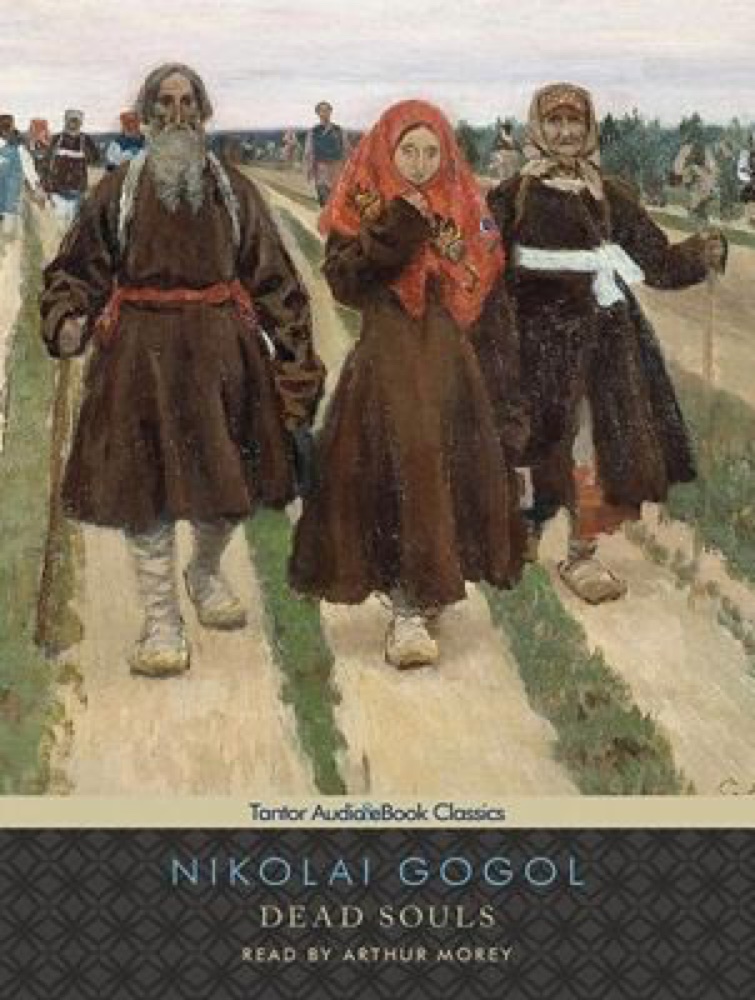 Dead Souls
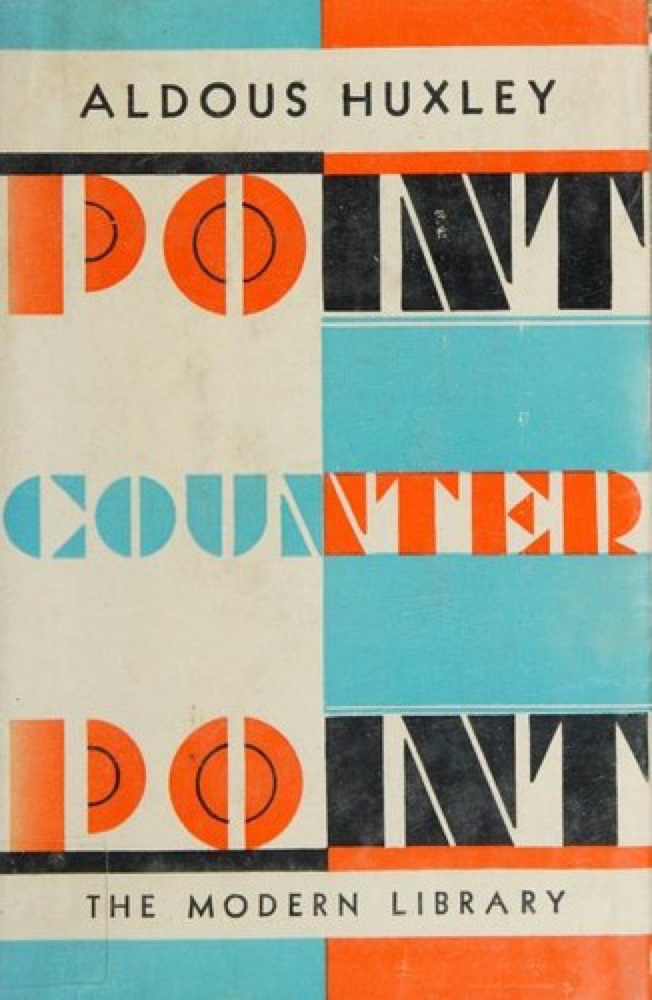 Point Counter Point
 Middlemarch
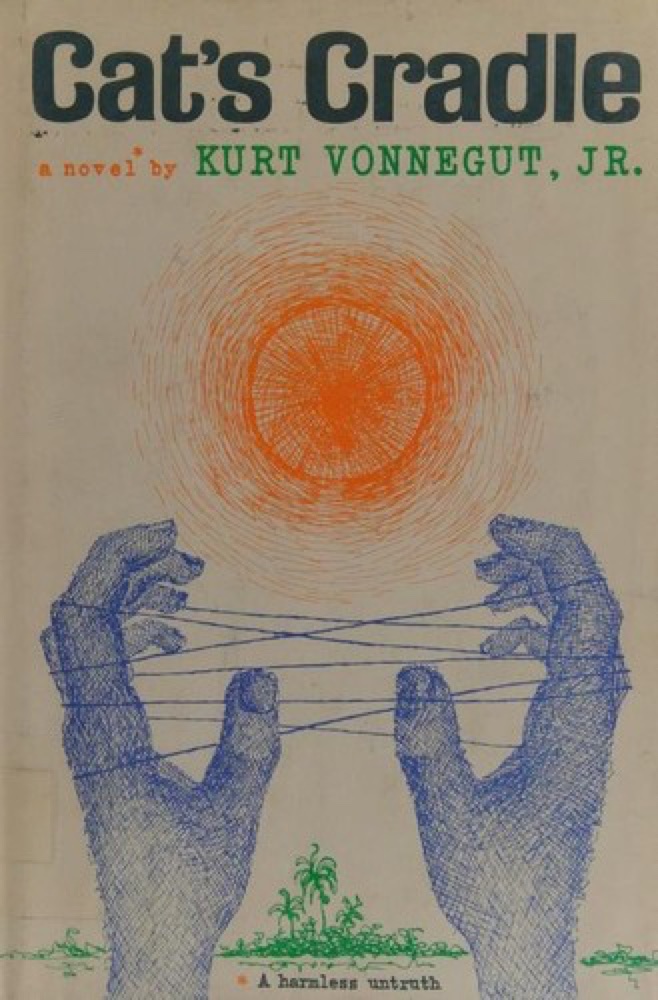 Cat's Cradle
 Embers
 The Prisoner of Heaven
 The Heart of the Matter
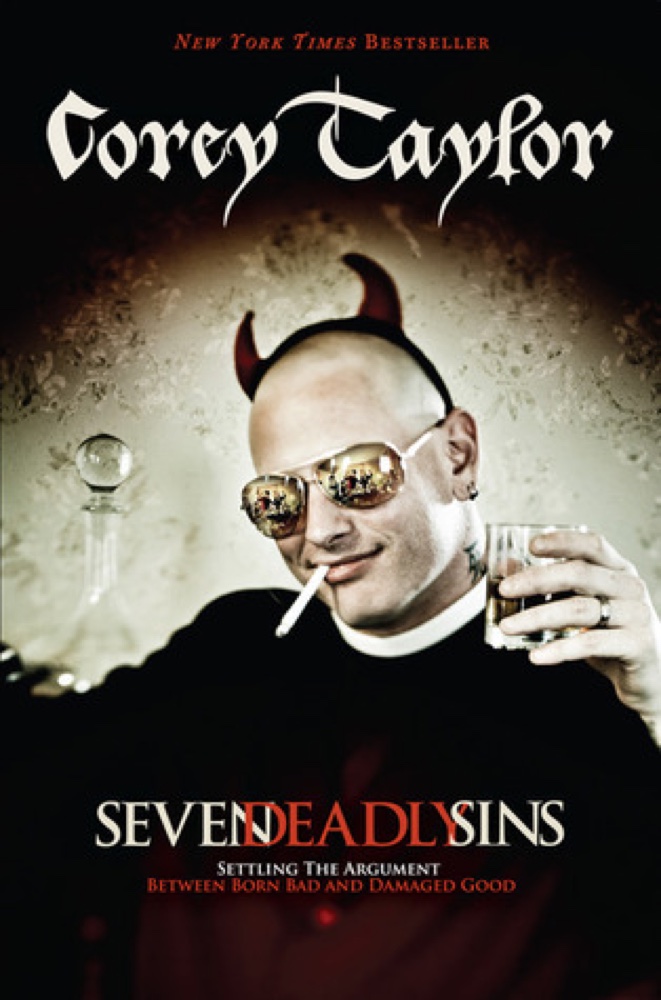 Seven Deadly Sins: Settling the Argument Between Born Bad and Damaged Good
 Half a War
 The Children of Men
 The Razor's Edge
 The Complete Essays
 The Resistance
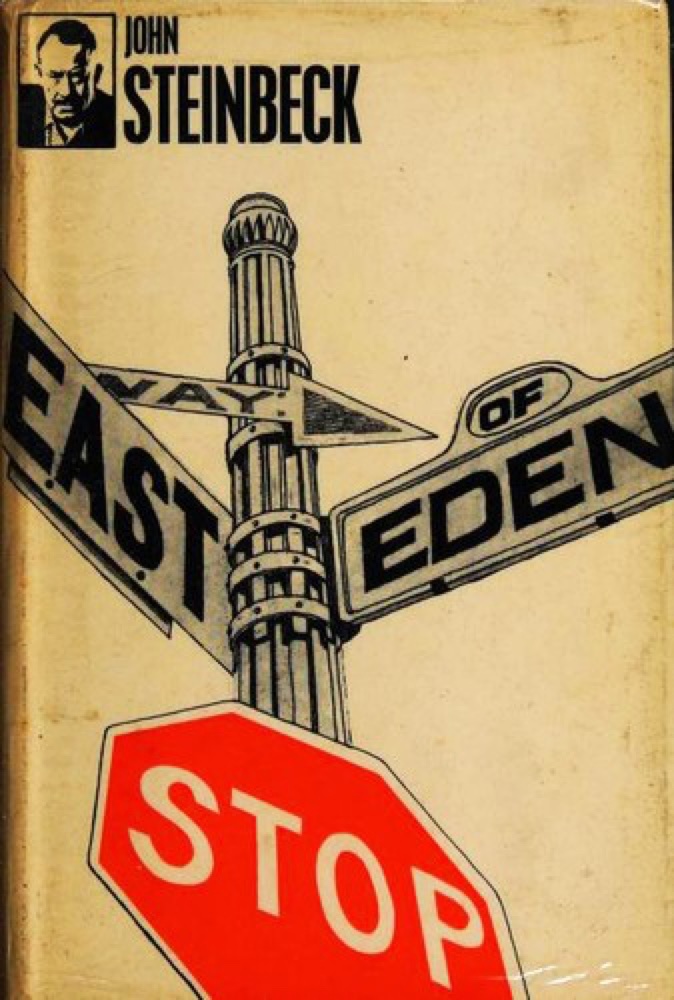 East of Eden
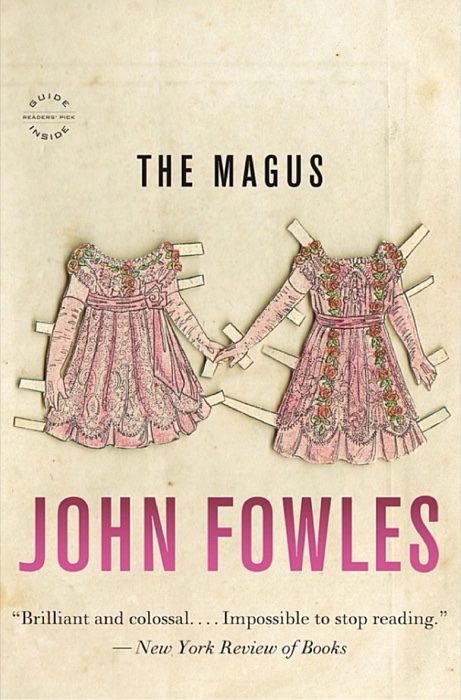 The Magus
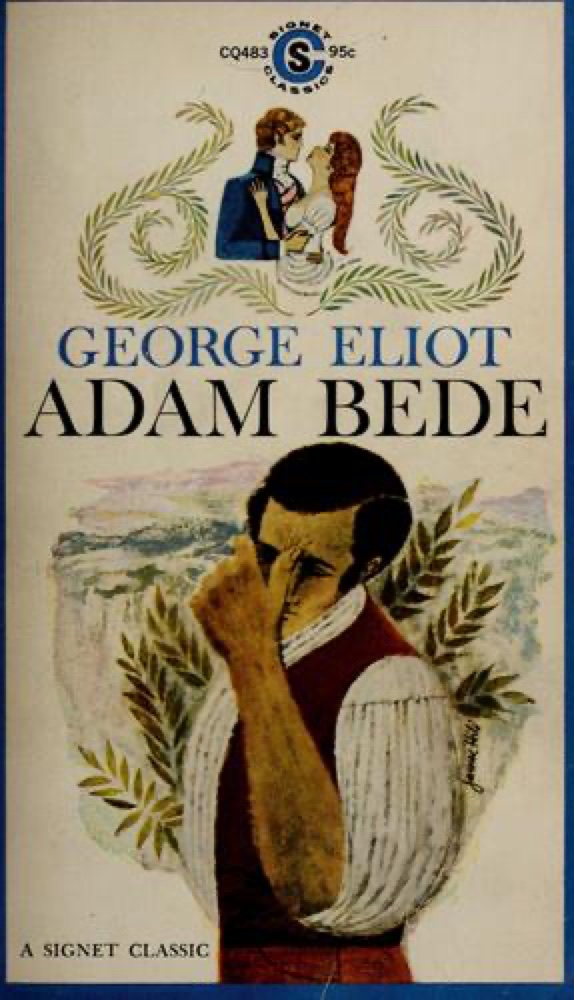 Adam Bede
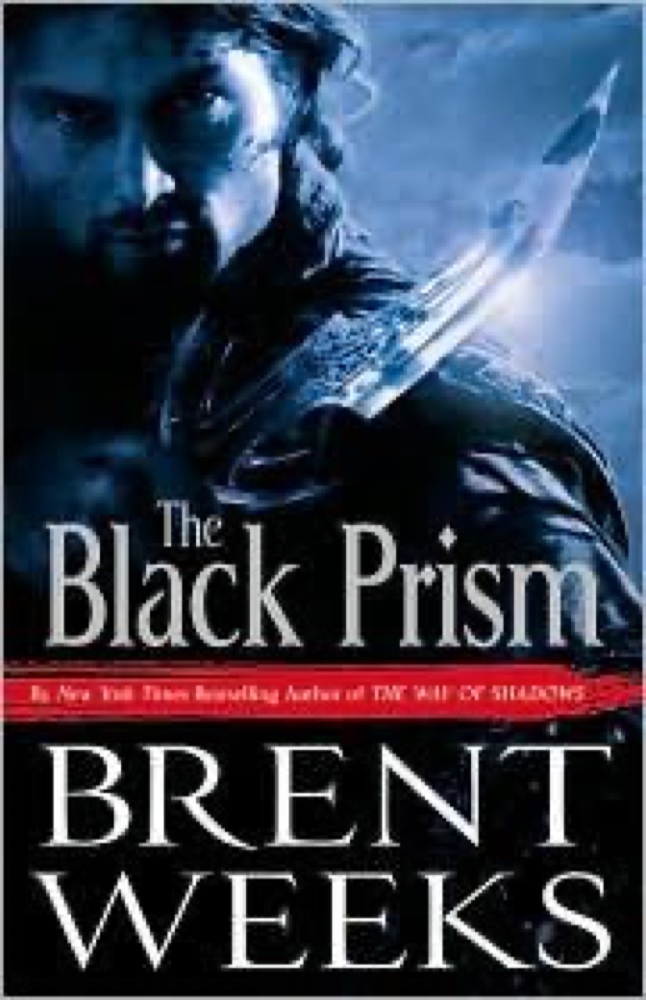 The Black Prism
 The Adventures of Augie March
 Fathers and Sons
 Emperor of Thorns
 Stranger in a Strange Land
 Herzog
 Half the World
 Human, All Too Human
 The Jewel in the Crown
 The Way We Live Now
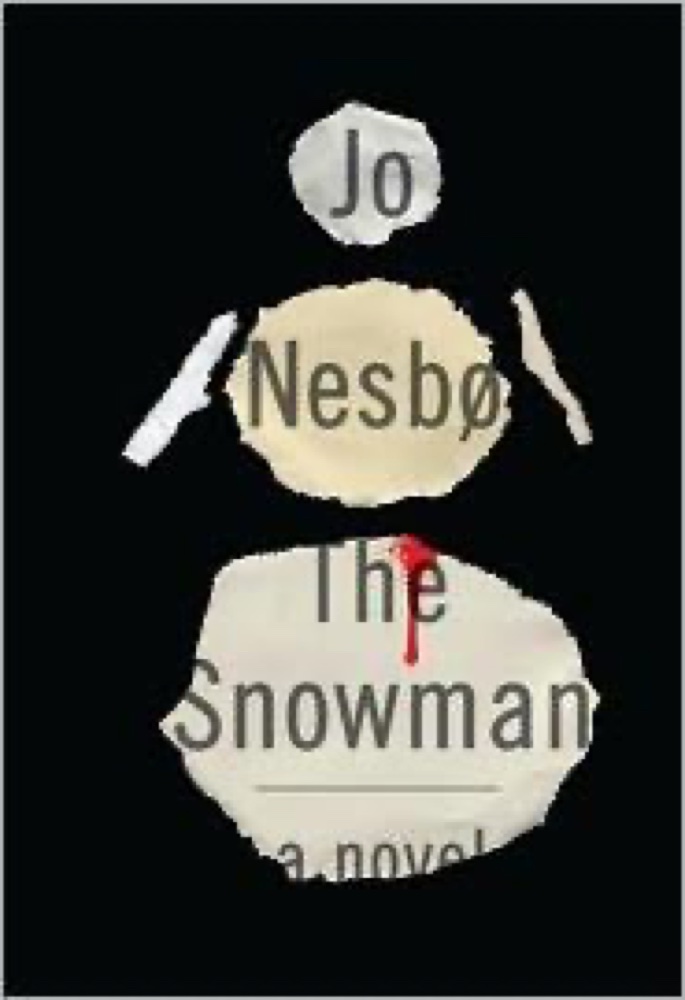 The Snowman
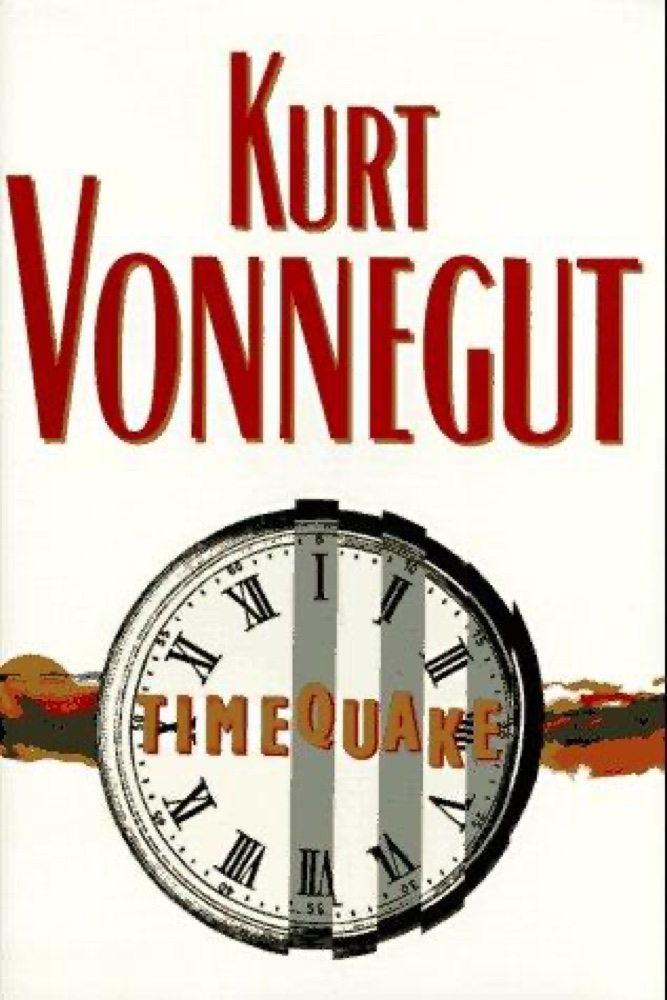 Timequake
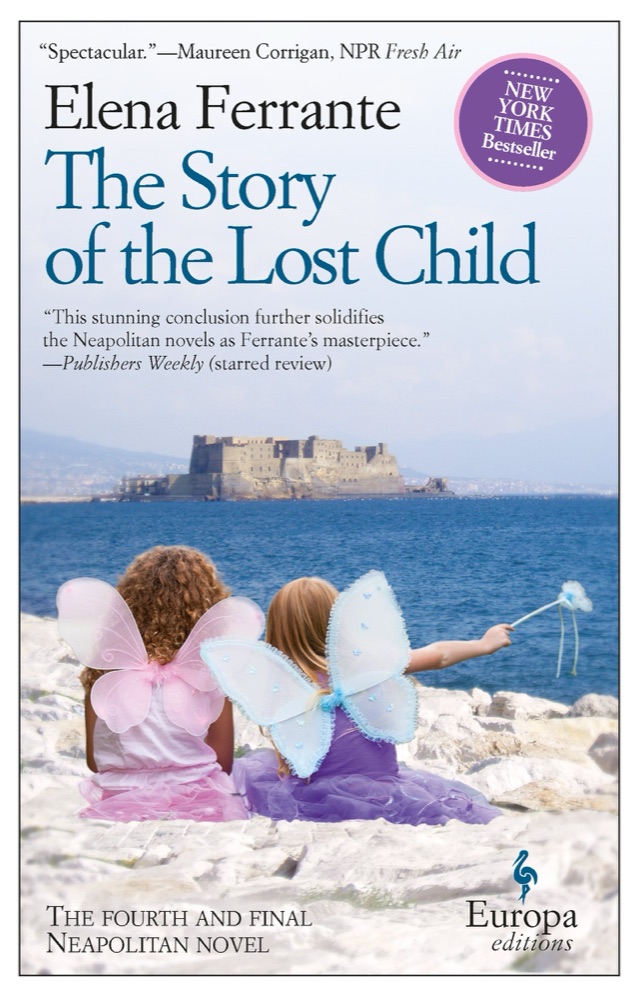 The Story of the Lost Child
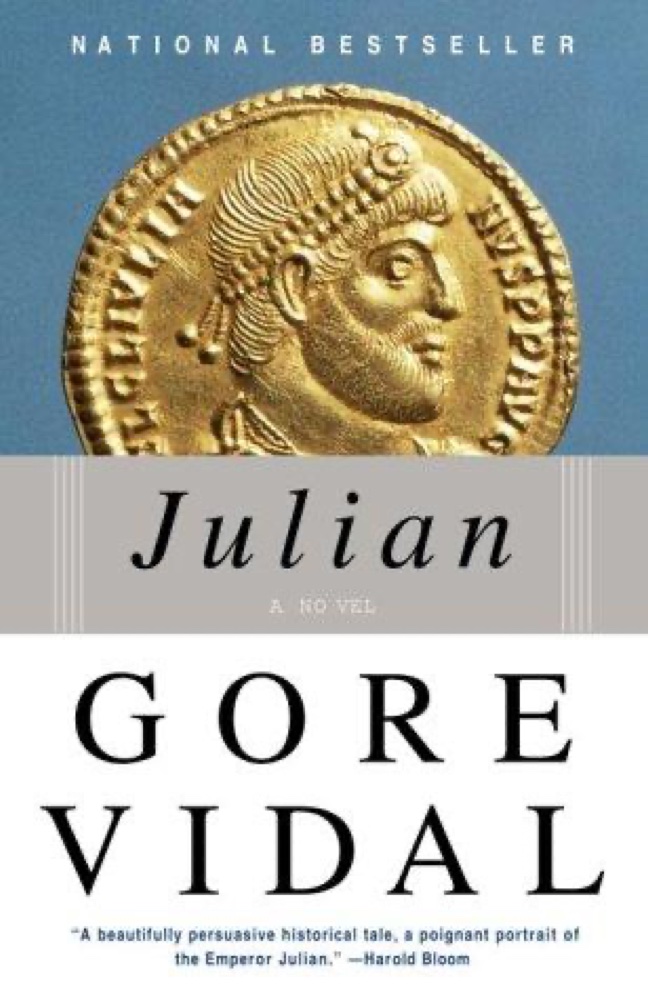 Julian
 The Lacuna
 Scythe
 The Adolescent
 The Sympathizer
 Ilustrado
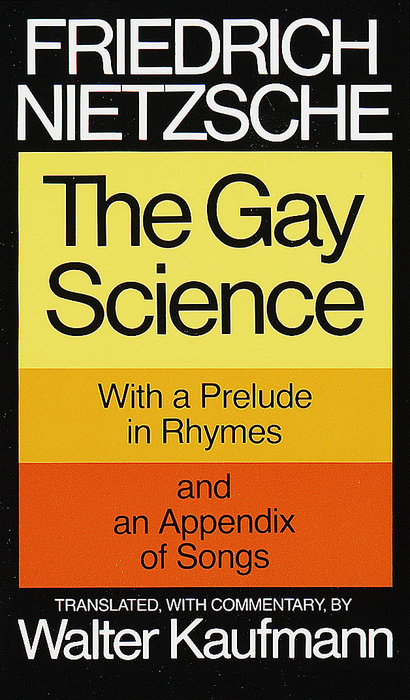 The Gay Science
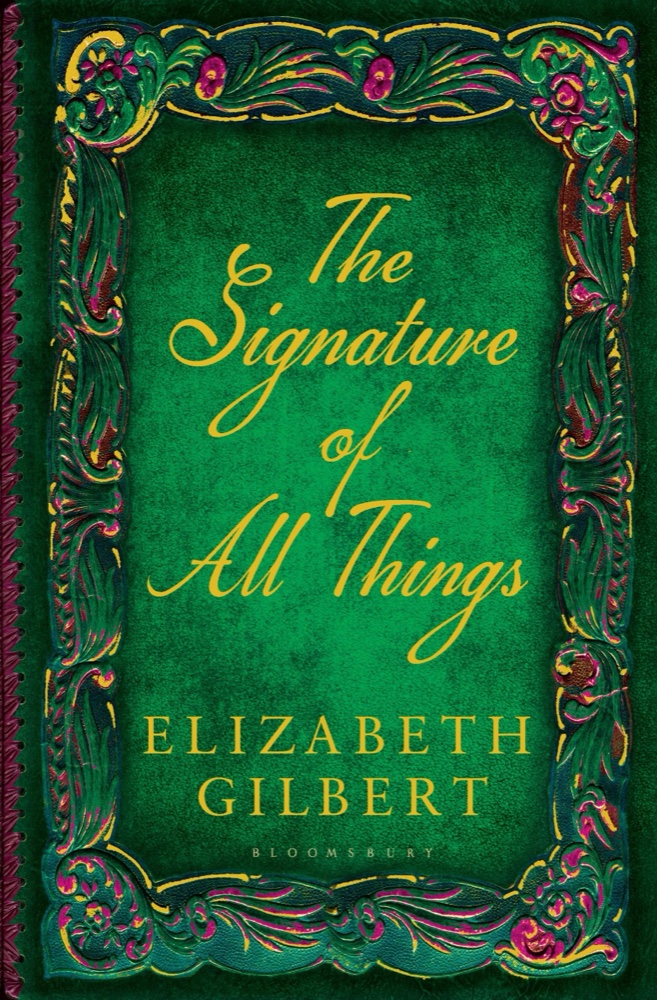 The Signature of All Things
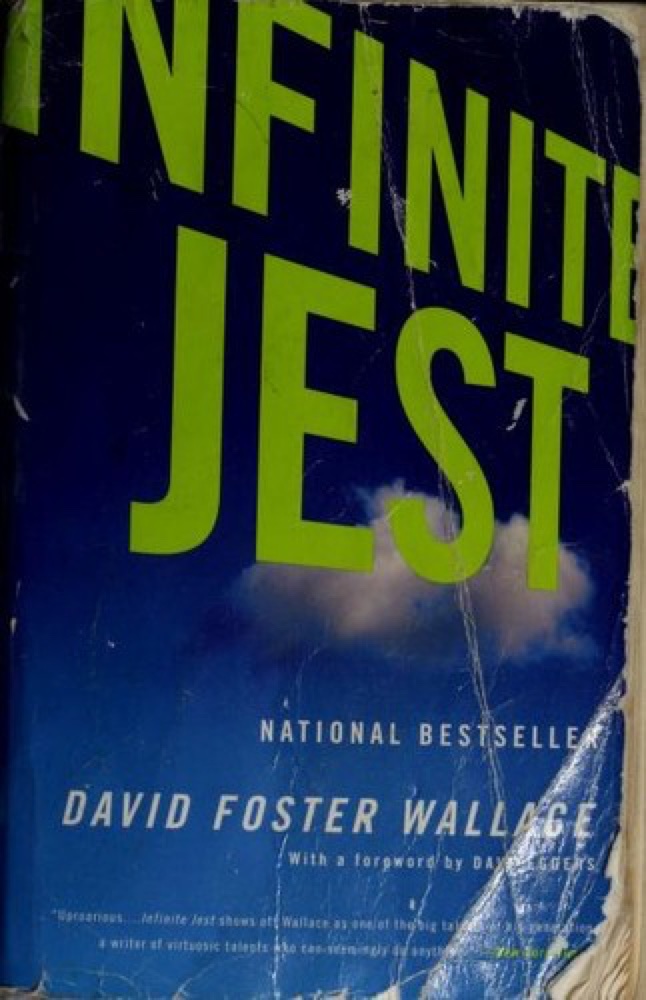 Infinite Jest
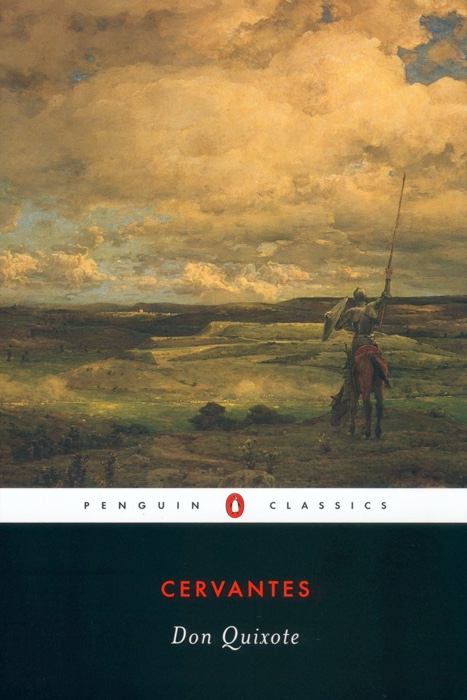 Don Quixote
 Daniel Deronda
 The Penultimate Peril
 The Burning White
 Son of a Witch
 Golden Fool
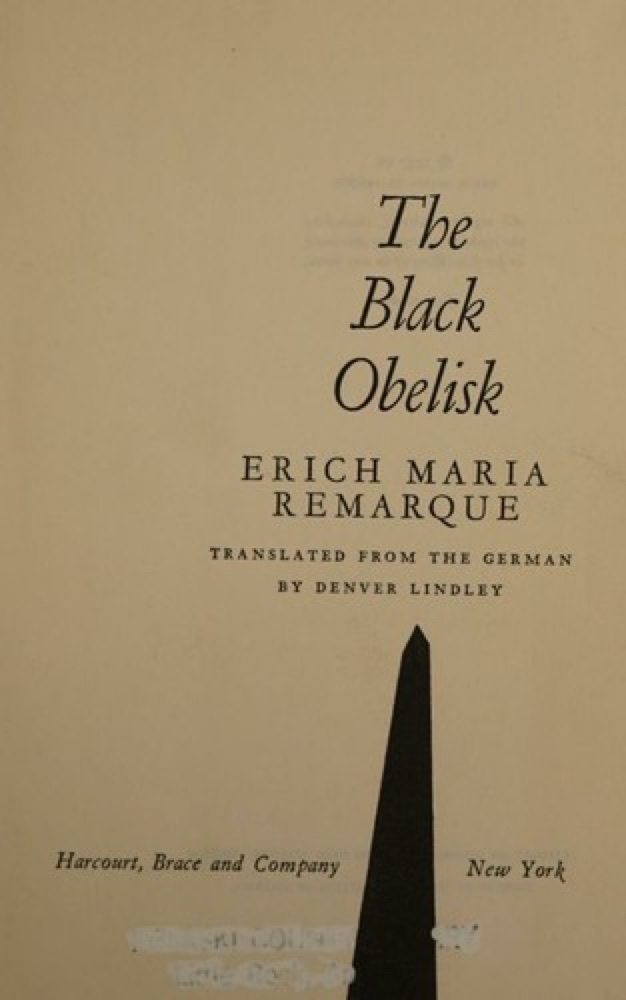 The Black Obelisk
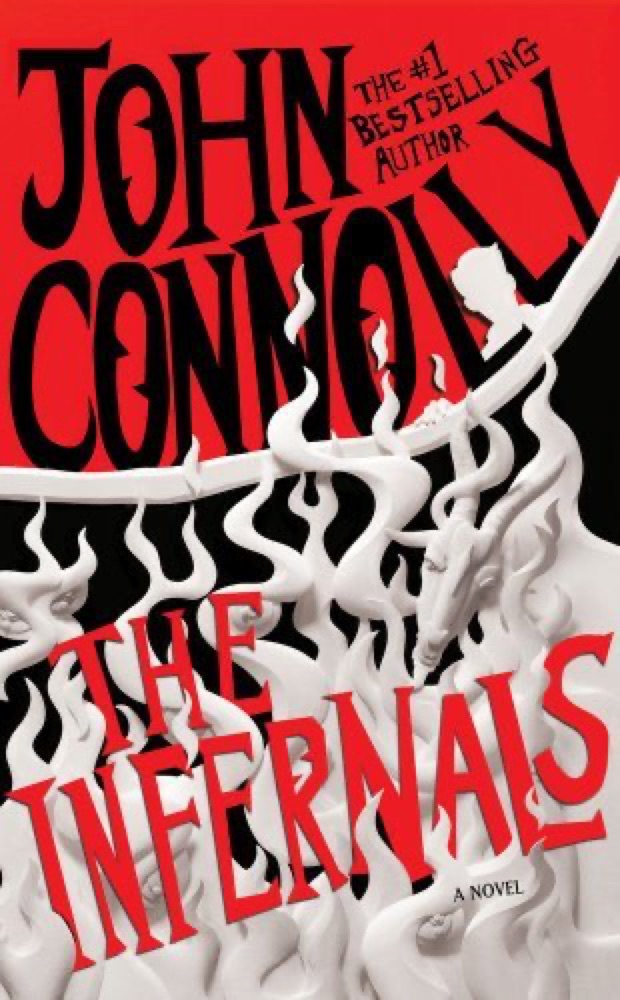 The Infernals
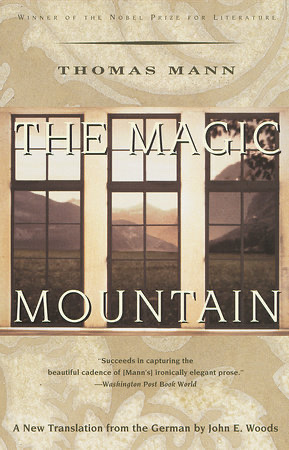 The Magic Mountain
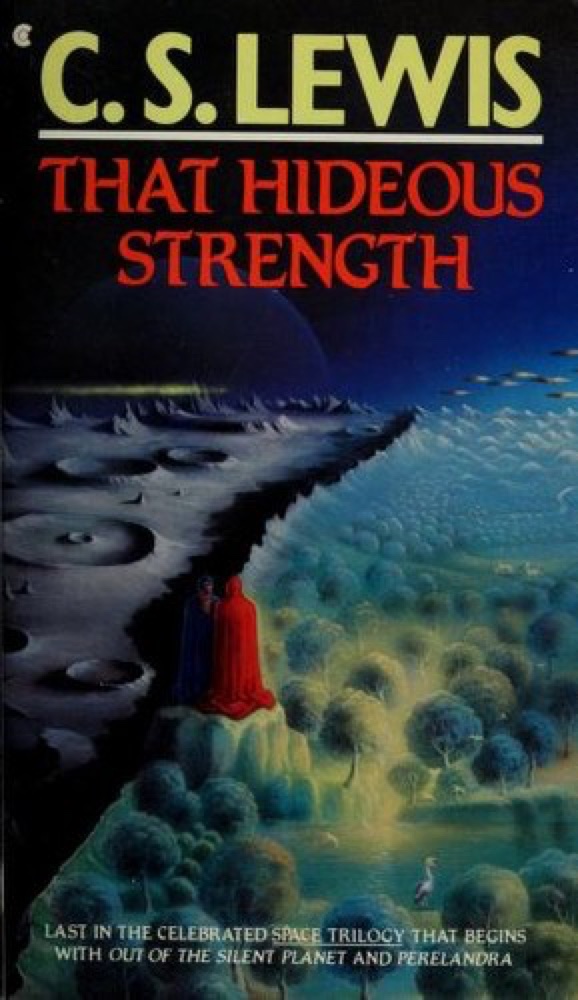 That Hideous Strength
 The Long Way to a Small, Angry Planet
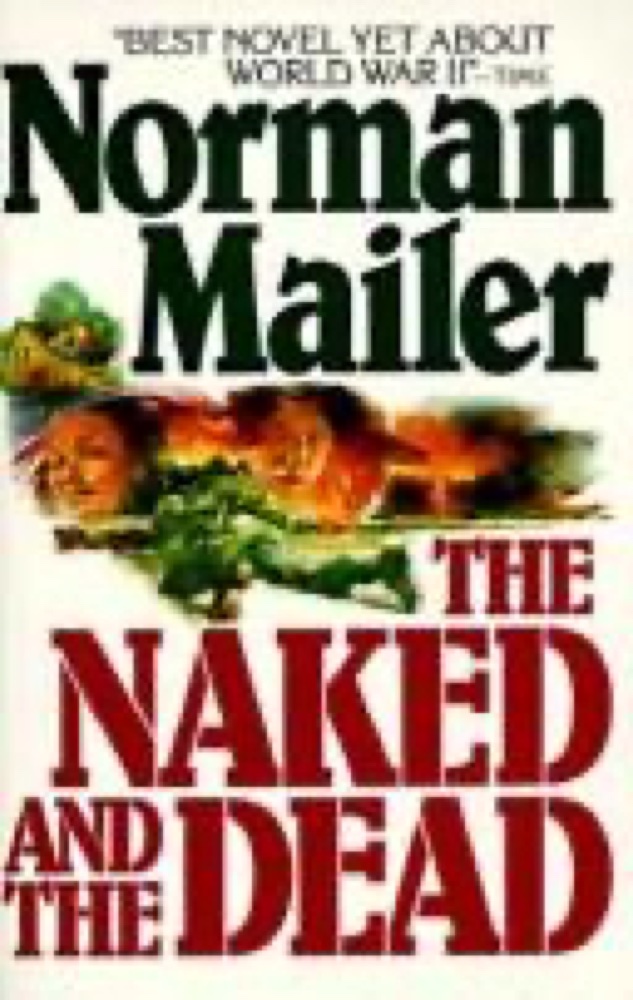 The Naked and the Dead
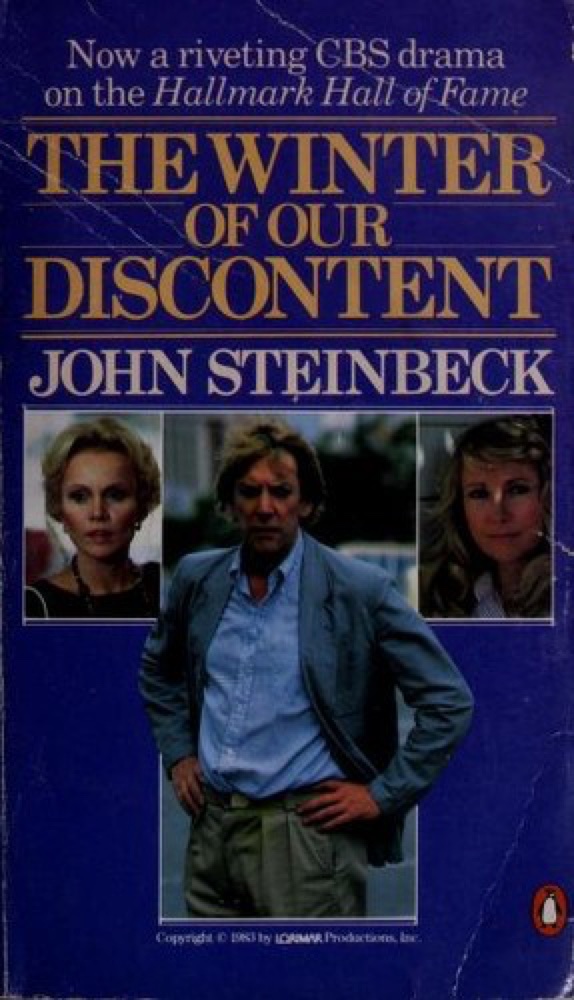 The Winter of Our Discontent
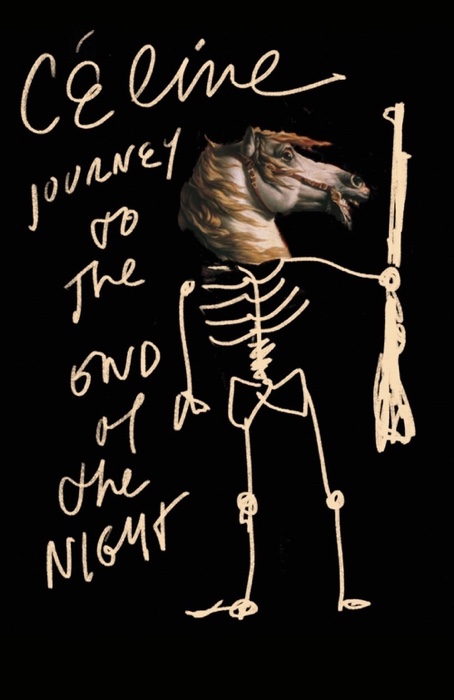 Journey to the End of the Night
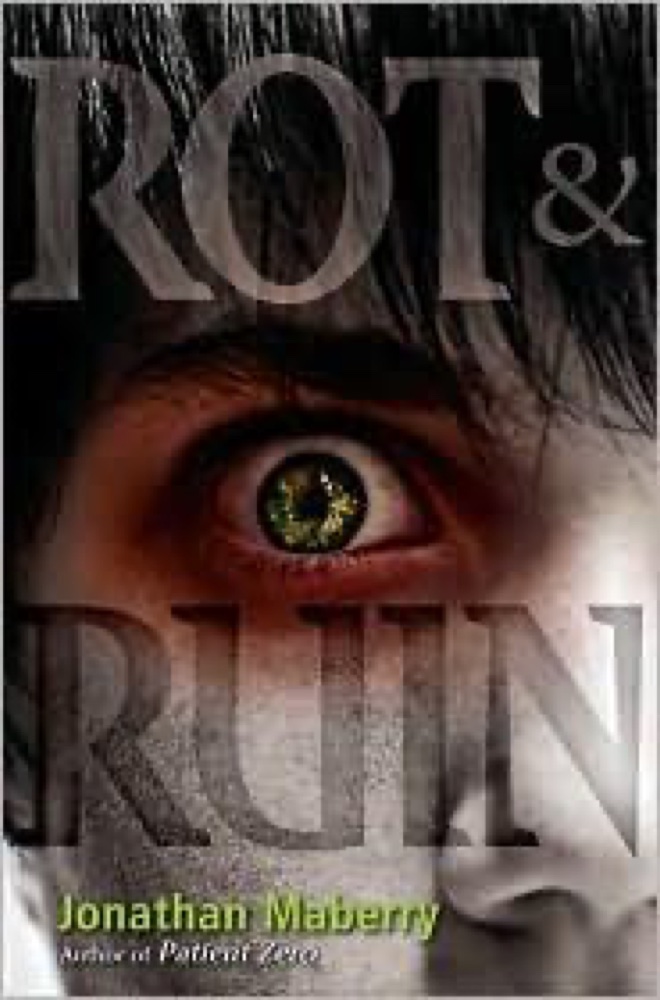 Rot & Ruin