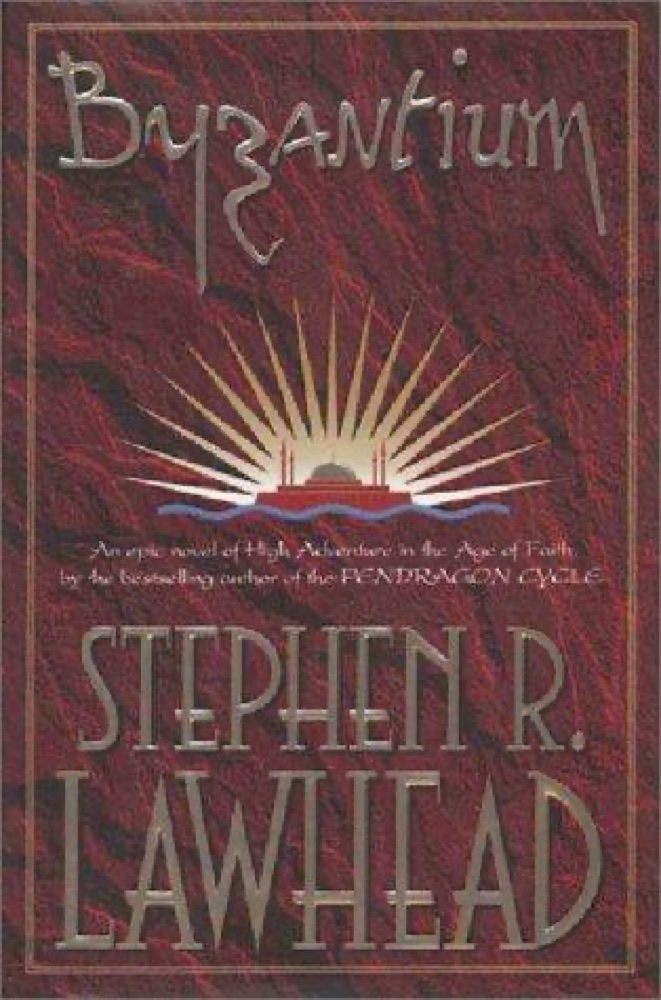

 Hood
Hood
Quotes from the Book
I saw Byzantium in a dream, and knew that I would die there. That vast city seemed to me a living thing: a great golden lion... I felt the dread jaws close on me as I stood screaming. Then I awoke; but my waking brought neither joy nor relief. For I rose not to life, but to the terrible certainty of death. I was to die, and the golden towers of Byzantium would be my tomb. ~ Aidan
The Lord came, not to remove our suffering, but to show us the way through it to the glory beyond.
Truth, they say, is a cold and bitter draught; few drink it undiluted.
Well, I was thinking this very thing. I was thinking: I am going to die today, but Jesu also died, so he knows how it is with me. And I was thinking, would he know me when I came to him? Yes! Sitting in his hall, he will see me sail into the bay, and he will run down to meet me on the shore; he will wade into the sea and pull my boat onto the sand and welcome me as his wayfaring brother. Why will he do this? Because he too has suffered, and he knows, Aeddan, he knows.” Beaming, Gunnar concluded, “Is that not good news?
Life is a school of the spirit, Aidan,” Ruadh intoned with gentle insistence. “Learning is our soul’s requirement, and
Life is a school of the spirit, Aidan,” Ruadh intoned with gentle insistence. “Learning is our soul’s requirement, and suffering our most persuasive teacher.
Fear arises from uncertainty. Where there is perfect certainty, there is no fear.
Watch on YouTube
About Stephen R. Lawhead
We have collected 78 quotes from 5 books by Stephen R. Lawhead on BookQuoters.
More about the author →More by Stephen R. Lawhead
Book details
- Author
- Stephen R. Lawhead
- Genre
- Fiction
- Goodreads rating
- 4.22 (5k ratings) →
Keep reading
 Children of God
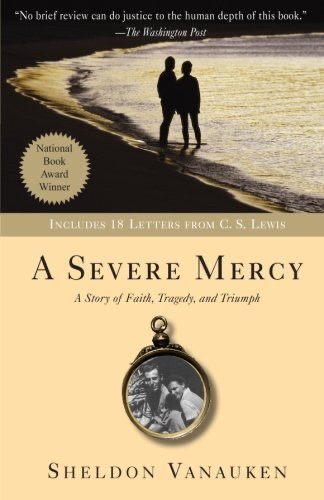 A Severe Mercy: A Story of Faith, Tragedy and Triumph
 The Last Temptation of Christ
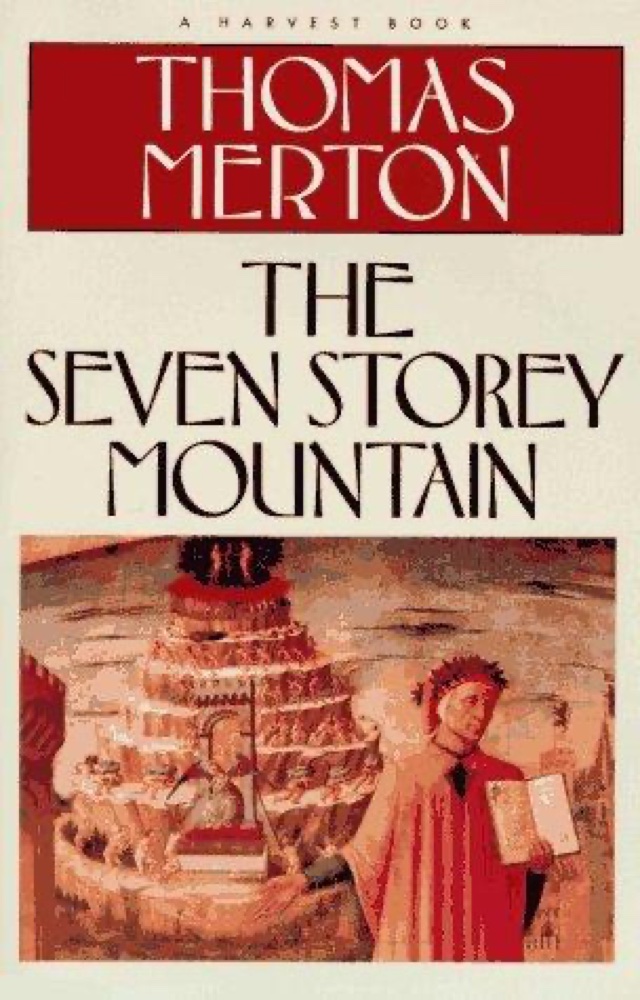 The Seven Storey Mountain
 Shadow of the Almighty: The Life and Testament of Jim Elliot
 The Journey Home
 Toll the Hounds
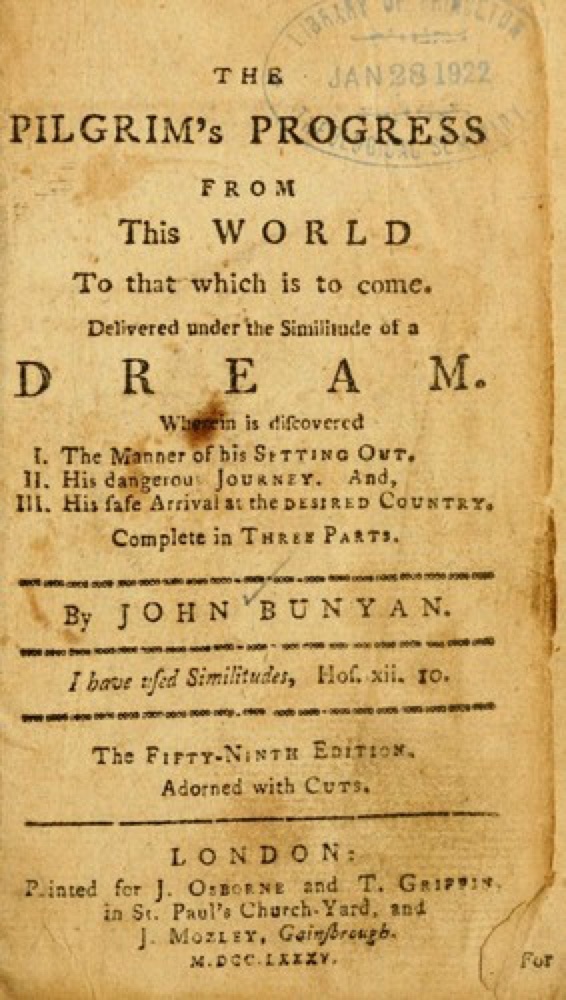 The Pilgrim's Progress
 Saint Francis
 Perelandra
 Ben-Hur: A Tale of the Christ
 Ordinary Grace
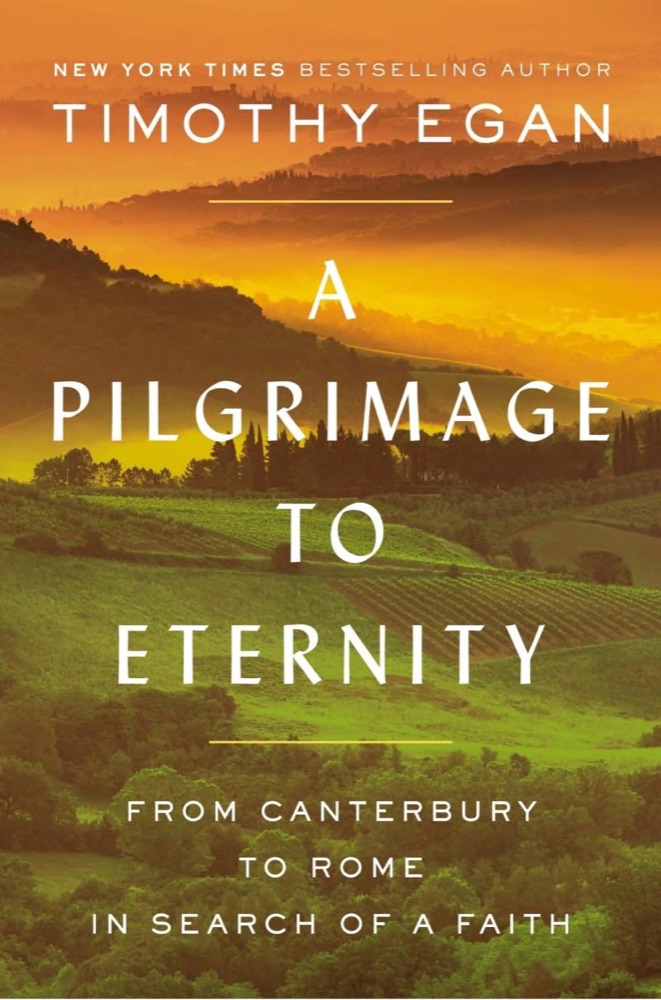 A Pilgrimage to Eternity: From Canterbury to Rome in Search of a Faith
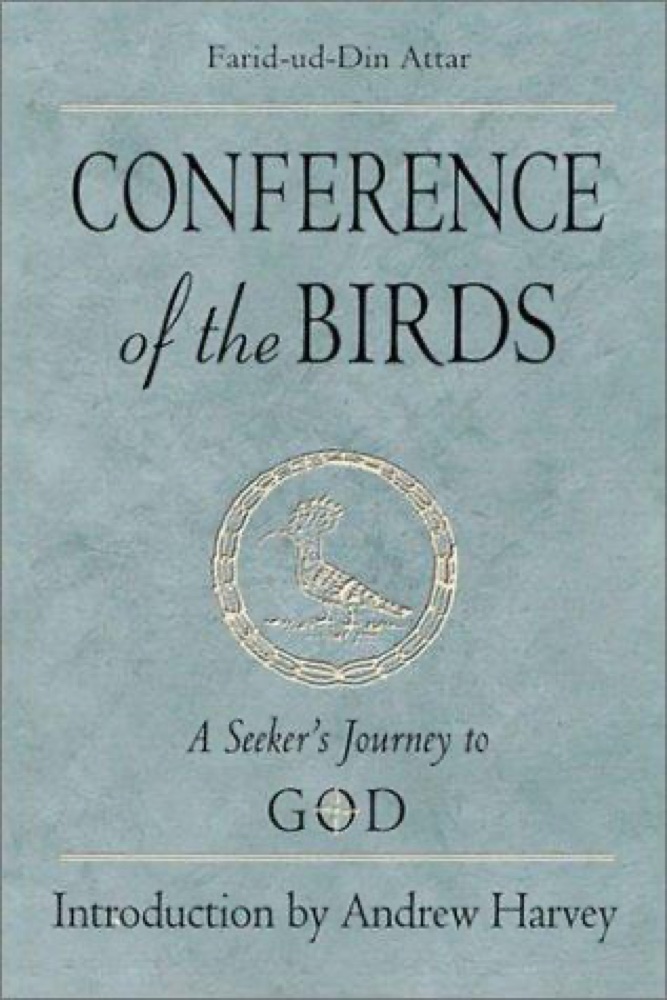 The Conference of the Birds
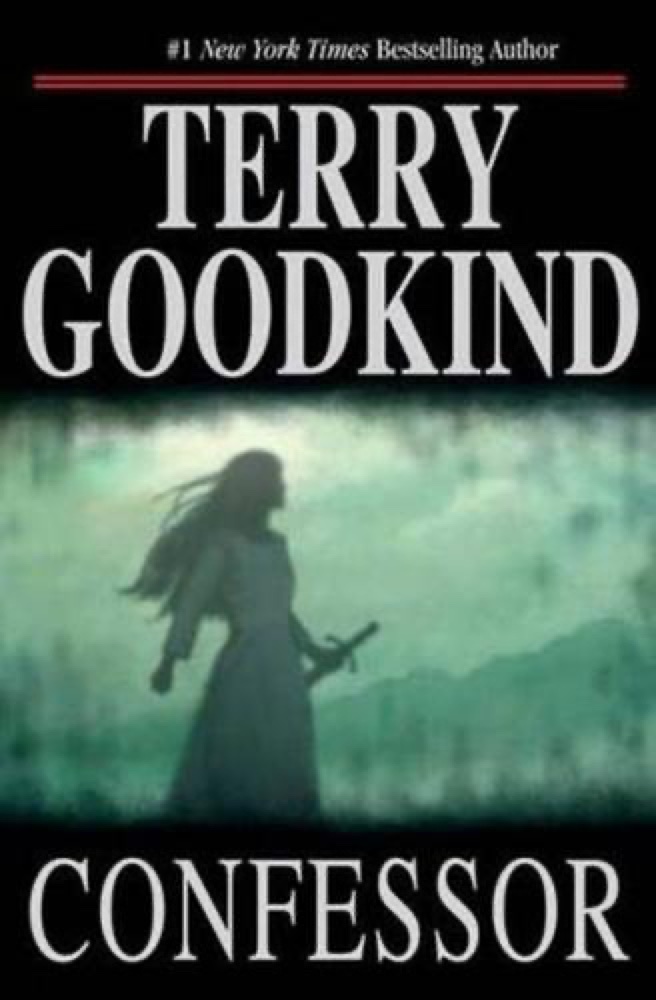 Confessor
 Peace Like a River
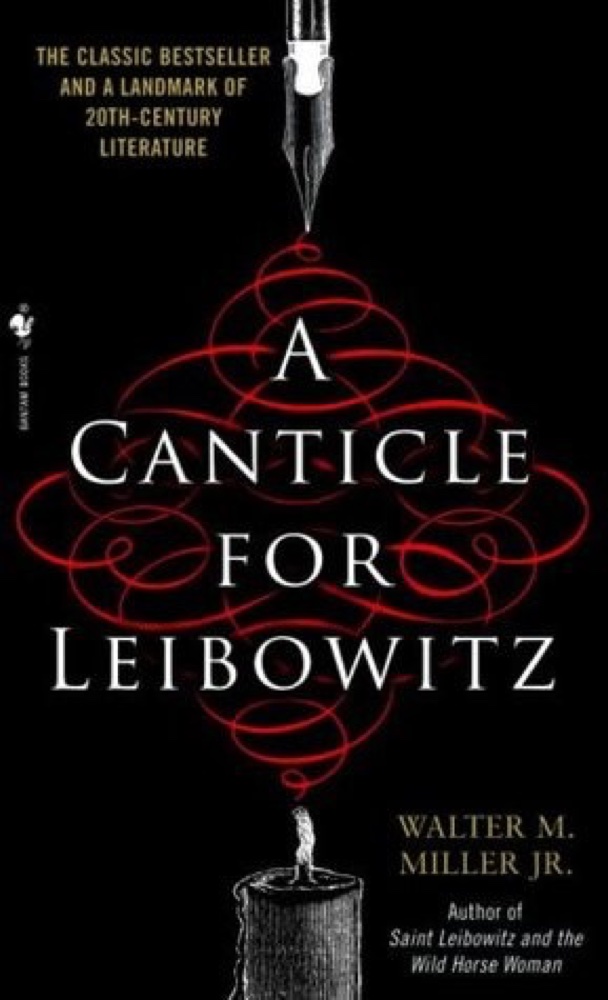 A Canticle for Leibowitz
 A Voice in the Wind
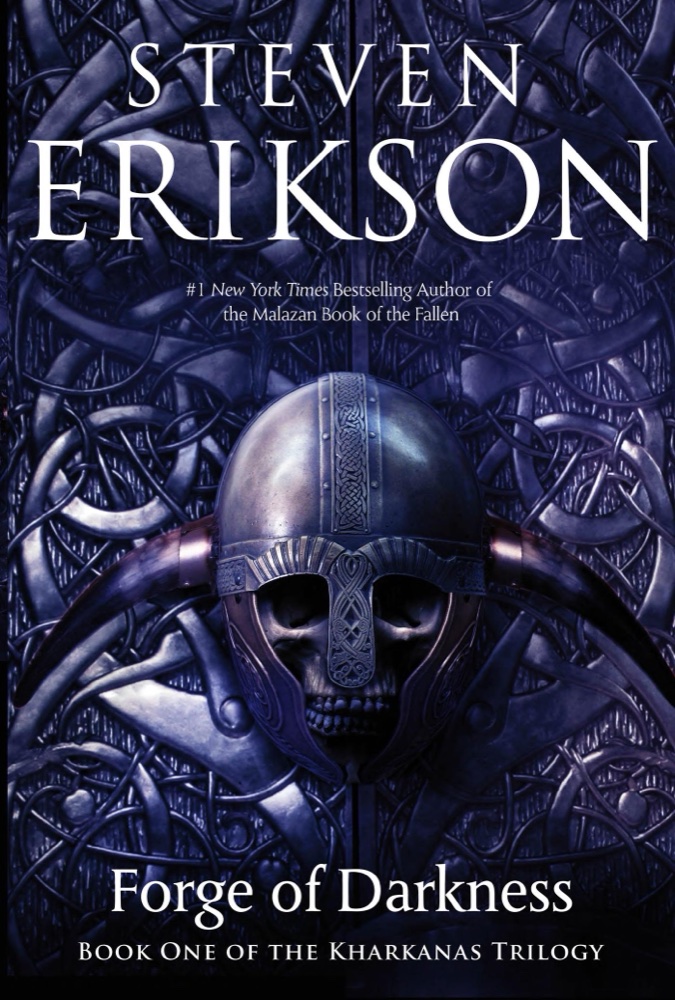 Forge of Darkness
 Laurus
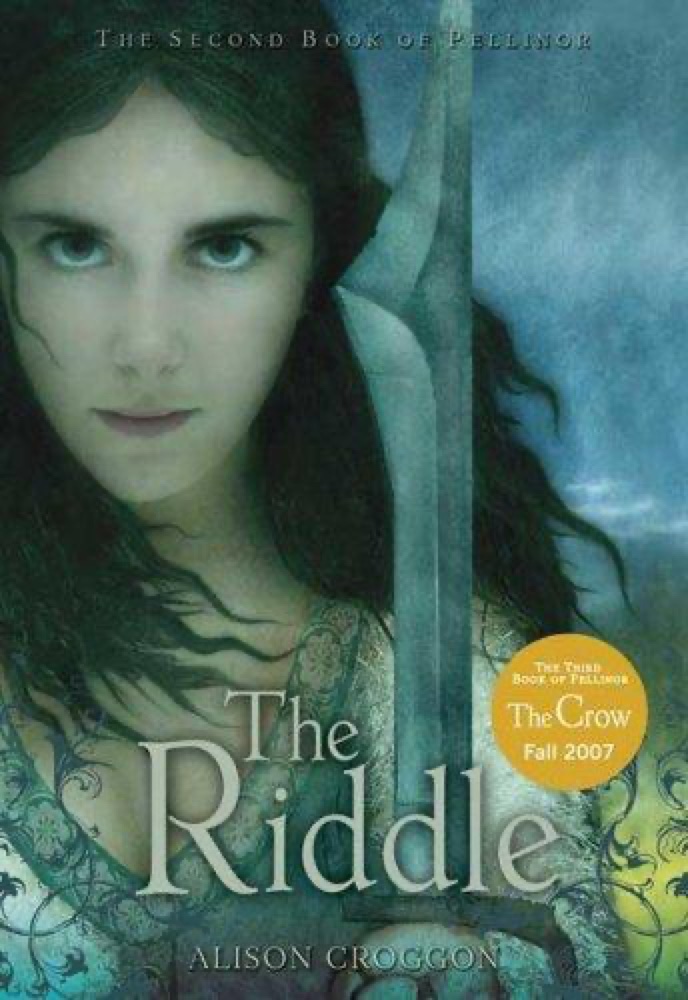 The Riddle
 Sacred Journey of the Peaceful Warrior
 Night
Night
 Ulysses
 The Power and the Glory
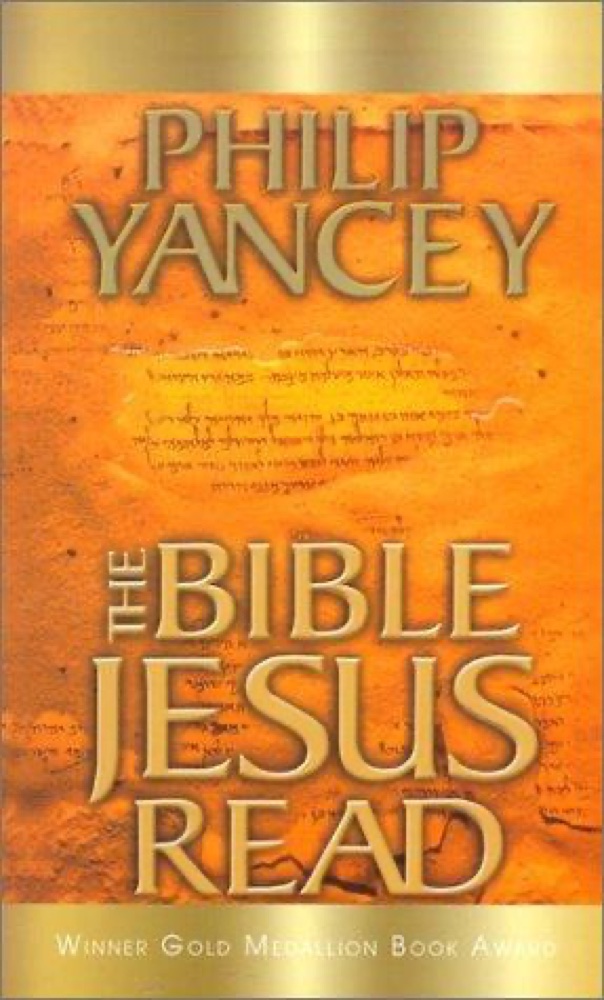 The Bible Jesus Read
 She
She
 The Farthest Shore
 Ireland
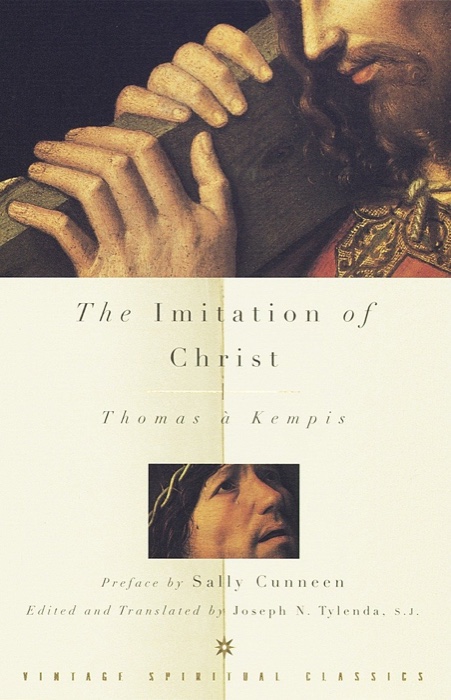 The Imitation of Christ
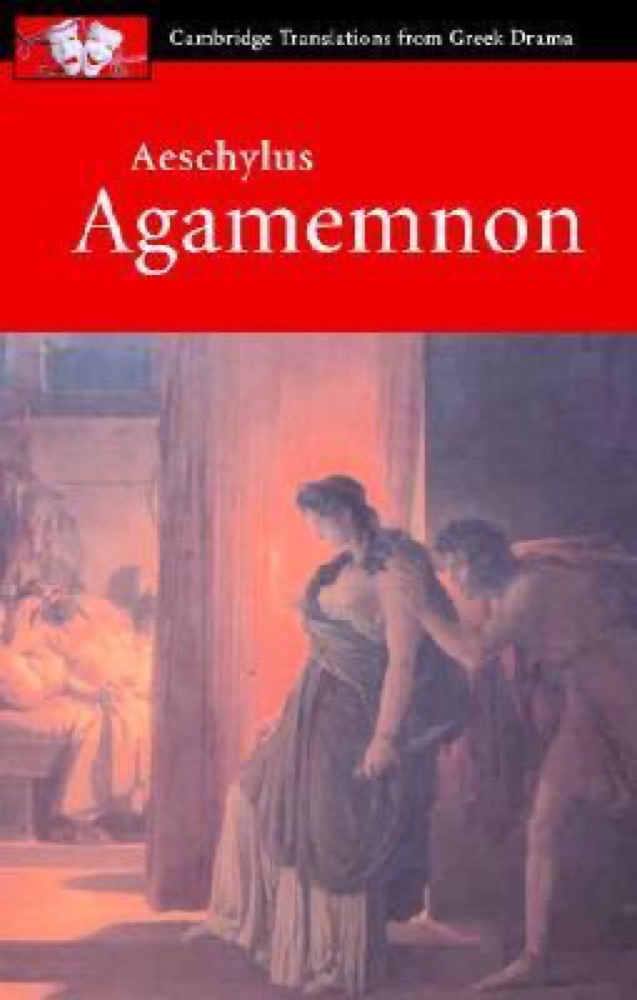 Agamemnon
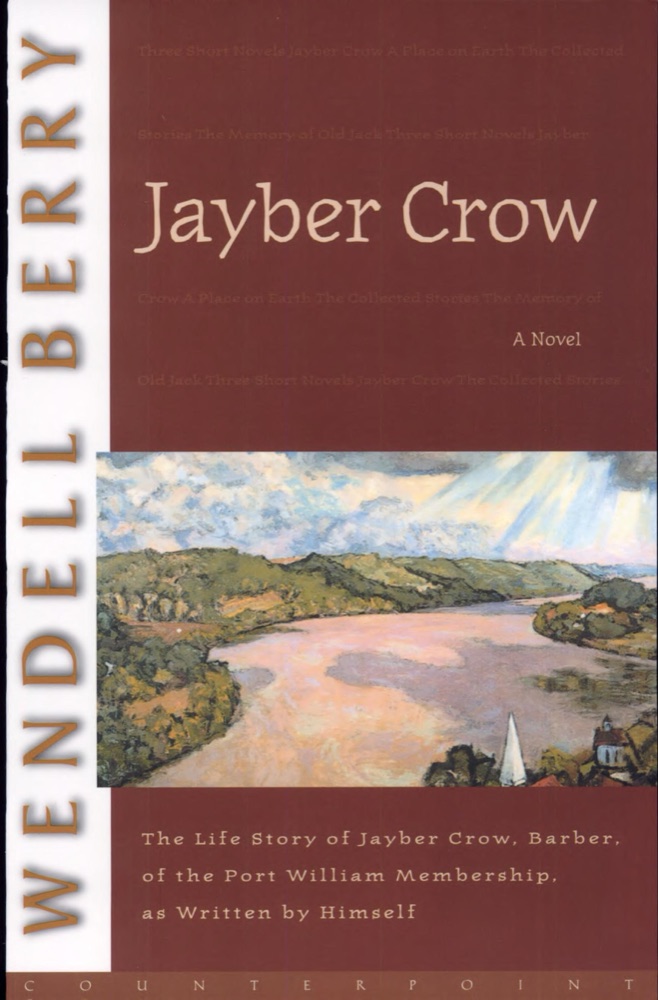 Jayber Crow
 The Sparrow
 Memories of Ice
 Island
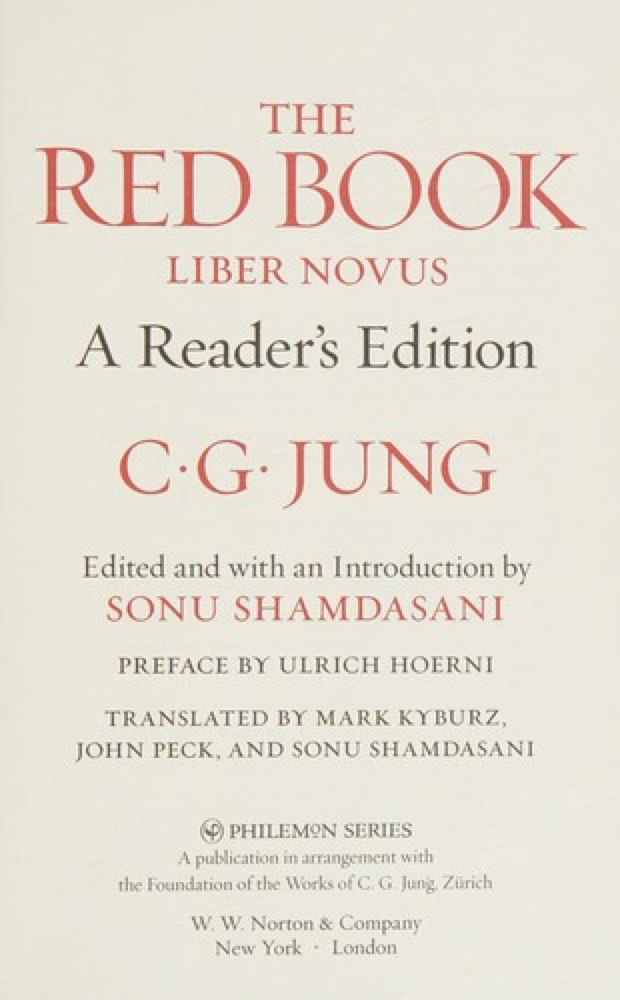 The Red Book: Liber Novus
 Faust
Faust
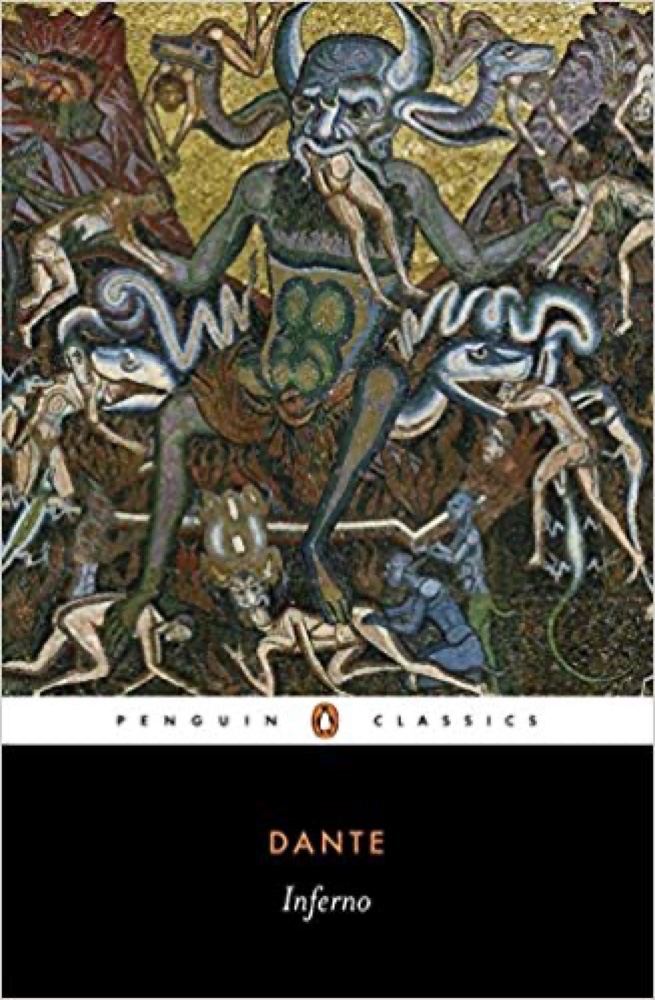 Inferno
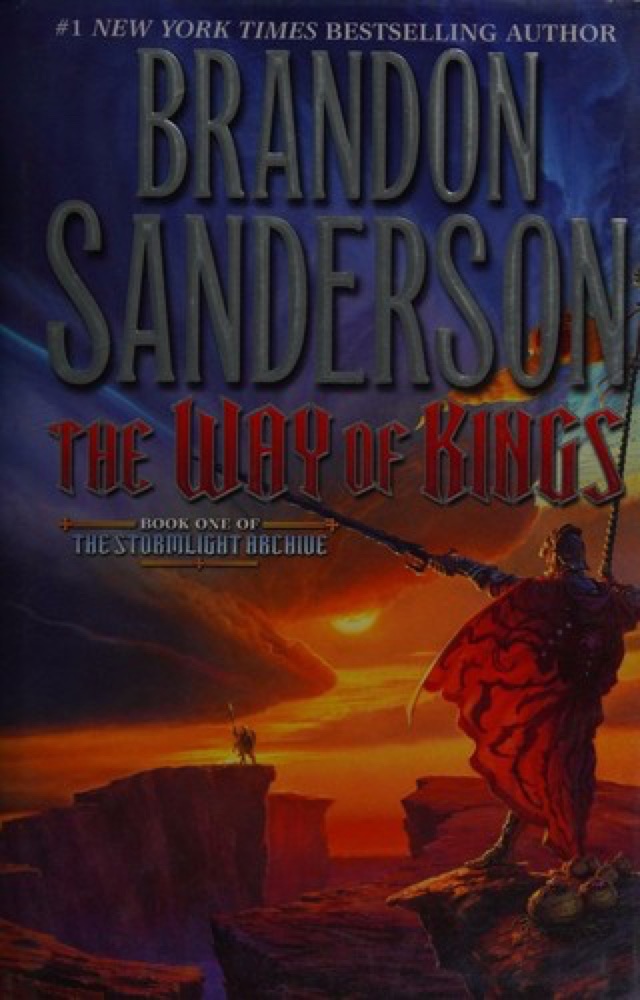 The Way of Kings
 Helvetti
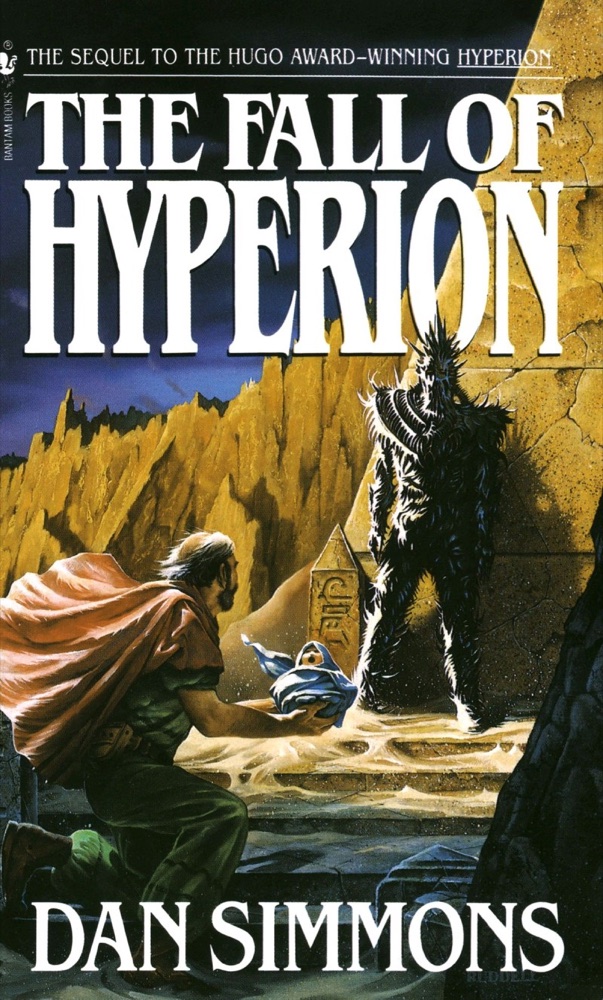 The Fall of Hyperion
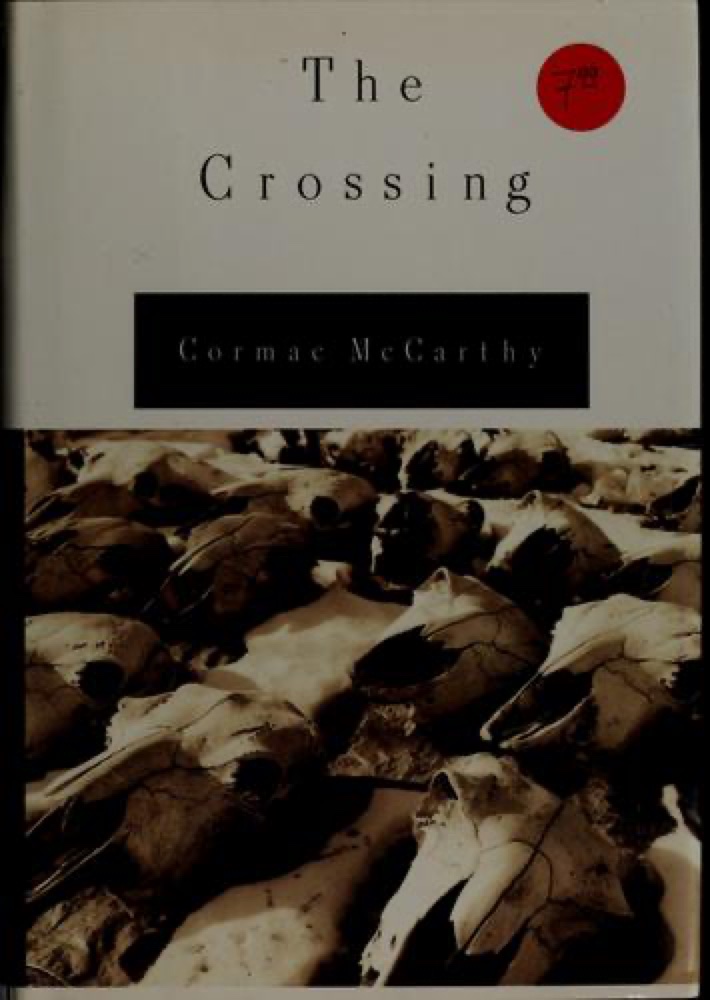 The Crossing
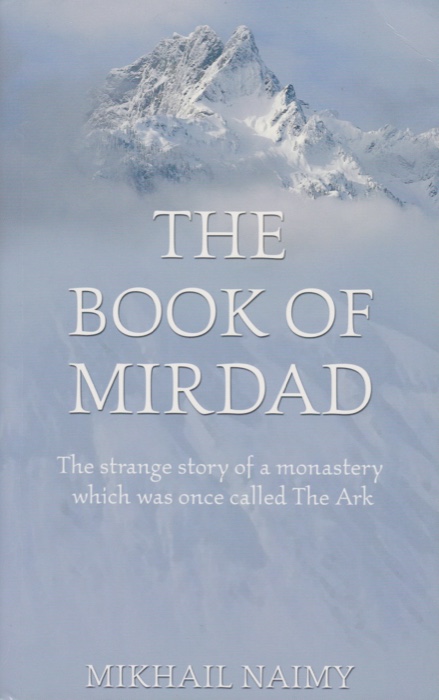 The Book of Mirdad: The Strange Story of a Monastery Which Was Once Called the Ark
 Kushiel's Avatar
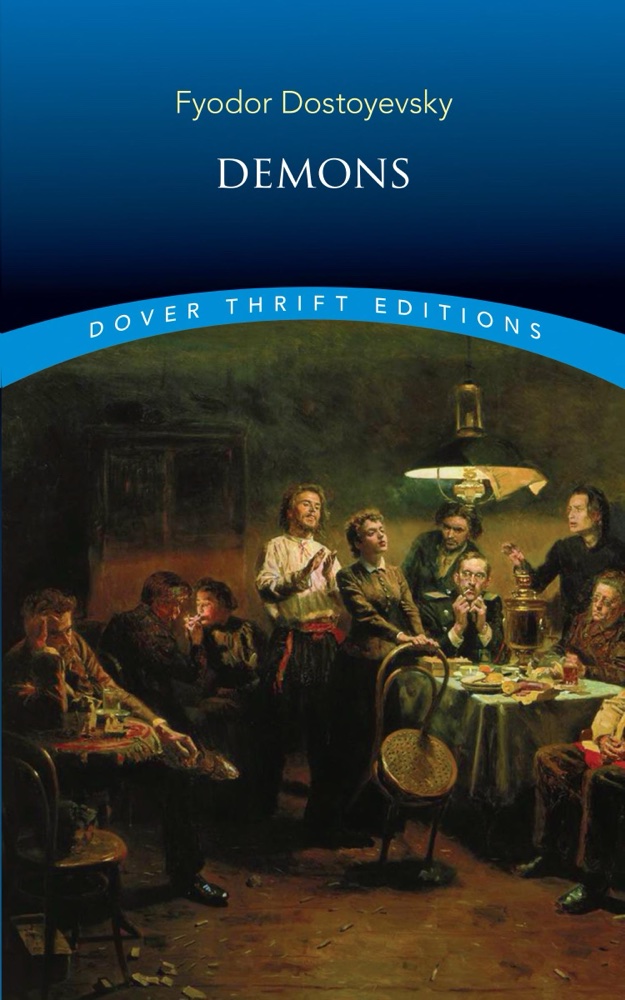 Demons
 Fell
Fell
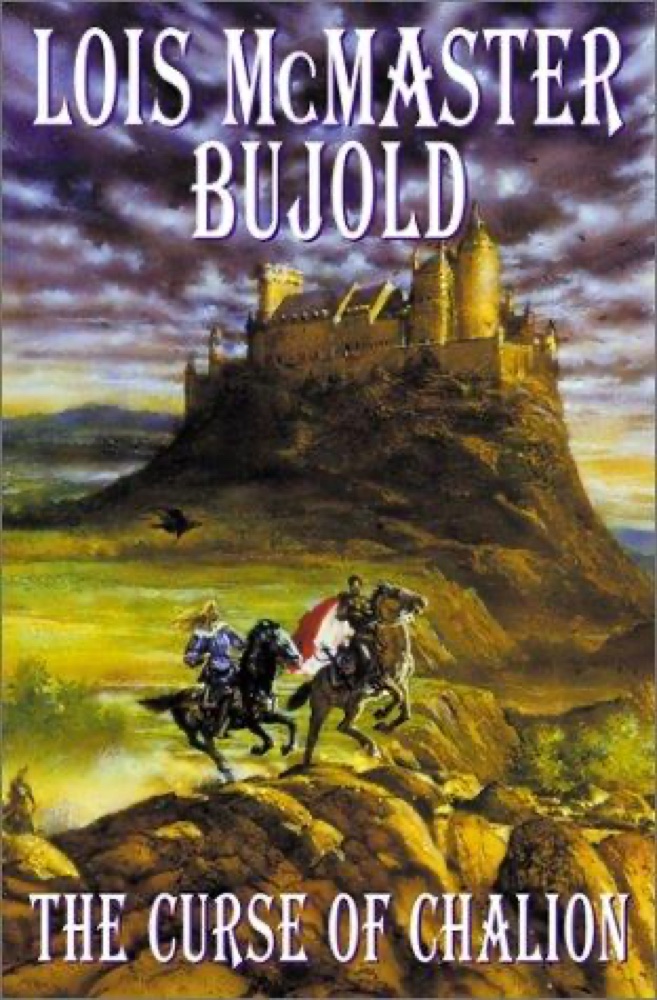 The Curse of Chalion
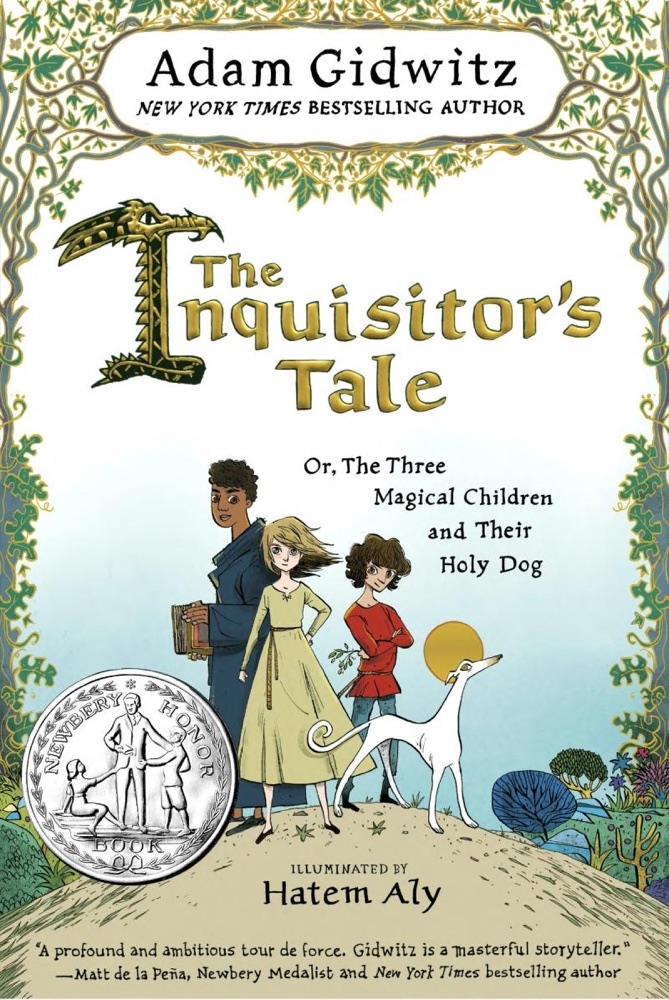 The Inquisitor's Tale: Or, The Three Magical Children and Their Holy Dog
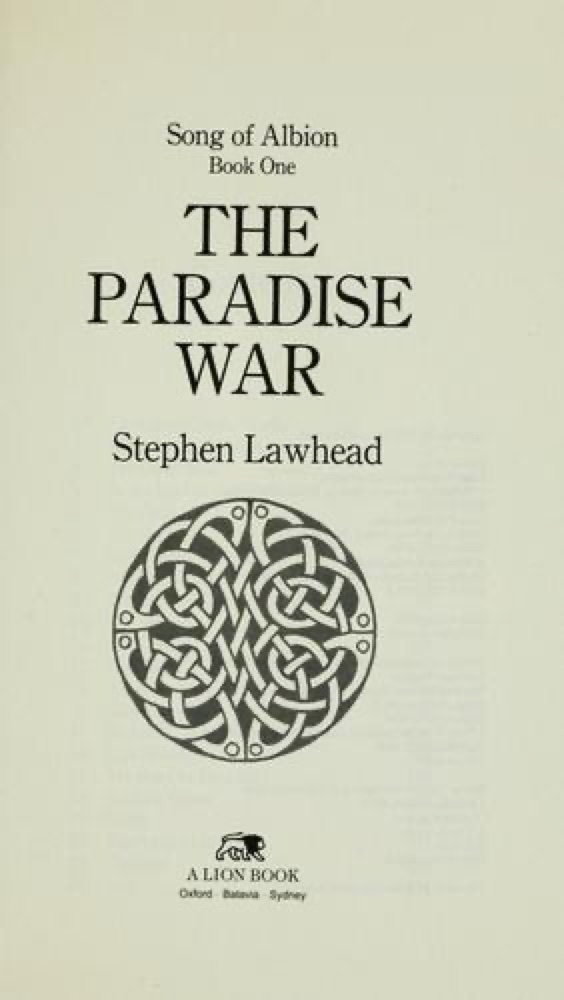 The Paradise War
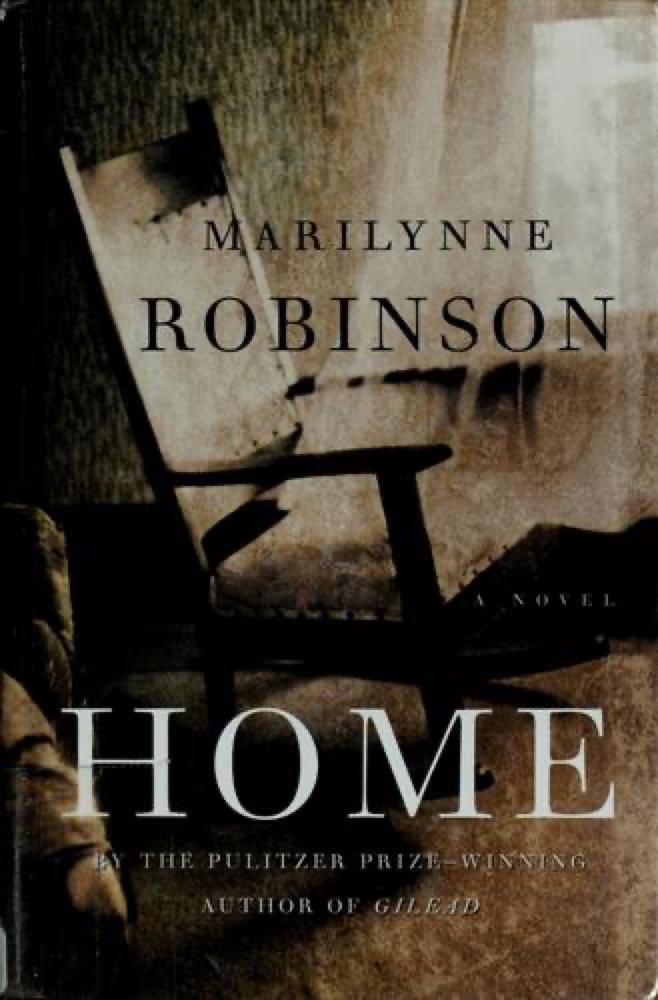 Home
Home
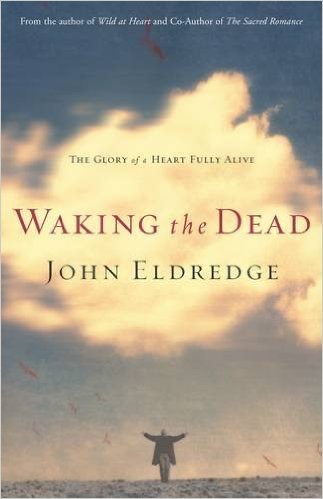 Waking the Dead: The Glory of a Heart Fully Alive
 The High Mountains of Portugal
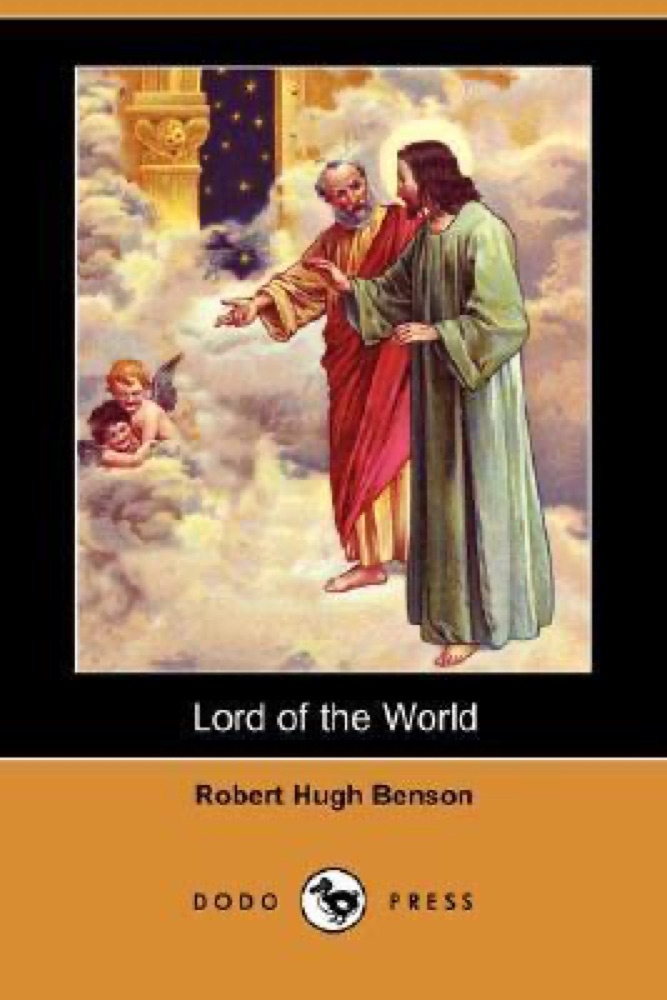 Lord of the World
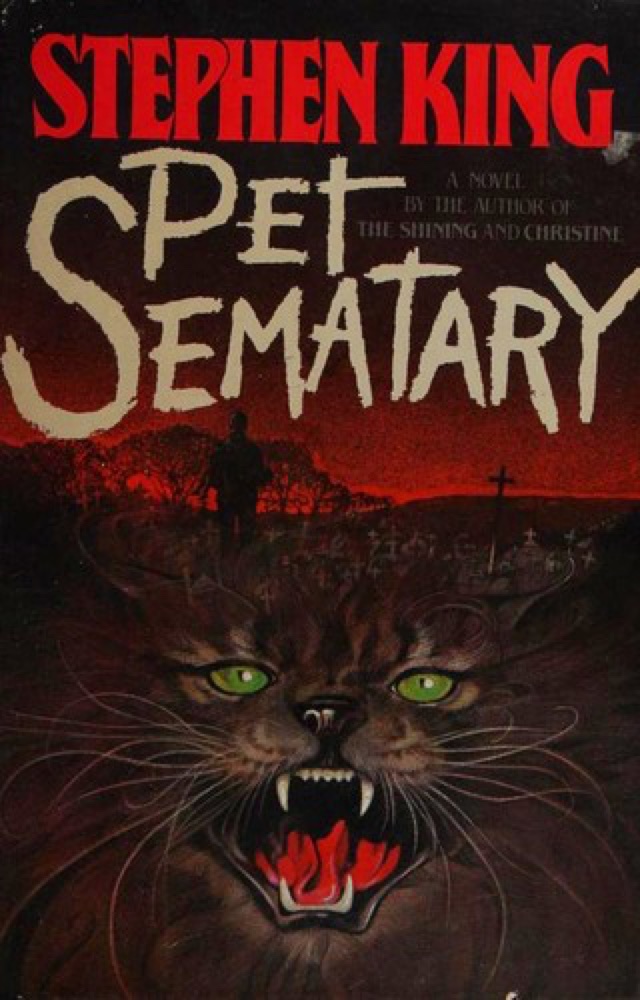 Pet Sematary
 Sword & Citadel
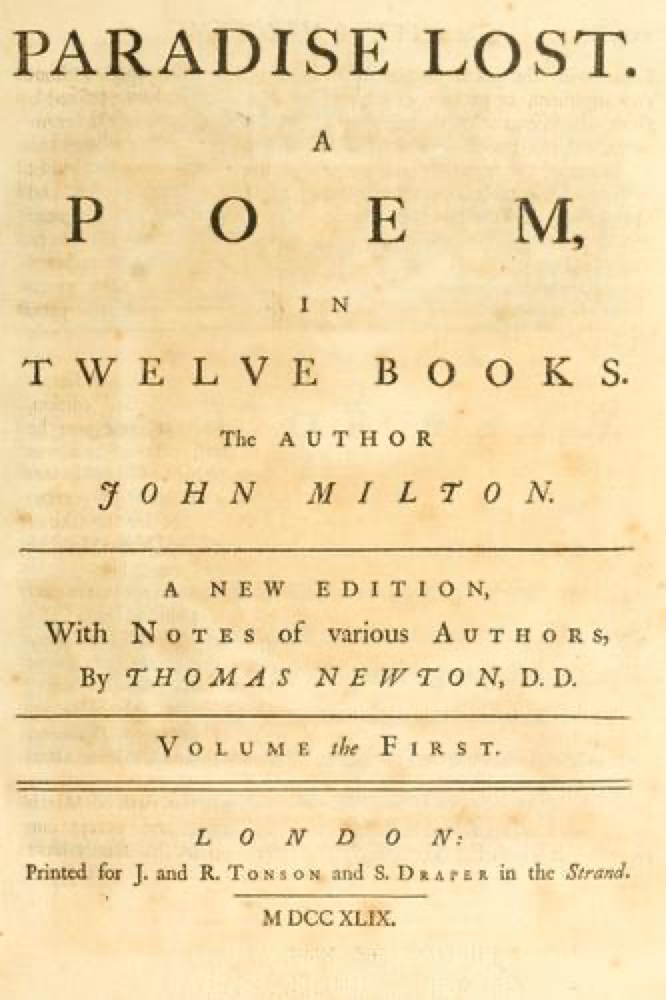 Paradise Lost
 Origin
 Cry, the Beloved Country
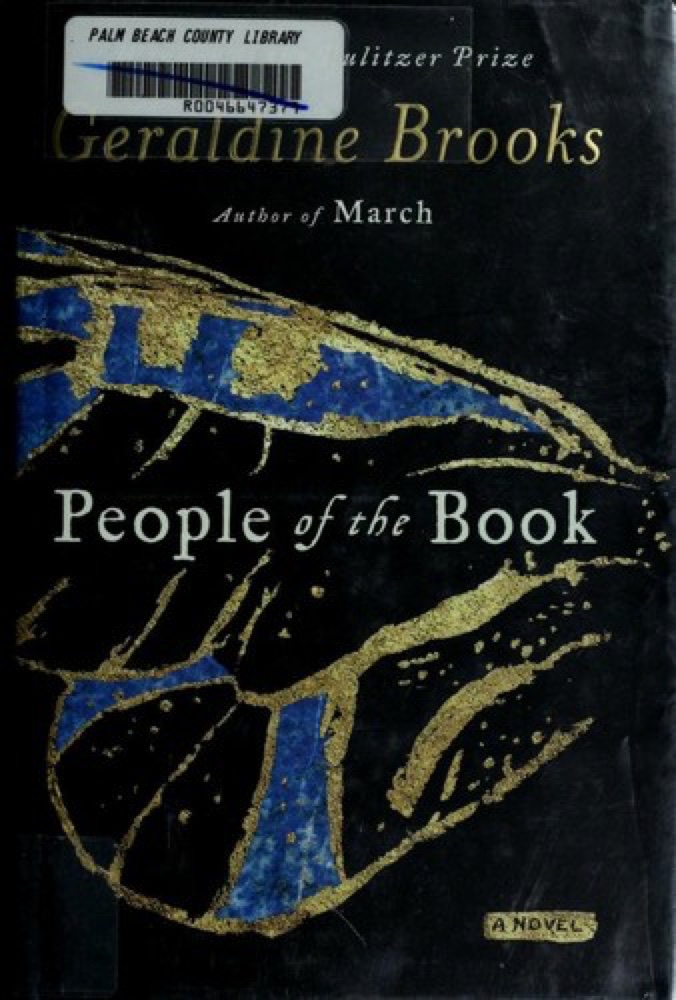 People of the Book
 Light Years