
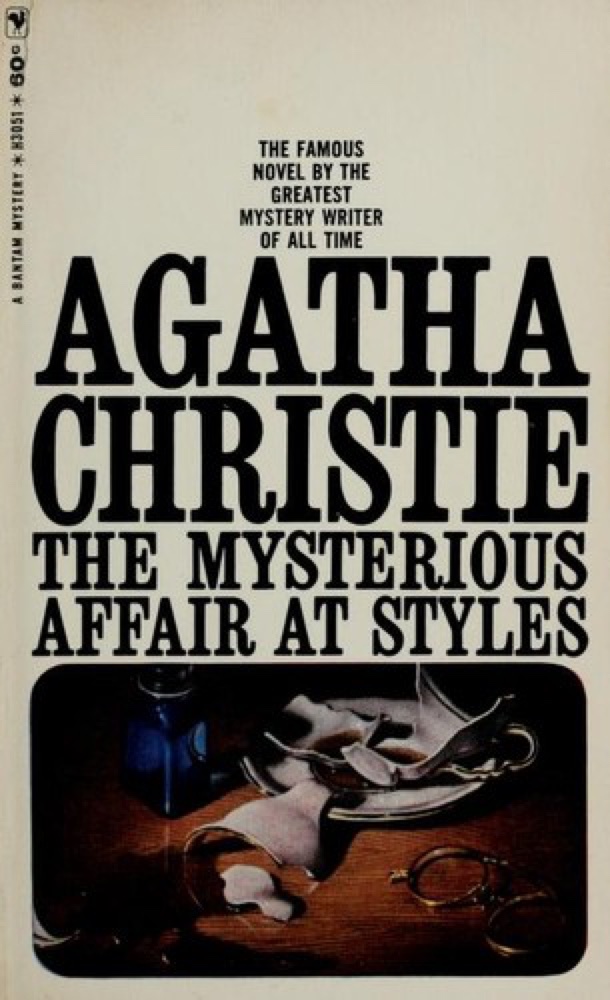
 The Mysterious Affair at Styles
Quotes from the Book
Life can be very terrible," he said. "One needs much courage." "To kill oneself? yes, I suppose one does." "Also to live," said Poirot, "one needs courage.
Mon ami,' said Poirot with dignity, 'when I commit a murder it will not be with the arrow poison of the South American Indians.
A meal should always lie lightly on the estomac," said Poirot. "It should not be so heavy as to paralyze thought.
There comes to everyone a turning point in their lives, M. Poirot. They stand at the crossroads and have to decide. My profession interests me enormously; it is a sorrow - a very great sorrow - to abandon it. But there are other claims. There is, M. Poirot, the happiness of a human being.
You are young still. Naturally, one tries this, that and the other, but what one eventually settles down into is the life one prefers.
Looks a bit fishy to me," said Japp. "He actually had a blowpipe, and look at his manner. All to pieces." "That is the severity of your official demeanor, my good Japp." "There's nothing for anyone to be afraid of if they're only telling the truth," said the Scotland Yard man austerely. Poirot looked at him pityingly. "In verity, I believe that you yourself honestly believe that.
It is romantic, you know, the transatlantic telephone. To speak so easily to someone nearly halfway across the globe. The telegraphed photograph - that, too, is romantic. Science is the greatest romance there is.
When the mal de mer seizes me I, Hercule Poirot, am a creature with no gray cells, no order, no method — a mere member of the human race somewhat below average intelligence! It is deplorable, but there it is! And talking of these matters, how is my excellent friend Giraud?
Watch on YouTube
About Agatha Christie
We have collected 1051 quotes from 60 books by Agatha Christie on BookQuoters.
More about the author →More by Agatha Christie
All books by Agatha Christie →
Book details
- Author
- Agatha Christie
- Genre
- Classics
- Goodreads rating
- 3.86 (69k ratings) →
Keep reading
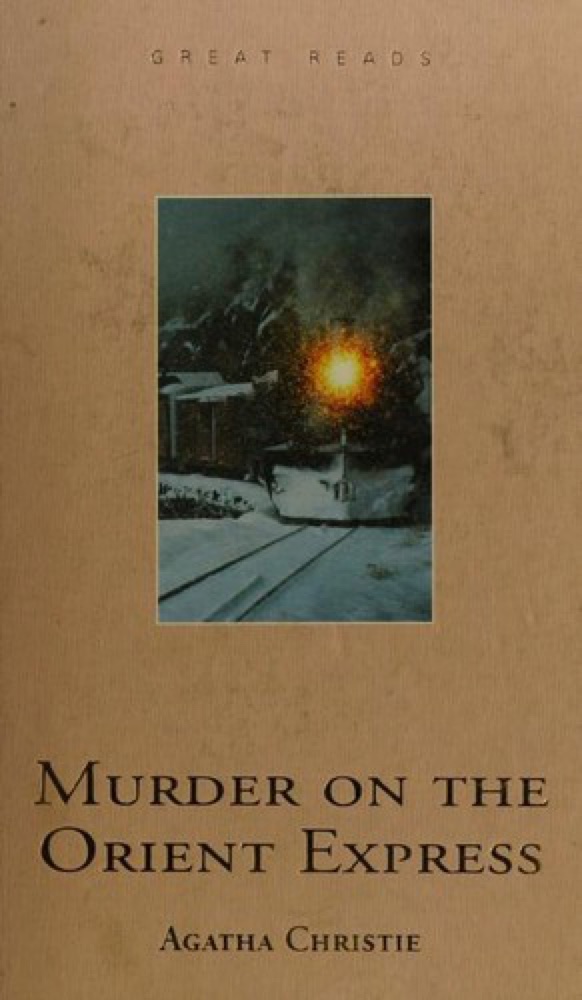 Murder on the Orient Express
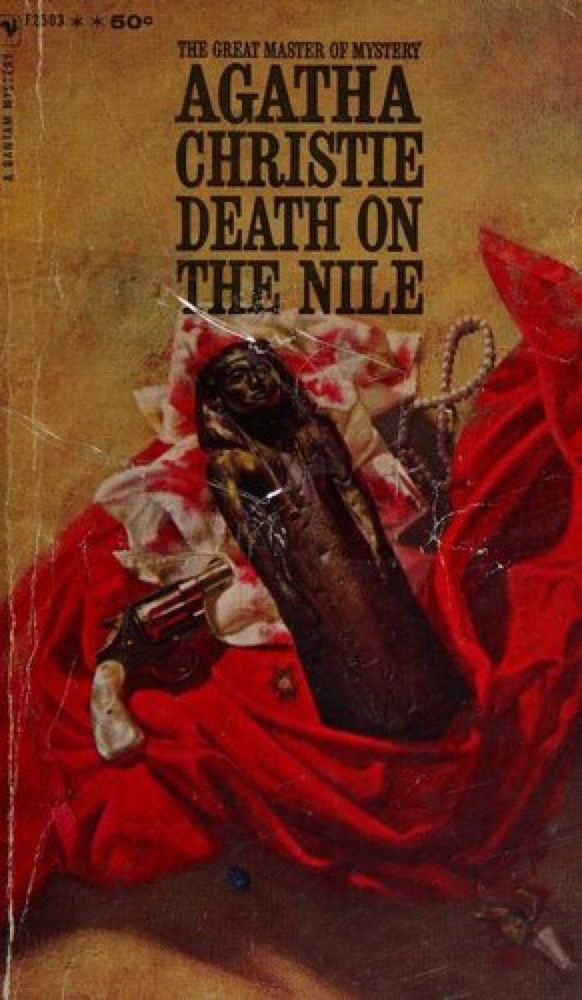 Death on the Nile
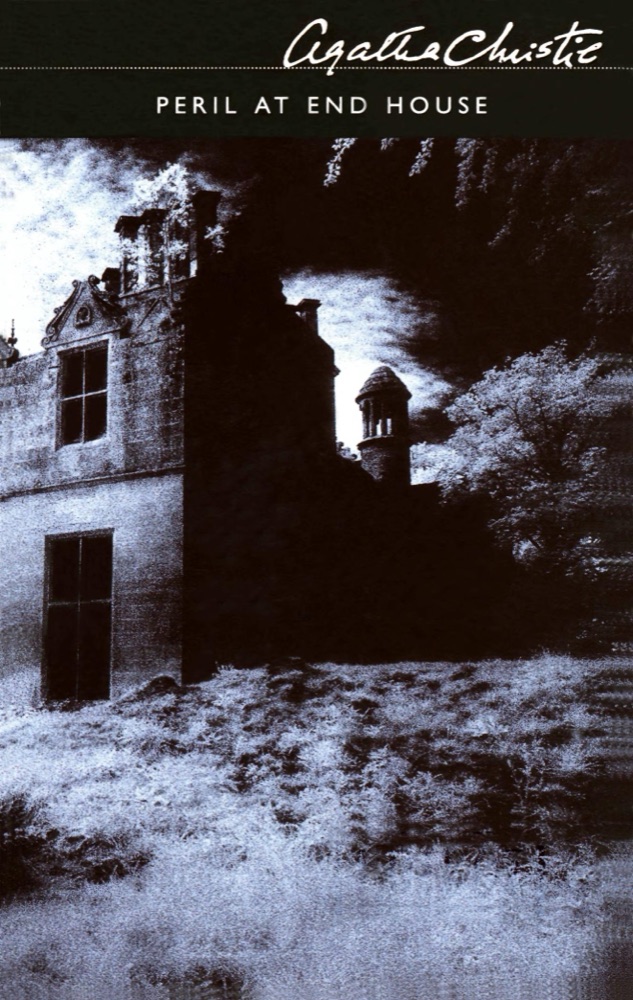 Peril at End House
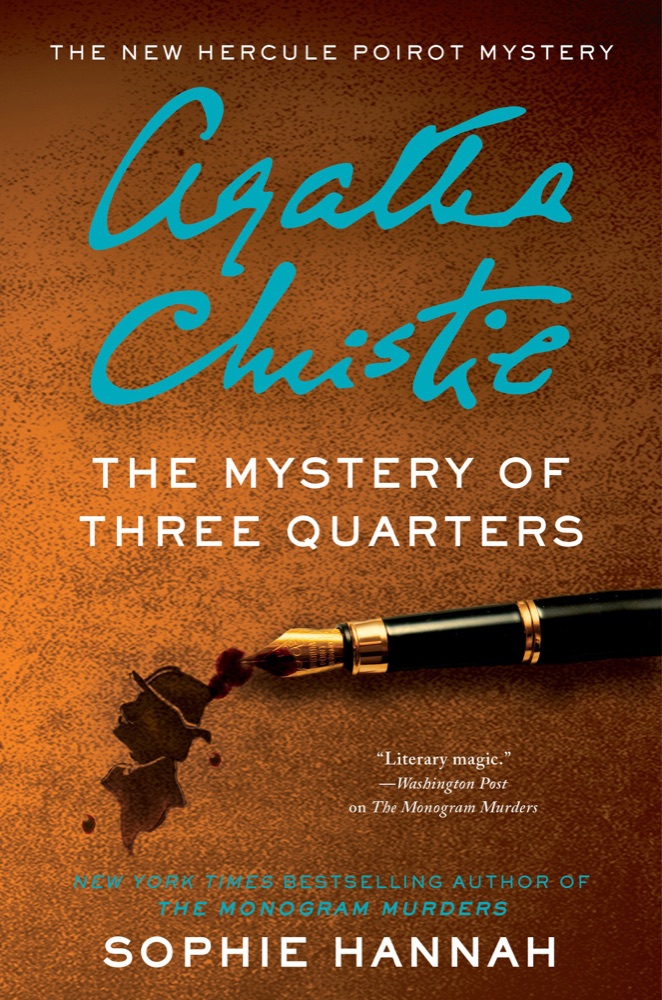 The Mystery of Three Quarters
 The Complete Sherlock Holmes
 Sherlock Holmes
 The Sign of Four
 Strong Poison
 Whose Body?
 Unnatural Death
 Live and Let Die
 Casino Royale
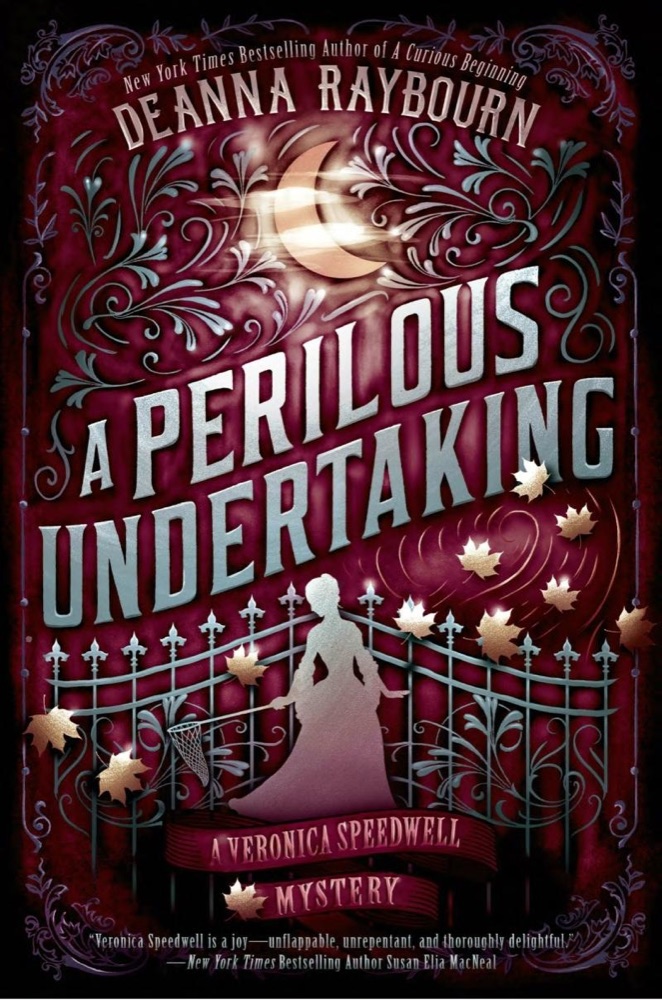 A Perilous Undertaking
 A Beautiful Blue Death
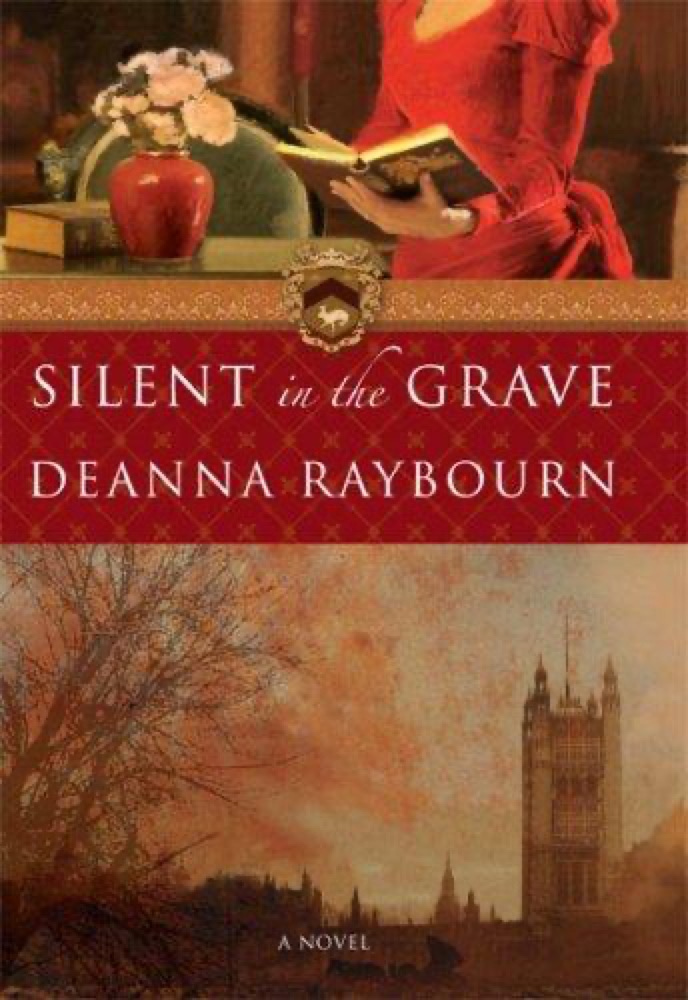 Silent in the Grave
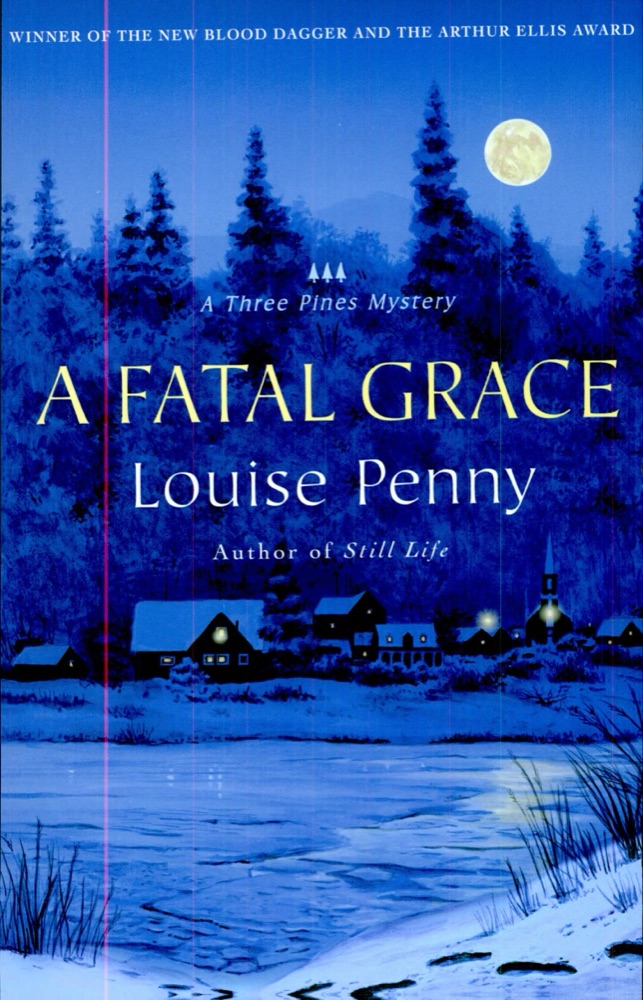 A Fatal Grace
 Life for Sale
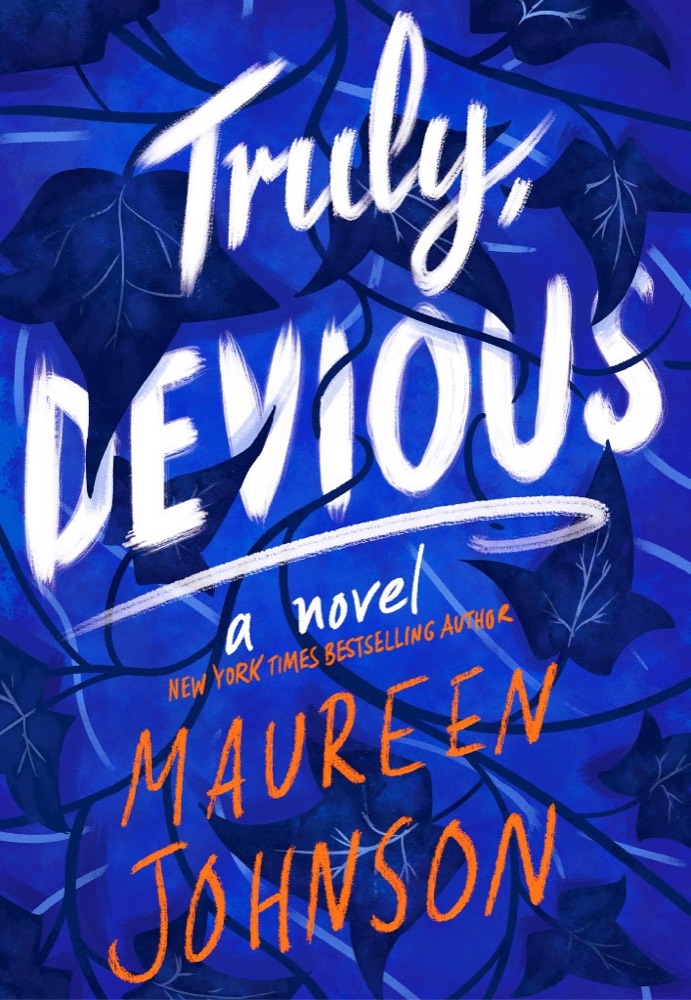 Truly, Devious
 Shades of Grey
 Howards End
 The Christie Affair
 The Bullet That Missed
 The Golden Tresses of the Dead
 Marble Hall Murders
 The Long Dark Tea-Time of the Soul
 The Moonstone
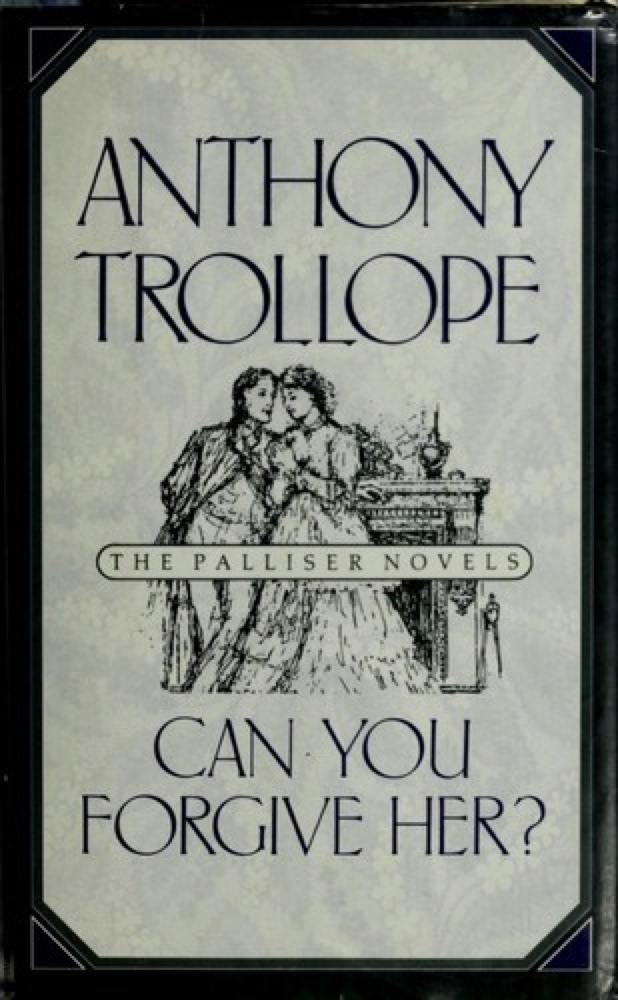 Can You Forgive Her?
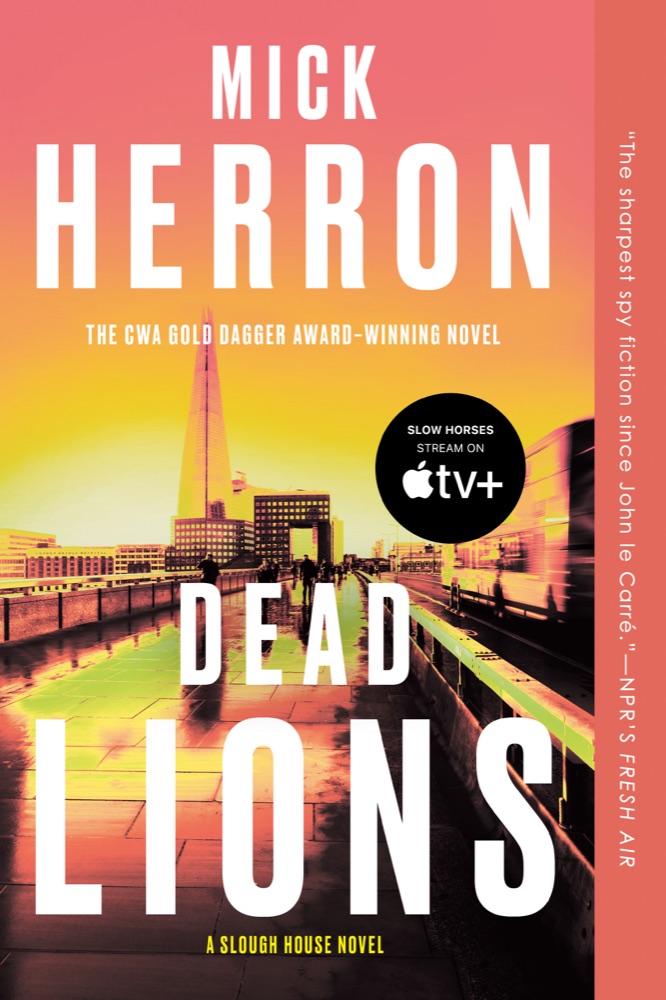 Dead Lions
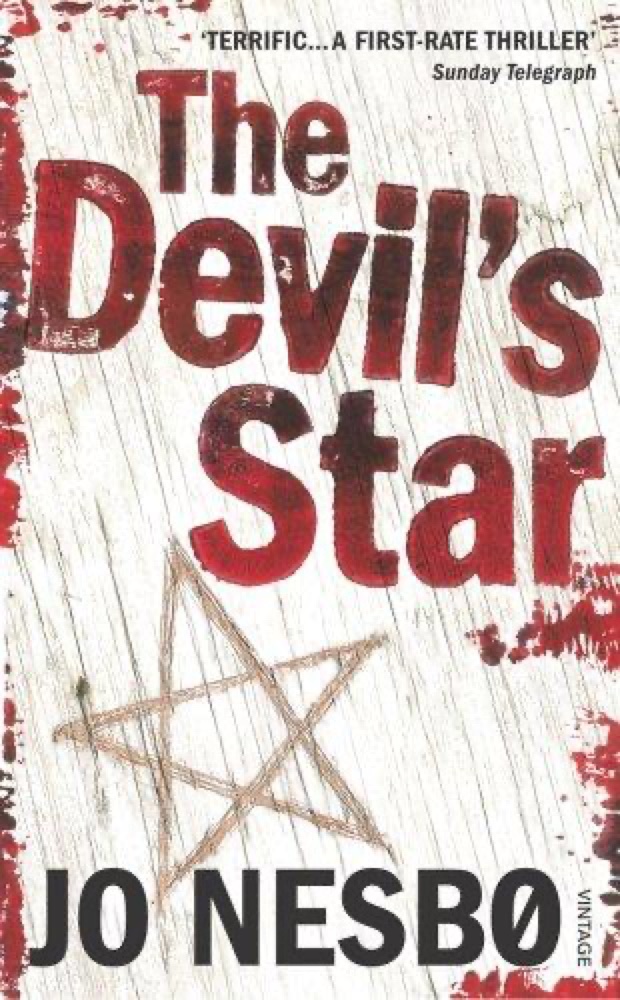 The Devil's Star
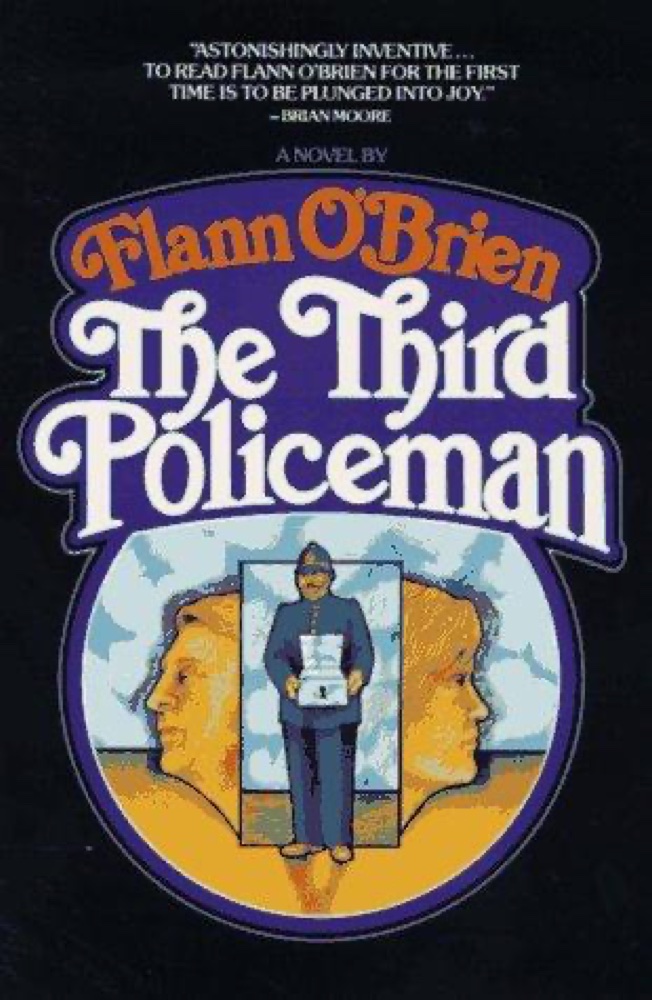 The Third Policeman
 Goldfinger
 The Honourable Schoolboy
 The Liar
 The Lady in the Lake
 Uncommon Criminals
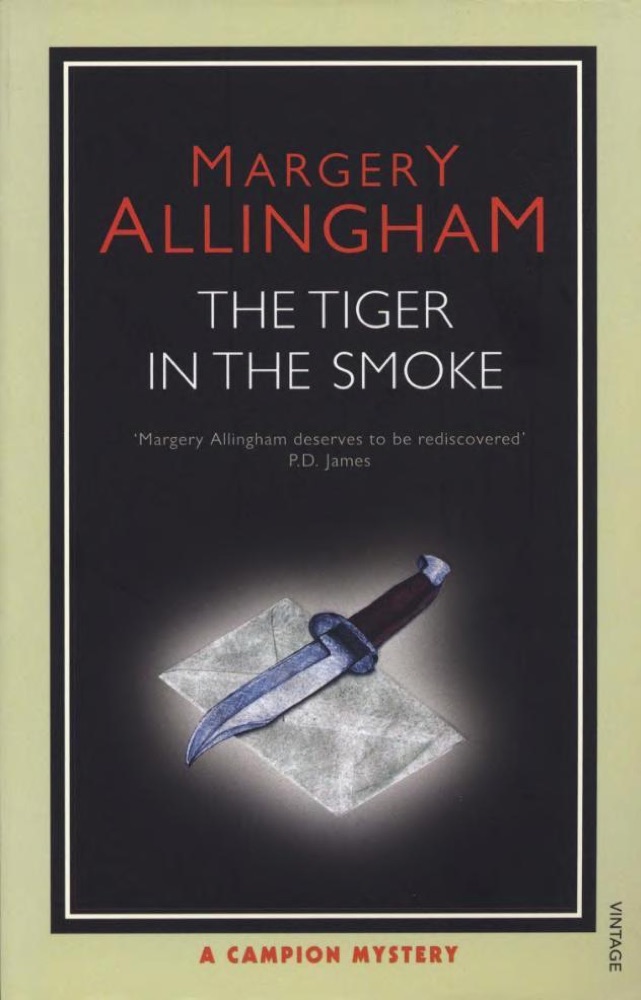 The Tiger in the Smoke
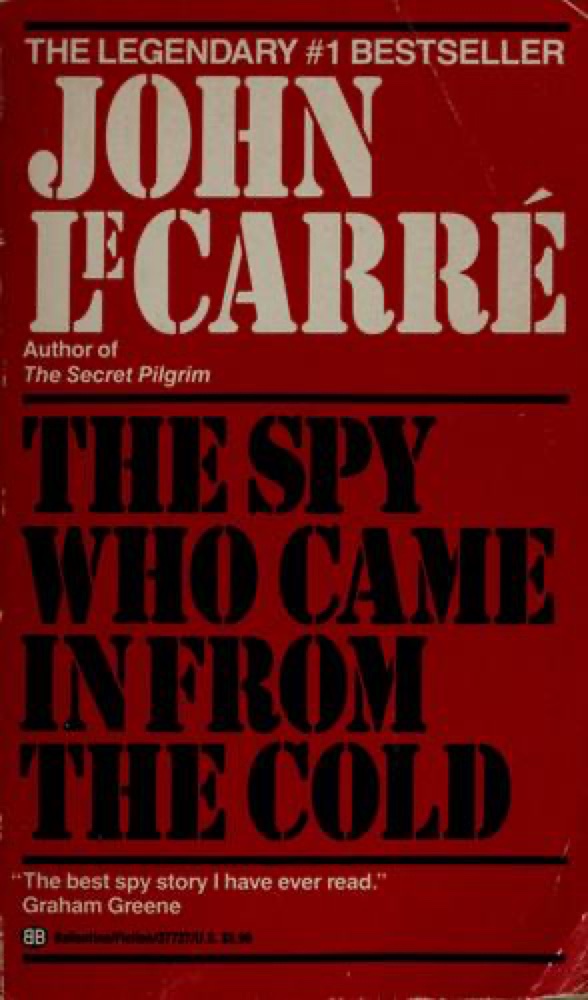 The Spy Who Came In from the Cold
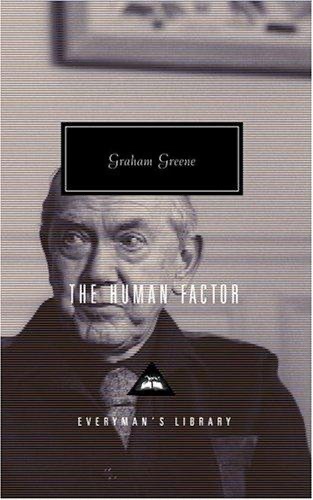 The Human Factor
 Angelmaker
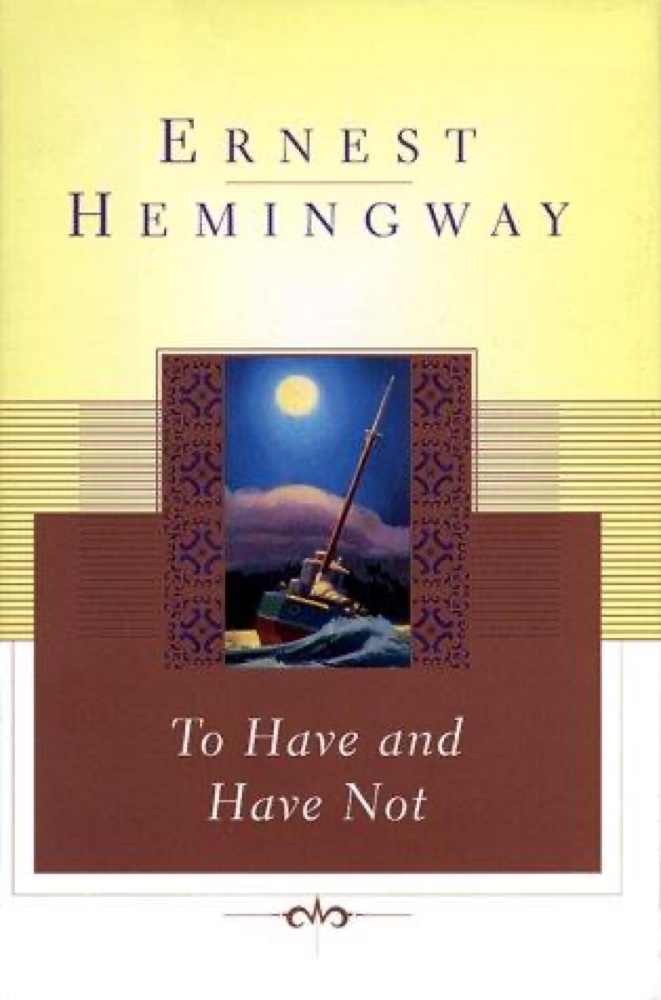 To Have and Have Not
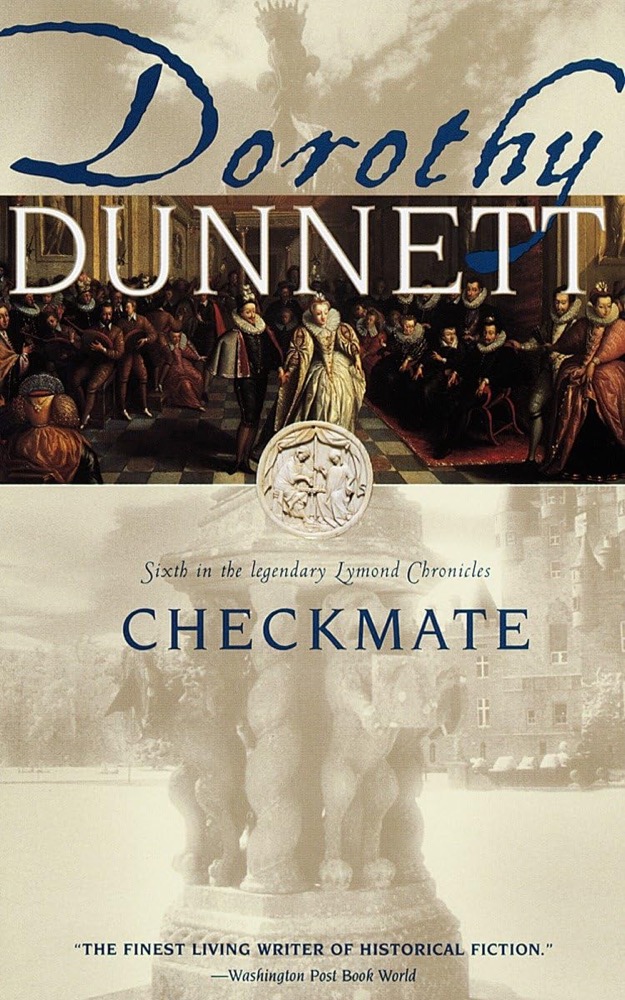 Checkmate
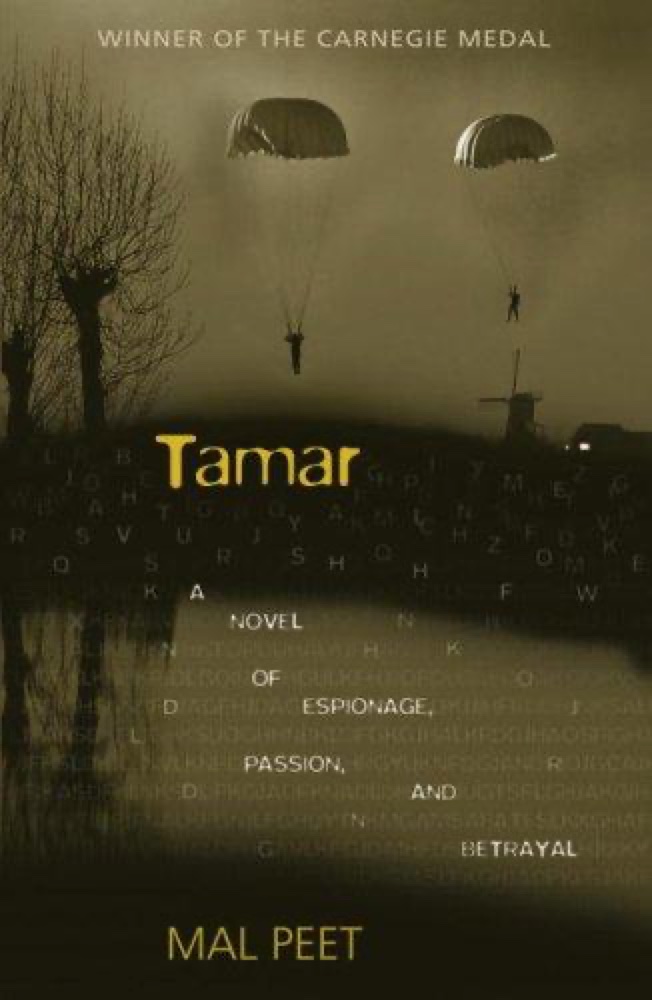 Tamar
Tamar
 Speaking from Among the Bones
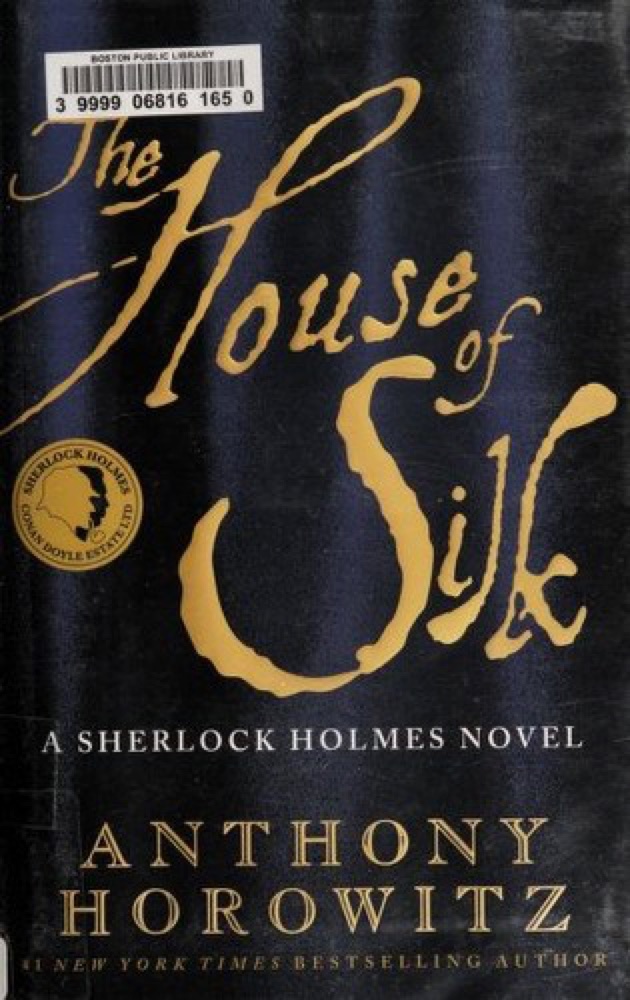 The House of Silk
 The Beekeeper's Apprentice
 In Cold Blood
 The Professor's House
 Joy in the Morning
 Hemlock & Silver
 The Eyre Affair
 That Hideous Strength
 A Burnt-Out Case
 Pnin
Pnin
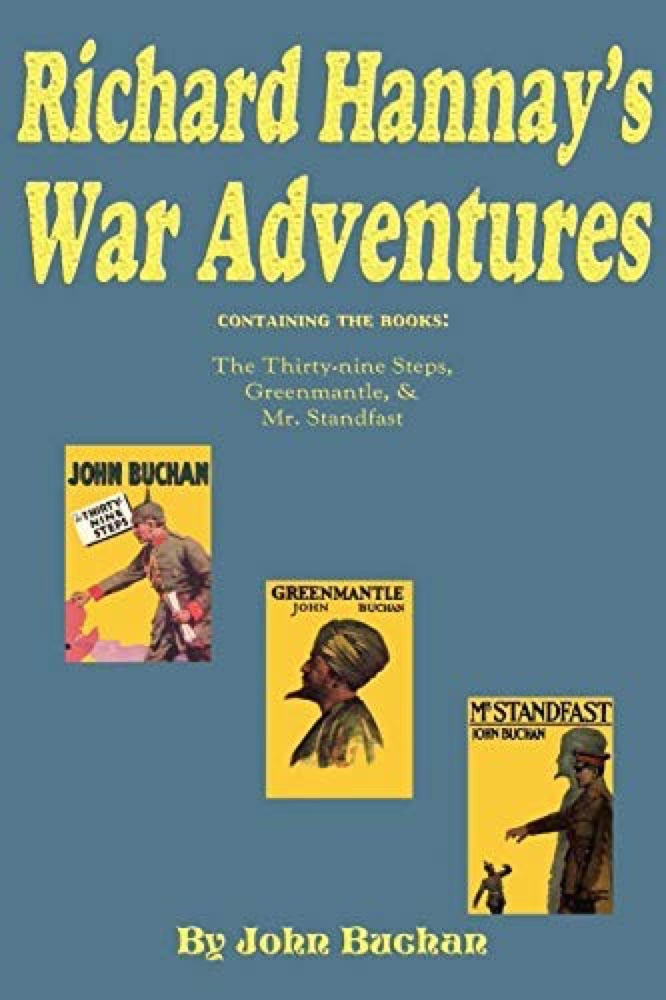 The 39 Steps
 The Mark of the Assassin
 The Fall
 The Nutmeg of Consolation
 Sweep in Peace
 The Broken Eye
 City of Thieves