
 Holy Bible: ESV Bible
Quotes from the Book
There's a fine line between being practical and being a candyass, which is a word that my father used to describe someone whom he considered to be the opposite of tough. ... Because I'm very afraid of becoming a candyass, I'll sometimes do things that I know to be impractical just so I don't have to worry about being a candyass.
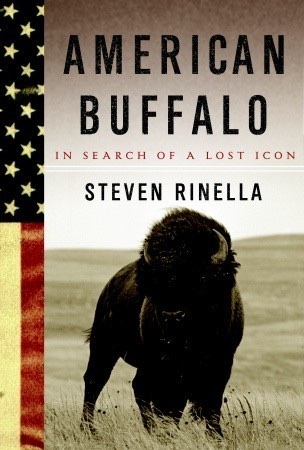
At once [the buffalo] is a symbol of the tenacity of wilderness and the destruction of wilderness; it's a symbol of Native American culture and the death of Native American culture; it's a symbol of the strength and vitality of America and the pettiness and greed of America; it represents a frontier both forgotten and remembered; it stands for freedom and captivity, extinction and salvation.
Every schoolboy knows that the Indians used every part of the buffalo, which is true. But they did not use every part of every buffalo.
I used to be endlessly troubled by meat-eating people who were uneasy with hunters and hunting. ... How can someone suggest that paying for the slaughter of animals is more justifiable than taking the responsibility for one's food into one's own hands? ... Civilization is a mechanism that allows us to avoid the necessary but ugly aspects of life; most of us do not euthanize our own pets, we don't unplug the life support on our own ailing grandparents, we don't repair our own cars, and we don't process our own raw sewage. Instead, the delegations of our less-pleasant responsibilities is so widespread that taking these things on is almost like trying to swim upriver. It's easier not to do them, and those who insist on doing so are bound to look a little odd.
Indians only needed so many implements and decorations. If a tribe drove three hundred buffalo over a cliff, they wouldn’t feel obligated to make twenty-four hundred buffalo-hoof spoons and six hundred buffalo-horn charcoal carriers. Rather, they might just take the meat and hides from the best-looking female buffalo, those that weren’t too smashed up or buried under other buffalo. That might be all they touched. After all, their time and energy had value, just as ours does.
Watch on YouTube
About Unknown
We have collected 3744 quotes from 245 books by Unknown on BookQuoters.
More about the author →More by Unknown
Holy Bible: ESV Bible
 Holy Bible, NKJV
 The New Oxford Annotated Bible: New Revised Standard Version
 Hagakure: The Book of the Samurai
Book details
- Author
- Unknown
- Genre
- History
- Goodreads rating
- 4.31 (11k ratings) →
Keep reading
 The Inconvenient Indian: A Curious Account of Native People in North America
 Fuzz: When Nature Breaks the Law
 The Log from the Sea of Cortez
 Neither Wolf Nor Dog: On Forgotten Roads with an Indian Elder
 Warrior Girl Unearthed
 Beyond Civilization: Humanity's Next Great Adventure
 Wild Ones: A Sometimes Dismaying, Weirdly Reassuring Story About Looking at People Looking at Animals in America
 Martin Marten
 Custer Died for Your Sins: An Indian Manifesto
 Why We Run: A Natural History
 Coyote America: A Natural and Supernatural History
 Eating Animals
 A History of the World in 100 Objects
 A Language Older Than Words
 Last Chance to See
 One Man's Meat
 Folks, This Ain't Normal: A Farmer's Advice for Happier Hens, Healthier People, and a Better World
 Vanishing Treasures: A Bestiary of Extraordinary Endangered Creatures
 Ishmael: An Adventure of the Mind and Spirit
 The Tusks of Extinction
 Friday
 A Short History of Progress
 1491: New Revelations of the Americas Before Columbus
 The Culture of Make Believe
 Cannery Row
 A Sand County Almanac and Sketches Here and There
 Thirteen Moons
 Starship Troopers
 The Hangman's Replacement: Sprout of Disruption
 Pocket Apocalypse
 Becoming Kin: An Indigenous Call to Unforgetting the Past and Reimagining Our Future
 Animal Liberation
 Ancillary Sword
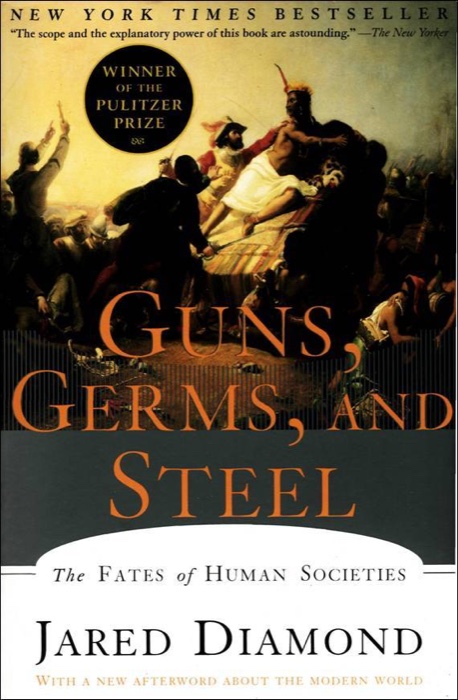 Guns, Germs, and Steel: The Fates of Human Societies
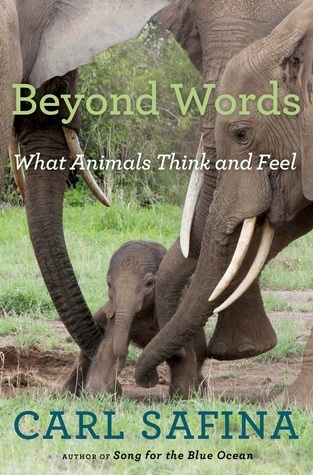 Beyond Words: What Animals Think and Feel
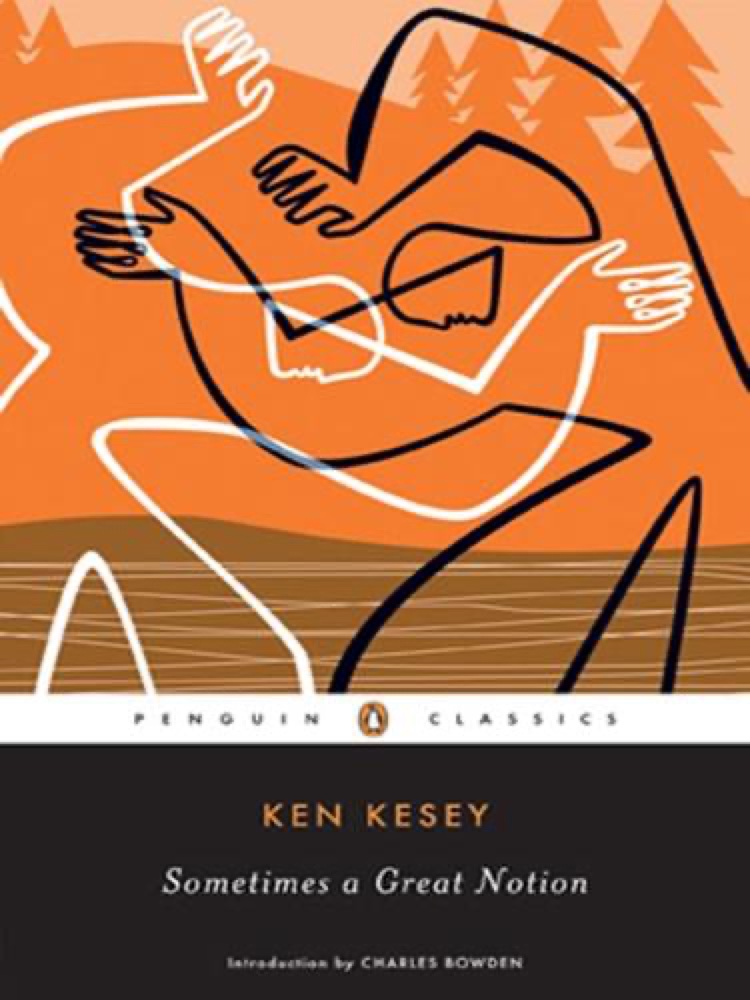 Sometimes a Great Notion
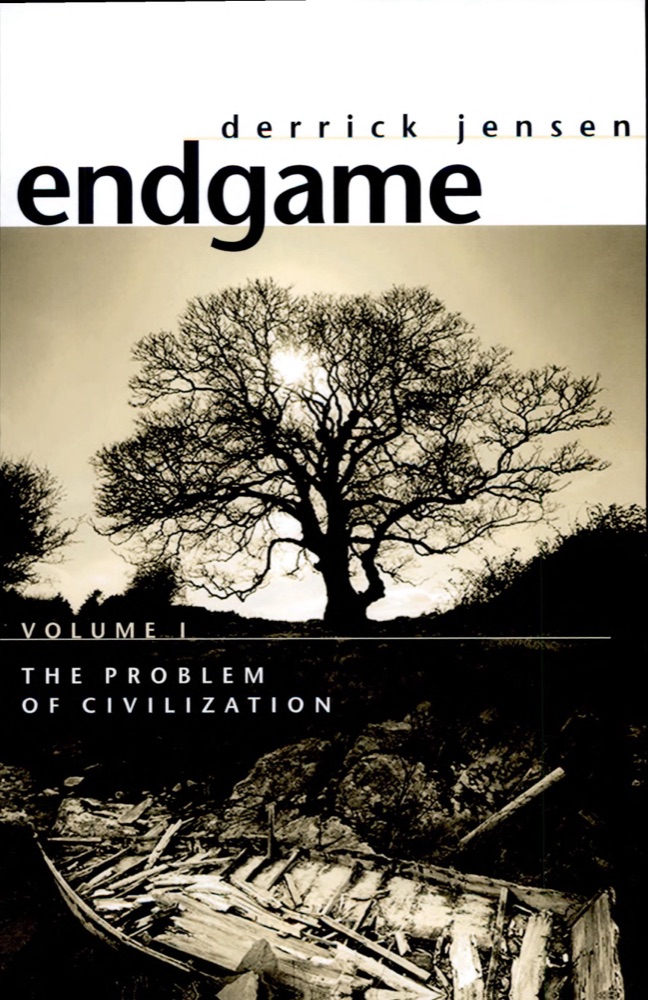 Endgame, Vol. 1: The Problem of Civilization
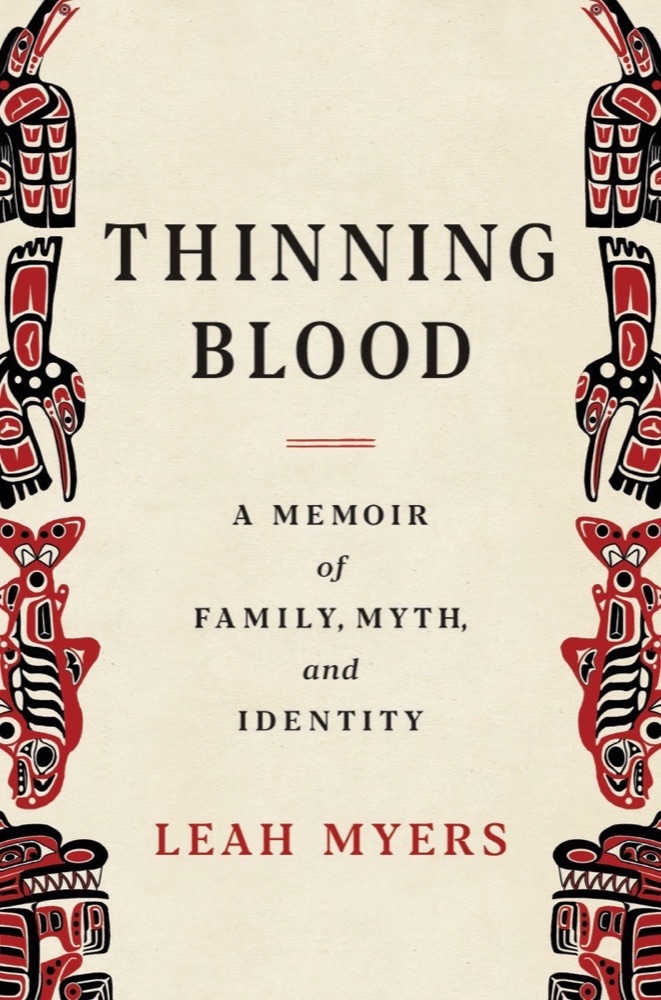 Thinning Blood: A Memoir of Family, Myth, and Identity
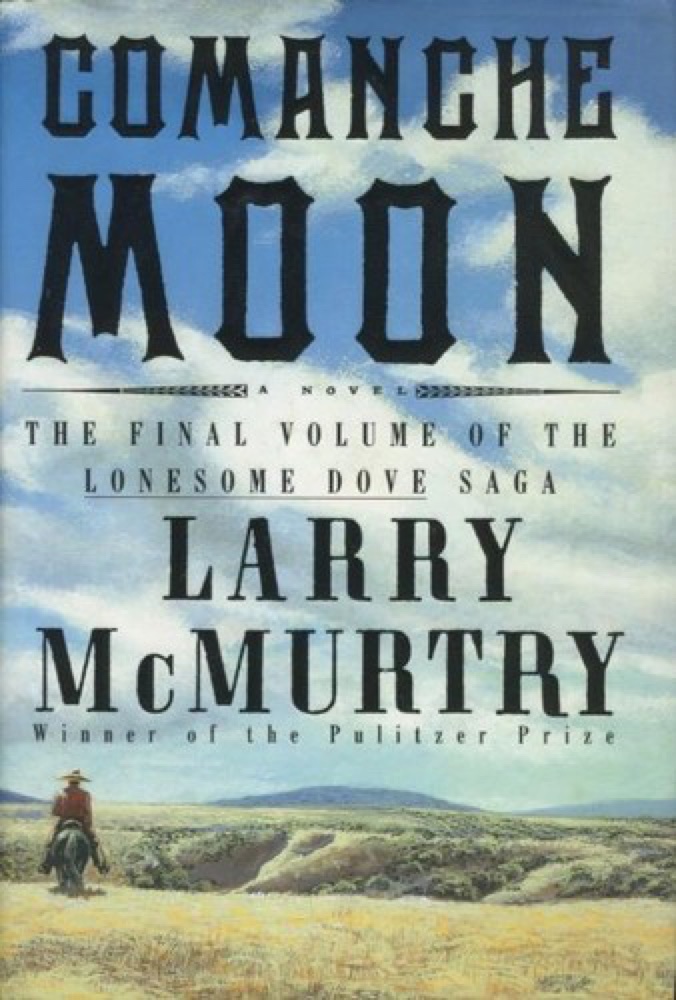 Comanche Moon
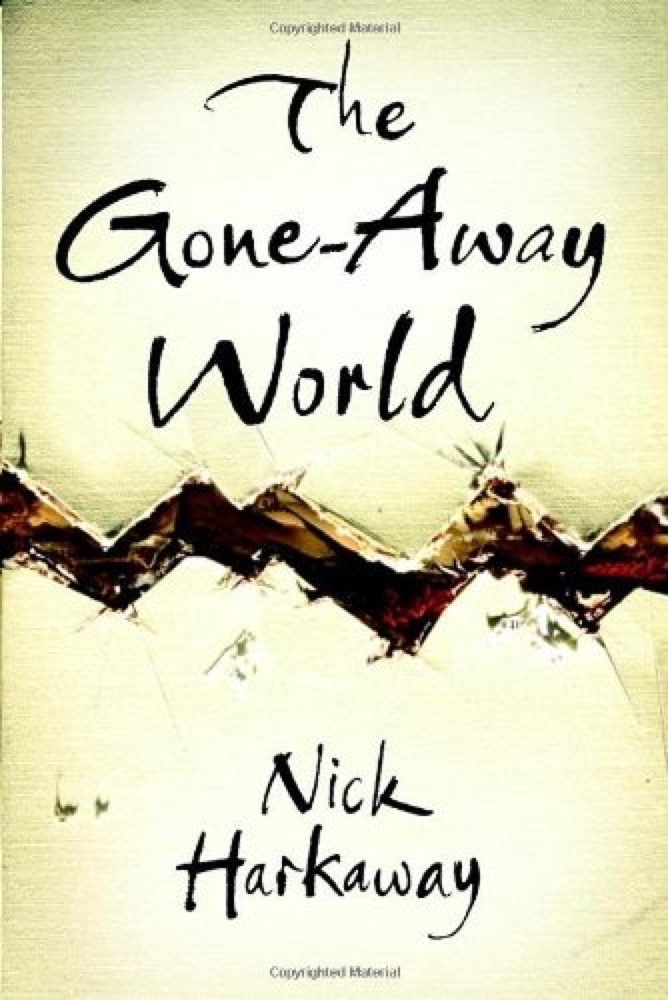 The Gone-Away World
 Freedom
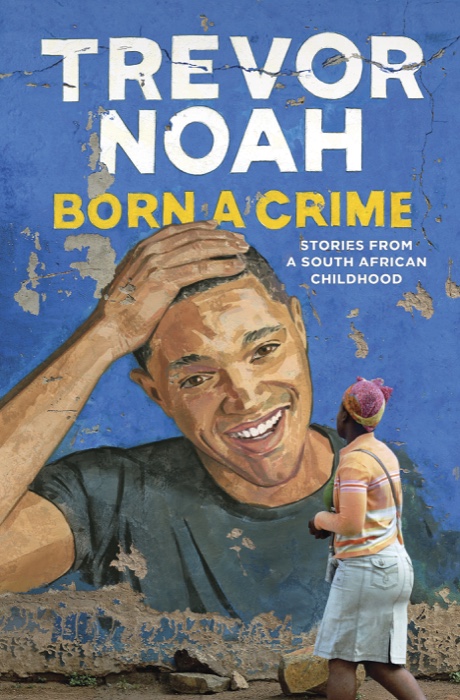 Born a Crime: Stories From a South African Childhood
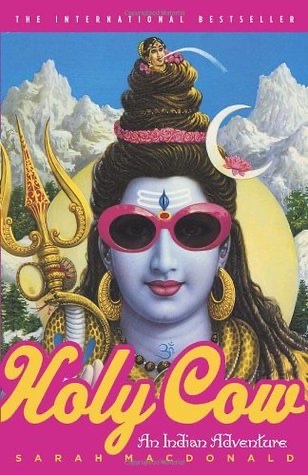 Holy Cow
 At Home: A Short History of Private Life
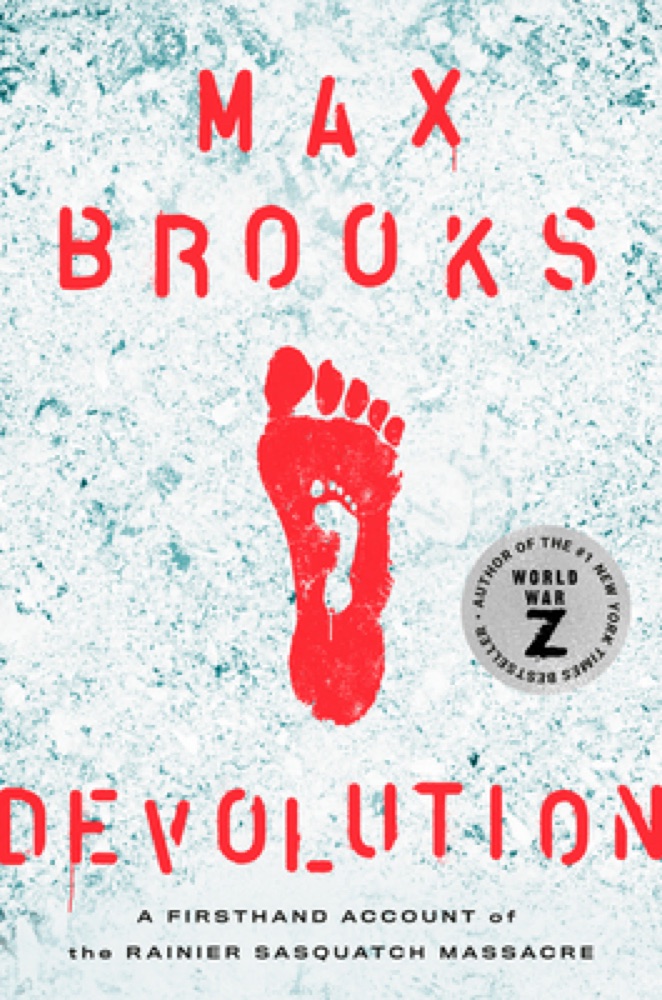 Devolution: A Firsthand Account of the Rainier Sasquatch Massacre
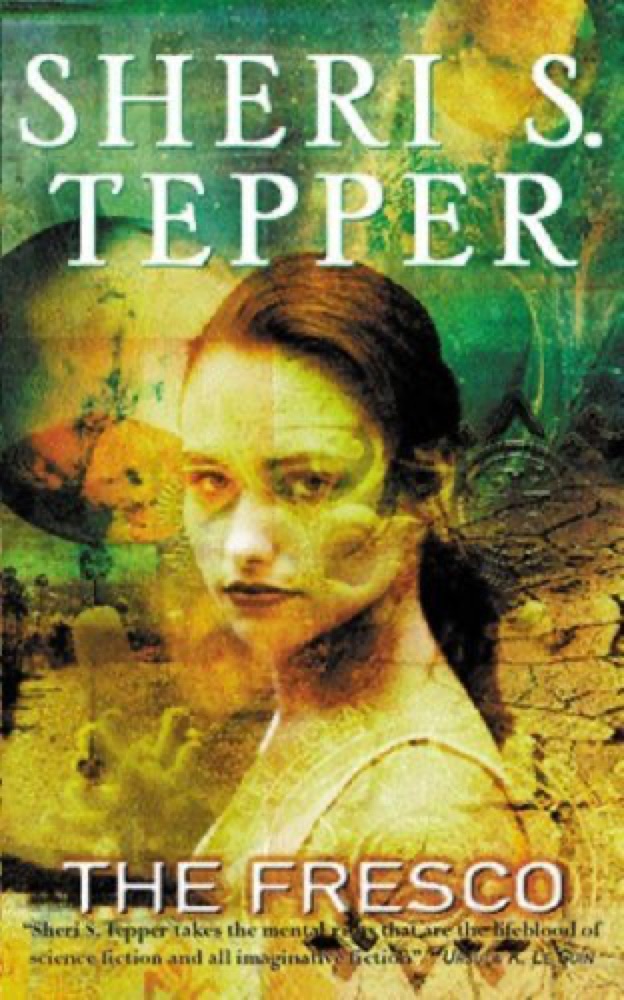 The Fresco
 I Am America
 Americanah
 The Mosquito Coast
 The Omnivore's Dilemma: A Natural History of Four Meals
 Wandering Stars
 Villa Incognito
 The World Peace Diet
 Why We Love Dogs, Eat Pigs, and Wear Cows
 Billions & Billions: Thoughts on Life and Death at the Brink of the Millennium
 Bury My Heart at Wounded Knee: An Indian History of the American West
 Civilized to Death: What Was Lost on the Way to Modernity
 Elephant Whisperer
 The White Tiger
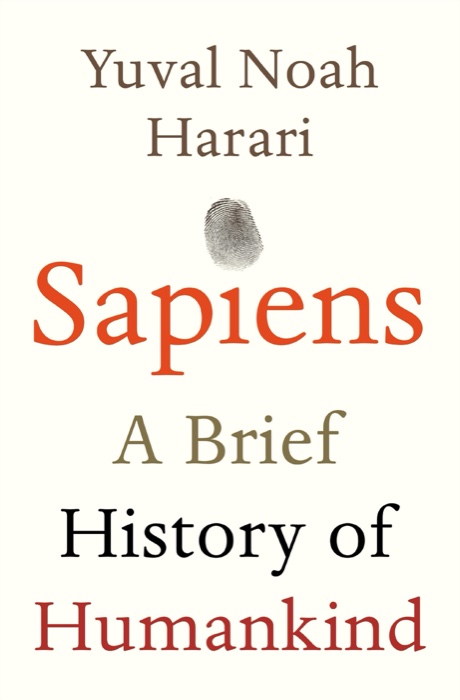 Sapiens: A Brief History of Humankind