
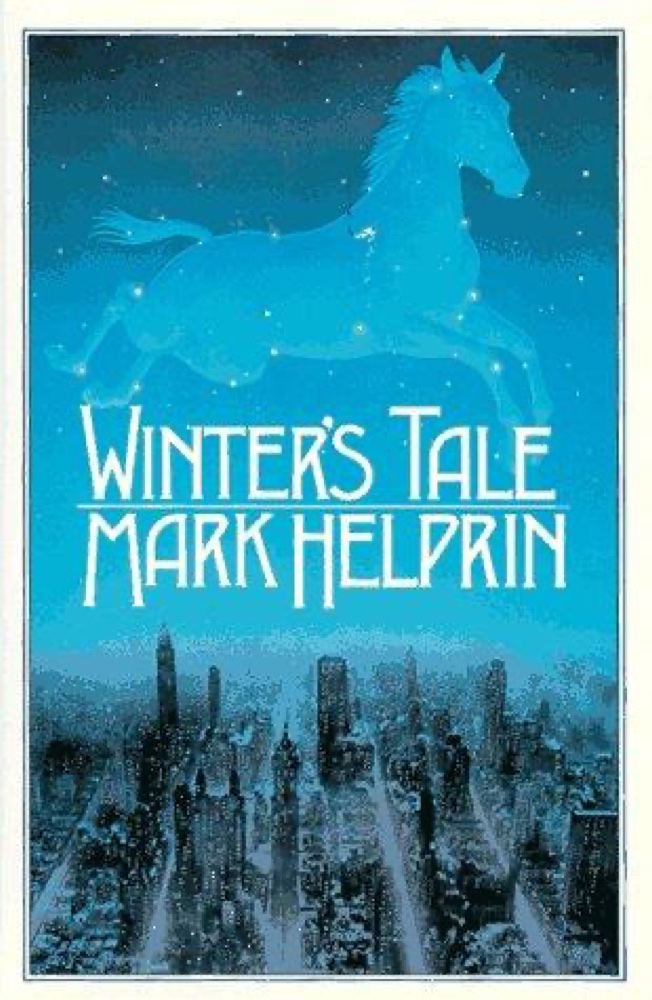
 Winter's Tale
Quotes from the Book
There were never moments in your life when you actually saw something end, for whether you knew it or not something else was always flowering. Never a disappearance, always a transformation.
Faith was a choice. So, it followed, was wonder.
His curse in life was to be attracted to people who understood him.
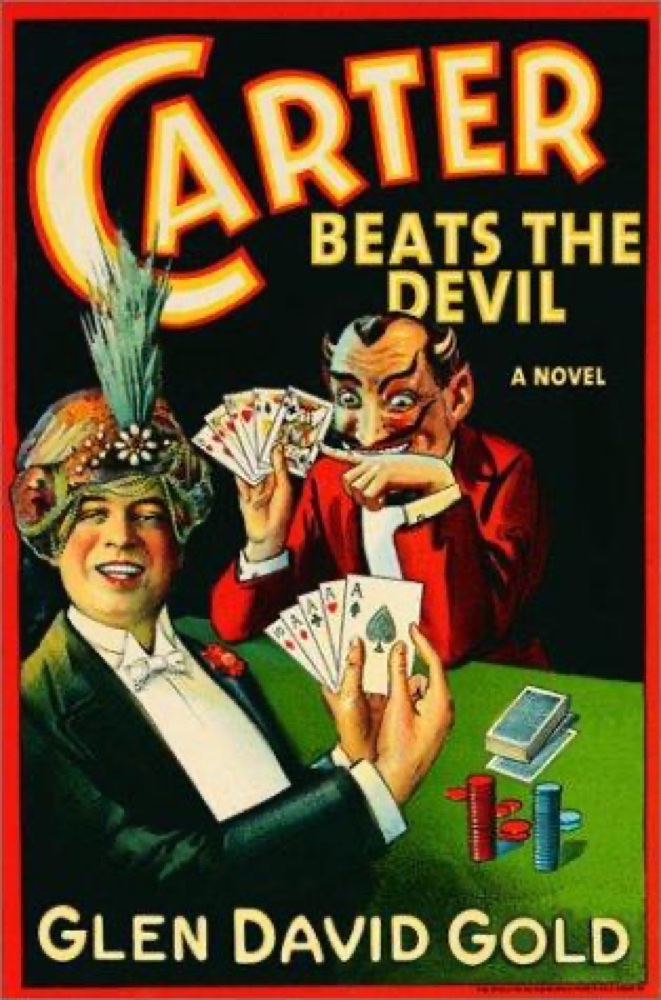
Each piece of the set was on a winch and pulley, bag-dropped, counterbalanced by nests of fifty-pound bags of sand. The setup was called a "Fairbanks," for the reason that when a stagehand so wanted, he could stand upon a knot on the rope, untie as few or as many bags of sand as he wanted, and ride nearly to the rafters like Zorro as the scenery lowered. There was no particular reason to ride that way, but because Carter allowed it, the team of men did so all night long, trading places at the top, jumping onto the ropes and riding back down later. With the mighty Egyptian set descending in its many pieces, the audience was deprived of a behind-the-scenes tableau of beauty: Carter's team swiftly riding ropes up to the catwalk and down to the stage again, simply because they could.
The most beautiful experience we can have is the mysterious. It is the fundamental emotion which stands at the cradle of true art and true science. Whoever does not know it and can no longer wonder, no longer marvel, is as good as dead, and his eyes are dimmed. —ALBERT EINSTEIN
She knew him. Somehow. And wasn't that quite marvelous?
He thought of the boys and girls who looked for sweethearts at Mountain View Cemetery, and chorus girls who met their beaux behind scrim, and office romances that flourished in the buildings on Market Street, and he felt like there were little lights in alcoves here and there across the city, in cozy dens, in doorways during rainstorms, or even a chilly balcony on the Ferry building. Everywhere, little pairs of glowing lights. When you walked a city, wherever you looked, someone had probably fallen in love.
Life is a tale told by an idiot, signifying nothing.
Man cannot survive by bread and water alone, but bread and water and hate?
Watch on YouTube
About Glen David Gold
We have collected 9 quotes from 1 book by Glen David Gold on BookQuoters.
More about the author →Book details
- Author
- Glen David Gold
- Genre
- Fiction
- Goodreads rating
- 4.09 (14k ratings) →
The buzz
- The New York TimesReview in The New York Timesprofessional review (via Book Marks)
- The New YorkerReview in The New Yorkerprofessional review (via Book Marks)
- The GuardianReview in The Guardianprofessional review (via Book Marks)
- Kirkus ReviewsReview in Kirkus Reviewsprofessional review (via Book Marks)
- Publishers WeeklyReview in Publishers Weeklyprofessional review (via Book Marks)
- BookPageReview in BookPageprofessional review (via Book Marks)
Keep reading
Winter's Tale
 The Damnation Game
 The Narrow Road to the Deep North
 Victory
 All the Pretty Horses
 Miss Lonelyhearts
 The Enchantress of Florence
 The Hunchback of Notre-Dame
 The Dean's Watch
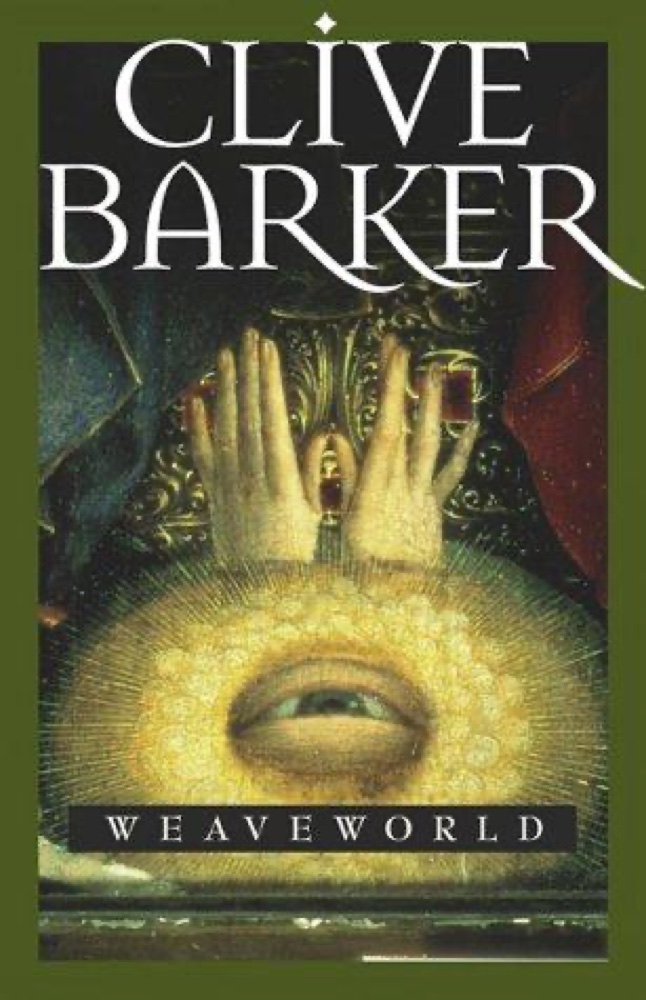 Weaveworld
 Ben-Hur: A Tale of the Christ
 The Luminaries
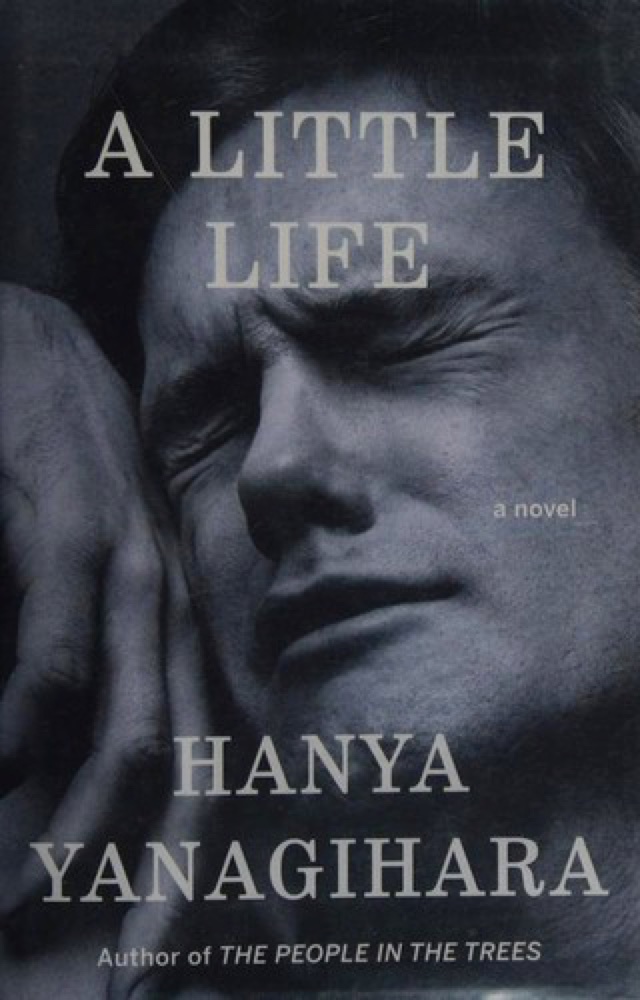 A Little Life
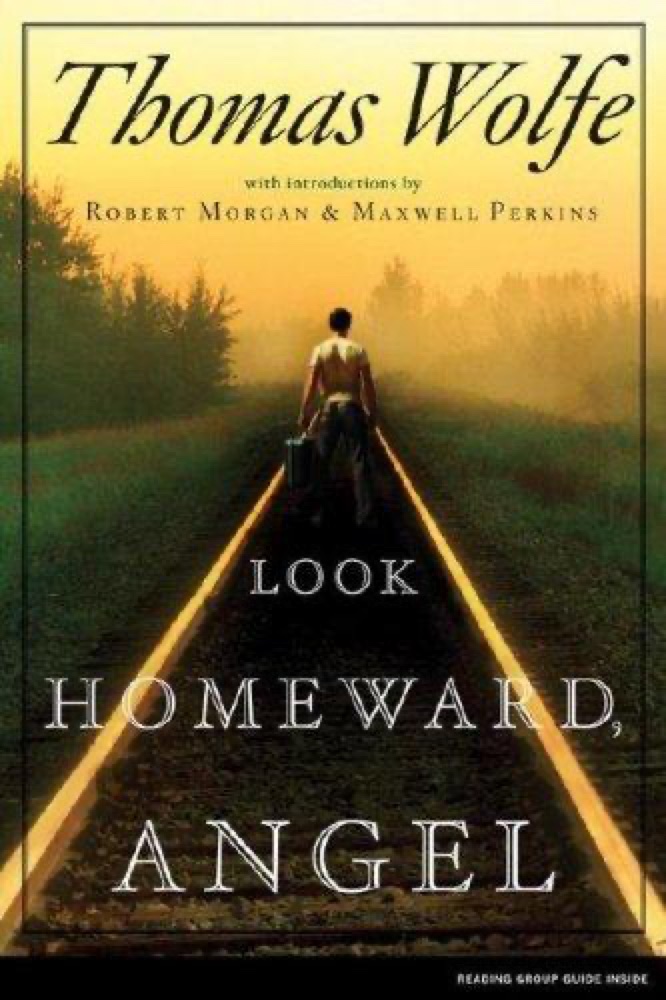 Look Homeward, Angel
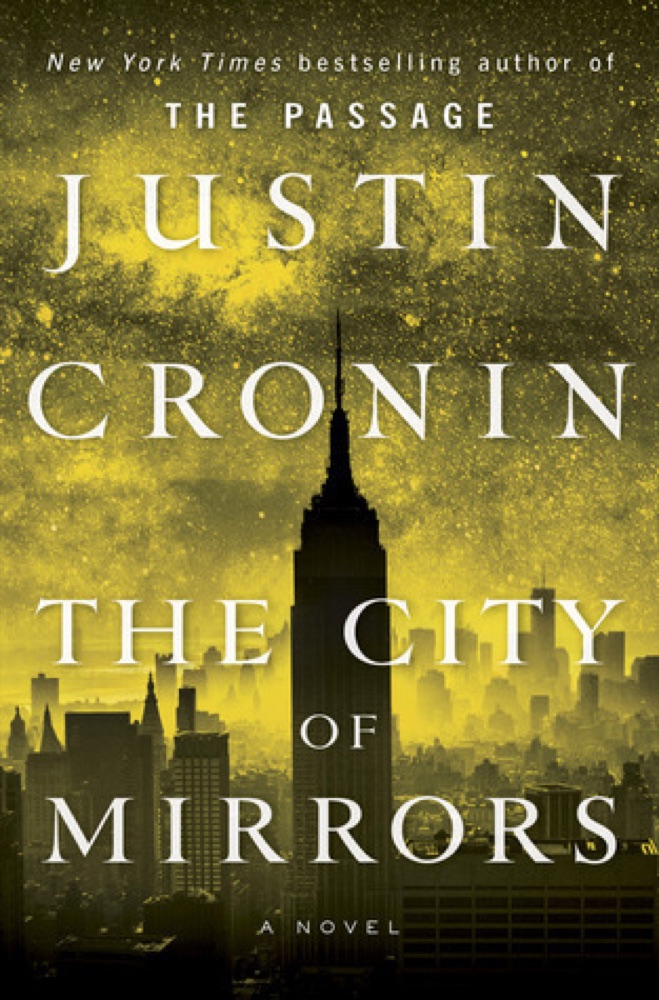 The City of Mirrors
 We All Looked Up
 The Power and the Glory
 Mythology
 Les Misérables
 The Stand
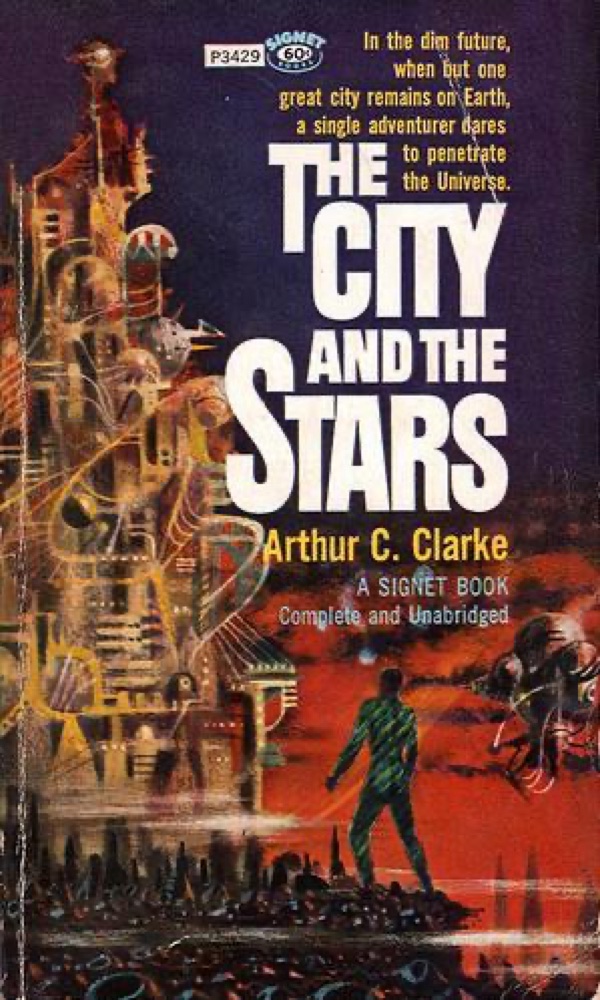 The City and the Stars
 Light Years
 Enchanted
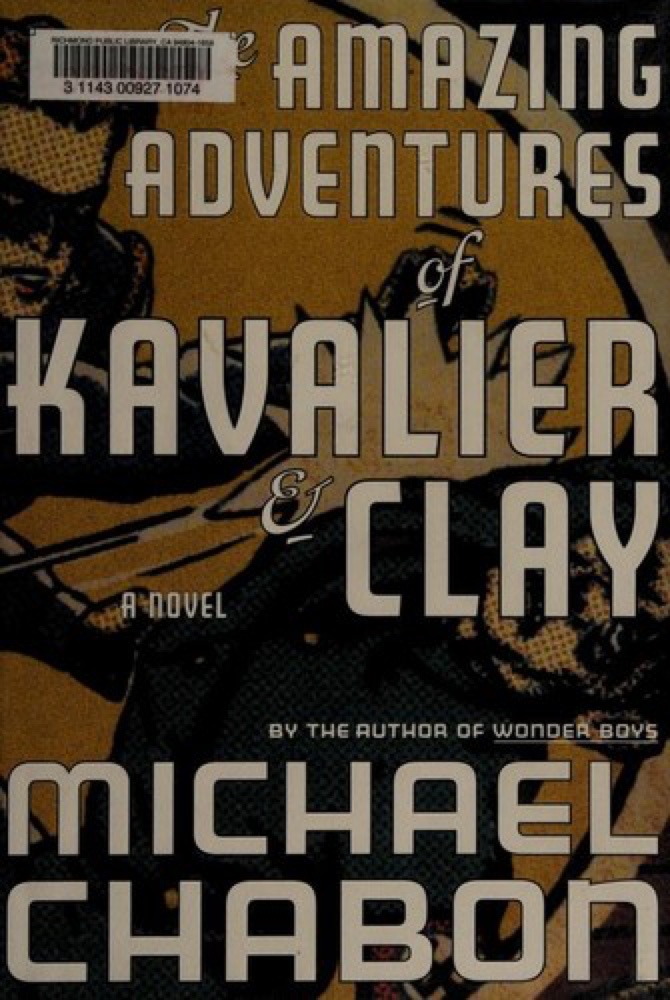 The Amazing Adventures of Kavalier & Clay
 Bel Canto
 The Great Mistake
 Enchantment
 The Lathe of Heaven
 A Time of Torment
 Dreams and Shadows
 The Pearl
 The God of Small Things
 Ragtime
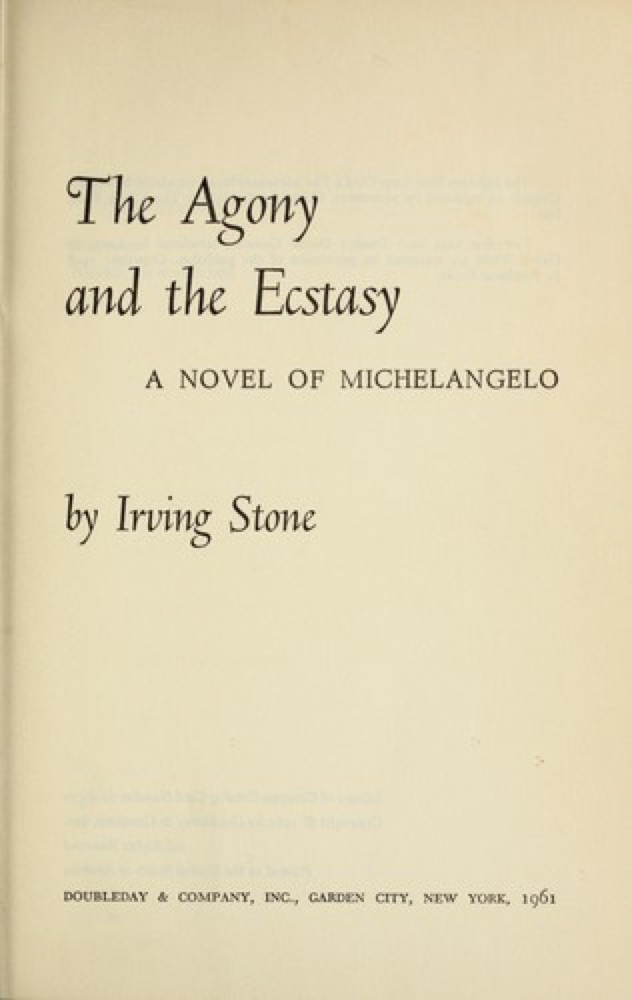 The Agony and the Ecstasy
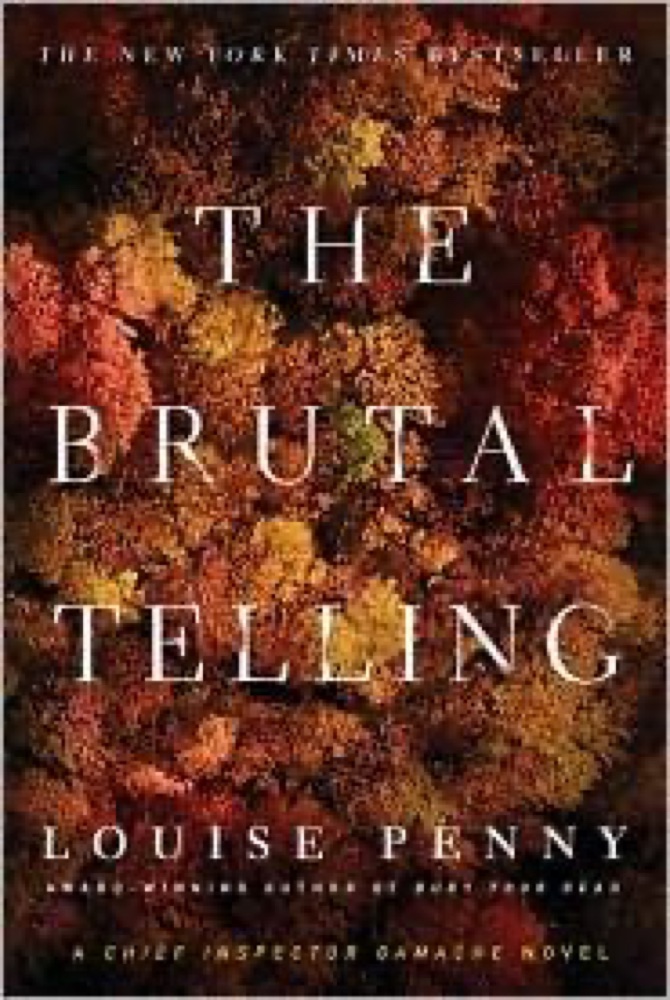 The Brutal Telling
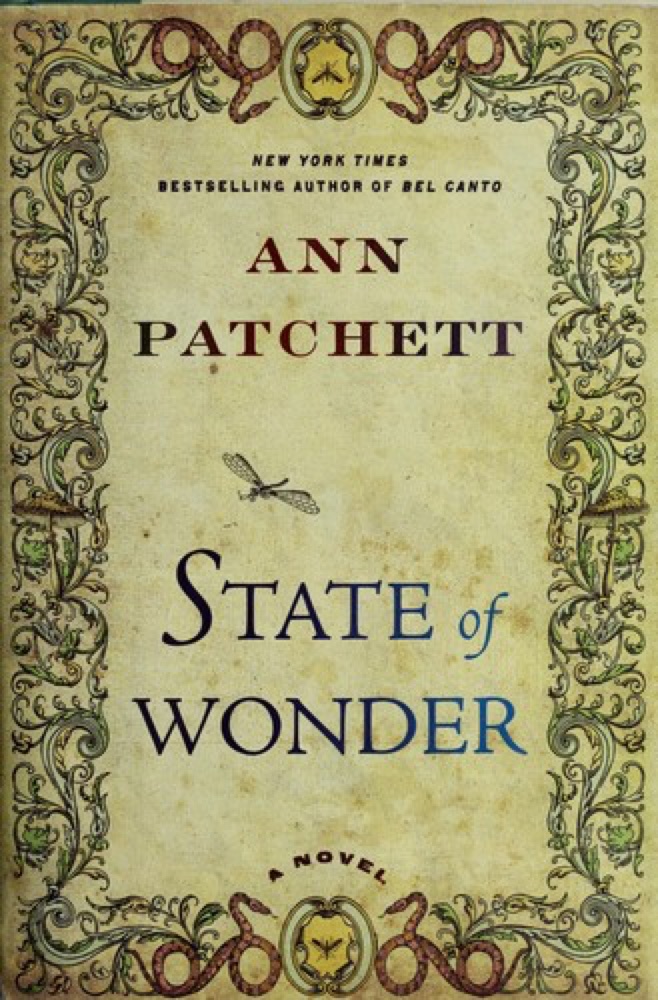 State of Wonder
 A Soldier of the Great War
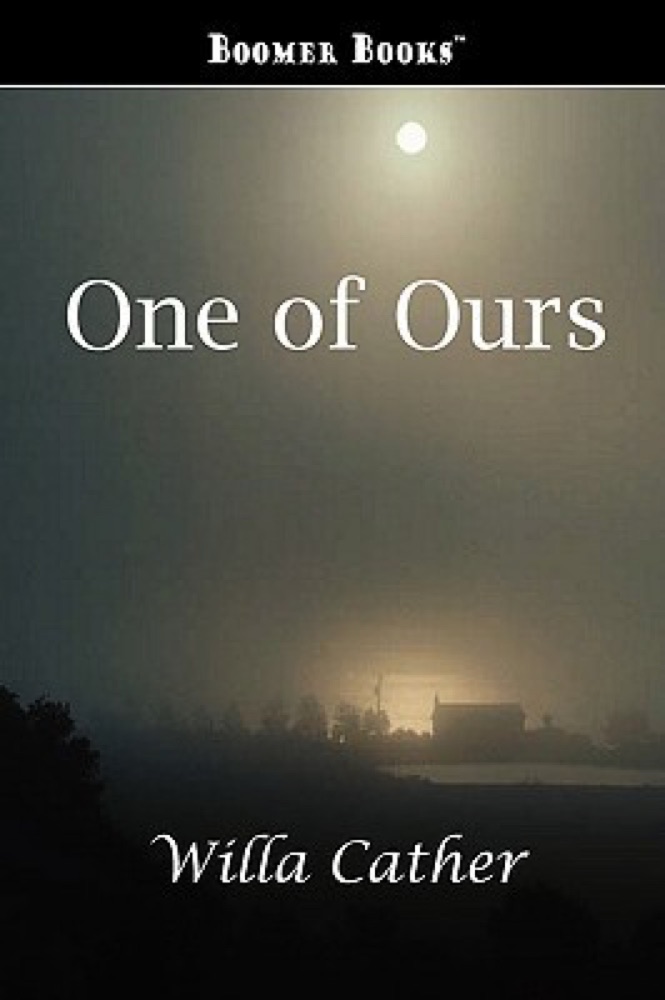 One of Ours
 The Drawing of the Three
 Absalom, Absalom!
 Wind, Sand and Stars
 Something Wicked This Way Comes
 The Longest Journey
 Atonement
 The Rose & the Dagger
 The Gunslinger
 Of Human Bondage
 A Conjuring of Light
 Arch of Triumph
 All the Colors of the Dark
 Little, Big
 The Great Gatsby
 The Eternal Wonder
 Tuesday Nights in 1980
 Orlando
 Ceremony
 The Wolf Gift
 Beautiful Ruins
 Embers
 The Ministry of Fear