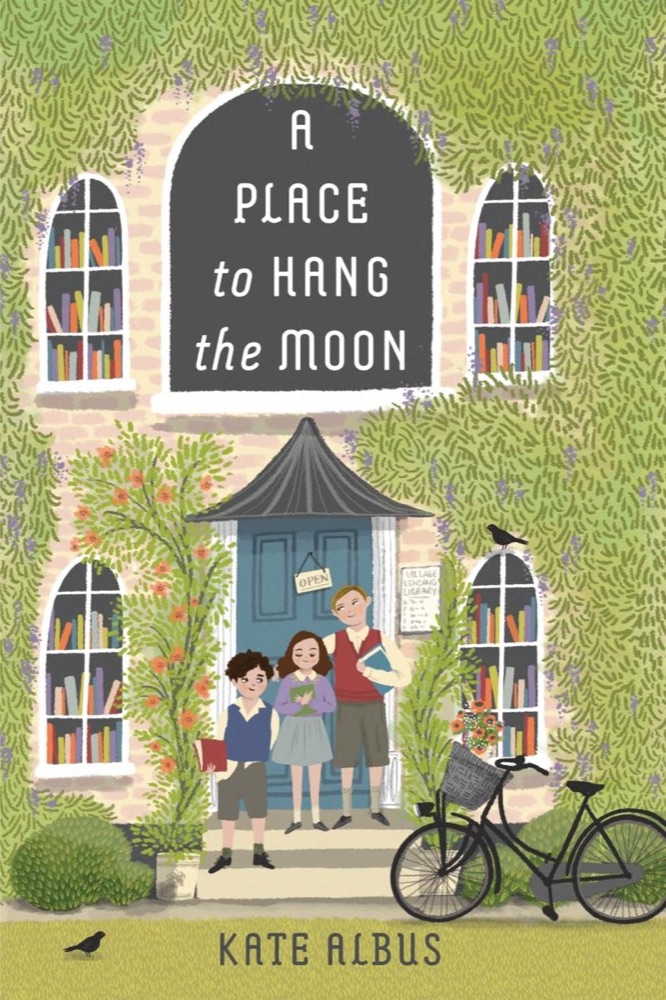

 The Children's Book
Quotes from the Book
The first words of a new book are so delicious—like the first taste of a cookie fresh from the oven and not yet properly cooled.
30
It is often the case that, at times of great anxiety, when the diversion of a good story should seem most welcome, one is least equipped to focus one’s mind on reading.
13
A librarian seemed a good sort of friend to have.
12
Besides which, I really ought to send her a book instead. Though she’s not much of a reader.” She paused. “Evidence as to her character.
9
The librarian chuckled. “I suppose there are rather a lot of orphan stories out there.” “Why do grown-ups write so many of them?” William asked. “I hadn’t really thought about it,” Mrs. Müller confessed. “Perhaps they think children fancy the notion of living on their own, without adults to tell them what to do. It’s quite daft, if you think about it, isn’t it?
7
Fibs, you must know, are entirely acceptable when they serve the purpose of getting one to the library.
7
This sort of love, the children knew only from one another- and from books.
5
The librarian took this all in, standing by the fire and observing the children for a while, letting the silence be. Somehow, it didn’t feel awkward, the way silences often do. Perhaps librarians are more used to quiet than most.
4
As the children sank into sleep, the words of the familiar rhyming tale were comfort and tenderness, ritual and home. A sort of prayer. A sort of lullaby. It set them on the path to dreams that felt rather like hope.
3
The very idea. To pick just one favorite book seemed impossible as - well, as finding a family through a mass wartime evacuation. But there you have it.
3
William, Edmund, and Anna knew, somewhere deep in the place where we know things that we cannot say aloud, that they had never lived in the sort of home one reads about in stories - one of warmth and affection and certainty in the knowledge that someone believes you hung the moon.
2
Inside, the children were greeted by the sort of cool and reverent silence known only to places that house books- well, and perhaps artwork and religious artifacts. Mismatched bookcases stood back to back and side to side, making raucously wobbly passageways of words.
2
know, Will,” Edmund said. “You needn’t worry. I won’t muck anything up.” He peeled back the duvet, climbed into the bed, and curled himself into a ball. At this, Mrs. Müller appeared in the doorway bearing a load of crisp white linens, patchwork quilts, and hot-water bottles wrapped in knitted cases the same dove gray as the blanket. On top of the teetering pile was a book. As she set her load down on the dressing table, she looked at Edmund. “Lord love you, child.” She went to the bedside, lifted the duvet, and tucked a hot-water bottle at Edmund’s feet. She tested his forehead once again with the palm of her hand. “Perhaps we’ll forgo the clean linens, just for tonight,” she said. “I hate to extract you, Edmund.” “Yes. I mean—thank you,” he murmured. The librarian smiled and looked at William and Anna. “If I had someplace else to put you two, I’d keep you out of the sick room, but short of making up beds on the floor somewhere…” She trailed off. “We’ll be fine,” William said. “Honestly.” Anna nodded in agreement. None of them wanted to be separated, anyhow. “In bed, then,” Mrs. Müller said. “All three of you.” She pulled back the duvet on the other side of the bed and laid down another hot-water bottle. Anna climbed into the middle, and William took his place beside her. The librarian tucked the duvet around the three of them and brushed each one’s cheek with a tenderness that even Edmund found acceptable. She retrieved the book she’d carried in with the linens and handed it to William. “Perhaps you’re all too old for bedtime stories, but what sort of librarian would I be if I didn’t provide you with some reading material?” For a long moment, the children only looked at one another. Mrs. Müller drew the wrong conclusion from their silence. “Oh, dear. You are entirely too old for bedtime stories, aren’t you?” She took a step back. “Not having children of my own, I’m sure to make a mess of these things—” “No,” Anna whispered. “We’re not too old.” Mrs. Müller looked at the boys. “We’re not too old,” William agreed. “Definitely not,” Edmund said, his voice cracking. Perhaps it was his head cold. But probably not. “Well”—the librarian gestured toward the book in William’s hands—“I hope that one will suit you.” “It will,” Anna said. “Good night, then,” the librarian whispered. As she headed for the door, all three children had the same wish. All three children were surprised that it was William who voiced it. “Would you read it to us?
1
Edmund took in the boy's mended jacket, the eyes underlined in shadows, the skin above his upper lip chapped raw from a dripping nose gone unattended, and saw the sort of hunger whose endless digs a pit in a person. Being eleven, Edmund wouldn't have put it quite in those words, but he recognized it nonetheless.
1
A Little Princess. This one, Anna hadn’t read. She paged through the book, catching phrases: warm things, kind things, sweet things…nothing so strong as rage, except what makes you hold it in…a princess in rags and tatters…
1
Their pages spoke of the past, a reminder that the battered old world had whirred for a very long time indeed, and that even his latest buffeting would likely be withstood.
1
Anne of Green Gables?” she asked.
Like a parlor, only friendlier, I hope.” Crinkles appeared at the corners of her eyes. “That’s where Father Christmas has left your things.” Anna gasped. “I knew he’d find us.
Mrs. Müller’s eyes sparkled. “I believe it was the poet, Mr. Yeats, who said that the world is full of magic things, patiently waiting for our senses to grow sharper?
To the left was a parlor with an arrangement of tufted chairs. No bookcase, Anna noticed. She supposed bookcases were not necessarily requirements of good parents.
Edmund, though he would never admit it, was prone to motion sickness and was just hoping he wouldn’t have to ask the solicitor to pull the car to the side of the road.
Watch on YouTube
About Kate Albus
We have collected 21 quotes from 1 book by Kate Albus on BookQuoters.
More about the author →About the book
Set against the backdrop of World War II, Anna, Edmund, and William are evacuated from London to live in the countryside, bouncing from home to home in search of a permanent family.
It is 1940 and Anna, 9, Edmund, 11, and William, 12, have just lost their grandmother. Unfortunately, she left no provision for their guardianship in her will. Her solicitor comes up with a preposterous plan: he will arrange for the children to join a group of schoolchildren who are being evacuated to a village in the country, where they will live with families for the duration of the war. He also hopes that whoever takes the children on might end up willing to adopt them and become their new family--providing, of course, that the children can agree on the choice.
Moving from one family to another, the children suffer the cruel trickery of foster brothers, the cold realities of outdoor toilets, and the
Book details
- First published
- 2021
- Author
- Kate Albus
- Genre
- Historical
- Goodreads rating
- 4.56 (25k ratings)
Keep reading
The Children's Book
 Keeper of Enchanted Rooms
 Midnight at the Christmas Bookshop
 Death Watch
 The Invisible Library
 Inkheart
 The Distant Hours
 The Broken Girls
 The Girl at Midnight
 The Last Bookshop in London
 The Christmas Bookshop
 The Uncommon Appeal of Clouds
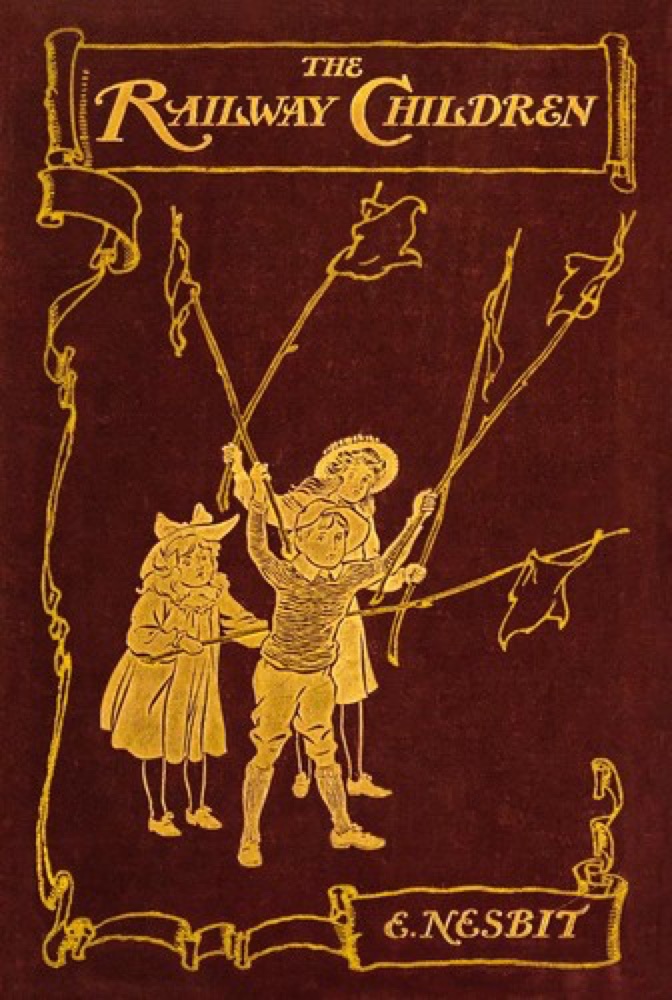 The Railway Children
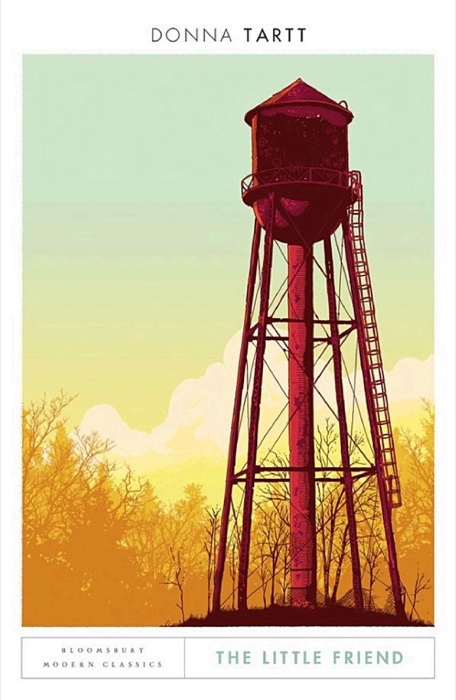 The Little Friend
 The Novel Habits of Happiness
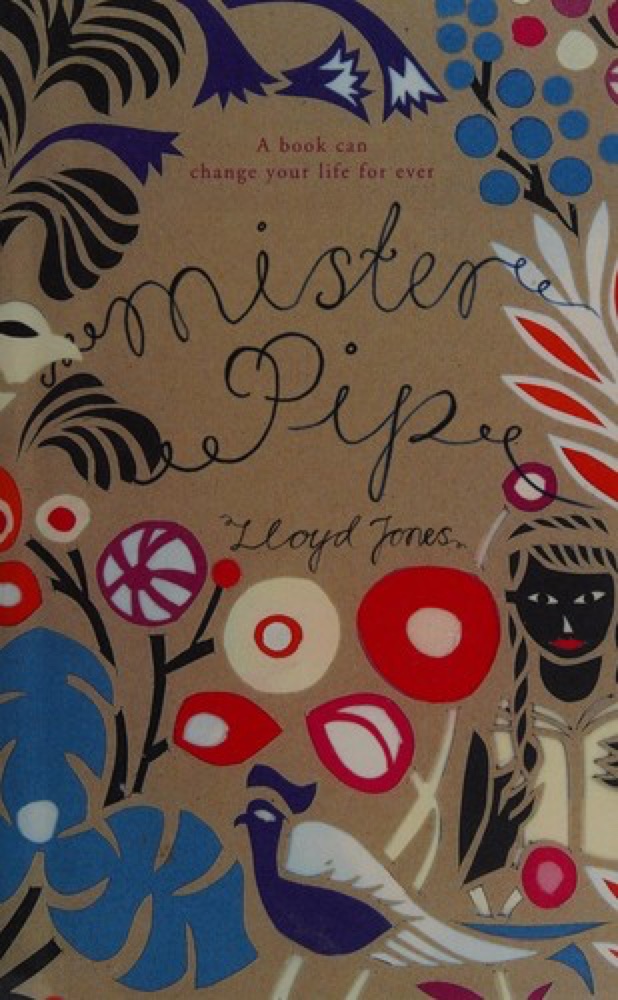 Mister Pip
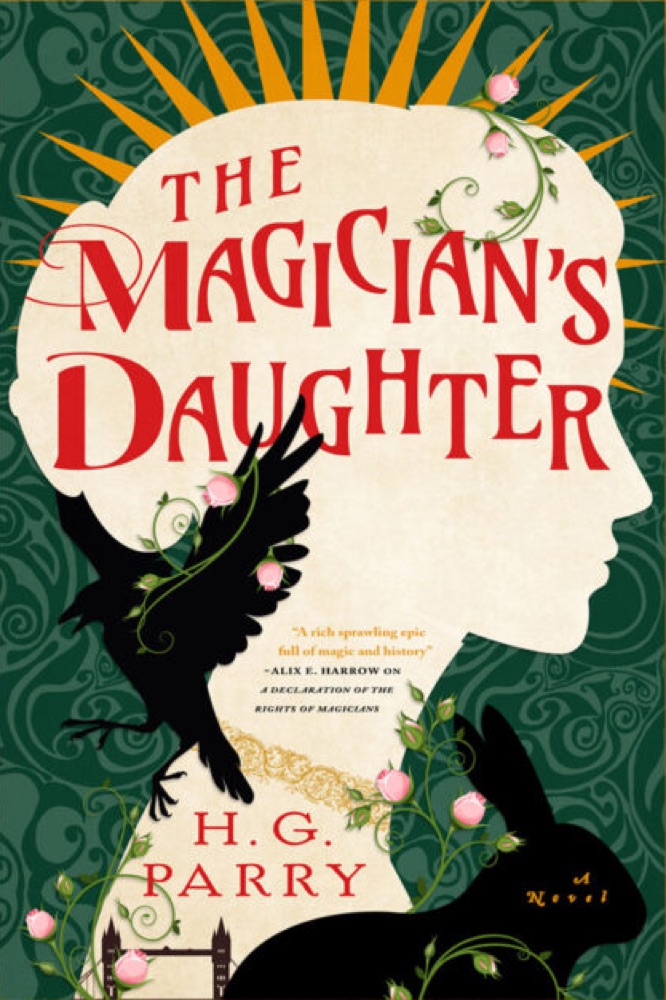 The Magician’s Daughter
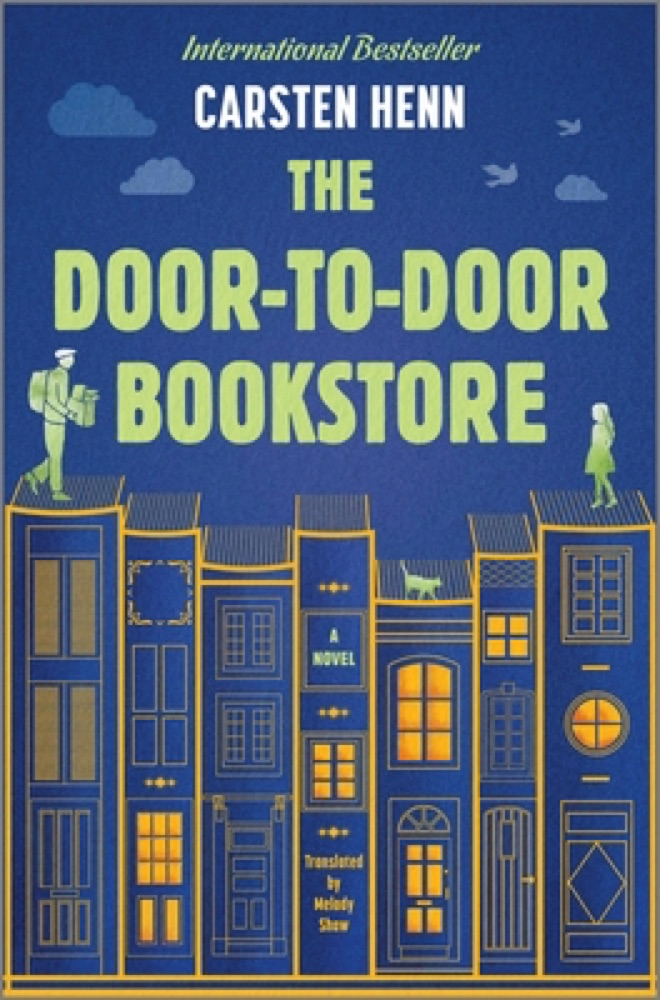 The Door-to-Door Bookstore
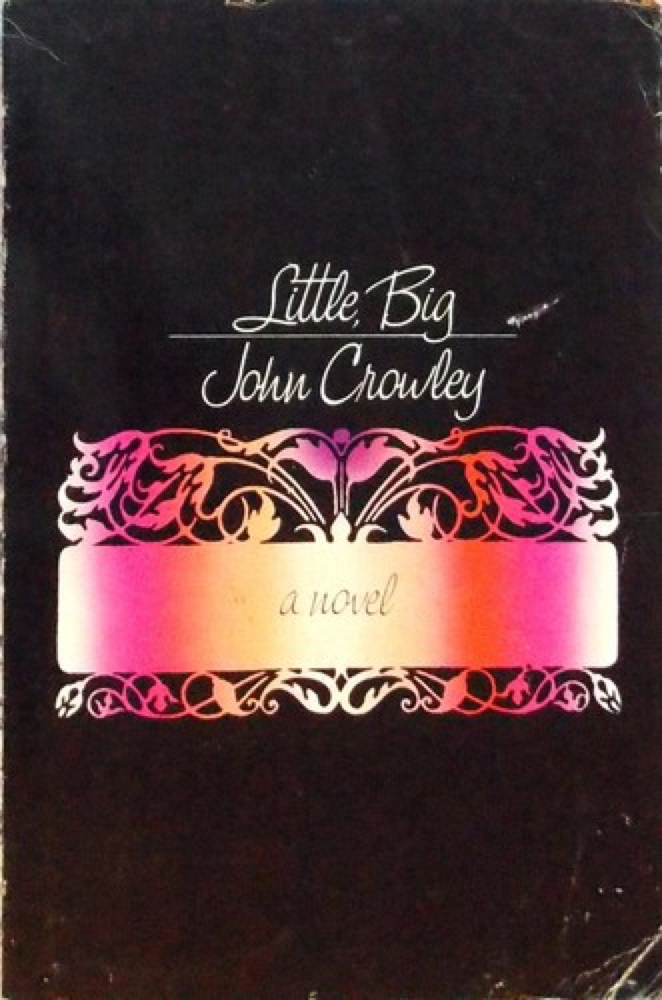 Little, Big
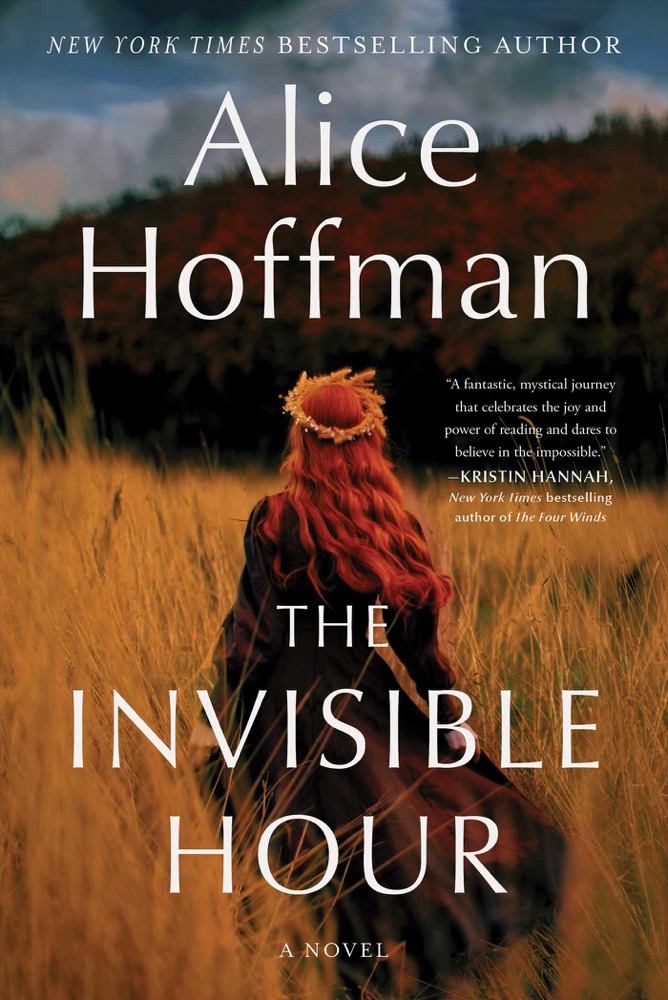 The Invisible Hour
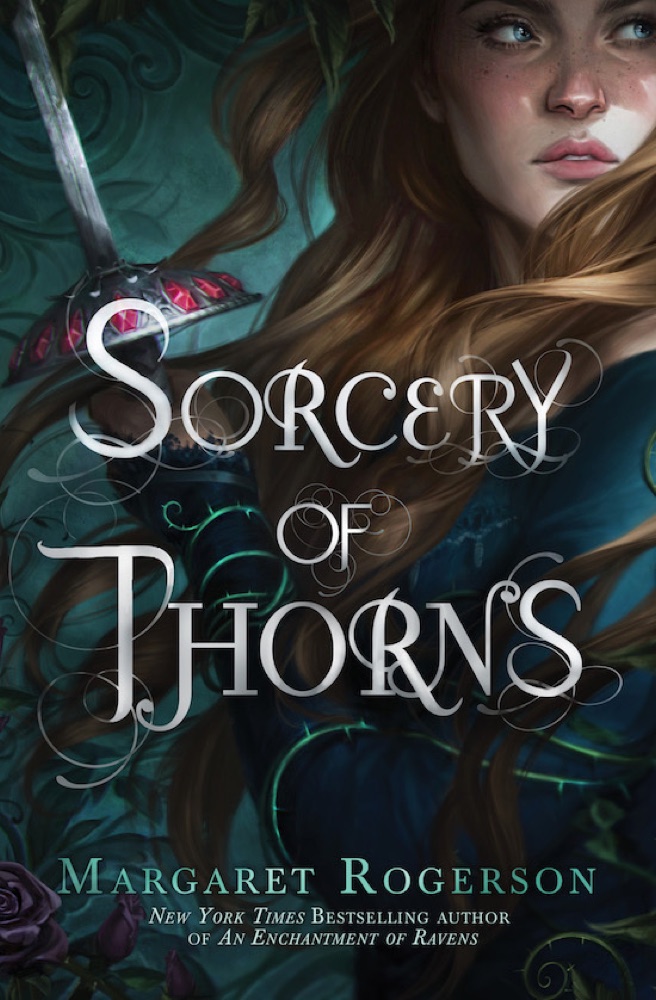 Sorcery of Thorns
 Ex Libris: Confessions of a Common Reader
 The Book of Lost Names
 Mr. Penumbra's 24-Hour Bookstore
 Checkout 19
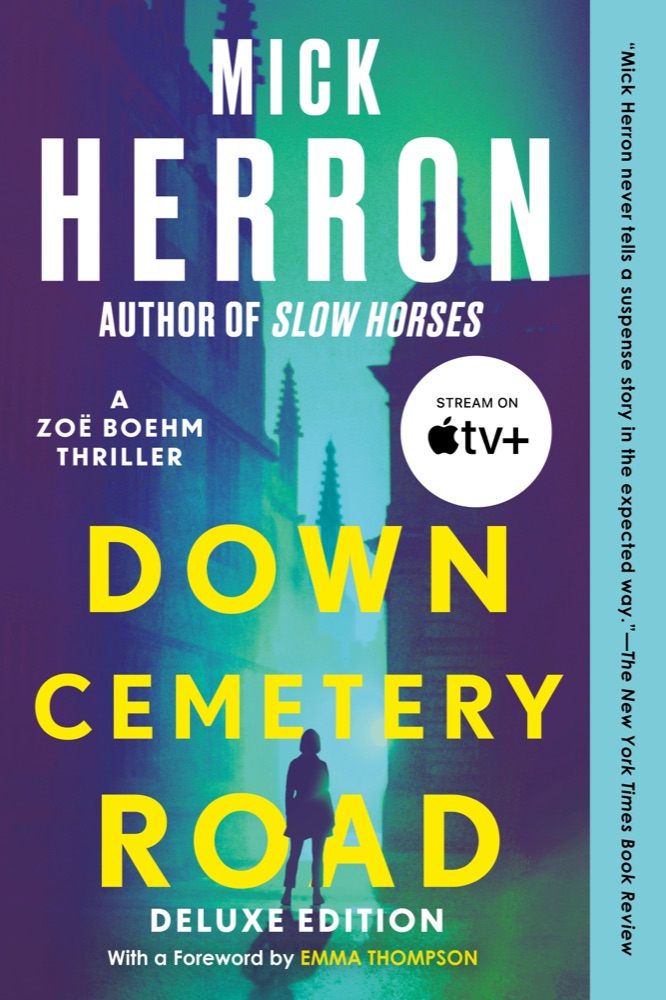 Down Cemetery Road
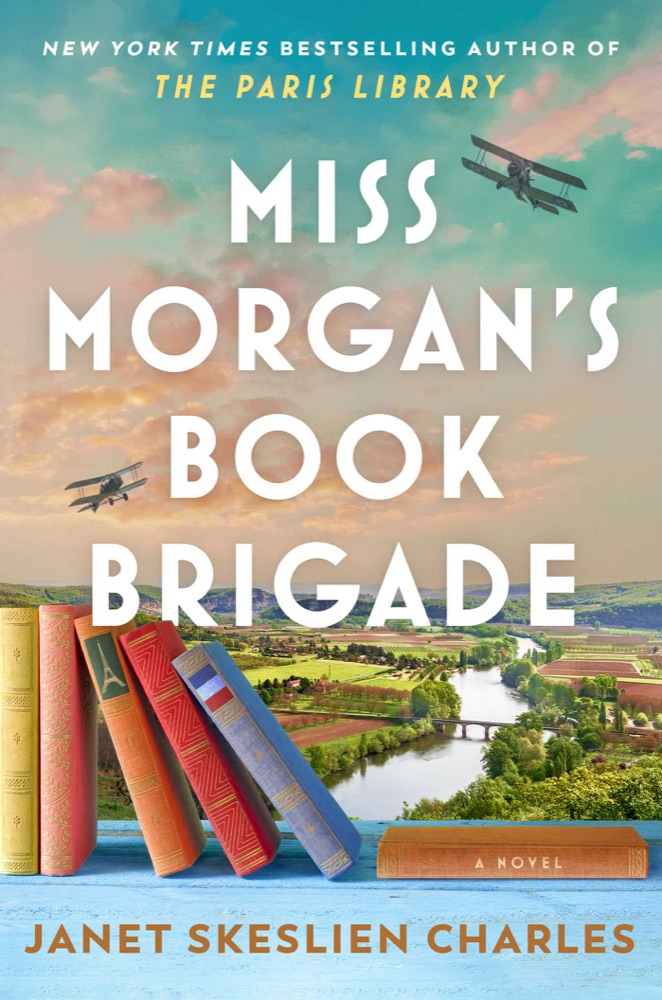 Miss Morgan's Book Brigade
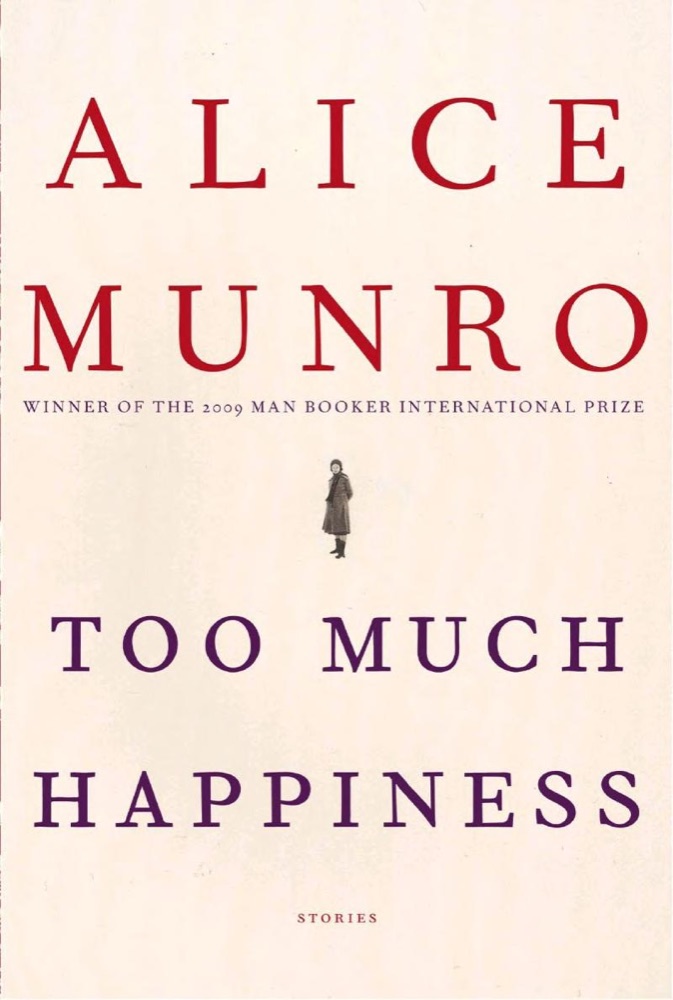 Too Much Happiness: Stories
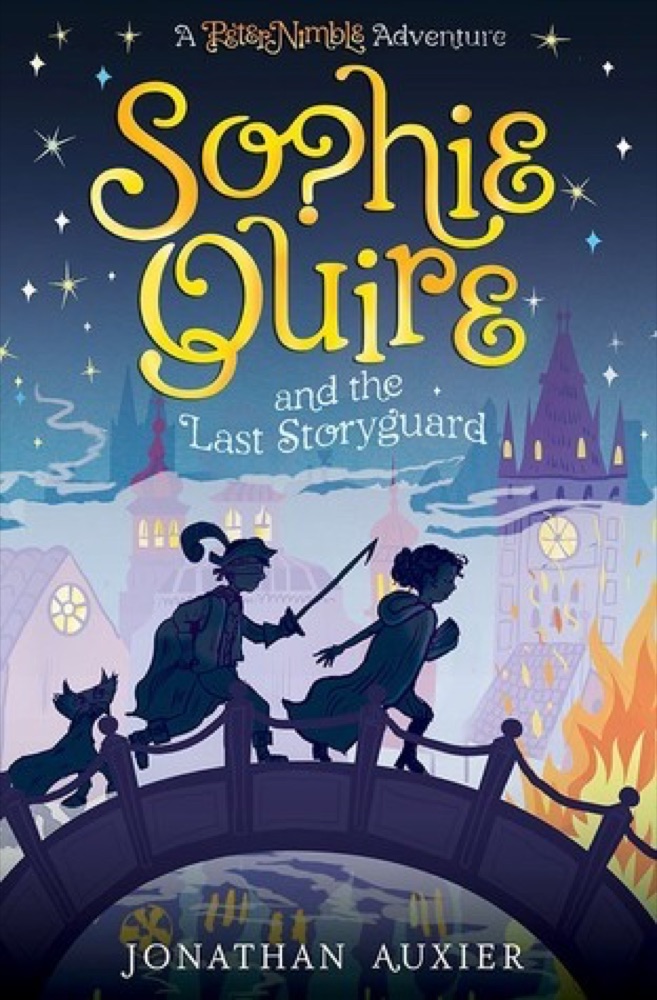 Sophie Quire and the Last Storyguard
 The Secret Keeper
 The Namesake
 Breadcrumbs
 The Jane Austen Book Club
 The Emerald Atlas
 Greenglass House
 Inkdeath
 Mrs. Miniver
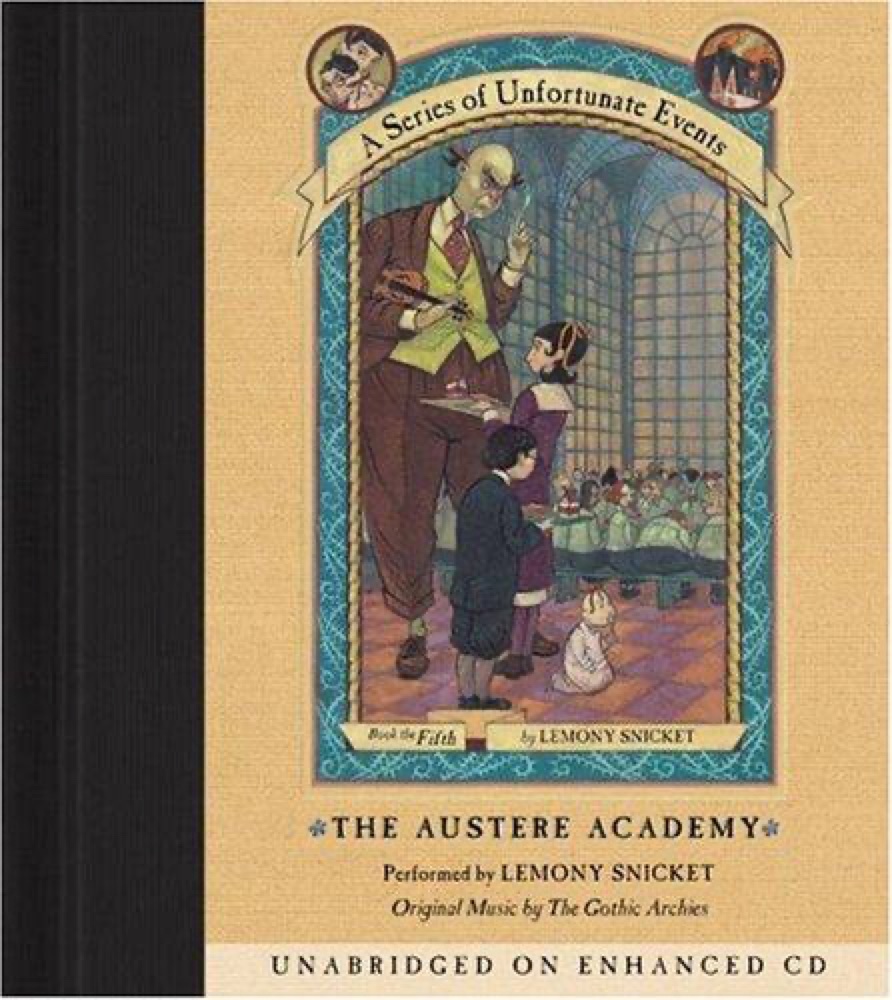 The Austere Academy
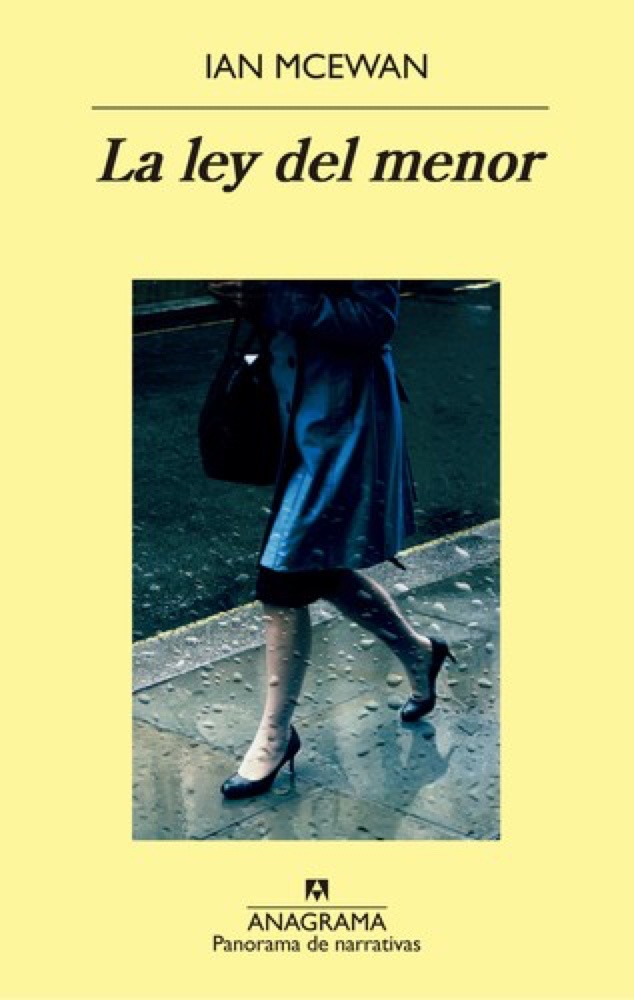 The Children Act
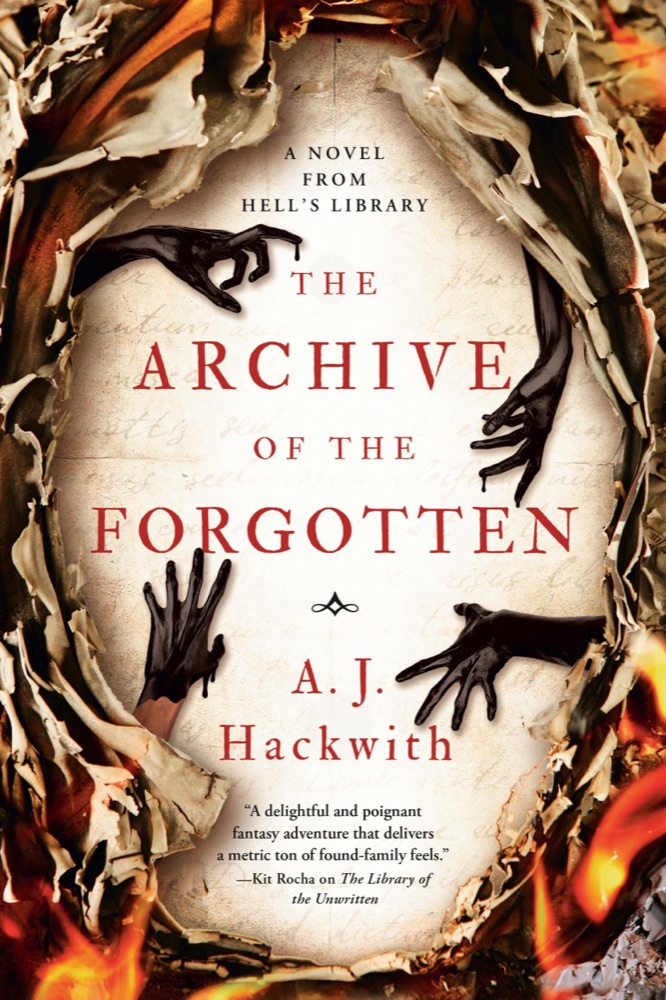 The Archive of the Forgotten
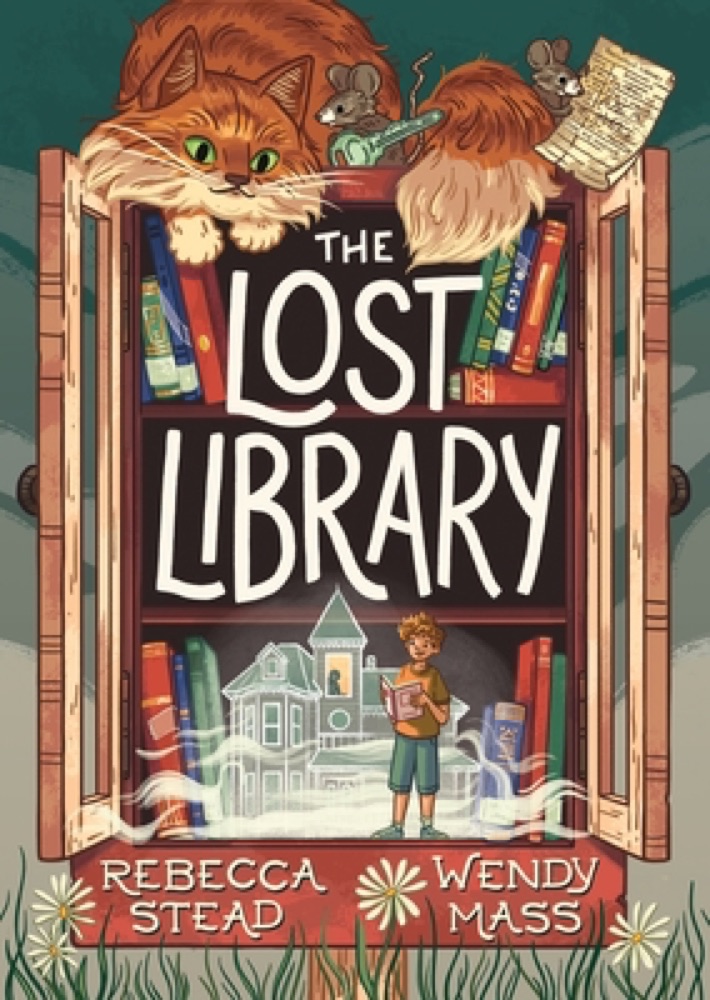 The Lost Library: A Kid-Friendly Mystery
 Blackbird House
 The Summer Book
 Dombey and Son
 The Book of Love
 Palimpsest
 What Is Not Yours Is Not Yours
 Longbourn
 The Daughter of Time
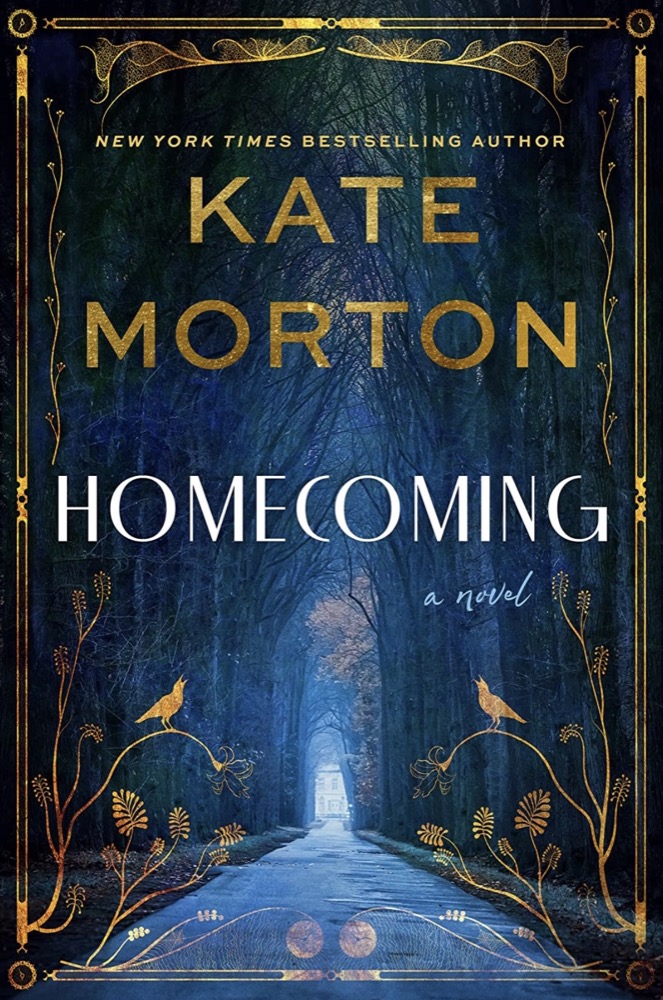 Homecoming
 Instructions for a Heatwave
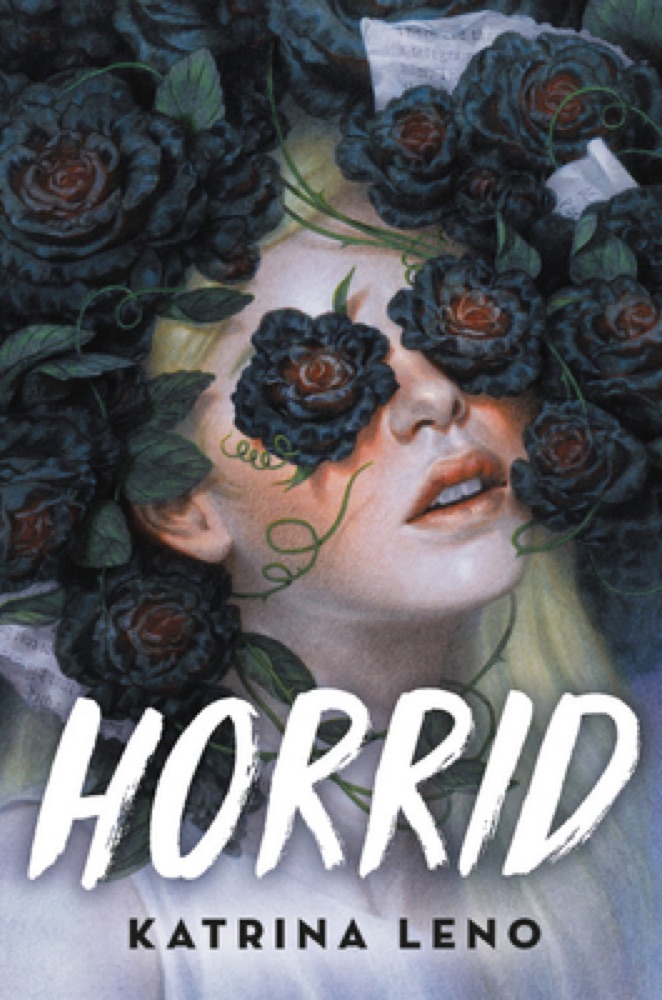 Horrid
 Ten Little Indians
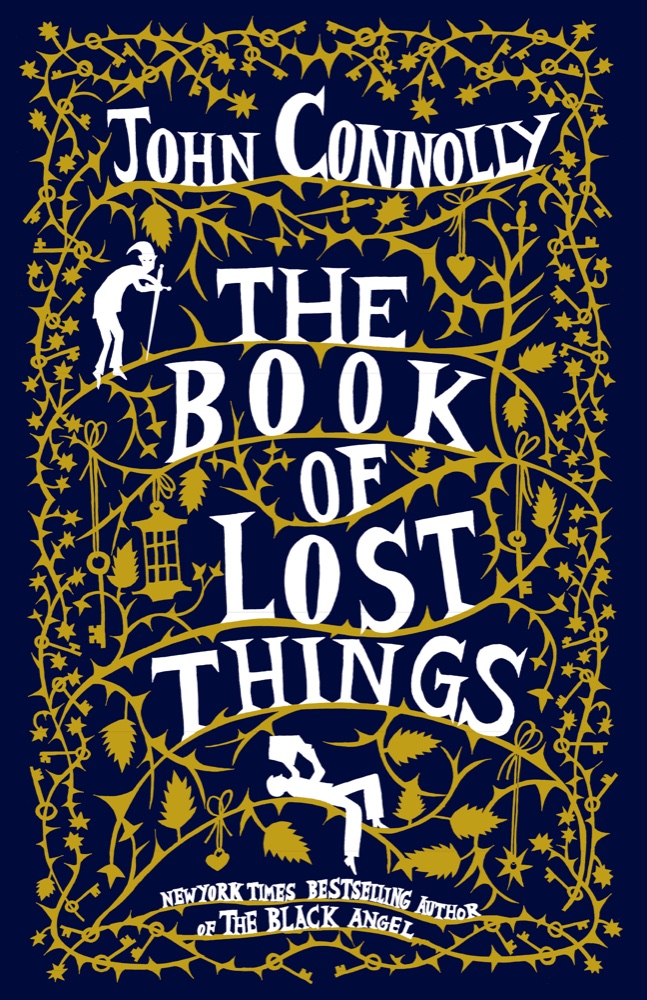 The Book of Lost Things
 The Mysterious Benedict Society and the Riddle of Ages
 There but for the
 The Left-Handed Booksellers of London
 The Cat Who Saved the Library
 Oliver Twist
 The Secret, Book & Scone Society