
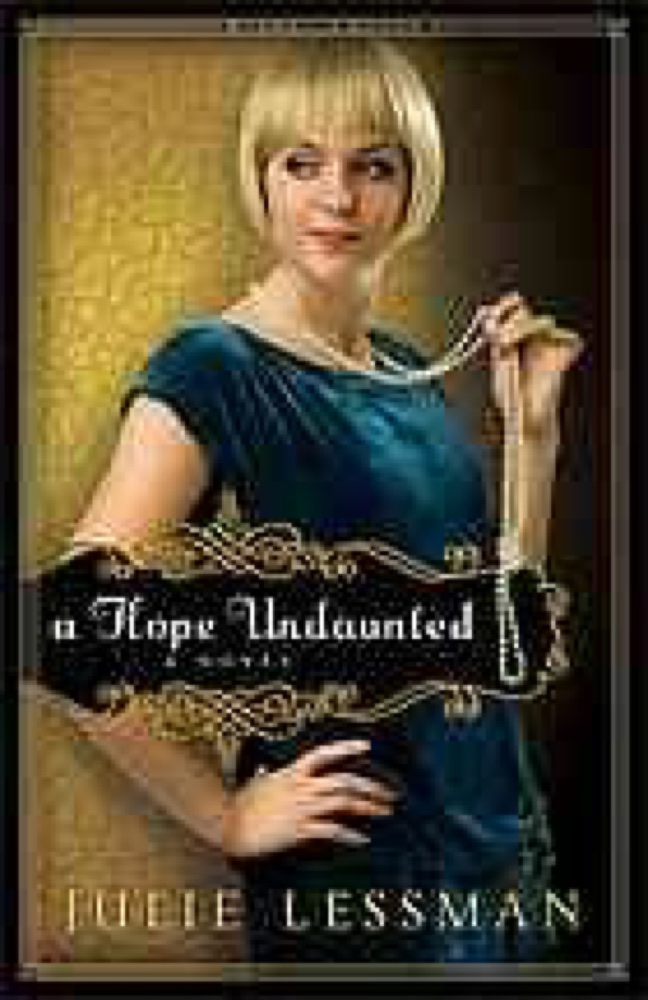
 A Hope Undaunted
Quotes from the Book
Pray that God is the most important thing in your life, so much so that hurting him wold hurt you. When that happens, and your choices line up with his, it produces an amazing ripple effect of blessings--in your life, that of your family, and for the man you eventually marry.
But the irony is that unless God's in the center of it, you can get singed pretty badly.
The moon hung heavy over the lake like an overripe orange, trickling its golden stream of light across inky depths.
[T]welve year old Libby O'Shea coasted on a homemade swing, toes touching a blinding-blue heaven dolloped with clouds.
She sighed. "I don't know, Father, how do you get over someone who's held your heart in their hands for so long? And what do you do when they constantly turn your love away, leaving you battered and bruised?" A sob broke free from her throat to pierce the darkness. His arm stiffened, paralyzed over her shoulder. Marcy's voice rose, quiet and strong, to counter her daughter's pain. "You run to the arms of the Almighty, Lizzie. 'Because thou hast been my help, therefore in the shadow of thy wings will I rejoice.' That's the only place our hearts are safe, the only place they can heal.
About Julie Lessman
We have collected 24 quotes from 4 books by Julie Lessman on BookQuoters.
More about the author →More by Julie Lessman
Book details
- Author
- Julie Lessman
- Genre
- Romance
- Goodreads rating
- 4.24 (2k ratings) →
Keep reading
 Burned
 Fame
Fame
 A Ring of Endless Light
 The Sparrow
 On Mystic Lake
 Their Eyes Were Watching God
 The Naming
 Teardrop
 The Pillars of the Earth
 The Prince of Tides
 Wide Sargasso Sea
 Fall on Your Knees
 Secrets
 An Unforgivable Secret
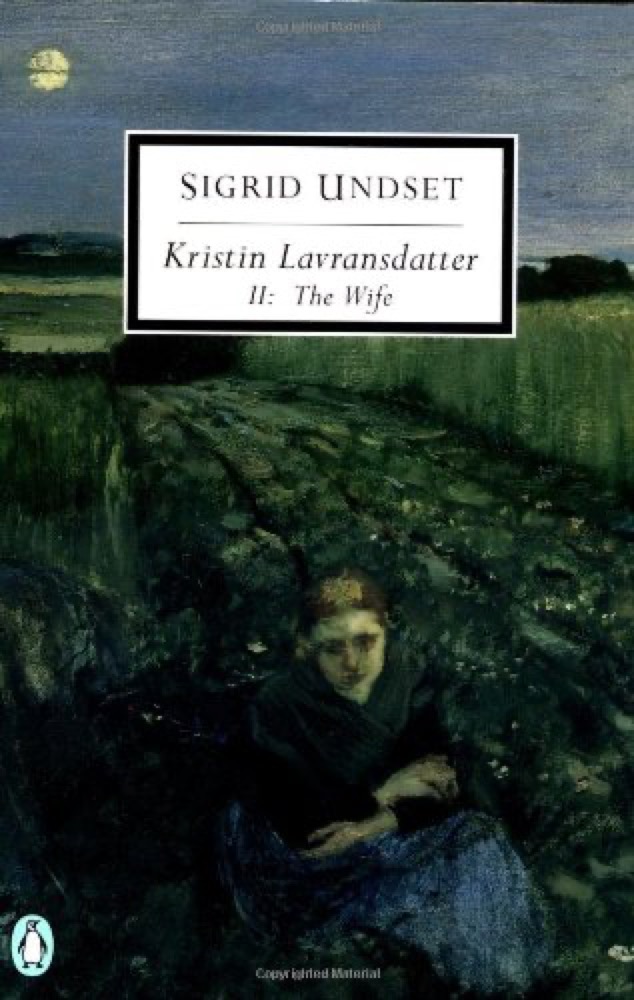 The Wife
 Moloka'i
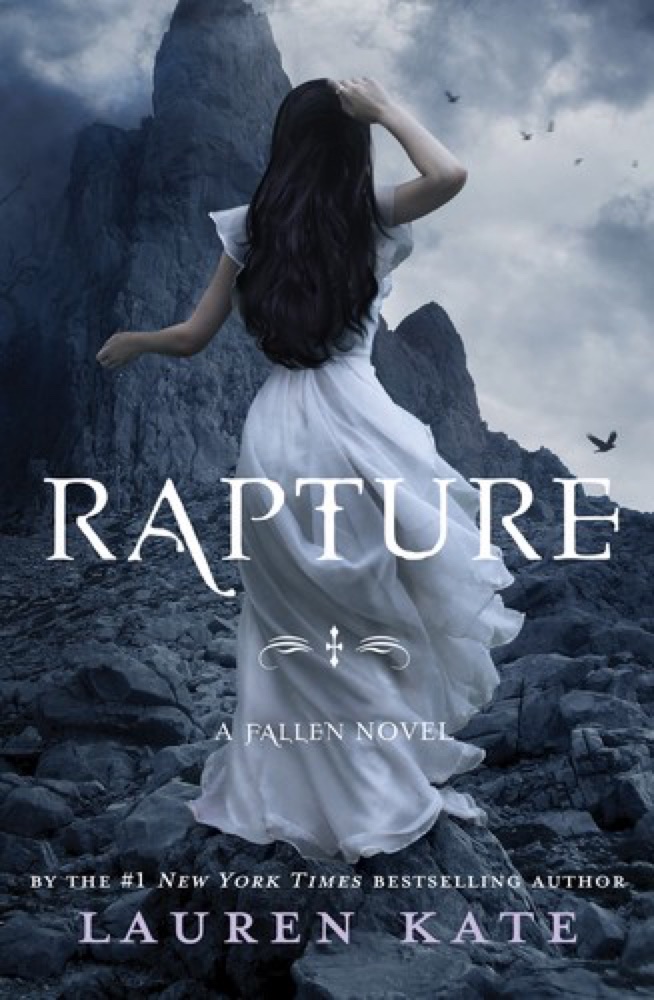 Rapture
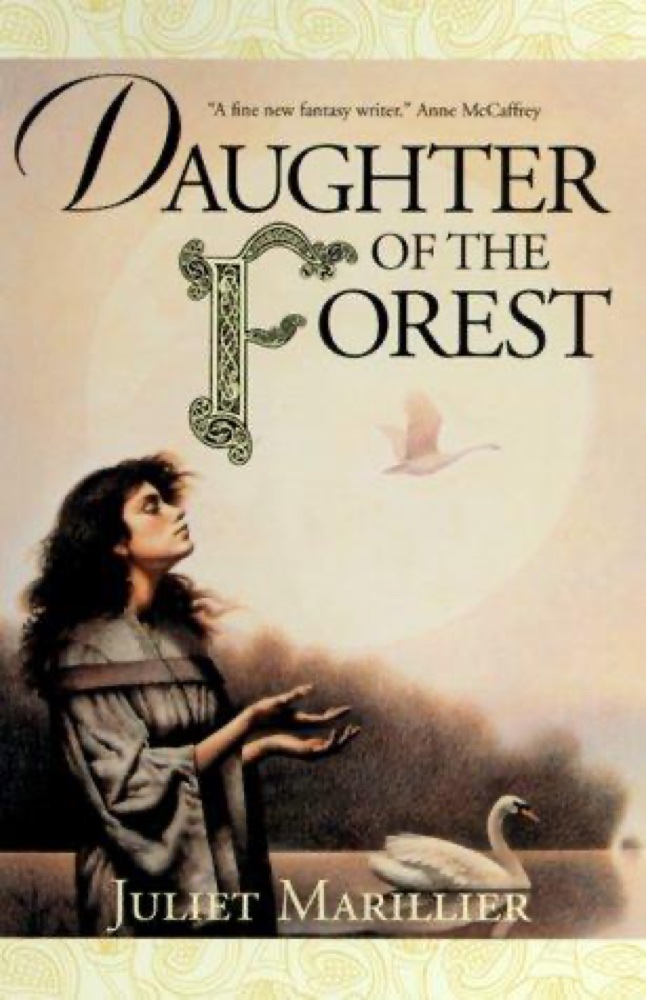 Daughter of the Forest
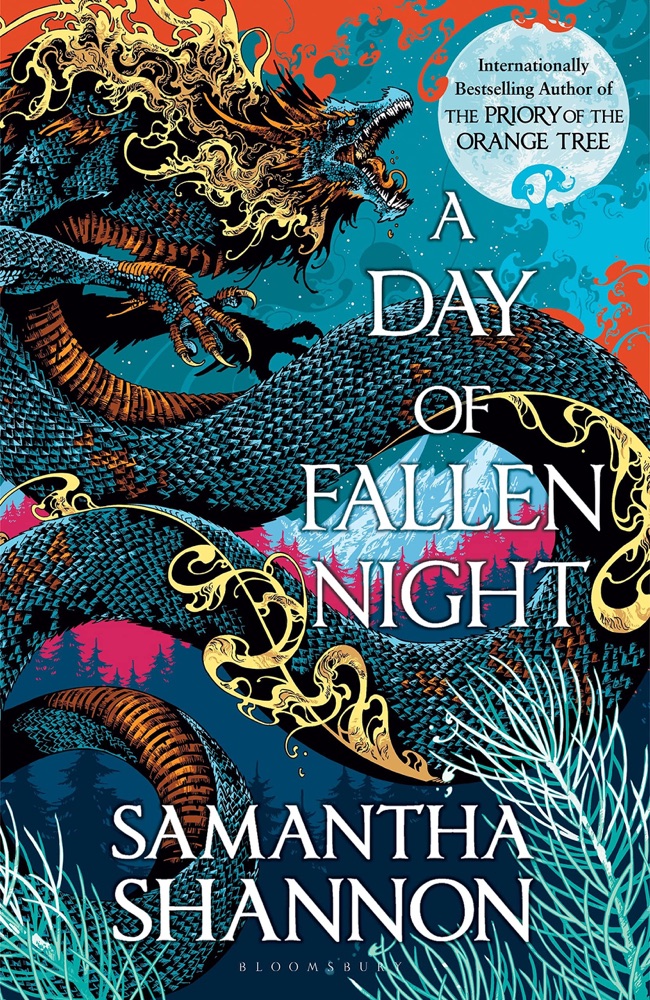 A Day of Fallen Night
 The Hiding Place: The Triumphant True Story of Corrie Ten Boom
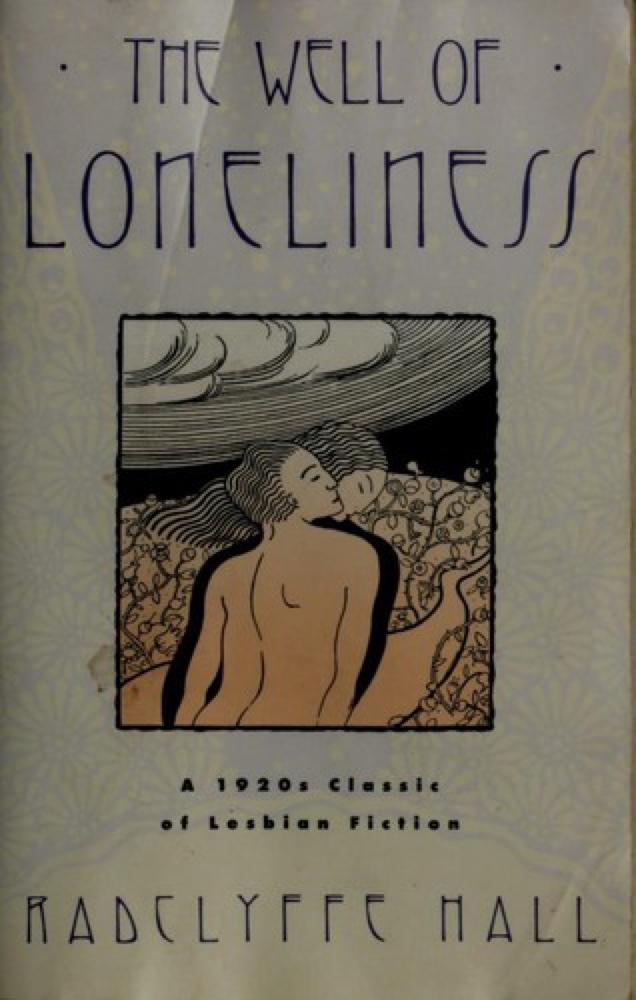 The Well of Loneliness
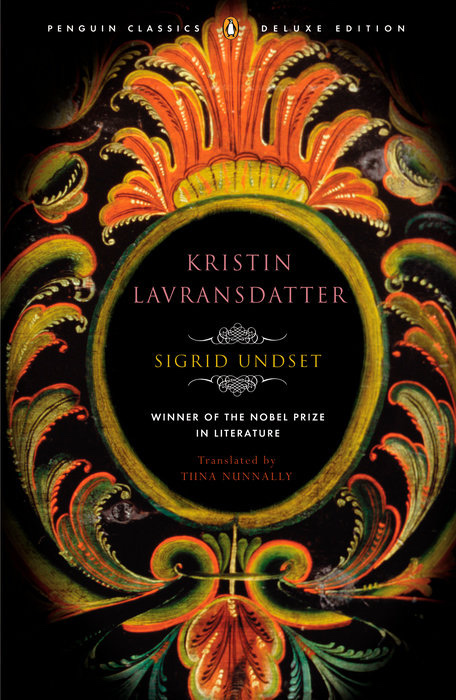 Kristin Lavransdatter
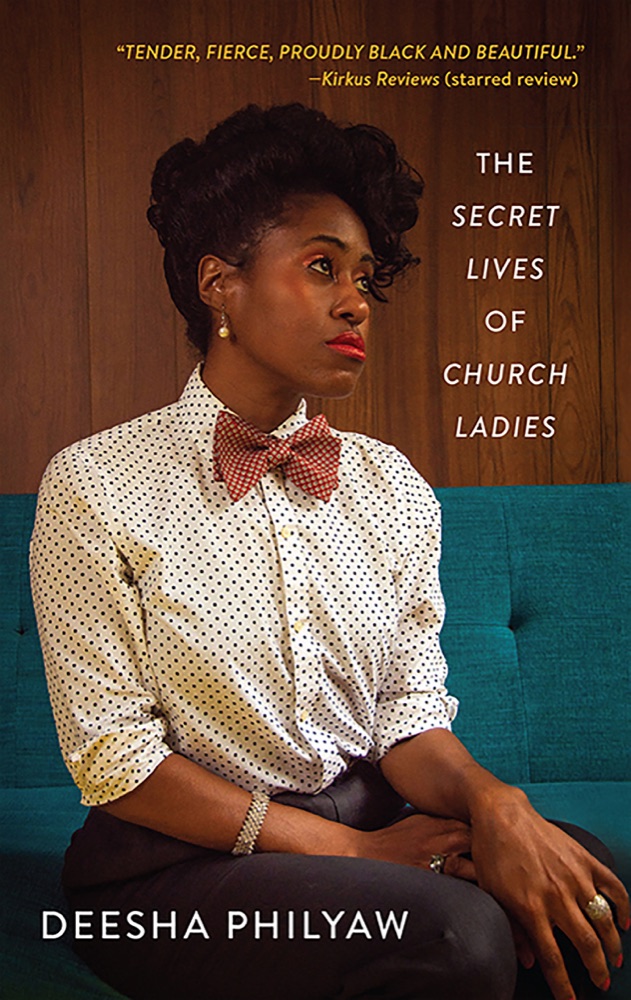 The Secret Lives of Church Ladies
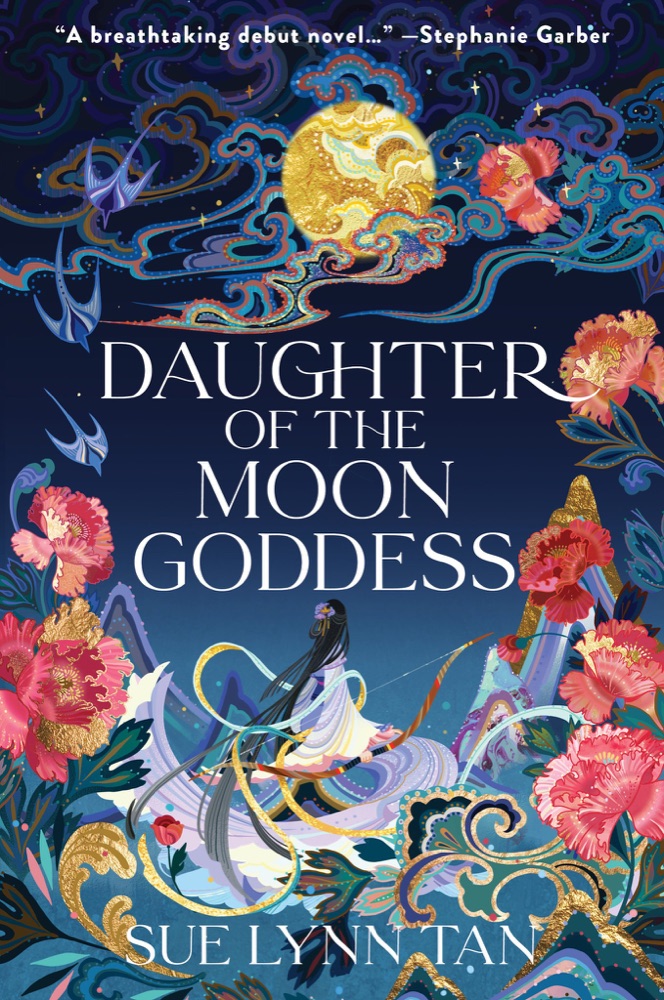 Daughter of the Moon Goddess
 Betty
Betty
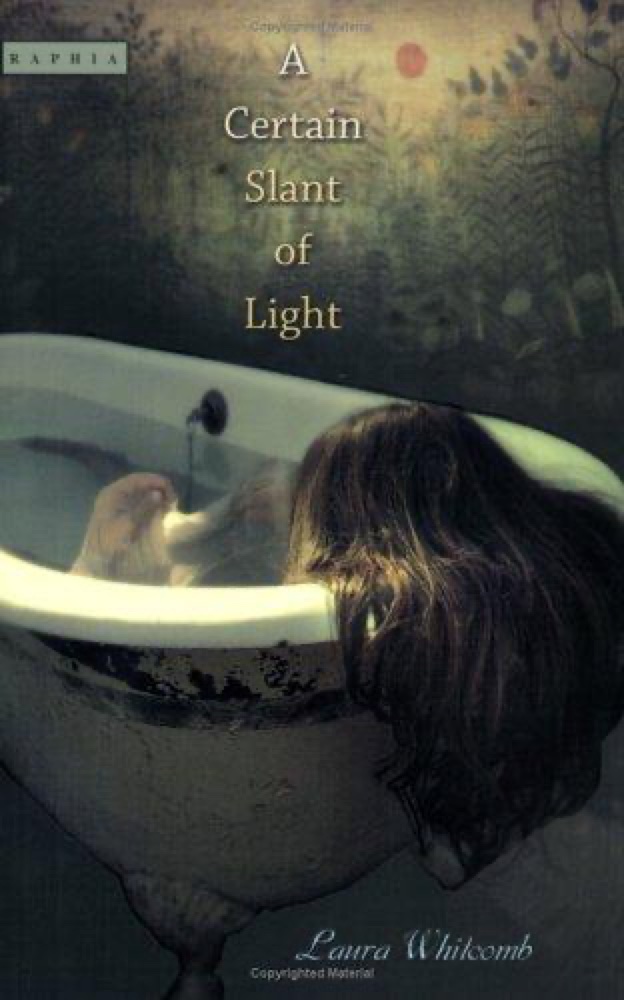 A Certain Slant of Light
 The Darkest Part of the Forest
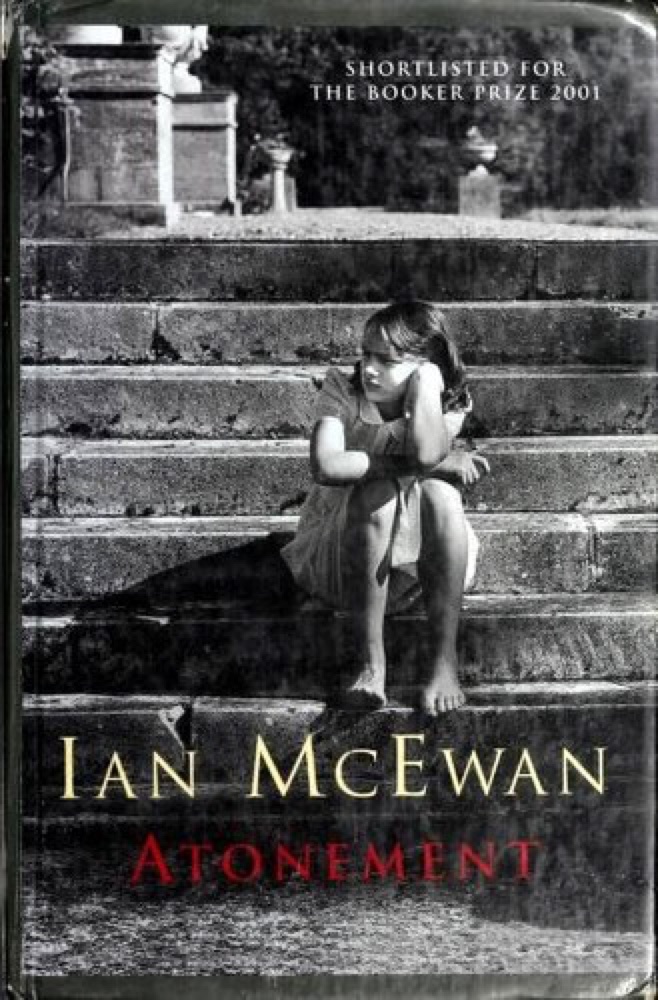 Atonement
 Blankets
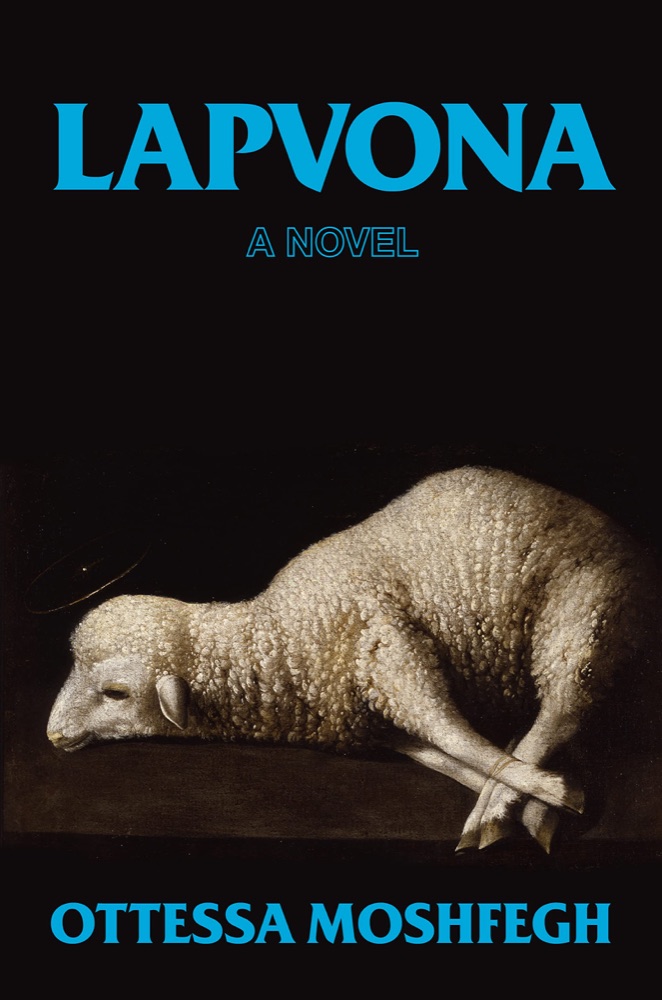 Lapvona
 Under the Udala Trees
 Children of Virtue and Vengeance
 The Conference of the Birds
 To a God Unknown
 The Grace Year
 The Hollow Hills
 Swan Song
 Children of God
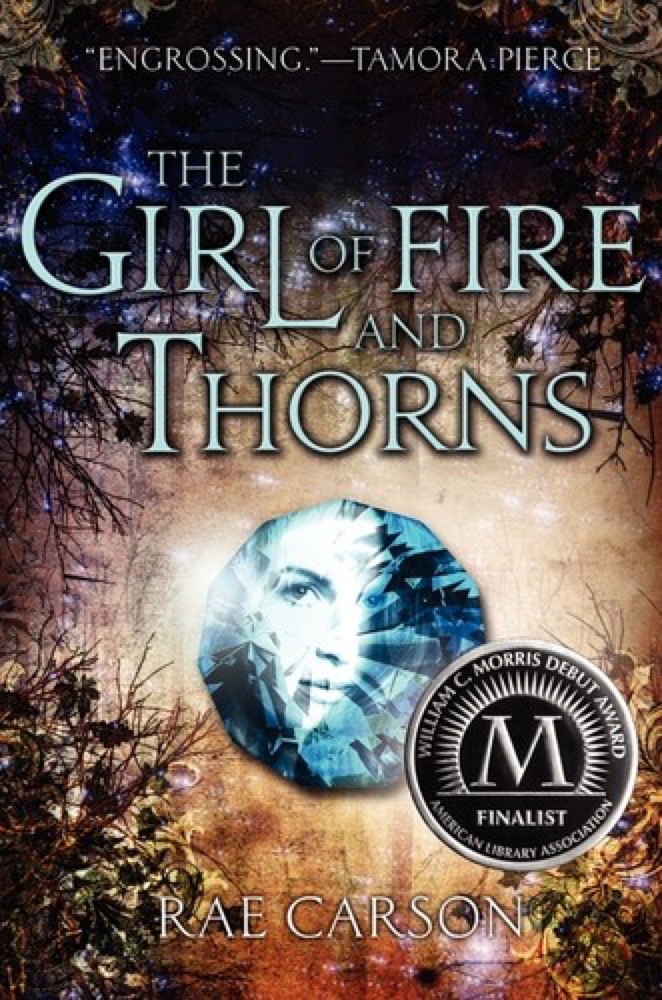 The Girl of Fire and Thorns
 Christy
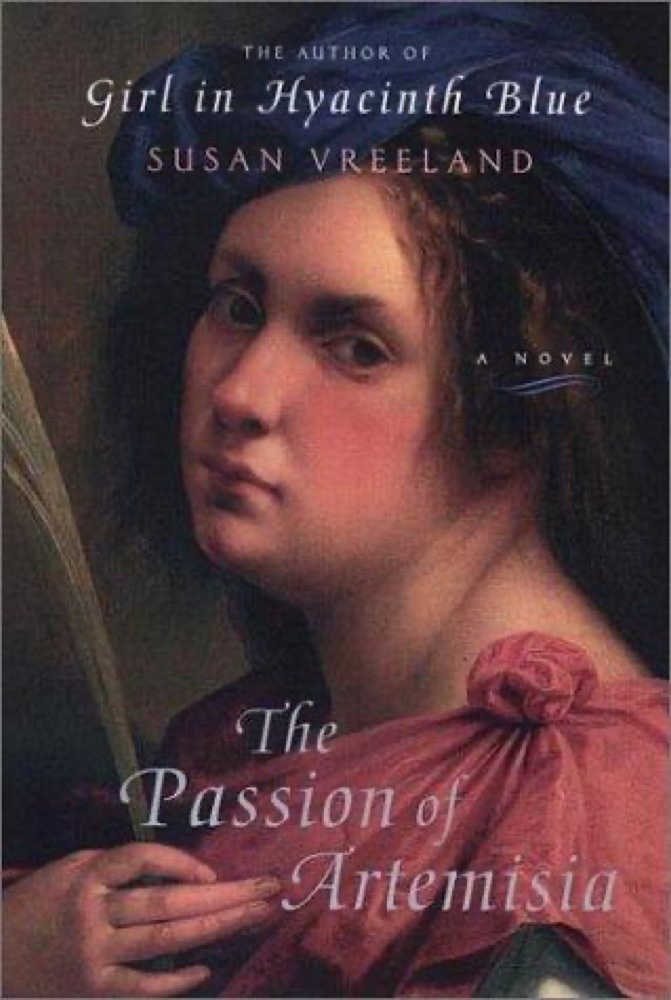 The Passion of Artemisia
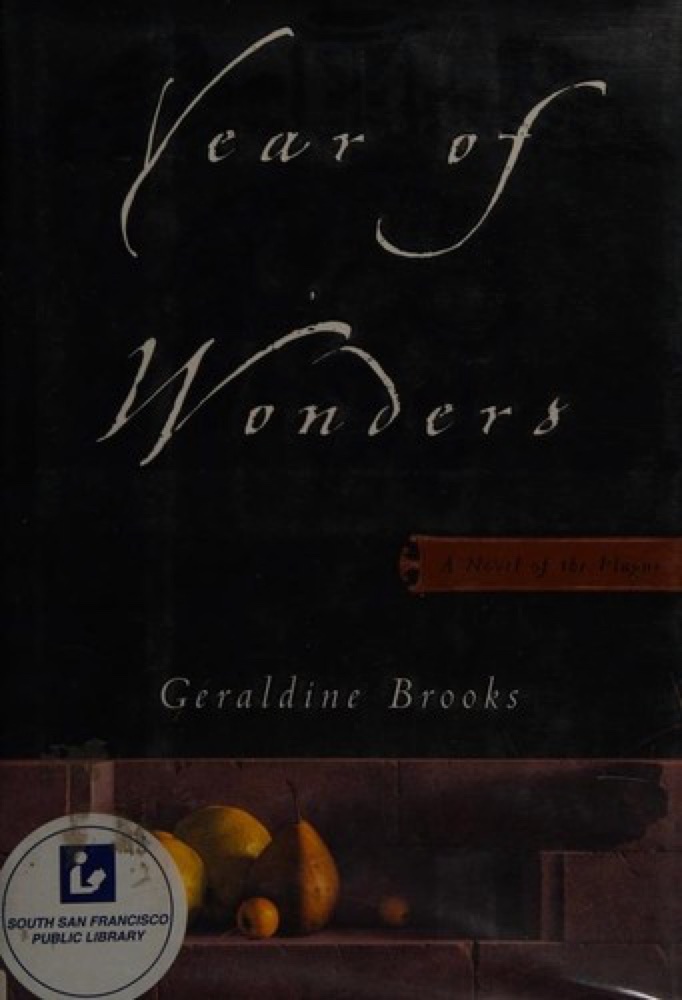 Year of Wonders
 Priest
 Mortal Heart
 Daughter of Smoke & Bone
 Requiem
 Heidi
Heidi
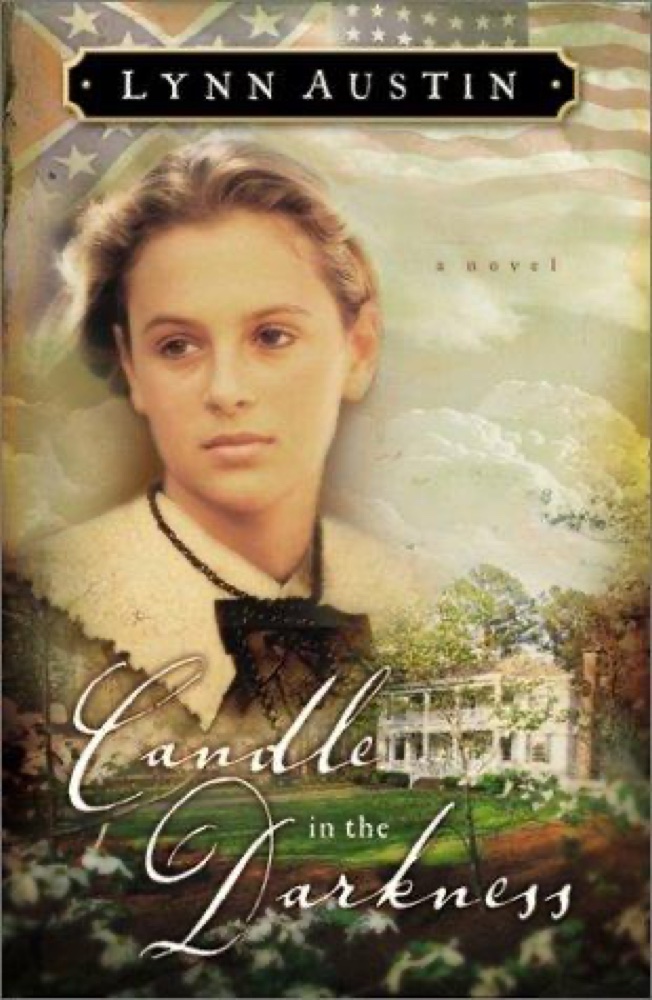 Candle in the Darkness
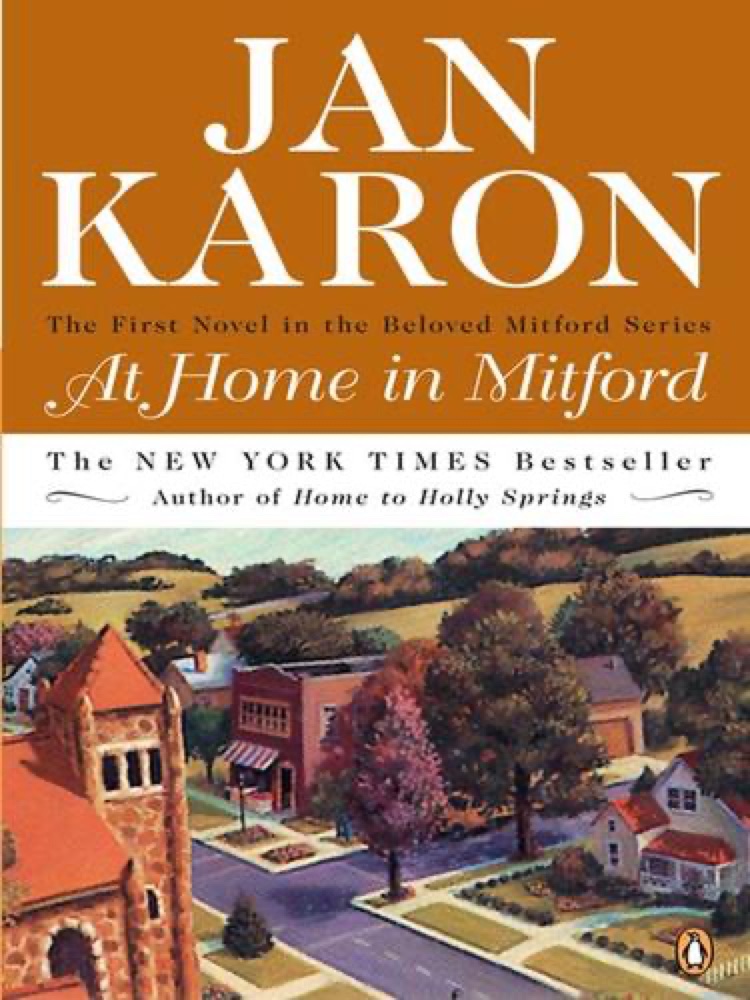 At Home in Mitford
 Kate's Song
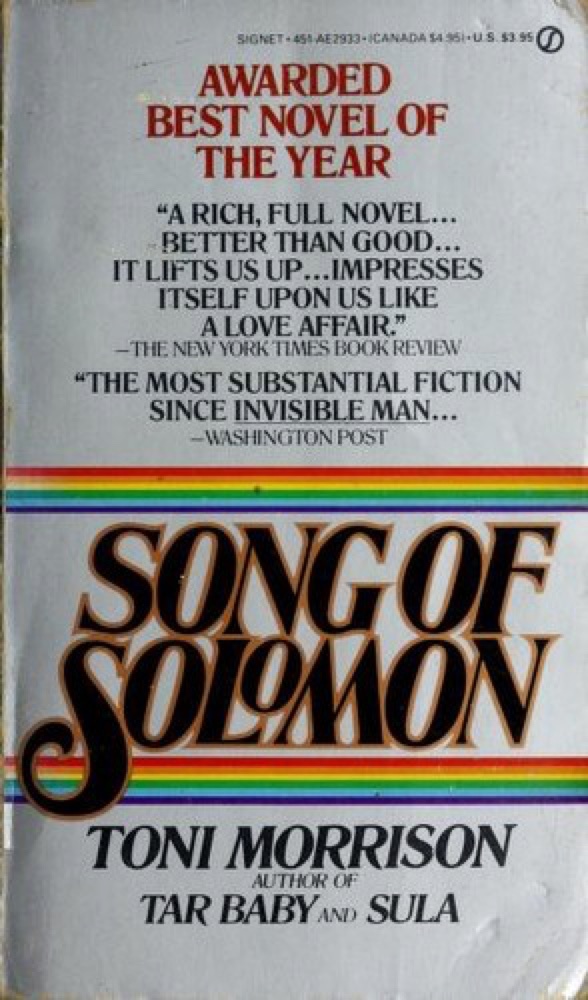 Song of Solomon
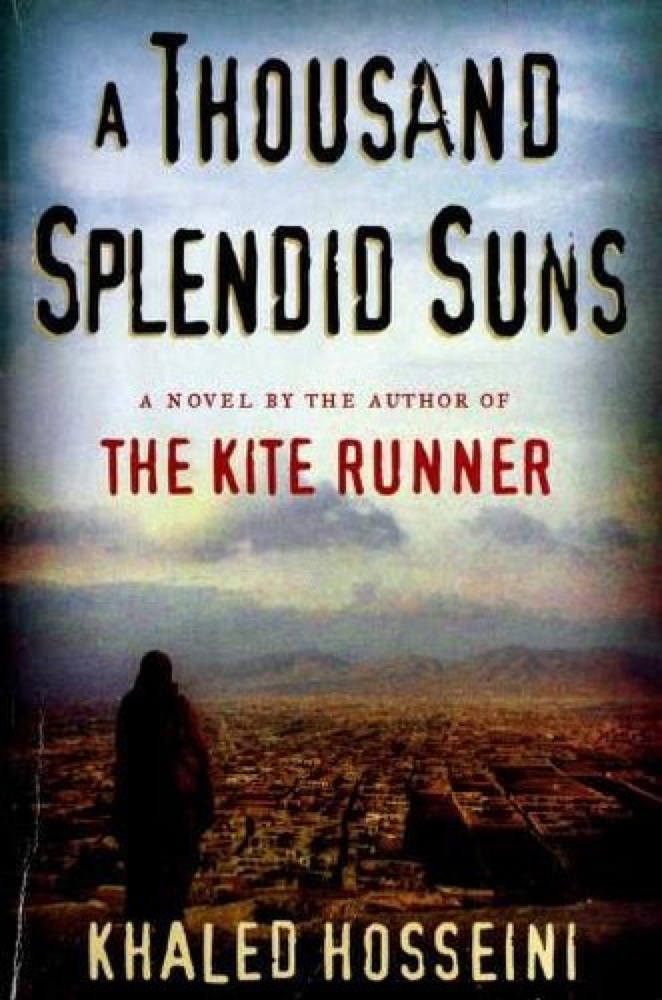 A Thousand Splendid Suns
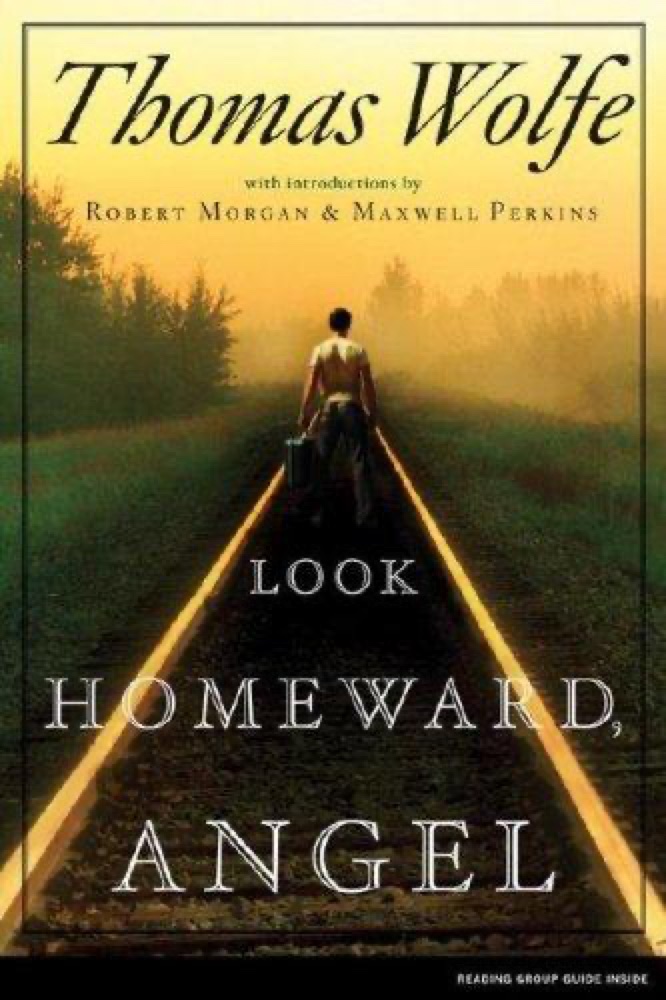 Look Homeward, Angel
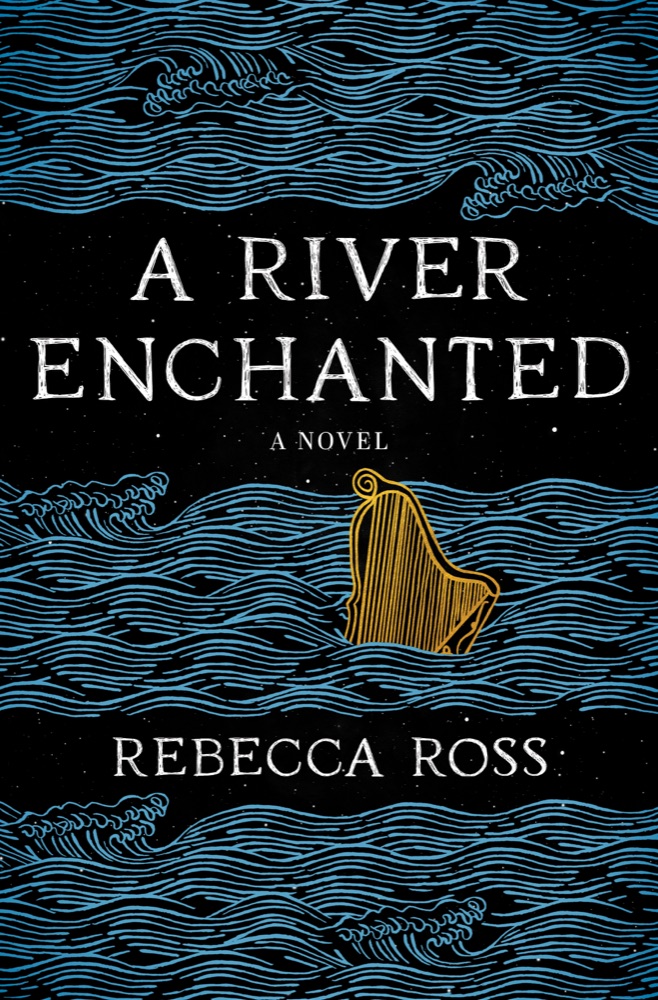 A River Enchanted
 The Good People
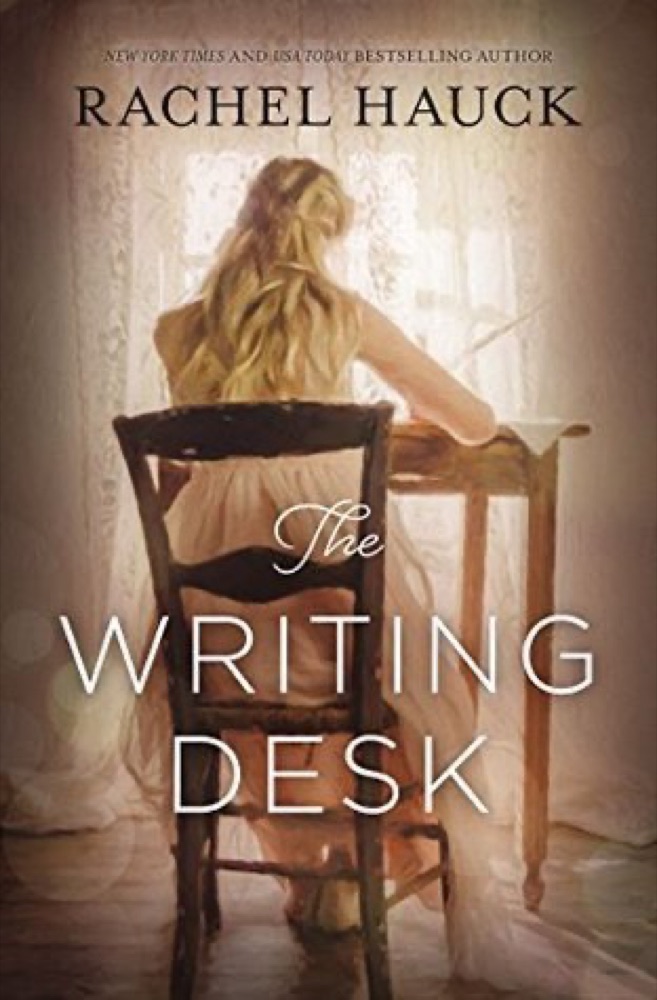 The Writing Desk
 Almost Heaven
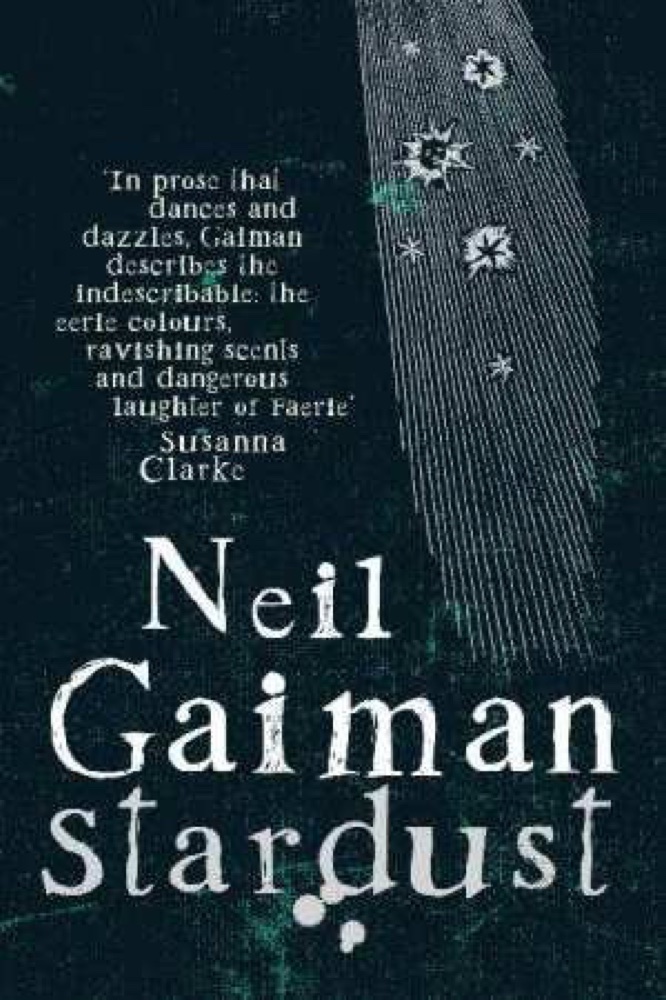 Stardust
 The Valley of Amazement