
 Menagerie
Quotes from the Book
The moment the door opened I knew an ass-kicking was inevitable. Whether I'd be giving it or receiving it was still a bit of a mystery.
Apparently the complete works of Shakespeare packed quite a wallop. To think, my mother said I'd never find use for an English degree. Ha! I'd like to see her knock someone silly with an apron and a cookie press.
You bitch!" Why is it that whenever I draw blood, I'm a bitch?
I’m glad you think so. I’ve always considered my sense of humor to be largely underappreciated, so it’s nice to finally meet a fan.
The queen was my favorite chess piece. Unlike the women I knew in real life, she was powerful. Her job was to defend her husband at all costs, because while he was weak and practically defenseless—only allowed to move one square at a time—she was the strongest player on the board, hindered by no restrictions at all.
Anyway, I was the one in real danger. I got cornered by a pack of wild sorority girls in the food court. Apparently it's mating season.
You mostly.” Her hands went still again as her eyes stared off into the past with a look so wistful it made me ache for her. “The boys tended to take care of each other but you were too much for anyone else to handle.” I poked at the ball of yarn avoiding her eyes. “I wasn’t that bad.” She smiled. “You broke Ethan’s arm.” “It was self-defense. He wouldn’t let go of my foot.” “He was helping you tie your shoe.
Lit majors are not known for watching where they're going; most of us walk with our eyes in a book instead of on the path ahead.
But I'd take a slashed throat over a broken neck any day. At least that way I'd get to bleed all over his shoes. One final fuck-you before I died.
Hey, you wanna drop back a few paces? Did you forget how spying works? You're supposed to at least aim for unobtrusive. The others pretty much have it down, but you're about as inconspicuous as a drag queen at a Girl Scout meeting.
Faythe, it's me!" "I know who the hell you are. Why do you think I kicked you?
Wonderful, a death match on my first day behind bars. Some girls have all the luck
A smart woman would have shut up. Did I? Hell no. Intelligence is overrated anyway.
Ask for the impossible, then settle instead for what you really wanted in the first place.
He was half again my size, but when we embraced, I felt like I was holding him up, and it was all I could do to remain standing. He buried his face in my hair, his body shaking against me with the spasmodic rhythm of unrestrained sobs. It was almost more than I could bear gracefully.
Shoving aside fear and self-doubt, I met his eyes, aiming for absolute confidence in both my stance and my voice. “My father taught me to disarm my opponent at all costs—regardless of his choice of weapon,” I said, glancing pointedly at his groin. “Are you threatening me?” “Damn right. Lay one hand on me and you’ll never stand to pee again.” His eyes darkened, and his laugh sounded forced. “You’re very funny, gatita.” “I’m glad you think so. I’ve always considered my sense of humor to be largely under-appreciated, so it’s nice to finally meet a fan.
A cat’s body can sustain a lot of damage without actually dying,” Lucas said, his voice as deep as the rumble of the earth itself. “You just think about that before you so much as scratch yourself without permission.” Ryan gulped and nodded, still mute.
Sometimes I suspected Ryan was merely visiting the real world, on vacation from his permanent residence in la-la land.
Unfortunately, unless the job description included a translation of the prologue of The Canterbury Tales, I was dreadfully under-qualified.
It was an addiction. A pointless, self-destructive addiction. But really, is there any other kind?
Okay, time to get serious. I let my smile fade slowly and lowered my pitch, as no human woman could have. “I’m not joking this time. If I see it, it’s mine, and you won’t get it back at the end of the school year.” I growled, deep and long, savoring the feel of the vibrations in my throat, as if the sound alone could save me. It wasn’t quite a cat’s growl but it was damn close. And it was his last warning. Miguel dismissed my threat with an easy smile, and my stomach clenched. Oh, yeah, Faythe. You have Puss shaking in his boots, all right.
I think some men are born with big egos, to make up for the lack of certain neessary equipment. Like a brain.
What is it about women and luggage? You don’t have to bring everything you own, and it shouldn’t take this long to throw some clothes into a bag. In fact, if it will save you any time, just leave the underwear out all together.
My mother turned towards me with a coffeepot in each hand, her jaw dangling somewhere near her collarbone. You’d think she’d never seen me naked, when I knew for a fact I’d been born that way.
Miguel glanced back at her, fist raised. "You shut up, nina, " he shouted, shaking his fist at Abby. He must have been pretty shaken to take his eyes off an opponent. Or maybe he still didn't consider me a serious threat. How insulting. "I'll deal with you when I'm finished with - ugh!" I cut off his threat with a kick to the groin.
Okay, you’ve primped enough. Now go bug someone else,” Ethan said, shooing me out the door. “I have to clean the bathroom.” “That should be interesting,” I quipped. “Maybe I should stay and watch.” “Maybe you should stay and help.” Cupping one hand behind my ear, I grinned, pretending to listen. “I think I hear Marc calling.
I got claws and I am not afraid to use them...
Watch on YouTube
About Rachel Vincent
We have collected 362 quotes from 19 books by Rachel Vincent on BookQuoters.
More about the author →More by Rachel Vincent
All books by Rachel Vincent →
Book details
- Author
- Rachel Vincent
- Genre
- Fantasy
- Goodreads rating
- 3.79 (37k ratings) →
Keep reading
 Rogue
Rogue
 Betrayals
 Strange Angels
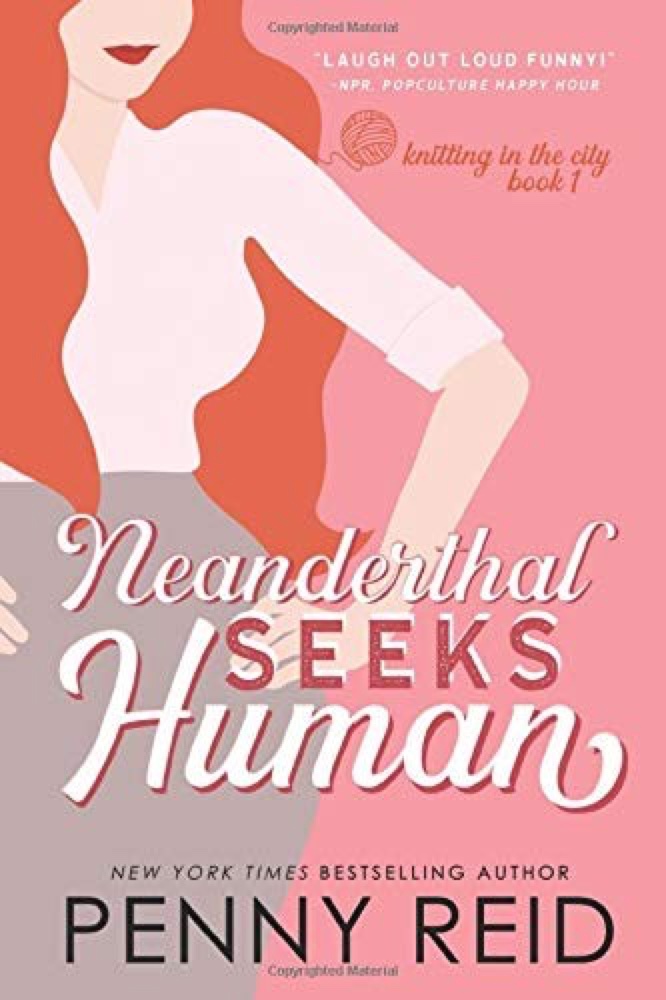 Neanderthal Seeks Human
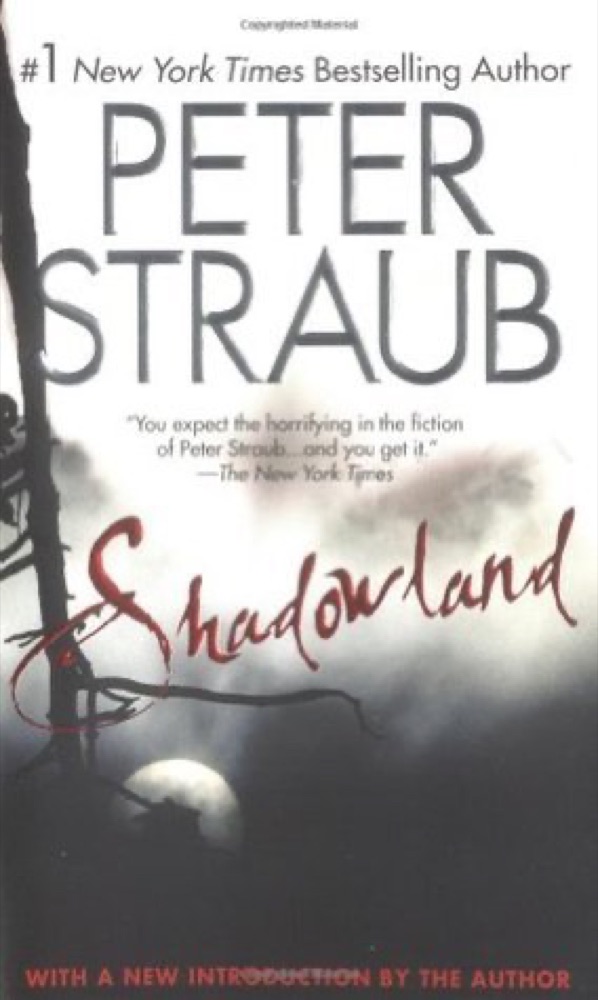 Shadowland
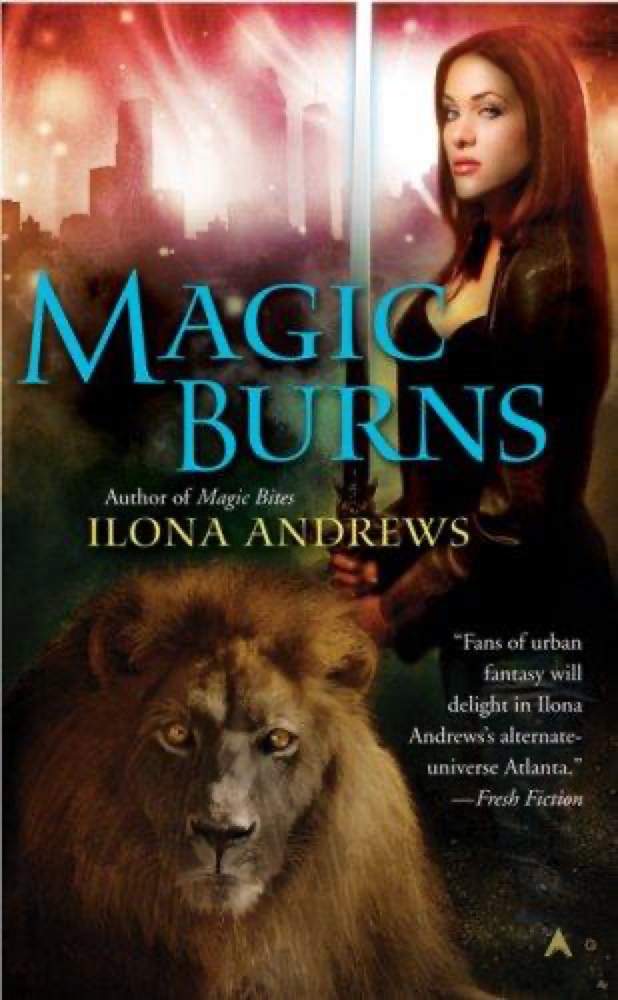 Magic Burns
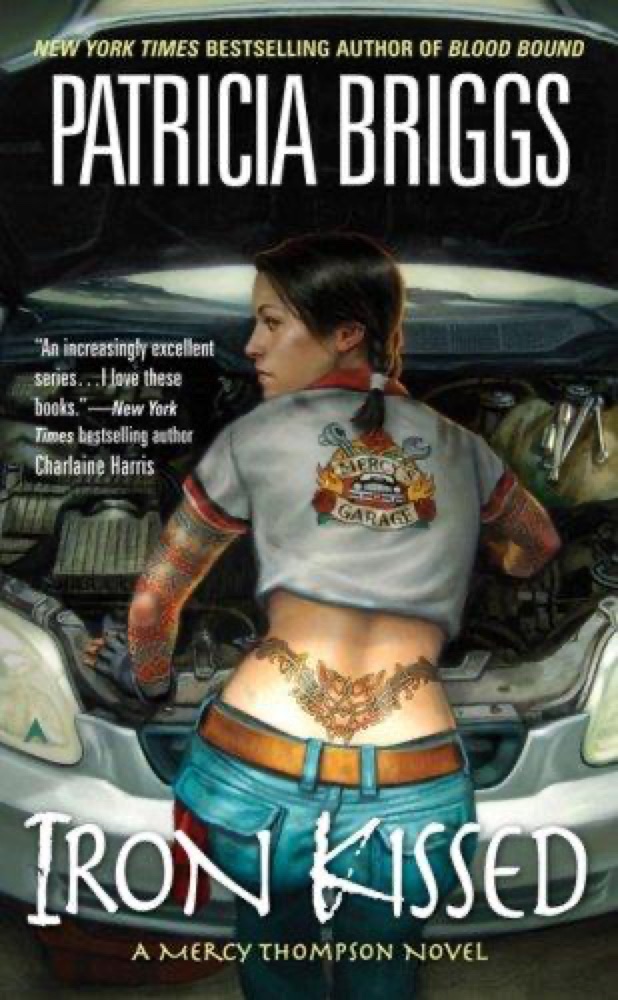 Iron Kissed
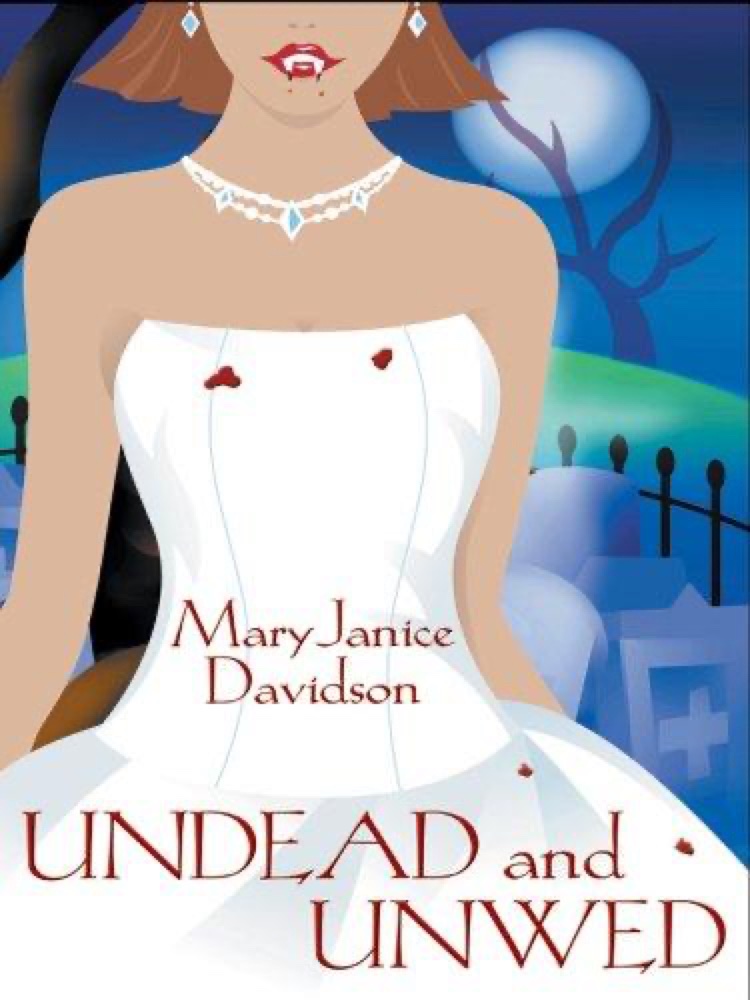 Undead and Unwed
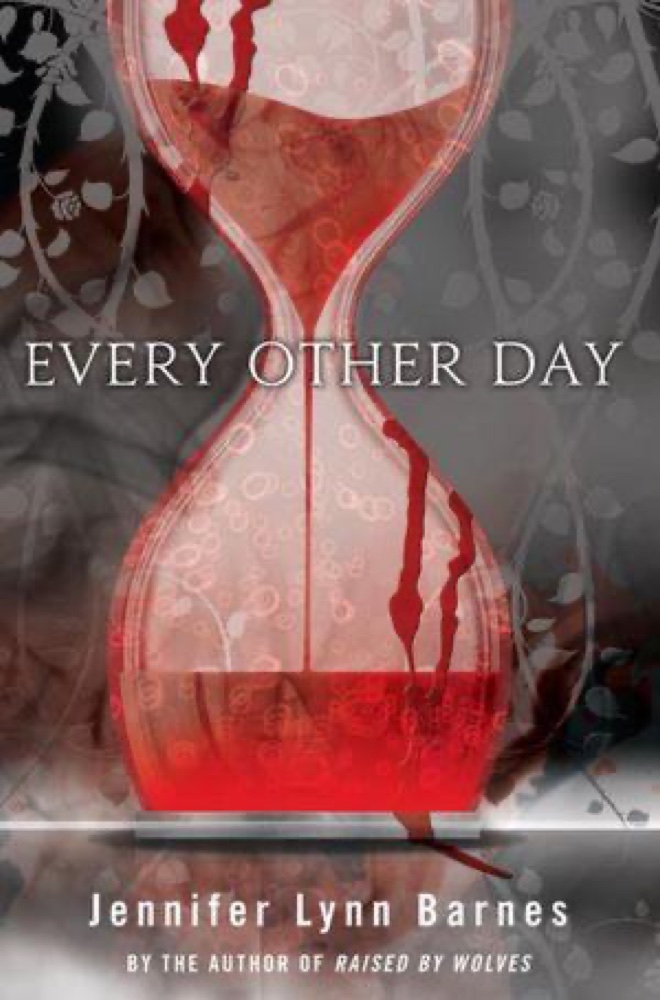 Every Other Day
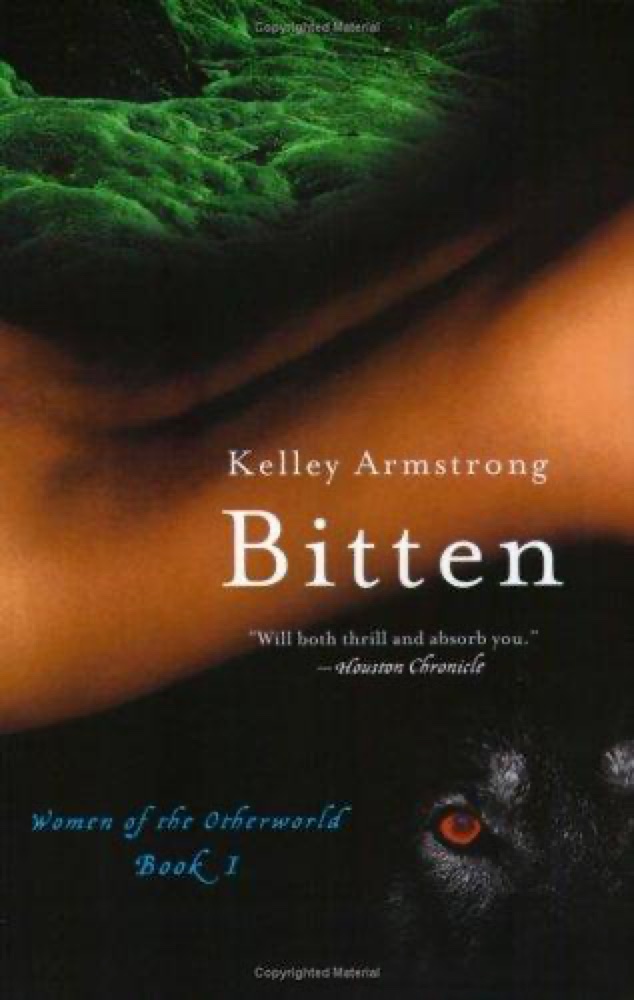 Bitten
 Bitter Blood
 Hunt the Moon
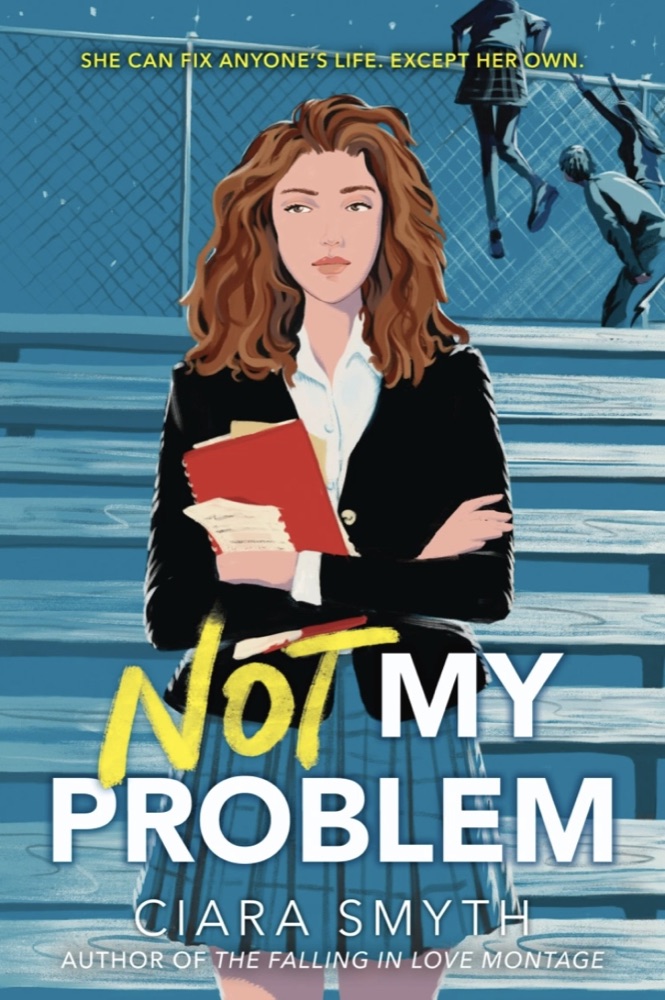 Not My Problem
 Supernaturally
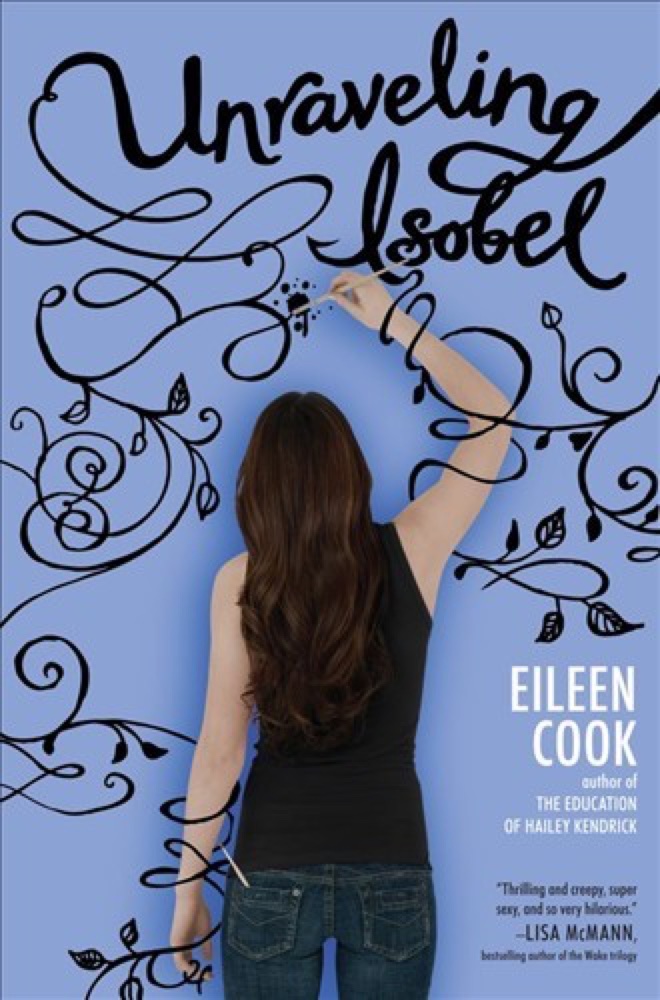 Unraveling Isobel
 From Dead to Worse
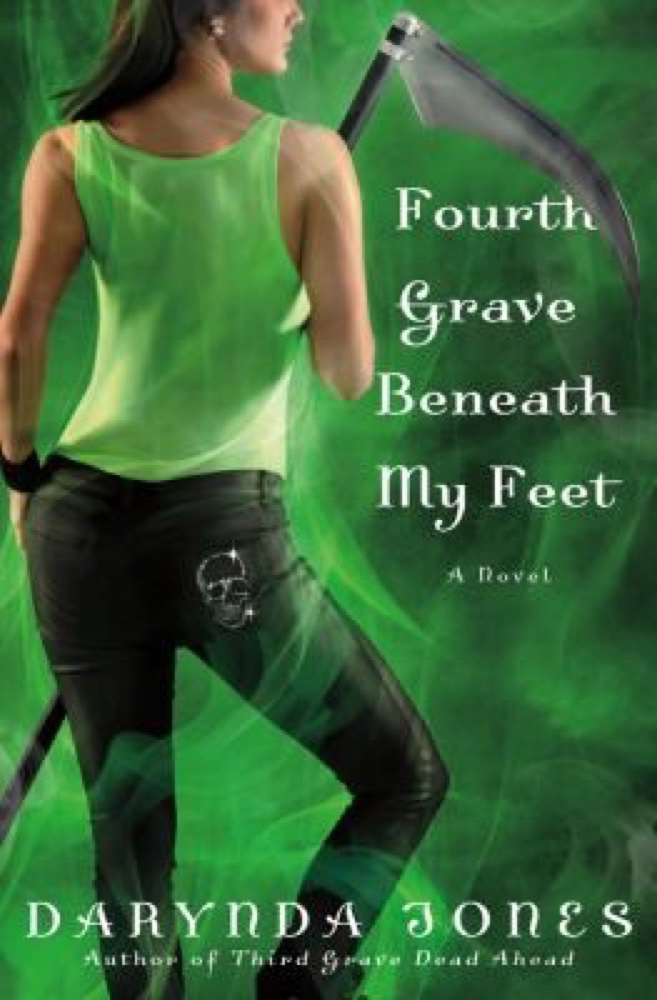 Fourth Grave Beneath My Feet
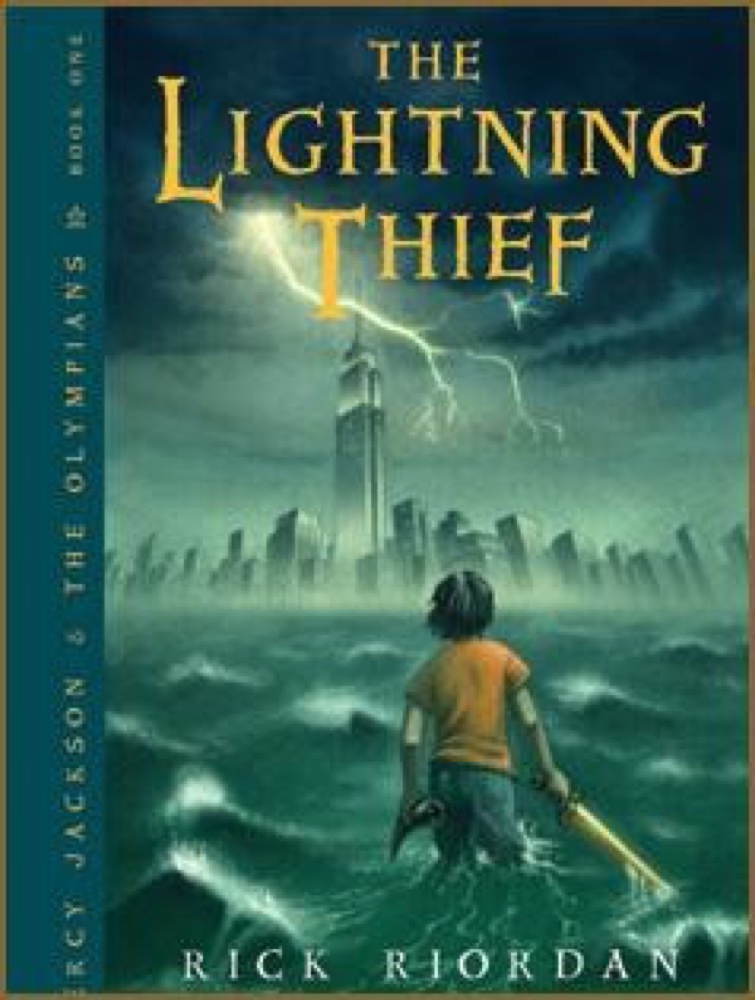 The Lightning Thief
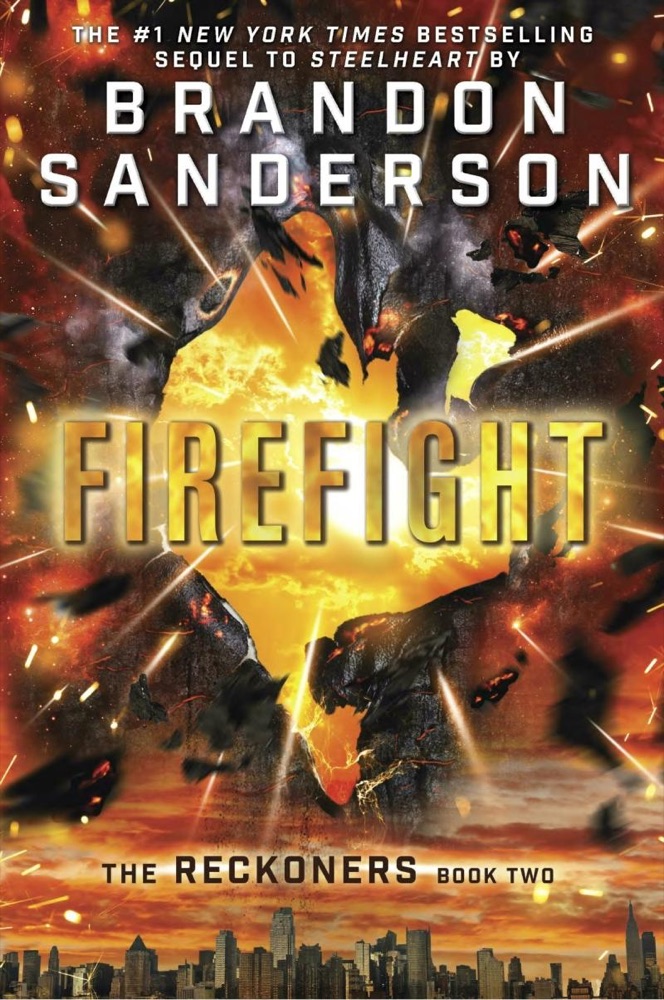 Firefight
 Half-Blood
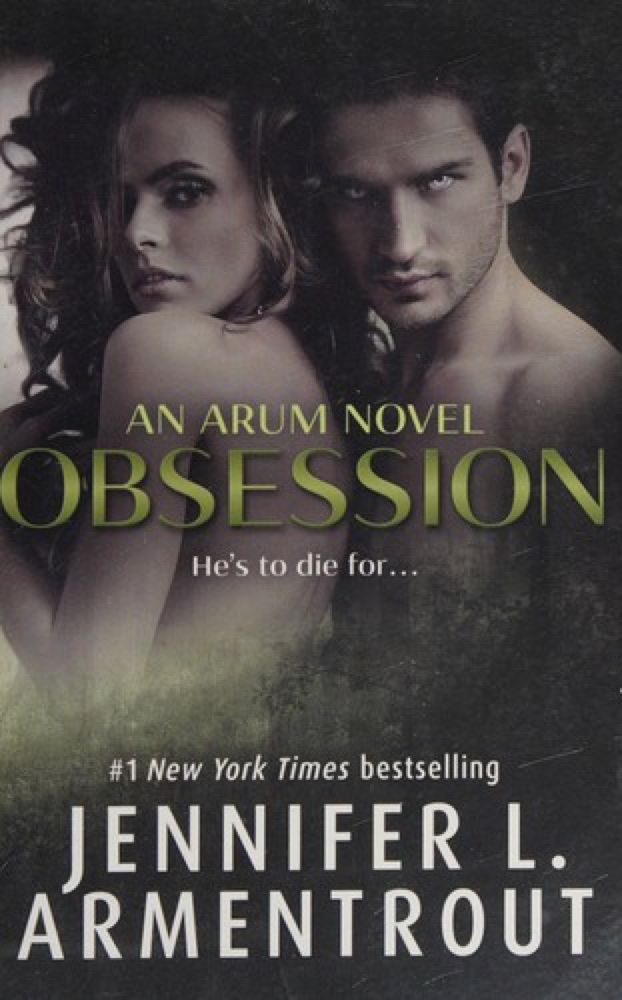 Obsession
 Dead and Gone
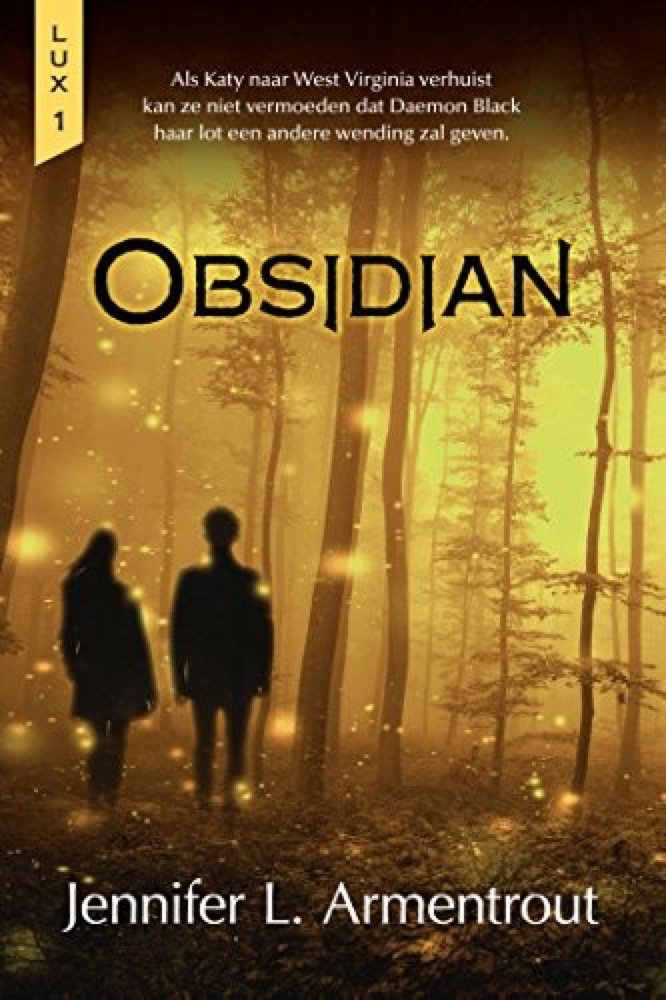 Obsidian
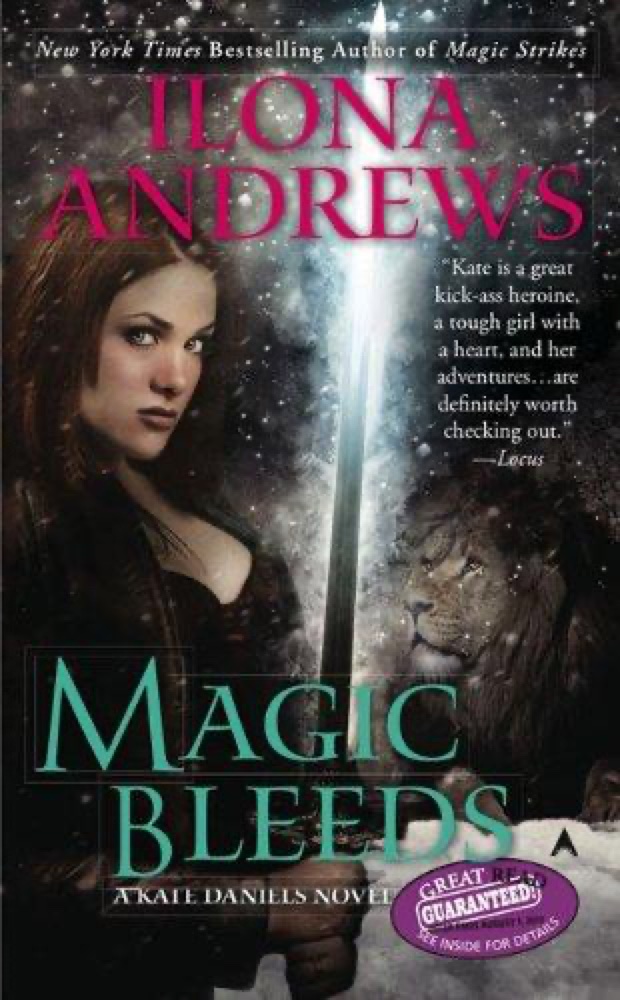 Magic Bleeds
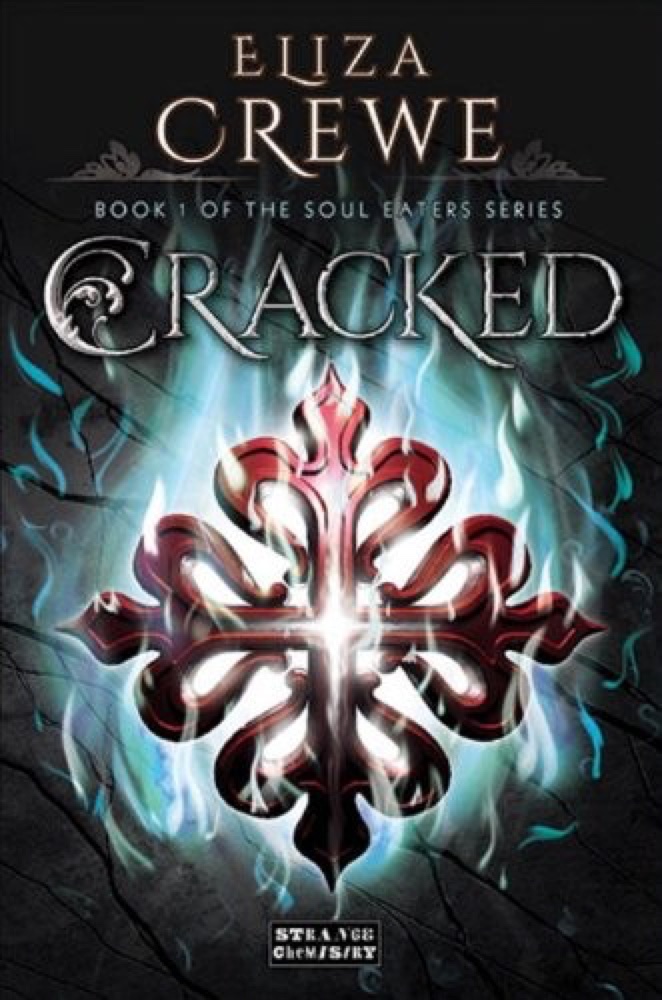 Cracked
 Magic Slays
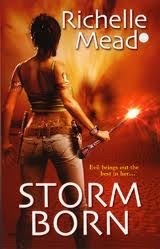 Storm Born
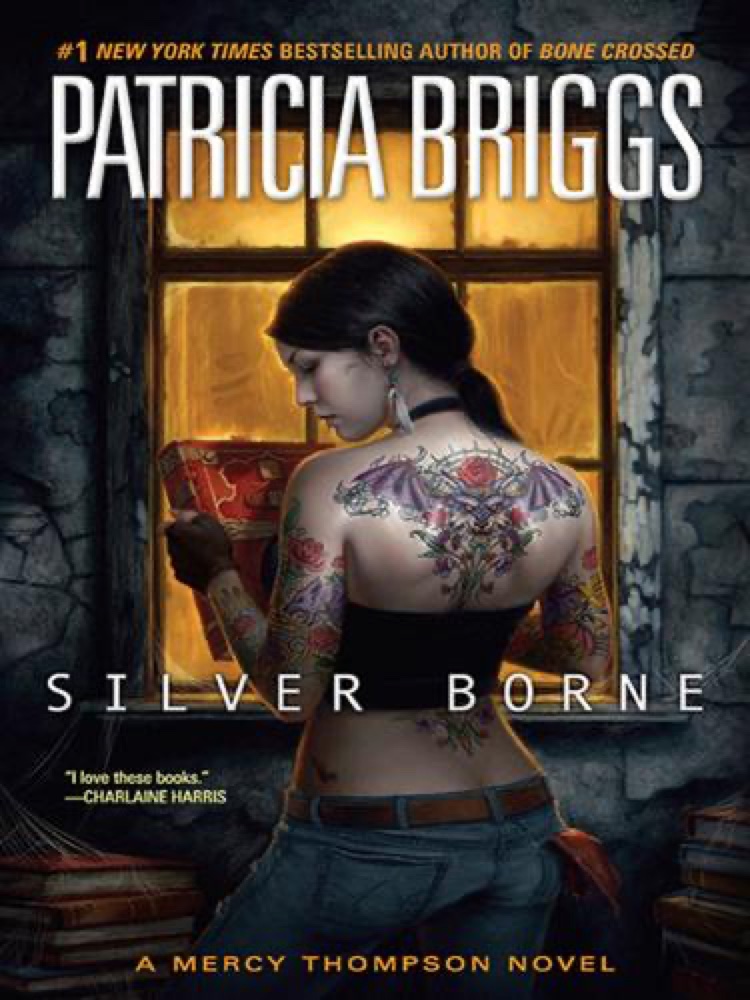 Silver Borne
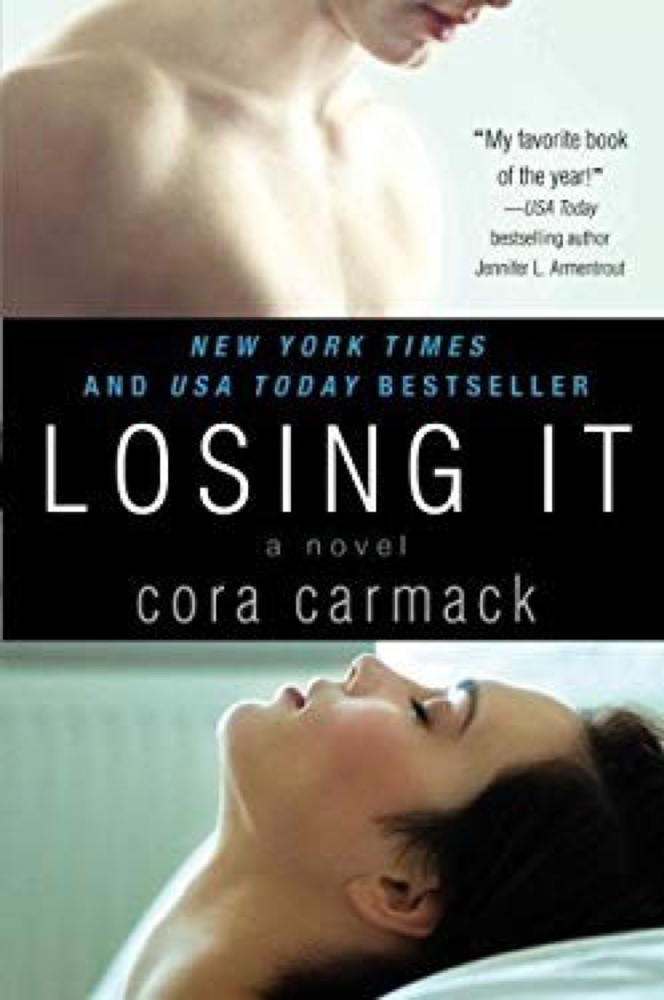 Losing It
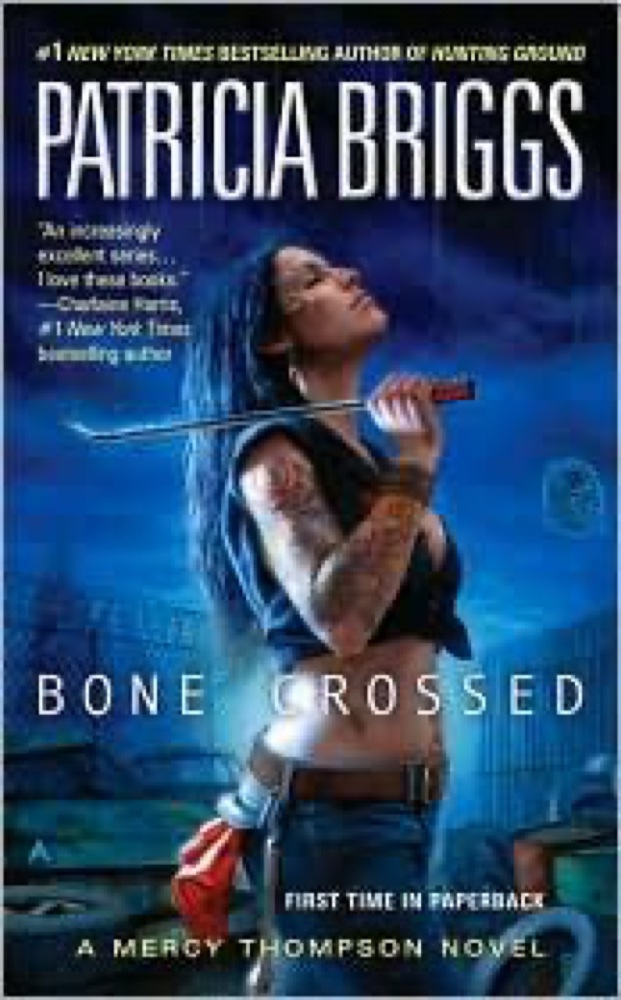 Bone Crossed
 Vampire Academy
 Drop Dead Demons
 You Slay Me
 Something Strange and Deadly
 On Dublin Street
 Jealousy
 Necromancing the Stone
 The Bachman Books
 The Awakening
 Drink Deep
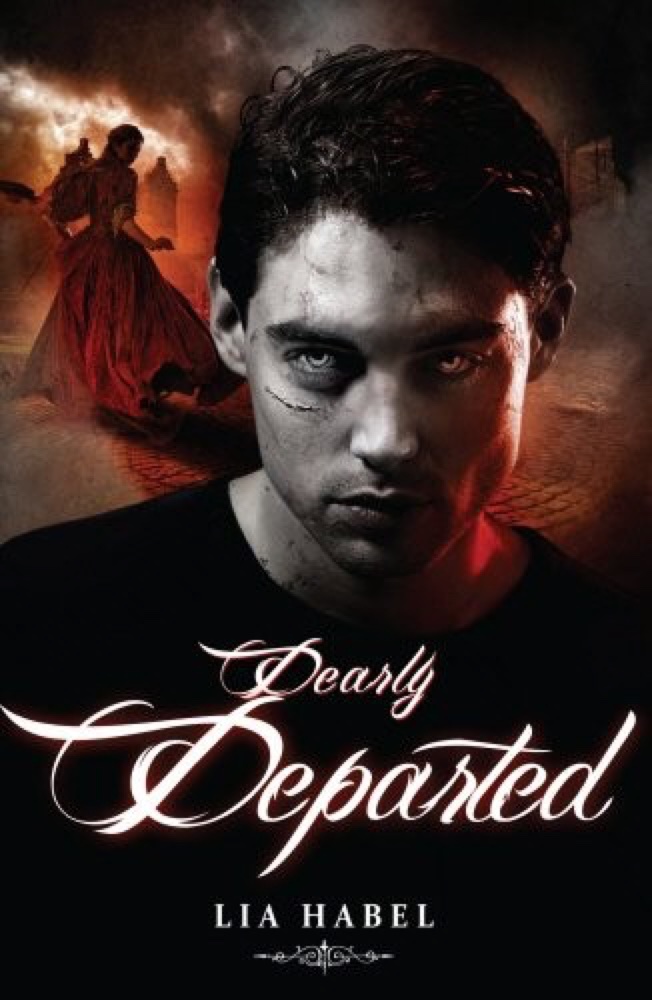 Dearly, Departed
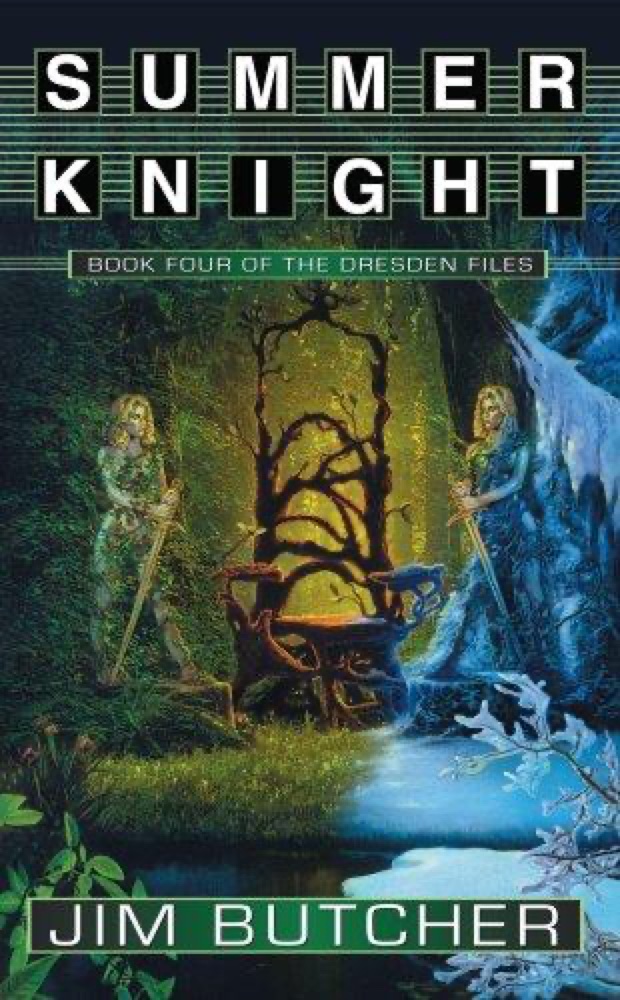 Summer Knight
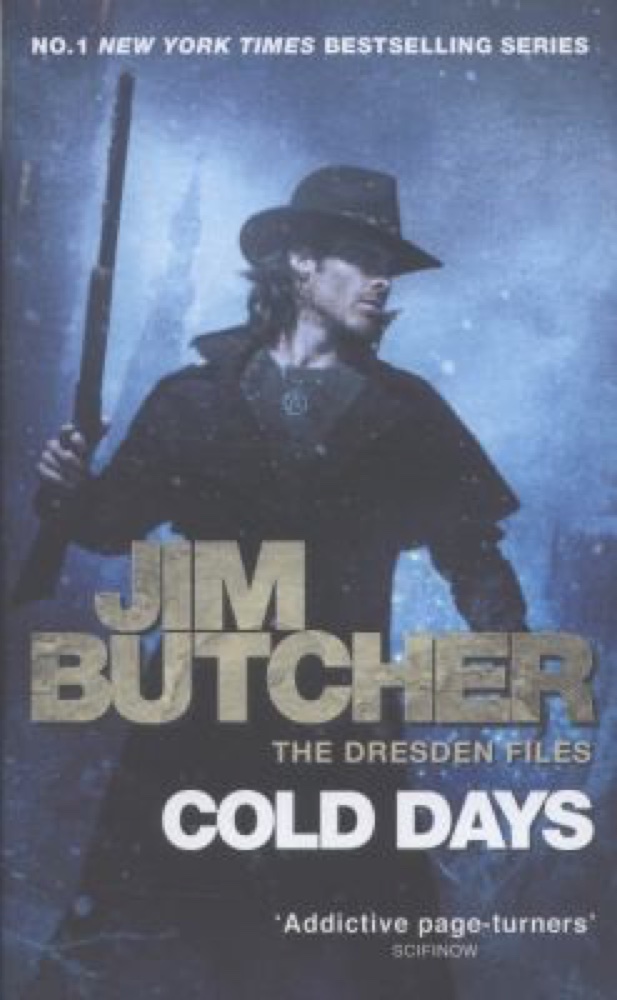 Cold Days
 No Hope for Gomez!
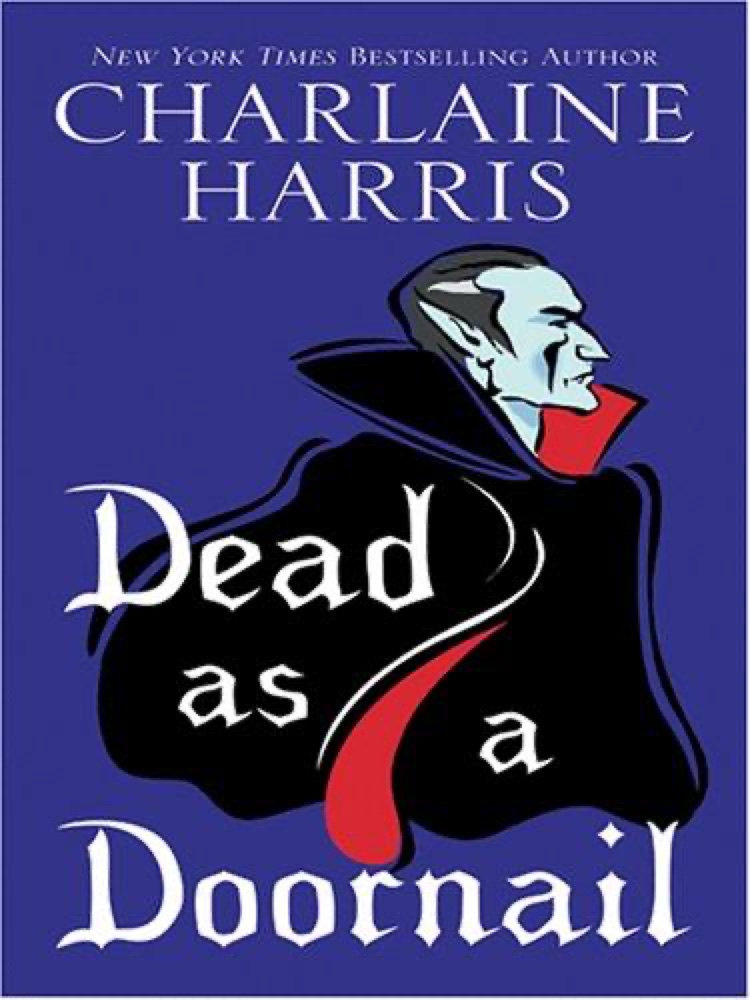 Dead as a Doornail
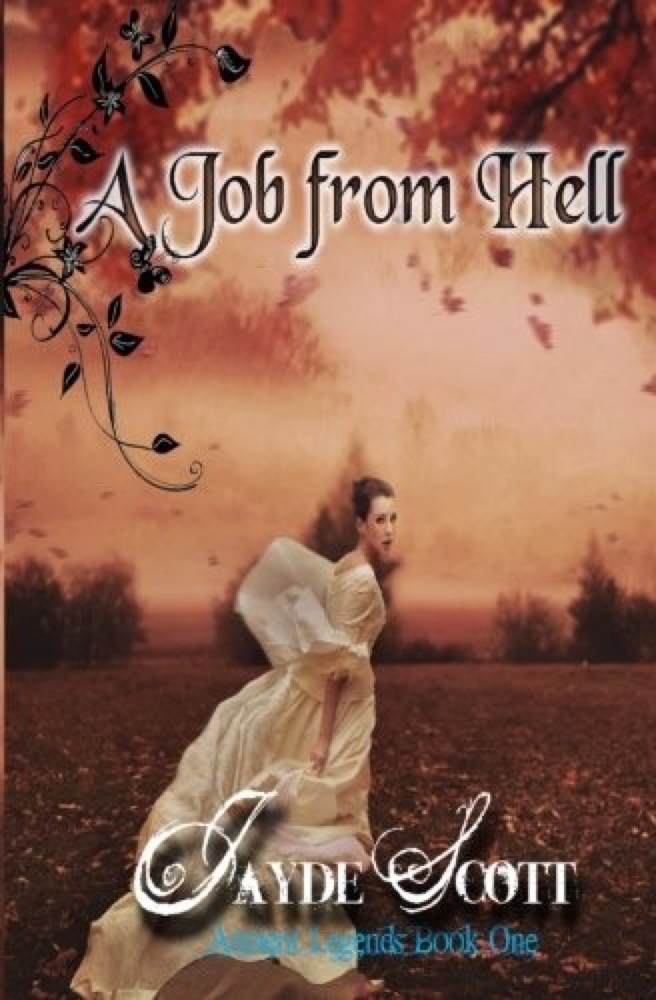 A Job From Hell
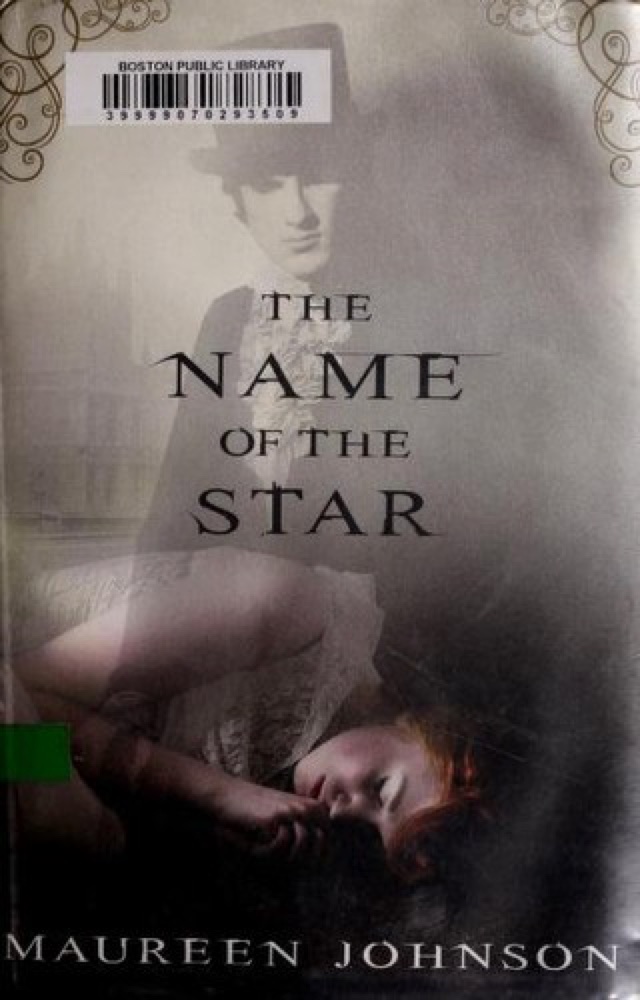 The Name of the Star
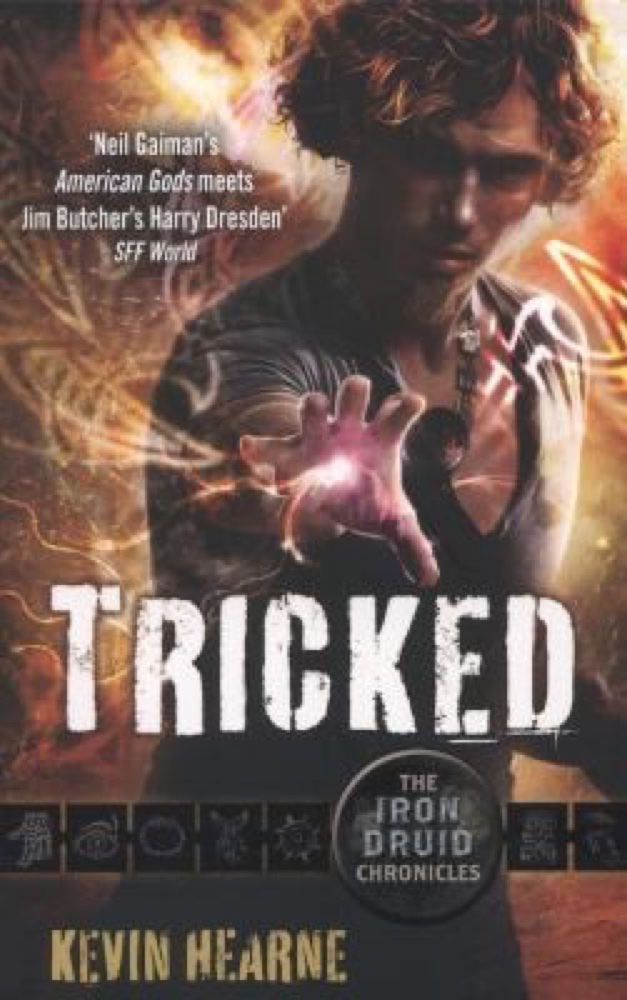 Tricked
 A Local Habitation
 Fury's Kiss
 Die for Me
 Fifth Grave Past the Light
 Circus of the Damned
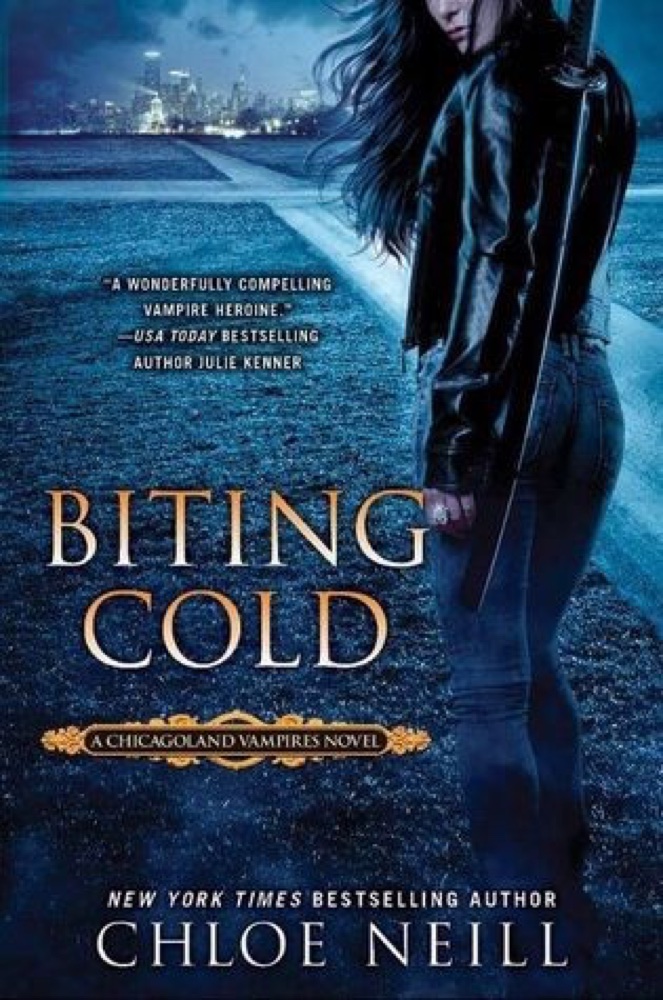 Biting Cold
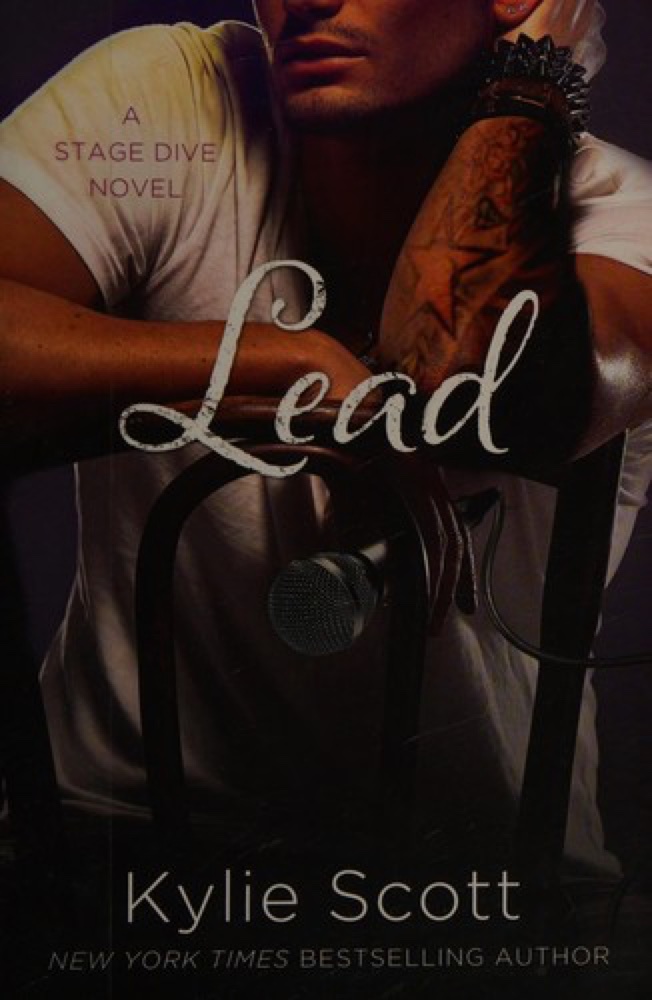 Lead
Lead
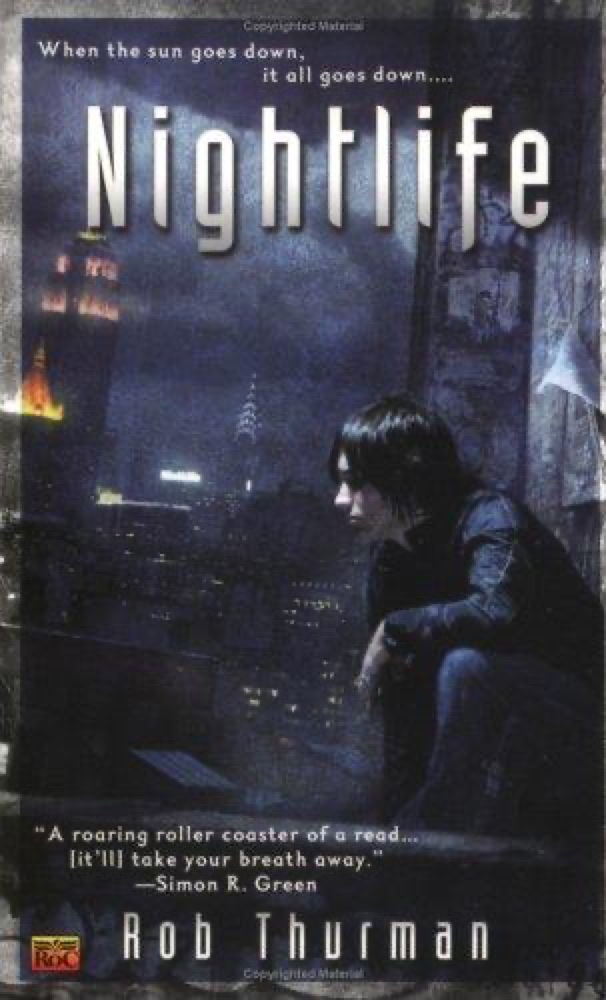 Nightlife
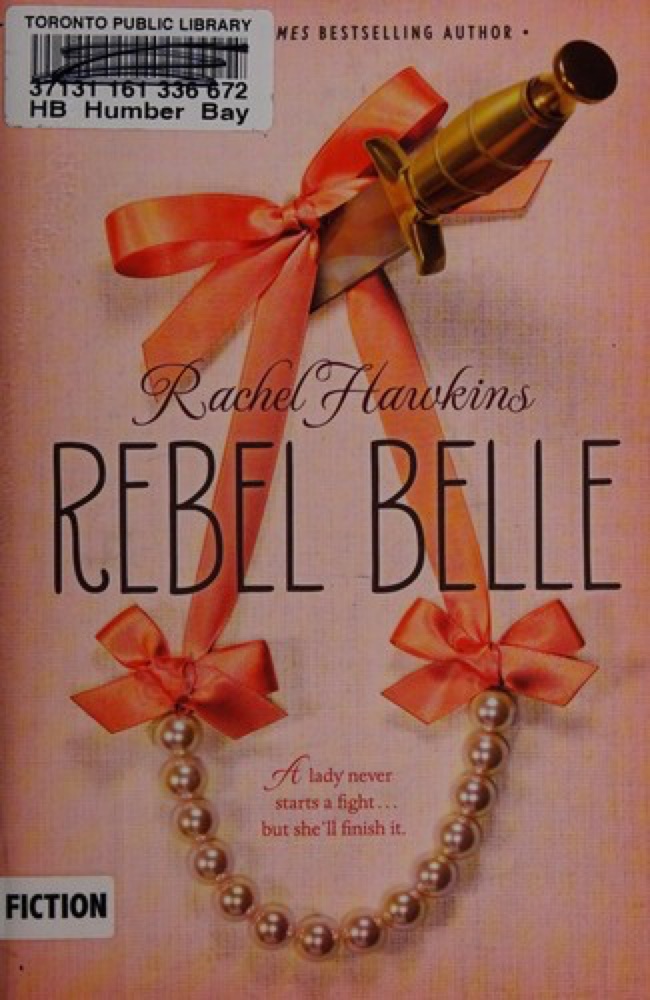 Rebel Belle
 Outpost
 The Lunatic Cafe
 Abandon