
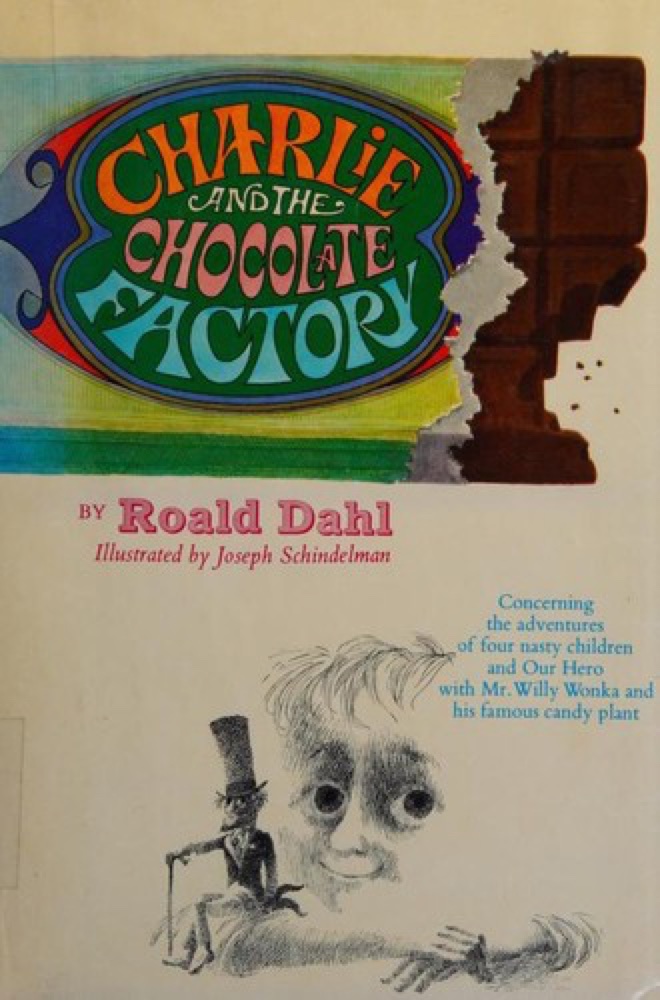
 Charlie and the Chocolate Factory
Quotes from the Book
I began to realize how important it was to be an enthusiast in life. He taught me that if you are interested in something, no matter what it is, go at it at full speed ahead. Embrace it with both arms, hug it, love it and above all become passionate about it. Lukewarm is no good. Hot is no good either. White hot and passionate is the only thing to be.
Life is more fun if you play games.
Listening to my father during those early years, I began to realise how important it was to be an enthusiast in life. He taught me that if you are interested in something, no matter what it is, go at it full speed ahead. Embrace it with both arms, hug it, love it and above all become passionate about it. Lukewarm is no good. Hot is no good, either. White hot and passionate is the only thing to be.
You mean to tell me,’ I said, ‘that every time I pleasure a young lady, I shoot into her two thousand million spermatozoa?’ ‘Absolutely.’ ‘All squiggling and squirming and thrashing about?’ ‘Of course.’ ‘No wonder it gives her a charge,’ I said. A.
over the years i have discovered a surprising but simple truth about young ladies and it is this: the more beautiful their faces, the less delicate their thoughts.
Watch on YouTube
About Roald Dahl
We have collected 201 quotes from 14 books by Roald Dahl on BookQuoters.
More about the author →More by Roald Dahl
All books by Roald Dahl →
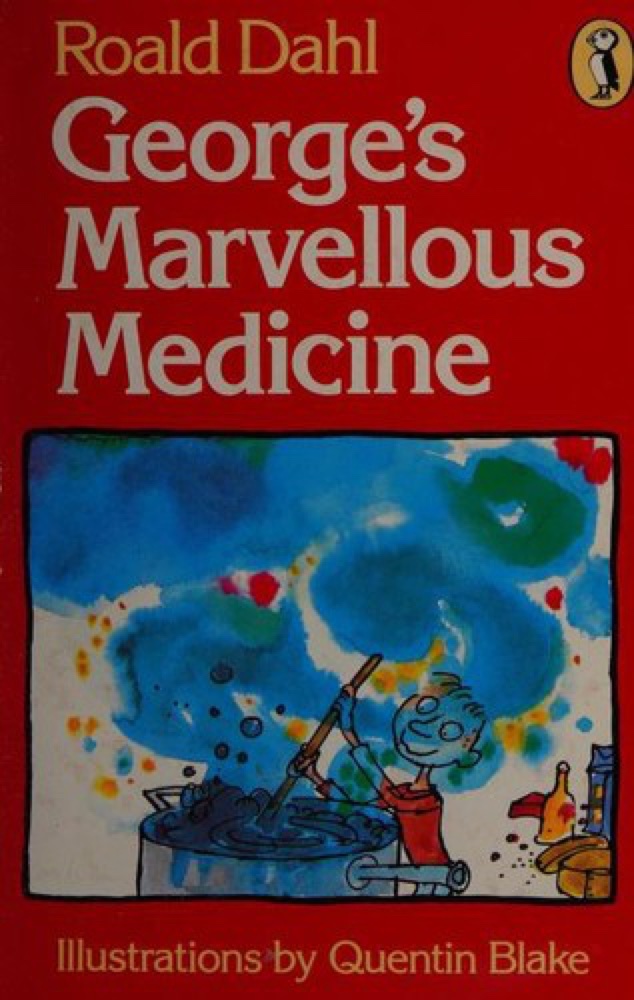
Book details
- Author
- Roald Dahl
- Genre
- Fiction
- Goodreads rating
- 3.83 (13k ratings) →
Keep reading
 Daddy-Long-Legs
 Me: Stories of My Life
 Agatha Christie: An Autobiography
 Faithful Place
 Life Itself
 Save Me the Plums: My Gourmet Memoir
 Tibetan Peach Pie
 Fuel the Fire
 Cocaine
 The Collected Stories
 Initiation
 Rules of Civility
 Crossing to Safety
 Never Date Your Brother's Best Friend
 Submarine
 Wait Till Next Year
 Crazy Little Thing
 Origin
 The Anatomical Shape of a Heart
 A Perilous Undertaking
 What I Loved
 The Absolutely True Diary of a Part-Time Indian
 The Gentleman's Guide to Vice and Virtue
 Happy Hour
 My Name Is Barbra
 Notes of a Dirty Old Man
 My Booky Wook
 The Saving Graces
 Boy's Life
 The Viscount Who Loved Me
 To Throw Away Unopened
 Magical Thinking: True Stories
 White Hot
 An Ideal Husband
 Kaleidoscope
 Attraction
 Sweet Thing
 South of Broad
 The Rivals
 Loving Frank
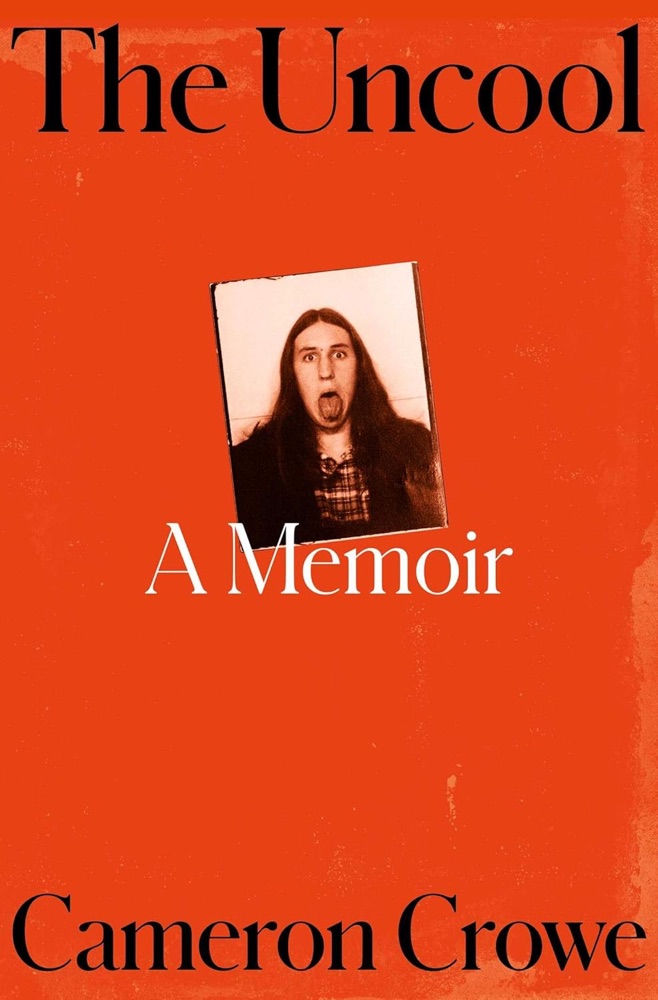 The Uncool
 Smooth Talking Stranger
 Inferno
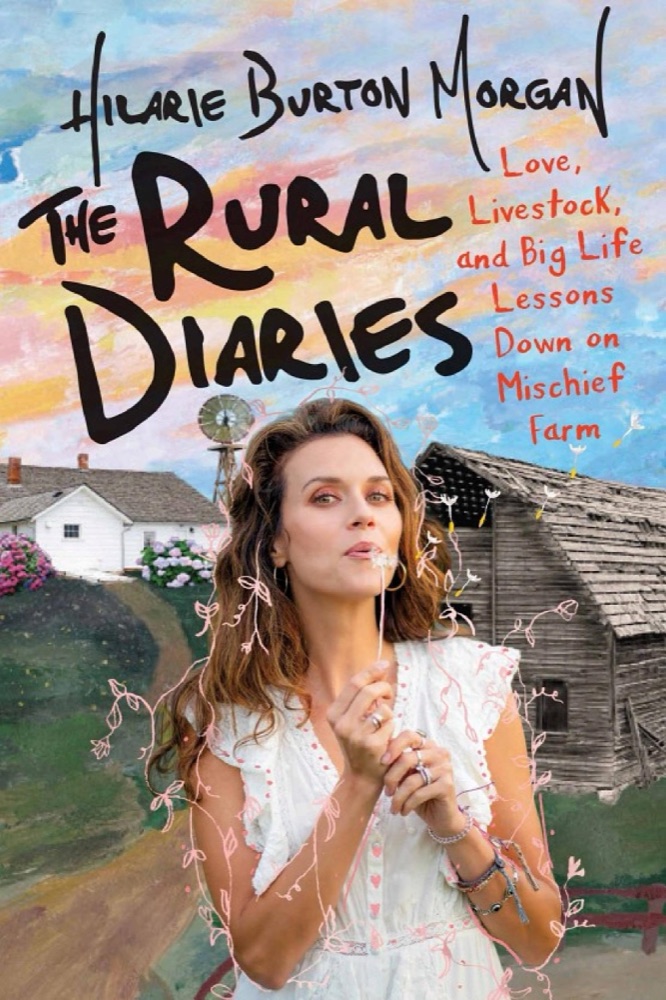 The Rural Diaries: Love, Livestock, and Big Life Lessons Down on Mischief Farm
 Silent in the Grave
 All These Things I've Done
 Grin and Beard It
 The One and Only Ivan
 I'll Have What She's Having
 David Copperfield
 Juliet
 Petals on the Wind
 The Syrian Virgin
 The Power of One
 Twenties Girl
 Summer in the City
 How to Kill a Rock Star
 The Nature of Jade
 The Promise of a Pencil: How an Ordinary Person Can Create Extraordinary Change
 Royally Matched