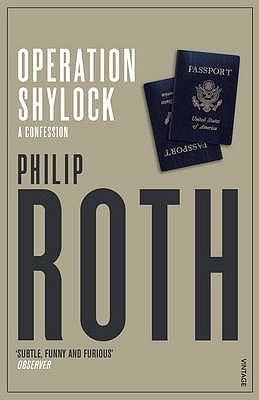

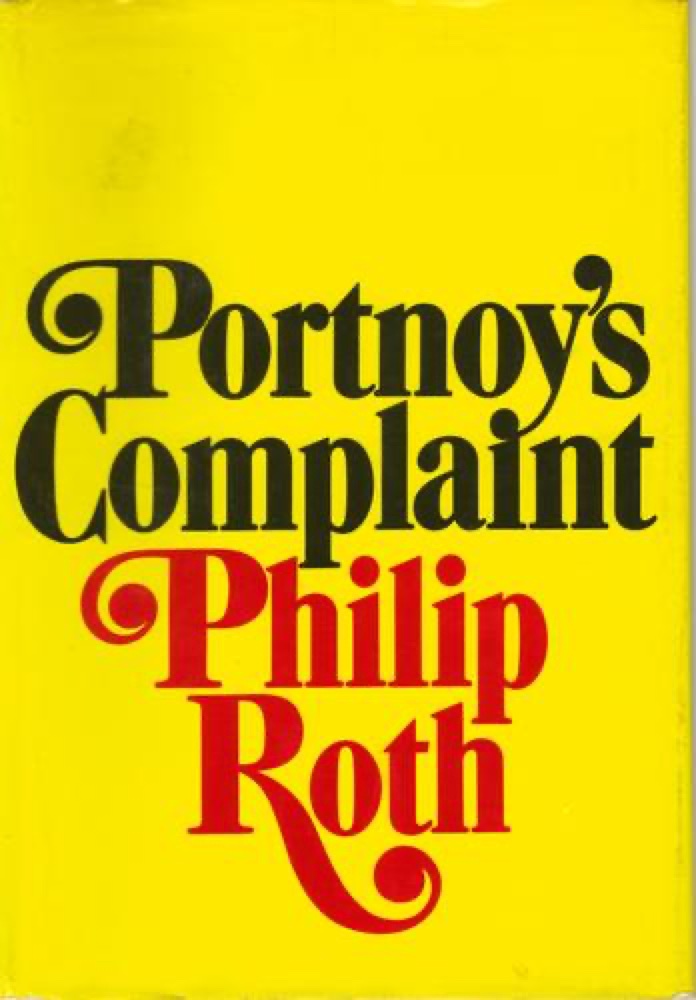
 Portnoy's Complaint
Quotes from the Book
Better for real things to be uncontrollable, better for one's life to be undecipherable and intellectually impenetrable than to attempt to make casual sense of what is unknown with a fantasy that is mad. Better, I thought, that the events of these past three days should remain incomprehensible to me forever than to posit, as I had just been doing, a conspiracy of foreign intelligence agents who are determined to control my mind. We've all heard that one before.
Everything dictated silence and self-control but I couldn't restrain myself and spoke my mind.
Where everything is words, you'd think I'd have some mastery and know my way around, but all this churning hatred, each man a verbal firing squad, immeasurable suspicions, a flood of mocking, angry talk, all of life a vicious debate, conversations in which there is nothing that cannot be said...no, I'd be better off in the jungle, I thought, where a roar's a roar and no one is hard put to miss its meaning.
...they'll say, 'He never recovered from that breakdown and this was the result. It had to be the breakdown--not even he was that dreadful a novelist.
...Don't tell me he's bisexual! Don't tell me this is more of the guy in the hallway! Don't tell me he wants us to have it off together, Philip Roth fucking Philip Roth! That, I'm afraid, is a form of masturbation too fancy even for me.
But I never did escape from this plot-driven world into a more congenial, subtly probable, innerly propelled narrative of my own devising--didn't make it to the airport,...--and that was because in the taxi I remembered a political cartoon I'd seen in the British papers when I was living in London during the Lebanon war, a detestable cartoon of a big-nosed Jew, his hands meekly opened out in front of him and his shoulders raised in a shrug as though to disavow responsibility, standing atop a pyramid of dead Arab bodies. Purportedly a caricature of Menachem Begin, then prime minister of Israel, the drawing was, in fact, a perfectly realistic, unequivocal depiction of a kike as classically represented in the Nazi press. The cartoon was what turned me around. Barely ten minutes out of Jerusalem, I told the driver to take me back to the King David Hotel.
This is the plot up to the moment when the writer leaves the woman still dolefully enmeshed in it, and, suitcase in hand, tiptoeing so as not to disturb her postcoital rest, he himself slips silently out of the plot on the grounds of its general implausibility, a total lack of gravity, reliance at too many key points on unlikely coincidence, an absence of inner coherence, and not even the most tenuous evidence of anything resembling a serious meaning or purpose. The story so far is frivolously plotted, overplotted, for his taste altogether too freakishly plotted, with outlandish events so wildly careening around every corner that there is nowhere for intelligence to establish a foothold and develop a perspective. As if the look-alike at the story's storm center isn't farfetched enough, there is the capricious loss of the Smilesburger check (there is the fortuitous appearance of the Smilesburger check; there is Louis B. Smilesburger himself, Borscht Belt deus ex machina), which sets the action on its unconvincing course and serves to reinforce the writer's sense that the story has been intentionally conceived as a prank, and a nasty prank at that, considering the struggles of Jewish existence that are said to be at issue by his antagonist.
It was not for me, after these last seventy-two hours, to reject as too outlandish the possibility that the situation for him here had driven George crazy. Yet I did reject it. It was just too insipid a conclusion. Not everybody was cray. Resolute is not crazy. Deluded is not crazy. To be thwarted, vengeful, terrified, treacherous--this is not to be crazy. Not even fanatically held illusions are crazy, and deceit certainly isn't crazy--deceit, deviousness, cunning, cynicism, all of that is far from crazy...and there, that, deceit, there was the key to my confusion. Of course!
...I finally went back to my seat in the second row and sat there doing what I've done throughout my professional life: I tried to think, first, how to make credible a somewhat extreme, if not outright ridiculous story, and, next, how, after telling it, to fortify and defend myself from the affronted who read into the story an intention having perhaps to do less with the author's perversity than with their own.
Would that I were still a ludicrous character in his lousy book!
Look, I've got more personalities than I can use already. All you are is one too many.
I suppose I should have laughed even more uproariously at what happened next; as a newly anointed convert to the Old Comedy, I should have bounded to my feet, cried aloud, "Hallelujah!" and sung the praises of He Who Created Us, He Who Formed Us from the Mud, the One and Only Comic Almighty, OUR SOVEREIGN REDEEMER ARISTOPHANES, but for reasons all too profane (total mental paralysis) I could only gape at the sight of nothing less than the highly entertaining Aristophanic erection that Pipik had produced....
I left the front stoop on Leslie Street, ate of the fruit of the tree of fiction, and nothing, neither reality nor myself, has been the same since.
Nothing could appear to be more human than refusing to believe extinction possible so long as you were encircled by luscious eggplants and ripe tomatoes[..]
I understood that people are trying to transform themselves all the time: the universal urge to be otherwise. So as not to look as they look, sound as they sound, be treated as they are treated, suffer in the ways they suffer, etc., etc., they change hairdos, tailors, spouses, accents, friends, they change their addresses, their noses, their wallpaper, even their forms of government, all to be more like themselves or less like themselves, or more like or less like that exemplary prototype whose image is theirs to emulate or to repudiate obsessively for life.
I’m looking at myself,” he said, ecstatically, “except it’s you.
don’t care why we have it, we are here to admit that we have it and help each other get rid of it.
Could he continue to maintain his sanity that long? He didn't know. That's why he was devouring two or three books a day - to remove himself every minute that he possibly could from the madness of this life.
Watch on YouTube
About Philip Roth
We have collected 283 quotes from 16 books by Philip Roth on BookQuoters.
More about the author →More by Philip Roth
All books by Philip Roth →
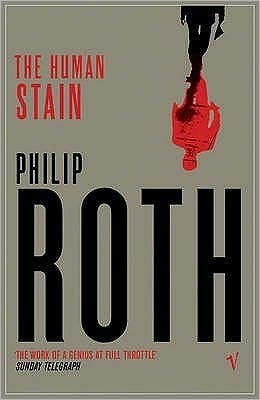
Book details
- Author
- Philip Roth
- Genre
- Literature
- Goodreads rating
- 3.78 (5k ratings) →
Keep reading
 The Counterlife
 The Golden Notebook
 Jailbird
 The Blindfold
 Invitation to a Beheading
 Leviathan
 The Liar
 The Eden Express: A Memoir of Insanity
 The Brooklyn Follies
 The Wasp Factory
 Surfacing
 City of Thieves
 Sybil: The Classic True Story of a Woman Possessed by Sixteen Personalities
 Oblivion
 Fun Home: A Family Tragicomic
 A Confederacy of Dunces
 The Story of a New Name
 Jude the Obscure
 My Booky Wook
 The Dud Avocado
 Darkly Dreaming Dexter
 Lost in the Funhouse
 The Untouchable
 The Bachman Books
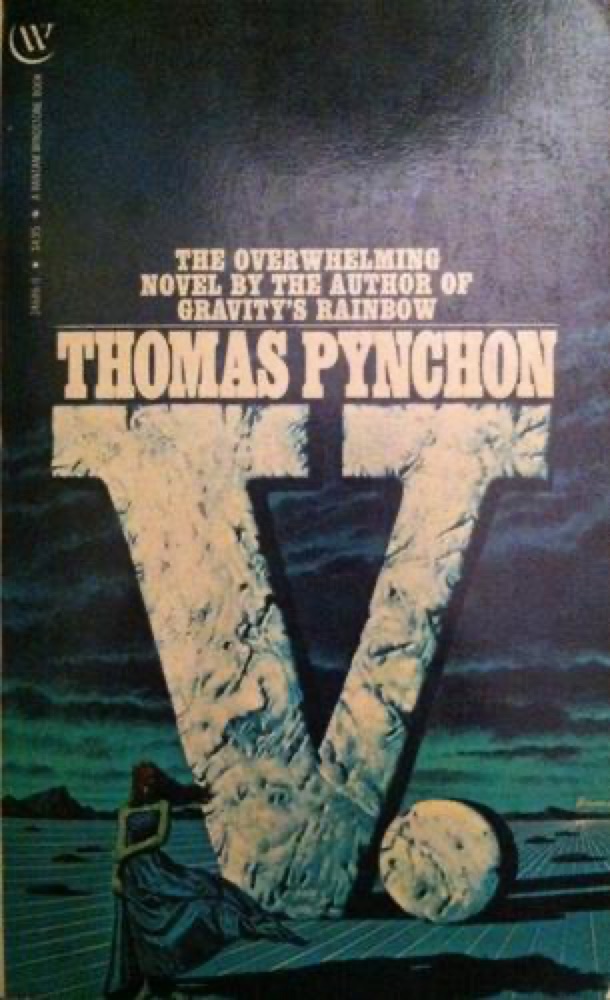 V.
V.
 The Gambler
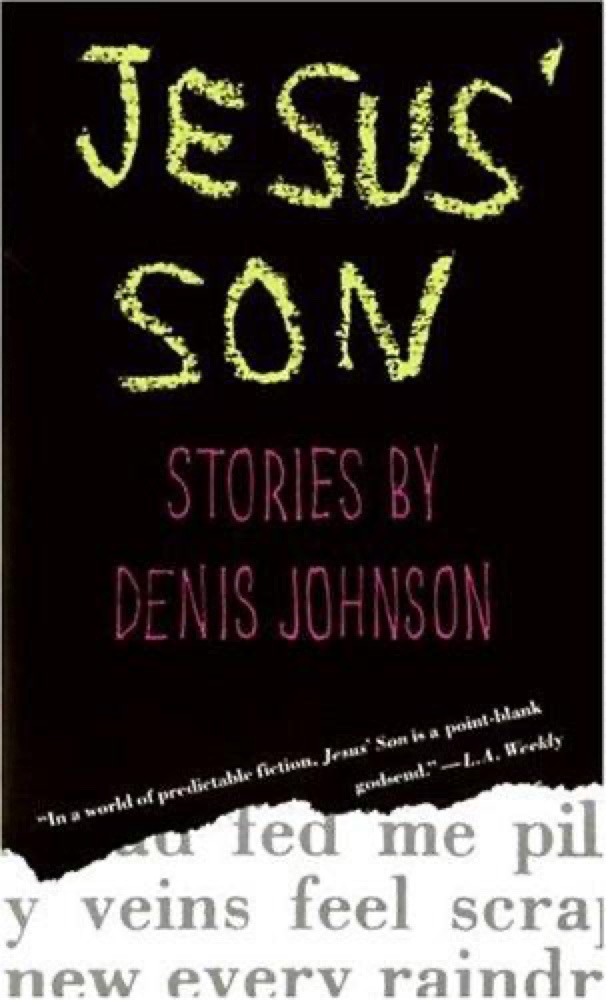 Jesus' Son
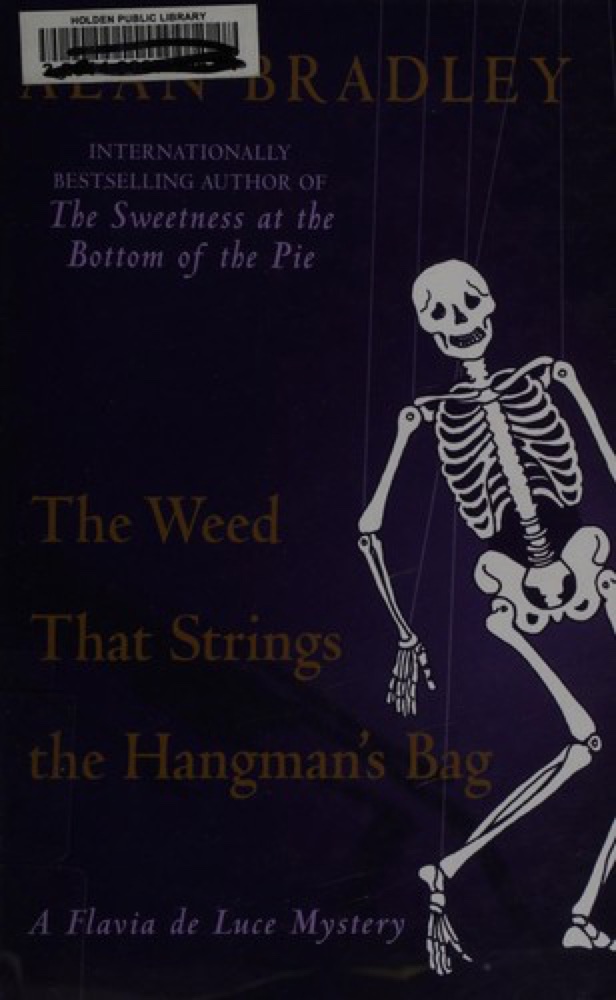 The Weed That Strings the Hangman's Bag
 Sixty Stories
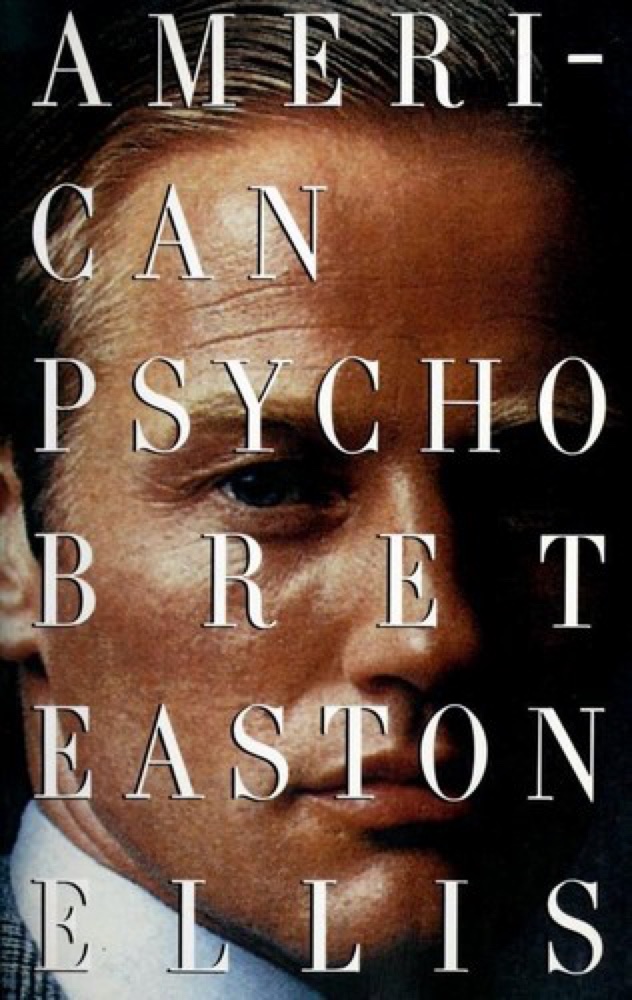 American Psycho
 The Manticore
 Infinite Jest
 Rainbow Black
 The Mandarins
 Fifth Business
 The Likeness
 Wonder Boys
 Laura
Laura
 Erasure
 Rage
Rage
 Don't Get Too Comfortable: The Indignities of Coach Class, the Torments of Low Thread Count, the Never-Ending Quest for Artisanal Olive Oil, and Other First World Problems
 The Adolescent
 The Hour I First Believed
 Molloy, Malone Dies, The Unnamable
 Look at Me
 The Buddha of Suburbia
 Legion
![What Was She Thinking? [Notes on a Scandal]](/i/book/g/08/what-was-she-thinking-notes-on-a-scandal.jpg) What Was She Thinking? [Notes on a Scandal]
What Was She Thinking? [Notes on a Scandal]
 Dr. Jekyll and Mr. Hyde
 Diary of a Drug Fiend
 I Have No Mouth & I Must Scream
 The Story of the Lost Child
 False Memory
 Hollywood
 The Naked and the Dead
 The Stainless Steel Rat
 Seraphina
 The Naked Civil Servant
Portnoy's Complaint
The Naked Civil Servant
Portnoy's Complaint