 The Little Sleep
Quotes from the Book
Ideas. I'm possessed by ideas. Ideas that are as old as humanity, maybe older, right? Maybe those ideas were out there just floating around before us, just waiting to be thought up. Maybe we don't think them, we pluck them out from another dimension or another mind.
47
On the morning of the exorcism, I stayed home from school.
31
Being asked to read another writer’s rough draft is the literary equivalent of being asked to help a friend move a couch to a new place.
16
Sometimes it's good to be sad, Merry. Don't forget that.
15
There’s nothing wrong with me, Merry. Only my bones want to grow through my skin like the growing things and pierce the world.
11
Actually, I'm possessed, only I'm possessed by something so much older and cooler than Satan.
9
To be honest, and all the external influences aside, there are some parts of this that I remember in great, terrible detail, so much so I fear getting lost in the labyrinth of memory. There are other parts of this that remain as unclear and unknowable as someone else’s mind, and I fear that in my head I’ve likely conflated and compressed timelines and events.
9
I am the dead dreamer, older than sin, older than humanity. I am the shadow below everything. I am the beautiful thing that awaits us all.
8
I wasn't sure if I wanted to hear such a big secret. It might not fit in my head and then it would spill out everywhere.
8
He’s probably seen that horrible Johnny Depp version of the movie. That you kids like it and not the original Gene Wilder version is sacrilege.” “Mom,
8
See The Last Exorcism. But don’t see its dumbass ending.
7
I think it’s good to be afraid. It means that I’m alive.
6
Maybe we don't think [ideas], we pluck them out from another dimension, another mind.
6
It was so dark it was like noting was there in the room but us. Only the nothing was actually something because it filled my eyes and lungs and it sat on my shoulders.
6
I sneak into your room when you are asleep, Merry-monkey. I’ve been doing it for weeks now, since the end of summer. You’re so pretty when you’re asleep. Last night, I pinched your nose shut until you opened your little mouth
6
She kept talking and she kept talking. I thought she would never stop. Standing there, I felt the sun pour through the windows, setting and rising on my back. The sunroom had become a sundial measuring the geological age of my psychological toture.
6
The TV people. I like calling them that. The TV people. And they have TVs for heads and their faces can change when the channels change.
6
Are you good at keeping secrets, Merry?” “I’m better than some.” I pause, then add, “More often than not, they keep me,” only because it sounds simultaneously mysterious and pithy.
6
What does that say about you or anyone else that my sister’s nationally televised psychotic break and descent into schizophrenia wasn’t horrific enough?
5
Dad laughed, and despite two thousand volts of frustration tingling and twitching through my body, I laughed too. Everything about him that morning seemed relaxed and brighter than it had in months. He’d always been a moody guy. No one was funnier or more fun to play with than he was when in the right mood and you could feel the barometric pressure drop when he wasn’t.
4
And I remember thinking that all these stories started off sounding like the old fairy tales Mom and Dad used to tell me, and instead of witches putting kids in ovens and evil queens conjuring poisoned apples, the fathers and husbands were the monsters doing the unspeakable things to their families, and these stories all ended without anyone saving anybody.
4
teeth. As a child I used to tie strings of red dental floss around a wiggly tooth and leave the floss dangling there for days and days until the tooth fell out on its own. Marjorie would call me a tease and chase me around the house trying to pull the wax string, and I would scream and cry because it was fun and because I was afraid if I let her pull out one tooth she wouldn’t
4
I said, "I want to wear something funny and cool. Marjorie, could I wear your sparkly baseball hat?" The three of us looked at Marjorie. Now I remember thinking that her answer could change everything back to the way it was; Dad could find a job and stop praying all the time and Mom could be happy and call Marjorie shellfish again and show us funny videos she found on YouTube, and we all could eat more than just spaghetti at dinner and, most important, Marjorie could be normal again. Everything would be okay if Marjorie would only say yes to me wearing the sparkly sequined baseball hat, the one she'd made in art class a few years ago. The longer we watched Marjorie and waited for her response, the more the temperature in the room dropped and I knew that nothing would ever be the same again. She stopped twisting her spaghetti around her fingers. She opened her mouth, and vomit slowly oozed out onto her spaghetti plate. Dad: "Jesus!" Mom: "Honey, are you okay?" She jumped out of her seat and went over to Marjorie, stood behind her, and held her hair up. Marjorie didn't react to either parent, and she didn't make any sounds. She wasn't retching or convulsing involuntarily like one normally does when throwing up. It just poured out of her as though her mouth was an opened faucet. The vomit was as green as spring grass, and the masticated pasta looked weirdly dry, with a consistency of mashed-up dog food. She watched Dad the whole time as the vomit filled her plate, some of it slopping over the edges and onto the table. When she finished she wiped her mouth on her sleeve. "No, Merry. You can't wear my hat." She didn't sound like herself. Her voice was lower, adult, and growly. "You might get something on it. I don't want you to mess it up." She laughed. Dad: "Marjorie..." Marjorie coughed and vomited more onto her too-full plate. "You can't wear the hat because you're going to die someday." She found a new voice, this one treacly baby-talk. "I don't want dead things wearing my very special hat.
4
After your performed the exorcism, how did you know that demon wasn't still in there, hiding? How do you know it didn't go in a hibernation state, quieting down to come out later, years and years later when no one would be around to help? Hey, how do you know if the wrong spirit left? What if you expelled the person's real spirit and only the demon's spirit was there to take its place? If I believed in any of that stuff, I'd be afraid that was going to happen to me.
4
Passage of time as a prop to the story, the story that has been told and retold so often it has lost its meaning, even to those of us who lived through it.
4
Or maybe. Maybe. Maybe I'm just a lost, confused kid, scared of what's happening to me, to my family, to the world, and I hate school and I have no friends, and I spend my days sleeping with my iPod cranked up as loud as it'll go, trying not to go completely crazy, and with all that time alone I'm looking shit up on the Internet, looking up the same stuff over and over, and I memorize it all because I'm wicked smart, because I have to fill my head with something other than the ghosts.
3
You believe because it’s easier than dealing with the idea that you just willingly watched a sick, troubled teenage girl purposefully choose to jump from a ledge.
3
They can’t. They’ve been changed. There’s no going back. This is the fallacy of the good old days: not only are they gone and never coming back, they never existed in the first place. That’s the horror of existence. Change happens whether you want it to or not. Existence is by its very nature progressive. It continually asks, So now what? How are you going to live through this? How is anyone going to live through this?
3
So heaven was this vague, uneasy, almost cartoonish concept, a confusing cultural mash up of puffy clouds, harps, winged Angel's, Golden sunlight, a giant hand that may or may not belong to a giant man with a flowing white beard named God.
3
I wanted to leave that room, that house, and I had a brief runaway fantasy where I ran away to California, which I’d never been to, to where all the Bigfoots were, and I’d disappear into the woods and live alone, become a rumor, an occasional blurred sighting. Father
3
Did you know?
- The novel won the 2015 Bram Stoker Award for Novel from the Horror Writers Association.
- Stephen King praised the book, saying it scared him.
- The story is partly told through blog posts by a character named Karen Brissette, later revealed to be a pseudonym used by the narrator.
- A film adaptation has been in development, with Lionsgate holding distribution rights and directors Veronika Franz and Severin Fiala attached.
About Paul Tremblay
Paul Tremblay is an American author of horror and dark fiction, known for novels including A Head Full of Ghosts, The Cabin at the End of the World, and Survivor Song. He has won multiple Bram Stoker Awards and lives near Boston, Massachusetts.
More about the author →More by Paul Tremblay
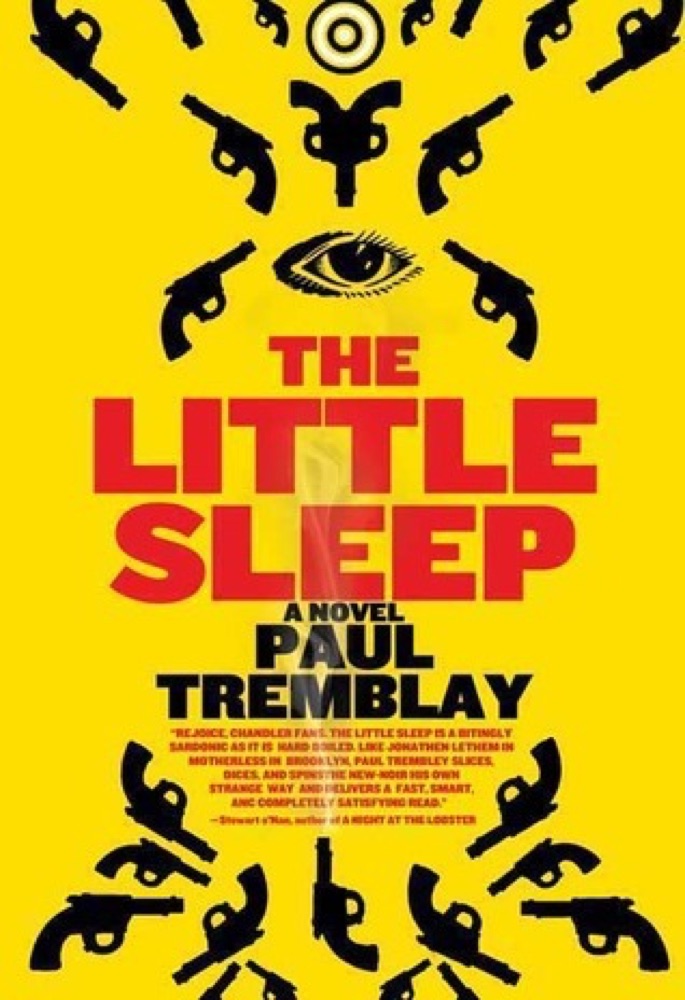
The Little Sleep
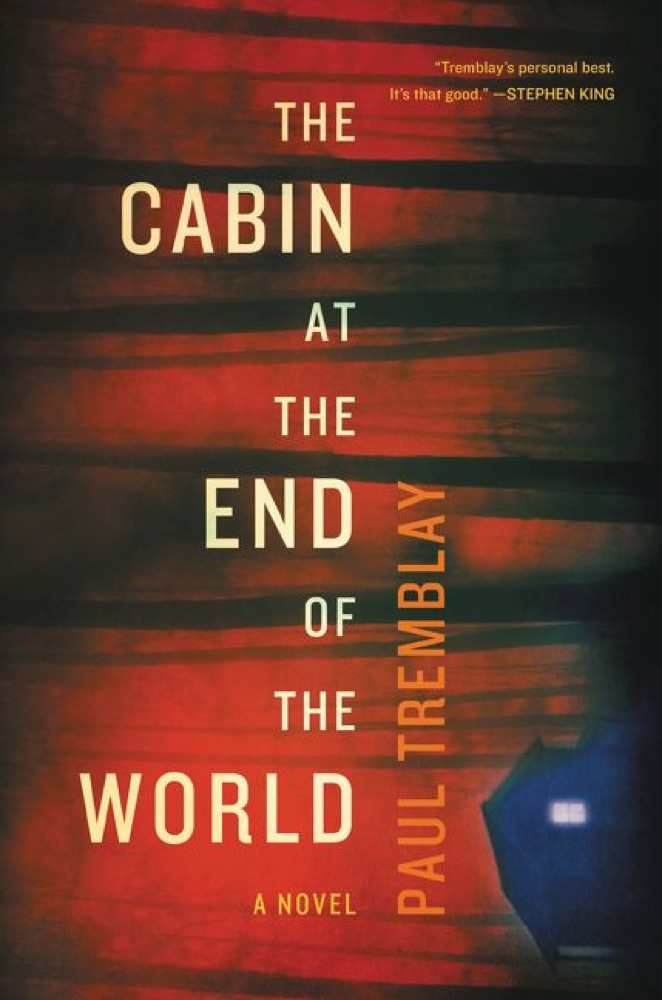 The Cabin at the End of the World
About the book
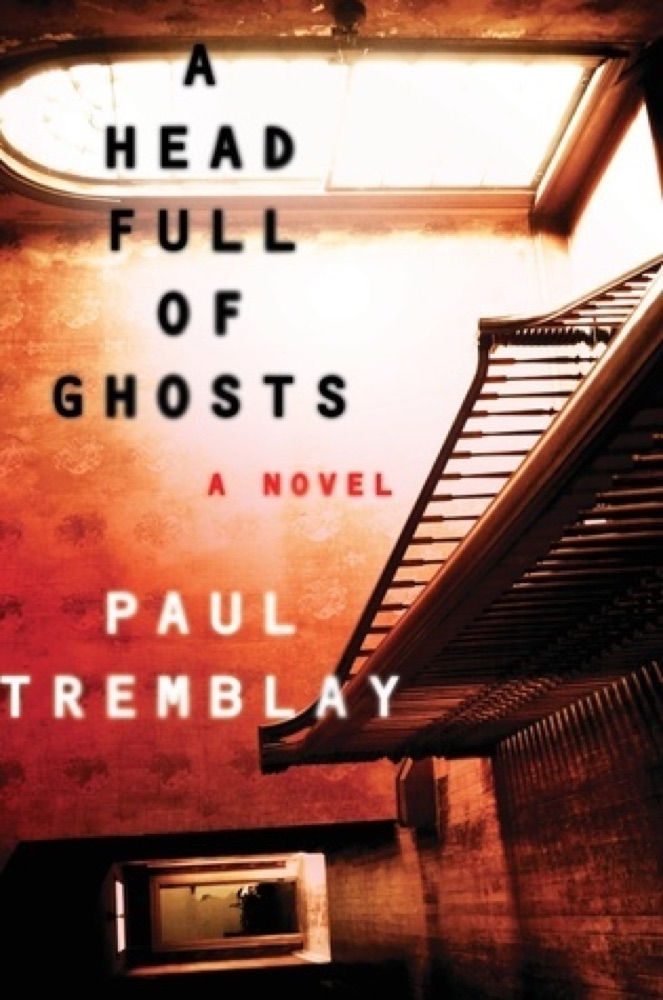
A Head Full of Ghosts is a psychological horror novel narrated by Merry Barrett, who as an adult recounts the events of her childhood, when her teenage sister Marjorie began exhibiting signs of a severe psychological crisis. As the financially strained Barrett family struggles to understand whether Marjorie suffers from mental illness or something supernatural, her increasingly devout father turns to the Catholic Church, and the family agrees to let a reality television crew document Marjorie's apparent possession and attempted exorcism in a show called The Possession.
The novel keeps the true nature of Marjorie's condition deliberately ambiguous, threading together mental illness, religious extremism, and the exploitative machinery of reality television. Tremblay layers the story with self-aware horror commentary, including blog posts that dissect the genre's conventions, so the book functions both as an unsettling family tragedy and as a meditation on how stories of possession are constructed and consumed. Memory, narration, and unreliability are central concerns, as Merry's account is shadowed by her own uncertainty about what really happened.
The book was widely praised on publication and won the 2015 Bram Stoker Award for Novel from the Horror Writers Association. Stephen King publicly endorsed it, saying it scared him, and critics highlighted its intelligent, metafictional approach to familiar horror material. It helped establish Tremblay as a leading voice in contemporary literary horror.
Key characters
- Merry BarrettNarrator who recounts the events as an adult, looking back on her childhood
- Marjorie BarrettMerry's teenage sister whose psychological crisis drives the story
- John BarrettThe unemployed father who turns to religious extremism
- Sarah BarrettThe mother and family breadwinner who grows increasingly conflicted
- Karen BrissetteA horror blogger analyzing the reality show, later revealed to be a pseudonym
Book details
- First published
- 2015
- Length
- 304 pages
- Reading time
- 6 hours
- Author
- Paul Tremblay
- Genre
- Horror
- Goodreads rating
- 3.78 (110k ratings)
Critical reception
- Won the 2015 Bram Stoker Award for Novel.
- Received an endorsement from Stephen King, who said it scared him.
- Critics praised its metafictional, self-aware engagement with horror conventions.
Keep reading
 The Shock of the Fall
 Monstrilio
 The Keep
 Mr. Splitfoot
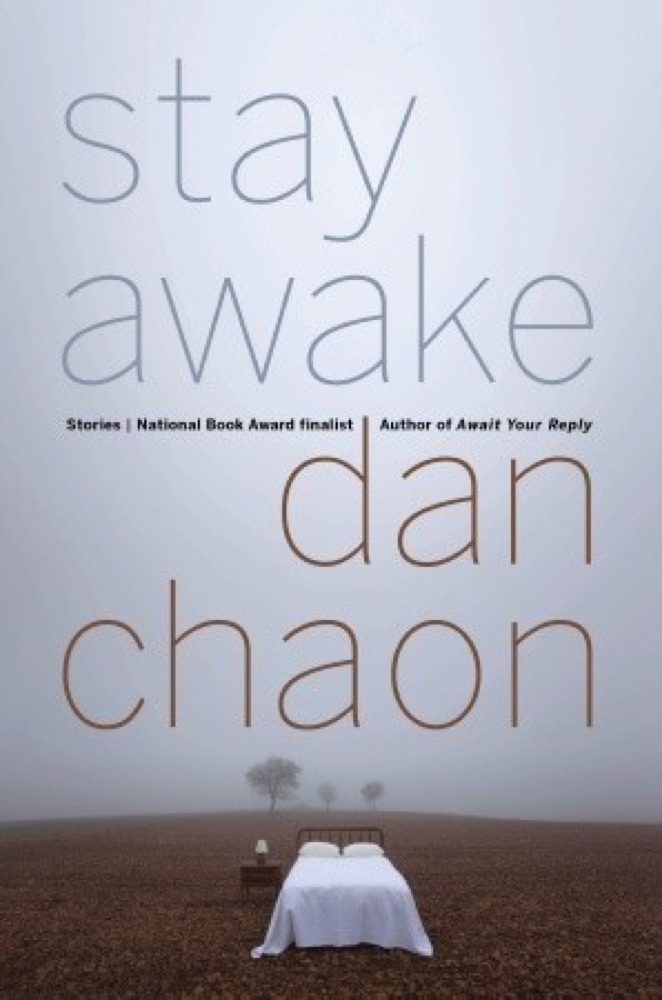 Stay Awake
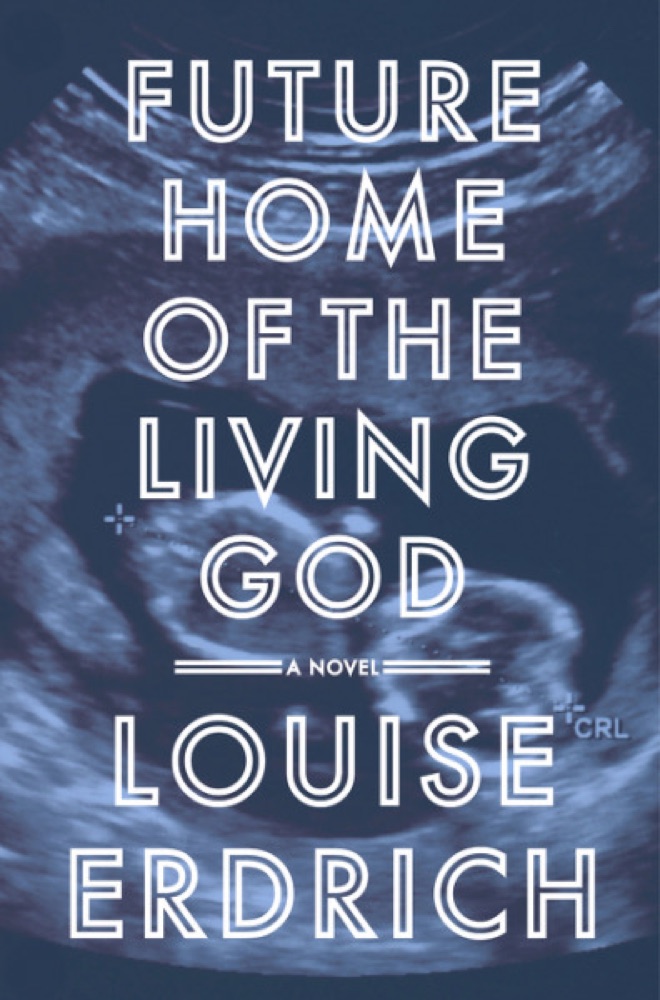 Future Home of the Living God
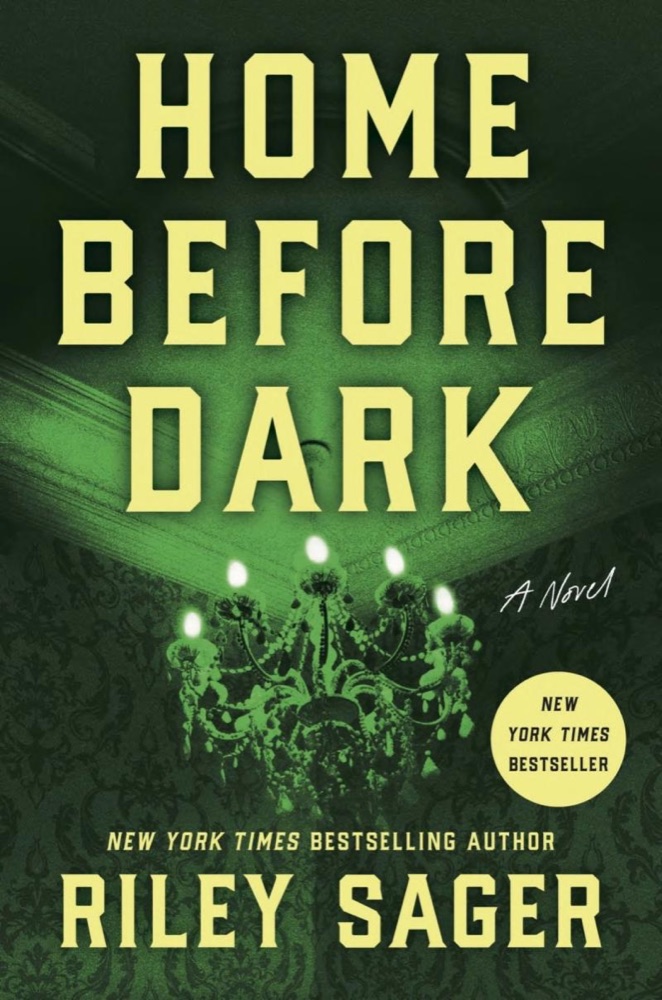 Home Before Dark
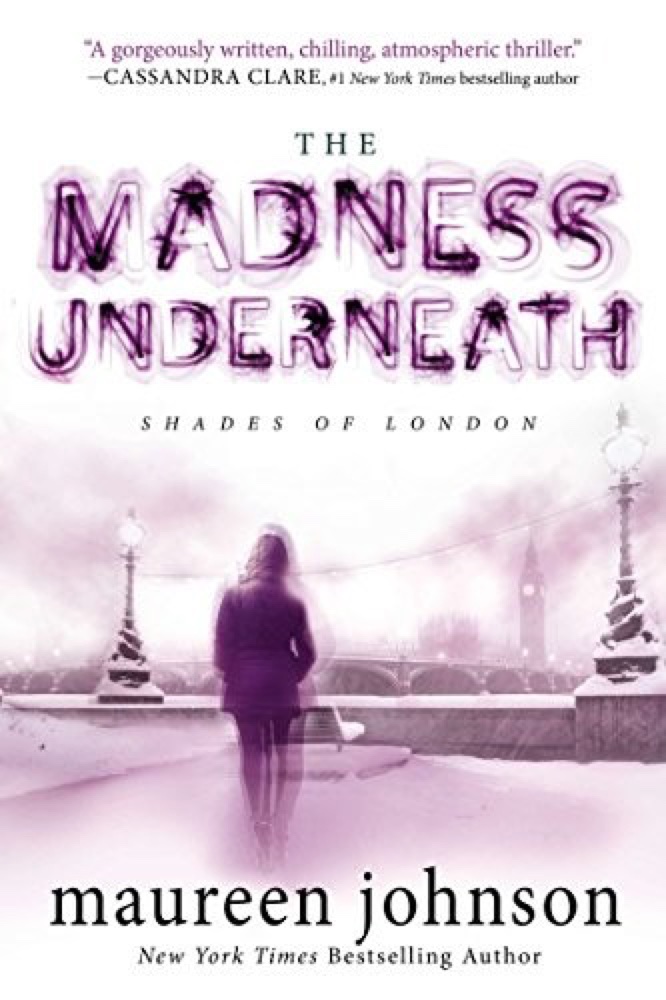 The Madness Underneath
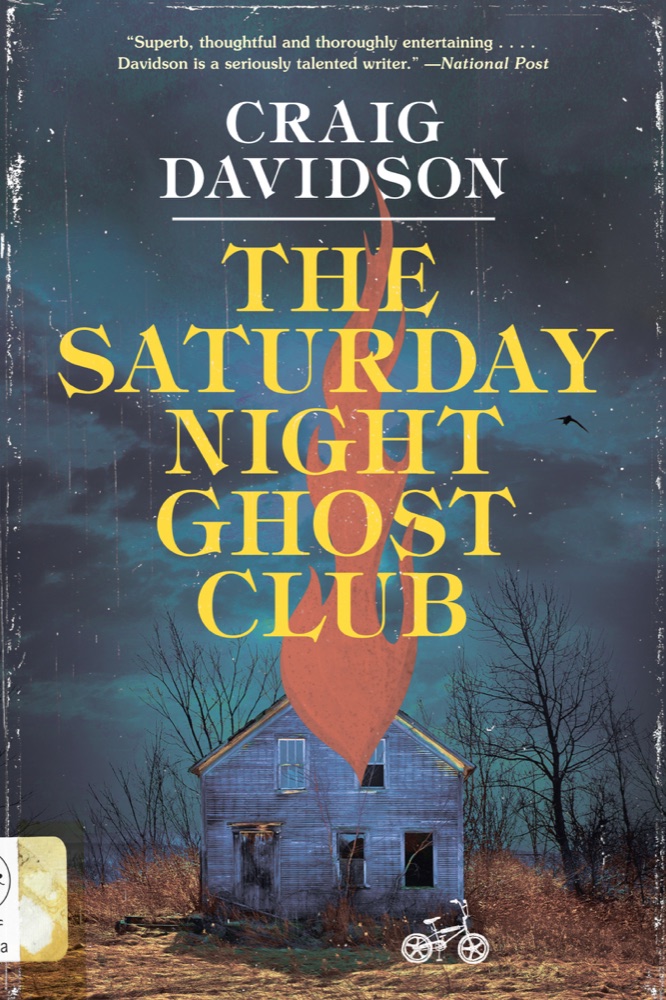 The Saturday Night Ghost Club
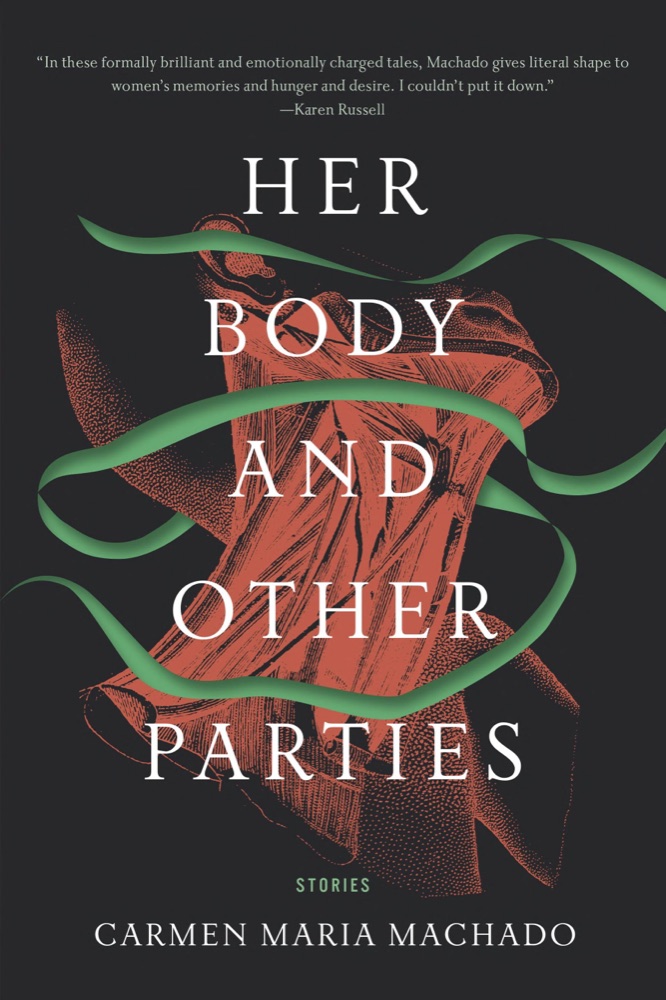 Her Body and Other Parties
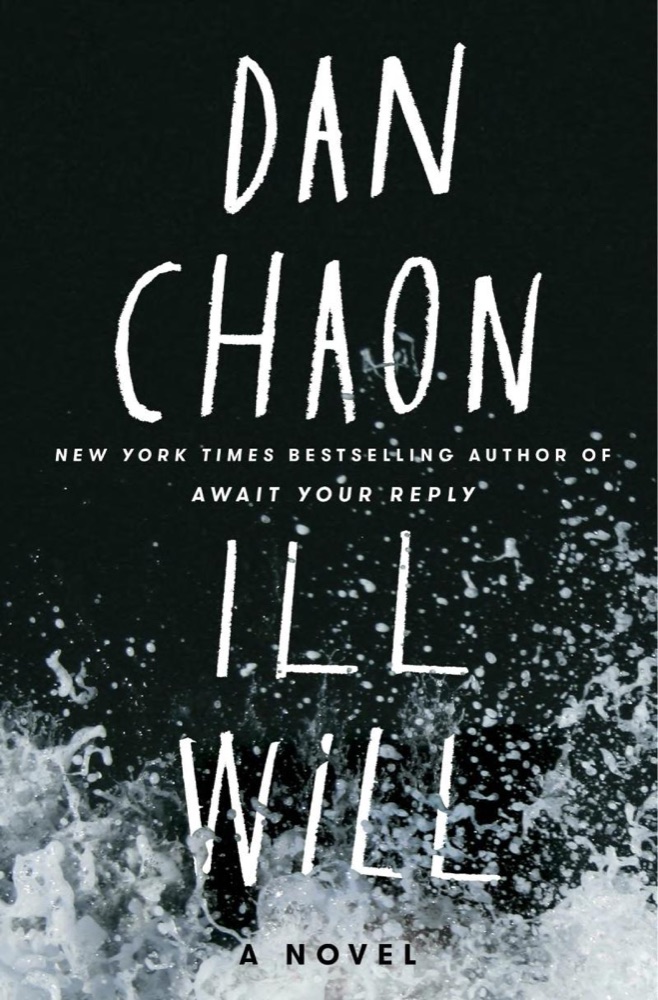 Ill Will
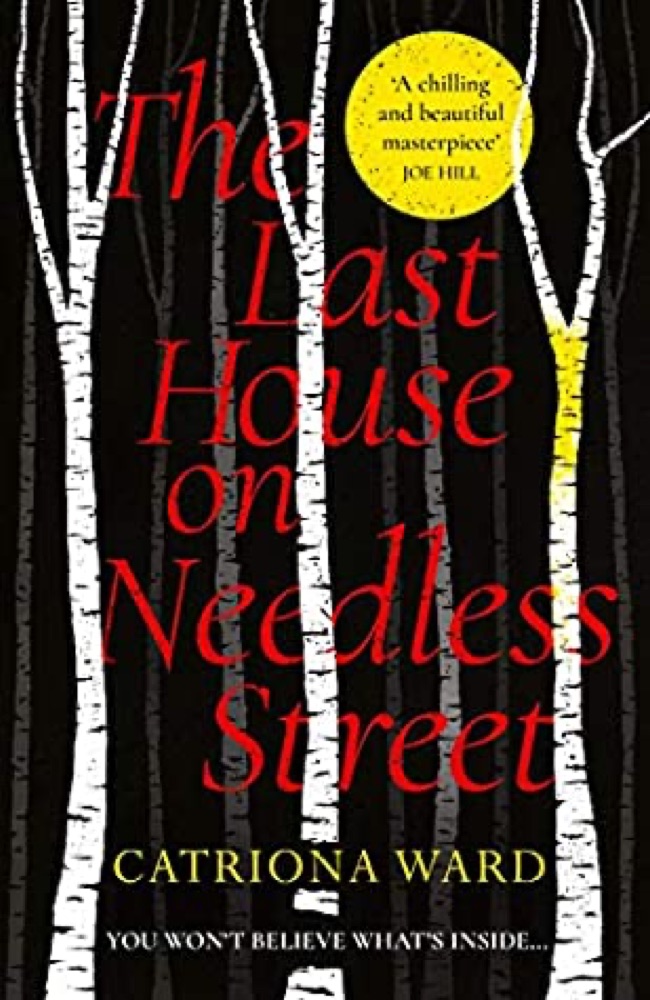 The Last House on Needless Street
 Notes on Your Sudden Disappearance
 The Demonologist
 Goodbye Days
 Just After Sunset
 The Likeness
 Haunted
 Imagine Me Gone
 A House with Good Bones
 The Beginning of Everything
 Mister Pip
 Bluebeard's Egg
 If This Book Exists, You're in the Wrong Universe
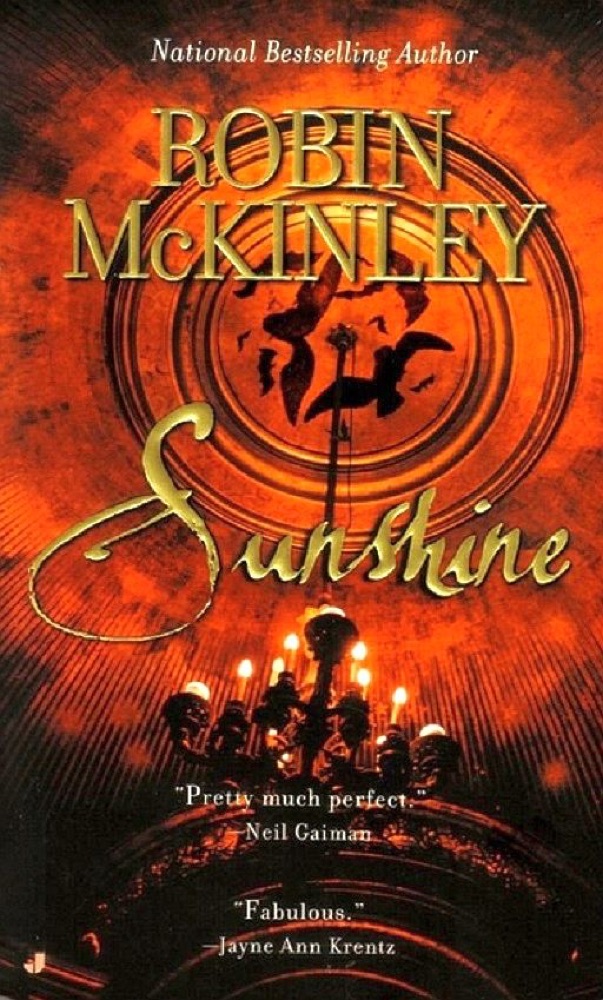 Sunshine
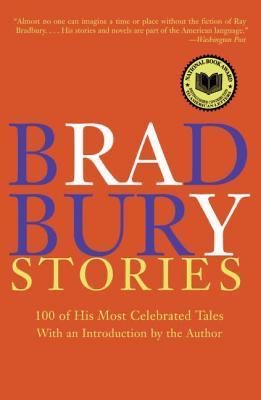 Bradbury Stories: 100 of His Most Celebrated Tales
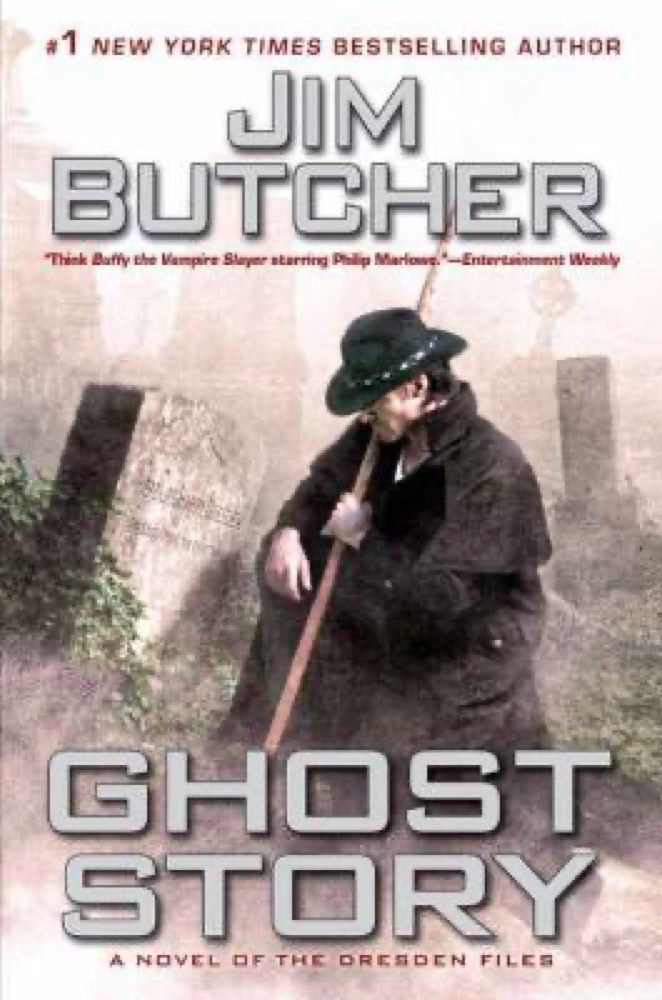 Ghost Story
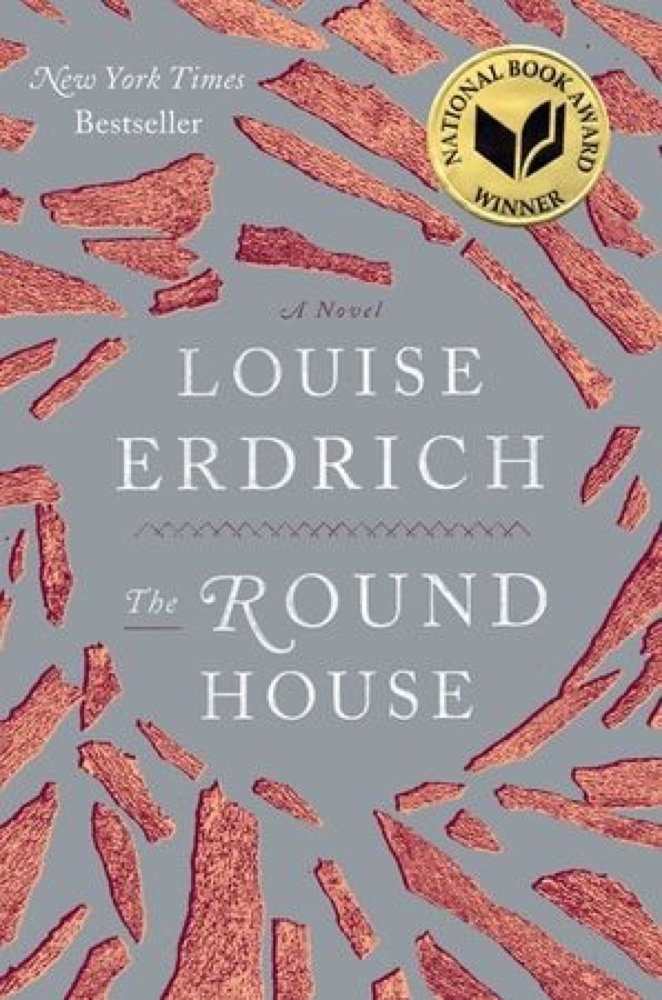 The Round House
 Belong to Me
 Between the Devil and the Deep Blue Sea
 Girl, Interrupted
 Skeleton Crew
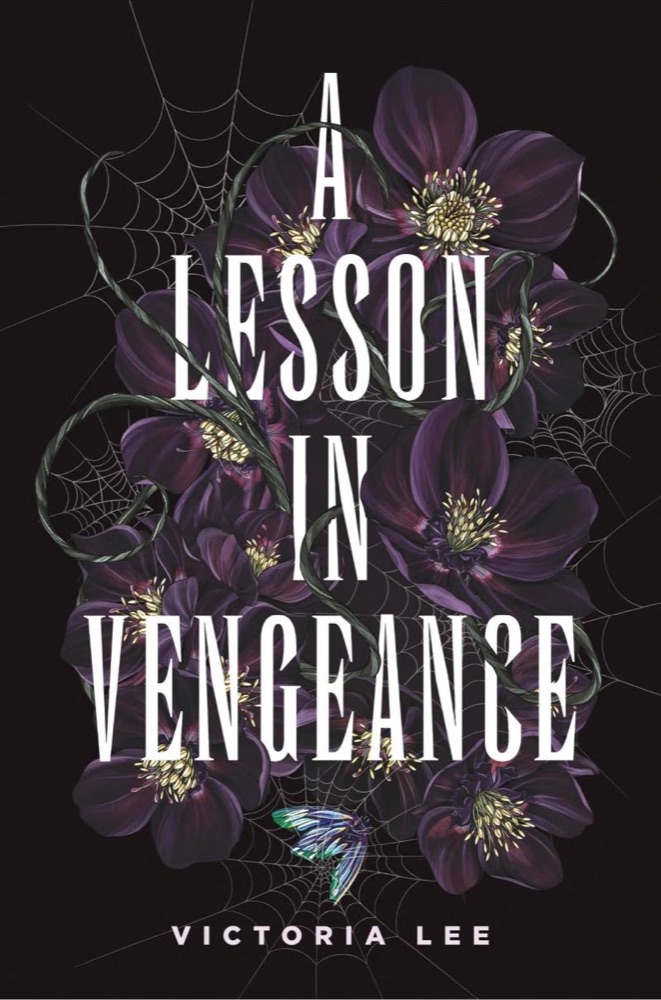 A Lesson in Vengeance
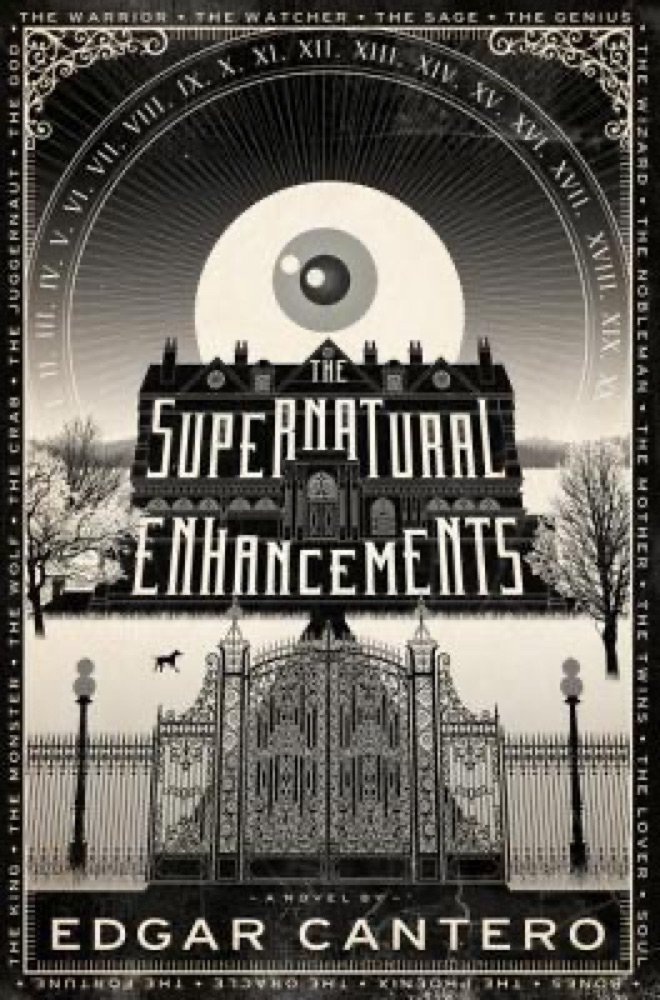 The Supernatural Enhancements
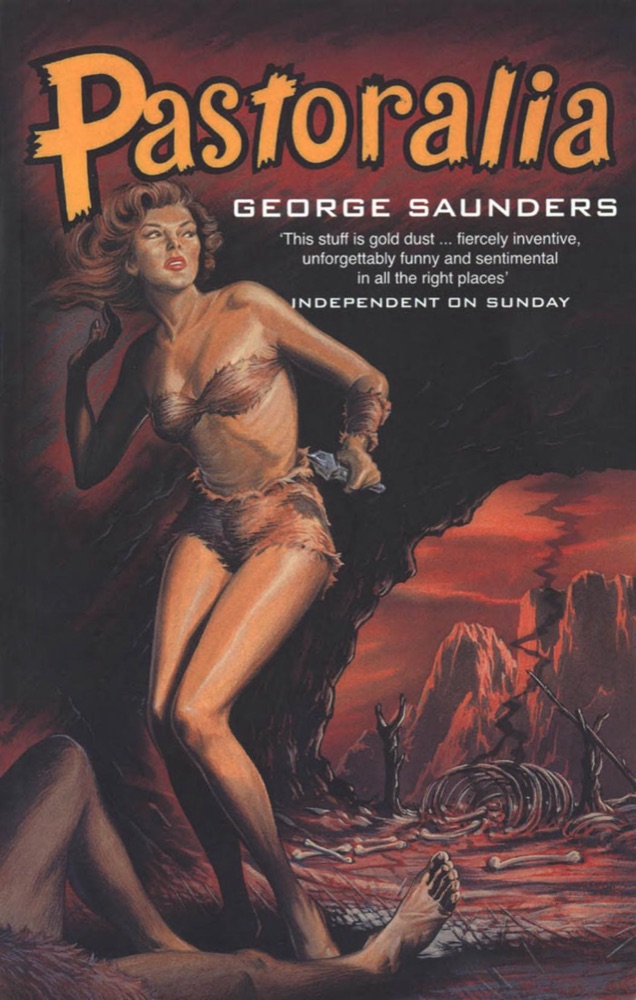 Pastoralia
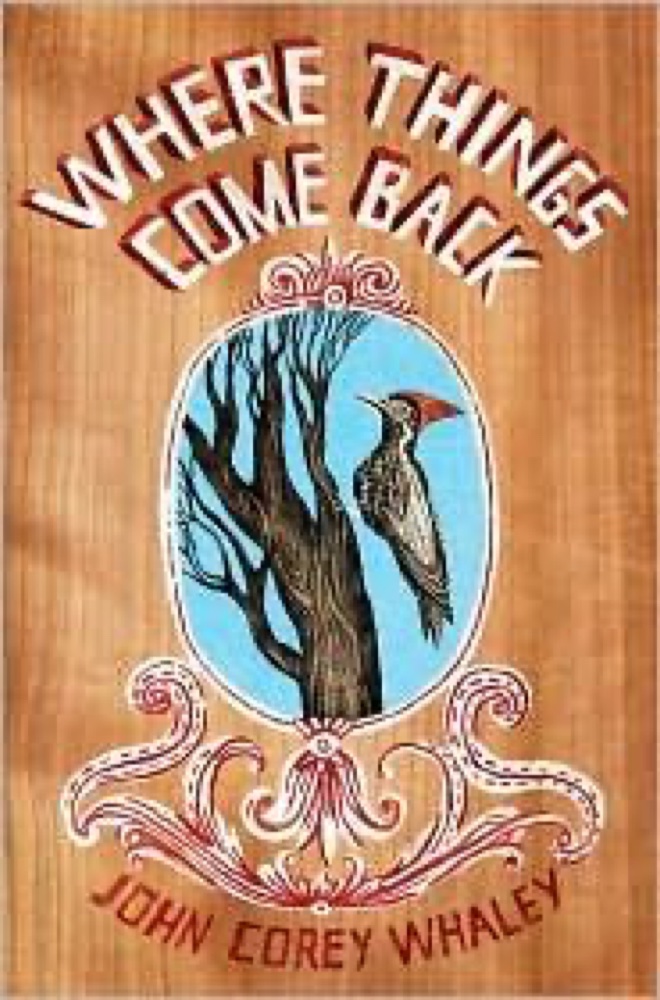 Where Things Come Back
 Memnoch the Devil
 20th Century Ghosts
 Dark Places
 My Soul to Take
 Wild Awake
 False Memory
 The Twisted Ones
 Kala
Kala
 Banyan Moon
 The Enchanted
 The Only Alien on the Planet
 Unraveling Isobel
 Shadowland
 Made You Up
 Smoke and Mirrors: Short Fiction and Illusions
 Let's Pretend This Never Happened: A Mostly True Memoir
 The Bachman Books
 The Collected Stories
 A Madness of Angels
 The Emperor of Gladness
 Tell No One
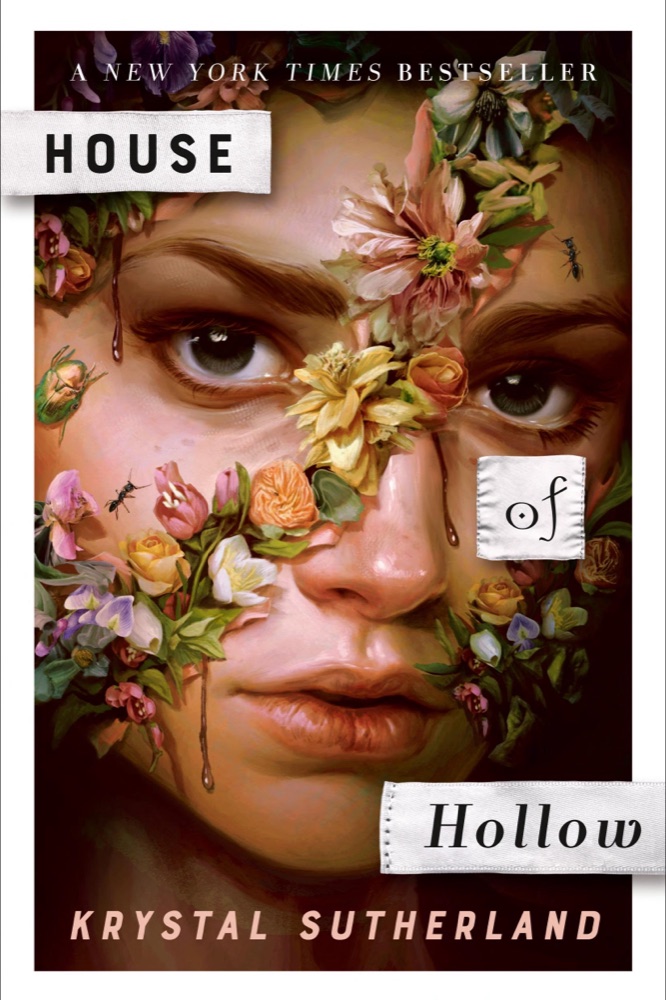 House of Hollow