

 Mariana
Quotes from the Book
There are times when our victories have a cost that we did not foresee, when winning brings us loss.
Ye'll learn more of a man if ye look at his face when he's looking at somebody else, than ye'll learn any other way, but,' he advised her, 'ye have to keep silent to do it
But what you bring back with you in the end, he said, might not be what you started out in search of to begin with
Hiding the person you are,' he said, 'won't make you happy. I never hide who I am. What I am.
The strongest soldier cannot balance long upon the blade that does divide his honor and his heart, and whatever way he falls, the cut will kill him.
The world becomes a wider place, with but a little learning.
We rarely see the things we don’t expect to see.
Because it is in giving of ourselves and our possessions that we best please God; by actions, not words. And all men do deserve a chance to earn God's grace.
The firebird drops a feather, was his summary, and if you're fool enough to pick it up and chase the bird itself, you're in for trouble.
She nodded, looking down at the small wooden bird, a plain thing carved by a great man who'd always taken pleasure in creating things with his own hands. She's telling me, I think, that I should seek to be none other than myself, and so fly always like the bird that I was born to be.
We cannot know a man's nature when all does go well with him, but when those people he thinks will assist him oppose him instead, then we know, for a man has the patience and humility that he shows then, and no more.
Some things weren’t meant to live in cages.
Tis the curse of a woman of influence that she must always be reckoned unvirtuous.
into the air. There was love here—not perfect, but strong,
There are times,” he said to Anna, “when our victories have a cost that we did not foresee, when winning brings us loss.
My love, cease thy weeping, now listen to me, For waking and sleeping, my heart is with thee; Love, let nothing grieve thee, and do not complain, For I never will leave thee, while life doth remain.
Now do that with your thoughts as well, pluck out the needless vanities and worries, and you’ll find you grow the straighter for it.
Edmund had obviously never yet experienced the speed with which news traveled round the docklands. “Is there anyone who does not know him?” “All
And does he like blondes, as well?' Rob laughed. I had forgotten just how great a laugh he had. 'No, he prefers, dark haired women. You've nothing to fear from the Sentinel, Nicola.
Remember the faith you were raised in my child, and love not in word or in tongue, but in deed and in truth; and whoever may come to you, either a friend or a foe, or a thief or a robber, receive them with kindness, for each man must walk on the path to which he has been called.
About Susanna Kearsley
We have collected 128 quotes from 6 books by Susanna Kearsley on BookQuoters.
More about the author →More by Susanna Kearsley
All books by Susanna Kearsley →


Book details
- Author
- Susanna Kearsley
- Genre
- Fiction
- Goodreads rating
- 4.13 (31k ratings) →
Keep reading
 The Pillars of the Earth
 Fool's Fate
 A Room with a View
 The Virginian
 The Dovekeepers
 A Lion Among Men
 The Horse and His Boy
 Silas Marner
 The Dagger of Adendigaeth
 The Grace of Kings
 Nicholas Nickleby
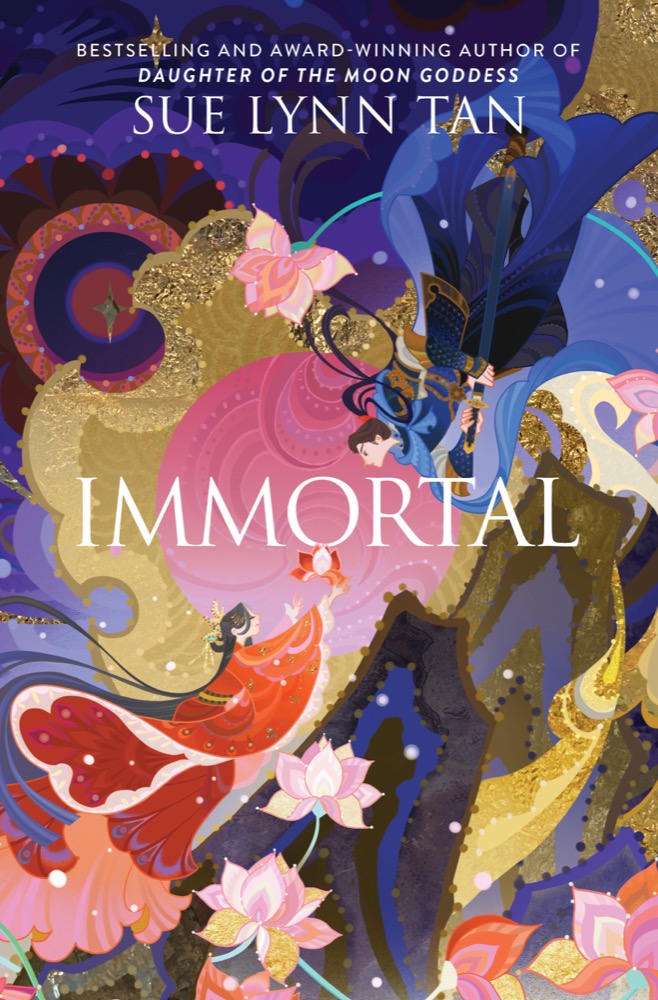 Immortal
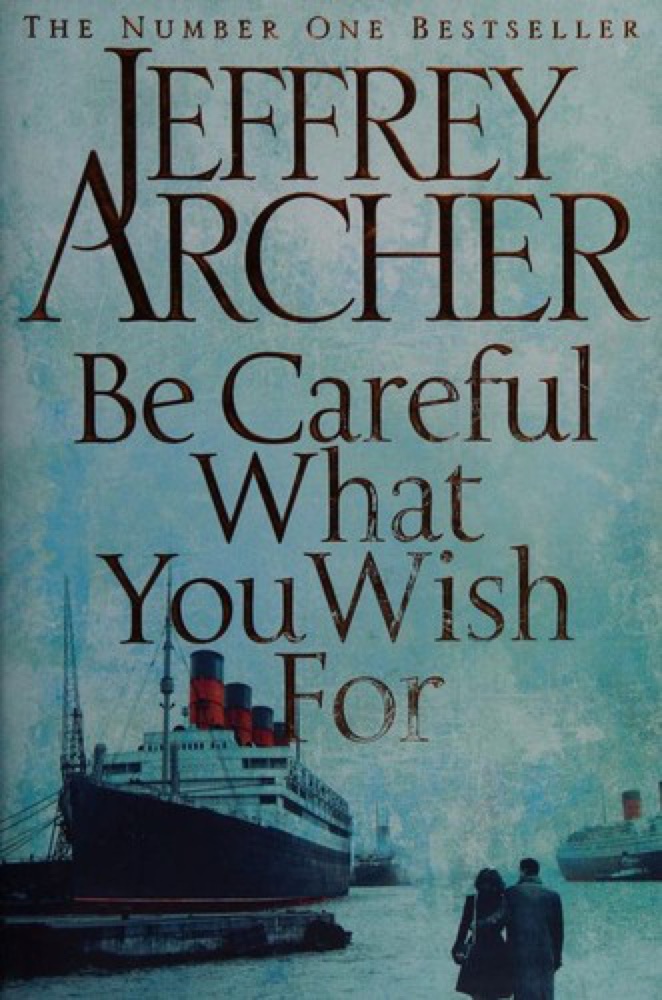 Be Careful What You Wish For
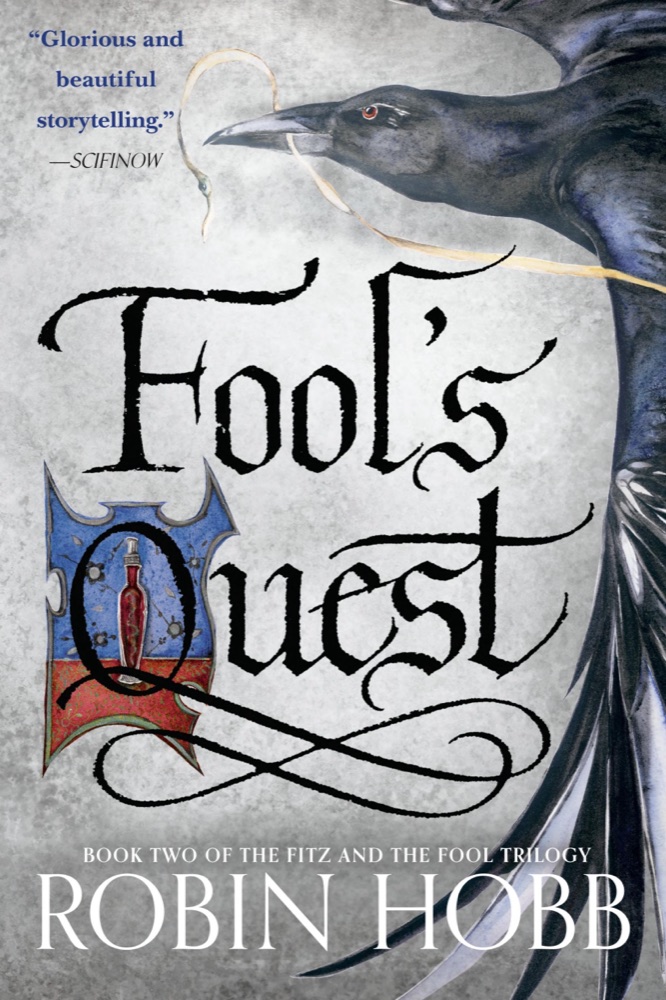 Fool's Quest
 Lord Jim
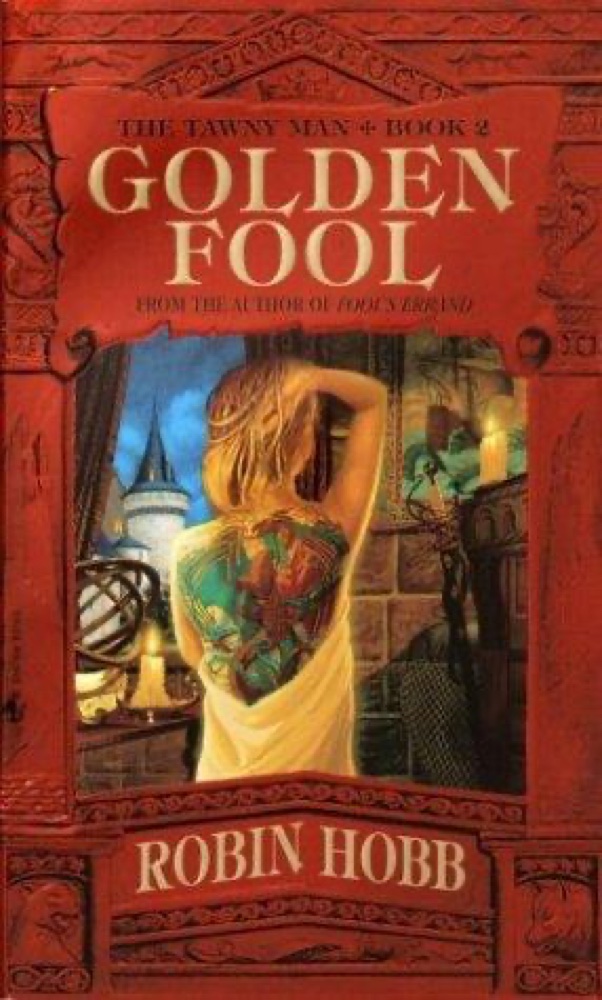 Golden Fool
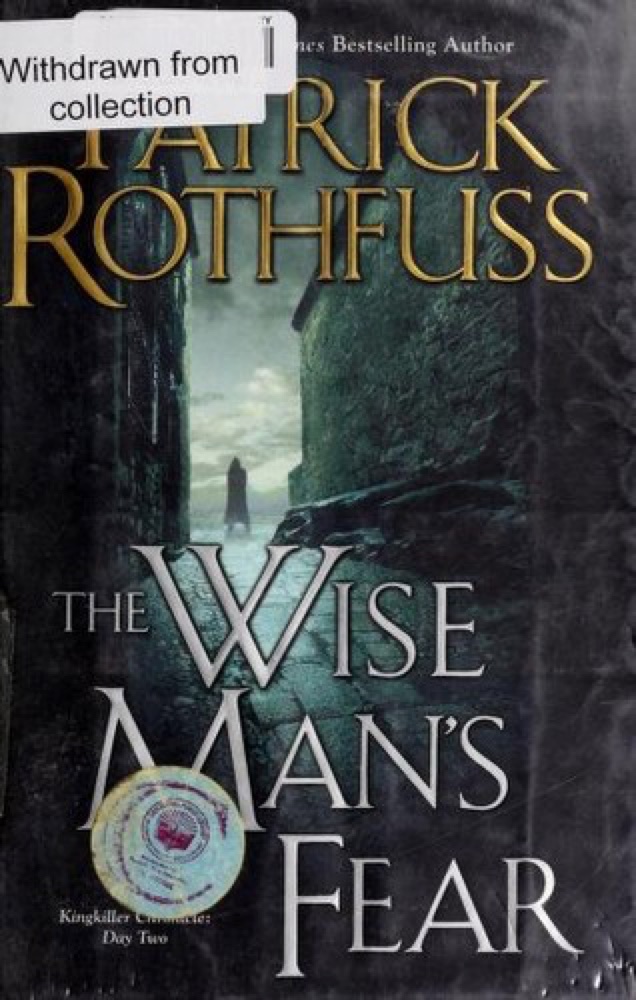 The Wise Man's Fear
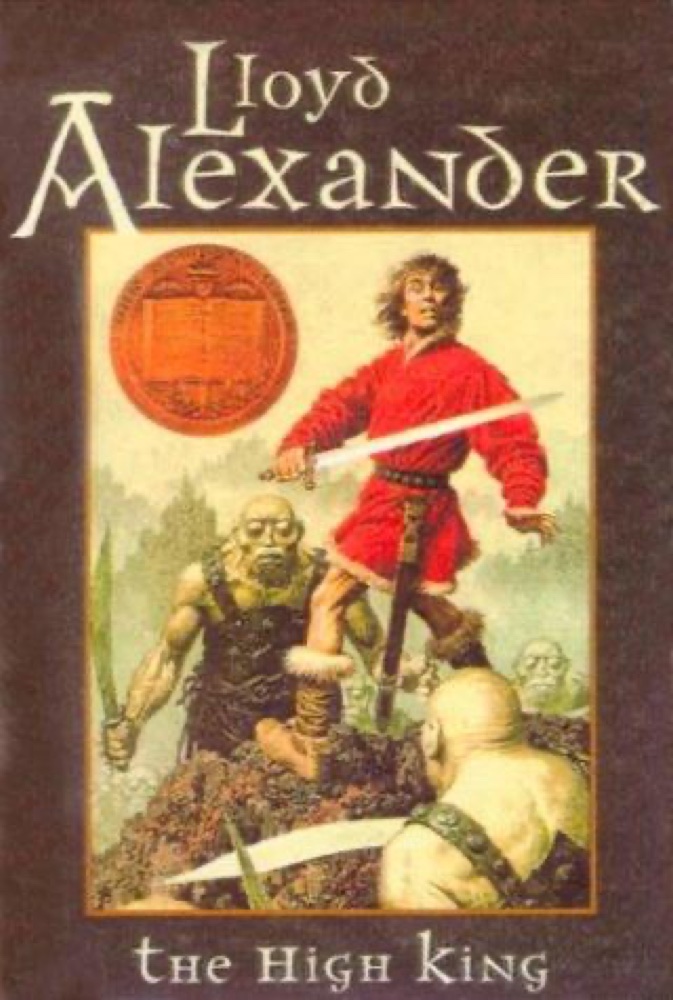 The High King
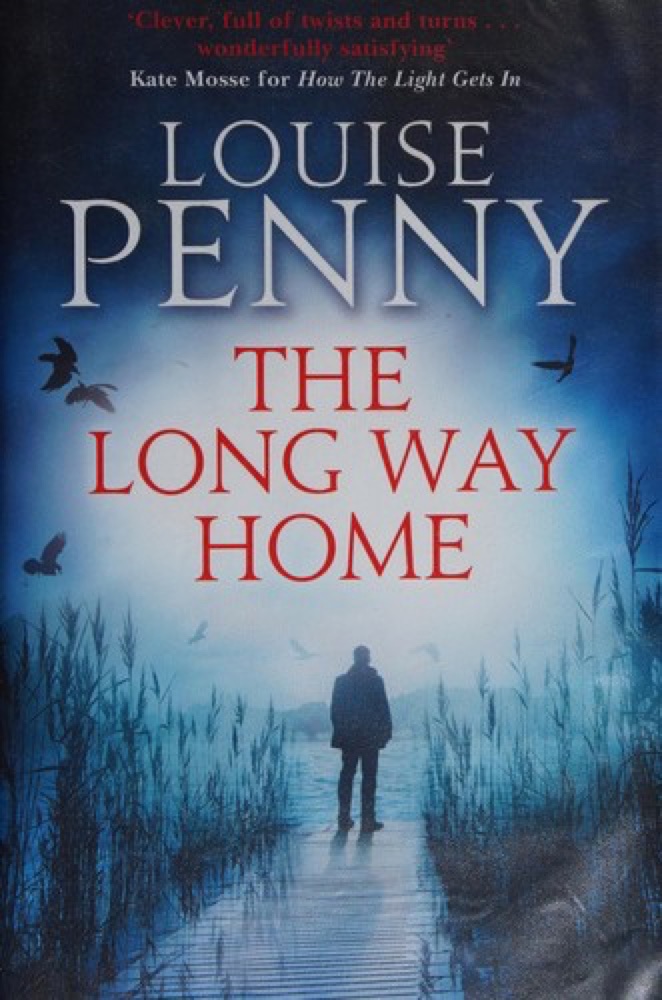 The Long Way Home
 The Pearl That Broke Its Shell
 Cutting for Stone
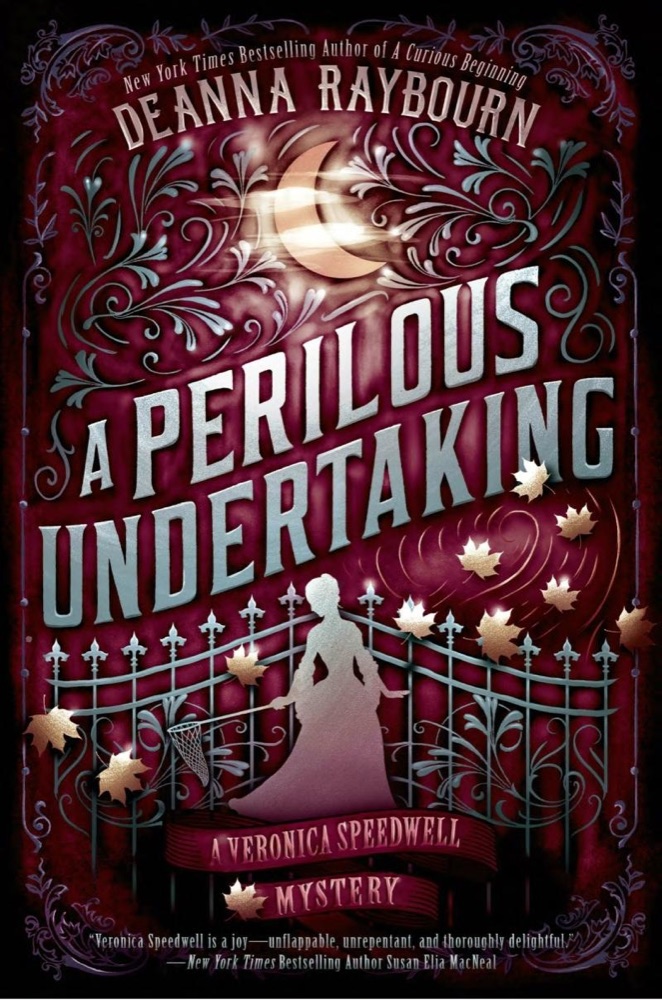 A Perilous Undertaking
 The Way We Live Now
 Natchez Burning
 The Magician's Nephew
 Messenger
 The Jewel in the Crown
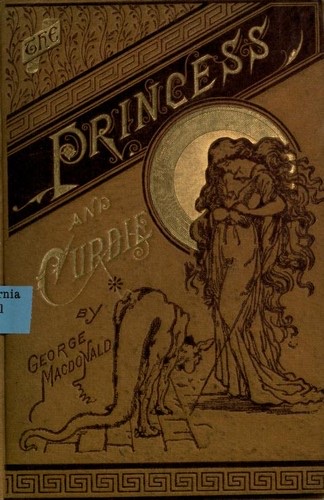 The Princess and Curdie
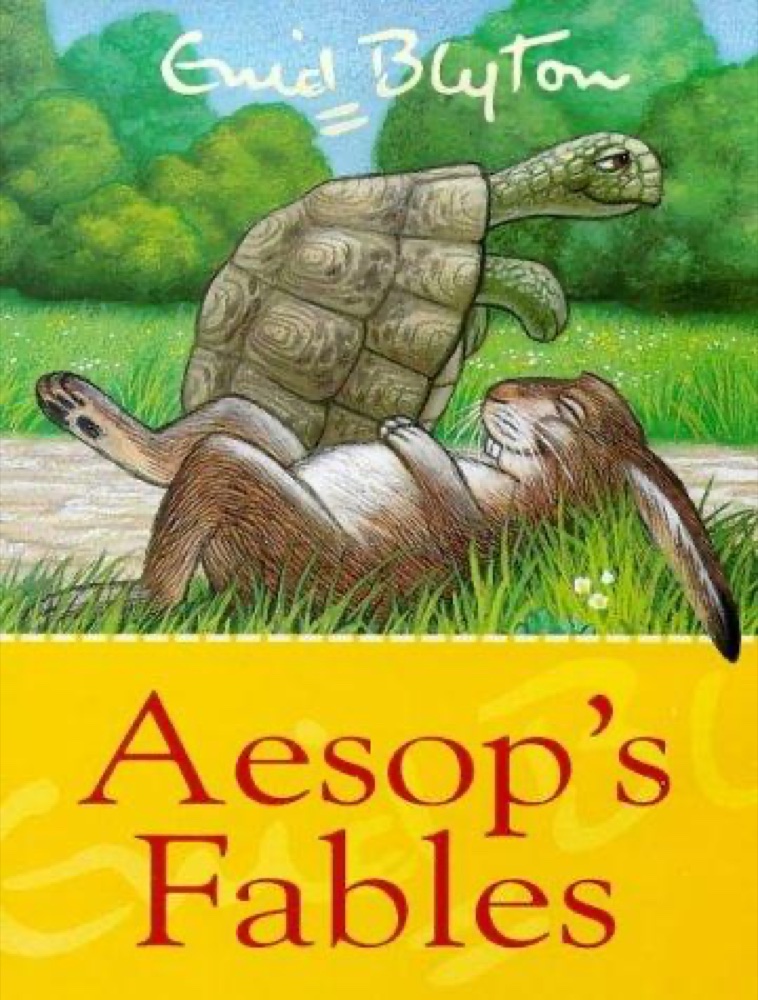 Aesop's Fables
 The Bridges of Madison County
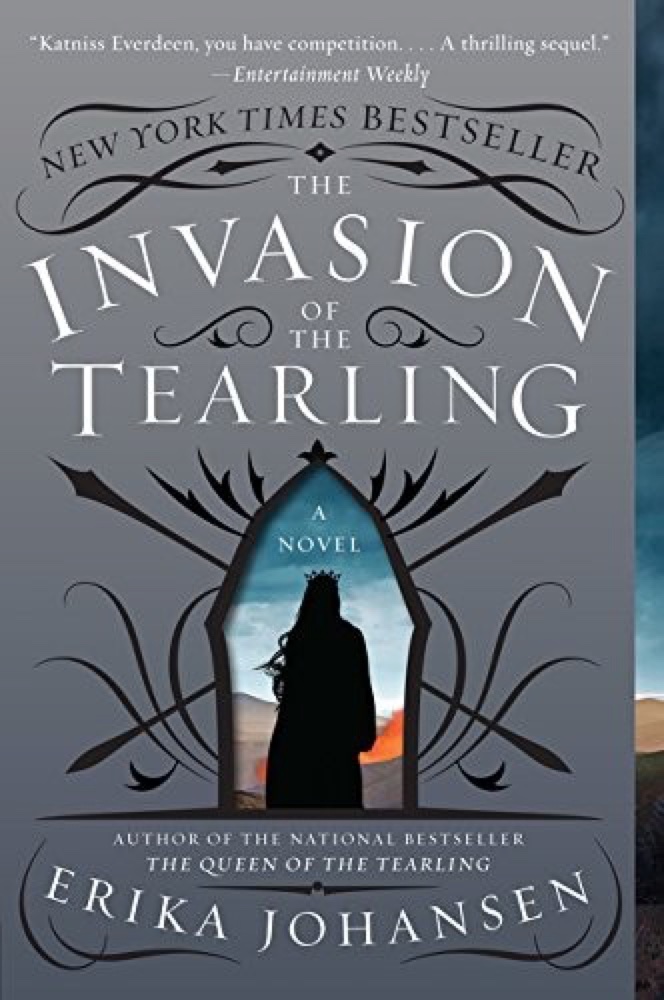 The Invasion of the Tearling
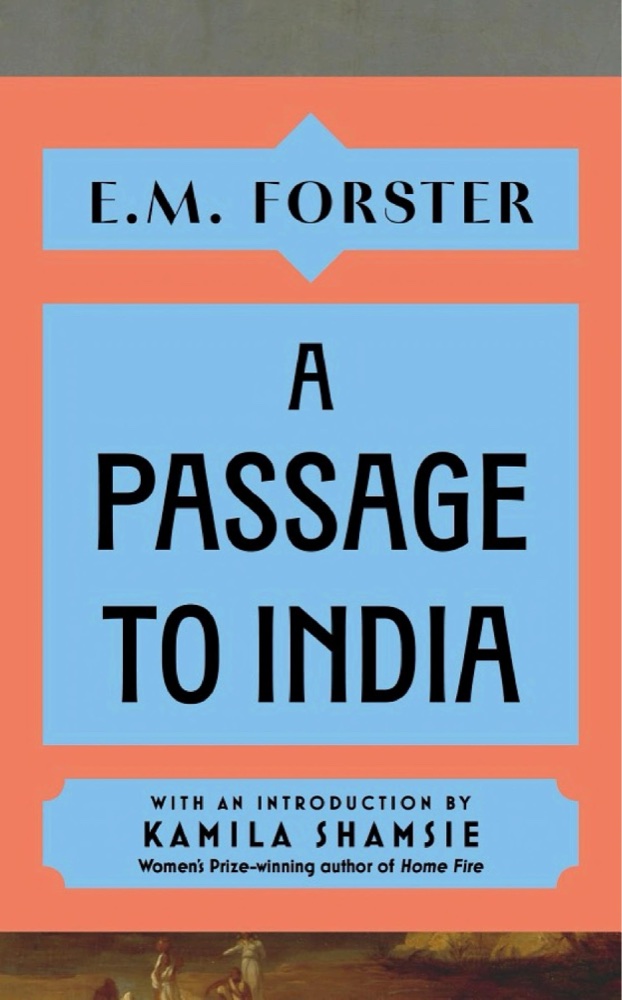 A Passage to India
 The Fires of Heaven
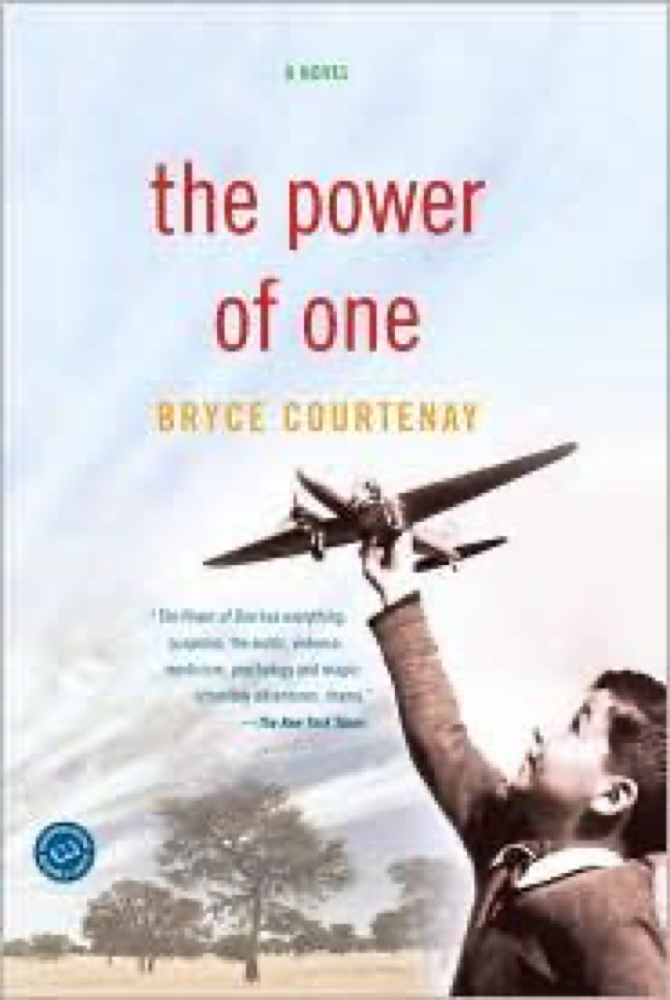 The Power of One
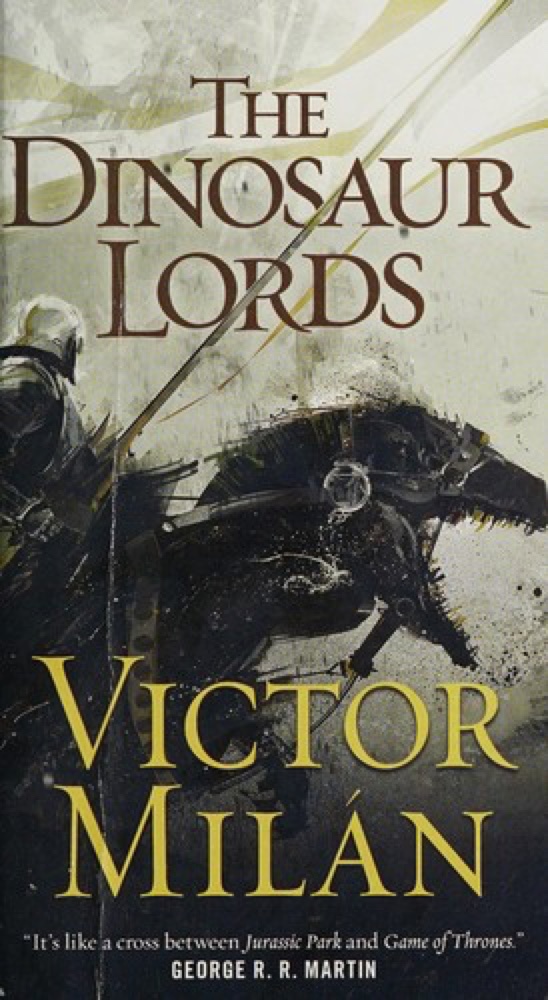 The Dinosaur Lords
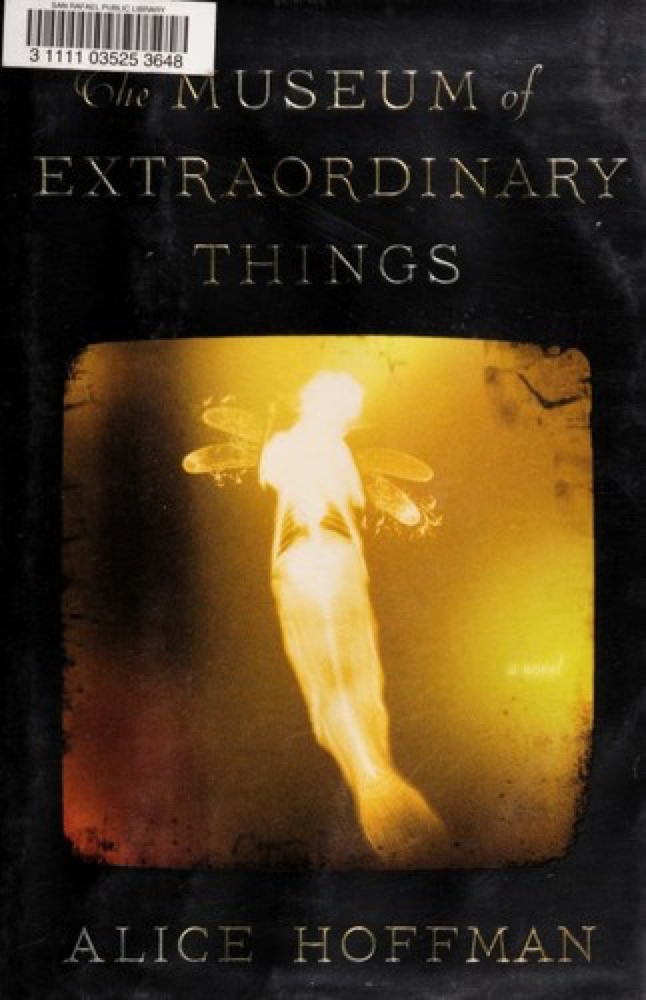 The Museum of Extraordinary Things
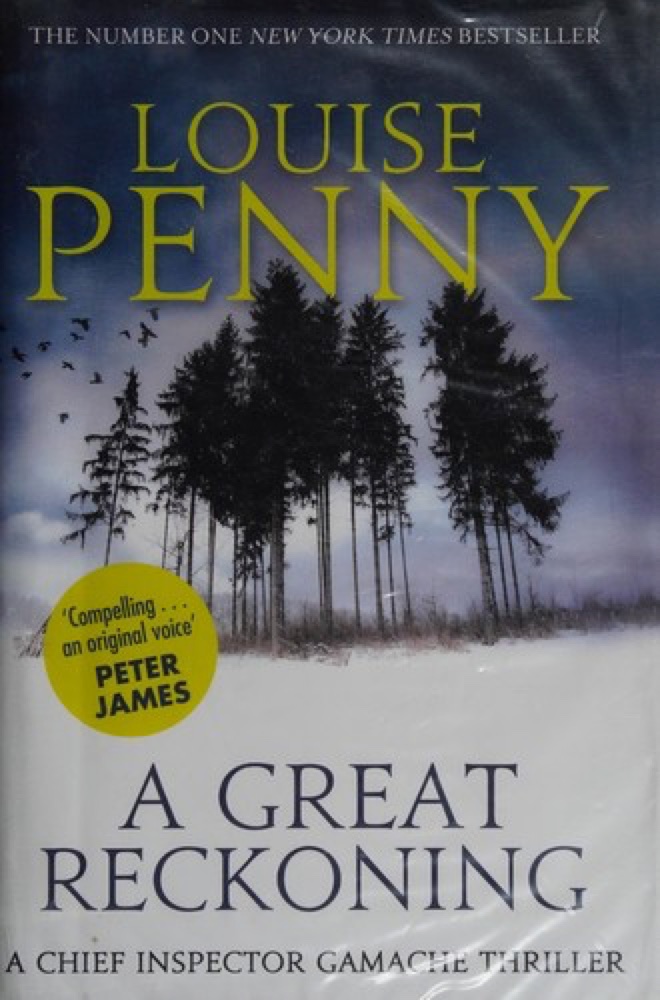 A Great Reckoning
 Passenger
 The Adventures of Augie March
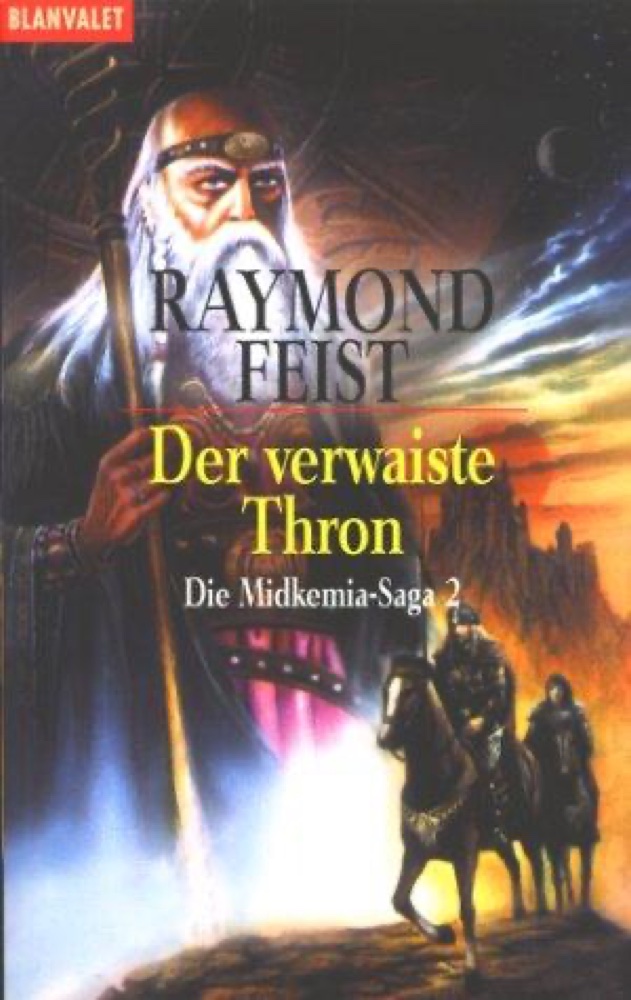 Magician
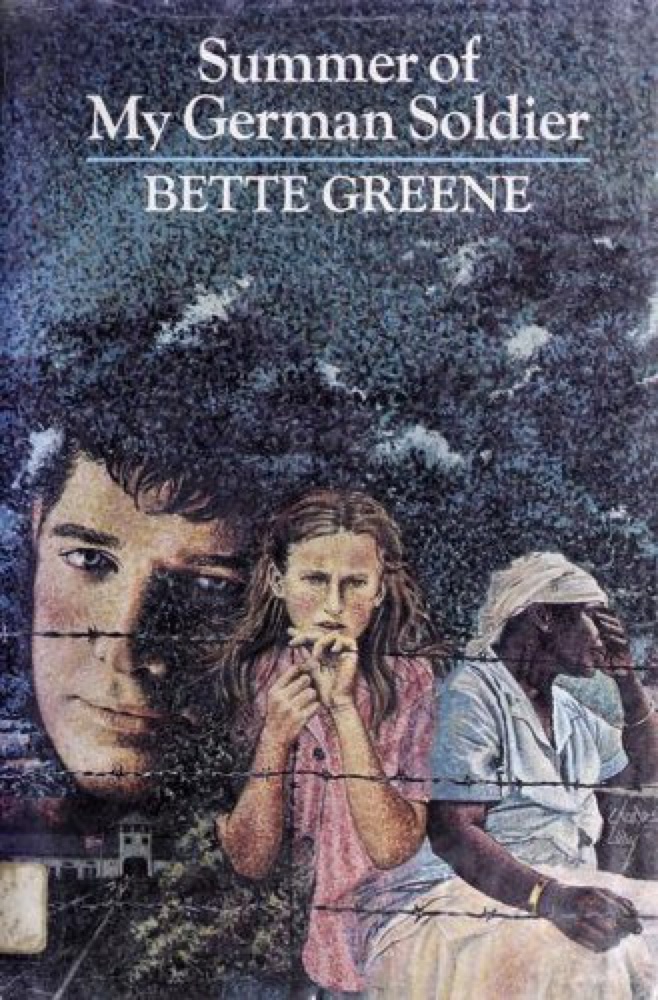 Summer of My German Soldier
 Kushiel's Dart
 Chasing Fireflies: A Novel of Discovery
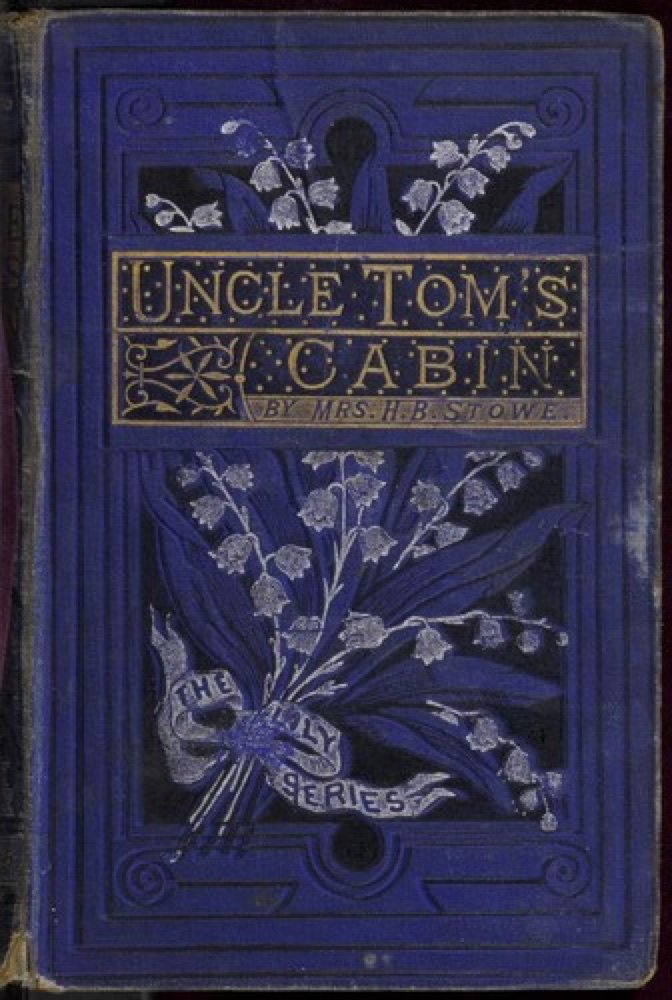 Uncle Tom's Cabin
 The Secret Keeper
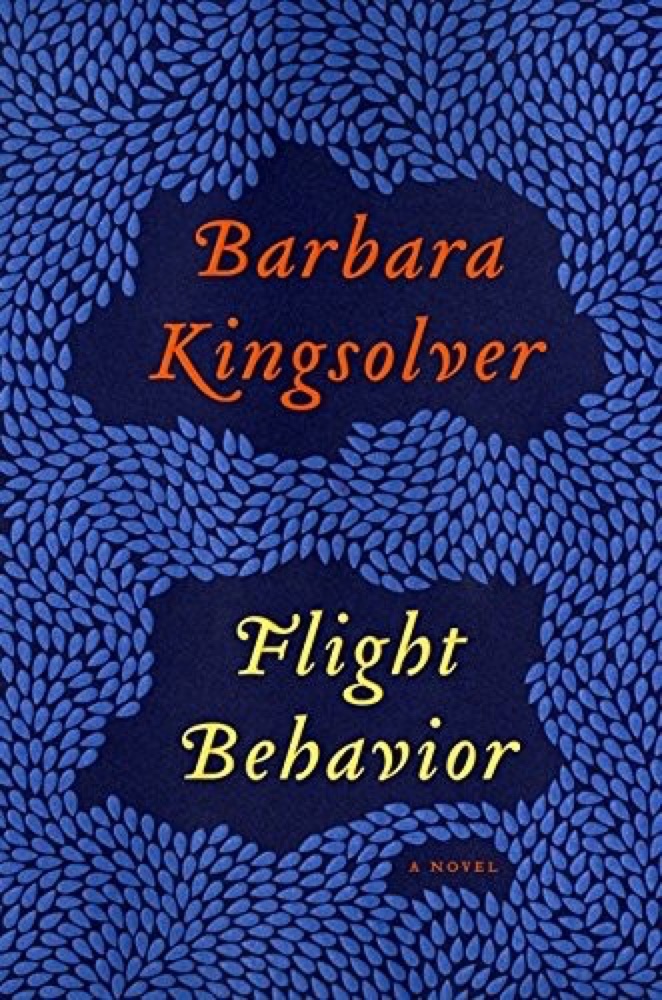 Flight Behavior
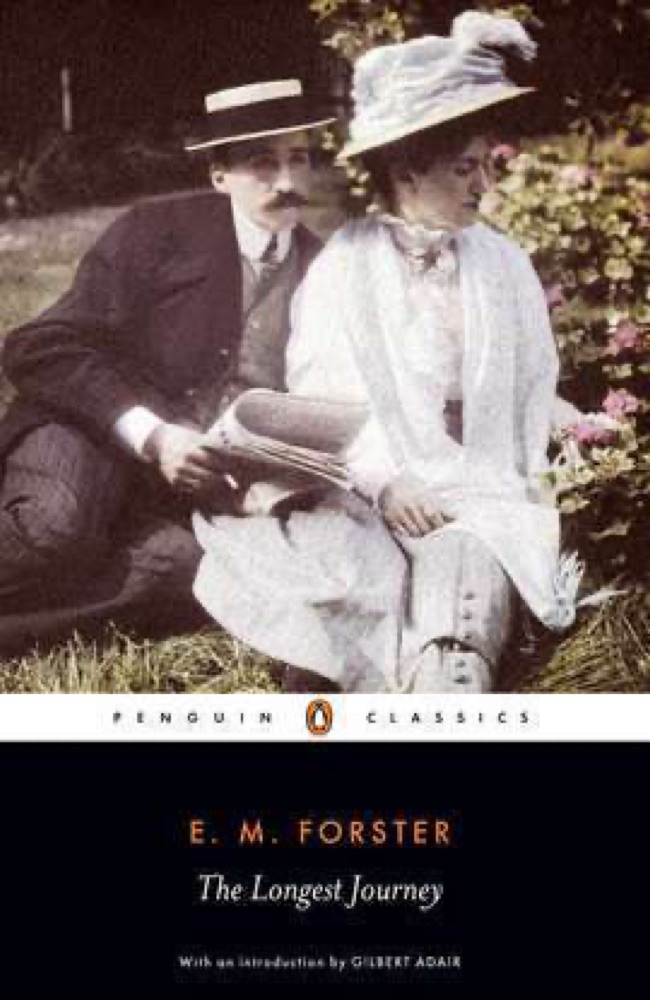 The Longest Journey
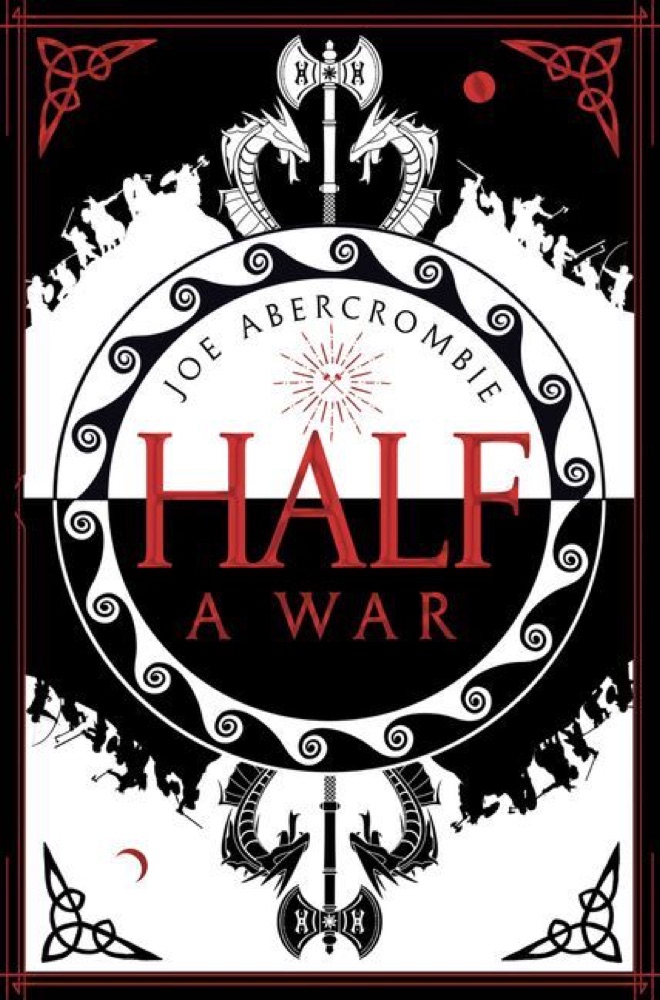 Half a War
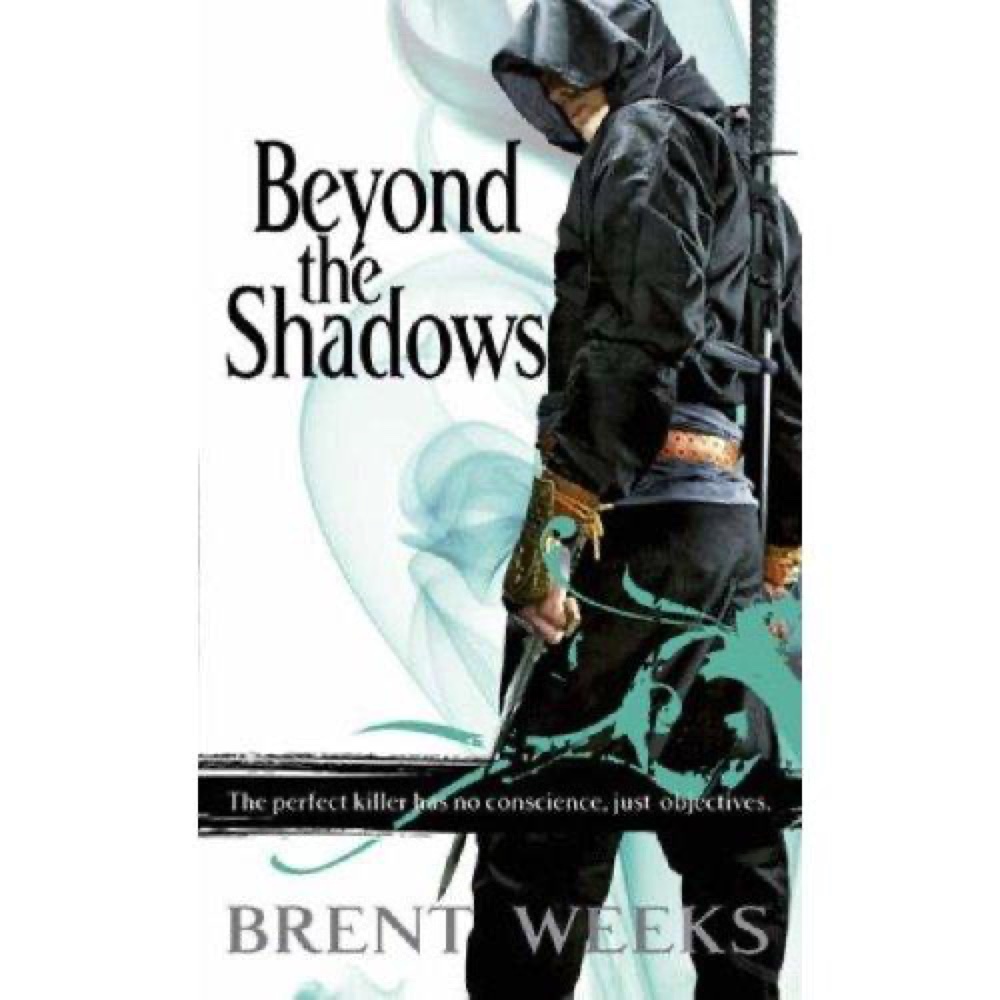 Beyond the Shadows
 Empire Falls
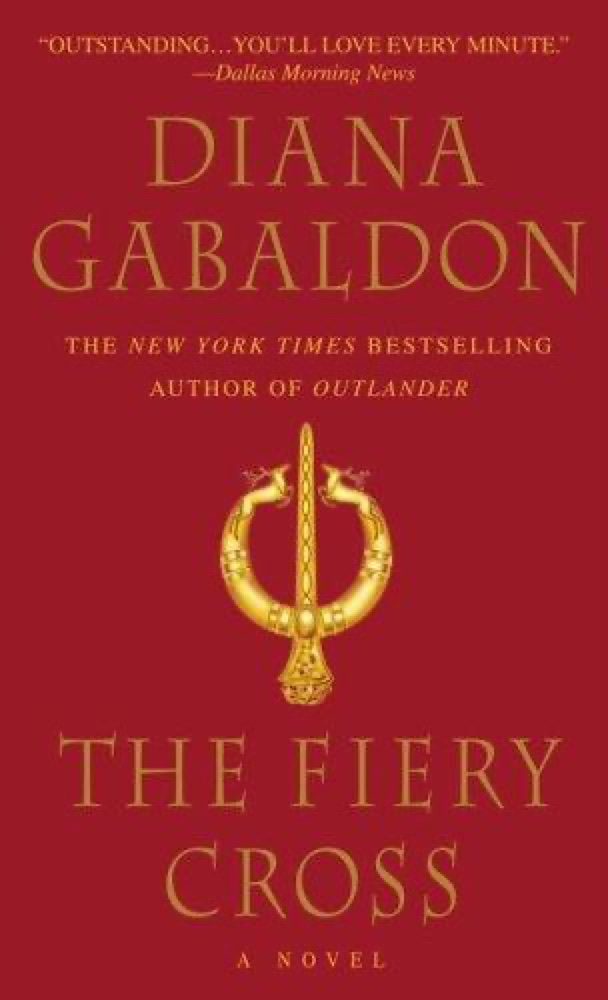 The Fiery Cross
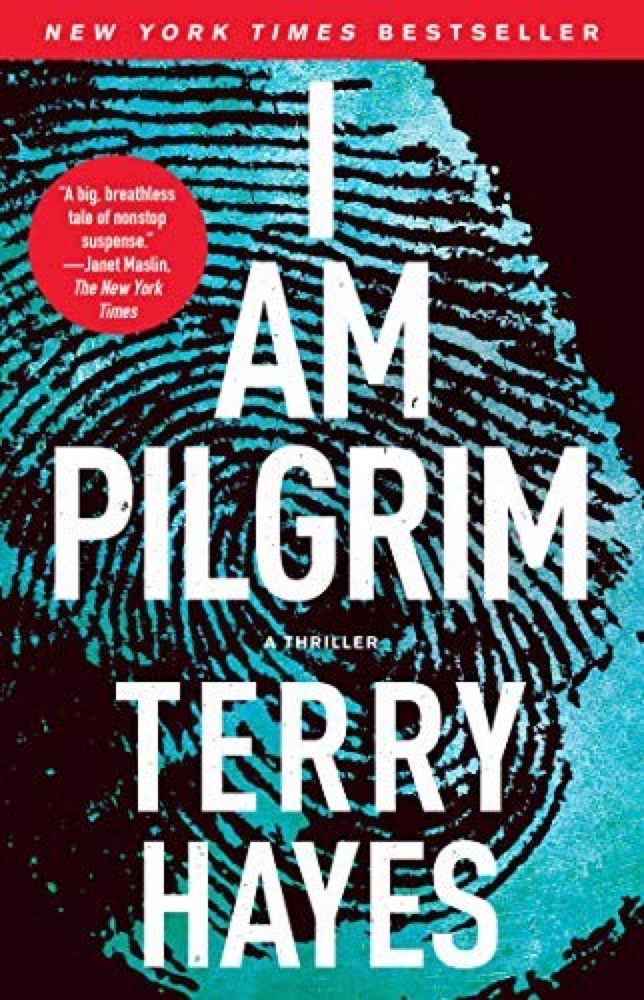 I Am Pilgrim
 Our Mutual Friend
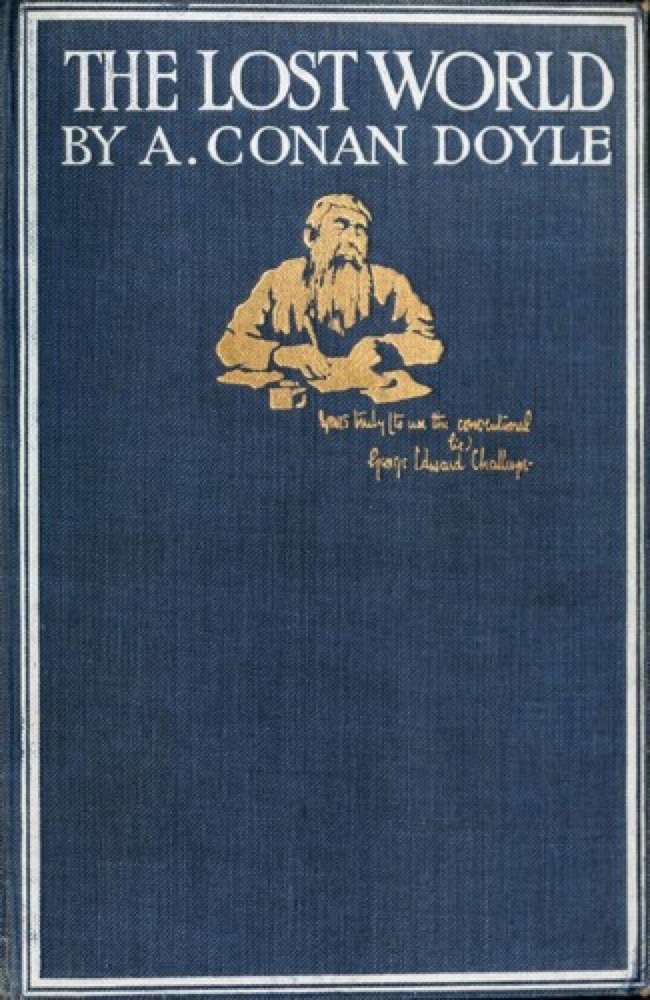 The Lost World
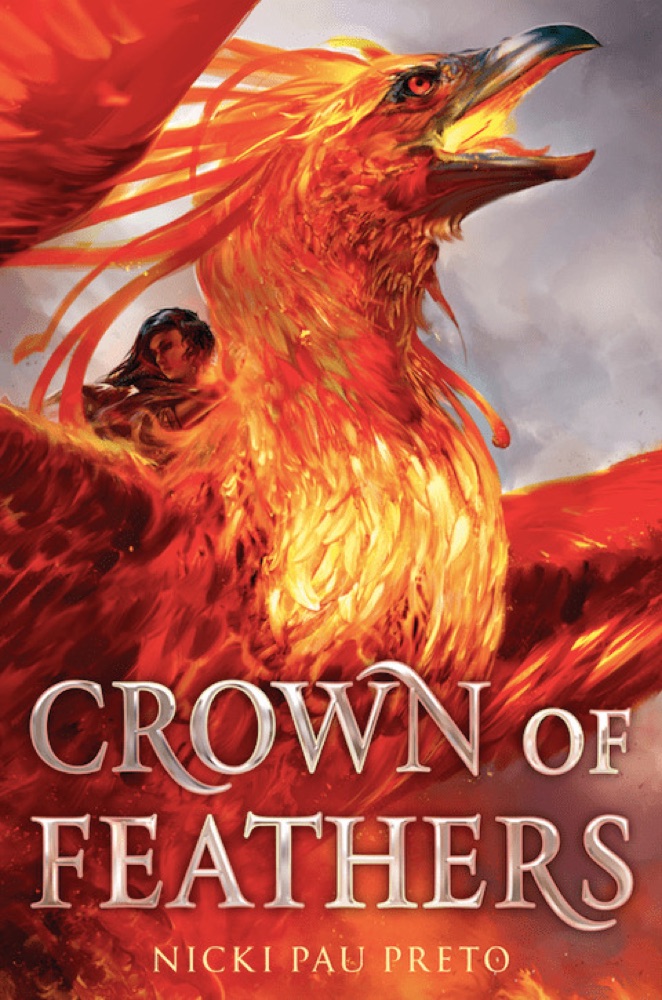 Crown of Feathers
 Out of Oz
 Beloved
 Ever the Hunted
 The Proposal
 Waterfall