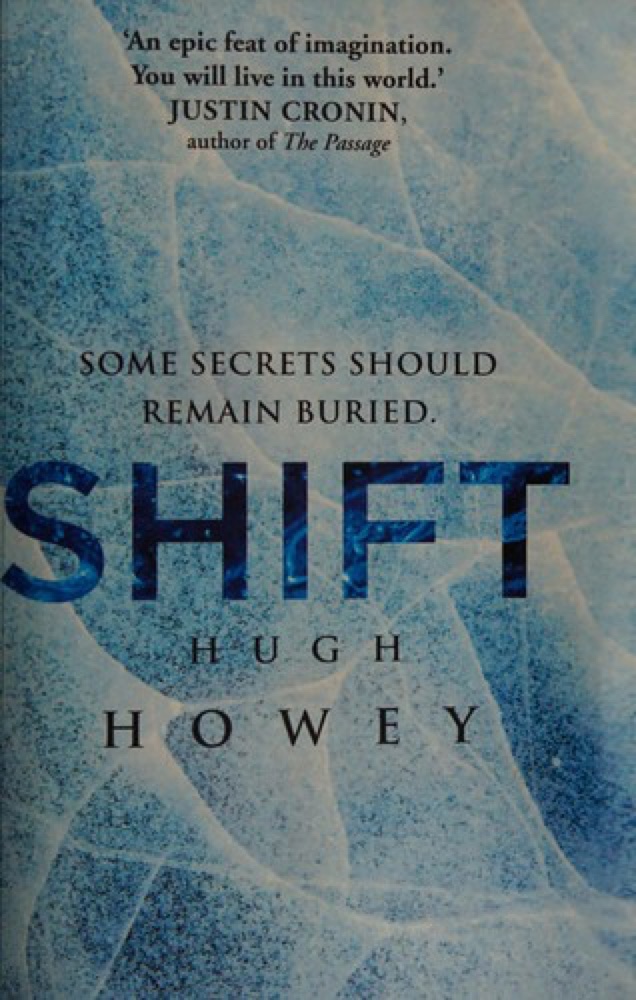

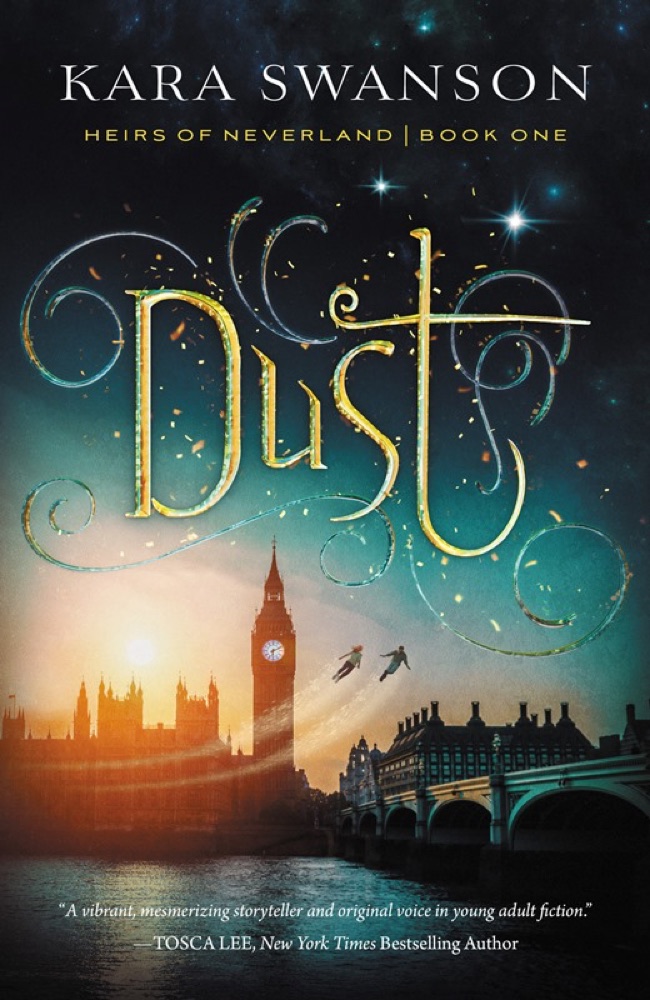
 Dust
Dust
Quotes from the Book
When there’s only God to blame, we forgive him. When it’s our fellow man, we destroy him.
Predict the inevitable”, she said, “and you're bound to be right one day.
It was the hubris of each generation to think this anew, to think that their time was special, that all things would come to an end with them.
His discovery was that evil men arose from evil systems, and that any man had the potential to be perverted. Which was why some systems needed to come to an end.
Here’s what I tell the newly elected: the truth is gonna get out—it always does—but it’s gonna blend in with all the lies.” The Senator twirled a hand in the air. “You have to deny each lie and every truth with the same vinegar. Let those websites and blowhards who bitch about cover-ups confuse the public for you.
And how much simpler things would be, how much better for us all, if we had people brave enough to do what was right, instead.
All it took was for a lot of seemingly decent people to put the wrong person in power, and then pay for their innocent choice.
Liars and dead men – two parties unskilled at dispensing the truth.
It explains the great quandary of why the most depressed societies are those with the fewest wants.
Hello, pineapples,’ he whispered. He bent his head toward his lap and punctured the can, listening closely. The pineapples whispered back. They told him they were safe to eat.
Donald was verging on the sad realization that humanity had been thrown to the brink of extinction by insane men in positions of power following one another, each thinking the others knew where they were going.
Statistics were magic like this: they could tell you with near-certainty that a thing would occur, without a hint of when or where.
The stench of his own waste greeted him as he moved between the tall towers. That wasn't how you were supposed to greet someone, he thought.
And then there was the routine, the mind-numbing routine. It was the castration of thought, the daily grind of an office worker who drooled at the clock, punched out, watched TV until sleep overtook him, slapped an alarm three times, did it again.
His response was that it was a burden doing what he knew to be correct, to be sound and logical.’ Erskine ran one hand across the pod as if he could touch his daughter within. ‘And how much simpler things would be, how much better for us all, if we had people brave enough to do what was right, instead.
At almost the same moment in humanity's broad history, mankind had discovered the means for bringing about its utter downfall. And the ability to forget it ever happened.
You'll be given a commendation in my report." "Thank you," Troy said. He didn't know what the fuck for.
Hush my Darling, don’t you cry I’m going to sing you a lullaby Though I’m far away it seems I’ll be with you in your dreams. Hush my Darling, go to sleep All around you angels keep In the morn and through the day They will keep your fears at bay. Sleep my Darling, don’t you cry I’m going to sing you a lullaby
The food in Silo One came from cans. Their bodies returned to the same.
Here was the love and violence in the hearts of men, all for their women
Humans have this disease, Donny, this compulsion to move until we bump into something. And then we tunnel through that something, or we sail over the edge of the oceans, or we stagger across mountains—
He turned the coin over and over and contemplated the only thing unusual about him holding a trinket from a world fallen to ashes - and that was him being around to marvel at the loss. It was supposed to be people who died and cultures that lasted. Now, it was the other way around;
I was beautiful, once, you know.’ Mrs. Crowe withdrew her hands and folded them in her lap. ‘Once that’s gone, once it leaves us for good, no one will ever see it again.
This was how the shift was supposed to go. Waiting and then doing. Sleeping and then waiting. Make it to dinner and then make it to bed. The end was always in sight. There was nothing to rebel against, just a routine.
Sheltering the women and the children played some part; Troy was sure of that. The women and children of Silo One had been gifted with a long sleep while the men stayed and took shifts. It removed the passion from the plans, forestalled the chance that the men might fight among themselves.
The ice on the next pane was already disturbed, had been wiped away by someone recently. Beads of condensation stood like tiny lenses warping the light. He rubbed the glass and knew what had happened. He saw the woman inside with the auburn hair that she sometimes kept in a bun. This was not his wife. This was someone who wanted that, wanted him like that. ‘Hello?’ Troy turned toward the voice.
Donald remembered running for Congress, thinking he was going to do real good for the future. And then he found himself in an office surrounded by a bewildering tempest of rules, memos and messages, and he quickly learned just to pray for the end of each day. He went from thinking he was going to save the world to passing the time until … until time ran out.
The ice on the next pane was already disturbed, had been wiped away by someone recently. Beads of condensation stood like tiny lenses warping the light. He rubbed the glass and knew what had happened. He saw the woman inside with the auburn hair that she sometimes kept in a bun. This was not his wife. This was someone who wanted that, wanted him like that.
The ice on the next pane was already disturbed, had been wiped away by someone recently. Beads of condensation stood like tiny lenses warping the light. He rubbed the glass and knew what had happened. He saw the woman inside with the auburn hair that she sometimes kept in a bun. This was not his wife. This was someone who wanted that, wanted him like that. ‘Hello?
They must believe they were heading somewhere. Or did they not care? Was it a case of following the tracks laid down yesterday? A boot in a hole, a boot in a hole, round and round. Did these men see themselves as deck hands on some great ark with a noble purpose? Or were they walking in circles simply because they knew the way? Donald remembered running for Congress, thinking he was going to do real good for the future. And then he found himself in an office surrounded by a bewildering tempest of rules, memos and messages, and he quickly learned just to pray for the end of each day. He went from thinking he was going to save the world to passing the time until … until time ran out.
Watch on YouTube
About Hugh Howey
We have collected 126 quotes from 5 books by Hugh Howey on BookQuoters.
More about the author →More by Hugh Howey
Book details
- Author
- Hugh Howey
- Genre
- Fiction
- Goodreads rating
- 4.13 (163k ratings) →
Keep reading
 Authority
 The Damnation Game
Dust
The Damnation Game
Dust
 Babylon's Ashes
 Reamde
 The Shipping News
 The Hour I First Believed
 Empire Falls
 Wayward
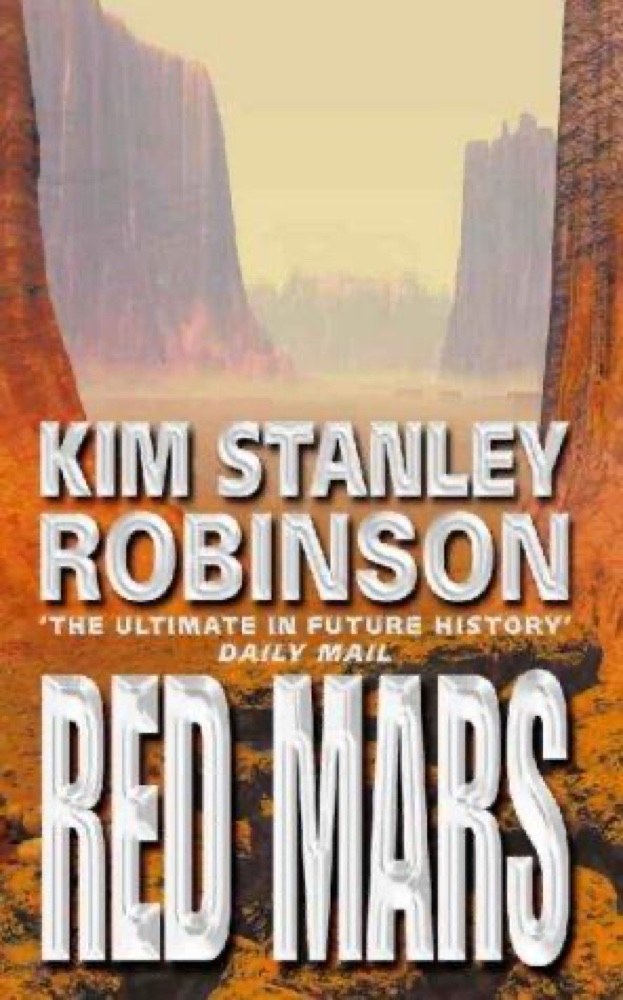 Red Mars
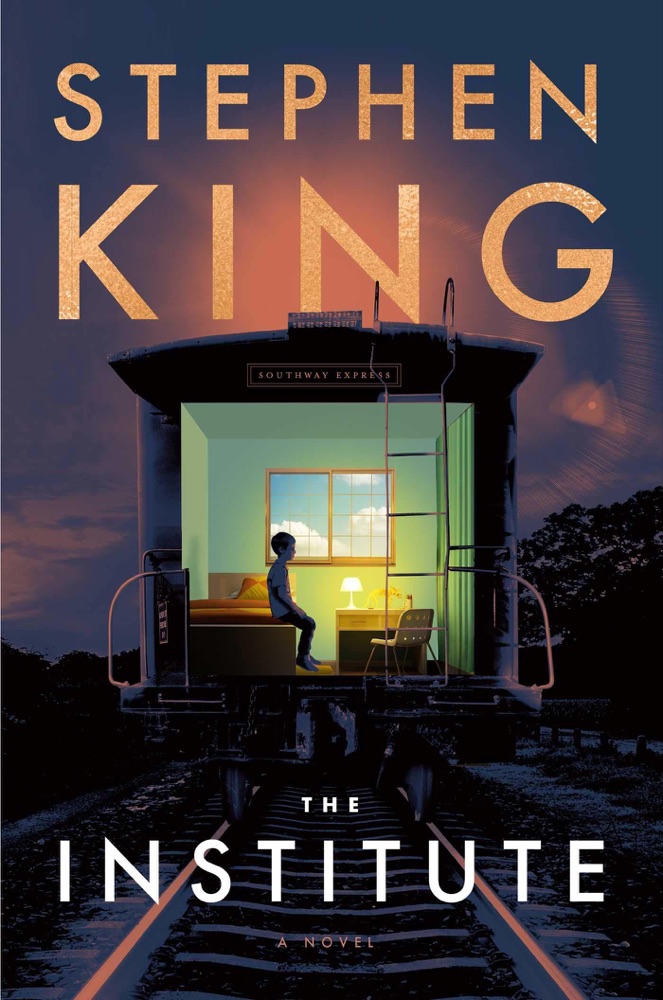 The Institute
 The Son
 Hush
Hush
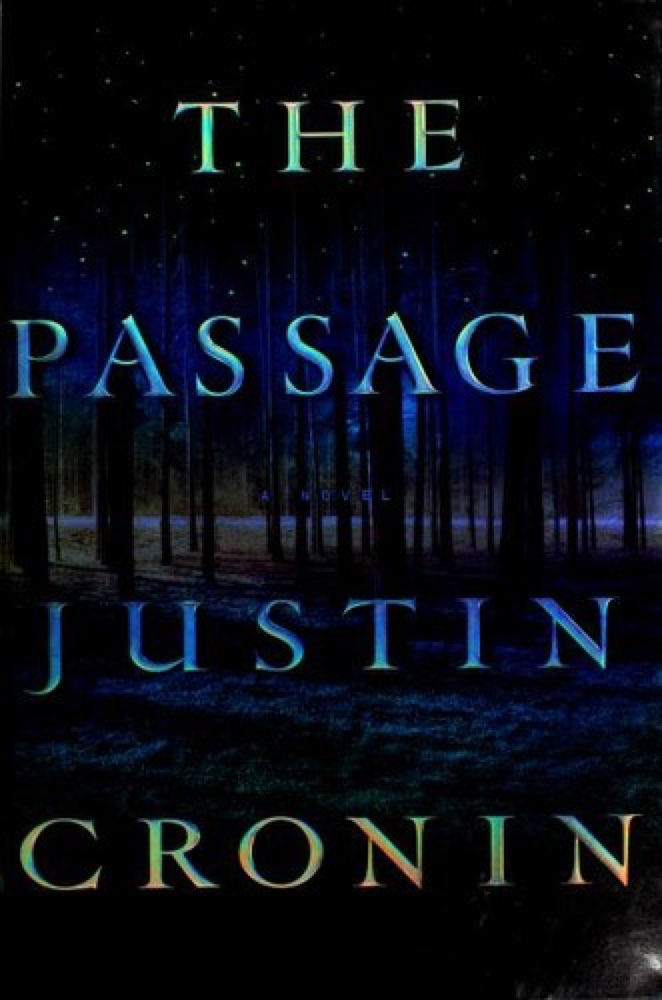 The Passage
 Nation
 Alas, Babylon
 A Spot of Bother
 Ragtime
 The Naked and the Dead
 The Whisper Man
 The Testaments
 Call for the Dead
 Perfect
 Tenth of December
 A Rule Against Murder
 The Corrections
 Fragments
 Crossroads of Twilight
 Vigil
Vigil
 We Were the Mulvaneys
 Just After Sunset
 Flight Behavior
 The Prophets
 Wanderers
 The Given Day
 I Am Pilgrim
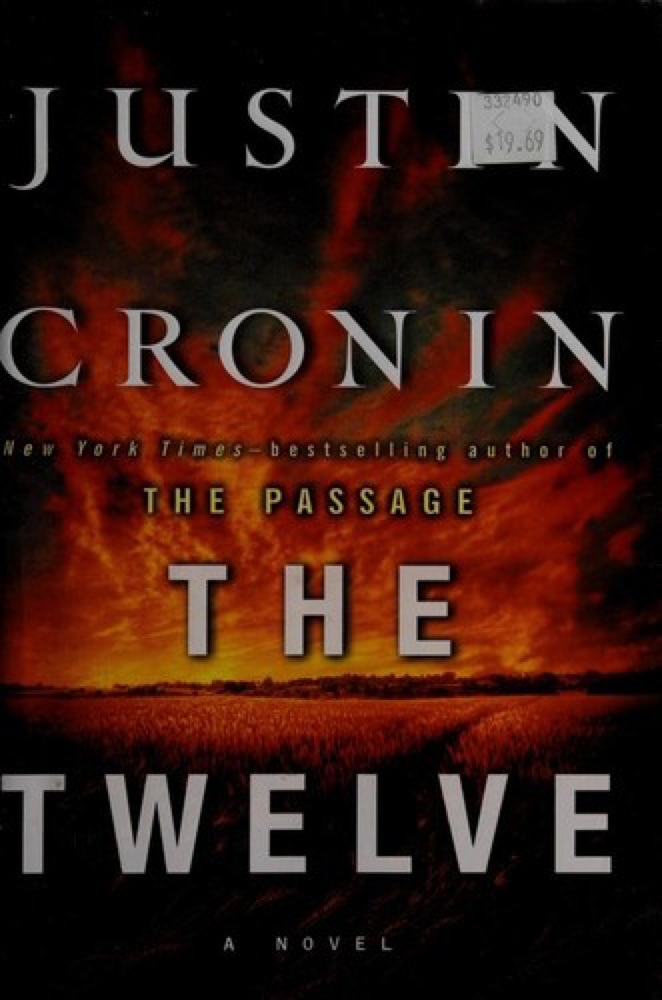 The Twelve
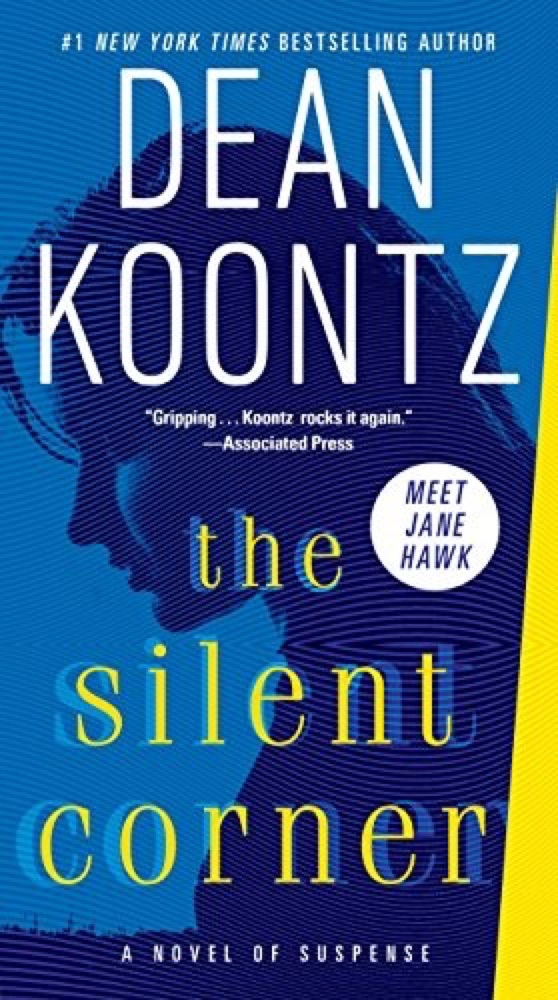 The Silent Corner
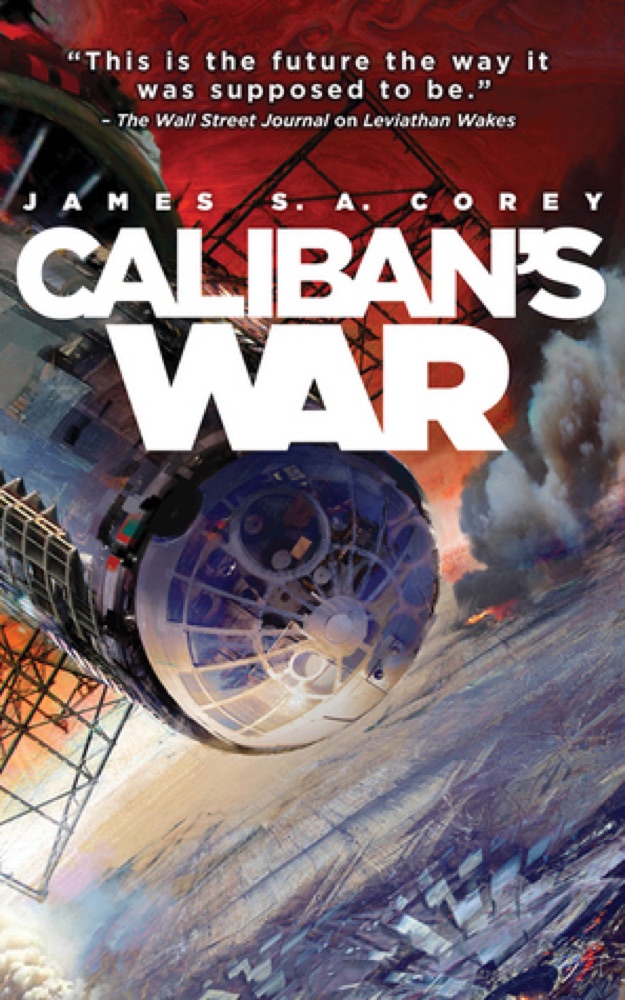 Caliban’s War
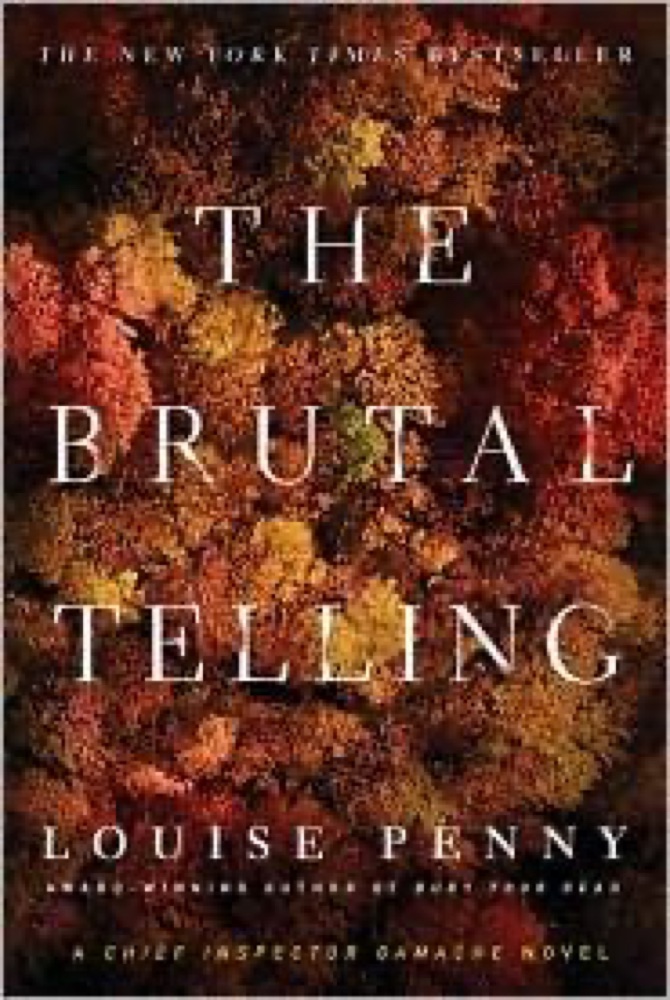 The Brutal Telling
 Strangers on a Train
 The Invasion of the Tearling
 In Cold Blood
 Falling Man
 The Affair
 Selected Stories of Philip K. Dick
 Rot & Ruin
 The Chocolate War
 The Matlock Paper
 The Long Dark Tea-Time of the Soul
 Corrupt
 Messenger
 The Pearl That Broke Its Shell
 NOS4A2
 Leviathan Wakes
 The Mandarins
 Release
 Rapture
 The Story of a New Name